Table of Content
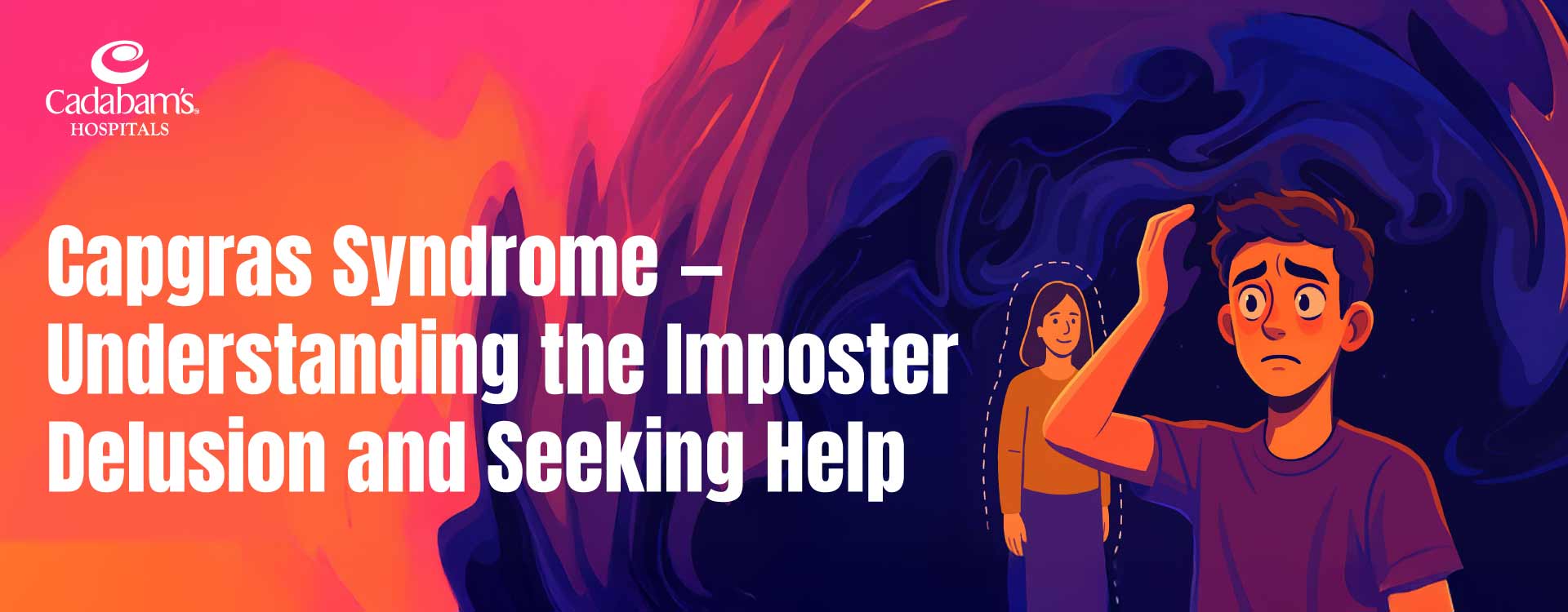
Capgras Syndrome is a rare psychological condition where individuals believe someone close to them has been replaced by an identical imposter. This delusion often signals underlying psychiatric or neurological disorders. For many families, recognising the early Capgras syndrome symptoms is the first step toward seeking effective help.
What is Capgras Syndrome?
Capgras Syndrome is a rare psychiatric condition where individuals believe someone they know—usually a loved one—has been replaced by an identical-looking imposter, despite clear visual recognition. Awareness of Capgras syndrome causes helps in timely identification and management.
Definition and Overview
Capgras Syndrome, also known as the Capgras delusion or delusion of doubles, is a rare psychiatric condition where an individual believes that someone close to them has been replaced by an identical imposter.
While not formally listed in the DSM-5, it is often associated with psychotic disorders such as schizophrenia and other neuropsychiatric conditions. This is why many clinicians stress the need for early Capgras syndrome treatment to manage distress.
How It Differs from Other Psychotic or Neurological Conditions
Capgras Syndrome is distinct in its core delusion of misidentification. Unlike schizophrenia, it focuses on identity, not paranoia or hallucinations. Unlike prosopagnosia, recognition remains intact but emotionally detached. Unlike dementia, cognitive decline isn’t primary. The hallmark is believing familiar individuals are imposters despite clear physical resemblance. Some experts even compare Capgras syndrome vs Fregoli to highlight differences in delusional misidentification syndromes.
Symptoms of Capgras Syndrome
Common symptoms include persistent delusions, mistrust, fear, emotional detachment, and potential aggression toward perceived imposters.
Delusional Beliefs and Behavioural Manifestations
Individuals with Capgras Syndrome firmly believe that someone close—often a spouse or parent—has been replaced by a convincing imposter.
This belief fuels intense paranoia, deep mistrust, and sometimes fear-driven hostility or aggression toward the supposed duplicate, affecting relationships and daily interactions. Patients who misunderstand these Capgras syndrome causes may worsen family stress without timely help.
Emotional and Cognitive Impact
Capgras Syndrome causes emotional distress and cognitive confusion, especially around personal identity and relationships. Anxiety, agitation, and depressive episodes are common.
Despite these disturbances, many individuals may appear mentally coherent and functionally intact outside the delusional context, making the condition more challenging to detect. Families often seek guidance around Capgras treatment when these symptoms disrupt daily life.
What Causes Capgras Syndrome?
Capgras Syndrome is caused by brain injuries, neurological disorders, psychiatric conditions, and disruptions between perception and emotional processing.
Brain Injury and Structural Damage
Traumatic brain injury (TBI), concussions, or lesions in the temporal cortex and limbic system disrupt the brain’s ability to connect visual recognition with emotional response.
This disconnection causes Capgras delusions. Damage may be temporary or permanent, causing lasting cognitive changes depending on injury severity and location.
Is Prosopagnosia a Cause of Capgras Syndrome?
Prosopagnosia is the inability to recognise familiar faces, also called facial blindness. Some experts suggest this may contribute to Capgras Syndrome by disrupting identity recognition.
However, this connection remains theoretical and controversial, as Capgras involves emotional misrecognition, not just facial identification failure. Capgras syndrome vs Fregoli can further help differentiate these disorders.
Neurological Conditions Linked to Capgras Syndrome
Degenerative disorders like Alzheimer’s disease and Lewy body dementia impair memory and reality perception. Epilepsy, strokes, brain tumours, and advanced Parkinson’s disease also alter cognition.
Capgras Syndrome can appear secondary to these brain deteriorations, reflecting impaired integration of perception and emotional processing. This explains why Capgras syndrome treatment often requires multidisciplinary care.
Schizophrenia and Schizoaffective Disorders
Paranoid-hallucinatory schizophrenia frequently associates with Capgras delusions due to intense reality distortion and identity confusion.
Schizoaffective disorders, which combine psychotic symptoms with mood disturbances like depression or bipolar disorder, also increase the risk, intensifying misidentification and delusional thinking.
Medication or Substance-Induced Causes
Capgras-like symptoms may result from hallucinogenic or stimulant substance abuse, withdrawal effects, delirium, or ICU psychosis. These conditions disrupt perception and cognition, causing temporary delusions.
Substance-induced states often mimic psychiatric disorders, complicating diagnosis and requiring careful clinical evaluation. Some cases may resolve with detox, while others need long-term Capgras treatment.
Who Is at Risk of Developing Capgras Syndrome?
Individuals with neurological conditions like dementia, brain injury, or epilepsy are at risk. Psychiatric disorders such as schizophrenia, schizoaffective disorder, and bipolar disorder also increase vulnerability.
Substance abuse, medication withdrawal, ICU psychosis, delirium, post-surgical confusion, and high stress or trauma can trigger or worsen Capgras Syndrome symptoms. Recognising these signs early can assist in starting appropriate Capgras treatment.
Mental Health Conditions Linked to Capgras Syndrome
Capgras Syndrome often appears alongside psychosis and transient psychotic episodes. It may also co-occur with psychotic depression and obsessive-compulsive personality disorder (OCPD).
These mental health conditions contribute to delusional thinking and identity misrecognition, increasing the likelihood of developing Capgras delusions in vulnerable individuals.
Diagnosis of Capgras Syndrome
Diagnosis involves clinical evaluation, psychiatric assessment, and ruling out neurological and psychiatric disorders with imaging and interviews.
Clinical Evaluation Process
Diagnosis begins with a detailed psychiatric history and mental status examination. Delusional inventories and behavioural interviews help assess symptom severity.
Family or caregiver interviews provide valuable context on the individual’s behaviour, supporting accurate identification of Capgras Syndrome and differentiating it from other conditions.
Imaging and Differential Diagnosis
CT and MRI scans detect structural brain damage linked to Capgras symptoms. Doctors must rule out dementia, delirium, and dissociative disorders, which share overlapping symptoms. This makes differential diagnosis challenging but essential for appropriate treatment planning.
How Is Capgras Syndrome Treated?
Capgras Syndrome treatment involves medications and psychotherapy to manage symptoms, improve individual's functioning, and provide support to both individuals and their families.
Can Capgras Syndrome Be Cured?
Full recovery from Capgras Syndrome is uncommon. Treatment mainly focuses on managing symptoms rather than guaranteed reversal.
Some individuals may experience significant improvement, especially if underlying causes are addressed early. However, many require long-term care and support to reduce delusions and maintain daily functioning, highlighting the chronic nature of this condition.
Capgras Syndrome Treatment Options
Treatment typically combines medication and psychotherapy. Antipsychotics reduce delusional thinking, while mood stabilisers and antidepressants address coexisting conditions.
Psychosocial support, including family therapy and cognitive interventions, plays a crucial role in improving individual outcomes. Early diagnosis and tailored approaches enhance quality of life, though responses vary widely between individuals.
Medication
Antipsychotics such as risperidone and olanzapine are commonly used to control psychotic symptoms. When mood disorders coexist, antidepressants or mood stabilisers may be prescribed.
In cases linked to dementia, anti-dementia drugs can help slow progression and reduce symptoms. Medication plans are carefully monitored for effectiveness and side effects to optimise treatment.
Psychotherapy and Psychosocial Support
Psychotherapy and psychosocial interventions play a vital role in helping individuals manage symptoms and improve daily functioning alongside medication.
- Cognitive Behavioural Therapy (CBT):
Helps individuals identify, question, and reframe delusional thoughts, promoting more grounded thinking and emotional stability.
- Family Therapy:
Encourages open communication, reduces conflict, and helps families understand and cope with the individual’s condition together.
- Caregiver Psychoeducation:
Provides caregivers with essential knowledge about Capgras Syndrome and guidance on managing challenging behaviours.
- Social Skills Training:
Builds interpersonal skills and confidence, helping individuals better navigate everyday social interactions.
- Reality Orientation Techniques:
Use structured reminders, photos, or routines to gently reinforce reality and reduce confusion or distress.
Prognosis of Capgras Syndrome
Prognosis varies depending on the underlying cause, such as psychosis or dementia. Early diagnosis, consistent treatment, and strong family support improve outcomes. While full recovery is rare, therapy and a supportive environment enhance quality of life and reduce relapse risk over time.
Living with Capgras Syndrome
Living with Capgras requires ongoing management, support, and adaptation to the challenges of delusional beliefs.
Coping Mechanisms for Patients
Individuals benefit from medication compliance and regular therapy to manage symptoms. Addressing a lack of insight into their delusions is crucial. Creating a calm, low-stimulation environment helps reduce anxiety and confusion, supporting emotional stability and overall well-being.
Supporting the Caregiver
Caregivers need education about Capgras Syndrome and realistic expectations. Implementing safety measures is vital if aggression occurs.
Emotional support and therapy for caregivers help prevent burnout, ensuring they remain effective and compassionate in providing long-term care.
When to Seek Help
Seek help when delusional beliefs, paranoia, or behavioural changes begin disrupting daily life or relationships significantly.
Red Flags to Look Out For
Watch for sudden shifts in behaviour or belief, especially if a loved one begins making strong accusations or insisting someone close has been “replaced.”
Signs like increasing paranoia, emotional withdrawal, confusion, or agitation may indicate Capgras Syndrome or another serious mental health condition requiring immediate professional attention.
How a Mental Health Professional Can Help
A mental health expert can assess symptoms and identify underlying psychiatric or neurological issues.
They may coordinate with neurologists for imaging or further evaluation. Based on diagnosis, they’ll develop a personalised care plan combining therapy, medication, and family support.
Living With Capgras Syndrome: When to Reach Out for Help
If you or someone you care about is experiencing signs of Capgras Syndrome, such as intense paranoia, emotional detachment, or believing loved ones are imposters, it’s important to seek help early.
A mental health professional can provide clarity, diagnosis, and treatment. Cadabam’s offers compassionate, personalised care to support recovery and improve quality of life. Don’t hesitate, help is available.
If you are searching for a solution to your problem, Cadabam’s Hospitals can help you with its team of specialised experts. We have been helping thousands of people live healthier and happier lives for 30+ years. We leverage evidence-based approaches and holistic treatment methods to help individuals effectively manage their Capgras Syndrome. Get in touch with us today. You can call us at +91 97414 76476. You can even email us at info@cadabamshospitals.com.
FAQs
What Are the Main Causes of Capgras Syndrome?
Capgras Syndrome is often caused by brain injuries, neurological disorders like dementia or epilepsy, and psychiatric conditions such as schizophrenia. The disconnection between facial recognition and emotional processing is a key neurological factor behind the delusional belief.
Can Capgras Syndrome Be Treated or Cured?
Capgras Syndrome can be treated, but not always cured. Treatment focuses on managing symptoms through a combination of medication, therapy, and support. Recovery varies based on the underlying cause, early diagnosis, and consistency in following a personalised care plan.
Is Capgras Syndrome Related to Schizophrenia or Delusional Disorders?
Yes, Capgras Syndrome is often associated with schizophrenia and other psychotic disorders. The delusional misidentification of loved ones aligns with symptoms seen in paranoid or schizoaffective disorders, making psychiatric evaluation essential for accurate diagnosis and treatment.
What is Fregoli and Capgras Syndrome?
Capgras and Fregoli syndromes are both delusional misidentification disorders. Capgras involves believing familiar people are imposters, while Fregoli involves thinking strangers are familiar people in disguise. Both are linked to brain dysfunction and psychiatric conditions like schizophrenia.
How is Capgras Syndrome treated?
Capgras Syndrome is treated through a combination of antipsychotic medications, psychotherapy, and supportive care. Treatment depends on the root cause and may include antidepressants, cognitive behavioural therapy, and family education to manage symptoms and improve quality of life.
How common is Capgras Syndrome?
Capgras Syndrome is rare. It’s more commonly seen in individuals with schizophrenia, dementia, or brain injuries. Prevalence is difficult to estimate due to underreporting and frequent misdiagnosis, but it remains an uncommon and poorly understood psychiatric condition.
How Cadabam's Help you for Addiction?
- 410+ Professional Consultants
- 1,00,00+ Happy Faces
- 120+ Currently Seeking Treatments