

The Cadabam’s Hospitals Difference
Why Cadabam’s Hospitals? What Makes Us Different?
Through our 8 specialty centers offering top-notch treatments across the nation, we have been helping thousands of people improve the quality of their lives.
33+
Years of Experience
10,000+
Happy Families
20+
Treatment Modalities
400+
Mental Health Experts
With over 33 years of expertise and knowledge, we promise to provide our clients the treatment that suits them the best. Whether the case involves substance addiction, alcoholism, sleeping issues, bipolar disorder, or schizophrenia, our experts know how to handle it in a way that it’s in the best interest of the client and their family.
Our state-of-the-art infrastructure, experienced professionals, and strong support system enable us to offer world-class evidence-based treatment that fits all stages and types of mental health concerns that you may have.
At Cadabam’s Hospitals, we’ve always got your back.
Understanding the Approach
Expert Talks
Watch our specialists discuss the therapy in their own words.
Cadabam's Group
How to get back #Control over your #Life? Explained by Ms Manisha Jain, Cadabam's Group
Watch on its own pageCadabam's Group
What is rTMS Treatment for depression? Explained by Dr. Arun Kumar V, Consultant Psychiatrist.
Watch on its own pageCadabam's Group
Understanding Schizophrenia: A Clinical Overview by Dr B. R. Madhukar
Watch on its own pageReal Journeys
Recovery Stories
Courage, recovery, and hope — shared by the people we have walked alongside.
Recovery Story
Why Choose Cadabam’s Hospitals For Bipolar Treatment Explained By Our Resident
Watch on its own pageRecovery Story
Schizophrenia Treatment at Cadabam’s Hospitals | A Journey of Hope and Recovery
Watch on its own pageOur Facilities
Emergency Service Facilities
Purpose-built rehabilitation centres, clinical equipment, and support services designed to drive better patient outcomes.

Ananya Campus

Ananya Rehabilitation Centre

Private Cottages
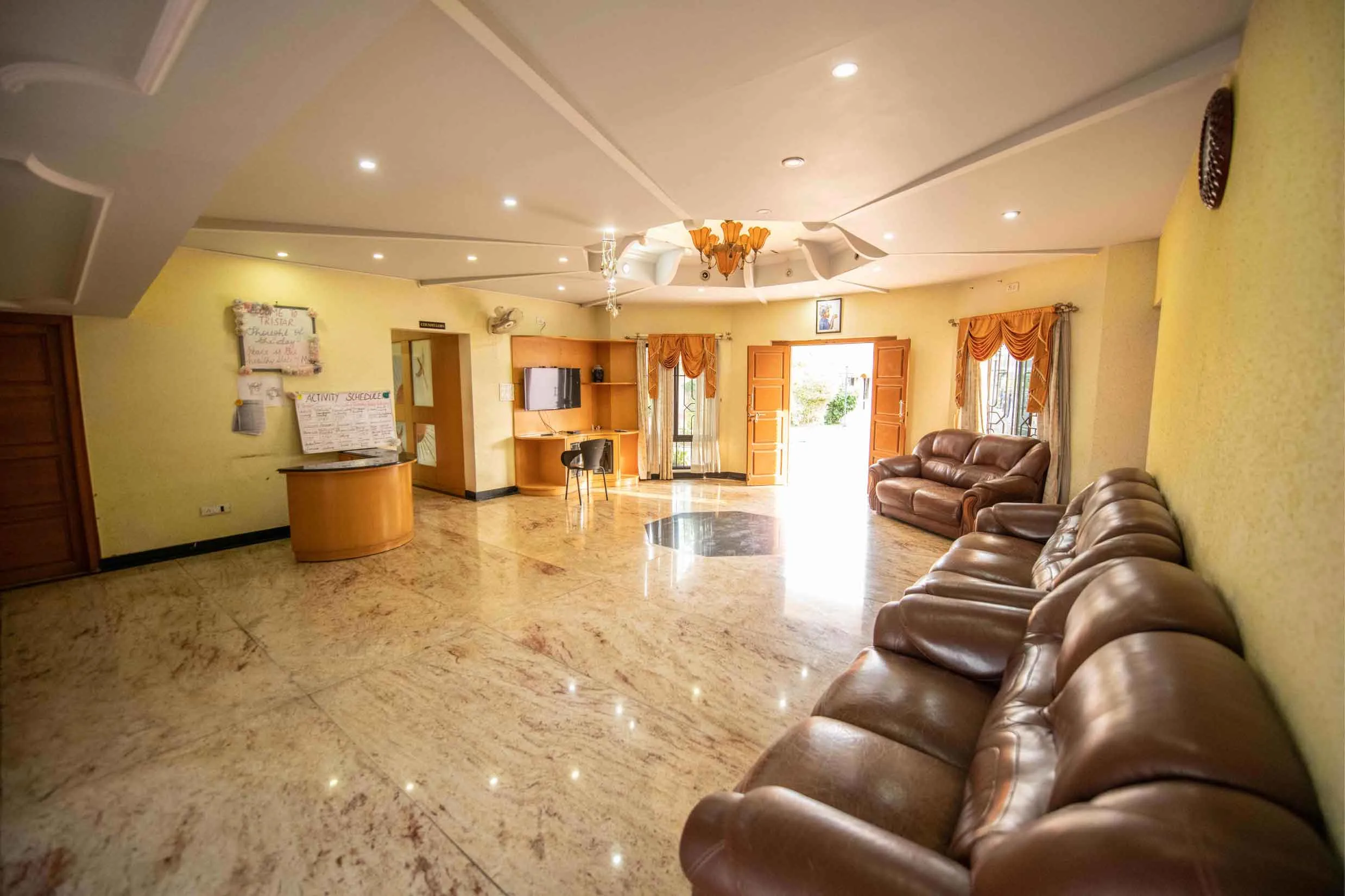
Campus Entrance
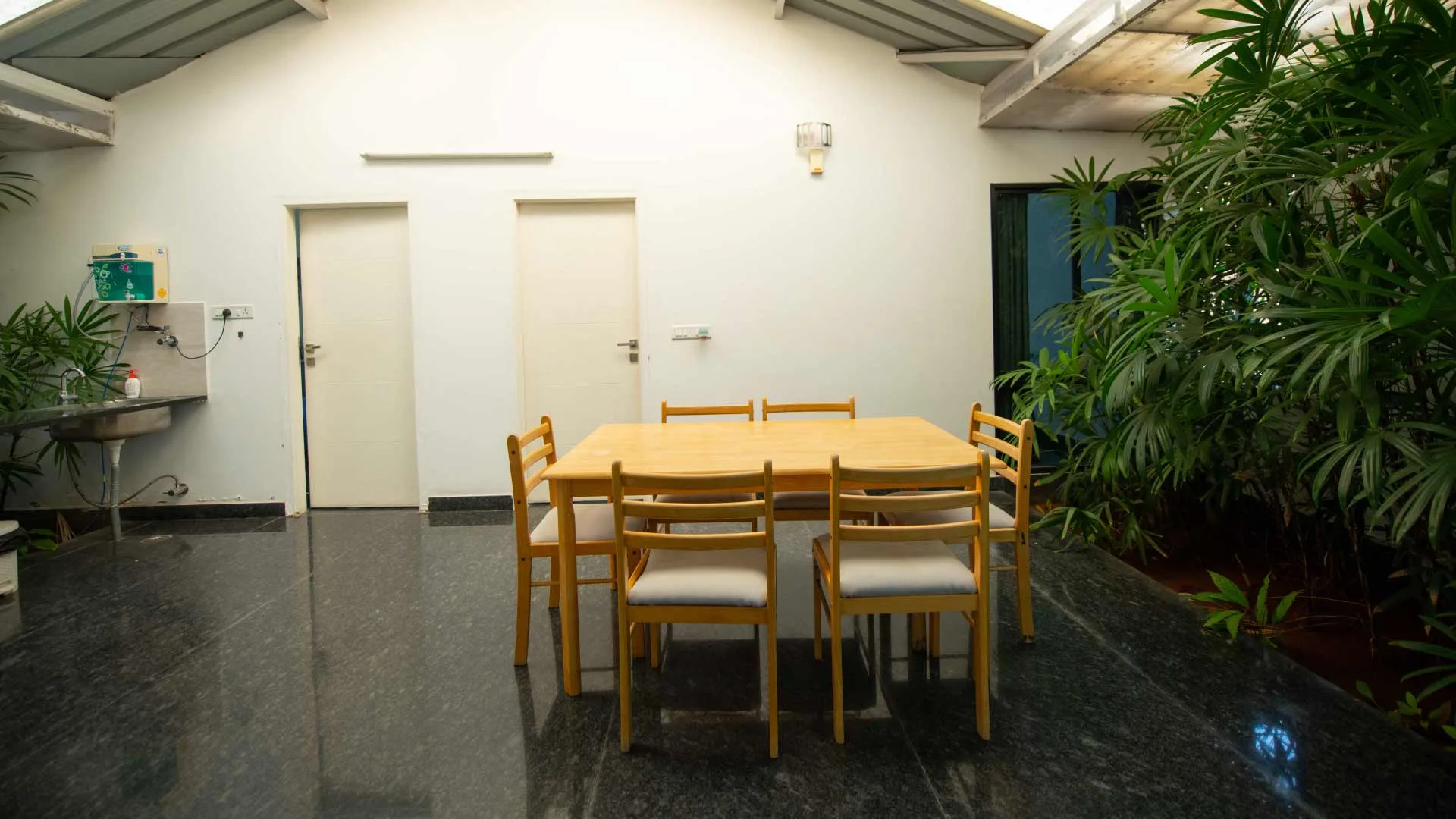
Healing Environment
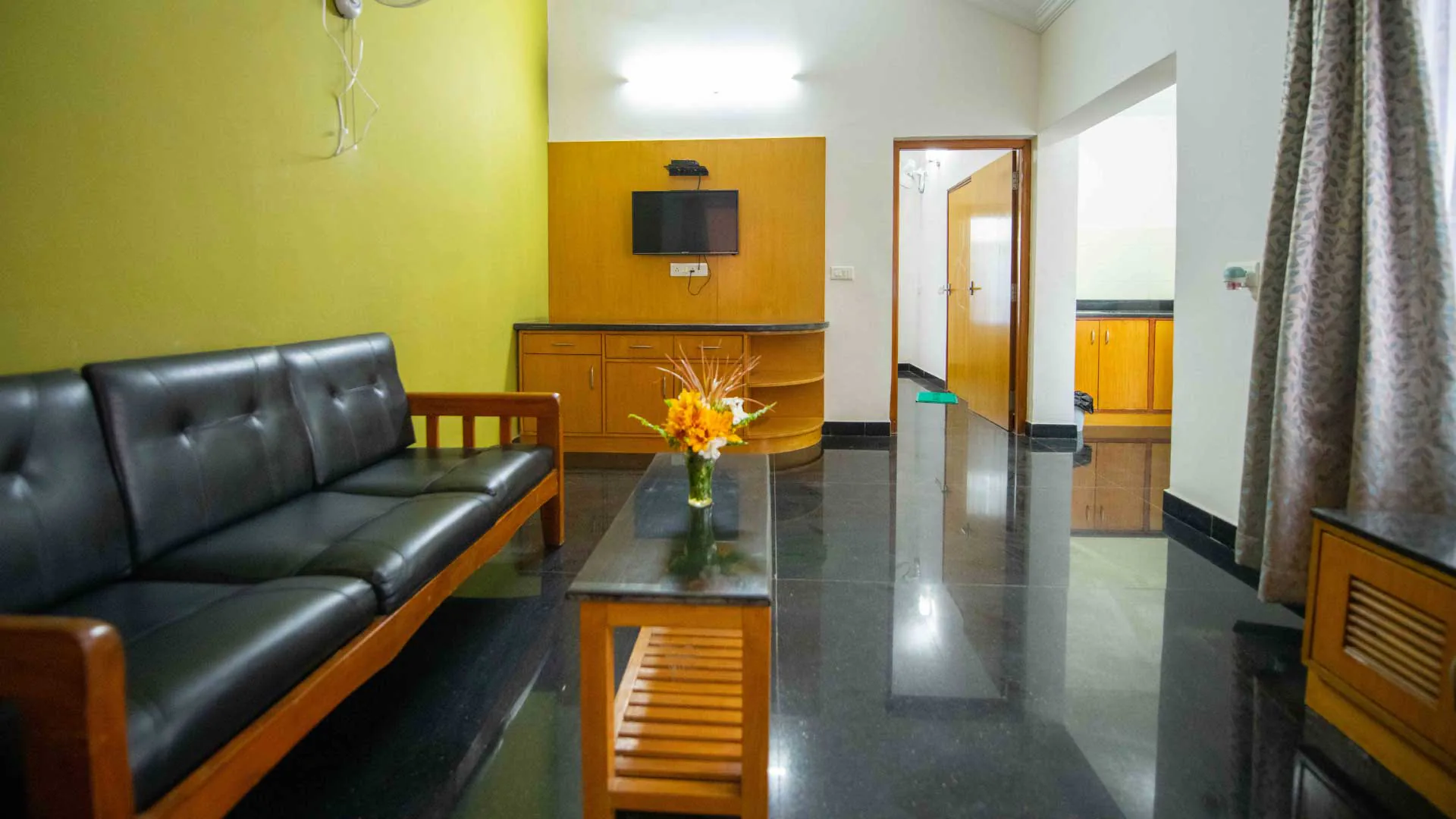
Hospital Lobby
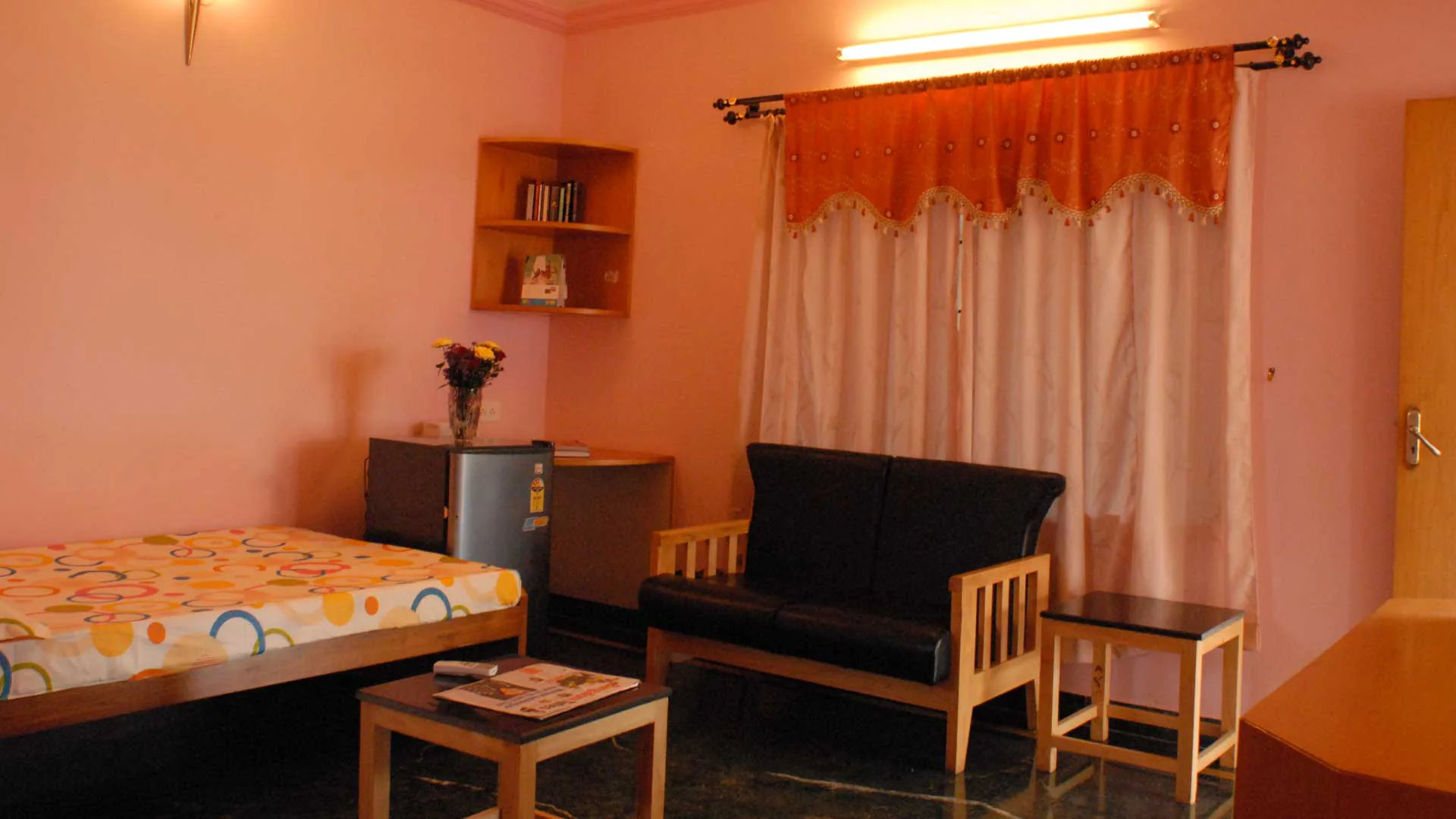
Recovery Experience

Rehab Unit
Patient Stories
What Our Clients Have To Say
Real stories from the families and individuals we’ve supported on their path to well-being.
5.0
I used to visit multiple places to consult professionals for my son’s treatment. Finding Cadabam’s Hospitals near me made everything so much more convenient. From psychiatrists to rehabilitation services, they had it all under one roof. I’m truly happy with the support they provided, and I can see remarkable changes in my son.... Read More
R
Rajesh F.
Verified patient
5.0
I’m very happy with the doctors, medical staff, and facilities at Cadabam’s Hospitals. Apart from being highly skilled in the field, the doctors and other medical staff are also very patient and supportive. Right from diagnosing the issue to prescribing medicines and creating the perfect treatment plan, they are with you every step of the way. I am glad I reached out to the team at Cadabam’s Hospitals for counseling sessions.... Read More
N
Neha D.
Verified patient
5.0
I have observed great improvements in my son who has autism. The treatment plan created by the doctors has helped reduce the symptoms and he now is slowly learning new skills that assist him in his day-to-day activities. I cannot thank the team at Cadabam’s Hospitals enough for giving my son the opportunity to have a happy and healthy childhood.... Read More
K
Kavya I.
Verified patient
Trusted by 10,000+ families · 4.5 ★ on Google Reviews
Who We Care For
We care for individuals experiencing intense indications of mental ill-health and substance abuse issues. These might include those struggling with,
- Experiencing any signs of mental illness.
- Suicidal thoughts.
- Self-harming attempt.
- Drug or alcohol addiction-related problems (including psychosis).
- Psychotic episode.
- Feeling out of control.
We Cover All Mental Illnesses:
We offer treatment facilities for various mental illnesses such as OCD, chronic pain, depression, personality disorder, substances, dementia, autistic spectrum disorder, bipolar disorder, schizophrenia, specific learning disability and much more.
Our Multi-Disciplinary Team Comprises Of:
- Psychiatrists
- Clinical Psychologists and Neuropsychologists
- NIMHANS trained Mental Health Specialist
- Qualified and well-trained practitioners
- Licensed therapists
- Trainee Nurses & Caretakers
All these treatments and therapies are carried out and performed by well-trained plus qualified professionals.
What to Expect:
- Brief, focused interventions based on the evidence-based methods
- Commencement of medications
- Psycho-education, goal–setting and treatment outlining
- Recovery-oriented practices
- Support/education to group, families and individuals
Other Treatment Services
Also, we provide others services such as,
- EAP Counseling
- Online Counseling
- Home Counseling
- Biofeedback
- Group Therapy
- Neurofeedback
- Direct Cranial Stimulation
- RTMS
- ECT
- Mindfulness
- Psychotherapy
In Crisis Contact:
A mental health crisis can occur at any time and any moment. For that reason, our psychiatric emergency care team is open round the clock to provide you with the right support and treatment to those encountering a mental health emergency. If you are in need of any psychiatric emergency care facility or require an emergency psychiatrist appointment, do reach us @ + 91 9741 476 476.
Admissions and Mental Health Review Board
Your admissions either be it a Voluntary or Supported is all governed by the Mental Health Care Act 2017. Cadabam’s Hospitals and all its entities are registered as Mental health establishments as per the act and admissions are compliant to the relevant sections of the act.
Cadabam’s Bangalore centers comes under the purview of Mental Health Review Board (Bangalore and Mysore Division) which is functional at Psychiatry Reception area Arts Theatre, New Building, Opposite to SBI Bank, NIMHANS Hospital Compound, Bangalore 560029. The contact no of the Board is +91-9480817894 and e-mail: mhrb.bm2022@gmail.com.
All admissions of whatever category mentioned are reported to the Board and anybody with any grievances can also report to Board.
What to Do in a Behavioural Crisis at Home — a Step-by-Step Triage
When a loved one with a serious mental illness becomes distressed, agitated, or aggressive at home, the moment can feel impossible to manage. It helps to remember one thing above all: in a crisis, your own response is the one variable you can actually control. The person in crisis may have very little insight and impaired judgment in that moment — especially during active psychosis — so the leverage point is not their behaviour, it is your calm. The steps below are the same triage our clinical team teaches caregivers through the Family Psycho-Education Support Group (FPSG) at Cadabams Amitha, our Center for Psycho Social Rehabilitation. They draw on established crisis de-escalation practice and are deliberately simple, because no one remembers anything complicated when adrenaline is high.
1. Try Responding, Not Reacting — First
Before anything else, try to respond rather than react. Reacting is automatic — shouting back, arguing, threatening, trying to win the moment. Responding is deliberate: you pause, stay calm, and aim to help rather than to win.
- Pause. Take a few seconds — even five — before you speak or act. Inhale, hold, exhale. Calm your own nervous system first.
- Lower your tone, don't raise it. A calm, quiet voice signals safety. Shouting matches their arousal and pushes it higher. Tone travels faster than content.
- Keep a safe distance and give space. Don't crowd or corner them. Let them move, pace, or vent without a body in their path.
- Set a boundary, once, without escalating. Staying calm does not mean accepting anything. You can say — calmly and once — "I won't shout at you, but this is not okay." Then hold that line without turning it into an argument. A boundary is a sign of strength, not weakness.
And if you slip and react — raise your voice, argue back — that does not undo everything. You are human, and these are frightening moments. Step back, breathe, and try again.
2. Safety First When It Turns Physical
If the situation becomes physical — throwing things, breaking objects, physical aggression — de-escalation gives way to safety. This is not the time to reason, correct, or resolve whatever set it off.
- Move vulnerable people out of the area. Quietly guide children and elderly relatives out of the room. Position yourself near an exit.
- Keep a safe distance. Do not step in close, and do not try to physically restrain your loved one — restraint can trigger injury to both of you.
- Do not fight over objects or property. As the team puts it plainly: whatever breaks, let it break. Property can be replaced; a physical confrontation cannot be undone. Keeping everyone safe is the precondition for helping, not a failure to help.
A worked example the team uses in the FPSG: a man — call him Mr. Kumar — is irritable and sleep-deprived. Reminded to take his medication, he explodes, throws a chair, and shouts "leave me alone, get out, don't control me." The instinct is to grab the chair or argue back. The safer response is the opposite: step back, give him room, let the chair be, move anyone vulnerable out of the room, and say — once — "okay, I'll give you space." The conversation about medication waits until he is calm, ideally with the treating team involved. (This is a facilitator teaching example, not an account of a specific patient.)
3. When to Call the Treating Team
Try de-escalation first — but a crisis can move beyond what any family can safely hold, and knowing when to hand over is part of caring well. Keep yourself and others safe first, then call for professional help when:
- The situation is escalating despite your calm response.
- There is a real risk of harm to your loved one or anyone else.
- The person is physically aggressive, or the episode is severe or repeating.
- You cannot safely bring the situation down at home.
A serious mental illness is a chronic condition, not a one-dose problem — as the team puts it, "it's not fever where one paracetamol solves everything; it's a long process." Reaching out is not a failure. Call our 24/7 psychiatric helpline: 97414 76476. The first conversation does not commit you to anything; it commits you only to a clearer picture of what is happening and what the next step might be.
When a Loved One Won'T Cooperate or Come in — Supported Admission Under MHCA 2017
Sometimes a person in crisis needs psychiatric care, is at real risk, and will not agree to come in — because they do not believe they are unwell, or are too distressed to make a clear decision. For exactly this situation, the Mental Healthcare Act 2017 (MHCA 2017) provides a framework called supported admission.
Supported admission applies when a person's severe mental illness has removed their capacity to make decisions about their own care, or they are at substantial risk of harm. It is a clinical decision, made by a registered psychiatrist, against three specific criteria — the psychiatrist must determine that the person meets at least one:
- Risk to self — a substantial risk of harming themselves.
- Risk to others — a substantial risk of harming other people.
- Incapacity — an inability to make decisions about their own care because of the severity of the mental illness.
These are narrow, clinical determinations, not casual judgments. The framework is rights-protected: it protects the patient's rights even within a supported admission, and the status is reviewed periodically — it is not indefinite. As the person stabilises and regains the capacity to decide, care reverts to consent-based treatment.
A family cannot admit someone simply because they are difficult, in conflict, or inconvenient. Supported admission is not a way to admit an unwilling-but-well relative, to settle a family dispute, or to enforce compliance. It is a clinical pathway for a specific clinical situation.
If your loved one won't come in, a family can still initiate the process. There are three routes:
- Call the psychiatric helpline — a triage clinician works through the situation with you and advises the next step.
- A proxy consultation — the family comes in (often with recent photos or videos of the person's behaviour) and a clinician forms a clinical understanding of the situation, enough to advise on what to do next.
- A Psychiatric Emergency Team (PET) — a multidisciplinary team that can travel to the home, assess the person there, and, if the criteria are met, recommend a supported admission.
To understand exactly how supported admission works, who decides, and what happens after admission, see our detailed explainer on assisted admission under the Mental Healthcare Act 2017. To begin — or simply to talk through whether it applies — call our 24/7 psychiatric helpline: 97414 76476.
FAQ
Frequently Asked Questions
Try to respond rather than react. Pause for a few seconds, lower your voice rather than raising it, keep a safe distance, and give the person space. Set a boundary once if you need to ("I won't shout at you, but this is not okay") without turning it into an argument. If the situation becomes physical or unsafe, prioritise safety and call the treating team.
Put safety first. Move children and elderly relatives out of the room, keep a safe distance, and do not try to physically restrain them or wrestle over objects — whatever breaks, let it break. Keep everyone safe, then call our 24/7 psychiatric helpline on 97414 76476. If restraint seems necessary for safety, that is a signal to call for professional help immediately.
Call when the situation is escalating despite a calm response, when there is any risk of harm, when the person is physically aggressive, or when you cannot safely bring the situation down at home. Keep everyone safe first, then call 97414 76476. Reaching out is not a failure — a serious mental illness is a long-term condition that often needs clinical support in a crisis.
Supported admission is a framework under MHCA 2017 for admitting a person who needs psychiatric care but cannot consent to it because their severe mental illness has removed their capacity to decide, or they are at substantial risk of harm. It is a clinical decision made by a registered psychiatrist against three criteria — risk to self, risk to others, or incapacity — is rights-protected, and is reviewed periodically. It is not a way to admit an unwilling-but-well relative.
A family can initiate the process even when the person won't come in — by calling the psychiatric helpline, through a proxy consultation (the family comes in and a clinician assesses the situation from their report), or through a Psychiatric Emergency Team that can assess the person at home. If the clinical criteria are met, the psychiatrist may recommend a supported admission under MHCA 2017. Start with a call to 97414 76476.
Insights From Our Experts
Recent Stories from Our Blog
Psychological issues
Women's Mental Health
Psychological issues
Stress & Burnout
Newsletter