What Is Depression?
Depression is a mental health condition that causes ongoing feelings of sadness, hopelessness, and a loss of interest in activities. It can impact how a person thinks, feels, and functions daily. Symptoms may include tiredness, trouble sleeping, and difficulty focusing. With proper care, including therapy or medication, depression is treatable, helping individuals return to a healthier and happier life.
How Depression Affects Daily Life and Relationships
Depression profoundly impacts every aspect of life, including personal, professional, and social domains:
- Personal Life:
- Persistent sadness and fatigue make it difficult to enjoy daily activities.
- Loss of motivation may result in neglecting personal hygiene, self-care, or responsibilities.
- Negative self-perception can lower self-esteem and worsen emotional well-being.
- Professional Life:
- Difficulty concentrating or making decisions affects productivity and job performance.
- Absenteeism or lack of interest in work can lead to missed opportunities or conflicts.
- Struggling to cope with workplace stress may exacerbate symptoms.
- Social Relationships:
- Isolation or withdrawal from friends and family disrupts connections.
- Misunderstandings or irritability may strain relationships.
- Loss of interest in social activities can lead to feelings of loneliness and alienation.
Depression creates a ripple effect, influencing how individuals interact with their world. Seeking professional help and building a supportive network can mitigate its impact and improve overall quality of life.
Looking for trusted psychiatrists in Bangalore? Cadabam’s Hospitals delivers expert, tailored care for a wide range of psychiatric conditions.
Recognising the Signs and Symptoms of Depression
If you’re looking for professional help, finding the right depression healing centre is crucial. Depression is a common mental health disorder that can significantly impact a person’s mood, behaviour, and overall well-being. Some of the most common signs and symptoms of depression include the following:
- Feelings of sadness, hopelessness, and emptiness, which may persist for two or more weeks
- Lack of interest in activities that were once enjoyable
- Difficulty concentrating or making decisions
- Irritability
- Increased anxiety or restlessness.
If you’re looking for a therapist for depression near me, Cadabam’s Hospitals offers expert counselling services to help you navigate through depression. Our experienced therapist near me specialise in therapies like CBT and mindfulness, tailored to your needs. Whether you need individual support or group therapy, finding the right therapist near me at Cadabam’s Hospitals ensures you’re never alone in your journey to healing.
Depression can also manifest in emotional and physical symptoms such as:
Emotional Symptoms of Depression:
- Persistent sadness or feelings of emptiness
- Diminished interest or enjoyment in activities that were previously pleasurable.
- Feelings of worthlessness or guilt
- Difficulty concentrating or making decisions
- Irritability or mood swings
- Anxiety or constant worry
- Suicidal thoughts or thoughts of death
Physical Symptoms of Depression:
- Chronic fatigue or lack of energy
- Sleep disturbances (insomnia or excessive sleeping)
- Fluctuations in appetite or weight, whether an increase or decrease.
- Unexplained aches or pains
- Slowed movements or speech
- Digestive problems (e.g., nausea, constipation)
- Decreased ability to perform daily tasks
In some cases, people with depression may also experience suicidal thoughts or behaviours, which require immediate medical attention. It is also important to seek professional help if you experience symptoms of depression that interfere with your daily life, work, or relationships. With proper treatment and support, people with depression can experience significant improvement in their symptoms and overall quality of life.
Psychologists in Bangalore at Cadabam’s Hospitals deliver expert, individualized care for a wide range of mental health conditions.
What Are the Types of Depression?
Depression is not a complete diagnosis in and of itself. There are several different types of depression that people may experience. Types of depression that are usually seen in individuals include major depression, persistent depressive disorder, seasonal affective disorder, postpartum depression, bipolar disorder, and more.
Types of depression are given below:
- Major depression: Characterized by a persistent feeling of sadness or a loss of interest in activities that were once enjoyable.
- Persistent depressive disorder: Also known as dysthymia, it involves a less severe but longer-lasting form of depression that can persist for two years or more.
- Bipolar disorder: A mood disorder that involves periods of depression alternating with periods of mania or hypomania.
- Seasonal affective disorder (SAD): A type of depression that typically occurs in the fall and winter months when there is less sunlight.
- Postpartum depression: A type of depression that occurs in women after giving birth and is thought to be related to hormonal changes.
In addition to these types of depression, there are also other subtypes that can occur alongside other medical or psychiatric conditions, such as substance-induced depression or depression related to medical conditions. It is important to seek professional help if you are experiencing symptoms of depression, as proper diagnosis and treatment can significantly improve your quality of life.
Whether you need therapists in Bangalore, Cadabam’s Hospitals ensures expert care tailored to your needs.
Different Types of Depression
Depression comes in various forms, each requiring a tailored approach for effective treatment. Here’s a quick overview:
Major Depressive Disorder
Characterised by persistent sadness, loss of interest, fatigue, and difficulty concentrating. Severe cases may involve suicidal thoughts. Treatment often includes therapy and medication.
Persistent Depressive Disorder (Dysthymia)
A chronic, less severe form of depression lasting over two years. Symptoms include low mood, lack of motivation, and difficulty finding joy in activities. Long-term support is essential for managing this condition.
Bipolar Disorder
Bipolar Disorder involves alternating episodes of depression and mania. Depressive episodes resemble Major Depressive Disorder (MDD), while mania features increased energy and impulsivity. Treatment focuses on stabilising mood through medication and therapy.
Seasonal Affective Disorder (SAD)
Occurs during fall and winter due to reduced sunlight. Symptoms include lethargy, overeating, and sadness. Light therapy and counselling are common treatments.
Postpartum Depression
Affects new mothers after childbirth, with symptoms like sadness, anxiety, and trouble bonding with the baby. Supportive care and therapy help mothers recover and reconnect.
Who Does Depression Affect?
While a large number of people suffer from the disorder, the risk of developing depression varies based on a person’s gender, age, race, socioeconomic background, and more. Statistics show that females are more likely to develop the disorder when compared to men. Further, there are certain risk factors associated with the development of depression, which include serious physiological or neurological conditions like cancer or Alzheimer’s.
How Common Is Depression in India?
Depression is fairly prevalent in India, with some of the latest statistics showing that it has a prevalence of around 2.7% in the country. However, the rate of incidence varies greatly based on various factors, including gender and socioeconomic factors. Studies show that the disorder affects women at a higher rate and also affects people in urban areas and from lower socioeconomic strata disproportionately.
What Causes Depression?
Depression has multiple complex causes behind it, and no single cause can be ascertained as the reason why it develops. Depression can largely be understood as a combination of the following causative factors:
Genetics: Research shows that depression has the tendency to run through families. There are multiple genes involved in the development of the disorder, according to multiple studies. Though genetics plays an important role in the development of the disorder, it is not a guaranteeing factor in and of itself.
Environmental Factors: Stressful life events, including the death of a loved one, a failed relationship or marriage, and more, can lead to a person developing the disorder. Physical or emotional trauma can also increase the incidence of the disorder.
A Note From Us: When it comes to major life events or traumatic incidents, it sometimes becomes difficult to distinguish between grief and the incidence of depression. Know that it is perfectly fine and necessary, even to grieve. However, in these situations, it is even more important to keep an eye out for any symptoms out of the ordinary within a person.
Social isolation is also seen as impacting the incidence of the disorder. Factors like substance abuse can lead to a person developing depression.
Experienced counsellors in Bangalore at Cadabam’s Hospitals provide personalized support for a wide range of mental health concerns.
Risk Factors for Depression
Certain factors make individuals more prone to developing depression. These risk factors can be genetic, biological, psychological, or environmental. Here’s a closer look:
Genetics
A family history of depression increases susceptibility. While not everyone with a genetic predisposition develops depression, it’s a significant contributing factor.
Biological Factors
Chemical imbalances in the brain, hormonal changes, or neurological conditions like Parkinson’s or Alzheimer’s often lead to depression. Chronic illnesses like diabetes, heart disease, or cancer also elevate the risk.
Psychological Factors
Trauma, such as abuse or neglect, low self-esteem, and high stress levels are common triggers. Negative thought patterns and emotional struggles further increase vulnerability.
Environmental Stressors
Significant life events, such as the loss of a loved one, financial difficulties, relationship problems, or job loss, can trigger depressive episodes. Prolonged exposure to stressful or neglectful environments compounds the risk.
Social Factors
Lack of strong social support, loneliness, and strained relationships are major contributors. Women often face additional challenges due to caregiving roles, societal pressures, and hormonal changes.
Substance Abuse
The misuse of alcohol or drugs is both a cause and consequence of depression. Substance abuse worsens symptoms and complicates recovery.
Age and Gender
Depression is more common in women due to hormonal changes and social pressures. Older adults face unique challenges like loneliness, grief, and health issues, increasing their risk.
When to Seek Professional Help for Depression
Depression can affect every aspect of life, making it challenging to manage daily tasks or maintain relationships. Knowing when to seek help is vital to managing depression effectively. If emotional struggles start interfering with your daily routine or quality of life, consider reaching out to a mental health expert. Common warning signs include:
- Symptoms lasting longer than two weeks.
- Persistent sadness or hopelessness.
- Loss of interest in previously enjoyable activities.
- Sleep or appetite changes.
- Trouble focusing or making decisions.
How Is Depression Diagnosed?
Diagnosing depression is a complex process that usually involves at least a couple of sessions with a mental health professional. During this period, the professional will conduct a thorough assessment of a person’s medical history and their symptoms. A diagnosis of major depressive disorder (the most common form of the disorder) involves the presence of at least five of the symptoms listed in the Diagnostic and Statistical Manual of Mental Disorders published by the American Psychiatric Association.
The symptoms include:
- Depressed mood
- Loss of interest or pleasure in activities
- Significant weight loss or gain
- Insomnia or hypersomnia
- Fatigue or loss of energy
- Feelings of worthlessness or guilt
- Difficulty concentrating
- Recurrent thoughts of death or suicide.
Further, a professional may also conduct a detailed physical examination along with a few diagnostic tests. This is to rule out any physiological causes behind the symptoms of the disorder. It is important to note that a diagnosis of depression can only be made by a trained mental health professional like a psychiatrist or a clinical psychologist.
Treatment for Depression
Depression is a highly treatable mental health disorder. With early diagnosis and effective treatment, an individual can show considerable improvement. In fact, studies show that in individuals who obtained an early diagnosis, a majority of them showed considerable improvement with treatment within six weeks.
Further, early treatment with psychotherapy and related approaches significantly reduced the risk of recurrence of depressive episodes in individuals. Very importantly, studies also show that early treatment helps significantly reduce the risk of suicide and self-harm among individuals who are battling depression.
Treatment approaches for depression include the following:
Medication for Depression
There are various medications that help in treating depression. These medications are prescribed by a psychiatrist and help a person deal with the different symptoms of the disorder. It is important to note that these medications must be taken only under the advice and guidance of a psychiatrist.
On side effects: Another important factor to consider while taking medication for depression is the side effects that come with it. Do note that a psychiatrist weighs the pros and cons of each medication before prescribing it to a person. However, if a person notices disturbing or severe side effects, it is important to consult the professional immediately.
Therapies Available for Depression
Here are some of the most common therapies available for depression:
Cognitive-behavioural therapy (CBT): This is a form of talk therapy that helps individuals identify and change negative or irrational thought patterns and behaviour. The goal is to learn how to replace negative thoughts with more positive and realistic ones and to develop new coping skills.
Interpersonal therapy (IPT): IPT focuses on improving relationships and communication skills to alleviate depression symptoms. It involves identifying and addressing problematic interpersonal patterns that may be contributing to depression.
Psychodynamic therapy: This type of therapy explores the underlying psychological conflicts that may be contributing to depression. It focuses on increasing self-awareness and understanding of unconscious thoughts and emotions.
Mindfulness-based therapy: Mindfulness-based therapies, such as mindfulness-based cognitive therapy (MBCT), involve practising mindfulness and meditation techniques to improve mood and reduce symptoms of depression.
Behavioural activation therapy: This type of therapy helps individuals identify and engage in positive activities and behaviours that can improve mood and reduce symptoms of depression.
Supportive therapy: Supportive therapy provides emotional support and encouragement to individuals with depression, and may involve discussing coping strategies and problem-solving skills.
It’s important to note that the most effective treatment plan for depression will vary from person to person, and may involve a combination of different therapies. A mental health professional can help determine the best approach for each individual.
Depression Counselling in Bangalore
Depression can affect your daily life and relationships, but seeking depression counselling in Bangalore can help you regain control. At Cadabam’s Hospitals, we offer expert depression counselling in Bangalore through therapies like CBT and mindfulness, ensuring you receive the support you need. For those looking for a depression healing centre, we provide top-notch facilities and personalised care to guide you toward lasting recovery.
Depression Treatment in Bangalore
Finding effective depression treatment in Bangalore can be overwhelming, but Cadabam’s Hospitals offers personalised care tailored to your needs. With expert therapists and modern facilities, we provide comprehensive depression treatment in Bangalore, ensuring you receive the support you deserve. Whether through individual or group therapy, our team is dedicated to guiding you toward recovery with the best depression treatment in Bangalore.
Finding the Best Depression Specialist Near Me
Selecting a qualified therapist is essential for effective treatment. Consider these tips:
- Credentials: Ensure they specialise in treating depression and anxiety.
- Experience: Look for therapists with proven expertise and positive reviews.
- Approach: Understand their therapeutic methods, such as CBT or mindfulness.
- Comfort Level: Choose someone you feel comfortable opening up to.
Locating a Depression Healing Center Near Me
To find the right depression healing centre near me, consider the following steps:
- Research Facilities: Look for centres with inpatient, outpatient, and rehab services.
- Specialisation: Ensure they focus on depression and related conditions.
- Expert Team: Check for access to psychologists, psychiatrists, and counsellors.
Living With Depression: Coping Strategies
Managing depression requires practical and consistent efforts to improve daily life. Here are effective strategies to help cope with symptoms:
- Stay Active: Engage in regular physical exercise to boost mood and energy levels.
- Establish a Routine: Create a daily schedule to provide structure and a sense of accomplishment.
- Practice Mindfulness: Use meditation or deep-breathing exercises to reduce stress and improve focus.
- Stay Connected: Talk to friends, family, or support groups to combat isolation.
- Limit Stress: Prioritize tasks and avoid overwhelming yourself with too many responsibilities.
- Seek Professional Help: Combine therapy and medication under the guidance of a mental health professional for long-term recovery.
- Maintain a Healthy Lifestyle: Eat a balanced diet, stay hydrated, and prioritize good sleep hygiene.
- Celebrate Small Wins: Acknowledge progress, no matter how minor, to stay motivated.
Why Choose Cadabam’s Hospitals for Depression Treatment?
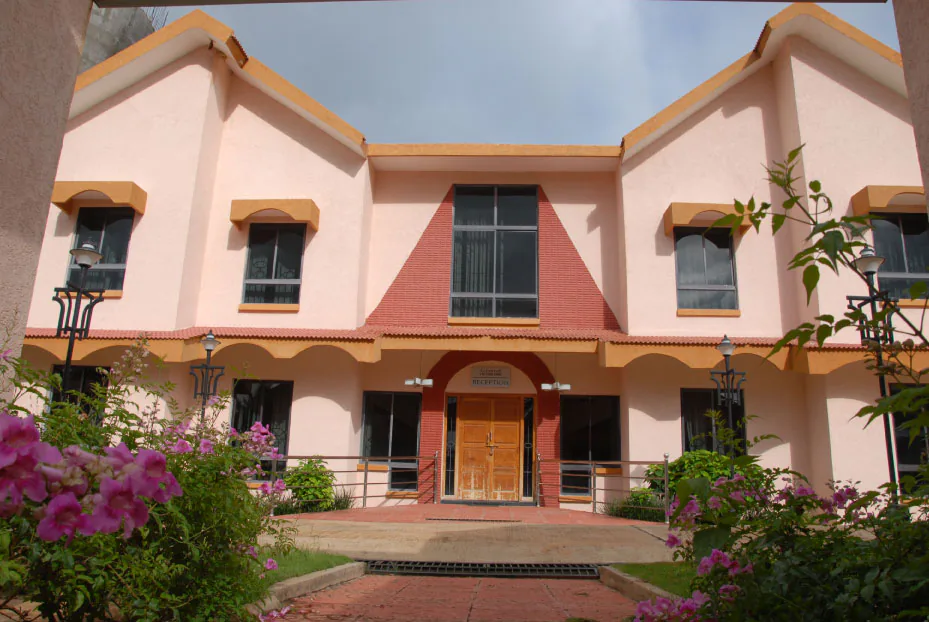
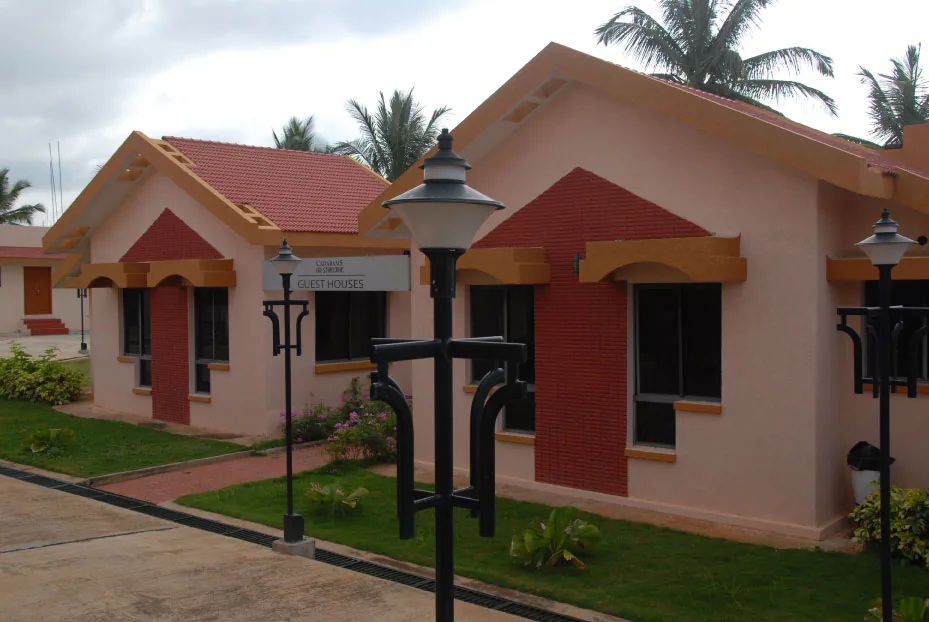
Cadabam’s Hospitals is a mental healthcare organisation with over three decades of experience in treating different mental health issues. We offer end-to-end services for everything related to mental health, including outpatient consultations, in-patient facilities, and rehabilitation for more severe conditions. Our hospital facility offers the best mental health professionals who combine expertise, experience, and empathy to offer some of the best recovery experiences in Bangalore and Hyderabad.
If you are searching for a solution to your problem, Cadabam’s Hospitals can help you with its team of specialised experts. We have been helping thousands of people live healthier and happier lives for 30+ years. We leverage evidence-based approaches and holistic treatment methods to help individuals effectively manage their depression disorder. Get in touch with us today. You can call us at +91 97414 76476. You can even email us at info@cadabamshospitals.com.
Top Depression Doctors at Cadabam’s Hospitals
Rehabilitation Centres For Depression at Cadabam’s Hospitals
Best Depression Treatments Offered at Cadabam’s Hospitals
More Additional Resources About Depression