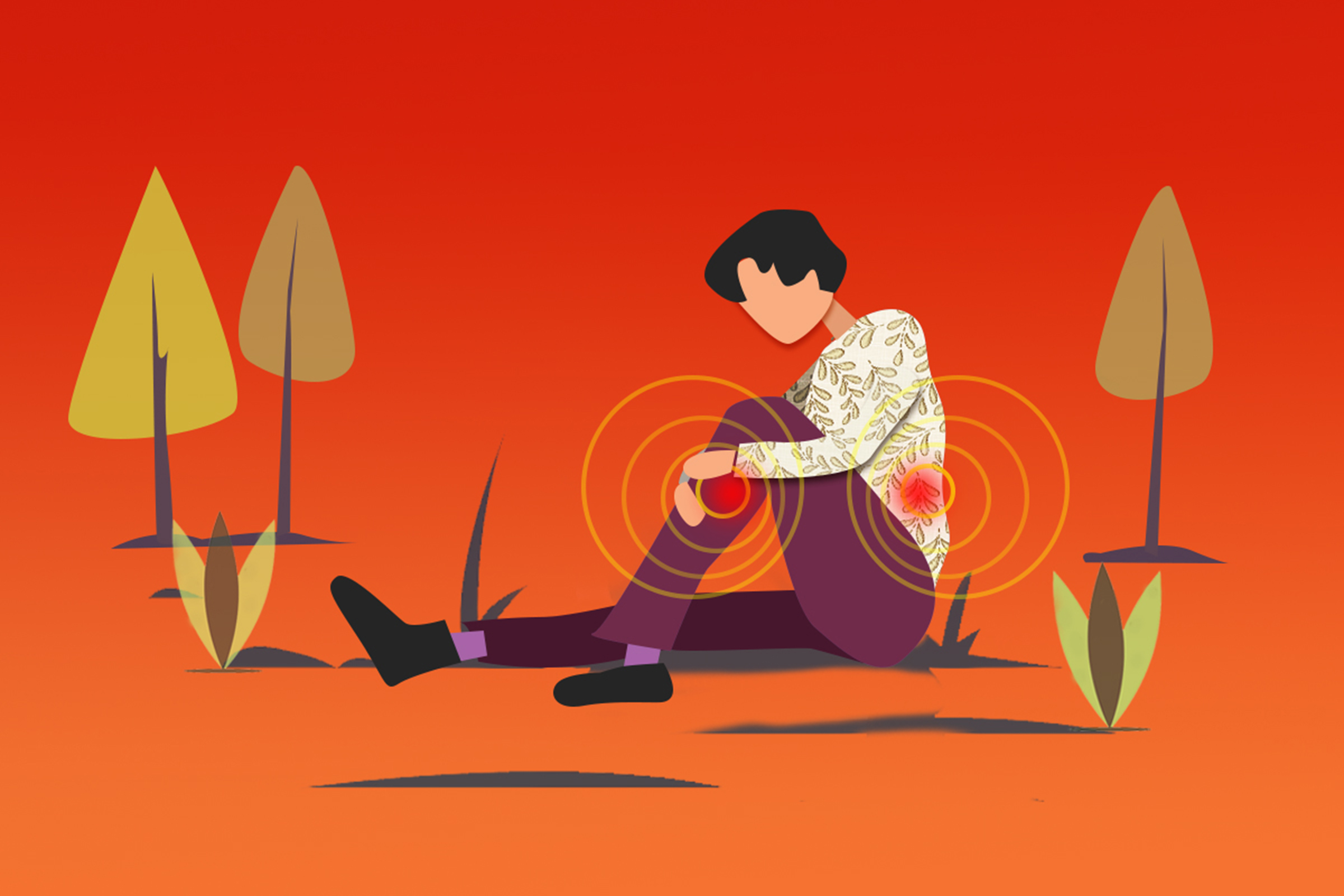
Symptoms of Acute Stress Disorder
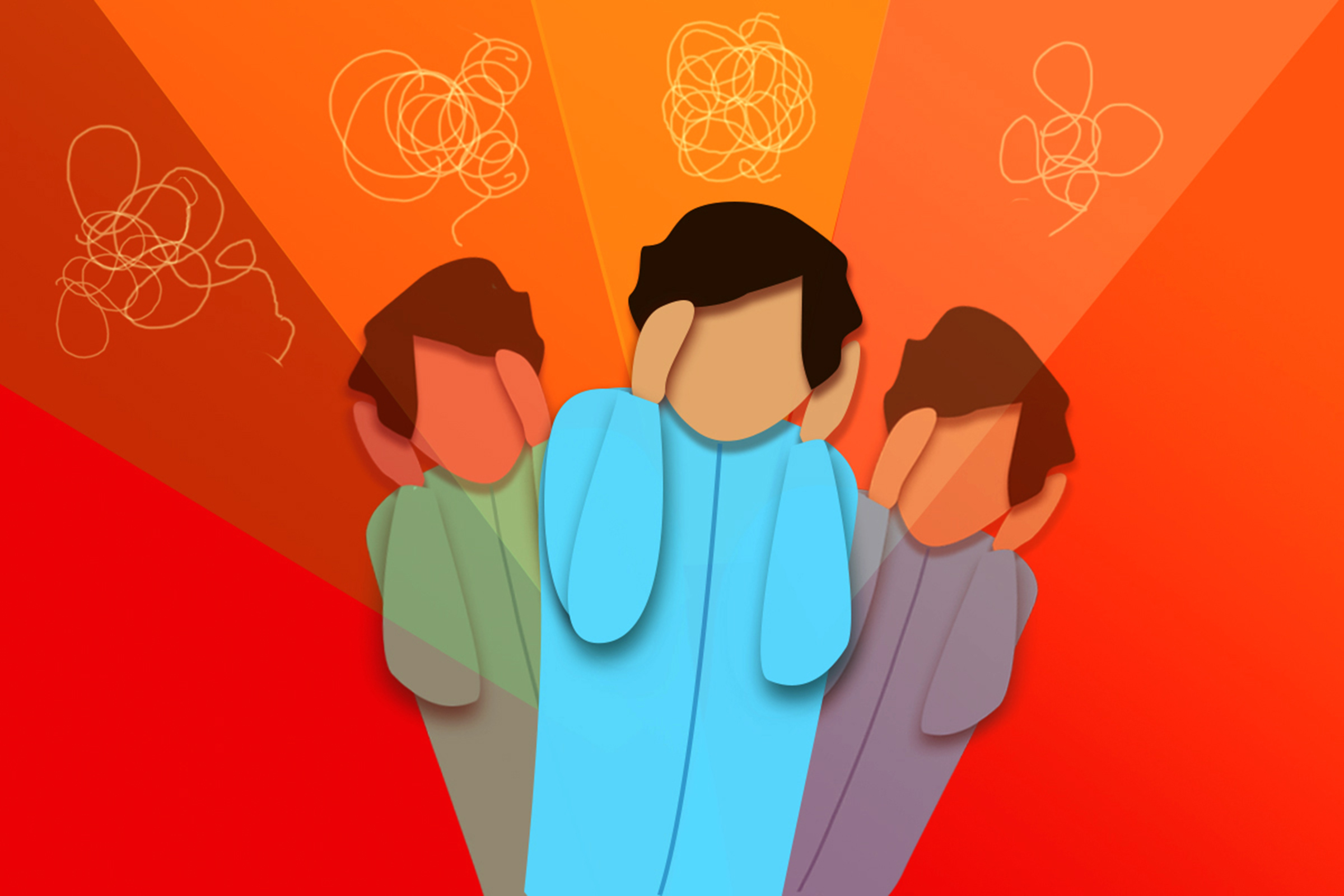
Acute Stress Disorder presents with physical, cognitive, and emotional symptoms, including distressing memories, emotional numbness, avoidance behaviours, and heightened arousal, all triggered by recent traumatic experiences. Acute stress disorder test tools can help screen for these symptoms early, ensuring targeted intervention.
Intrusion Symptoms
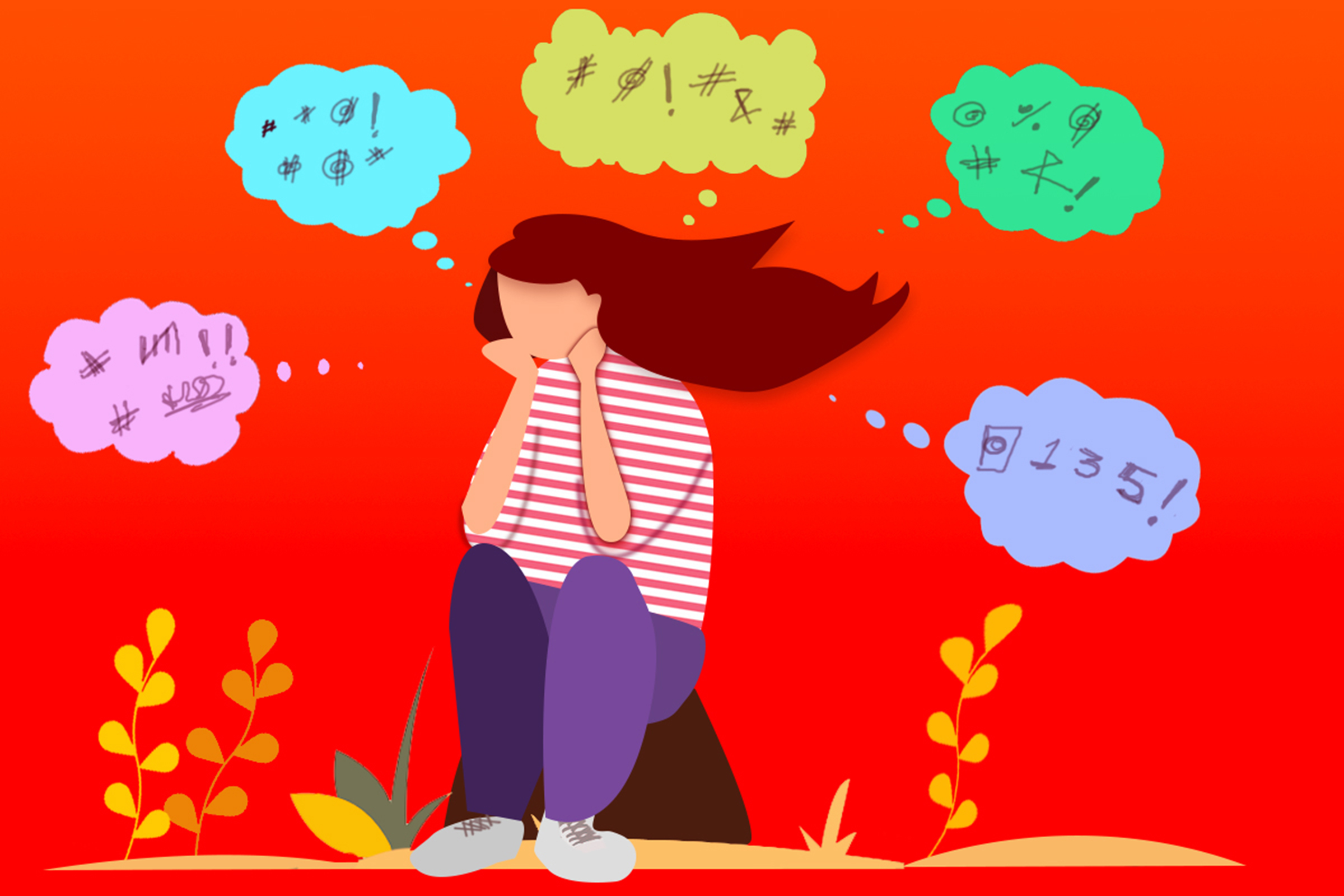
Intrusion symptoms are sudden, unwanted memories of the traumatic event. These include flashbacks, distressing dreams, and intrusive thoughts that feel vivid and real. Professionals often rely on an acute stress disorder test during this stage to determine symptom severity and initiate treatment planning.
Such experiences can trigger intense fear or anxiety, disrupt daily routines, and make it difficult to concentrate or feel safe, even in neutral environments.
Dissociative Symptoms
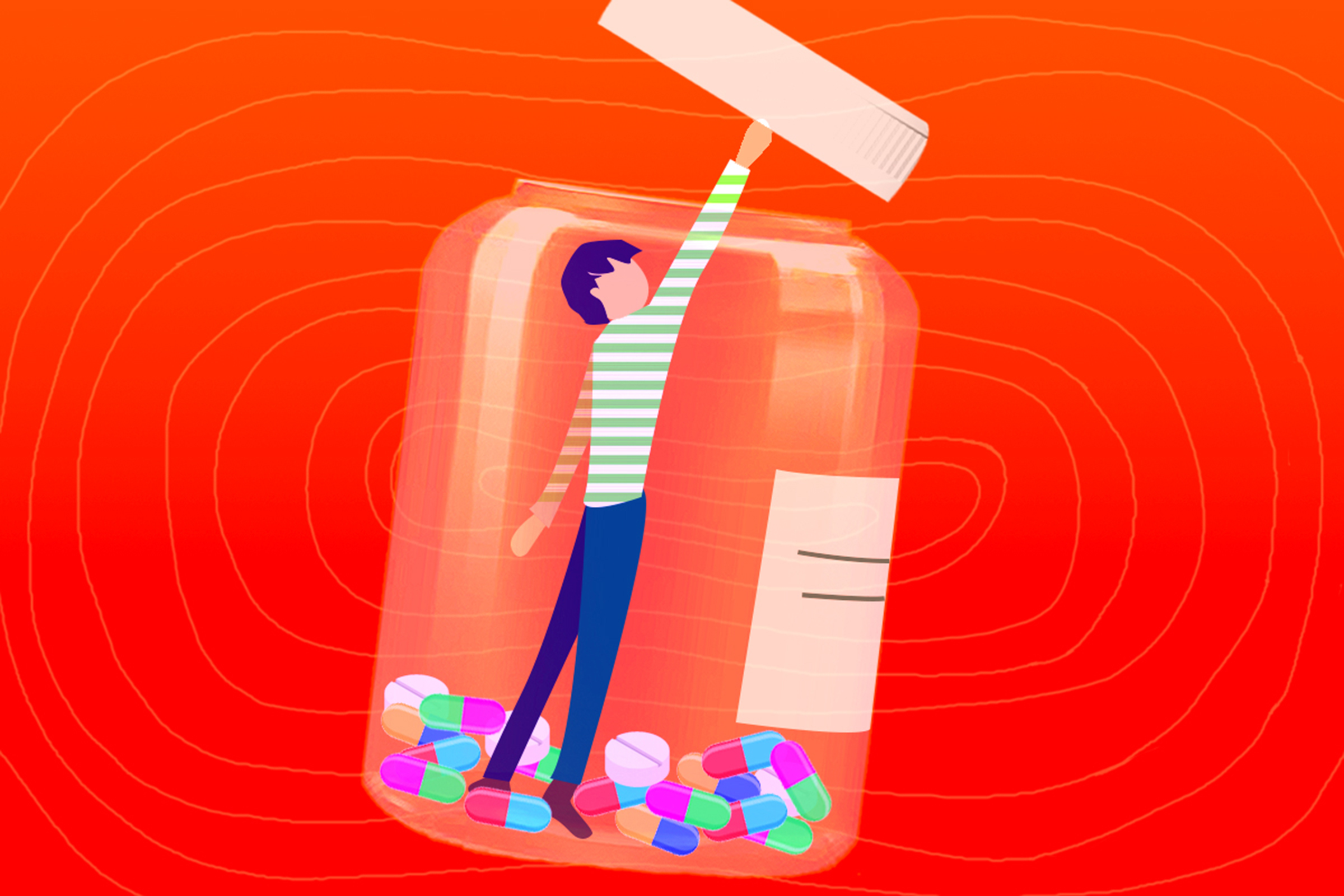
Dissociation involves a temporary disconnection from reality. Individuals may feel emotionally numb, perceive their surroundings as unreal (derealisation), or feel detached from themselves or others. In such cases, therapy may be paired with acute stress disorder medication to stabilise mood and reduce emotional distress for better engagement in treatment.
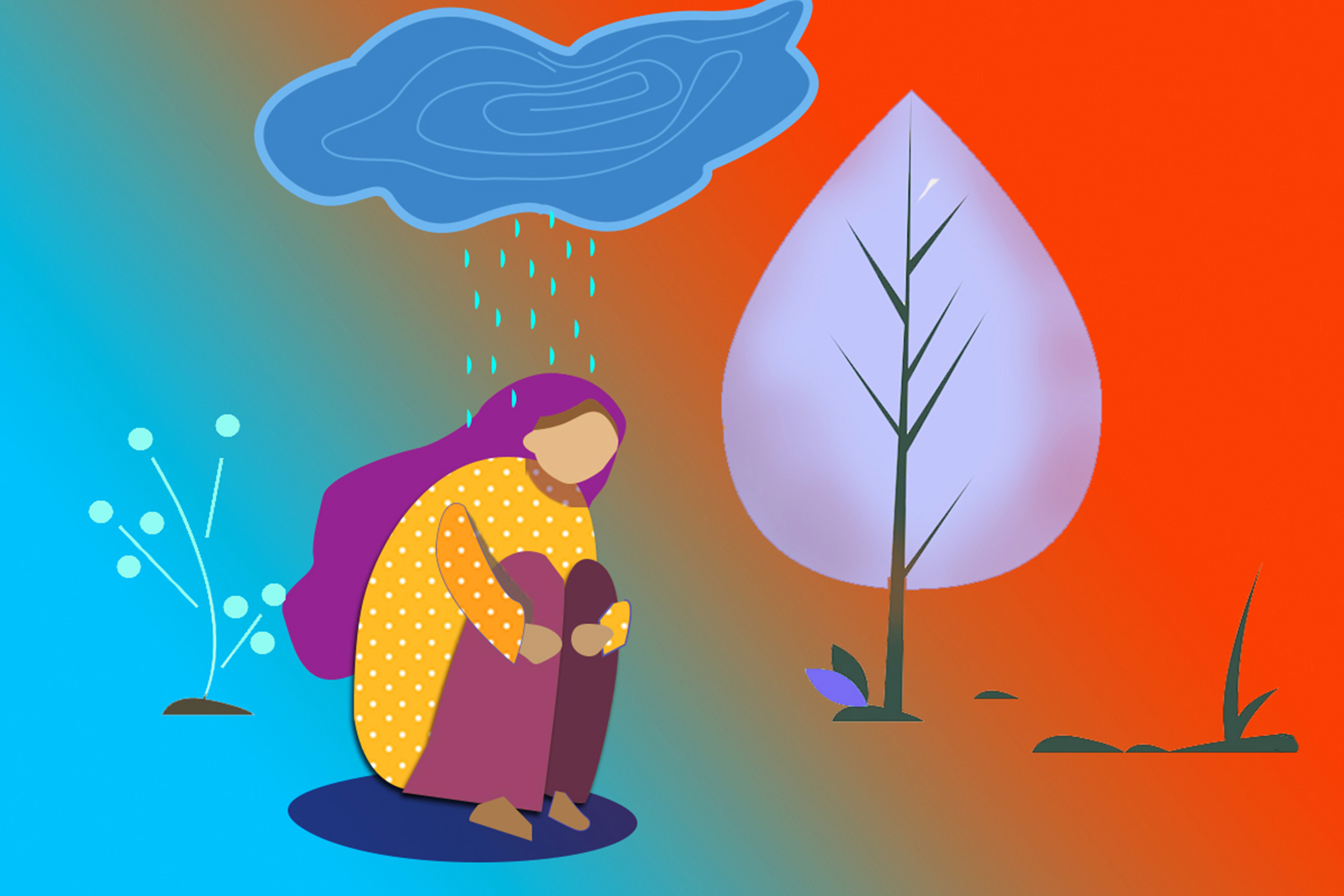
These symptoms act as the mind’s defence against overwhelming trauma but can leave individuals feeling confused, disconnected, and unable to process their emotions.
Avoidance Symptoms
Avoidance symptoms involve deliberately steering clear of anything that triggers memories of the trauma. This may include certain people, conversations, places, or activities. When these symptoms persist, particularly in children, early acute stress disorder treatment becomes crucial to avoid long-term psychological issues.
While this response may seem protective, it can interfere with daily life, isolate the individual, and delay the emotional processing essential for long-term recovery.
Arousal Symptoms
Arousal symptoms reflect the body’s heightened stress response. They include hypervigilance, sudden irritability, exaggerated startle reflexes, and difficulty sleeping or relaxing. A combination of therapy and acute stress disorder medication may be used to manage extreme arousal, especially when emotional regulation becomes challenging.
The person may feel constantly “on edge,” find it hard to concentrate, and struggle with emotional regulation, creating ongoing distress even after the trauma has passed.
Causes and Risk Factors of ASD
Acute Stress Disorder is primarily triggered by experiencing or witnessing traumatic events. Individual risk increases based on psychological and biological vulnerabilities alongside the nature of the trauma. Children, in particular, may require specialised support for acute stress disorder in children, given their emotional fragility.
Traumatic Events That Can Trigger ASD
ASD can be triggered by various traumatic events, including serious accidents, physical assaults, natural disasters, sudden loss of a loved one, or exposure to violence. These incidents overwhelm an individual’s ability to cope. Professionals may use an acute stress disorder test to determine if the person meets the diagnostic criteria.
Psychological and Biological Vulnerabilities
Certain factors raise the risk of developing ASD, such as a history of past trauma, specific personality traits like high anxiety, neurobiological sensitivities, and limited coping skills to manage stress effectively. These indicators help in shaping a more personalised acute stress disorder treatment plan.
Diagnosis and Evaluation of Acute Stress Disorder
Diagnosing Acute Stress Disorder involves assessing symptoms shortly after trauma, using standardised criteria to differentiate it from other stress-related conditions.
Criteria Used in Diagnosis
Diagnosis of ASD follows DSM-5 guidelines, requiring the presence of nine or more symptoms from categories like intrusion, avoidance, dissociation, and arousal, all occurring within one month of the trauma.
Role of Mental Health Professionals
Early evaluation by psychologists or psychiatrists is vital for accurate diagnosis and timely treatment. Mental health professionals assess symptom severity and recommend interventions to prevent progression to chronic disorders.
Impact of ASD on Daily Functioning
Acute Stress Disorder can significantly disrupt personal and professional life, causing difficulties in focus, emotional regulation, and maintaining relationships during the critical early recovery period.
Occupational and Academic Impairment
Individuals with ASD often struggle with concentration, leading to reduced productivity, increased absenteeism, and poor performance at work or school. Acute stress disorder diagnosis is essential in this phase to initiate timely intervention. These challenges can hinder career or academic progress.
Strain on Relationships and Emotional Stability
ASD can cause irritability, social withdrawal, and mood swings, straining personal relationships. Emotional volatility may make it challenging to connect with loved ones, increasing feelings of isolation and stress. These are instances where acute stress disorder treatment can help restore emotional balance.
Treatment Options for Acute Stress Disorder
Treatment for Acute Stress Disorder includes therapeutic and medical approaches designed to reduce symptoms and prevent long-term complications through early, targeted intervention.
Cognitive Behavioural Therapy (CBT)
Cognitive Behavioural Therapy (CBT) is a primary treatment for ASD, helping individuals identify and change negative thought patterns. It supports coping skills and reduces anxiety by restructuring harmful beliefs related to the trauma.
Trauma-Focused Therapies
Trauma-focused therapies like Eye Movement Desensitisation and Reprocessing (EMDR), exposure therapy, and narrative therapy help process traumatic memories safely.
These approaches reduce emotional distress and promote healing by confronting and integrating traumatic experiences.
Medications and Their Role
In some cases, clinicians may prescribe medications such as SSRIs or short-term anti-anxiety drugs to help ease intense symptoms. These medications can reduce anxiety, depression, or sleep disturbances, making therapy more effective.
However, they are considered a supportive measure, not a standalone treatment, for Acute Stress Disorder.
When to Seek Help for Acute Stress Disorder
If symptoms of Acute Stress Disorder worsen or disrupt daily life, professional support is essential to prevent further mental health complications and ensure timely recovery.
Warning Signs of Deterioration
Warning signs include increasing symptom severity, thoughts of self-harm or suicide, and turning to substances to cope. These indicators require immediate mental health intervention to ensure safety and proper care.
Supportive Interventions at Cadabam’s Hospital
Cadabam’s Hospital offers multidisciplinary care for ASD, combining expert-led therapies and personalised treatment plans. Their patient-centric model focuses on holistic healing and long-term mental wellness through compassionate support.
Why Choose Cadabam’s Hospital for Acute Stress Disorder Treatment
Cadabam’s Hospital is a trusted leader in mental health care with over three decades of experience. Our expert team provides personalised recovery plans tailored to each individual’s needs, combining evidence-based therapies and compassionate support.
Many individuals have successfully overcome Acute Stress Disorder here, benefiting from a holistic approach that prioritises timely intervention and long-term wellness. Cadabam’s commitment ensures you receive the highest quality care on your healing journey.
If you are searching for a solution to your problem, Cadabam’s Hospitals can help you with its team of specialised experts. We have been helping thousands of people live healthier and happier lives for 30+ years. We leverage evidence-based approaches and holistic treatment methods to help individuals effectively manage their Acute Stress Disorder. Get in touch with us today. You can call us at +91 97414 76476. You can even email us at info@cadabamshospitals.com.
FAQs
Can ASD turn into PTSD?
Yes, Acute Stress Disorder can develop into Post-Traumatic Stress Disorder if symptoms persist beyond one month and remain untreated. Early intervention is key to preventing this progression and reducing long-term mental health challenges.
Is Acute Stress Disorder common after trauma?
Acute Stress Disorder is relatively common after experiencing or witnessing trauma. Not everyone develops ASD, but those exposed to severe or life-threatening events are at higher risk, especially without proper support or coping strategies.
How soon should I seek treatment for ASD?
Treatment for Acute Stress Disorder should begin as soon as symptoms appear, ideally within days or weeks after trauma. Early care helps manage symptoms effectively and reduces the risk of developing chronic conditions like PTSD.
Can children also develop ASD?
Yes, children can develop Acute Stress Disorder after traumatic events. Symptoms may differ slightly, but early recognition and age-appropriate treatment are essential to support their emotional recovery and prevent lasting effects.
 Available