The Cadabam’s Hospitals Difference
Why Cadabam’s Hospitals? What Makes Us Different?
Through our 8 specialty centers offering top-notch treatments across the nation, we have been helping thousands of people improve the quality of their lives.
33+
Years of Experience
10,000+
Happy Families
20+
Treatment Modalities
400+
Mental Health Experts
With over 33 years of expertise and knowledge, we promise to provide our clients the treatment that suits them the best. Whether the case involves substance addiction, alcoholism, sleeping issues, bipolar disorder, or schizophrenia, our experts know how to handle it in a way that it’s in the best interest of the client and their family.
Our state-of-the-art infrastructure, experienced professionals, and strong support system enable us to offer world-class evidence-based treatment that fits all stages and types of mental health concerns that you may have.
At Cadabam’s Hospitals, we’ve always got your back.
Our Facilities
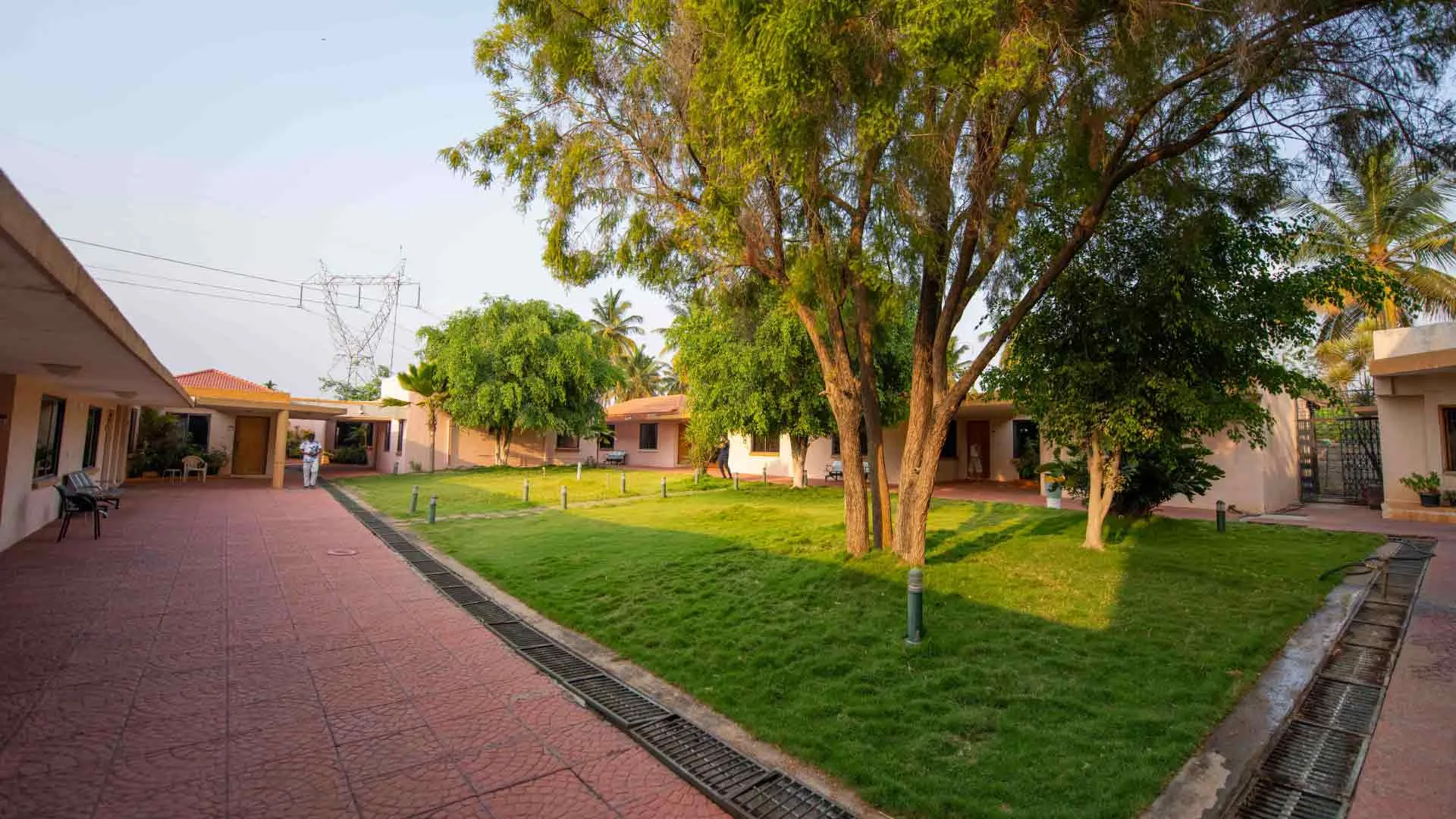
Our Infrastructure & Care Facilities
Purpose-built rehabilitation centres, clinical equipment, and support services designed to drive better patient outcomes.
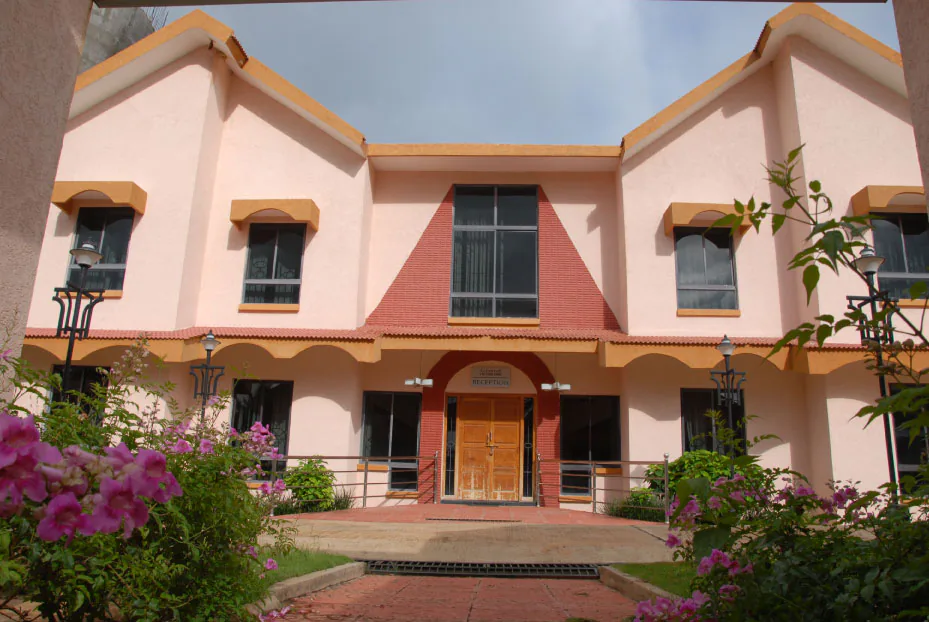
Ananya Rehabilitation Centre
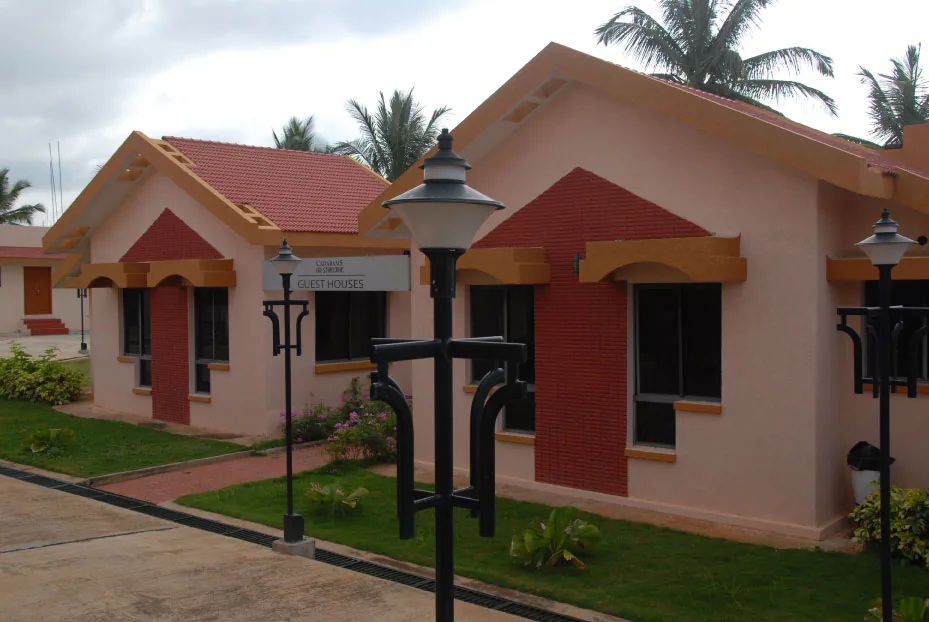
Private Cottages
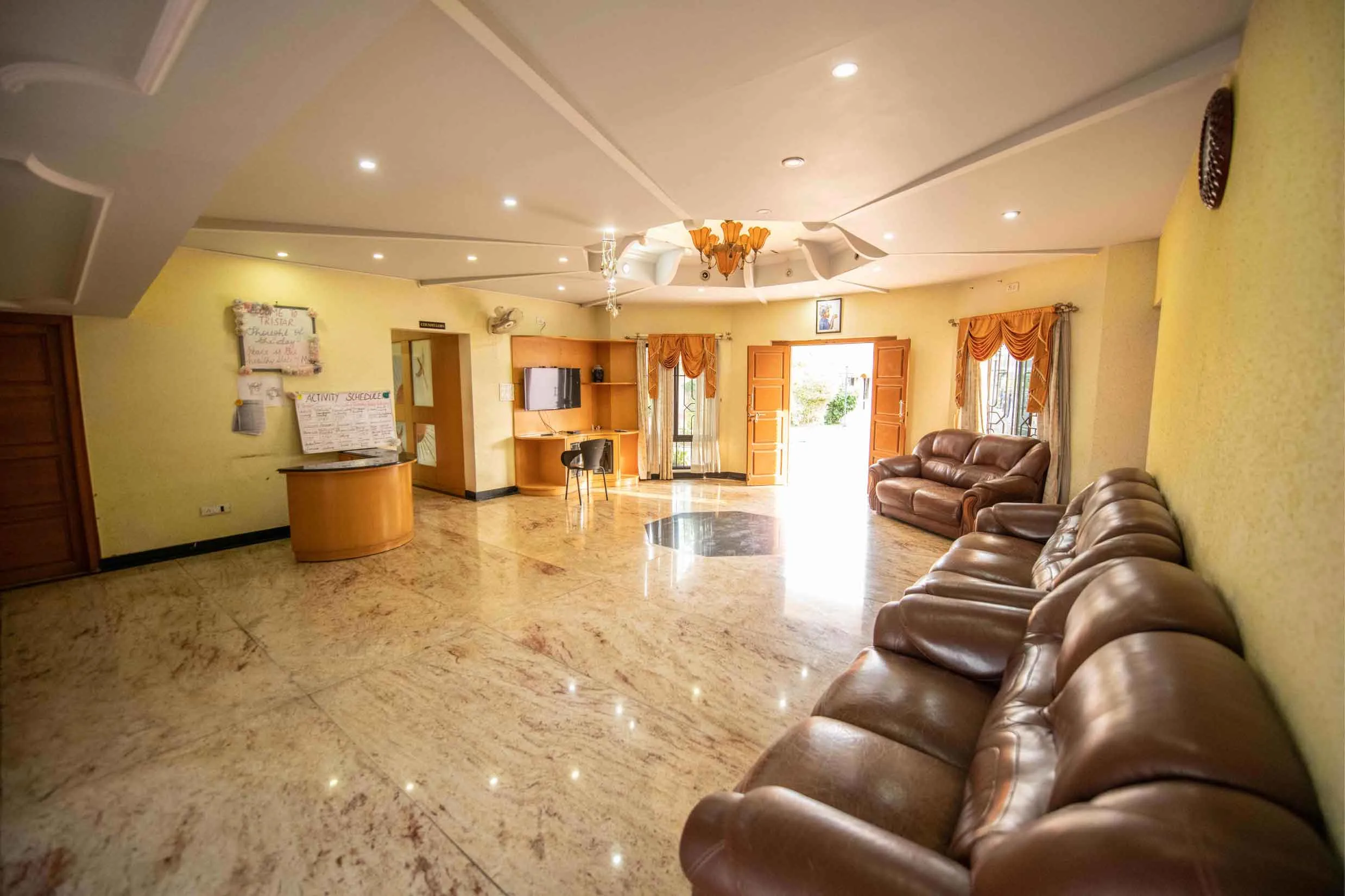
Campus Entrance
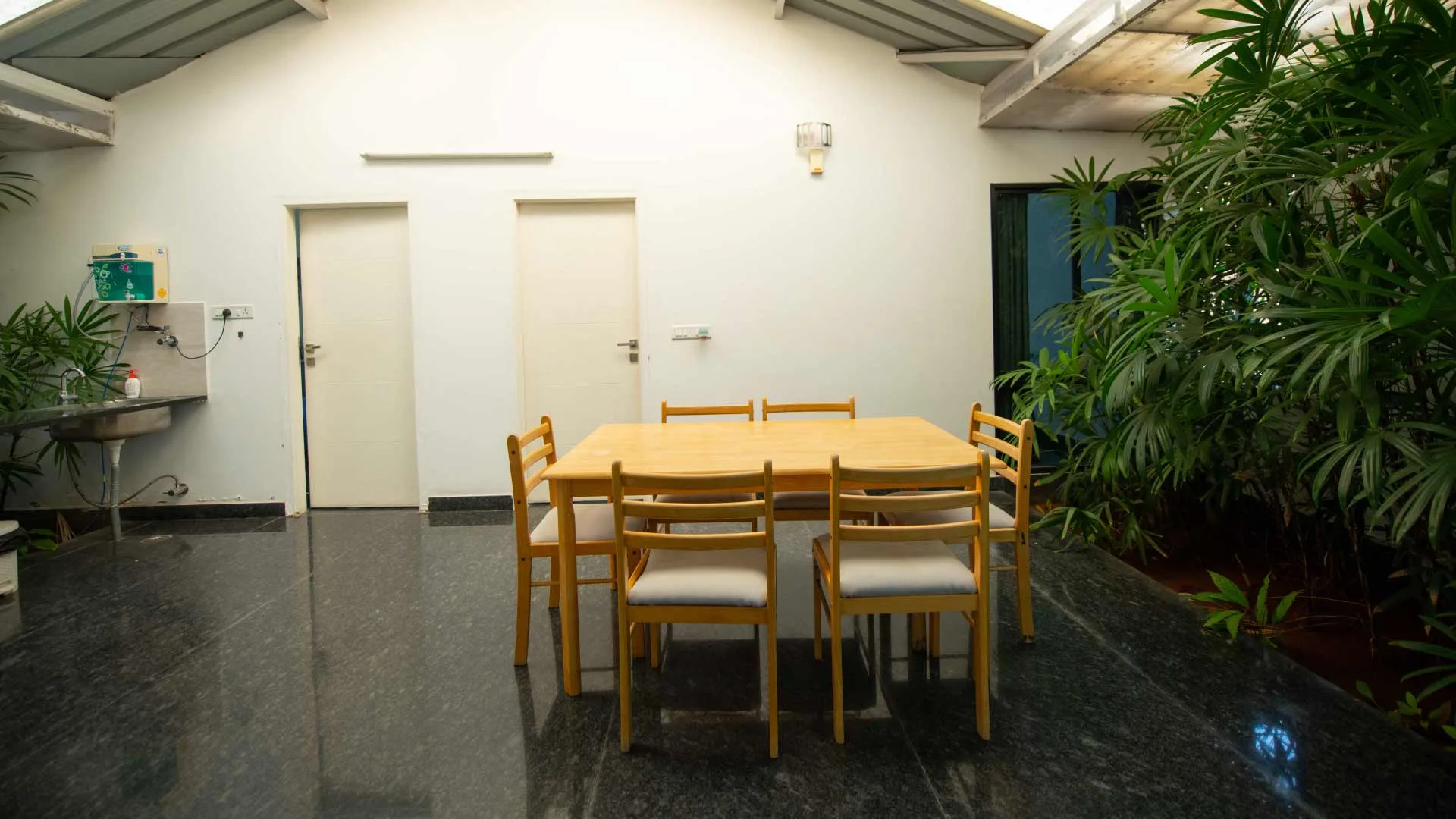
Healing Environment
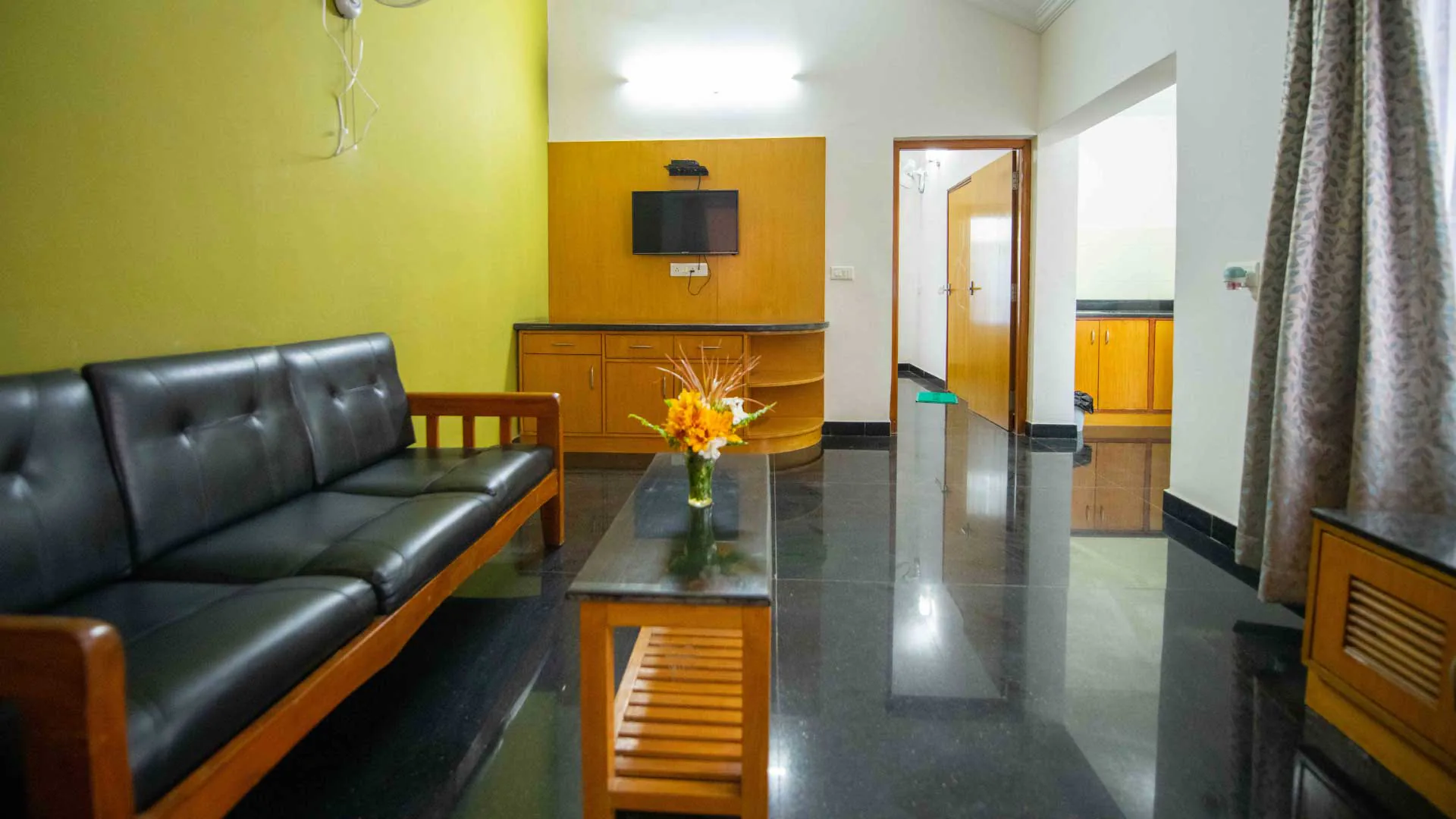
Hospital Lobby
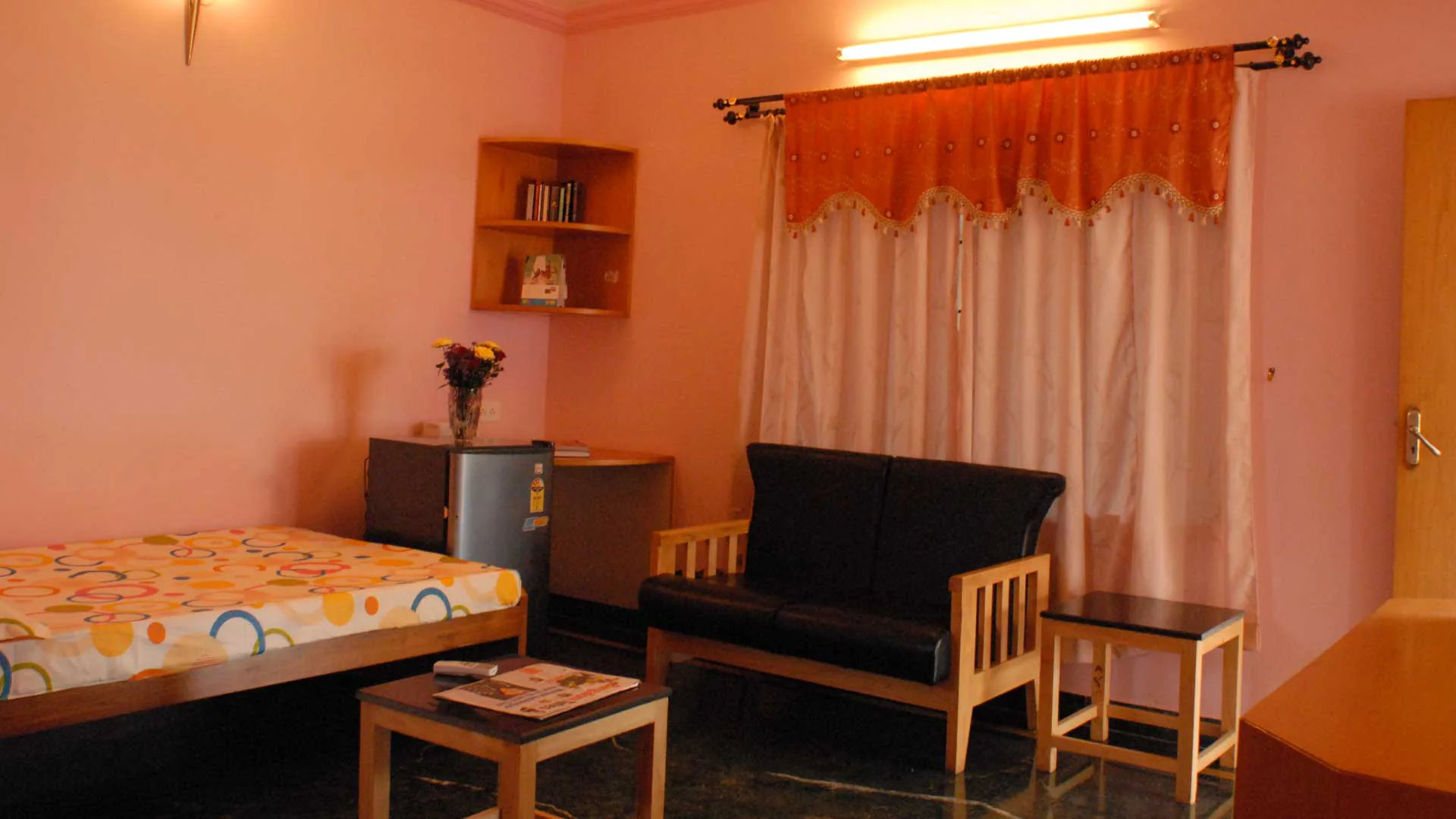
Recovery Experience
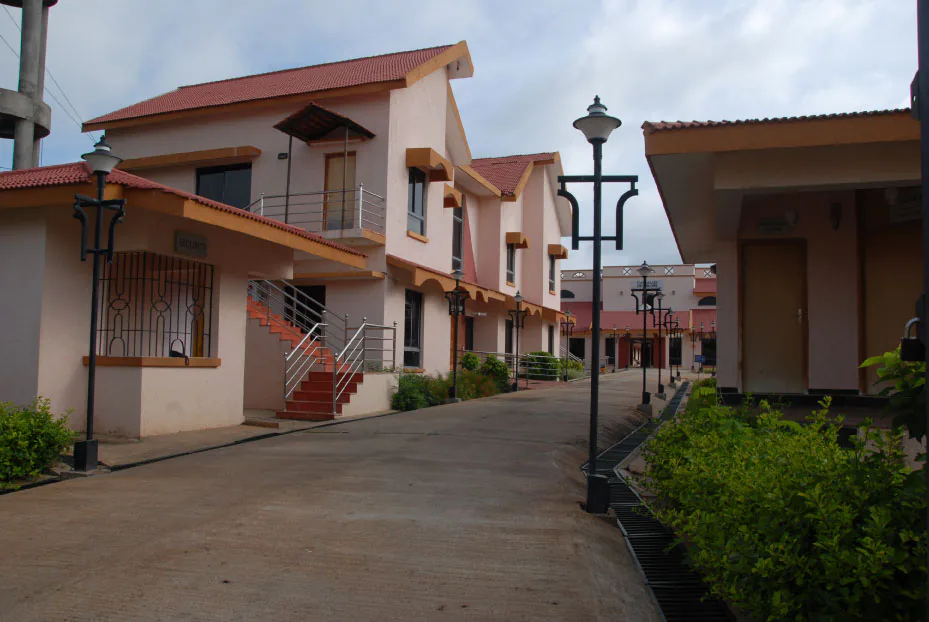
Rehab Unit
Patient Stories
What Our Clients Have To Say
Real stories from the families and individuals we’ve supported on their path to well-being.
5.0
Cadabam's Hospitals' team treated my family with empathy from the very first call. The care plan was clear, the doctors listened, and we finally felt supported through a difficult time.
A
Aishwarya G.
Verified patient
5.0
The therapists and psychiatrists worked together on a plan that actually fit our situation. Three decades of experience really shows — calm, professional, and genuinely caring.
S
Suresh L.
Verified patient
5.0
I was nervous about reaching out, but the team made me feel safe. The structured therapy and follow-ups have helped me get back to my routine and feel like myself again.
R
Rahul M.
Verified patient
Trusted by 10,000+ families · 4.5 ★ on Google Reviews
Summary
An addiction rehabilitation centre provides structured, evidence-based medical and psychological care to help adults overcome substance use disorders and behavioral addictions. These specialized clinical facilities offer medically supervised detoxification, comprehensive residential therapy, skill-building, and long-term relapse prevention strategies. At Cadabam's Hospitals, our multidisciplinary clinical team delivers personalized treatment designed to restore physical health, emotional well-being, and social stability.
Understanding Addiction Rehabilitation Centre
An addiction rehabilitation centre is a specialized medical facility dedicated to helping individuals recover from chemical dependence—such as alcohol, opioids, cannabis, or prescription medications—as well as non-substance behavioral addictions like gambling. In line with Indian psychiatric standards established by leading institutions such as NIMHANS and the National Drug Dependence Treatment Centre (NDDTC), addiction is clinically recognized as a complex, chronic brain disorder rather than a lack of moral strength or willpower.
Rehabilitation involves a structured continuum of care designed to match the severity of an individual's condition. The process begins with medically managed detoxification to safely mitigate withdrawal symptoms, followed by intensive individual and group psychotherapy, psychiatric management for co-occurring mental health conditions, and social reintegration training. Inpatient residential care offers a safe, therapeutic environment removed from everyday stressors and triggers, allowing individuals to focus entirely on sustained recovery.
| Phase of Rehabilitation | Primary Focus | Key Interventions |
|---|---|---|
| Medically Supervised Detox | Physical stabilization and symptom management | 24/7 medical monitoring, pharmacological support |
| Residential Psychotherapy | Psychological healing and behavioral change | CBT, Motivational Interviewing, trauma-informed care |
| Family Intervention | Restoring domestic support networks | Family therapy, psychoeducation, boundary setting |
| Aftercare & Reintegration | Sustained recovery and relapse prevention | Outpatient therapy, support groups, routine follow-ups |
Signs and Symptoms
Recognizing when substance use or compulsive behaviors have progressed to a point requiring professional rehabilitation is essential for timely intervention. Common physical, psychological, and behavioral indicators include:
- Loss of Control: An inability to limit or stop substance use or compulsive habits despite clear physical, social, or financial harms.
- Tolerance and Withdrawal: Requiring larger quantities of a substance to achieve the desired effect, or experiencing sweating, tremors, severe anxiety, nausea, or insomnia when substance use stops.
- Neglect of Responsibilities: A noticeable decline in occupational performance, academic responsibilities, or domestic duties in favor of obtaining or using substances.
- Psychological Distress: Heightened irritability, sudden mood swings, severe anxiety, depression, or emotional withdrawal from friends and family members.
- Continued Use Despite Consequences: Persistent substance consumption even when it worsens underlying physical conditions or exacerbates co-occurring psychiatric issues.
When to Seek Help
Professional medical evaluation by a consultant psychiatrist or clinical psychologist is recommended whenever substance use interferes with daily functioning, physical health, or personal relationships. Early intervention significantly improves long-term rehabilitation outcomes and reduces the risk of severe medical complications associated with abrupt withdrawal.
If an individual experiences acute, life-threatening withdrawal symptoms—such as seizures, severe confusion, delirium tremens, extreme agitation, or thoughts of self-harm—immediate emergency medical care is required. Please visit the nearest hospital emergency department or contact emergency psychiatric services right away.
How Cadabam'S Hospitals Can Help
Cadabam's Hospitals is a pioneer in adult psychiatric care and addiction recovery in India. Across our NABH-accredited facilities in Bangalore and Mysore, we offer comprehensive residential rehabilitation and outpatient support tailored to the unique clinical needs of each patient.
Our multidisciplinary medical team includes senior psychiatrists, clinical psychologists, psychiatric nurses, occupational therapists, and addiction counselors. We combine evidence-based therapeutic modalities—such as Cognitive Behavioral Therapy (CBT), Dialectical Behavior Therapy (DBT), and Motivational Enhancement Therapy (MET)—with 24/7 medical supervision and family support programs to foster sustainable long-term recovery.
If you or a loved one is seeking professional support for addiction, reach out to our team today. Visit our contact page to schedule a confidential assessment with our mental health professionals.
FAQ
Frequently Asked Questions
The length of treatment varies depending on the severity of dependence, individual health needs, and co-occurring psychiatric conditions. Medical detoxification generally lasts between 7 and 14 days, while residential rehabilitation programs typically range from 30 days to 90 days or longer to ensure thorough psychological healing and habit transformation.
Yes, family involvement is an integral part of our rehabilitation philosophy. We offer scheduled family visits, psychoeducation sessions, and systemic family therapy to help loved ones understand addiction, improve communication, and build a supportive home environment for aftercare.
Detoxification is the initial medical phase focused on safely clearing substances from the body and managing acute physical withdrawal symptoms. Rehabilitation is the broader psychological process that addresses the root causes of addiction through therapy, behavioral conditioning, coping skill development, and relapse prevention strategies. --- Medical Disclaimer: This content is for general information only and is not a substitute for professional medical advice, diagnosis, or treatment. Always consult a qualified healthcare provider or psychiatrist for clinical guidance regarding any medical condition.
Insights From Our Experts
Recent Stories from Our Blog
Psychological issues
Women's Mental Health
Psychological issues
Stress & Burnout
Newsletter