The Cadabam’s Hospitals Difference
Why Cadabam’s Hospitals? What Makes Us Different?
Through our 8 specialty centers offering top-notch treatments across the nation, we have been helping thousands of people improve the quality of their lives.
33+
Years of Experience
10,000+
Happy Families
20+
Treatment Modalities
400+
Mental Health Experts
With over 33 years of expertise and knowledge, we promise to provide our clients the treatment that suits them the best. Whether the case involves substance addiction, alcoholism, sleeping issues, bipolar disorder, or schizophrenia, our experts know how to handle it in a way that it’s in the best interest of the client and their family.
Our state-of-the-art infrastructure, experienced professionals, and strong support system enable us to offer world-class evidence-based treatment that fits all stages and types of mental health concerns that you may have.
At Cadabam’s Hospitals, we’ve always got your back.
Our Facilities
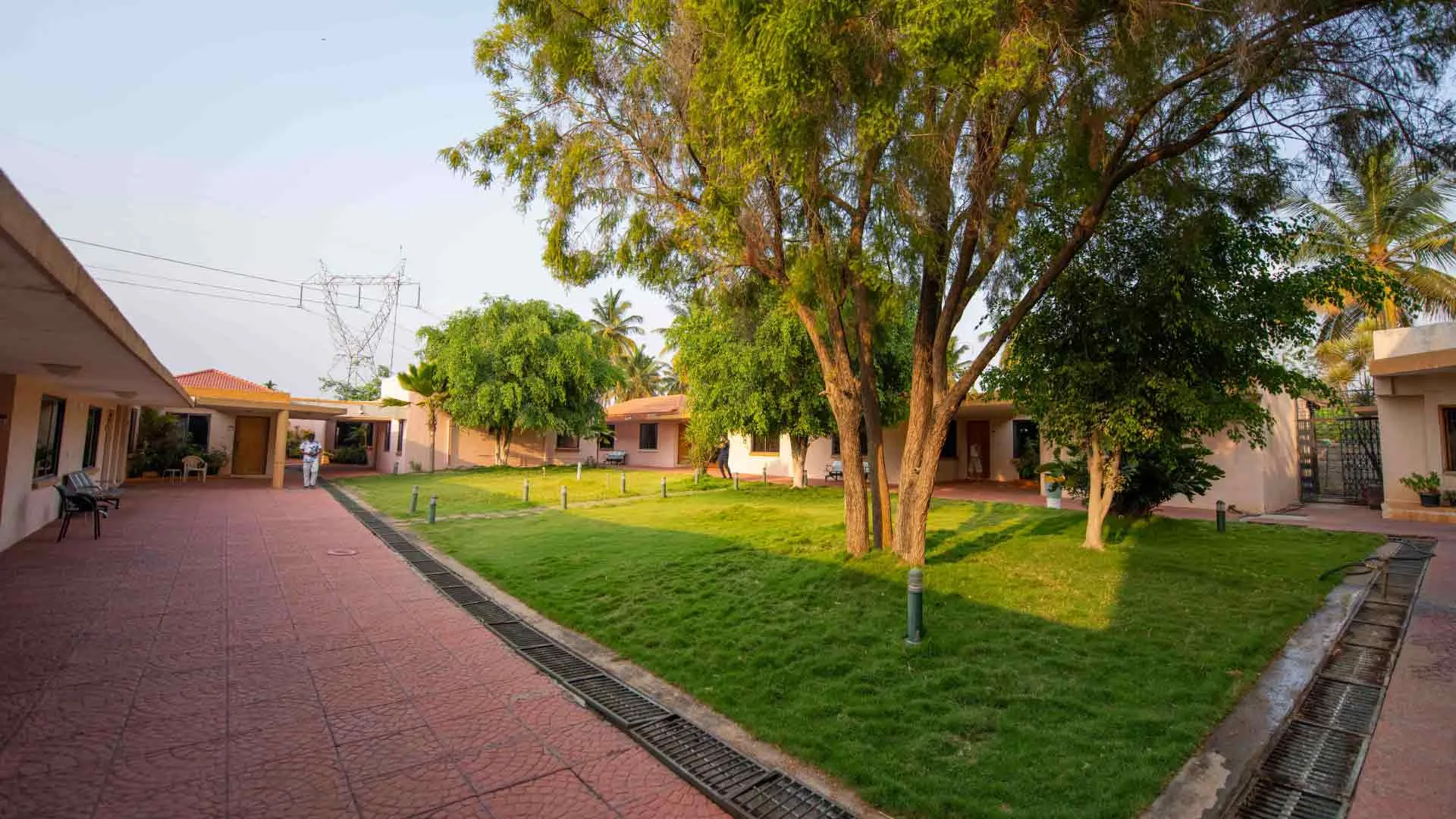
Our Infrastructure & Care Facilities
Purpose-built rehabilitation centres, clinical equipment, and support services designed to drive better patient outcomes.
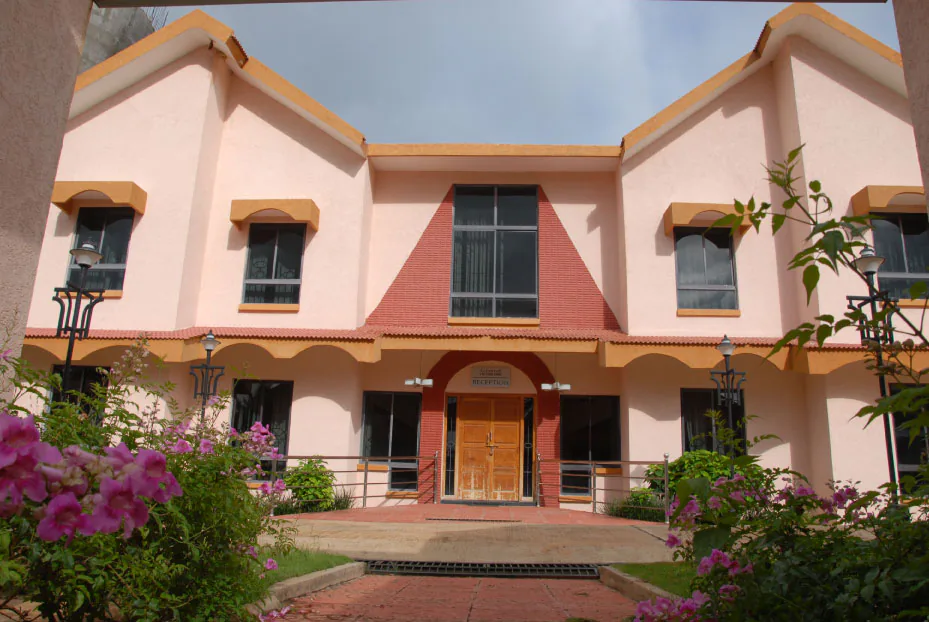
Ananya Rehabilitation Centre
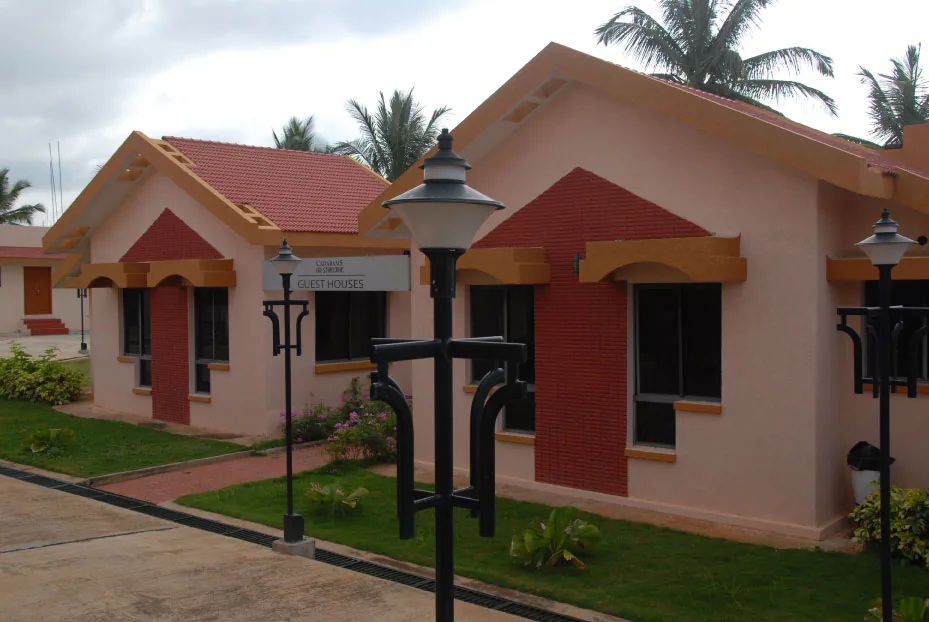
Private Cottages
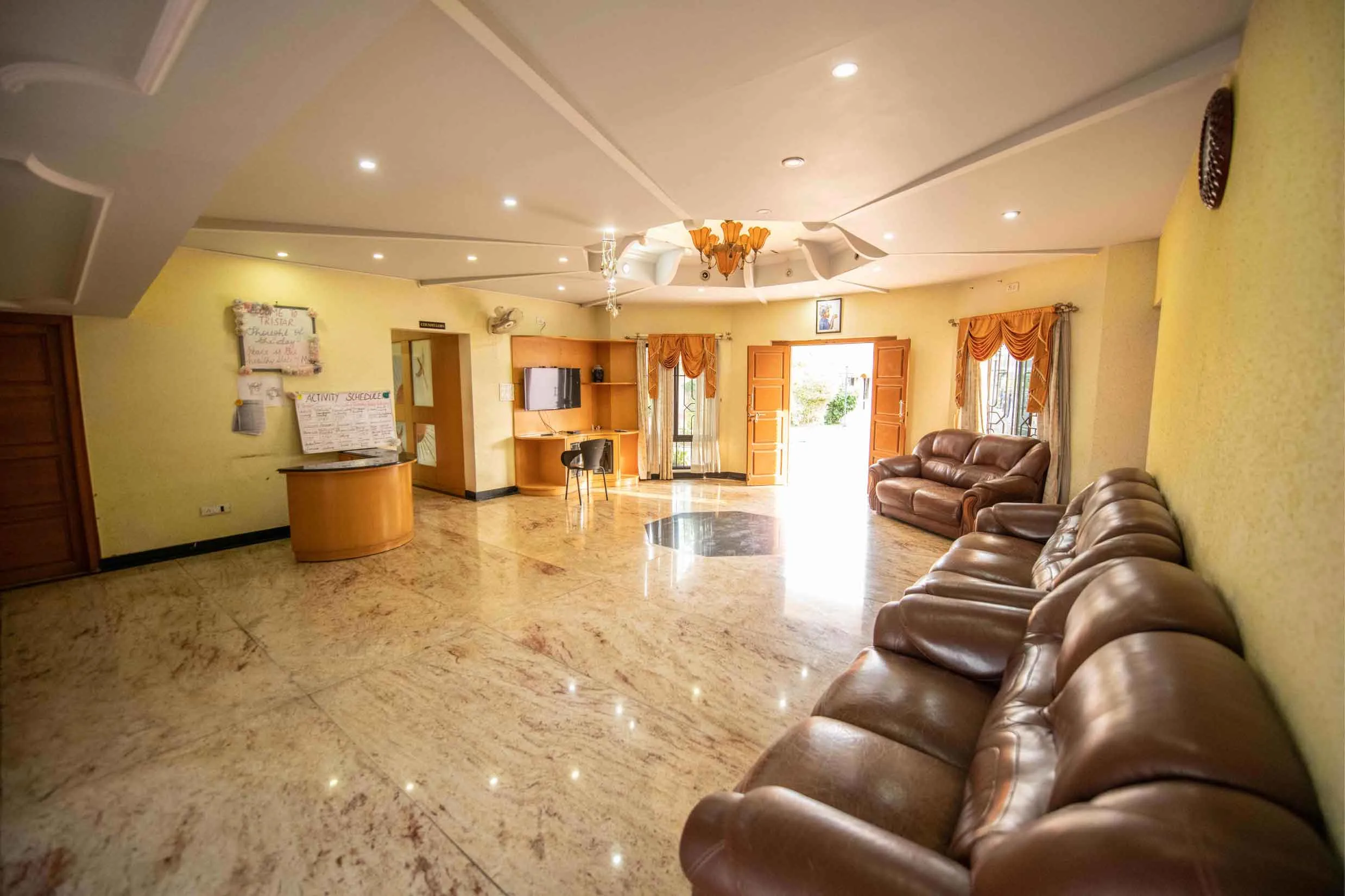
Campus Entrance
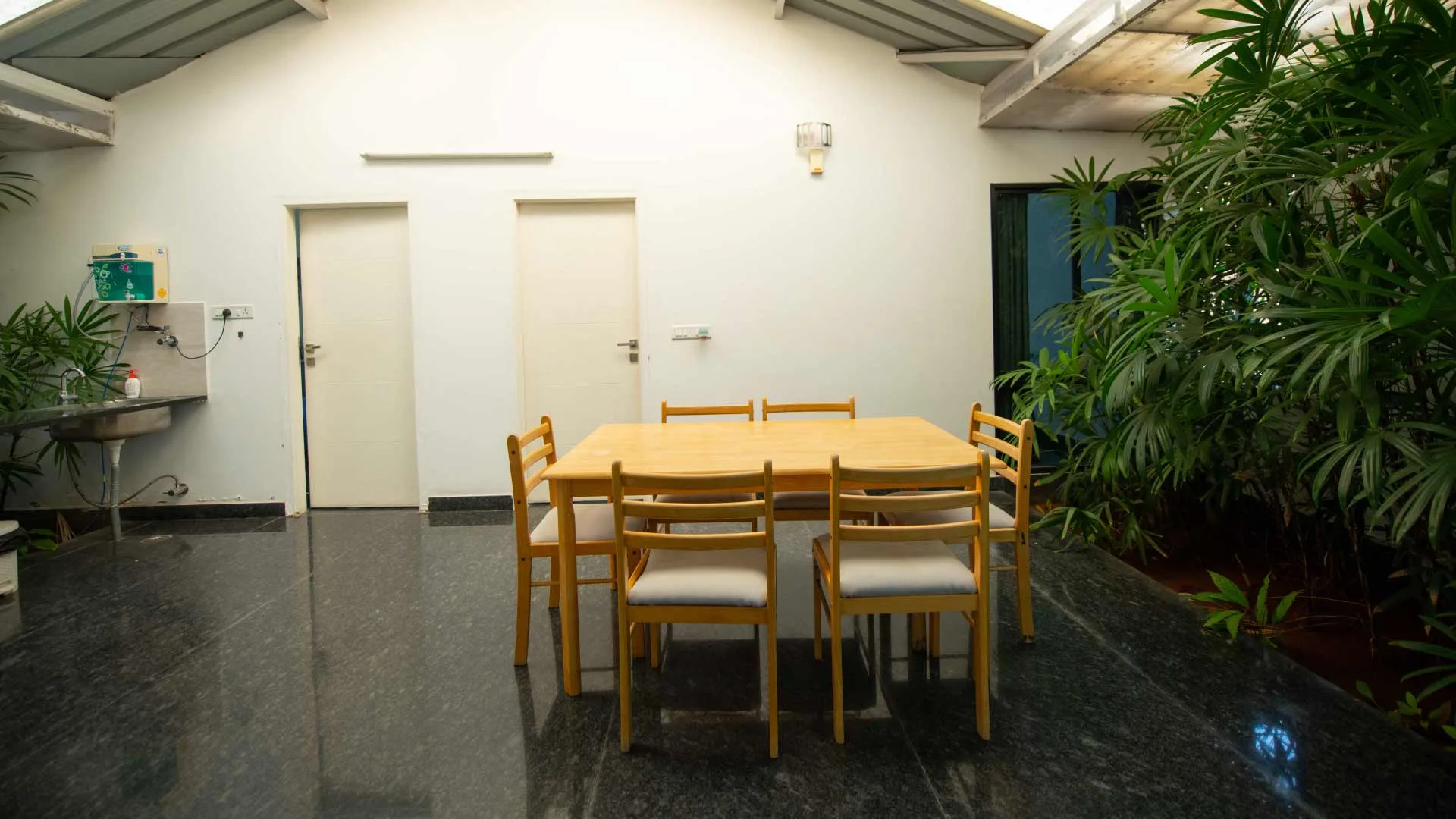
Healing Environment
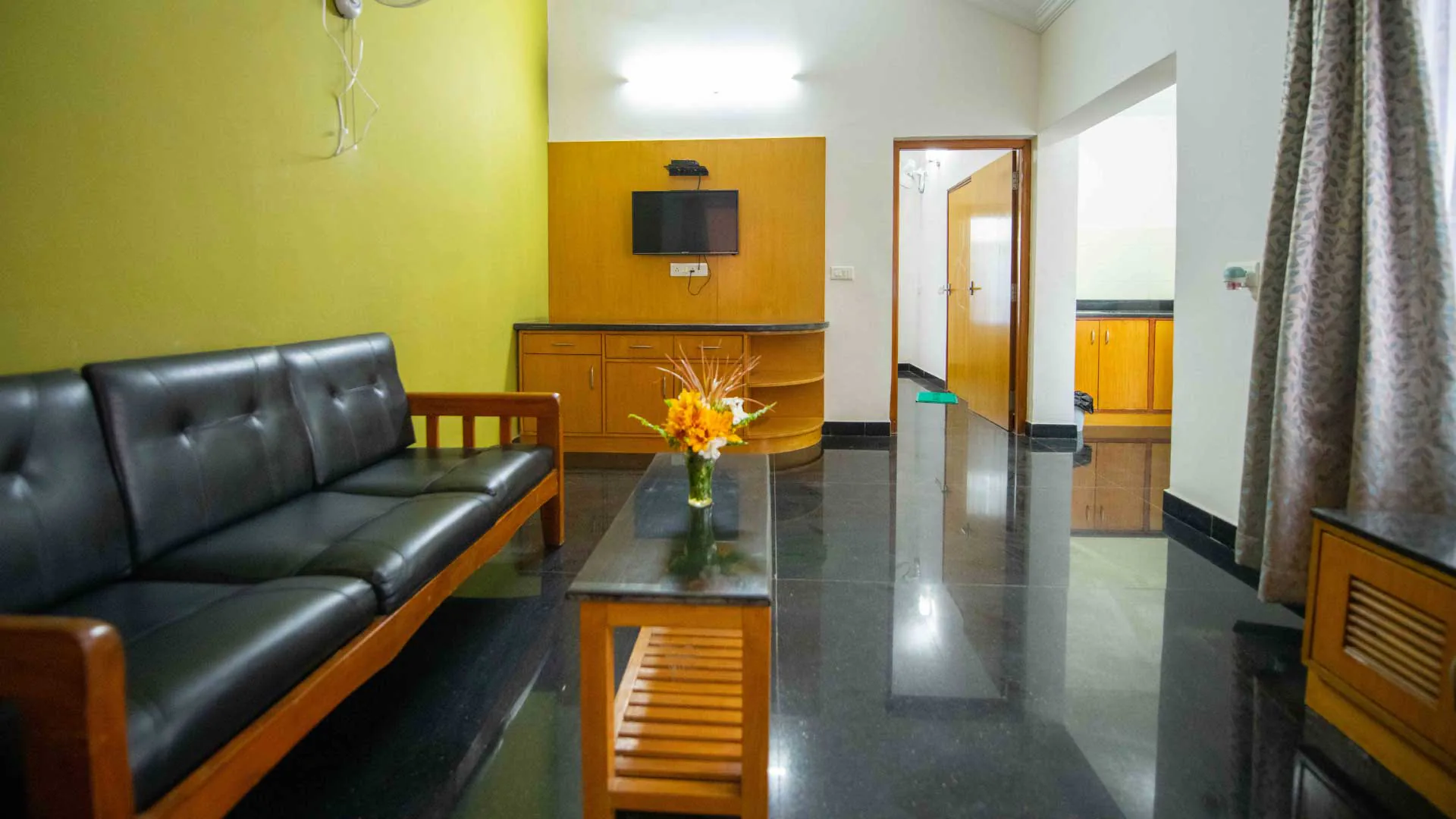
Hospital Lobby
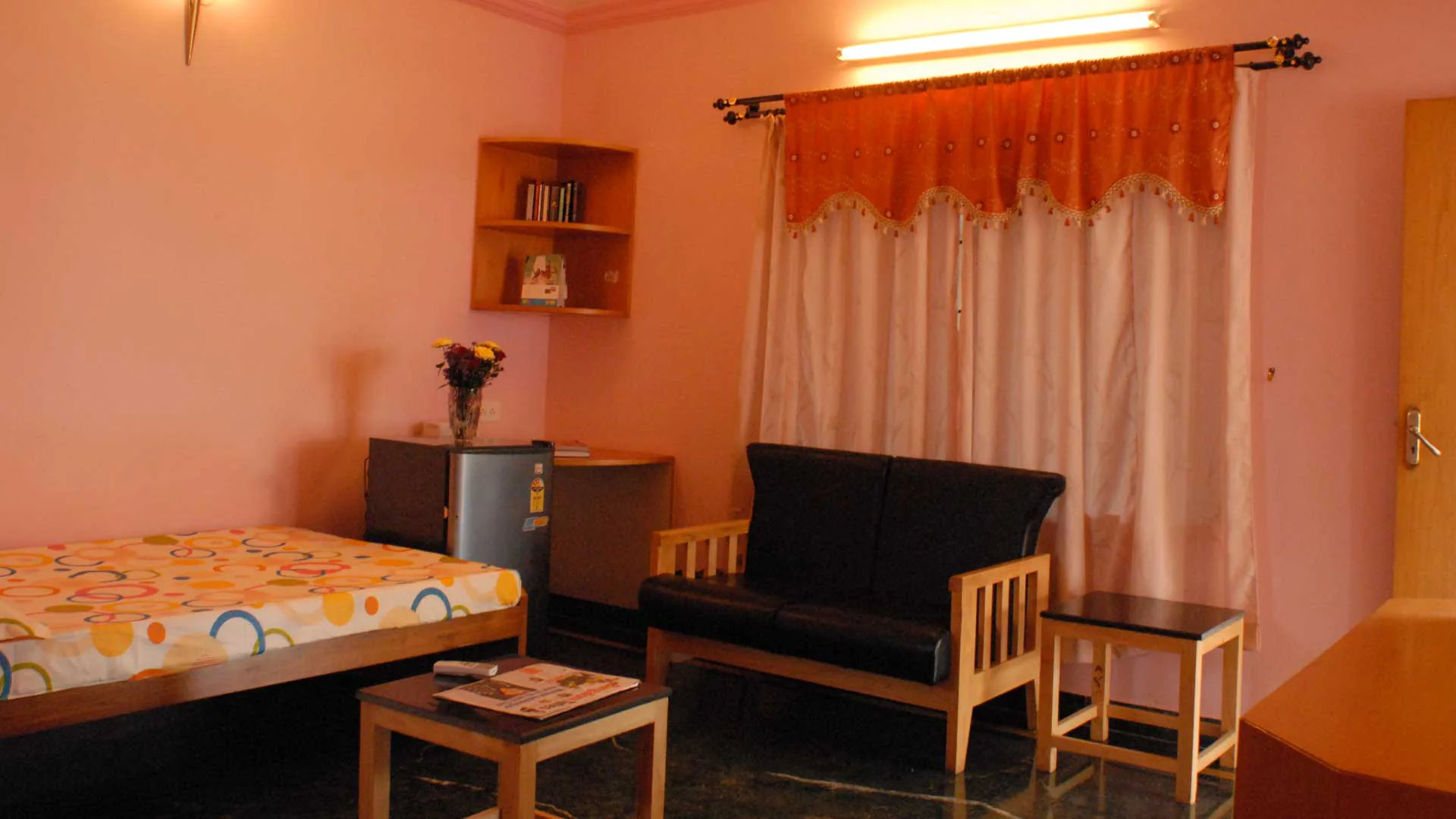
Recovery Experience
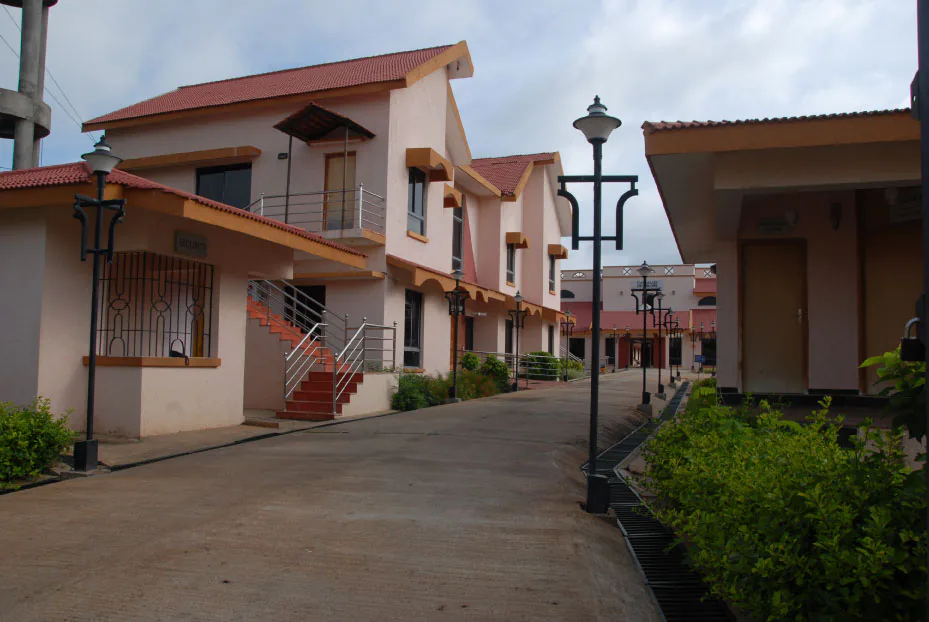
Rehab Unit
Patient Stories
What Our Clients Have To Say
Real stories from the families and individuals we’ve supported on their path to well-being.
5.0
Cadabam's Hospitals' team treated my family with empathy from the very first call. The care plan was clear, the doctors listened, and we finally felt supported through a difficult time.
A
Aishwarya G.
Verified patient
5.0
The therapists and psychiatrists worked together on a plan that actually fit our situation. Three decades of experience really shows — calm, professional, and genuinely caring.
S
Suresh L.
Verified patient
5.0
I was nervous about reaching out, but the team made me feel safe. The structured therapy and follow-ups have helped me get back to my routine and feel like myself again.
R
Rahul M.
Verified patient
Trusted by 10,000+ families · 4.5 ★ on Google Reviews
Understanding Alcohol Rehabilitation Center Bangalore
Alcohol dependence is a chronic neurobiological condition characterized by an inability to control or stop drinking despite negative personal, social, or physical consequences. In urban centers like Bangalore, changing socio-economic landscapes and stressful lifestyle demands have led to an increase in alcohol use disorders, as highlighted in clinical research from institutions like NIMHANS.
Rehabilitation involves a multi-stage clinical process designed to address both physical addiction and underlying psychological drivers. Medically managed detoxification stabilizes severe withdrawal symptoms like tremors, delirium tremens, and autonomic instability under continuous clinical observation. Following stabilization, residential or intensive outpatient programs utilize Cognitive Behavioral Therapy (CBT), Motivational Enhancement Therapy (MET), and relapse prevention training to promote sustained recovery.
Signs and Symptoms
Recognizing the transition from social drinking to physical or psychological addiction is crucial for timely clinical intervention. Severe alcohol use disorder affects cognitive function, emotional stability, and overall physical well-being.
Key indicators of alcohol dependence include:
- Inability to limit alcohol intake despite repeated personal or medical advice.
- Experiencing physical withdrawal symptoms such as sweating, tremors, nausea, or intense anxiety when alcohol effects wear off.
- Developing high tolerance, requiring significantly larger quantities of alcohol to achieve intoxication.
- Neglecting professional, academic, or familial responsibilities due to drinking habits.
- Persistent alcohol consumption even when it causes or worsens physical or mental health problems.
- Spending a disproportionate amount of time obtaining alcohol, drinking, or recovering from its effects.
When to Seek Help
Immediate medical assessment is necessary if alcohol consumption interferes with daily functioning or if stopping alcohol triggers physical withdrawal symptoms. Alcohol withdrawal can be dangerous and life-threatening if managed without proper psychiatric and medical support.
If an individual experiences severe confusion, uncontrollable body tremors, hallucinations, or seizures after reducing or stopping alcohol intake, immediate emergency care is required. Professional evaluation at a specialized center ensures withdrawal is safely managed through evidence-based detox protocols.
Emergency Note: If you or someone you know is experiencing a life-threatening medical crisis, severe alcohol withdrawal (such as seizures or delirium tremens), or acute psychiatric distress, please contact your local emergency services or proceed immediately to the nearest hospital emergency room.
How Cadabam'S Hospitals Can Help
Cadabam's Hospitals brings over three decades of clinical expertise as a premier alcohol rehabilitation center in Bangalore. Our NABH-accredited facilities offer multidisciplinary care managed by consultant psychiatrists, clinical psychologists, psychiatric nurses, and addiction counselors.
Our holistic care continuum includes:
- Medically supervised 24/7 detoxification to ensure safe withdrawal management.
- Inpatient residential programs featuring structured daily therapeutic schedules.
- Individual psychotherapy, group therapy, and family psychoeducation programs.
- Relapse prevention planning and long-term outpatient follow-up.
Seeking professional assistance is the first step toward long-term stabilization and health. To learn more about our specialized addiction treatment programs or to schedule a confidential clinical evaluation, please visit our contact page.
Get in Touch With Our Clinical Team
Taking the first step toward recovery can be challenging, but you do not have to do it alone. Contact Cadabam's Hospitals to speak with an admissions specialist or book a comprehensive clinical assessment.
What Happens After Completing an Inpatient Rehabilitation Program
FAQ
Frequently Asked Questions
The duration varies based on the severity of addiction, physical health status, and co-occurring psychiatric conditions. Medically supervised detoxification generally takes 7 to 10 days, while residential rehabilitation programs typically span 30 to 90 days for optimal therapeutic outcomes.
Severe alcohol withdrawal can lead to life-threatening complications, including seizures and delirium tremens. Medical supervision at a specialized facility is strongly recommended to administer detox protocols, monitor vital signs, and ensure safe stabilization.
Yes, family involvement is an integral part of our rehabilitation protocol. We conduct family therapy sessions, psychoeducation programs, and support groups to help families understand addiction, restore healthy communication, and build a supportive home environment for recovery.
Insights From Our Experts
Recent Stories from Our Blog
Psychological issues
Women's Mental Health
Psychological issues
Stress & Burnout
Newsletter