Contact Cadabam's Hospitals today to speak with an admissions specialist or schedule a confidential clinical assessment.
The Cadabam’s Hospitals Difference
Why Cadabam’s Hospitals? What Makes Us Different?
Through our 8 specialty centers offering top-notch treatments across the nation, we have been helping thousands of people improve the quality of their lives.
33+
Years of Experience
10,000+
Happy Families
20+
Treatment Modalities
400+
Mental Health Experts
With over 33 years of expertise and knowledge, we promise to provide our clients the treatment that suits them the best. Whether the case involves substance addiction, alcoholism, sleeping issues, bipolar disorder, or schizophrenia, our experts know how to handle it in a way that it’s in the best interest of the client and their family.
Our state-of-the-art infrastructure, experienced professionals, and strong support system enable us to offer world-class evidence-based treatment that fits all stages and types of mental health concerns that you may have.
At Cadabam’s Hospitals, we’ve always got your back.
Our Facilities
Our Infrastructure & Care Facilities
Purpose-built rehabilitation centres, clinical equipment, and support services designed to drive better patient outcomes.
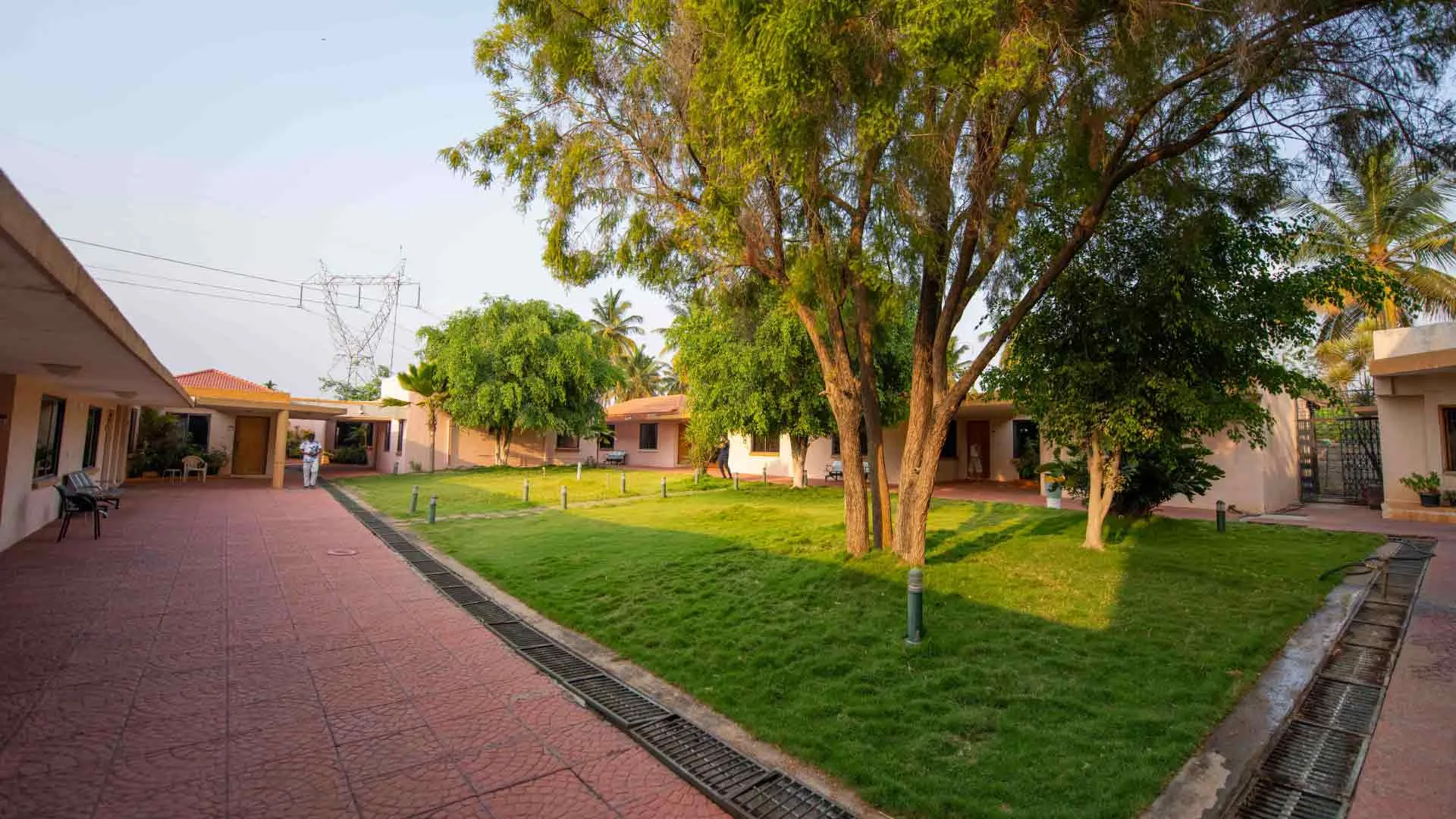
Ananya Campus
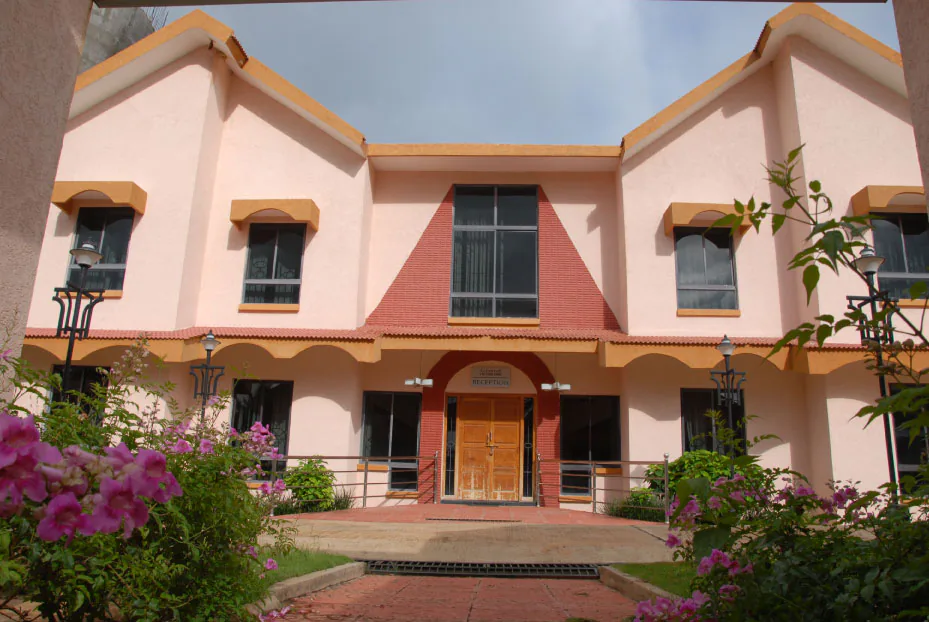
Ananya Rehabilitation Centre
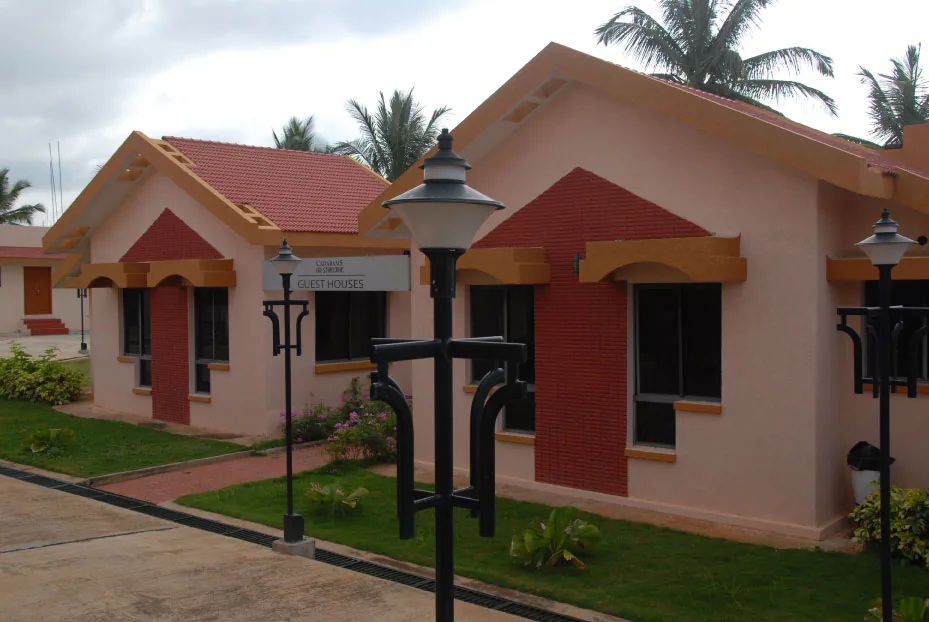
Private Cottages
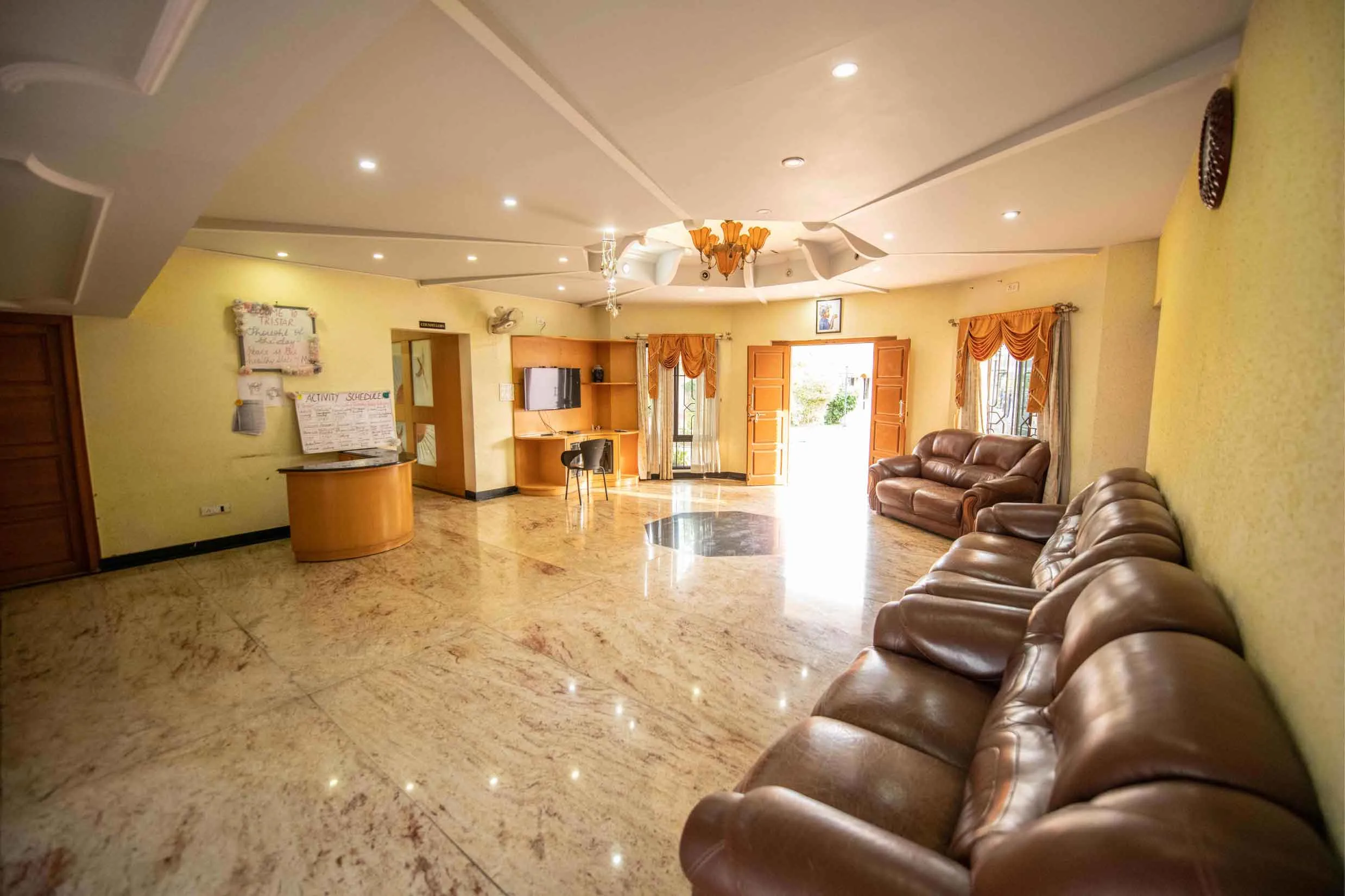
Campus Entrance
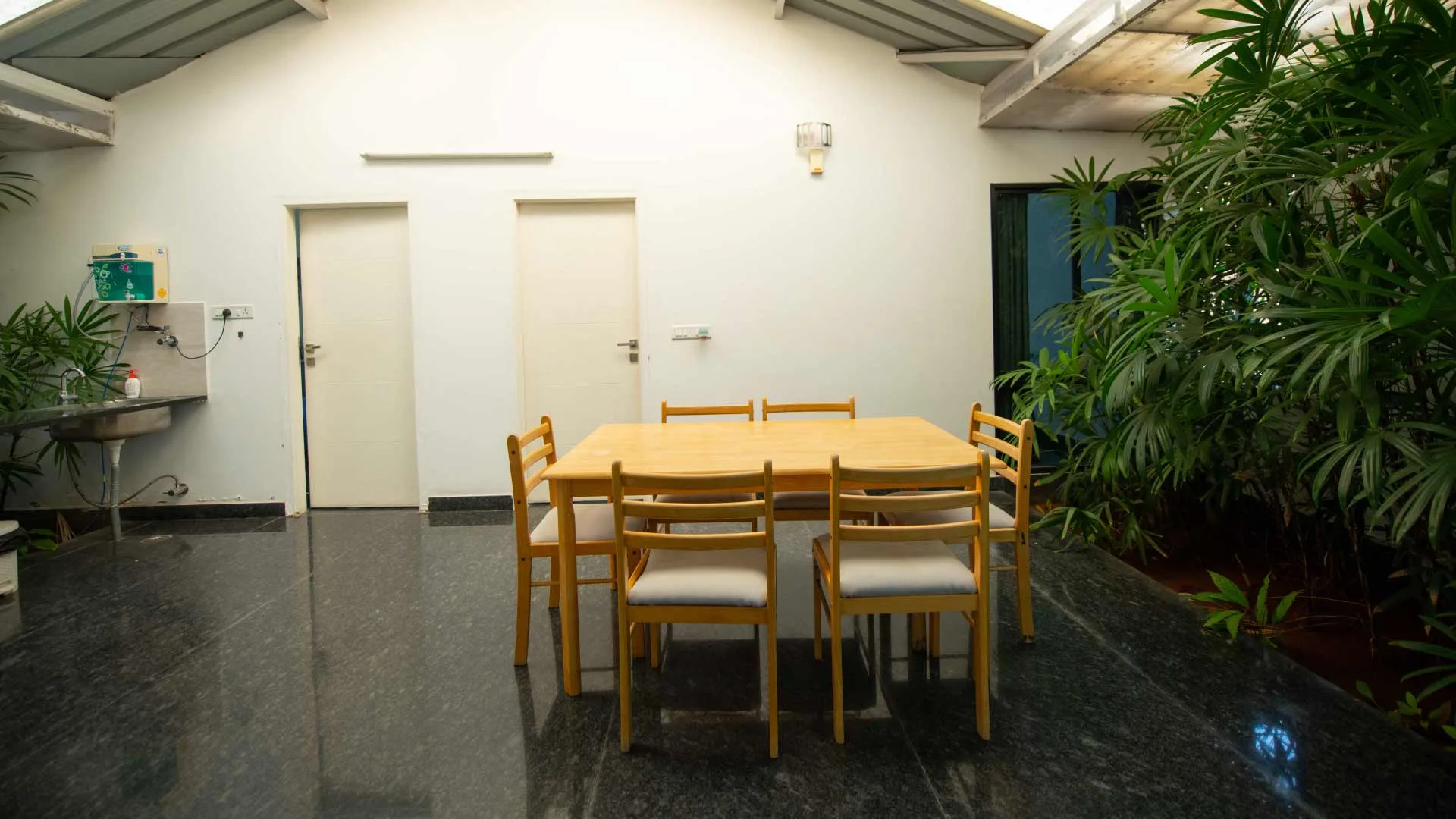
Healing Environment
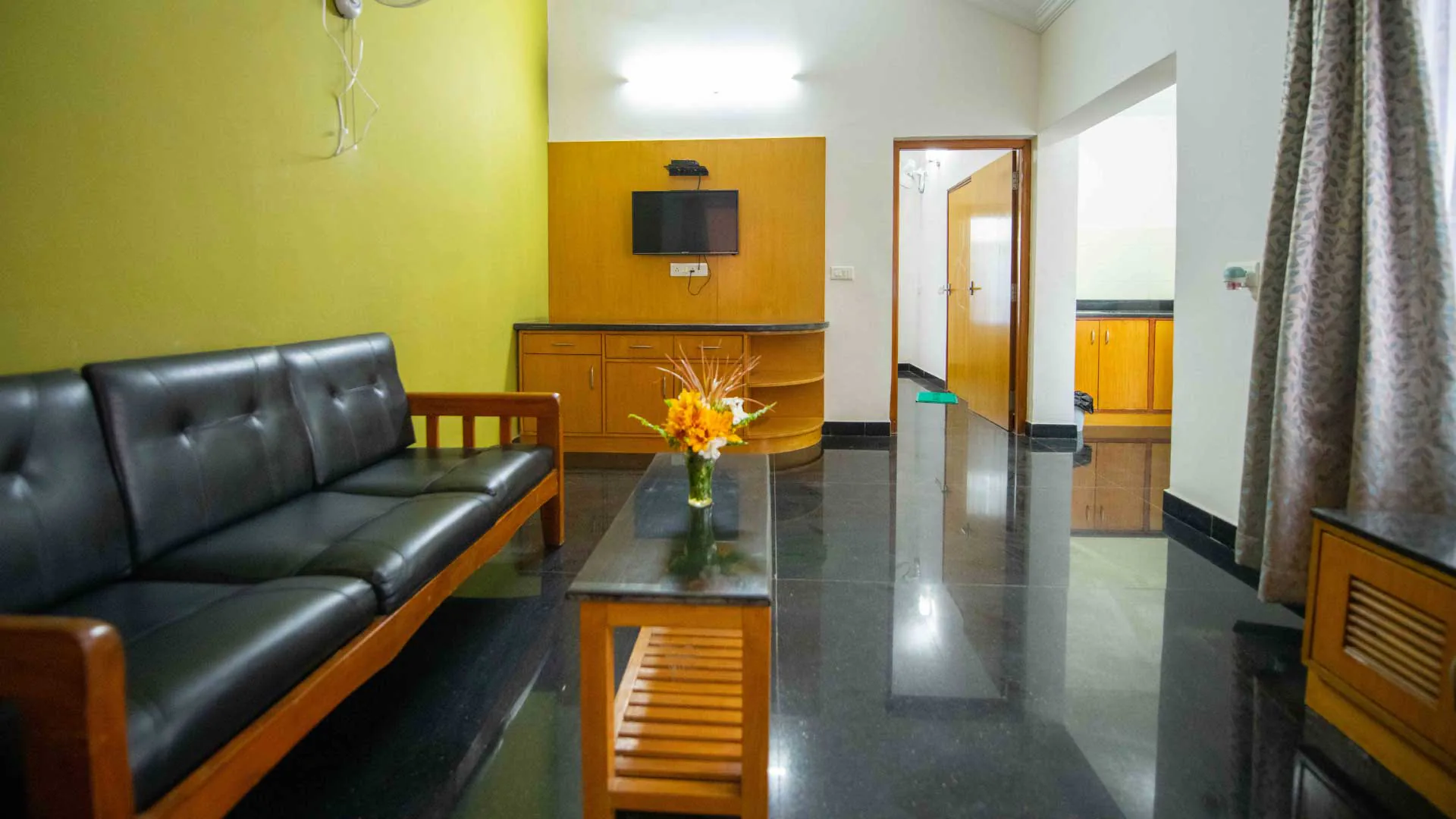
Hospital Lobby
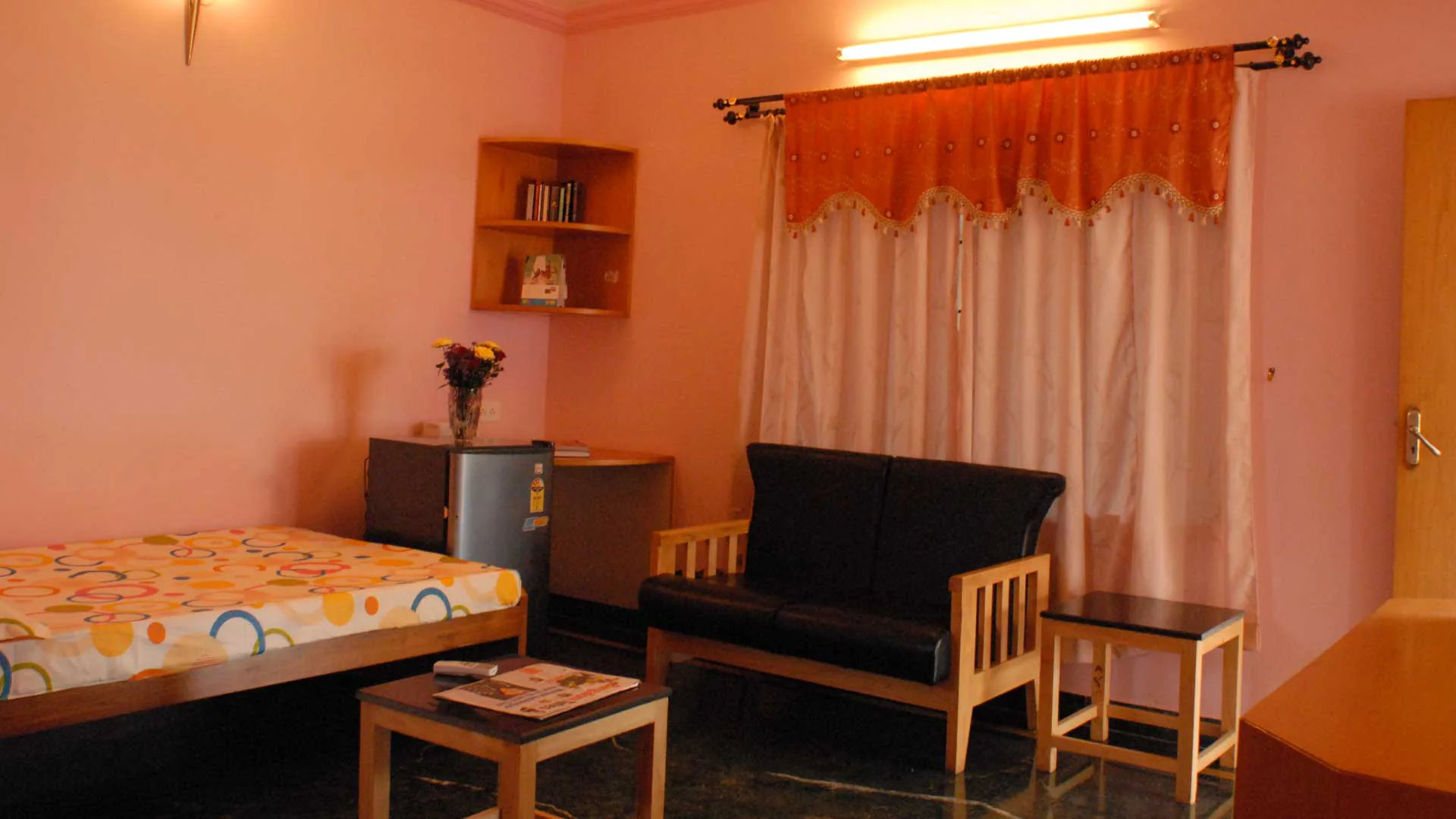
Recovery Experience
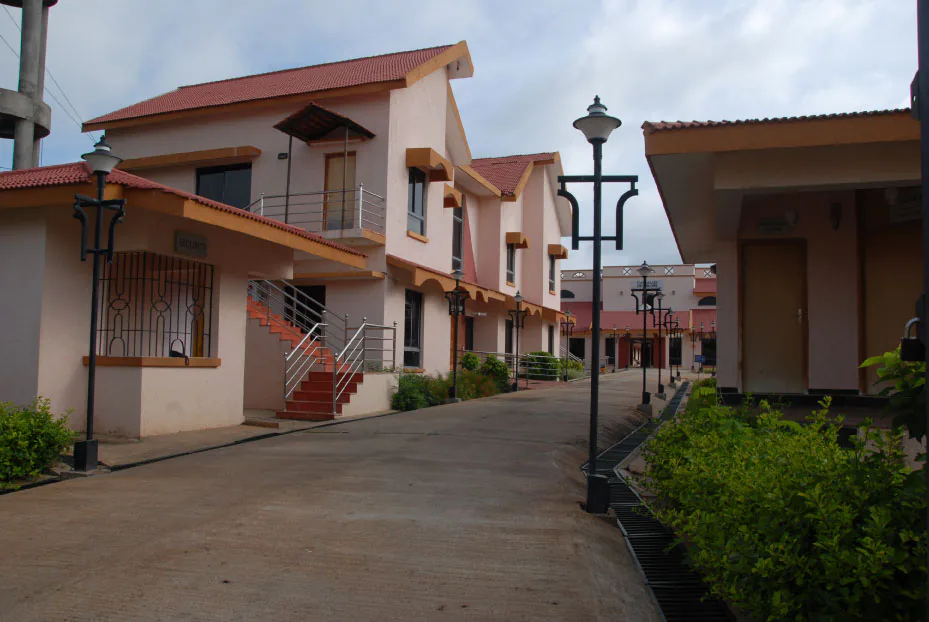
Rehab Unit
Patient Stories
What Our Clients Have To Say
Real stories from the families and individuals we’ve supported on their path to well-being.
5.0
Cadabam's Hospitals' team treated my family with empathy from the very first call. The care plan was clear, the doctors listened, and we finally felt supported through a difficult time.
A
Aishwarya G.
Verified patient
5.0
The therapists and psychiatrists worked together on a plan that actually fit our situation. Three decades of experience really shows — calm, professional, and genuinely caring.
S
Suresh L.
Verified patient
5.0
I was nervous about reaching out, but the team made me feel safe. The structured therapy and follow-ups have helped me get back to my routine and feel like myself again.
R
Rahul M.
Verified patient
Trusted by 10,000+ families · 4.5 ★ on Google Reviews
What Is Alcohol Rehabilitation?
Alcohol rehabilitation is a clinical process designed to help individuals safely stop drinking alcohol, manage underlying psychological triggers, and establish habits that sustain long-term sobriety. It goes beyond simple abstinence by addressing the biological, psychological, and social factors that contribute to addiction.
Treatment typically occurs in two main settings: residential (inpatient) rehab and outpatient rehabilitation. At an alcohol rehabilitation centre in Bangalore, an interdisciplinary team—consisting of psychiatrists, clinical psychologists, psychiatric nurses, and addiction counsellors—collaborates to design a personalized treatment plan tailored to the severity of dependence and any co-occurring mental health conditions.
Signs You or a Loved One Need Alcohol Rehab
Recognizing when professional intervention is required can be challenging, as alcohol use often increases gradually over time. In India, societal stigma and denial frequently delay treatment until significant physical or interpersonal harm occurs.
Clinical indicators that suggest a need for structured alcohol rehabilitation include:
- Loss of Control: Inability to limit alcohol intake despite repeated intentions to cut down or quit.
- Physical Dependence and Withdrawal: Experiencing tremors, nausea, sweating, anxiety, insomnia, or seizures when alcohol consumption stops or decreases.
- Tolerance: Needing progressively larger amounts of alcohol to achieve the desired effect.
- Neglect of Responsibilities: Missing work, academic commitments, or family duties due to drinking or recovering from its effects.
- Continued Use Despite Harm: Drinking despite known liver disease, cardiovascular issues, depression, or conflict with family members.
- Secrecy and Isolation: Hiding alcohol, drinking alone, or withdrawing from social activities that do not involve drinking.
If two or more of these signs are present, professional assessment at a specialized centre is recommended.
What Happens in a Bangalore Alcohol Rehab Programme?
A comprehensive treatment program at an alcohol rehabilitation centre in Bangalore follows a phased, evidence-backed protocol aligned with guidelines established by national bodies such as NIMHANS and international clinical standards.
1. Assessment and Intake
Upon admission, a detailed psychiatric, medical, and psychosocial evaluation is conducted. This assessment establishes the level of chemical dependence, evaluates liver and metabolic function, screens for co-occurring disorders like depression or anxiety, and identifies specific psychosocial stressors.
2. Medically Supervised Detoxification
Detoxification is the process of safely managing physical withdrawal symptoms as alcohol leaves the body. Because severe alcohol withdrawal can be a medical emergency (potentially leading to delirium tremens or status epilepticus), detox must occur under round-the-clock medical supervision. Pharmacotherapy is administered to ease symptoms, maintain hydration, and prevent complications.
3. Psychotherapy and Behavioral Counseling
Once physical stability is achieved, intensive psychological intervention begins. Key therapeutic modalities include:
- Cognitive Behavioral Therapy (CBT): Helps patients identify irrational thought patterns, manage cravings, and develop healthier coping strategies.
- Motivational Interviewing (MI): Strengthens internal motivation to commit to lifestyle change.
- Group Therapy: Provides a supportive environment to share experiences, build interpersonal skills, and reduce feelings of isolation.
4. Family Therapy and Support
In the Indian context, family involvement is critical for sustainable recovery. Psychoeducation sessions help family members understand addiction as a medical condition, address enabling behaviors, resolve conflict, and build a supportive home environment.
5. Relapse Prevention and Aftercare
Recovery extends beyond the initial stay. Aftercare plans include ongoing outpatient therapy, support group participation, medication management where appropriate, and crisis intervention protocols to prevent relapse.
Outpatient vs Residential Alcohol Rehab
Choosing the right treatment setting depends on the severity of alcohol dependence, the presence of medical or psychiatric complications, and the stability of the patient's home environment.
| Feature | Outpatient Alcohol Rehab | Residential (Inpatient) Alcohol Rehab |
|---|---|---|
| Level of Supervision | Periodic clinical visits | 24/7 medical and psychiatric care |
| Indication | Mild to moderate dependence; strong family support | Moderate to severe dependence; history of severe withdrawal or relapse |
| Living Arrangement | Patient lives at home | Patient resides at the treatment facility |
| Environment | Must manage everyday triggers while in care | Controlled, trigger-free therapeutic environment |
| Duration | Several months of scheduled sessions | Typically 4 to 12 weeks based on clinical needs |
| Co-occurring Conditions | Managed on an ambulatory basis | Comprehensive daily management of dual diagnoses |
Alcohol Rehab at Cadabam's Hospitals (Bangalore)
Cadabam's Hospitals is a premier mental health and de-addiction care provider, serving as a leading alcohol rehabilitation centre in Bangalore backed by over three decades of clinical experience. Our NABH-accredited facilities offer compassionate, evidence-based care delivered by senior psychiatrists, clinical psychologists, and trained psychiatric nurses.
At Cadabam's, we offer:
- Safe, Medically Monitored Detox: Dedicated medical units equipped to manage complex withdrawal symptoms safely.
- Dual-Diagnosis Expertise: Integrated treatment plans for individuals dealing with alcohol dependence alongside depression, anxiety, PTSD, or bipolar disorder.
- Holistic Care Facilities: State-of-the-art residential centres providing structured daily routines, yoga, psychoeducation, and recreational therapies.
- Robust Aftercare Networks: Continuous outpatient follow-ups and support programs designed to sustain long-term sobriety.
Cost of Alcohol Rehabilitation in Bangalore
The cost of treatment at an alcohol rehabilitation centre in Bangalore varies based on several factors:
- Type of Program: Residential inpatient programs incur room, board, and round-the-clock care costs, whereas outpatient programs are billed per session.
- Duration of Stay: Stays range from short-term medical detox (7–14 days) to extended rehabilitation (30 to 90 days).
- Accommodation Type: Options typically range from shared rooms to private executive suites.
- Medical Complexity: Needs requiring specialized ICU monitoring, complex dual-diagnosis care, or intensive pharmacotherapy will influence total costs.
Health insurance coverage for mental health and substance use disorders in India has expanded under IRDAI guidelines. Prospective patients are encouraged to consult our admissions desk to understand payment structures, insurance approvals, and flexible care options.
How to Get Help / Admission
Taking the first step toward recovery is straightforward and confidential:
- Initial Inquiry: Call our helpline or submit a request via our website to speak with an intake officer.
- Clinical Pre-Assessment: A preliminary evaluation is conducted to determine immediate safety, detox requirements, and appropriate care level.
- Admission & Medical Intake: The patient is admitted to the facility, where emergency stabilization or detox begins immediately under physician care.
- Treatment Execution: The interdisciplinary team carries out the tailored therapeutic roadmap.
When to Seek Emergency Help
If an individual experiencing alcohol withdrawal develops severe confusion, high fever, uncontrollable shaking, hallucinations, or seizures, seek emergency medical care immediately.
Start Your Recovery Journey Today
Recovery from alcohol dependence is possible with the right clinical support and care environment. Reach out to Cadabam's Hospitals to discuss confidential assessment and personalized treatment programs.
- Visit Us: Cadabam's Hospitals, Bangalore
- Get in Touch: Contact Our De-Addiction Specialists
FAQ
Frequently Asked Questions
The duration of alcohol rehab varies based on individual clinical needs. Medically supervised detox typically takes 7 to 14 days, while comprehensive residential rehabilitation programs generally last between 30 and 90 days. Outpatient aftercare often continues for several months to reinforce relapse prevention.
Alcohol addiction is considered a chronic, treatable medical condition rather than something that is permanently "cured." With appropriate medical intervention, psychotherapy, and ongoing lifestyle management, individuals can achieve sustained remission and lead productive, alcohol-free lives.
Admission begins with a preliminary assessment by a qualified psychiatrist. If the patient agrees to treatment, voluntary admission is processed. In cases where the individual lacks capacity due to severe intoxication, withdrawal delirium, or severe psychiatric impairment, families should consult our clinical intake team regarding safe transport and emergency admission procedures under the Mental Healthcare Act. --- Medical Disclaimer: This content is for general information only and is not a substitute for professional medical advice, diagnosis, or treatment. Always seek the advice of a qualified healthcare provider with any questions you may have regarding a medical condition. ---
Insights From Our Experts
Recent Stories from Our Blog
Psychological issues
Women's Mental Health
Psychological issues
Stress & Burnout
Newsletter