
The Cadabam’s Hospitals Difference
Why Cadabam’s Hospitals? What Makes Us Different?
Through our 8 specialty centers offering top-notch treatments across the nation, we have been helping thousands of people improve the quality of their lives.
33+
Years of Experience
10,000+
Happy Families
20+
Treatment Modalities
400+
Mental Health Experts
With over 33 years of expertise and knowledge, we promise to provide our clients the treatment that suits them the best. Whether the case involves substance addiction, alcoholism, sleeping issues, bipolar disorder, or schizophrenia, our experts know how to handle it in a way that it’s in the best interest of the client and their family.
Our state-of-the-art infrastructure, experienced professionals, and strong support system enable us to offer world-class evidence-based treatment that fits all stages and types of mental health concerns that you may have.
At Cadabam’s Hospitals, we’ve always got your back.
Our Facilities
Our Infrastructure & Care Facilities
Purpose-built rehabilitation centres, clinical equipment, and support services designed to drive better patient outcomes.

Ananya Campus

Ananya Rehabilitation Centre

Private Cottages

Campus Entrance

Healing Environment

Hospital Lobby
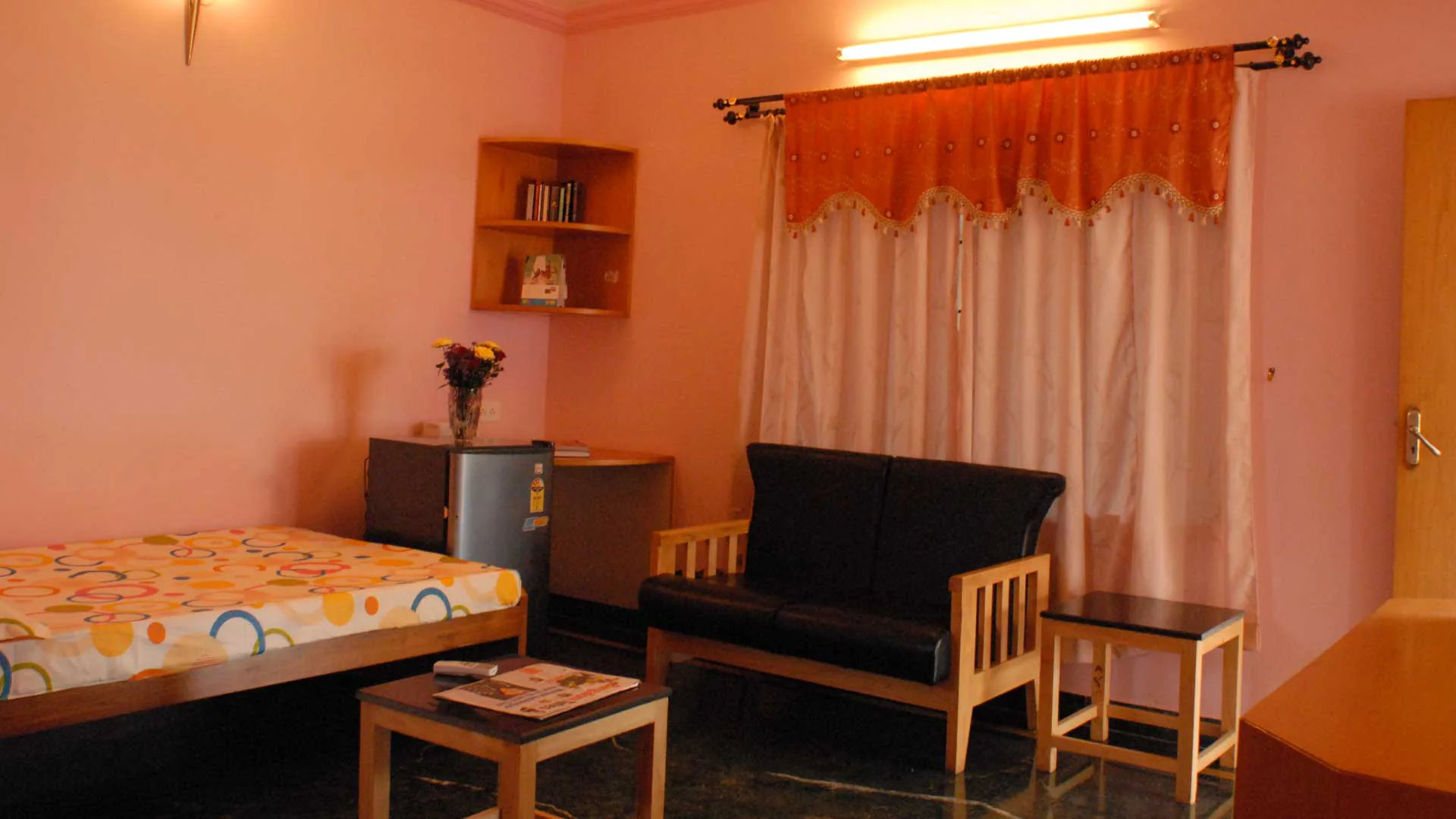
Recovery Experience

Rehab Unit
Patient Stories
What Our Clients Have To Say
Real stories from the families and individuals we’ve supported on their path to well-being.
5.0
Cadabam's Hospitals' team treated my family with empathy from the very first call. The care plan was clear, the doctors listened, and we finally felt supported through a difficult time.
A
Aishwarya G.
Verified patient
5.0
The therapists and psychiatrists worked together on a plan that actually fit our situation. Three decades of experience really shows — calm, professional, and genuinely caring.
S
Suresh L.
Verified patient
5.0
I was nervous about reaching out, but the team made me feel safe. The structured therapy and follow-ups have helped me get back to my routine and feel like myself again.
R
Rahul M.
Verified patient
Trusted by 10,000+ families · 4.5 ★ on Google Reviews
How Bipolar Disorder Presents Differently in Women
When evaluating bipolar disorder in women, mental health professionals frequently observe a clinical picture that strays from the "classic" euphoric mania historically highlighted in psychiatric literature. Understanding how bipolar presents in women requires looking closely at episode frequency, dominant mood states, and comorbid physical or psychological conditions.
Key clinical distinctions in female presentations include:
- Prevalence of Bipolar II: Women are more frequently diagnosed with bipolar II in women, a subtype characterized by severe depressive episodes and milder hypomanic states, rather than classic Bipolar I with full-blown mania.
- Depressive Dominance: Female patients spend significantly more time in depressive phases than in manic phases compared to male counterparts.
- Rapid Cycling: Rapid cycling bipolar women experience four or more distinct mood episodes (depression, hypomania, or mania) within a single 12-month period at significantly higher rates.
- Comorbid Conditions: Women with bipolar disorder have higher rates of co-occurring anxiety disorders, thyroid dysfunctions (such as hypothyroidism), eating disorders, and migraine headaches.
- Higher Misdiagnosis Rates: Because severe depression dominates the clinical history, women are frequently treated for unipolar clinical depression for years before an accurate bipolar diagnosis is established.
Clinical Summary: Presentation Differences by Gender
| Clinical Feature | Typical Presentation in Women | Typical Presentation in Men |
|---|---|---|
| Dominant Subtype | Bipolar II (Hypomania & Severe Depression) | Bipolar I (Full Mania & Depression) |
| Primary Episode Type | Prolonged Depressive Episodes | Acute Manic Episodes |
| Cycle Frequency | Higher rate of rapid cycling (4+ episodes/year) | Standard cycling patterns |
| Mania Features | Irritability, anxiety, dysphoria | Euphoria, grandiosity, extreme risk-taking |
| Common Comorbidities | Thyroid disorders, anxiety, eating disorders | Substance use disorders, conduct issues |
Depressive Symptoms of Bipolar in Women
The bipolar depressive symptoms women experience are often intense, prolonged, and disabling. Because these depressive phases last longer than manic or hypomanic periods, they are the primary reason women seek psychiatric help.
Common features of bipolar depression in women include:
- Persistent Low Mood: Deep sadness, emptiness, or emotional numbness that persists for weeks or months.
- Atypical Depressive Features: Hypersomnia (sleeping excessively, often 10 to 12 hours a day) and a feeling of heavy physical fatigue.
- Appetite and Weight Changes: Increased appetite, specifically intense cravings for carbohydrates, leading to noticeable weight fluctuations.
- Cognitive Distortions & Brain Fog: Severe difficulty concentrating, making daily decisions, or processing complex information.
- Pervasive Guilt and Low Self-Worth: Intense feelings of failure, exaggerated self-blame, and worthlessness.
- Social Isolation: Complete withdrawal from family, social obligations, and career responsibilities due to lack of emotional bandwidth.
Because atypical features like hypersomnia and hyperphagia (overeating) are common, clinicians evaluating low mood bipolar presentations in women must conduct a comprehensive baseline mood history to rule out underlying unipolar depression or primary endocrine conditions.
Manic and Hypomanic Symptoms in Women
While men often display classical euphoric mania with grandiose ideas, manic symptoms in women and hypomanic states tend to manifest differently. Hypomania in women can be particularly subtle and difficult to identify without structured clinical evaluation.
Key features of bipolar mania women experience include:
- Dysphoric Mania and Irritability: Instead of feeling overjoyed or invincible, women often experience "mixed" or dysphoric states characterized by intense irritability, internal tension, and agitation.
- Restlessness and Racing Thoughts: A persistent feeling that the mind is overloaded, accompanied by rapid speech patterns (pressured speech).
- Impulsive Behaviors: Sudden financial decisions, reckless spending, impulsive changes in personal relationships, or starting multiple complex projects simultaneously.
- Decreased Need for Sleep: Sleeping only 2 to 4 hours a night while still feeling fully energized and operational the following day.
- Masked Functionality: Hypomanic periods are frequently misidentified by the individual as periods of "finally feeling motivated" or "being back to normal," masking the underlying psychiatric cycle.
Because hypomania feels productive rather than disruptive, it is rarely reported spontaneously by patients. Uncovering these episodes requires specialized diagnostic interviewing by experienced clinical psychiatrists.
Hormonal Triggers: How Life Stages Affect Bipolar Symptoms in Women
Reproductive biology plays a profound role in mood stability. Fluctuations in oestrogen and progesterone directly influence neurotransmitter pathways in the brain. Understanding bipolar disorder hormones women navigate throughout their lifespan is vital for effective long-term management.
1. Menstrual Cycle and Premenstrual Exacerbation
Many women report a marked severe worsening of bipolar symptoms during the luteal phase (the week or two before menstruation). Co-occurring Premenstrual Dysphoric Disorder (PMDD) can trigger severe depressive dips or intense irritability, making baseline mood stabilization challenging without targeted therapeutic adjustments.
2. Pregnancy Considerations
Managing bipolar pregnancy care requires balanced medical oversight. Hormonal shifts during pregnancy can either temporarily stabilize or severely destabilize mood. Stopping psychiatric medication abruptly upon discovering a pregnancy carries severe risks of immediate relapse. Psychiatrists at specialized facilities like Cadabam's work alongside obstetricians to tailor safe, effective treatment regimes.
3. Postpartum Period
The immediate postpartum period represents the highest statistical risk window for severe psychiatric destabilization in women with bipolar disorder. Postpartum bipolar presentations can trigger rapid-onset severe depression or postpartum psychosis—a medical emergency requiring immediate inpatient stabilization and specialized care.
4. Perimenopause and Menopause (Women Over 40 And 50)
Fluctuating hormone levels during bipolar perimenopause frequently lead to heightened mood volatility. Bipolar symptoms in women over 40 and bipolar symptoms in women over 50 often manifest as increased episode frequency, new-onset rapid cycling, severe sleep disturbances, and resistance to previously effective medication dosages.
Diagnosis: Why Bipolar Is Often Missed in Women
Statistical studies and clinical observations in Indian psychiatric settings, including institutions like NIMHANS and Cadabam's, demonstrate that women often wait several years longer than men to receive an accurate bipolar diagnosis.
Several factors contribute to bipolar misdiagnosis women experience:
- Overlapping Symptom Profiles: Dominant depressive features frequently lead to a standalone diagnosis of major depressive disorder. Administering standard antidepressants without a mood stabilizer can inadvertently trigger rapid cycling or mixed manic states.
- Unrecognized Hypomania: Milder hypomanic episodes are rarely viewed as symptoms by patients or families, especially when cultural expectations frame high productivity or emotional intensity in specific ways.
- Physical Comorbidities: Medical conditions like hypothyroidism, polycystic ovary syndrome (PCOS), and vitamin deficiencies produce fatigue and mood changes that obscure the underlying psychiatric condition.
What to Share During a Diagnostic Evaluation
Achieving an accurate bipolar diagnosis women can rely on requires open communication. When consulting a psychiatrist, be prepared to discuss:
- A detailed history of low mood periods as well as high-energy or unusually irritable phases.
- A complete family history of mood disorders, severe anxiety, or substance dependence.
- Any noticeable patterns linking mood shifts to your menstrual cycle, pregnancies, or perimenopausal changes.
- A complete record of past antidepressant use and your emotional or physical response to those medications.
To better understand the overall biological and psychological framework of the condition, explore our comprehensive guide on bipolar disorder.
Why Choose Cadabam's Hospitals?
Cadabam's Hospitals is an NABH-accredited mental healthcare group with state-of-the-art psychiatric treatment centers in Bangalore and Mysore. With over three decades of clinical excellence, our multidisciplinary team of psychiatrists, clinical psychologists, and psychiatric nurses specializes in gender-sensitive mood disorder management.
Our approach integrates comprehensive diagnostic evaluations, evidence-based pharmacology, individual psychotherapy (such as Cognitive Behavioral Therapy and Interpersonal and Social Rhythm Therapy), and specialized reproductive psychiatry support. We partner with patients and their families to build sustainable, long-term wellness plans tailored to every life stage.
To learn more about how gender-specific factors impact daily life and relationships, read our detailed article on the impact of bipolar disorder on women.
When to Seek Urgent Help
If you or a woman you know is experiencing acute mood destabilization, severe sleep deprivation lasting several days, rapid shifts into extreme agitation, thoughts of self-harm, or signs of postpartum psychosis, immediate professional intervention is essential. Psychiatric emergencies require prompt evaluation by qualified mental health personnel.
Medical Disclaimer
This content is for general information only and is not a substitute for professional medical advice. Always seek the advice of a qualified psychiatrist or mental health professional with any questions you may have regarding a medical condition or treatment plan.
Take the Next Step Toward Emotional Stability
Accurate diagnosis and personalized care can transform your quality of life. Contact Cadabam's Hospitals today to schedule a confidential assessment with our experienced psychiatric team.
- Call Us: +91 96111 94949
- Visit Our Contact Page: cadabamshospitals.com/contact
FAQ
Frequently Asked Questions
Early signs typically involve recurring periods of deep depression interspersed with brief phases of uncharacteristic energy, severe irritability, reduced sleep requirement, or rapid decision-making. Mood tracking often reveals a clear departure from the person's baseline emotional state.
Bipolar disorder is not inherently "worse" in women, but its course is structurally different. Women experience higher rates of rapid cycling, prolonged depressive episodes, and hormone-driven mood destabilization. With accurate diagnosis and specialized management, overall outcomes are equal across genders.
Perimenopause and menopause bring significant oestrogen fluctuations that can destabilize previously well-managed mood patterns. Women may experience increased frequency of depressive or mixed episodes, sleep disruption, and heightened anxiety, requiring proactive medication reviews with a psychiatrist.
Yes, bipolar disorder can be managed safely during pregnancy through close clinical supervision. Psychiatrists carefully evaluate medication safety profiles to protect both maternal mental health and fetal development. You should never stop or alter your mood-stabilizing medication without specialist medical oversight. ---
Insights From Our Experts
Recent Stories from Our Blog
Psychological issues
Women's Mental Health
Psychological issues
Stress & Burnout
Newsletter