
The Cadabam’s Hospitals Difference
Why Cadabam’s Hospitals? What Makes Us Different?
Through our 8 specialty centers offering top-notch treatments across the nation, we have been helping thousands of people improve the quality of their lives.
33+
Years of Experience
10,000+
Happy Families
20+
Treatment Modalities
400+
Mental Health Experts
With over 33 years of expertise and knowledge, we promise to provide our clients the treatment that suits them the best. Whether the case involves substance addiction, alcoholism, sleeping issues, bipolar disorder, or schizophrenia, our experts know how to handle it in a way that it’s in the best interest of the client and their family.
Our state-of-the-art infrastructure, experienced professionals, and strong support system enable us to offer world-class evidence-based treatment that fits all stages and types of mental health concerns that you may have.
At Cadabam’s Hospitals, we’ve always got your back.
Our Facilities
Our Infrastructure & Care Facilities
Purpose-built rehabilitation centres, clinical equipment, and support services designed to drive better patient outcomes.

Ananya Rehabilitation Centre

Private Cottages

Campus Entrance
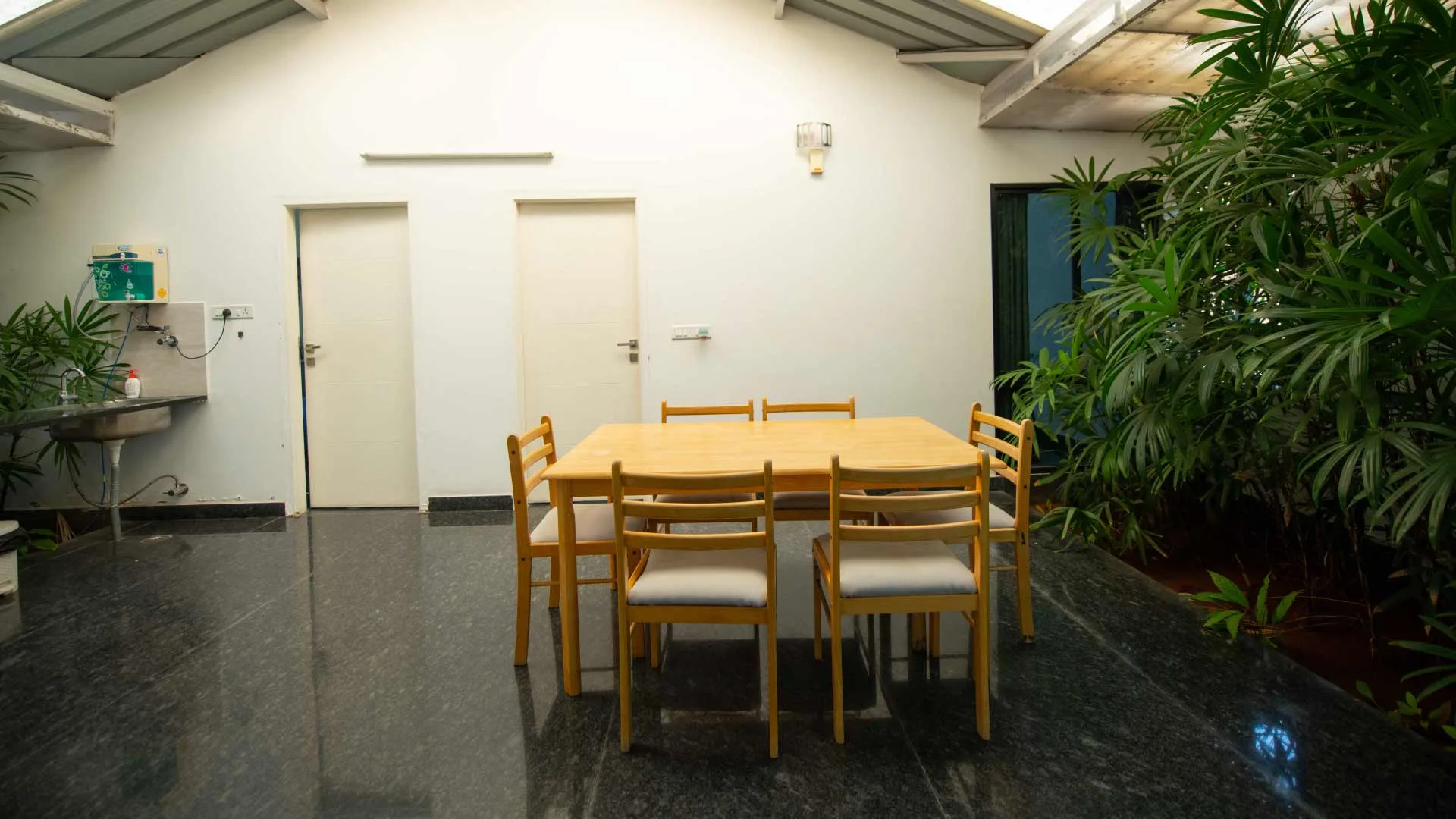
Healing Environment
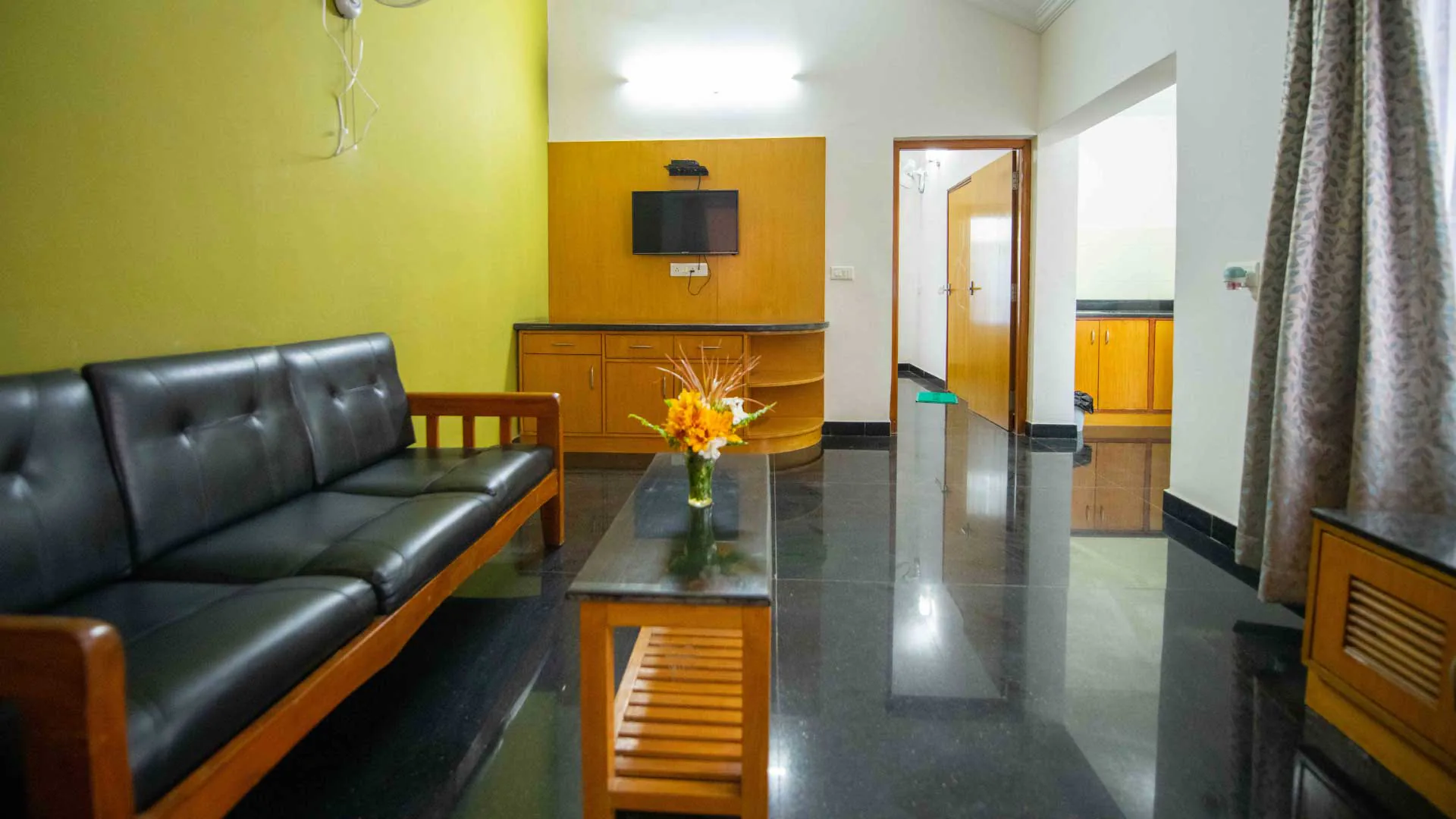
Hospital Lobby
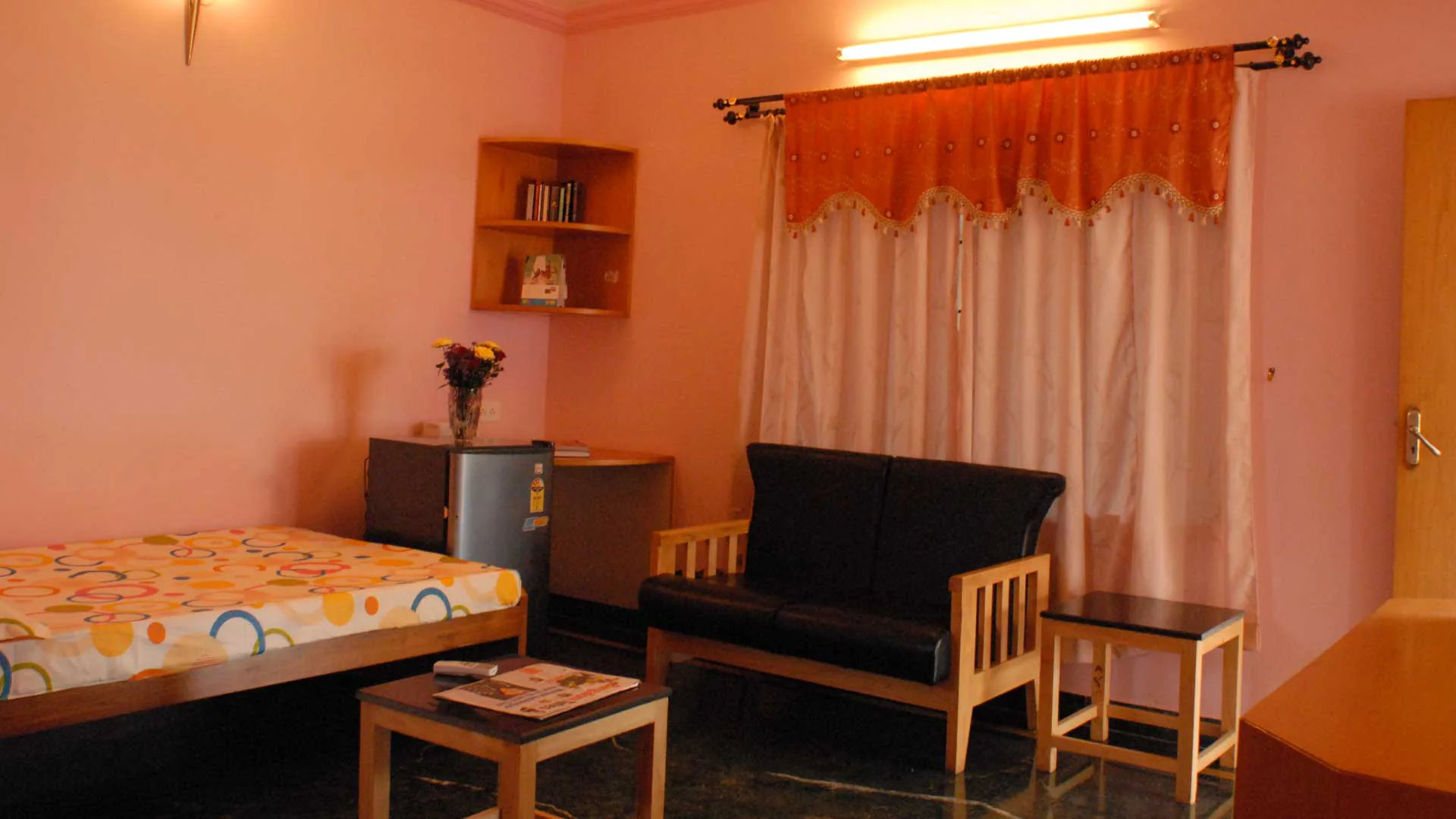
Recovery Experience

Rehab Unit
Patient Stories
What Our Clients Have To Say
Real stories from the families and individuals we’ve supported on their path to well-being.
5.0
Cadabam's Hospitals' team treated my family with empathy from the very first call. The care plan was clear, the doctors listened, and we finally felt supported through a difficult time.
A
Aishwarya G.
Verified patient
5.0
The therapists and psychiatrists worked together on a plan that actually fit our situation. Three decades of experience really shows — calm, professional, and genuinely caring.
S
Suresh L.
Verified patient
5.0
I was nervous about reaching out, but the team made me feel safe. The structured therapy and follow-ups have helped me get back to my routine and feel like myself again.
R
Rahul M.
Verified patient
Trusted by 10,000+ families · 4.5 ★ on Google Reviews
Understanding Couples Therapy Bangalore
Couples therapy is a specialized branch of psychotherapy that focuses on helping partners identify relational patterns, improve communication, and resolve chronic conflicts. Rather than focusing solely on individual pathology, the therapeutic process treats the relationship dynamic as the primary focus of care.
In urban centers like Bangalore, unique stressors frequently impact romantic and marital partnerships. High-pressure careers in technology and corporate sectors, long commutes, shifts from traditional joint family systems to nuclear setups, and navigating inter-cultural marriages often create complex interpersonal friction. Clinical frameworks in India, including guidelines aligned with NIMHANS training practices, emphasize a culturally responsive approach that respects domestic realities while applying modern psychological interventions.
Common Therapeutic Approaches Used
Therapists at Cadabam’s utilize evidence-based modalities tailored to each couple's unique dynamics:
- Emotionally Focused Therapy (EFT): Focuses on strengthening emotional bonds and re-establishing secure attachment between partners.
- Cognitive Behavioral Couples Therapy (CBCT): Helps partners identify and modify distorted thought patterns and behaviors that trigger destructive arguments.
- The Gottman Method: Emphasizes structured skill-building in communication, conflict management, and shared values.
- Systemic Family Therapy: Addresses broader family involvement, in-law dynamics, and socio-cultural expectations common in Indian households.
A standard course of therapy generally spans 8 to 16 weekly sessions, depending on the complexity of the issues and the level of distress involved.
| Therapy Approach | Core Focus | Typical Use Case |
|---|---|---|
| Emotionally Focused Therapy (EFT) | Attachment bonds & emotional safety | Emotional distance, feelings of abandonment |
| Cognitive Behavioral Couples Therapy | Unhelpful cognitive patterns & behavior | Recurrent circular arguments, behavioral friction |
| Gottman Method | Communication skills & practical conflict resolution | Defensiveness, stonewalling, contempt |
| Systemic Family Therapy | Intergenerational patterns & family dynamics | In-law stress, extended family boundary issues |
Signs and Symptoms
Relational distress often manifests subtly before escalating into severe marital crises. Recognizing early indicators allows couples to address issues before emotional detachment or behavioral resentment becomes deeply entrenched.
Key Indicators That Therapy May Be Needed
- Communication Breakdown: Persistent failure to discuss daily matters or complex decisions without arguments escalating into yelling, defensiveness, or stonewalling.
- Loss of Intimacy and Connection: A marked decline in physical affection, sexual intimacy, or emotional openness over an extended period.
- Unresolved Betrayal or Broken Trust: Navigating the aftermath of emotional or physical infidelity, financial secrecy, or chronic broken promises.
- Frequent Circular Arguments: Replaying the same disagreement repeatedly without reaching compromise, resolution, or mutual understanding.
- Family and Boundary Conflicts: Severe friction arising from in-law management, extended family expectations, or conflicting parenting philosophies.
- Co-occurring Mental Health Challenges: When individual struggles with depression, anxiety, trauma, or substance use create secondary strain on the partnership.
When to Seek Help
It is advisable to consult a qualified relationship professional before distress becomes overwhelming or irreversible. Early intervention prevents destructive behavioral cycles from solidifying into long-term hostility or emotional indifference.
When Professional Assessment Is Recommended
Couples should consider seeking professional assistance when independent attempts to resolve conflict lead to continuous frustration, when one or both partners feel chronically unhappy, or when separation is being considered. Therapy is also highly effective during major life transitions, such as navigating parenthood, career shifts, or adjusting to cohabitation.
Emergency Note
Couples therapy is designed for voluntary, mutually agreeable psychological intervention. If a relationship involves active physical violence, domestic abuse, threats of harm, or an immediate mental health crisis involving self-harm or suicidal ideation, couples counseling is not appropriate as a primary step. In such cases, immediate individual crisis care, safety planning, and medical emergency services must be prioritized.
How Cadabam'S Hospitals Can Help
Cadabam's Hospitals offers comprehensive mental health and relational counseling services across Bangalore and Mysore. Our multidisciplinary team consists of licensed clinical psychologists, psychiatrists, and marital therapists with deep expertise in addressing modern relationship dynamics within the Indian socio-cultural context.
We provide a non-judgmental, confidential environment where both partners can express their perspectives safely. If underlying individual conditions—such as adult ADHD, clinical depression, or anxiety disorders—are contributing to relationship stress, our clinical team can integrate individual therapy and psychiatric evaluations into the overall care plan.
To schedule an initial assessment with a qualified relationship therapist, visit our contact page.
Medical Disclaimer
This content is for general information only and is not a substitute for professional medical advice, diagnosis, or treatment. Always seek the advice of a qualified mental health provider with any questions you may have regarding a medical or psychological condition.
If you or your partner are experiencing severe relationship distress or underlying mental health challenges, reach out to Cadabam's Hospitals today by visiting /contact to connect with our clinical team.
FAQ
Frequently Asked Questions
The duration varies based on the severity of the relational conflict and the goals set by the couple. Typically, couples attend weekly 50-minute sessions for 8 to 16 weeks. Complex issues like infidelity recovery or co-occurring mental health conditions may require longer-term support.
While joint sessions are ideal for relational therapy, individual sessions can still be highly beneficial. Working with a counselor individually can help you clarify your emotional needs, improve personal communication habits, and establish healthier boundaries within the relationship.
Yes, all therapeutic consultations at Cadabam's Hospitals adhere to strict legal and clinical confidentiality standards. Information shared during sessions remains private between the couple and their primary clinician, except in cases where safety risks or severe physical harm are identified.
Yes. Individual mental health challenges frequently impact relationship dynamics. Our clinical team evaluates both individual psychiatric needs and systemic couple interactions, ensuring a holistic care strategy that supports both individual recovery and joint relationship health. ---
Insights From Our Experts
Recent Stories from Our Blog
Psychological issues
Women's Mental Health
Psychological issues
Stress & Burnout
Newsletter