Signs and Symptoms of Cyclothymic Disorder
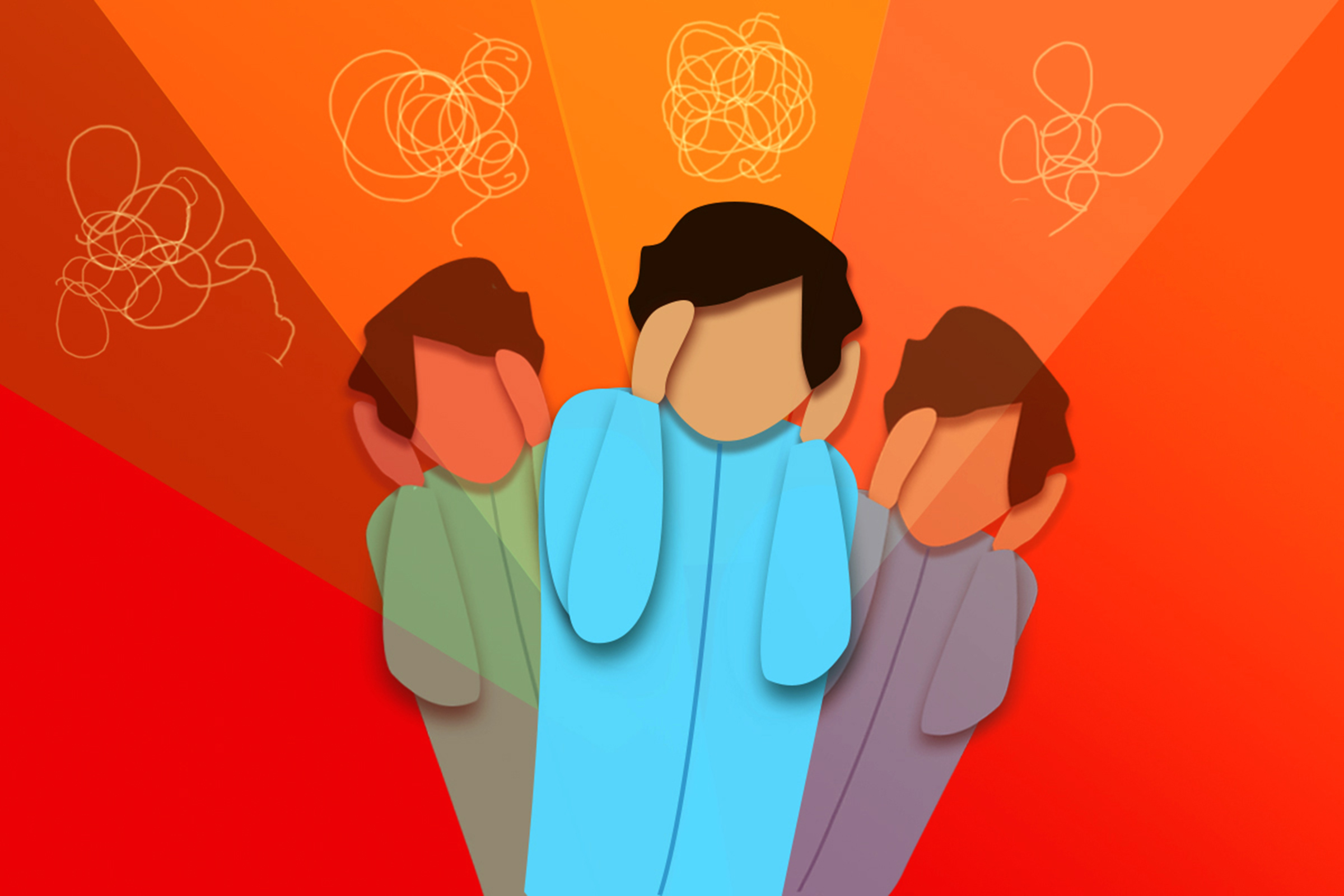
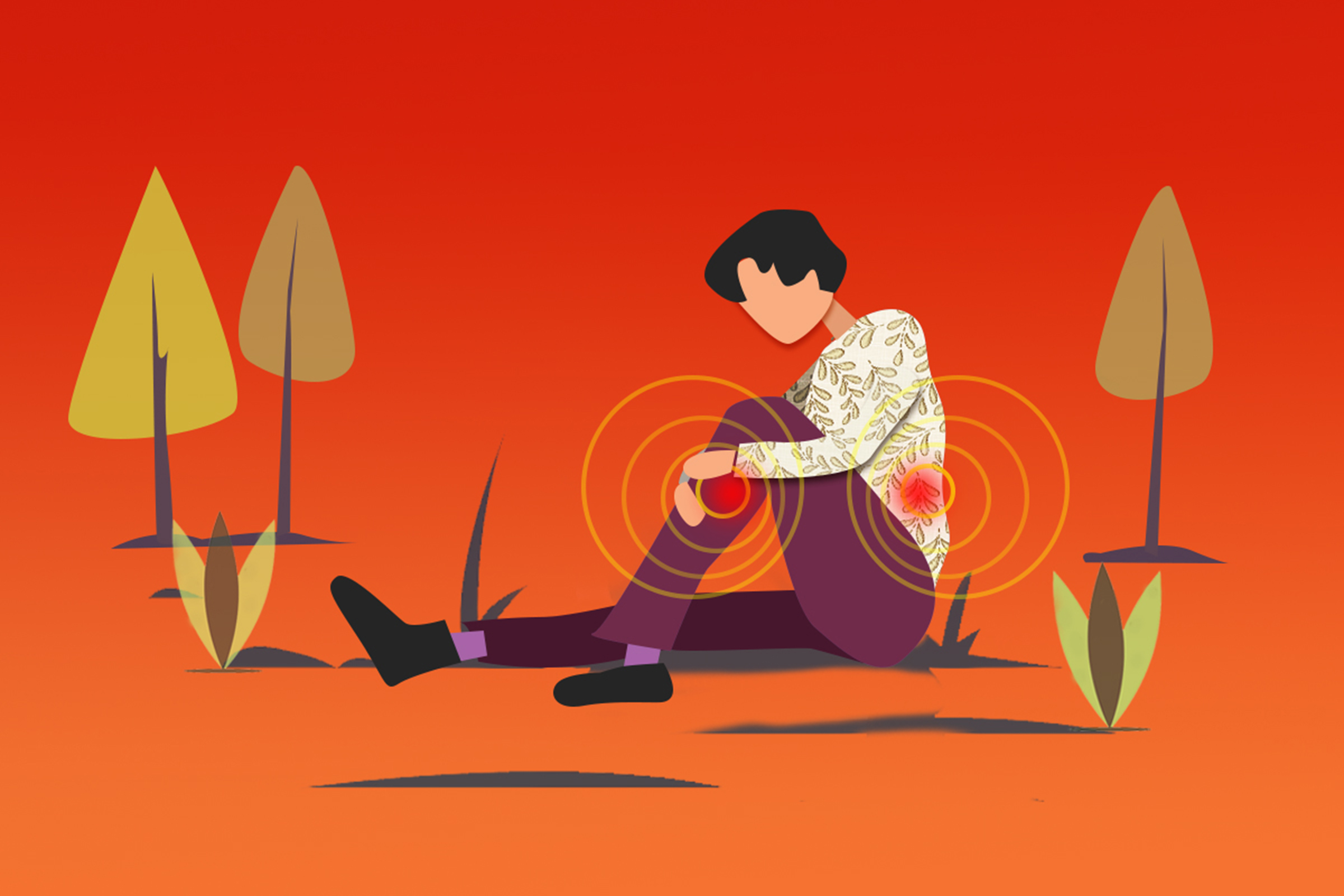
Cyclothymic disorder involves a range of symptoms that affect emotional, behavioural, and physical well-being. The mood swings associated with the disorder can often be subtle, which makes it challenging for individuals to recognise them as part of a mental health condition.
Hypomanic Symptoms
Hypomanic symptoms in cyclothymia include episodes of elevated mood, rapid speech, increased self-esteem and impulsivity. These episodes lead to higher energy levels and a greater desire to engage in new activities, but do not reach the level of mania. Hypomania may seem like a positive state, but it can lead to poor decisions and relationship problems, as there is no clear boundary between mild enthusiasm and unrestrained behaviour.
Depressive Symptoms
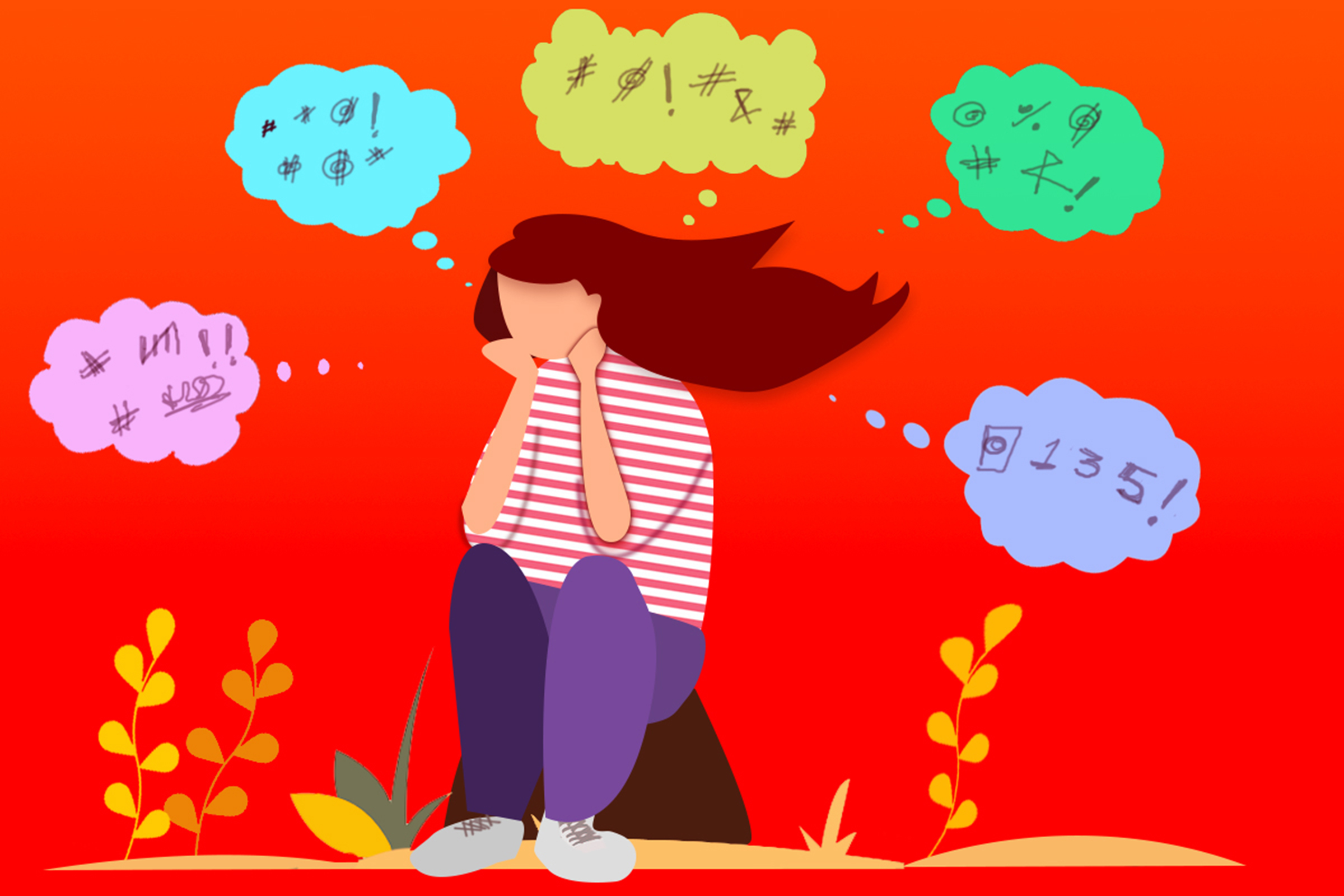
Depressive symptoms that occur during cyclothymic disorder are characterised by sadness, low energy, poor concentration and feelings of worthlessness. However, these symptoms are not severe enough to fulfil the criteria for major cyclothymic depression. Although these symptoms are less severe, they can still interfere with daily life and reduce overall life satisfaction.
Behavioural Changes and Instability
Cyclothymic personality disorder often results in noticeable behavioural shifts. These may include sudden changes in sleep patterns, decreased productivity, or social withdrawal. Individuals with cyclothymia may seem moody, unpredictable, or unreliable, which can strain both personal and professional relationships. One of the hallmark signs of the disorder is this inconsistency in behaviour.
Causes and Risk Factors
Cyclothymic disorder causes are multifactorial and stem from biological, genetic and environmental influences. These factors interact in a complex way and increase a person’s susceptibility to developing an unstable mood.
Genetic and Family History
Family history plays a central role in cyclothymic disorder causes. A strong genetic component has been identified in individuals with cyclothymic disorder. It is known that first-degree relatives, such as parents or siblings, who have been diagnosed with bipolar disorder or another mood disorder, have an increased risk of developing cyclothymia. This inherited susceptibility suggests a significant familial link in the transmission of mood instability traits.
Brain Structure and Neurotransmitter Imbalance
Abnormalities in the structure and function of the brain, particularly in the regulation of neurotransmitters such as dopamine and serotonin, are thought to contribute to cyclothymic disorder. These chemical messengers play a crucial role in mood regulation. The overlap between the neurobiological features of cyclothymia and bipolar disorder supports the theory of a common underlying imbalance in brain chemistry and can contribute to cyclothymic depression.
Stress, Trauma, and Lifestyle Influences
Environmental stressors also contribute significantly to the development of cyclothymic disorder. Traumatic experiences in childhood, chronic stress or growing up in an unstable environment are associated with increased susceptibility. In addition, poor sleep hygiene and substance use can exacerbate mood fluctuations and act as both a trigger and a consequence of the disorder.
Complications of Untreated Cyclothymic Disorder
If a cyclothymic disorder goes unrecognised or untreated, it can have serious and long-lasting consequences. Long-term risks are often underestimated because the symptoms are milder.
Escalation into Full Bipolar Disorder
Studies show that approximately 15% to 50% of individuals with untreated cyclothymic disorder may progress to full-blown Bipolar I or II.
This highlights the crucial need for early diagnosis and intervention, as timely treatment can help prevent the escalation of mood episodes and reduce the likelihood of more severe symptoms.
Emotional, Social, and Professional Disruption
Persistent mood swings can lead to significant impairment in private and professional life. Relationships often become strained, and performance at work or school can fluctuate unpredictably. Those affected are often misunderstood or categorised as “moody” or “unreliable,” which further complicates their social interaction and emotional well-being.
Diagnosis of Cyclothymic Disorder
The diagnosis of cyclothymic disorder requires a careful psychological assessment and a detailed examination of the patient’s mood. The diagnosis can be complex due to symptom overlap with other mental illnesses.
Exclusion of Other Mood or Medical Conditions
An accurate diagnosis requires the exclusion of other possible causes for the mood problems. These include major depression, bipolar I and II, certain personality disorders and medical problems such as thyroid dysfunction. Differential diagnosis ensures that the most appropriate course of treatment is taken.
Importance of Consistent Symptom Tracking
Consistent tracking of mood patterns through diaries, mobile apps, or behaviour logs is essential for cyclothymic depression. These tools help both healthcare providers and patients to pinpoint mood cycles, identify potential triggers, and evaluate the frequency and duration of mood swings, all of which play a key role in making an accurate diagnosis.
Treatment Options for Cyclothymic Disorder
Cyclothymic disorder can be effectively treated by a combination of evidence-based cyclothymic disorder treatment strategies. A tailored approach that includes medication, psychotherapy and lifestyle changes has been shown to provide the greatest benefit. Treatment aims to stabilise mood fluctuations, improve functioning and enhance overall quality of life.
Mood Stabilisers and Medication Use
Medication is often prescribed to manage the persistent mood swings associated with cyclothymia. Mood stabilisers such as lithium or lamotrigine can be used to prevent both hypomanic and depressive episodes. In some cases, atypical antipsychotics may be recommended for mood regulation. The use of antidepressants alone is generally avoided due to the increased risk of triggering hypomanic episodes.
Psychotherapy Approaches – CBT and Interpersonal Therapy
Cognitive behavioural therapy (CBT) has been shown to help identify and change negative thought patterns that contribute to emotional instability. It also helps to manage impulsive behaviour during hypomanic states. Interpersonal therapy (IPT) focuses on improving communication and relationship skills that can be destabilised by mood fluctuations.
Lifestyle and Routine Stabilisation Techniques
Maintaining a structured daily routine plays an important role in coping with cyclothymic disorder. Emphasis is placed on proper sleep hygiene, a balanced diet and regular physical activity. These lifestyle factors help to reduce emotional fluctuations and promote general mental well-being and are a very crucial component of any effective cyclothymic disorder treatment plan. A structured daily routine helps to reduce the unpredictable energy and mood swings that are a key feature of the disorder.
Long-term Follow-up and Monitoring
Continuous support from a psychiatrist or therapist is essential for long-term success. Regular monitoring allows treatment to be adapted to changes in life, stress levels or new symptoms. Long-term support not only helps to prevent relapses but also promotes a sense of security and continuity of care.
When to Seek Professional Help
Recognising when to seek professional help can make all the difference in dealing with cyclothymic disorder. Early intervention often leads to better outcomes and a better quality of life. If you or someone you know is struggling, don’t wait. Talk to a mental health expert at Cadabam’s Hospital today.
Warning Signs That Should Not Be Ignored
Professional help should be sought when mood swings become extreme or begin to interfere with daily tasks. Signs such as risky behaviour, worsening depression and disruption to work or home life indicate that clinical help is needed. These symptoms indicate that the mood swings can no longer be managed alone.
How Early Treatment Improves Long-term Outcomes
Timely treatment can reduce the risk of progression to more severe mood disorders. It also helps to prevent comorbidities such as anxiety or substance abuse. Early treatment promotes self-confidence and emotional stability, both of which are crucial for effective coping with cyclothymic disorder.
What to Expect During the First Consultation
In your initial consultation, a mental health professional will discuss your symptoms, review your medical and psychological history, and suggest a personalised treatment plan. The process is designed to be sensitive and supportive, aiming to provide clarity and comfort while minimising any feelings of judgment.
Why Choose Cadabam’s Hospital for Cyclothymic Disorder Treatment
At Cadabam’s Hospital, our treatment approaches are supported by a multidisciplinary team of psychiatrists, psychologists and therapists who are experienced in treating mood disorders such as cyclothymia.
The treatment model we incorporate is comprehensive and focuses on long-term care through personalised plans and consistent aftercare. With its commitment to holistic recovery and evidence-based treatment, Cadabam’s provides a supportive environment for the effective treatment of cyclothymic disorders.
If you are searching for a solution to your problem, Cadabam’s Hospitals can help you with its team of specialised experts. We have been helping thousands of people live healthier and happier lives for 30+ years. We leverage evidence-based approaches and holistic treatment methods to help individuals effectively manage their cyclothymic disorder. Get in touch with us today. You can call us at +91 97414 76476. You can even email us at info@cadabamshospitals.com.
FAQs
Is cyclothymic disorder the same as bipolar disorder?
No, cyclothymic disorder is a milder form of the bipolar spectrum, with less intense mood swings than bipolar I or II. It involves chronic, fluctuating moods that don’t meet the full criteria for manic or depressive episodes.
Can cyclothymic disorder get worse over time?
Yes, if left untreated, cyclothymic disorder can progress into Bipolar I or II disorder. Over time, mood swings may intensify, leading to more disruptive episodes. This underscores the importance of early detection and ongoing treatment to manage symptoms and prevent escalation.
How is cyclothymic disorder diagnosed?
Diagnosis involves a thorough psychological evaluation, symptom tracking, and ruling out other mental or medical conditions. Mood fluctuations must persist for at least two years in adults, or one year in children, without meeting criteria for major depression or mania.
Can you live a normal life with cyclothymic disorder?
Yes, with the right treatment plan, which may include therapy, medication, and lifestyle changes, individuals with cyclothymic disorder can effectively manage their symptoms. Early intervention, coupled with consistent care, significantly enhances the ability to live a stable and fulfilling life.
 Available