Table of Content
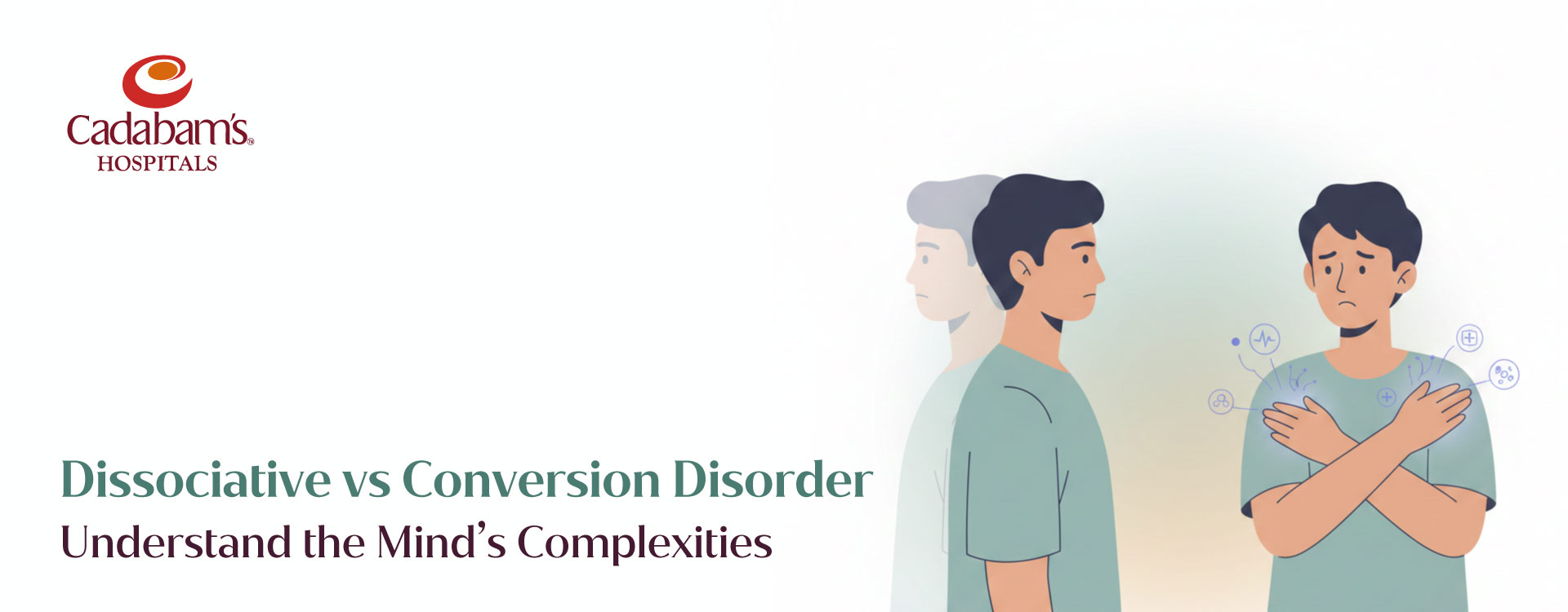
Dissociative disorders and conversion disorders are complex mental illnesses that affect individuals in different ways.
Although both disorders are based on psychological problems, they show themselves quite differently. These disorders can have a significant impact on daily life, which is why early diagnosis and appropriate treatment are important.
This article examines the differences and similarities between the two disorders and looks at the symptoms, diagnosis and treatment approaches.
Overview of Dissociative Disorders
Dissociative disorders are characterised by disorders of memory, identity, consciousness or perception. These disorders occur as a reaction to trauma or stress and cause those affected to disconnect from reality.
The most important types include dissociative identity disorder, dissociative amnesia and depersonalisation-derealisation disorder. The symptoms can vary in severity and often impair the ability of those affected to lead a normal life.
Overview of Conversion Disorders
Conversion disorder, also known as functional neurological symptom disorder, includes neurological symptoms that cannot be explained by medical causes.
Symptoms may include paralysis, blindness or seizures that are not caused by physical abnormalities but by psychological problems. These symptoms often occur after traumatic experiences or emotional conflicts and affect a person's ability to carry out everyday activities and maintain social interactions. Understanding the difference between conversion and dissociative disorder is crucial in clinical assessment and helps guide accurate diagnosis and treatment.
Key Differences Between Dissociative and Conversion Disorders
Recognising the key differences between conversion disorder vs dissociative disorder is crucial, especially when symptoms overlap, as shown in the comparison table below.
| Aspect | Dissociative Disorders | Dissociative Disorders |
| Primary Symptoms
| Memory loss, identity confusion, detachment | Motor or sensory dysfunction, seizures |
| Cause | Trauma, extreme stress | Psychological distress, emotional conflicts |
| Conscious Awareness | Altered sense of self, detachment | Symptoms perceived as involuntary |
| Diagnostic Criteria | DSM-5 dissociative disorder category | DSM-5 somatic symptom and related disorders category |
Conversion disorder vs dissociative disorder: The main difference is in symptoms. Conversion disorder causes neurological issues like paralysis, while dissociative disorder involves memory loss and identity disruption.
Symptomatology
Dissociative disorders primarily manifest themselves through symptoms such as amnesia, identity fragmentation and depersonalisation. Emotional numbness and a lack of reference to reality are frequently observed.
In contrast, conversion disorder manifests itself through neurological symptoms, including the loss of motor or sensory functions, often without a clear medical cause, which leads to considerable suffering. The challenge lies in distinguishing somatic symptom disorder vs conversion disorder, as both exhibit physical symptoms influenced by mental distress.
Etiology and Risk Factors
Dissociative disorders are associated with severe trauma, abuse or prolonged stress. Conversion disorders are often associated with unresolved psychological conflicts, stress and negative past experiences.
Understanding the difference between conversion and dissociative disorder is crucial. Both disorders can be influenced by a genetic predisposition and environmental factors that play a crucial role in the onset and progression of the disorder.
Diagnostic Criteria for Dissociative and Conversion Disorders
Dissociative disorders are diagnosed based on disorders of identity, memory or perception, as defined in the DSM-5.
Conversion disorder is diagnosed when neurological symptoms occur without a medical explanation and there is evidence of psychological factors contributing to the onset of symptoms.
Clinical interviews and standardised psychological assessments are used to make an accurate diagnosis.
Commonalities Between Dissociative and Conversion Disorders
Dissociative conversion disorder is caused by psychological stress and has no recognisable medical causes. Symptoms are often triggered by trauma or emotional stressors, and both disorders require psychological interventions for effective treatment.
In some people, the disorders can occur simultaneously, making diagnosis and treatment difficult.
Psychological Underpinnings
The development of dissociative and conversion disorders is influenced by unresolved trauma, emotional stress and unconscious defence mechanisms.
These conditions serve as coping strategies for overwhelming psychological experiences. Sufferers may unconsciously disconnect from reality or display physical symptoms to escape distressing feelings.
Impact of Dissociative and Conversion Disorders on Daily Functioning
Understanding dissociative conversion disorder starts with knowing the difference between conversion disorder vs dissociative disorder, which is reflected in the clinical assessment methods below.
- Dissociative disorders
Daily life can be significantly disrupted by identity confusion, memory gaps and a sense of separation.
Work, relationships and social interactions are often affected. The inability to remember important life events or to recognise one's own identity can lead to considerable emotional stress and social withdrawal.
- Conversion disorders
Physical symptoms can affect mobility, communication or vision, leading to significant functional limitations.
Dependence on carers and healthcare professionals may increase. People with severe symptoms may have difficulty performing everyday tasks, making it difficult to live independently.
Diagnostic Approaches to Dissociative and Conversion Disorders
A thorough and comprehensive examination is needed to differentiate these conditions and make an accurate diagnosis. Psychological and neurological assessments play an important role in determining the underlying cause of the symptoms.
Clinical Assessment Techniques
Clinical assessment varies based on the condition, especially when comparing somatic symptom disorder vs conversion disorder or understanding the difference between conversion and dissociative disorder.
- Dissociative disorders
Standardised interviews, self-report scales and trauma history assessments are commonly used.
Neuroimaging and psychometric testing may be used to rule out other medical conditions contributing to the symptoms.
- Conversion disorders
Neurological examinations, psychological assessments and symptom monitoring are performed to rule out medical conditions.
Functional imaging and hypnosis testing may be used to assess the legitimacy of symptoms and psychological influences.
Role of Differential Diagnosis
Careful assessment is required to differentiate dissociative and conversion disorders from neurological disorders, malingering and fictitious disorders. Psychological tests and medical history play a crucial role in the diagnosis. As the symptoms of these disorders can mimic other medical conditions, a multidisciplinary approach is often required to ensure accurate diagnosis and effective treatment planning.
Treatment Options for Dissociative Disorders
Psychotherapy and supportive interventions are essential in the treatment of dissociative disorders. Personalised treatment plans are designed to treat specific symptoms and underlying causes.
Psychotherapy
Trauma-focused therapy, cognitive behavioural therapy (CBT) and dialectical behavioural therapy (DBT) are often used to help people process traumatic memories and develop coping mechanisms. Therapy sessions focus on helping individuals integrate the fragmented aspects of their identity and improve emotional regulation.
Medication
Antidepressants and anxiolytics may be prescribed to treat associated symptoms such as depression and anxiety. Medication is usually used in combination with psychotherapy to achieve optimal results.
Supportive Therapies
Mindfulness, grounding techniques and creative therapies are used to improve emotional regulation and identity integration. These interventions help sufferers to reconnect with their environment and develop healthier coping mechanisms.
With the right combination of therapy, support, and medical care, individuals struggling with dissociative conversion disorder can work toward healing and regain a stronger sense of control in their daily lives.
Treatment Options for Conversion Disorders
Treatment is focused on overcoming psychological problems and improving functional abilities. A multidisciplinary approach with medical, psychological and rehabilitative measures is often recommended.
Cognitive-Behavioural Therapy (CBT)
Cognitive behavioural therapy helps sufferers to identify and manage stressors that contribute to the onset of symptoms and promotes healthier coping strategies. It focuses on identifying thought patterns that can exacerbate symptoms and developing strategies to change behaviour.
Physical Therapy
Motor and sensory function can be improved through physical rehabilitation and gradual movement exercises. Physical therapy is often recommended to regain lost physical abilities and restore normal function.
Psychodynamic Therapy
Subliminal psychological conflicts are explored to resolve unconscious emotional issues. This therapy focuses on uncovering unresolved trauma and emotional conflicts that contribute to the development of conversion symptoms.
Medication
Antidepressants and anxiolytics may be considered to alleviate associated psychological symptoms. Medication is usually prescribed to treat underlying anxiety or depression that may be exacerbating symptoms.
Mind-Body Interventions
Techniques such as biofeedback, hypnosis and relaxation therapy help with symptom management and stress reduction. These interventions help sufferers to better control their symptoms and improve their general wellbeing.
Choose the Right Care for Dissociative and Conversion Disorders at Cadabam’s Hospitals
Cadabam’s Hospitals provides comprehensive psychiatric support for people with dissociative and conversion disorders. Specialised treatment plans, including psychotherapy, medication and rehabilitation, are tailored to the needs of each individual patient.
A multidisciplinary team ensures that holistic treatment is provided to improve quality of life and long-term well-being. Patients receive personalised support from experienced mental health professionals who pave the way to recovery and emotional stability.
If you are searching for a solution to your problem, Cadabam’s Hospitals can help you with its team of specialised experts. We have been helping thousands of people live healthier and happier lives for 30+ years. We leverage evidence-based approaches and holistic treatment methods to help individuals effectively manage their dissociative and conversion disorders. Get in touch with us today. You can call us at +91 97414 76476. You can even email us at info@cadabamshospitals.com.
FAQs
What is the difference between dissociation and dissociative disorder?
Dissociation refers to a temporary disconnection from thoughts, identity, or surroundings, while dissociative disorder is diagnosed when persistent and distressing dissociative symptoms interfere with daily functioning and are caused by trauma or psychological distress.
What is the difference between dissociative identity disorder and conversion disorder?
Dissociative identity disorder is characterised by multiple distinct identities or personality states, whereas conversion disorder presents with neurological symptoms, such as paralysis or blindness, that have no medical explanation but are triggered by psychological stress.
What is the difference between conversion disorder and seizures?
Conversion disorder involves seizure-like episodes without neurological causes, while epileptic seizures are caused by abnormal brain activity. In conversion disorder, symptoms are influenced by psychological factors, whereas neurological conditions underlie true epileptic seizures.
What are the different types of conversion disorder?
Conversion disorder includes motor symptoms (weakness, paralysis), sensory symptoms (blindness, numbness), speech disturbances (mutism, slurred speech), and psychogenic non-epileptic seizures (PNES), where involuntary movements resemble seizures but lack abnormal brain activity.
How Cadabam's Help you for Addiction?
- 410+ Professional Consultants
- 1,00,00+ Happy Faces
- 120+ Currently Seeking Treatments