
The Cadabam’s Hospitals Difference
Why Cadabam’s Hospitals? What Makes Us Different?
Through our 8 specialty centers offering top-notch treatments across the nation, we have been helping thousands of people improve the quality of their lives.
33+
Years of Experience
10,000+
Happy Families
20+
Treatment Modalities
400+
Mental Health Experts
With over 33 years of expertise and knowledge, we promise to provide our clients the treatment that suits them the best. Whether the case involves substance addiction, alcoholism, sleeping issues, bipolar disorder, or schizophrenia, our experts know how to handle it in a way that it’s in the best interest of the client and their family.
Our state-of-the-art infrastructure, experienced professionals, and strong support system enable us to offer world-class evidence-based treatment that fits all stages and types of mental health concerns that you may have.
At Cadabam’s Hospitals, we’ve always got your back.
Our Facilities
Our Infrastructure & Care Facilities
Purpose-built rehabilitation centres, clinical equipment, and support services designed to drive better patient outcomes.
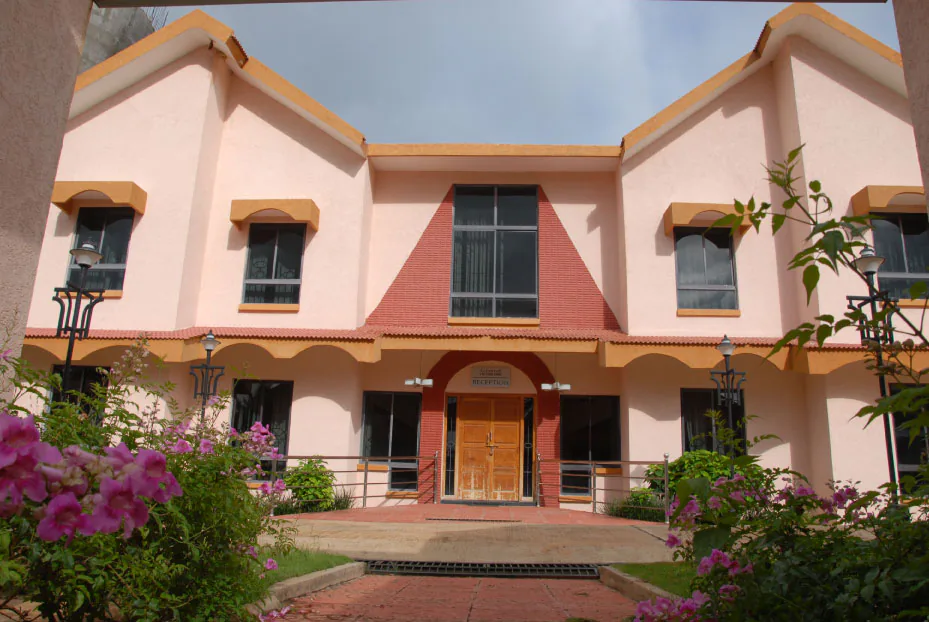
Ananya Rehabilitation Centre
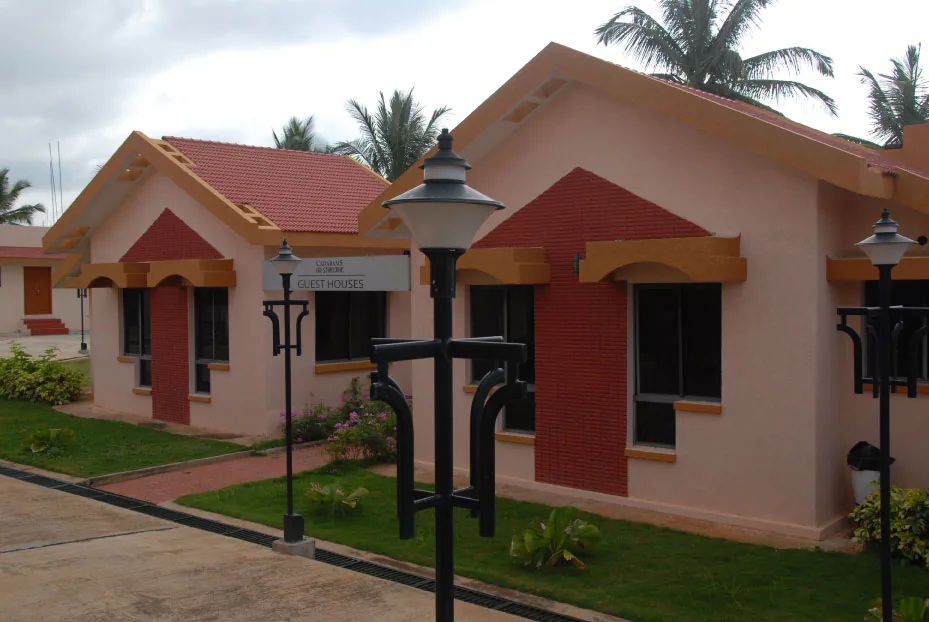
Private Cottages
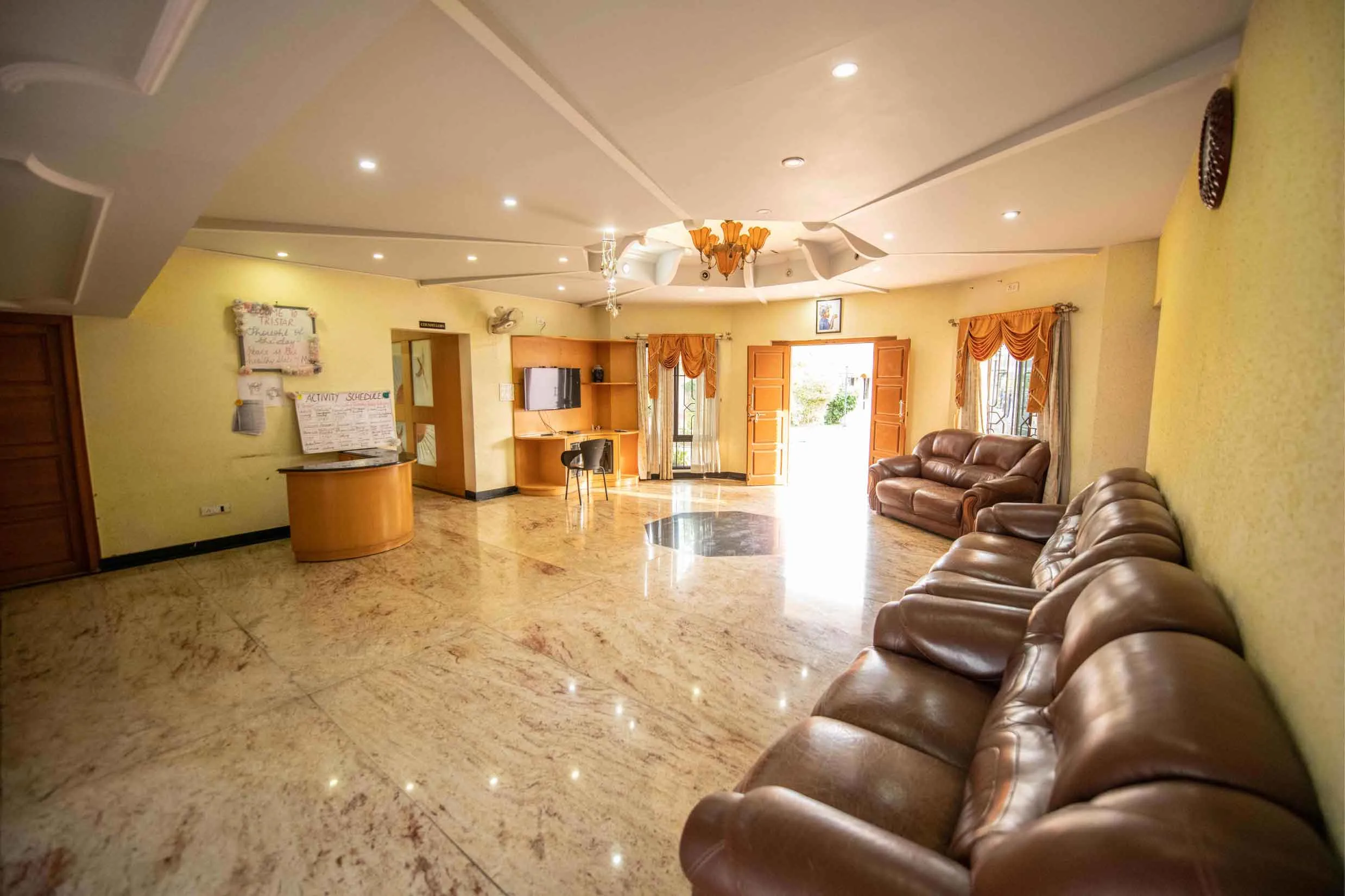
Campus Entrance
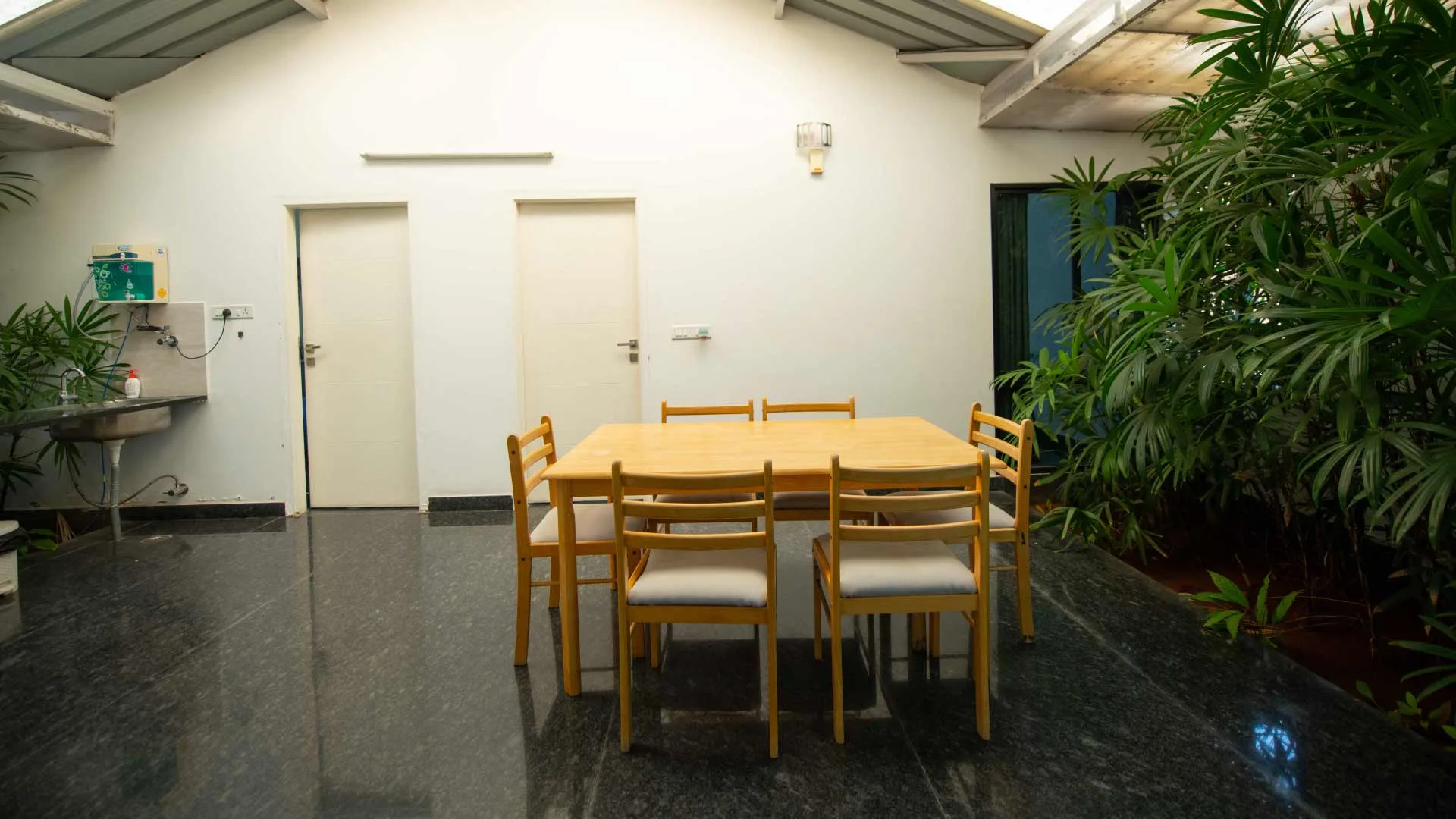
Healing Environment
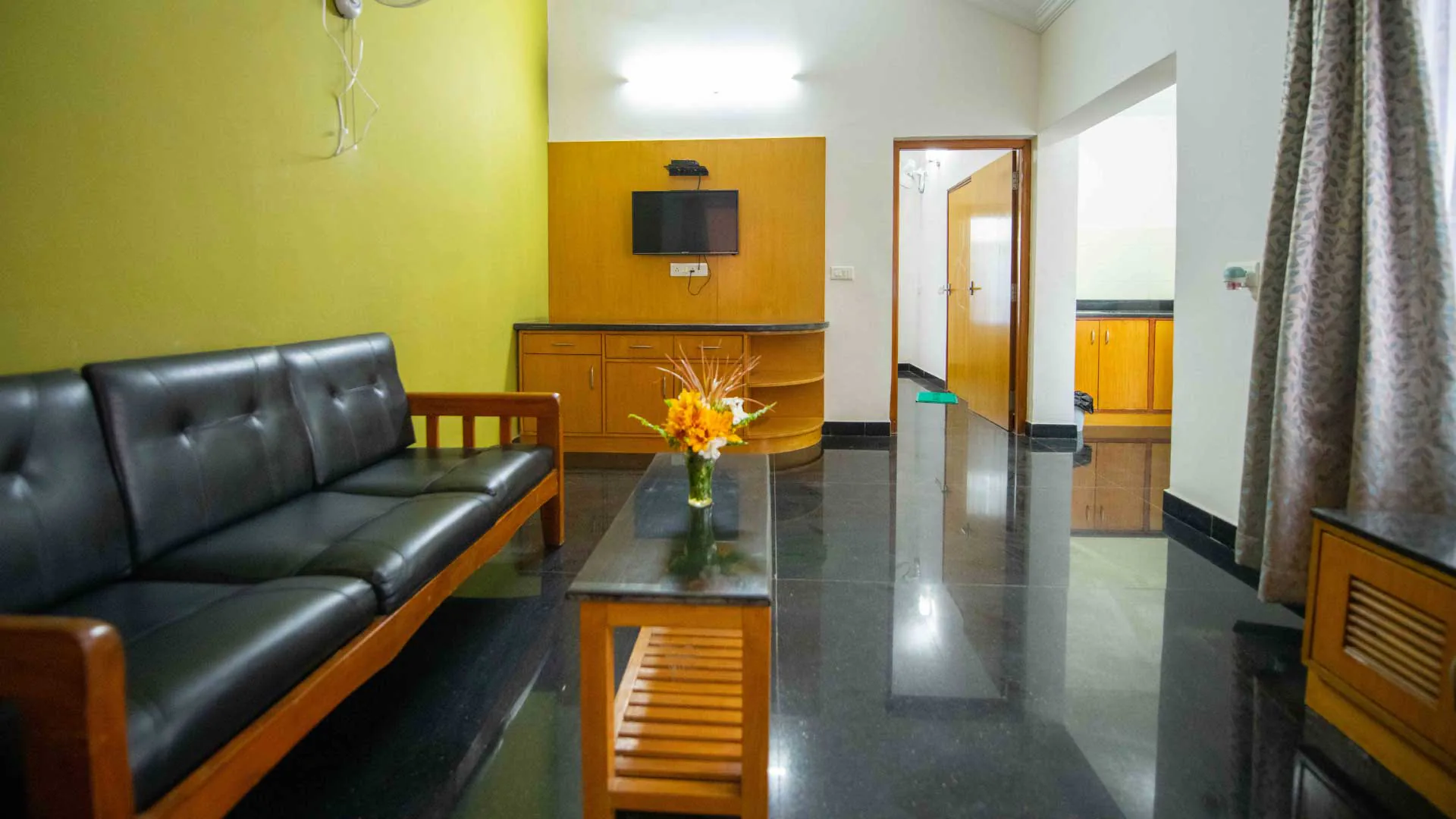
Hospital Lobby
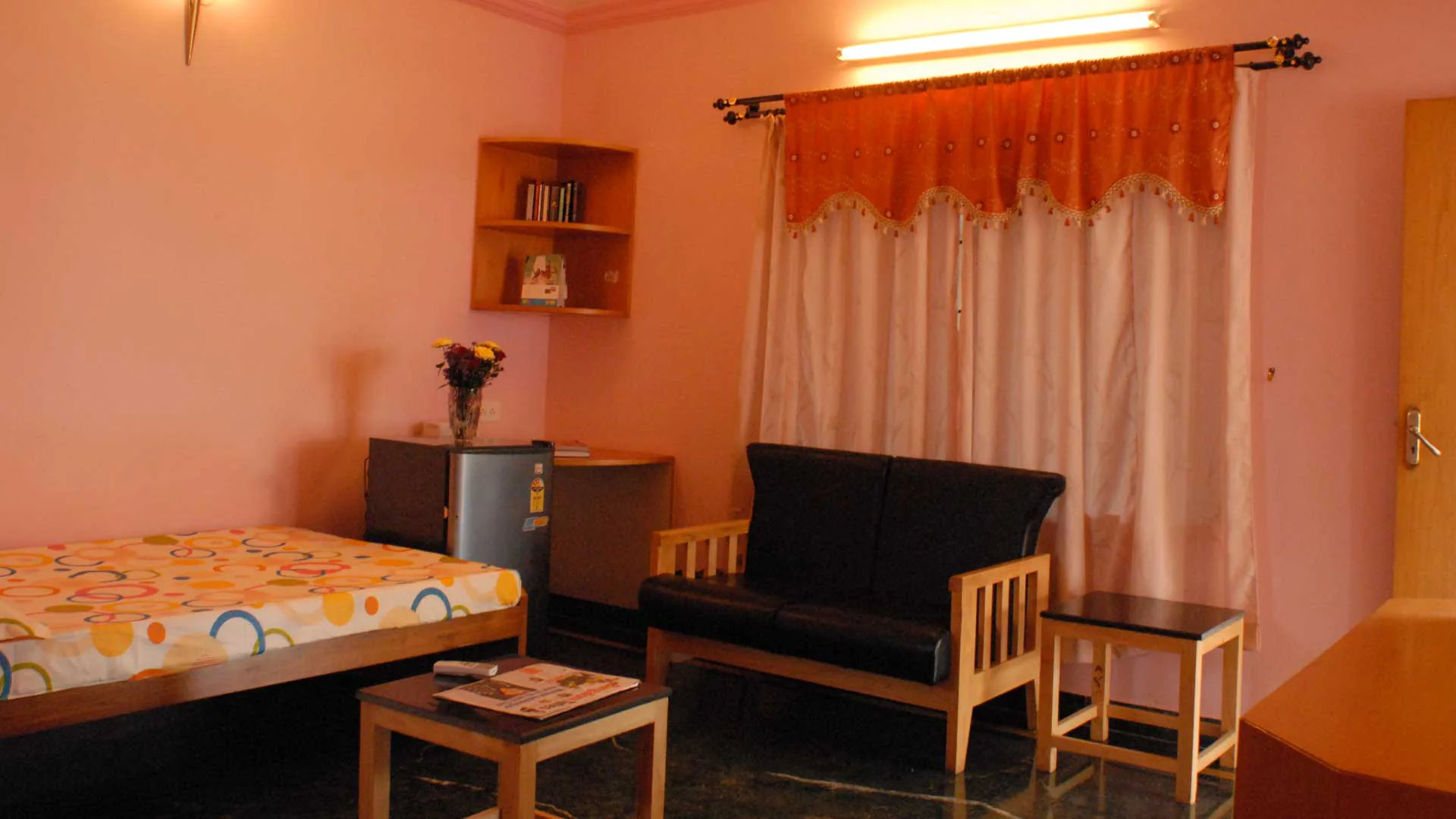
Recovery Experience

Rehab Unit
Patient Stories
What Our Clients Have To Say
Real stories from the families and individuals we’ve supported on their path to well-being.
5.0
Cadabam's Hospitals' team treated my family with empathy from the very first call. The care plan was clear, the doctors listened, and we finally felt supported through a difficult time.
A
Aishwarya G.
Verified patient
5.0
The therapists and psychiatrists worked together on a plan that actually fit our situation. Three decades of experience really shows — calm, professional, and genuinely caring.
S
Suresh L.
Verified patient
5.0
I was nervous about reaching out, but the team made me feel safe. The structured therapy and follow-ups have helped me get back to my routine and feel like myself again.
R
Rahul M.
Verified patient
Trusted by 10,000+ families · 4.5 ★ on Google Reviews
Understanding Erp Therapy in Bangalore
ERP is a specialized branch of Cognitive Behavioral Therapy (CBT) engineered to break the cycle of obsessive thoughts and compulsive behaviors. In OCD, obsessions create intense distress, driving an individual to perform compulsions to temporarily neutralize anxiety. However, these rituals reinforce the brain's false perception of danger, strengthening the disorder over time.
ERP interrupts this cycle through two core mechanisms: controlled exposure and deliberate response prevention. During exposure, individuals encounter feared stimuli—such as touching a public surface or confronting an intrusive thought—in a safe, clinical setting. Response prevention involves resisting the urge to execute neutralizing compulsions or seek reassurance.
Through repetitive exposures without compulsion engagement, the brain undergoes habituation. Over time, individuals learn that anxiety peaks and naturally subsides on its own, proving that feared outcomes are unlikely to occur. In Bangalore, psychiatric facilities like Cadabam's Hospitals follow clinical protocols aligned with guidelines from institutions like NIMHANS, ensuring safe and structured therapeutic progression.
| ERP Component | Clinical Function | Practical Example |
|---|---|---|
| Systematic Exposure | Confronting feared thoughts, objects, or triggers in a hierarchy. | Touching a doorknob without immediate hand sanitization. |
| Response Prevention | Refraining from compulsive acts or safety behaviors. | Delaying and eliminating handwashing rituals after contact. |
| Habituation | Allowing distress to naturally peak and decline over time. | Experiencing anxiety drop naturally from severe to mild over 45 minutes. |
Signs and Symptoms
ERP therapy is recommended when obsessive-compulsive cycles disrupt everyday routine, employment, or emotional well-being. Identifying key behavioral and psychological markers helps determine if ERP is the appropriate clinical intervention.
Key indications for seeking ERP therapy include:
- Intrusive Obsessions: Persistent, unwanted thoughts, images, or urges regarding contamination, harm to self or others, symmetry, or taboo subjects.
- Compulsive Behaviors: Repetitive physical rituals such as excessive washing, repetitive checking of locks or switches, or rigid ordering of objects.
- Mental Rituals: Internal compulsions including silent counting, repeating phrases, mentally reviewing events, or continuously seeking reassurance.
- Avoidance Behaviors: Evading specific locations, objects, people, or activities to prevent triggering obsessive distress.
- Functional Impairment: Spending over an hour daily consumed by compulsions, leading to severe distress, emotional exhaustion, or interference with daily responsibilities.
When to Seek Help
If obsessive thoughts or compulsive rituals consume substantial time, cause significant psychological distress, or interfere with your professional and personal life, seeking a professional evaluation is essential. Early intervention with ERP therapy leads to significantly higher treatment efficacy and prevents long-term functional impairment.
Emergency Note: If you or someone you care for is experiencing acute emotional crisis, severe panic, or thoughts of self-harm, immediate intervention is critical. Please visit the emergency department at Cadabam's Hospitals in Bangalore, contact local emergency services, or call national mental health helplines such as Tele-MANAS (14416).
How Cadabam's Hospitals Can Help
Cadabam's Hospitals provides comprehensive, NABH-accredited mental health care for adults dealing with OCD and anxiety disorders in Bangalore. Our multidisciplinary team of senior psychiatrists, clinical psychologists, and psychiatric social workers delivers personalized ERP therapy tailored to each individual's symptoms and severity.
We offer both outpatient ERP therapy sessions and intensive inpatient residential programs for individuals requiring higher levels of support. Treatment plans combine individual exposure sessions, family psychoeducation, cognitive restructuring, and medication management when clinically indicated.
To learn more about our ERP programs or to schedule an evaluation with a specialist, visit our clinic or connect with us directly.
Related Care at Cadabam's
FAQ
Frequently Asked Questions
ERP therapy is recognized globally as the most effective psychotherapy for OCD, with clinical research indicating that 60% to 80% of patients experience significant symptom reduction when completing a full course of treatment.
A standard course of ERP therapy typically spans 12 to 20 weekly sessions, though noticeable improvements often begin within 4 to 8 sessions. The total duration depends on symptom severity and consistency with out-of-session exposure exercises.
Yes, ERP therapy is conducted in a controlled, collaborative, and safe environment. Exposures are designed hierarchically, starting with low-anxiety triggers and progressing only when the individual feels ready, ensuring therapy remains manageable.
Yes, combining ERP therapy with Selective Serotonin Reuptake Inhibitors (SSRIs) is common practice, particularly for moderate to severe OCD. Pharmacotherapy helps reduce baseline anxiety, making it easier for individuals to engage in exposure exercises. --- This content is for general information only and is not a substitute for professional medical advice.
Insights From Our Experts
Recent Stories from Our Blog
Psychological issues
Women's Mental Health
Psychological issues
Stress & Burnout
Newsletter