

The Cadabam’s Hospitals Difference
Why Cadabam’s Hospitals? What Makes Us Different?
Through our 8 specialty centers offering top-notch treatments across the nation, we have been helping thousands of people improve the quality of their lives.
33+
Years of Experience
10,000+
Happy Families
20+
Treatment Modalities
400+
Mental Health Experts
With over 33 years of expertise and knowledge, we promise to provide our clients the treatment that suits them the best. Whether the case involves substance addiction, alcoholism, sleeping issues, bipolar disorder, or schizophrenia, our experts know how to handle it in a way that it’s in the best interest of the client and their family.
Our state-of-the-art infrastructure, experienced professionals, and strong support system enable us to offer world-class evidence-based treatment that fits all stages and types of mental health concerns that you may have.
At Cadabam’s Hospitals, we’ve always got your back.
Our Facilities
Our Infrastructure & Care Facilities
Purpose-built rehabilitation centres, clinical equipment, and support services designed to drive better patient outcomes.

Ananya Rehabilitation Centre

Private Cottages

Campus Entrance
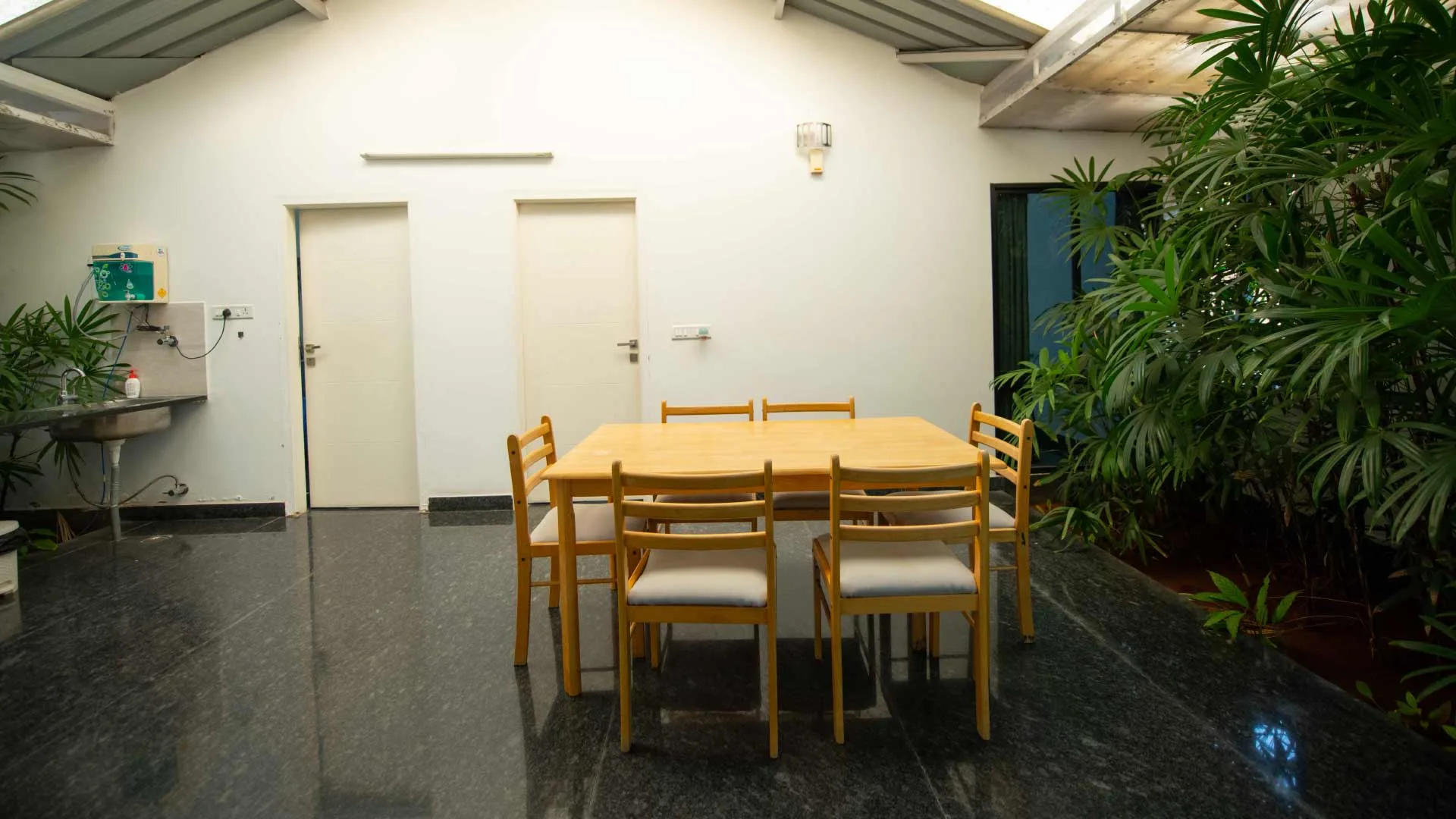
Healing Environment
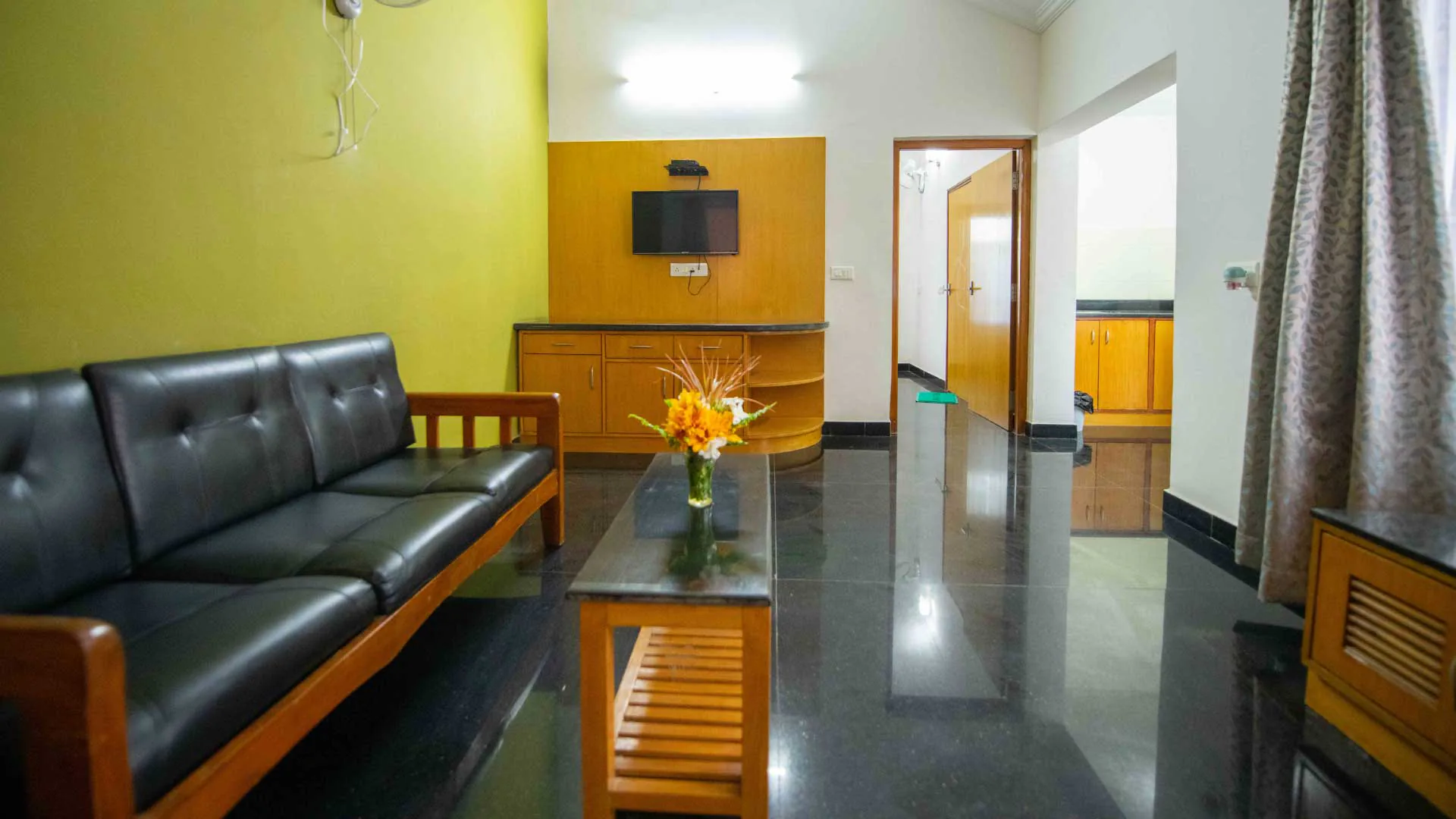
Hospital Lobby
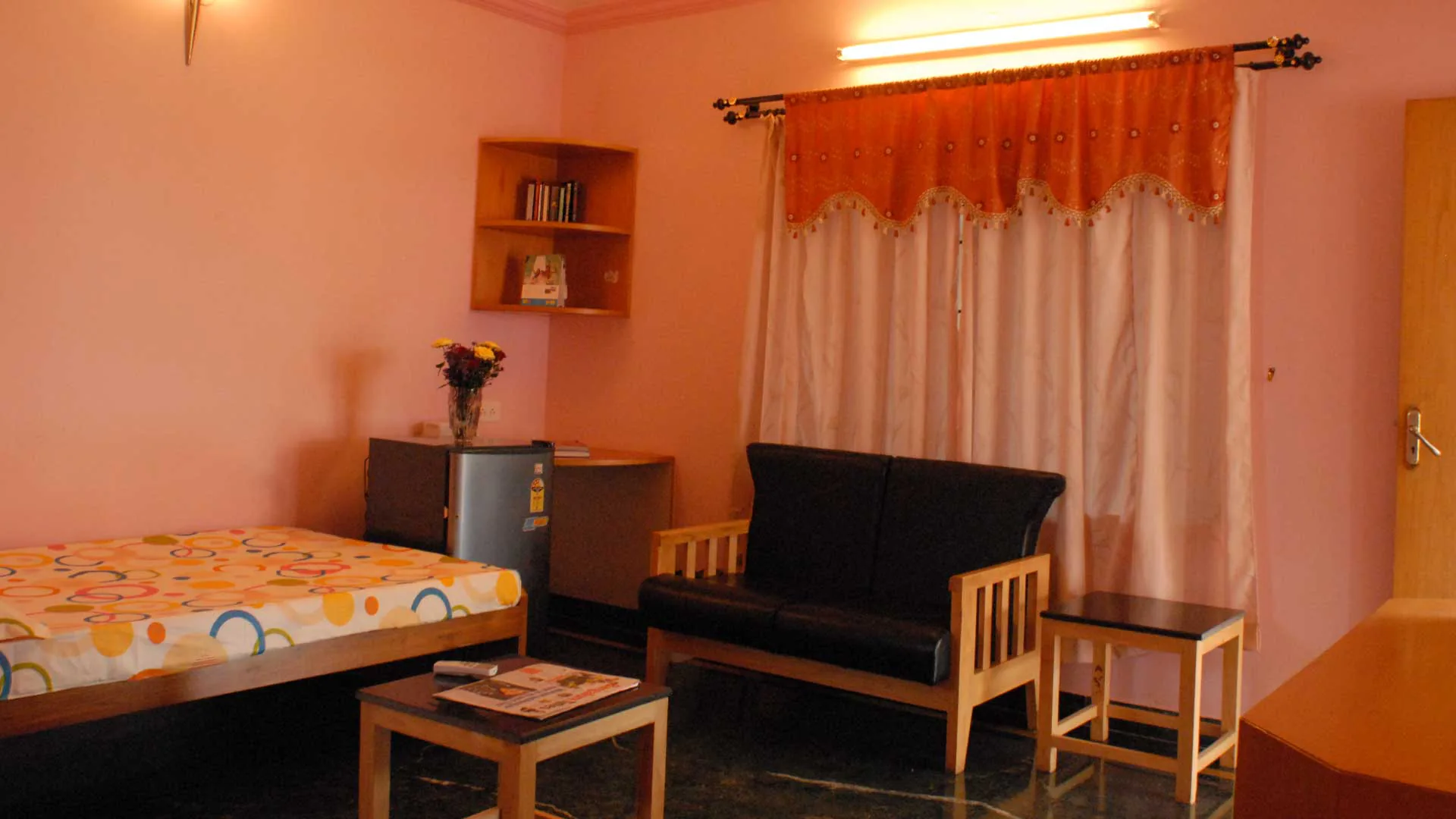
Recovery Experience

Rehab Unit
Patient Stories
What Our Clients Have To Say
Real stories from the families and individuals we’ve supported on their path to well-being.
5.0
Cadabam's Hospitals' team treated my family with empathy from the very first call. The care plan was clear, the doctors listened, and we finally felt supported through a difficult time.
A
Aishwarya G.
Verified patient
5.0
The therapists and psychiatrists worked together on a plan that actually fit our situation. Three decades of experience really shows — calm, professional, and genuinely caring.
S
Suresh L.
Verified patient
5.0
I was nervous about reaching out, but the team made me feel safe. The structured therapy and follow-ups have helped me get back to my routine and feel like myself again.
R
Rahul M.
Verified patient
Trusted by 10,000+ families · 4.5 ★ on Google Reviews
Summary
Being hospitalized for mental health means receiving intensive, short-term or continuous residential psychiatric care in a specialized clinical facility designed to stabilize acute psychological distress. It provides a safe, structured environment where multidisciplinary clinical teams deliver continuous medical oversight, medication management, and therapeutic interventions. In India, inpatient psychiatric admission is regulated under the Mental Healthcare Act (MHCA) 2017 to protect patient rights while ensuring appropriate care during acute crises.
Understanding Hospitalized for Mental Health
Psychiatric hospitalization is recommended when an individual experiences severe mental health symptoms that cannot be safely or effectively managed through outpatient appointments or community-based support. The core objective of inpatient care is crisis stabilization, accurate diagnostic evaluation, symptom control, and safety management in a controlled environment.
In Indian clinical practice, aligned with standards set by institutions like NIMHANS and established psychiatric facilities, inpatient admission is considered when a person poses a risk to themselves or others, or when severe functional impairment prevents basic self-care. Under the Mental Healthcare Act 2017, admissions can be voluntary (independent admission where the person requests treatment) or supported (where capacity is impaired and a nominated representative assists in the decision).
Inpatient care offers relief from external environmental stressors, allowing intensive therapeutic focus. During hospitalization, patients receive coordinated care from a multidisciplinary team consisting of psychiatrists, clinical psychologists, psychiatric nurses, psychiatric social workers, and occupational therapists.
Key Aspects of Inpatient Psychiatric Care
| Feature | Outpatient Mental Health Care | Inpatient Mental Health Hospitalization |
|---|---|---|
| Level of Supervision | Periodic appointments (weekly/monthly) | 24/7 continuous clinical oversight |
| Primary Indication | Mild to moderate symptoms, stable routines | Acute crises, severe illness, safety concerns |
| Environment | Home and community setting | Structured, safe clinical facility |
| Treatment Intensity | Therapy and periodic medication reviews | Daily clinical rounds, intensive therapy, medication adjustment |
| Crisis Intervention | Rapid access limited to office hours/helplines | Immediate on-site crisis management |
Signs and Symptoms
Recognizing when psychiatric hospitalization is necessary involves evaluating the severity of symptoms, the speed of onset, and immediate safety considerations. Inpatient admission is typically advised when outpatient management is insufficient to maintain safety or achieve stabilization.
Key clinical indicators that may require being hospitalized for mental health include:
- Active Suicidal or Homicidal Behavior: Expressing explicit plans, intent, or engaging in severe self-harm that requires continuous monitoring and a secure setting.
- Acute Psychotic Symptoms: Experiencing severe hallucinations, unshakeable delusions, or severe thought disorganization that severely impairs judgment and reality testing.
- Severe Mood Disturbances: Experiencing acute manic episodes marked by extreme impulsivity and exhaustion, or severe depressive stupor accompanied by total withdrawal.
- Severe Inability to Function: Experiencing extreme neglect of fundamental self-care needs, such as refusing food or fluids or being unable to maintain personal hygiene due to psychiatric illness.
- Complex Medication Management: Requiring closely monitored pharmacological titration, detoxification from substance dependence, or specialized treatment procedures in a controlled setting.
When to Seek Help
Seeking professional mental health evaluation early can prevent psychological crises from worsening and reduce the need for prolonged hospital stays. If an individual displays sudden changes in behavior, severe emotional distress, or extreme confusion, an immediate psychiatric assessment should be arranged.
Emergency evaluation is necessary if a person expresses immediate thoughts of ending their life, exhibits aggressive behavior toward others, or appears severely disoriented. In such situations, family members or caregivers should contact psychiatric emergency services or bring the individual to an accredited psychiatric care facility for immediate intervention.
How Cadabam's Hospitals Can Help
Cadabam's Hospitals is a pioneer in adult psychiatric care in India, offering NABH-accredited inpatient facilities in Bangalore and Mysore. We provide comprehensive, empathetic, and evidence-based treatment for adults requiring acute stabilization and structured psychiatric rehabilitation.
Our inpatient mental health treatment framework includes:
- 24/7 Clinical Care: round-the-clock supervision by consultant psychiatrists, clinical psychologists, and psychiatric nursing personnel.
- Comprehensive Assessment: In-depth diagnostic evaluations to formulate precise, individualized treatment plans.
- Evidence-Based Interventions: A blend of modern psychopharmacology, psychotherapy (CBT, DBT), and non-invasive brain stimulation techniques where clinically indicated.
- Family Involvement and Psychoeducation: Structured guidance for family members to foster a supportive home environment post-discharge.
- Reintegration and Aftercare: Tailored discharge plans linking inpatient progress directly to outpatient therapy and psychiatric rehabilitation.
If you or a loved one are facing a mental health crisis and require evaluation for inpatient care, reach out to our team today to explore compassionate, professional support.
To consult our mental health specialists or inquire about inpatient admissions, visit our /contact page.
Emergency and Crisis Support
If you or someone you know is in immediate danger of self-harm or experiencing a severe psychiatric emergency, please seek immediate assistance at the nearest hospital emergency department or contact local emergency mental health helplines in India.
Medical Disclaimer
This content is for general information only and is not a substitute for professional medical advice. Always seek the advice of a qualified psychiatrist or licensed mental health professional regarding any medical condition or treatment plan.
For immediate assistance or to schedule an inpatient assessment, contact Cadabam's Hospitals.
FAQ
Frequently Asked Questions
When admitted, you undergo a comprehensive initial psychiatric and physical evaluation. A multidisciplinary team creates a personalized care plan involving medication management, daily therapeutic sessions, nursing care, and structured routines designed to achieve stabilization and support your recovery.
The duration of a psychiatric hospital stay varies based on individual clinical needs, diagnostic complexity, and response to treatment. Short-term stabilization stays often range from a few days to two weeks, while complex conditions may require longer residential care or rehabilitation stays.
Yes, family involvement is an integral part of psychiatric treatment in India. Facilities maintain structured visiting hours and involve family members in psychoeducation and discharge planning, while respecting patient privacy and therapeutic schedules under the Mental Healthcare Act 2017. ---
Insights From Our Experts
Recent Stories from Our Blog
Psychological issues
Women's Mental Health
Psychological issues
Stress & Burnout
Newsletter