The Cadabam’s Hospitals Difference
Why Cadabam’s Hospitals? What Makes Us Different?
Through our 8 specialty centers offering top-notch treatments across the nation, we have been helping thousands of people improve the quality of their lives.
33+
Years of Experience
10,000+
Happy Families
20+
Treatment Modalities
400+
Mental Health Experts
With over 33 years of expertise and knowledge, we promise to provide our clients the treatment that suits them the best. Whether the case involves substance addiction, alcoholism, sleeping issues, bipolar disorder, or schizophrenia, our experts know how to handle it in a way that it’s in the best interest of the client and their family.
Our state-of-the-art infrastructure, experienced professionals, and strong support system enable us to offer world-class evidence-based treatment that fits all stages and types of mental health concerns that you may have.
At Cadabam’s Hospitals, we’ve always got your back.
Our Facilities
Our Infrastructure & Care Facilities
Purpose-built rehabilitation centres, clinical equipment, and support services designed to drive better patient outcomes.
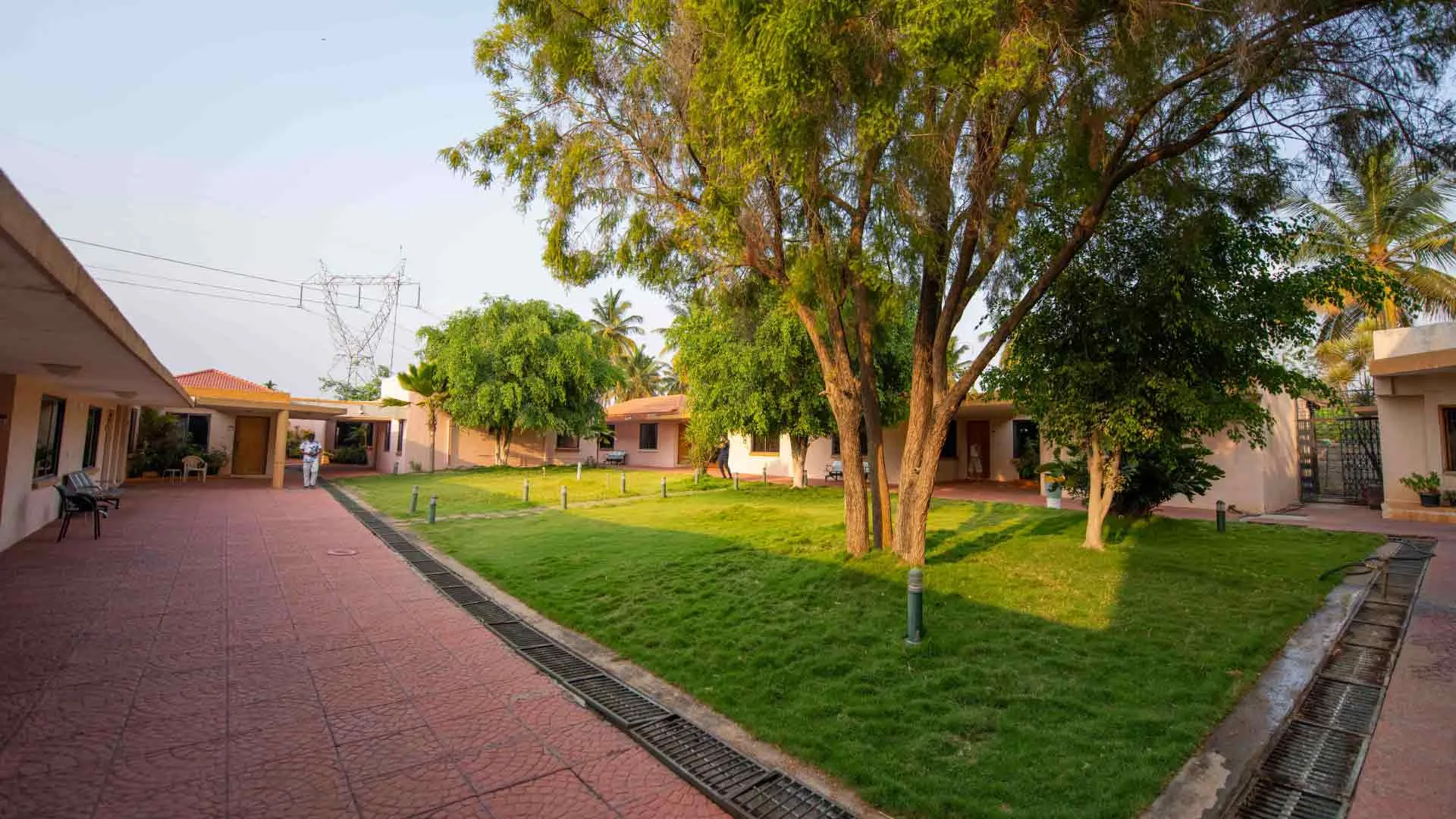
Ananya Campus
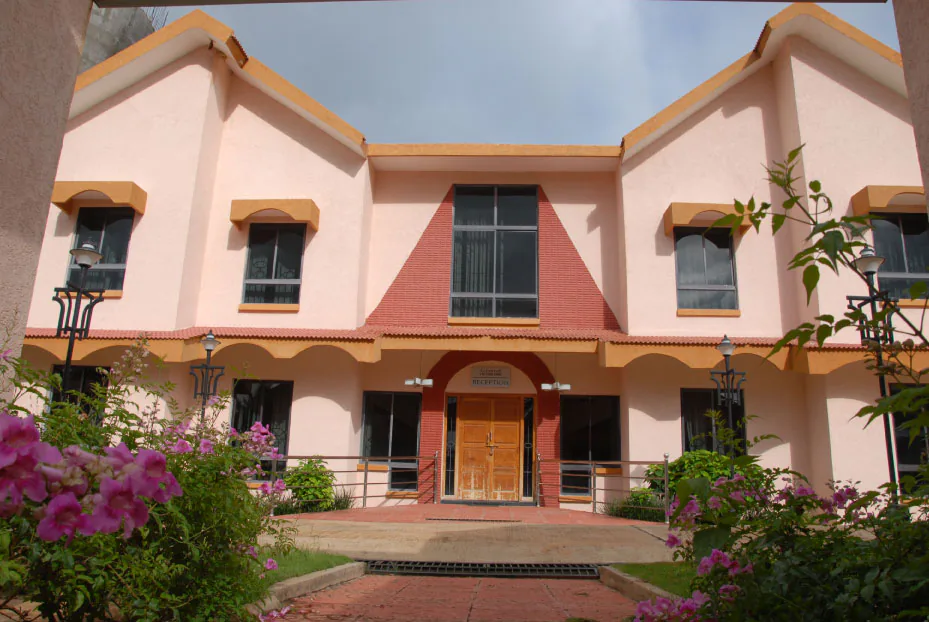
Ananya Rehabilitation Centre
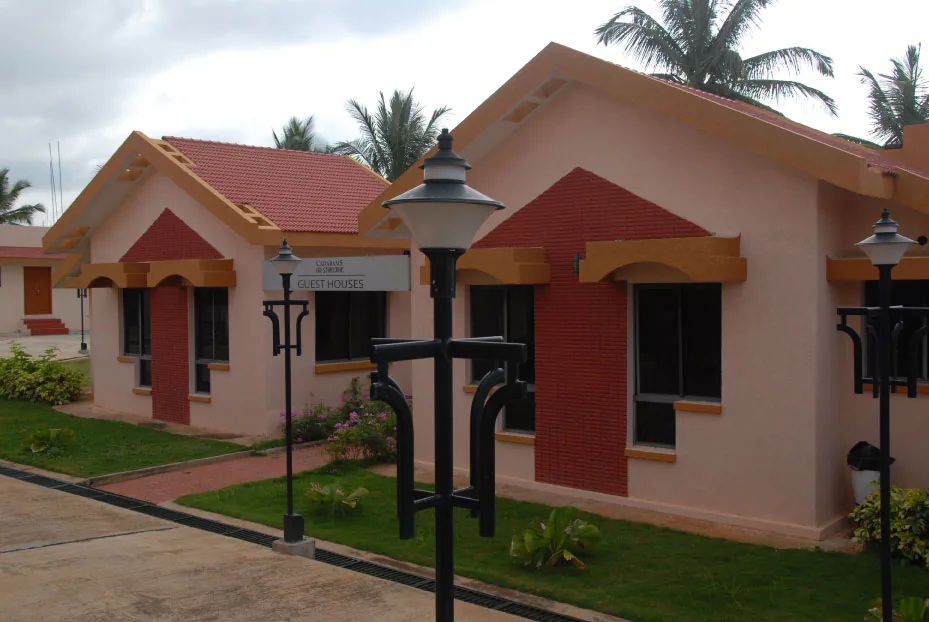
Private Cottages
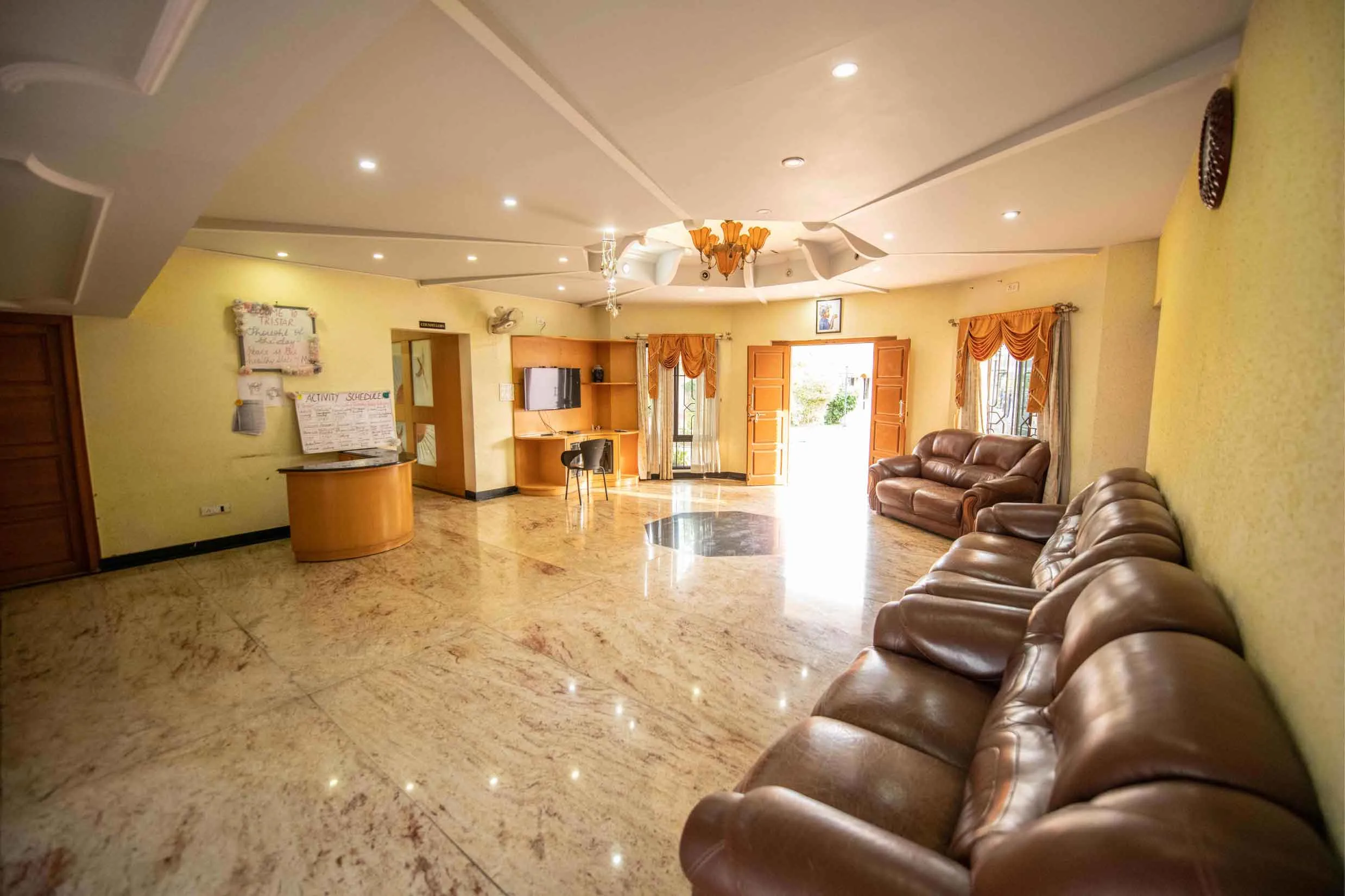
Campus Entrance
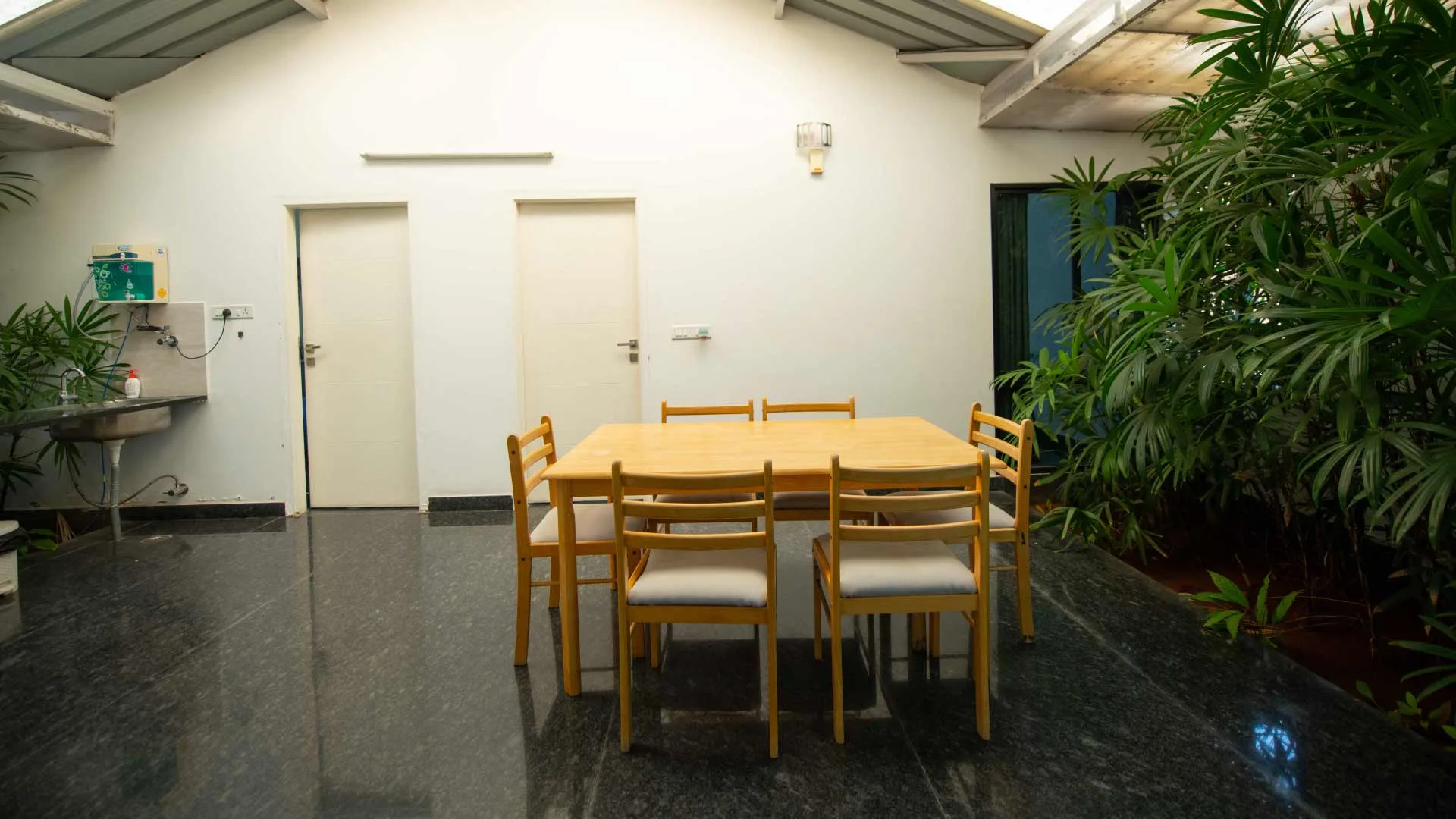
Healing Environment
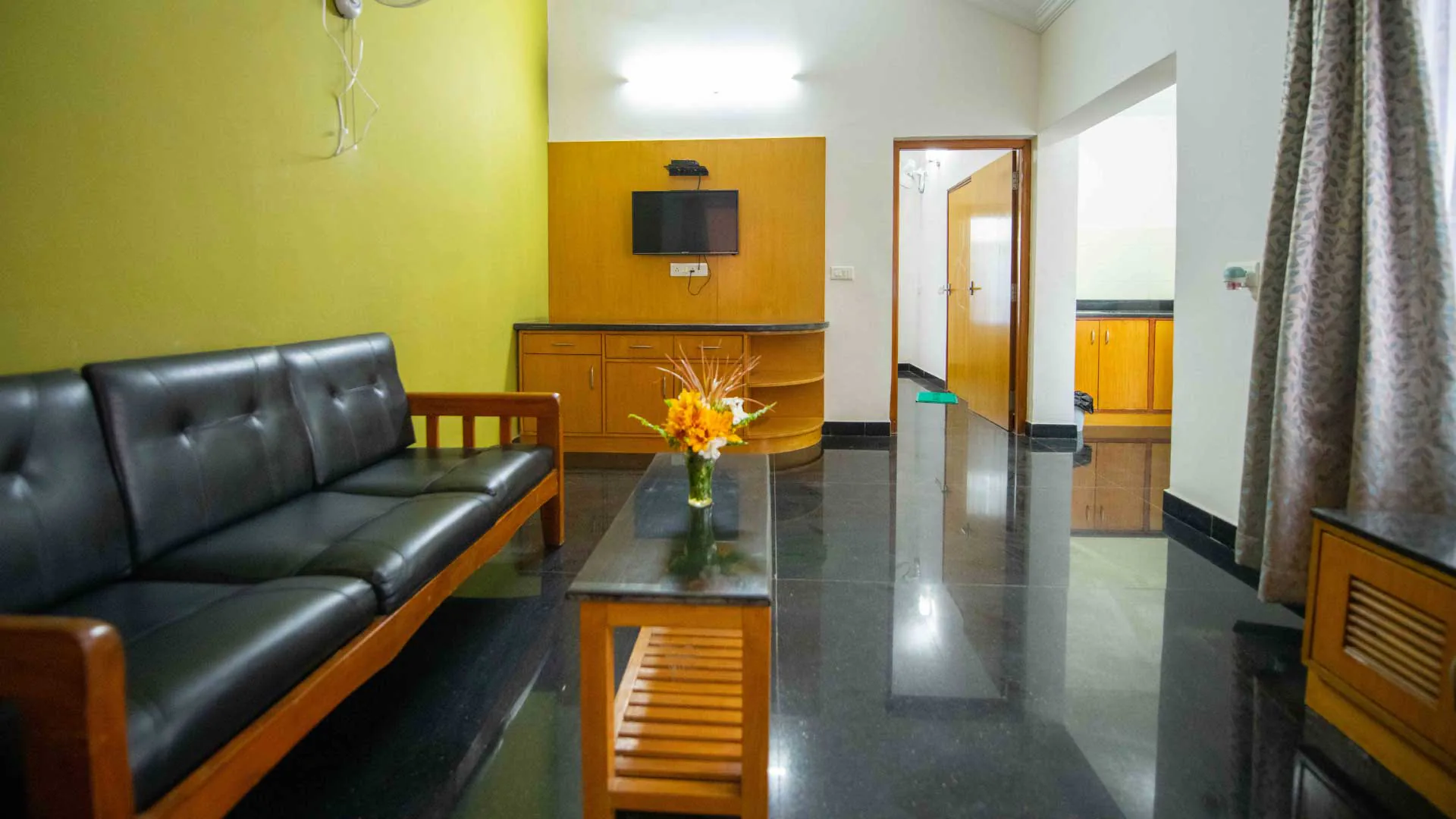
Hospital Lobby
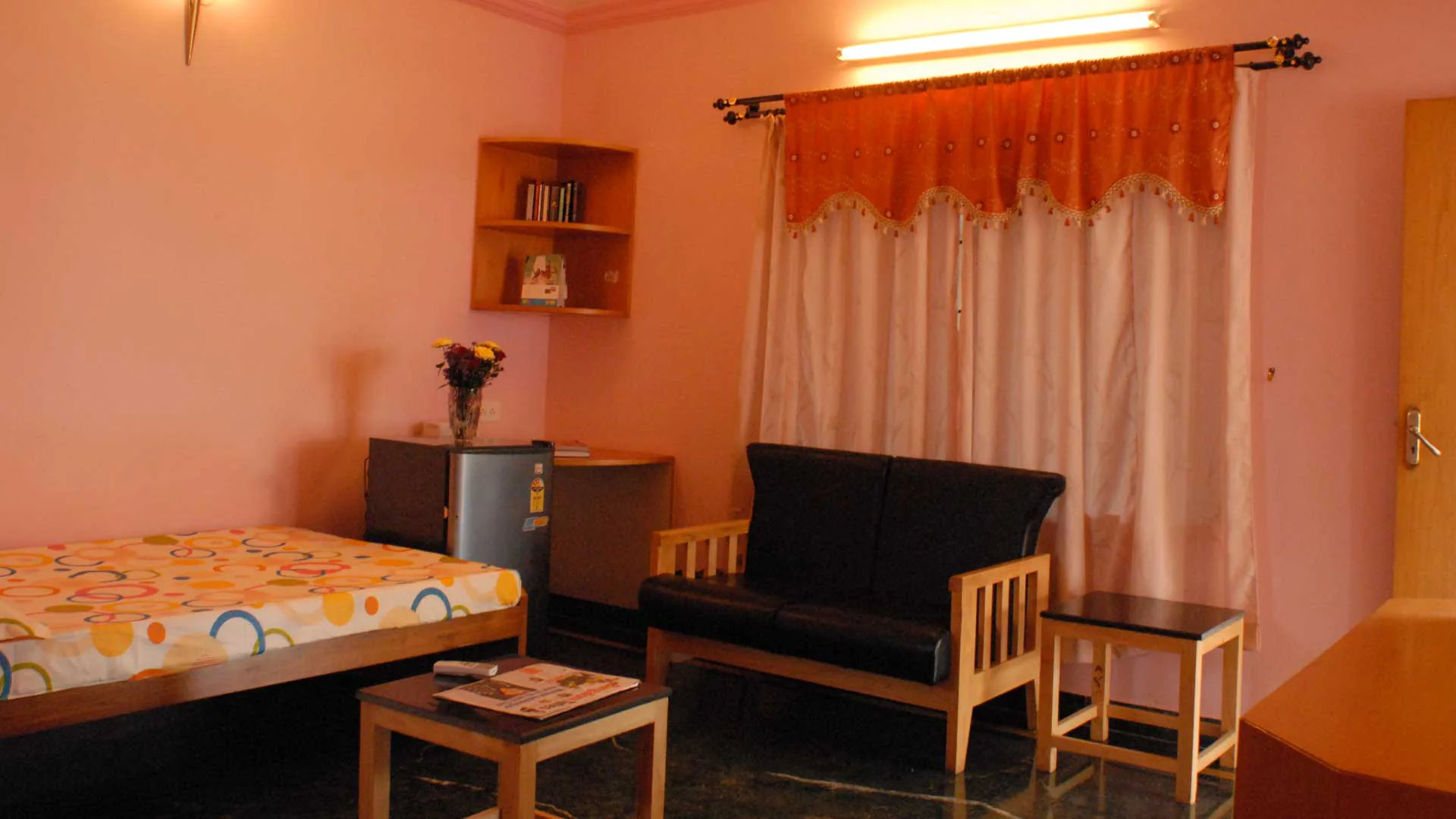
Recovery Experience

Rehab Unit
Patient Stories
What Our Clients Have To Say
Real stories from the families and individuals we’ve supported on their path to well-being.
5.0
Cadabam's Hospitals' team treated my family with empathy from the very first call. The care plan was clear, the doctors listened, and we finally felt supported through a difficult time.
A
Aishwarya G.
Verified patient
5.0
The therapists and psychiatrists worked together on a plan that actually fit our situation. Three decades of experience really shows — calm, professional, and genuinely caring.
S
Suresh L.
Verified patient
5.0
I was nervous about reaching out, but the team made me feel safe. The structured therapy and follow-ups have helped me get back to my routine and feel like myself again.
R
Rahul M.
Verified patient
Trusted by 10,000+ families · 4.5 ★ on Google Reviews
Is Kleptomania Curable?
When patients and families ask whether kleptomania is "curable," psychiatrists evaluate the condition in terms of long-term symptom remission and impulse management. While kleptomania is categorized as a chronic impulse control disorder, it is highly treatable. With structured clinical intervention, many individuals achieve complete remission, remaining free from compulsive stealing urges for years.
Without treatment, kleptomania typically follows an episodic or persistent course. The recurrent inability to resist urges to steal items—objects usually devoid of personal use or monetary value—often leads to severe emotional distress, marital strain, and legal consequences. Early treatment significantly improves long-term kleptomania recovery outcomes, preventing the compounding psychological shame and legal liabilities that often accompany untreated symptoms.
Psychotherapy for Kleptomania
Psychotherapy forms the foundation of effective impulse control disorder treatment. It addresses the psychological triggers, emotional tension, and cognitive distortions that precede compulsive stealing.
Cognitive Behavioural Therapy (CBT)
Cognitive Behavioural Therapy (CBT for kleptomania) is the most thoroughly researched psychological intervention for this condition. CBT helps individuals identify the internal states—such as anxiety, boredom, or emotional distress—that trigger the urge to steal.
Key techniques used in kleptomania counselling include:
- Cognitive Restructuring: Identifying and challenging irrational thoughts, such as believing that stealing will relieve emotional pain or that one will not face consequences.
- Stimulus Control and Response Prevention: Modifying daily routines to avoid high-risk environments, such as shopping alone in unmonitored retail stores, during periods of heightened stress.
- Covert Sensitisation: A specialized behavioral technique where the individual visualizes the act of stealing, rapidly followed by imagining negative consequences (such as arrest, social disgrace, or family grief), and then visualizes successfully resisting the urge and feeling a sense of relief.
- Systematic Desensitisation: Learning progressive muscle relaxation and mindfulness exercises to tolerate emotional tension without acting on the impulse.
Motivational Interviewing
Many individuals experiencing kleptomania feel intense ambivalence about seeking treatment due to deep-seated shame or fear of legal exposure. Motivational interviewing helps patients articulate their own reasons for change, strengthening their commitment to the therapeutic process.
| Therapy Modality | Primary Focus | Key Outcome |
|---|---|---|
| Cognitive Behavioural Therapy (CBT) | Identifying triggers, cognitive restructuring, covert sensitisation | Replaces stealing behavior with healthy coping mechanisms |
| Motivational Interviewing (MI) | Resolving ambivalence and building internal motivation | Increases treatment adherence and readiness for change |
| Family Therapy | Educating loved ones, setting boundaries, removing shame | Creates a supportive, non-enabling home environment |
Medications Used for Kleptomania
While psychotherapy addresses the cognitive and behavioral aspects of impulse control, pharmacological interventions target the underlying neurochemical dysregulation. Medications are typically prescribed as an adjunct to psychotherapy, particularly when comorbid conditions like depression, anxiety, or obsessive-compulsive traits are present.
Opioid Antagonists
Naltrexone is an opioid antagonist originally designed to treat substance use disorders, but it has shown significant efficacy in reducing impulses associated with kleptomania. By blocking the opioid receptors in the brain's reward pathway, naltrexone decreases the feeling of pleasure or relief (the "thrill") experienced during the act of theft, thereby weakening the urge over time.
Selective Serotonin Reuptake Inhibitors (SSRIs)
Antidepressants such as fluoxetine, fluvoxamine, or sertraline are commonly prescribed when kleptomania presents alongside major depressive disorder, generalized anxiety, or compulsive behaviors. SSRIs help stabilize mood and enhance serotonin regulation, which plays a central role in impulse regulation.
Mood Stabilisers and Other Medications
In cases where kleptomania symptoms correlate with mood swings or underlying bipolar spectrum traits, psychiatrists may prescribe mood-stabilizing agents like lithium or anticonvulsants (such as topiramate).
Note: All kleptomania medication must be evaluated, prescribed, and monitored by a licensed psychiatrist. Self-medication or abrupt discontinuation can lead to severe adverse effects.
The Role of Support Groups and Family
In India, deep social stigma often prevents families from discussing impulse control disorders openly. Relatives may mistake kleptomania for deliberate criminal intent or moral corruption, leading to harsh punishment, social isolation, or attempts to cover up the behavior—none of which resolve the underlying psychological disorder.
How Family Therapy Helps
Cadabam's family therapy sessions educate family members on the clinical nature of kleptomania. Therapy helps families navigate the critical boundary between supporting the individual's psychological recovery and enabling the behavior by clearing legal troubles without enforcing accountability.
Peer Support and Group Therapy
While formal peer-support networks like Kleptomania Anonymous have limited meeting availability across India, Cadabam's offers structured group therapy sessions led by clinical psychologists. Sharing experiences in a safe, non-judgmental group environment reduces isolation and reinforces accountability during recovery.
What to Expect From Treatment at Cadabam's
At Cadabam's Hospitals, we follow a structured, multidisciplinary clinical protocol aligned with international clinical standards and adapted for Indian psychiatric practice (informed by NIMHANS diagnostic protocols).
- Comprehensive Psychiatric Assessment: A detailed initial evaluation by a senior psychiatrist to rule out medical causes, manic episodes, conduct disorders, or obsessive-compulsive spectrum conditions.
- Psychological Evaluation: Detailed psychometric assessments conducted by clinical psychologists to map specific emotional triggers, coping styles, and behavioral patterns.
- Integrated Treatment Plan: A tailored combination of CBT, covert sensitisation, and targeted medication managed collaboratively by psychiatrists and therapists.
- Outpatient or Inpatient Care: Most individuals benefit from outpatient kleptomania counselling. However, when acute distress, co-occurring substance dependence, or severe depression is present, short-term residential care provides a safe, structured healing environment.
- Relapse Prevention & Aftercare: Continuous follow-up visits ensure long-term stability, helping patients navigate stressful life changes without reverting to compulsive behaviors.
Learn more about our impulse control disorder treatment programs. Contact us today.
When to Seek Urgent Help
If compulsive stealing urges are accompanied by severe emotional breakdown, intense anxiety, suicidal thoughts, or co-occurring depression, immediate professional intervention is essential.
Emergency Crisis Support: If you or a loved one are experiencing an acute mental health emergency, please contact Cadabam's 24/7 crisis response line at +91 96111 94949 or visit the nearest psychiatric emergency center immediately.
Take the First Step Toward Recovery
Recovery from kleptomania is achievable with the right professional guidance, compassion, and evidence-based treatment. You do not have to navigate impulse control struggles alone.
FAQ
Frequently Asked Questions
The most effective approach is a combination of Cognitive Behavioural Therapy (CBT) and psychiatric medication (such as naltrexone or SSRIs). CBT addresses behavioral patterns and triggers, while medication helps regulate neurochemical impulses.
Kleptomania most frequently manifests during late adolescence or early adulthood (between the ages of 15 and 25), though it can emerge during childhood or later in adult life. Early intervention leads to significantly better long-term recovery.
Consulting a qualified psychiatrist or clinical psychologist is the essential first step. Cadabam's Hospitals in Bangalore and Mysore offers specialized, highly confidential psychiatric evaluations and structured treatment plans for impulse control disorders. You can schedule a confidential assessment by reaching out to our mental health specialists. ---
Insights From Our Experts
Recent Stories from Our Blog
Psychological issues
Women's Mental Health
Psychological issues
Stress & Burnout
Newsletter