

The Cadabam’s Hospitals Difference
Why Cadabam’s Hospitals? What Makes Us Different?
Through our 8 specialty centers offering top-notch treatments across the nation, we have been helping thousands of people improve the quality of their lives.
33+
Years of Experience
10,000+
Happy Families
20+
Treatment Modalities
400+
Mental Health Experts
With over 33 years of expertise and knowledge, we promise to provide our clients the treatment that suits them the best. Whether the case involves substance addiction, alcoholism, sleeping issues, bipolar disorder, or schizophrenia, our experts know how to handle it in a way that it’s in the best interest of the client and their family.
Our state-of-the-art infrastructure, experienced professionals, and strong support system enable us to offer world-class evidence-based treatment that fits all stages and types of mental health concerns that you may have.
At Cadabam’s Hospitals, we’ve always got your back.
Our Facilities
Our Infrastructure & Care Facilities
Purpose-built rehabilitation centres, clinical equipment, and support services designed to drive better patient outcomes.
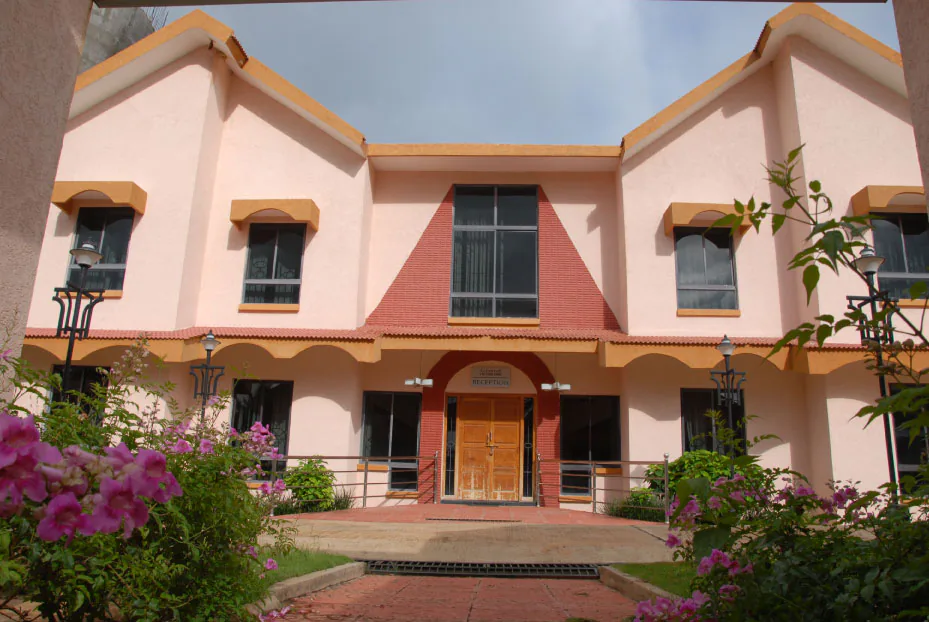
Ananya Rehabilitation Centre
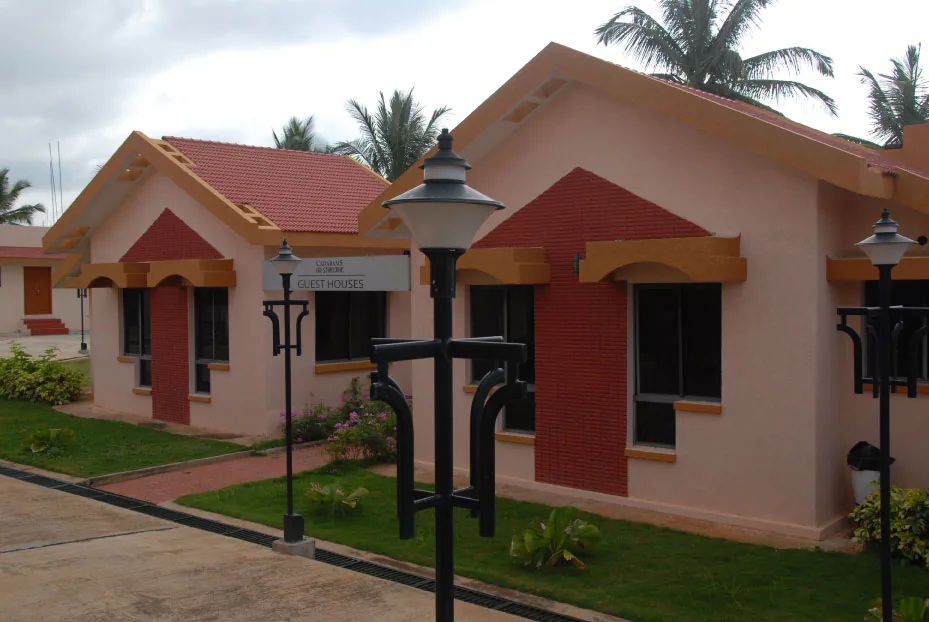
Private Cottages
Campus Entrance
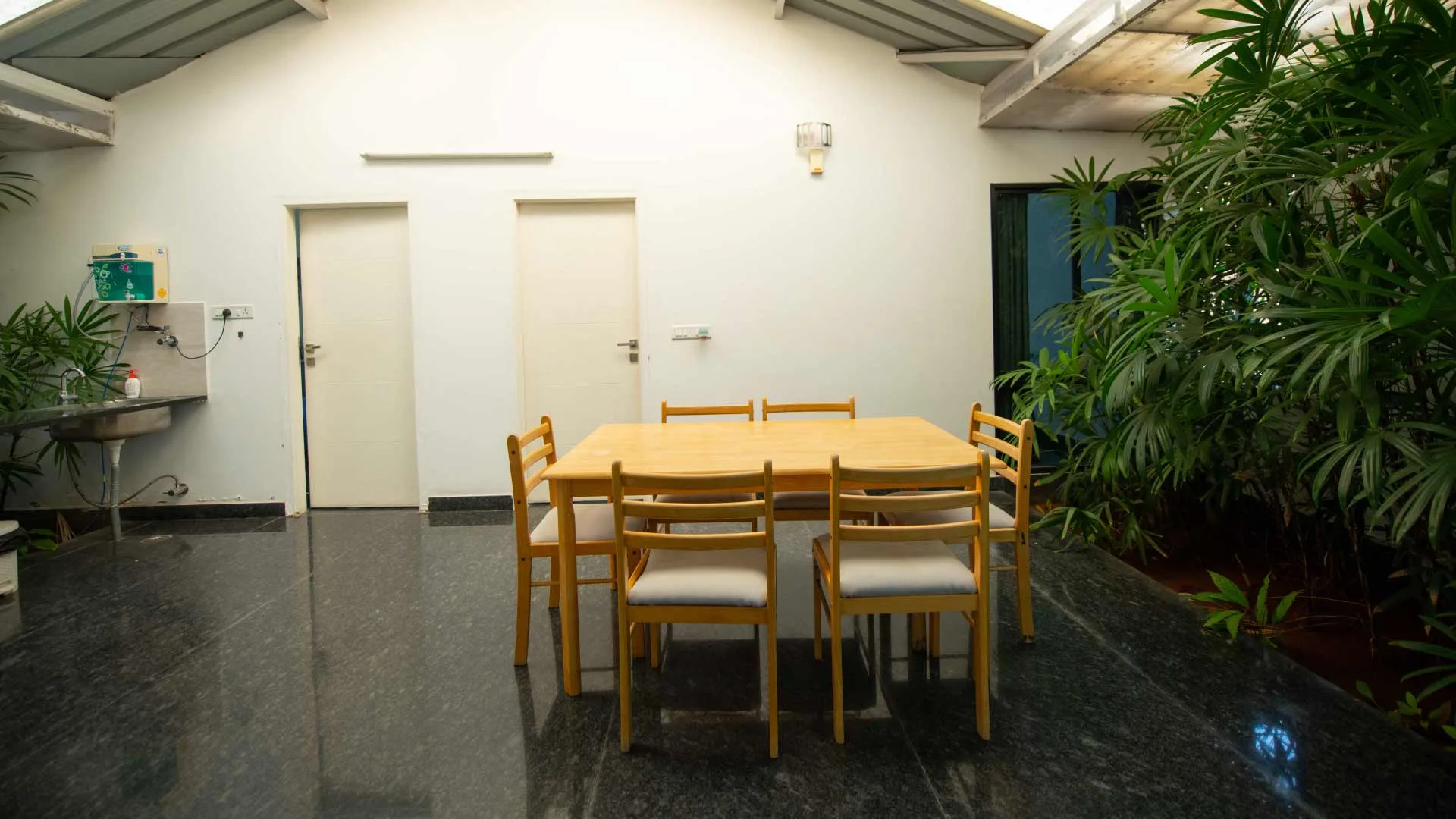
Healing Environment
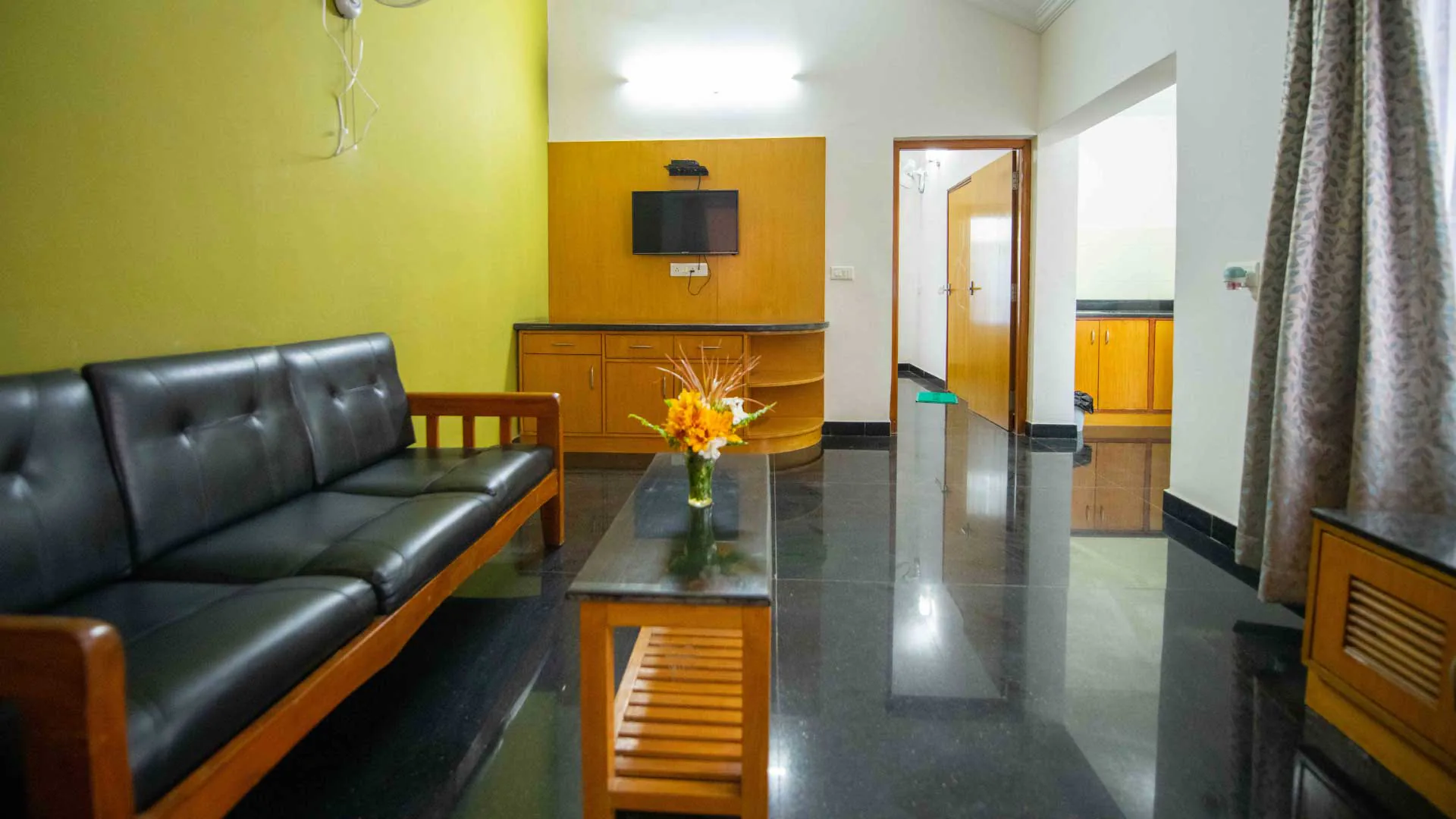
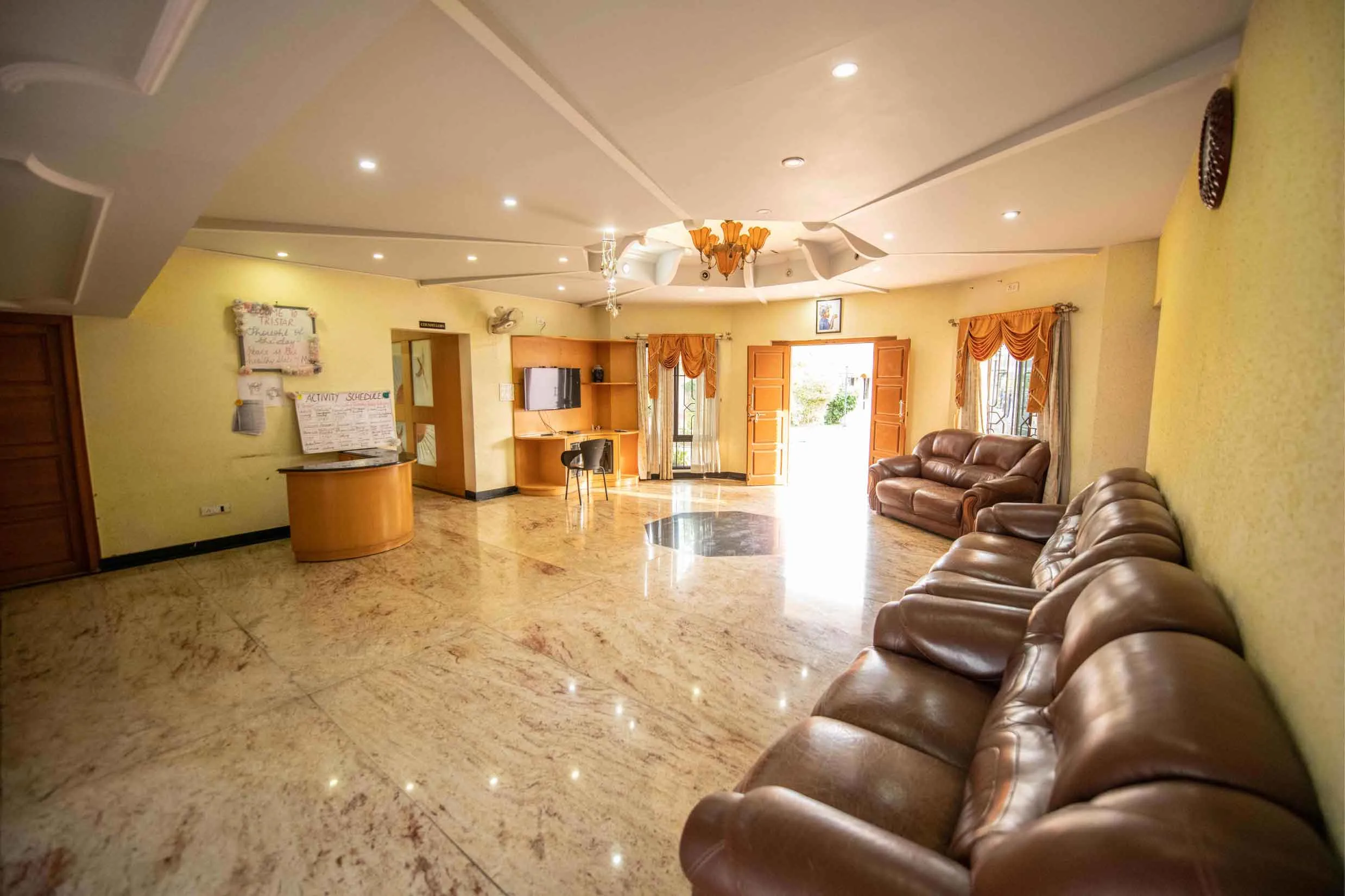
Hospital Lobby
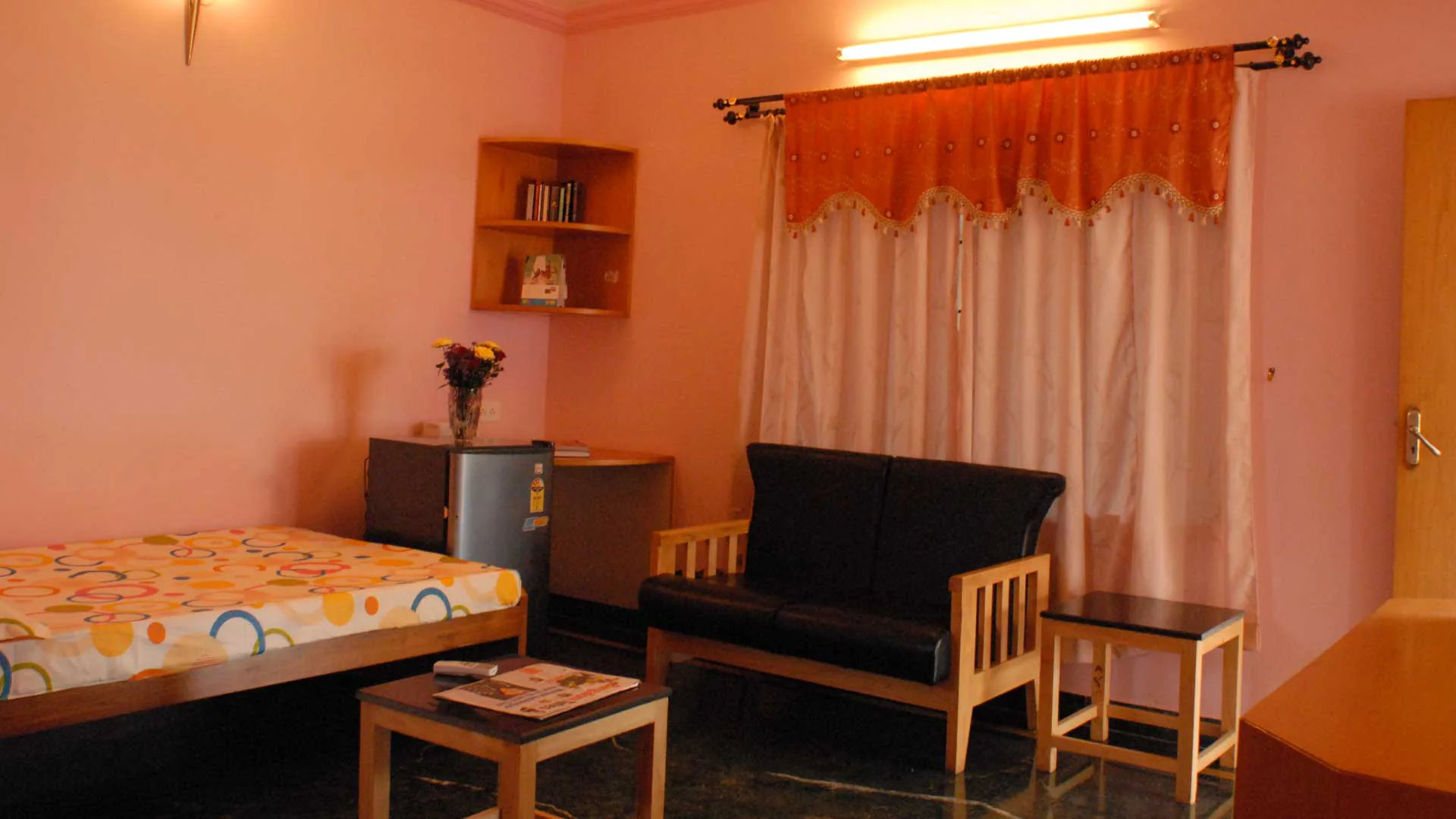
Recovery Experience

Rehab Unit
Patient Stories
What Our Clients Have To Say
Real stories from the families and individuals we’ve supported on their path to well-being.
5.0
Cadabam's Hospitals' team treated my family with empathy from the very first call. The care plan was clear, the doctors listened, and we finally felt supported through a difficult time.
A
Aishwarya G.
Verified patient
5.0
The therapists and psychiatrists worked together on a plan that actually fit our situation. Three decades of experience really shows — calm, professional, and genuinely caring.
S
Suresh L.
Verified patient
5.0
I was nervous about reaching out, but the team made me feel safe. The structured therapy and follow-ups have helped me get back to my routine and feel like myself again.
R
Rahul M.
Verified patient
Trusted by 10,000+ families · 4.5 ★ on Google Reviews
What Is a Mental Health Psychiatrist?
A mental health psychiatrist is a physician who has completed an MBBS followed by postgraduate medical training (MD or DPM) in Psychiatry. Because psychiatrists are medical doctors, they evaluate mental health conditions through a combined biological, psychological, and neurological lens.
During an evaluation, a psychiatrist assesses physical health, neurochemistry, medical history, and lifestyle factors. They can order diagnostic lab work, neuroimaging (such as MRI or EEG), and prescribe pharmacological treatments alongside evidence-based psychotherapies to treat mental health disorders effectively.
What Conditions Does a Psychiatrist Treat?
Psychiatrists treat a broad spectrum of psychiatric, neurodevelopmental, and psychosomatic conditions in adults. Their clinical expertise spans both acute mental health crises and long-term condition management:
- Mood Disorders: Major depressive disorder, persistent depressive disorder (dysthymia), and bipolar affective disorder.
- Anxiety & Stress Disorders: Generalized anxiety disorder (GAD), panic disorder, social anxiety, and phobias.
- Psychotic Disorders: Schizophrenia, schizoaffective disorder, and delusional disorders.
- Obsessive-Compulsive & Related Disorders: OCD, body dysmorphic disorder, and trichotillomania.
- Trauma-Related Conditions: Post-Traumatic Stress Disorder (PTSD) and acute stress reactions.
- Substance Use & Addiction: Dependence on alcohol, nicotine, prescription drugs, or illicit substances, as well as behavioural addictions.
- Sleep & Psychosomatic Disorders: Chronic insomnia, sleep-wake cycle disturbances, and gut-brain axis/somatic symptom disorders.
Mental Health Psychiatrist vs Therapist vs Psychologist
Understanding the distinct roles of mental health professionals ensures you seek the right level of care for your specific needs.
| Feature | Mental Health Psychiatrist | Clinical Psychologist | Psychotherapist / Counsellor |
|---|---|---|---|
| Qualifications | MBBS + MD/DPM in Psychiatry (Medical Doctor) | M.Phil or Ph.D. in Clinical Psychology | M.A. / M.Sc. in Psychology or Counselling |
| Medical Licensing | National Medical Commission (NMC) / State Council | Rehabilitation Council of India (RCI) | Professional Associations / University Degree |
| Can Prescribe Medication? | Yes | No | No |
| Primary Approach | Medical diagnosis, neurochemical management, psychotherapy | Diagnostic psychological testing, psychotherapy (CBT, DBT) | Talk therapy, supportive counselling, guidance |
| Care Focus | Moderate to severe clinical conditions, medical management | Mild to severe psychological conditions, formal therapy | Life transitions, mild stress, relationship guidance |
How to Choose a Mental Health Psychiatrist
Selecting the right specialist involves evaluating clinical credentials, hospital support, and communication style. Consider the following criteria when making your choice:
- Medical Credentials & Licensing: Ensure the practitioner holds an MD or DPM in Psychiatry recognised by the National Medical Commission (NMC) or relevant state medical council.
- Clinical Specialisation: Match your primary concern (e.g., mood disorders, addiction, adult ADHD, or geriatric care) with the psychiatrist’s clinical focus.
- Facility & Emergency Support: Choose a professional backed by robust hospital infrastructure that offers emergency psychiatric care, inpatient stabilization, and day-care facilities.
- Fee Structure & Transparency: In Bangalore, initial psychiatric consultations typically range from ₹1,000 to ₹2,500 depending on seniority, facility infrastructure, and session duration.
- Therapeutic Rapport: A good psychiatrist listens attentively, explains diagnostic findings clearly, and involves you in treatment decision-making.
Mental Health Psychiatrist in Bangalore
Bangalore is a premier hub for mental health care in India, combining premier public institutions like NIMHANS with advanced private psychiatric hospitals. Cadabam's Hospitals provides world-class psychiatric care across multiple accessible centres in Bangalore and Mysore.
Our senior psychiatry team includes experienced clinicians such as Dr. Madhukar BR, Dr. Kishan Anwar, Dr. Priya Raghavan, and Dr. Vishal Kasal. Working alongside clinical psychologists and psychiatric nurses, our medical team delivers precise diagnostic assessments, personalized medication management, and integrated therapy plans tailored to urban lifestyle stressors.
When to See a Mental Health Psychiatrist
It is recommended to seek a psychiatric evaluation if you experience any of the following warning signs for more than two weeks:
- Persistent feelings of sadness, emptiness, or overwhelming anxiety.
- Extreme mood swings ranging from deep lows to unexplained euphoric highs.
- Inability to sleep, chronic insomnia, or sleeping excessively.
- Withdrawal from social relationships, work, or daily responsibilities.
- Unexplained physical symptoms with no underlying general medical cause.
- Experiencing hallucinations, paranoia, or distressing intrusive thoughts.
Emergency Note: If you or someone you know is experiencing severe psychiatric distress, active thoughts of self-harm, or a mental health crisis, immediate medical help is critical. Please visit the nearest emergency room or reach out to our emergency psychiatric line at Cadabam's Hospitals immediately.
FAQ
Frequently Asked Questions
No. A psychiatrist is a licensed medical doctor (MBBS + MD/DPM) who can diagnose medical conditions and prescribe medication. A clinical psychologist holds a non-medical postgraduate degree (such as an M.Phil) and specializes in psychological testing and psychotherapy.
Yes. As qualified medical doctors, psychiatrists are legally authorized and medically trained to prescribe psychiatric medications, monitor side effects, and adjust biological treatments.
You can book an appointment by reaching out through our contact page or calling our central care helpline directly. Our intake coordinator will assist you in selecting the right specialist and scheduling a consultation at our Bangalore or Mysore centres. --- Medical Disclaimer: This content is for general information only and is not a substitute for professional medical advice, diagnosis, or treatment. Always seek the advice of a qualified psychiatrist or healthcare provider with any questions you may have regarding a medical or mental health condition.
Insights From Our Experts
Recent Stories from Our Blog
Psychological issues
Women's Mental Health
Psychological issues
Stress & Burnout
Newsletter