
The Cadabam’s Hospitals Difference
Why Cadabam’s Hospitals? What Makes Us Different?
Through our 8 specialty centers offering top-notch treatments across the nation, we have been helping thousands of people improve the quality of their lives.
33+
Years of Experience
10,000+
Happy Families
20+
Treatment Modalities
400+
Mental Health Experts
With over 33 years of expertise and knowledge, we promise to provide our clients the treatment that suits them the best. Whether the case involves substance addiction, alcoholism, sleeping issues, bipolar disorder, or schizophrenia, our experts know how to handle it in a way that it’s in the best interest of the client and their family.
Our state-of-the-art infrastructure, experienced professionals, and strong support system enable us to offer world-class evidence-based treatment that fits all stages and types of mental health concerns that you may have.
At Cadabam’s Hospitals, we’ve always got your back.
Our Facilities
Our Infrastructure & Care Facilities
Purpose-built rehabilitation centres, clinical equipment, and support services designed to drive better patient outcomes.
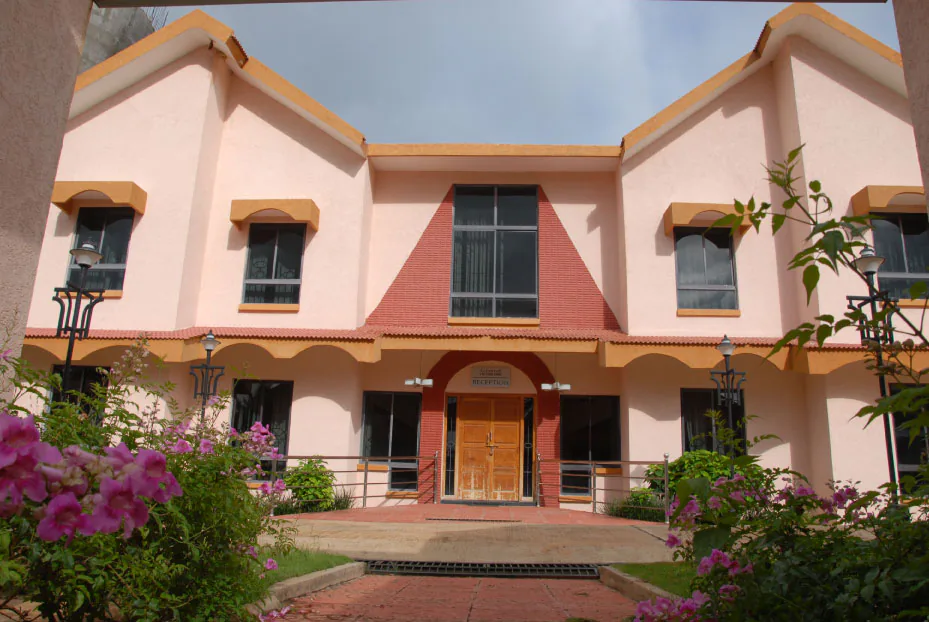
Ananya Rehabilitation Centre
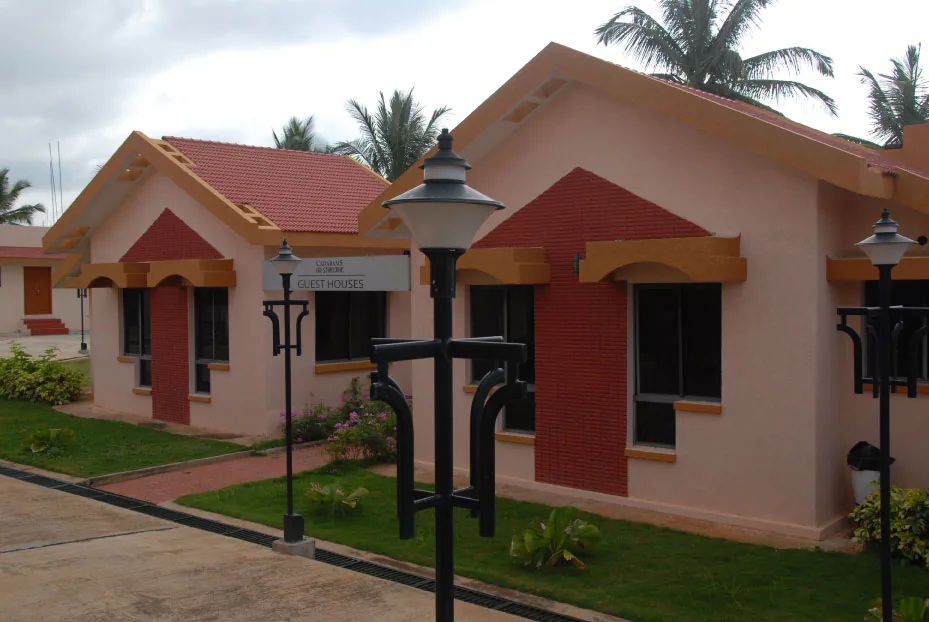
Private Cottages
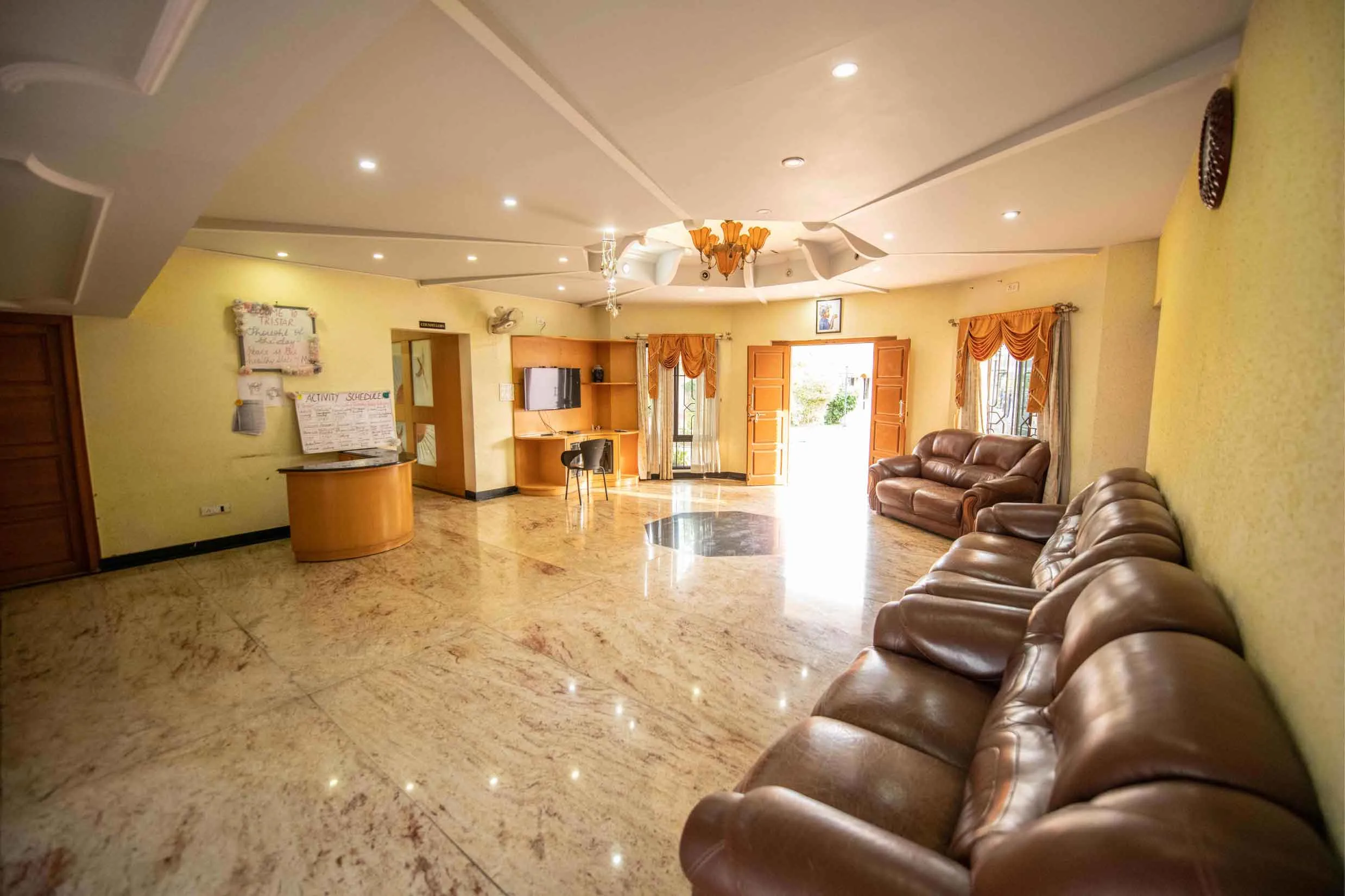
Campus Entrance
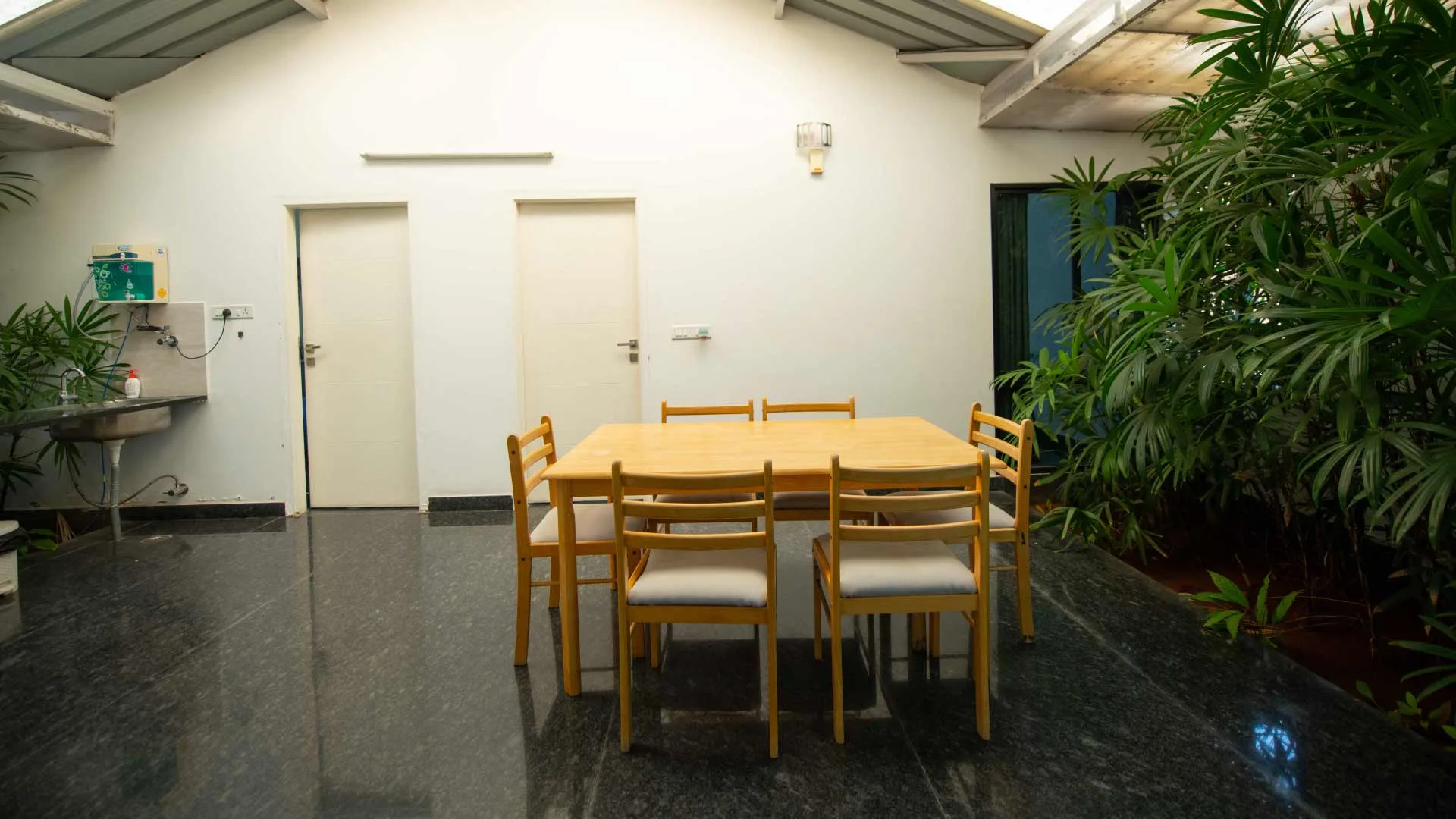
Healing Environment
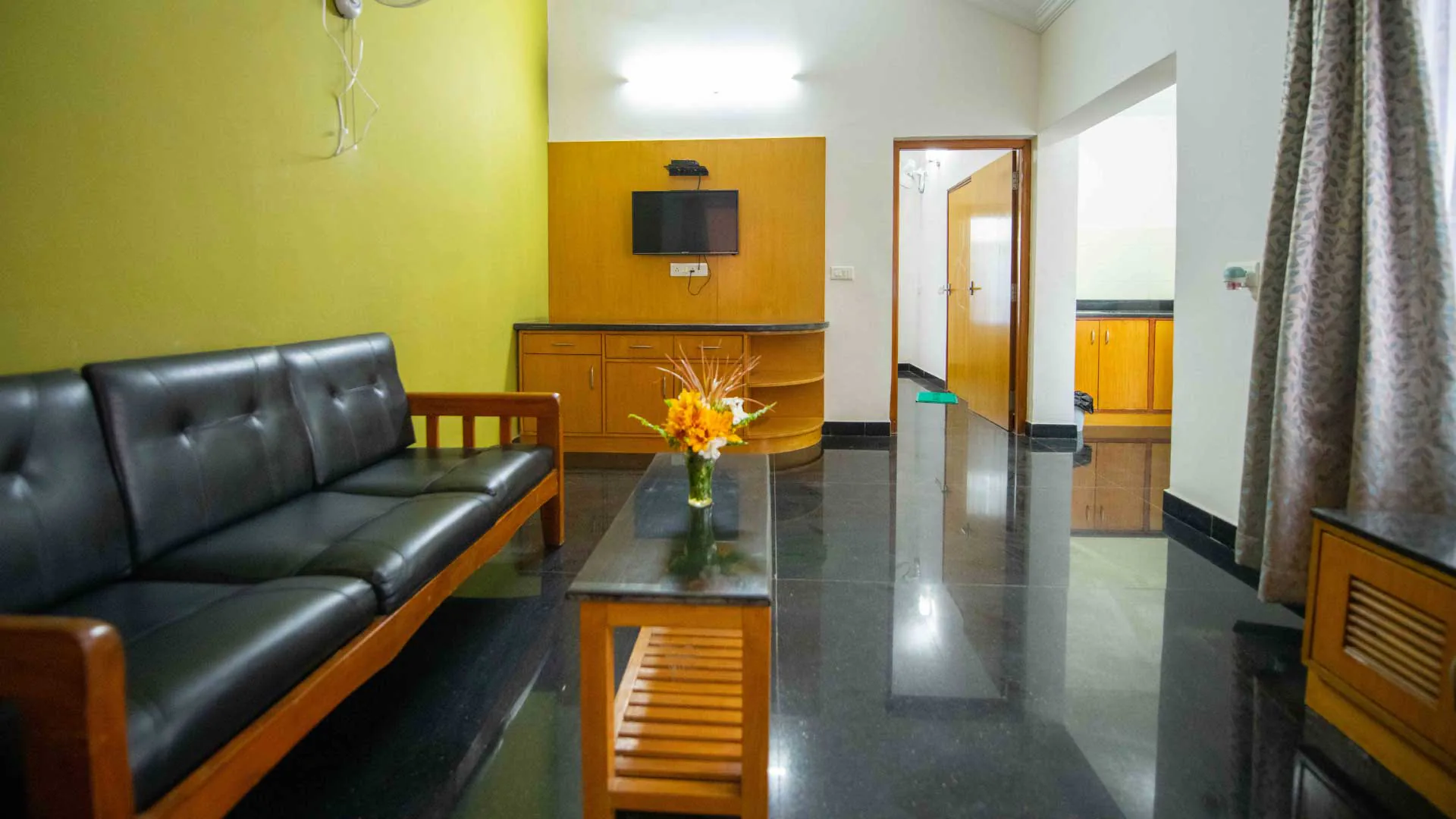
Hospital Lobby
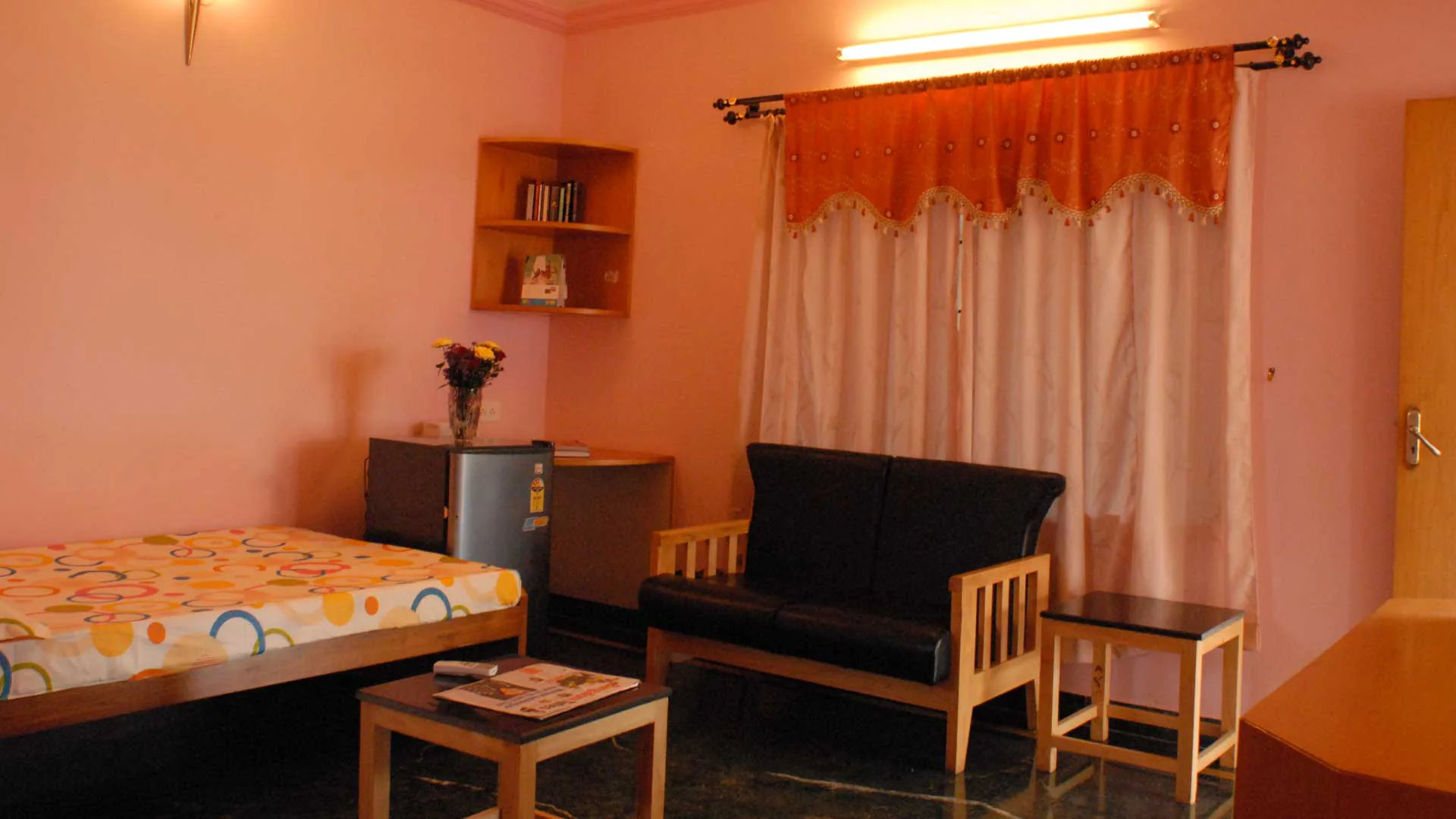
Recovery Experience

Rehab Unit
Patient Stories
What Our Clients Have To Say
Real stories from the families and individuals we’ve supported on their path to well-being.
5.0
Cadabam's Hospitals' team treated my family with empathy from the very first call. The care plan was clear, the doctors listened, and we finally felt supported through a difficult time.
A
Aishwarya G.
Verified patient
5.0
The therapists and psychiatrists worked together on a plan that actually fit our situation. Three decades of experience really shows — calm, professional, and genuinely caring.
S
Suresh L.
Verified patient
5.0
I was nervous about reaching out, but the team made me feel safe. The structured therapy and follow-ups have helped me get back to my routine and feel like myself again.
R
Rahul M.
Verified patient
Trusted by 10,000+ families · 4.5 ★ on Google Reviews
How Neurofeedback Therapy Works
At its core, neurofeedback therapy relies on the brain's innate capacity for adaptation, known as neuroplasticity. By measuring electroencephalogram (EEG) signals from the scalp, neurofeedback translates invisible electrical activity into real-time feedback that your brain can interpret and respond to.
During a structured neurofeedback session, the protocol follows four main stages:
- Sensor Placement: Electrodes are placed gently on specific scalp locations using conductive paste to register microvolt electrical signals produced by brainwaves.
- Real-Time Visualization: The EEG signals are processed by specialized software and displayed visually on a monitor or translated into auditory cues.
- Operant Conditioning & Reward: When your brain operates within target frequency bands—such as reducing excess slow theta waves or calming hyperactive fast beta waves—it receives immediate positive feedback, such as a video continuing to play or a pleasant tone sounding.
- Neural Consolidation: Through repeated operant conditioning across multiple sessions, the brain reinforces these balanced functional patterns, strengthening healthy self-regulation.
By targeting underlying neurophysiological imbalances—such as theta wave excess seen in attention deficits or high-beta dominance seen in acute anxiety—neurofeedback provides a direct route toward cognitive stability.
What Conditions Does Neurofeedback Therapy Treat?
Neurofeedback therapy is used alongside standard clinical interventions to support individuals experiencing various neurodevelopmental and psychiatric conditions. Clinical research indicates that targeted brainwave regulation can yield notable improvements across several domains:
Attention-Deficit/Hyperactivity Disorder (ADHD)
Neurofeedback has a strong evidence base for ADHD management. The American Academy of Pediatrics has recognized biofeedback interventions at Level 1 ("Best Support") for pediatric ADHD. Clinical studies demonstrate that neurofeedback can help reduce core symptoms like distractibility and impulsivity, with remission rates ranging between 32% and 47% in controlled trials. Learn more about comprehensive options for neurofeedback for ADHD in Bangalore.
Anxiety Disorders & Trauma
For generalized anxiety disorder (GAD), panic, and post-traumatic stress disorder (PTSD), neurofeedback aims to reduce excessive high-frequency beta wave activity associated with hyperarousal. Clinical studies indicate that up to 69% of patients achieve healthier standardized anxiety scores following structured neurofeedback protocols.
Depression
Emerging evidence suggests that addressing alpha wave asymmetry across the frontal lobes may help stabilize mood and decrease symptoms of treatment-resistant depression when integrated into comprehensive psychiatric care plans.
Sleep and Restlessness
Disrupted sleep architecture often correlates with abnormal sensorimotor rhythm (SMR) patterns. Neurofeedback training targeting SMR can assist patients in relaxing before sleep and establishing more consistent sleep cycles.
Autism Spectrum Disorder (ASD)
In individuals with ASD, neurofeedback therapy may help support sensory integration, improve emotional self-regulation, and enhance functional communication skills.
Note: While neurofeedback shows significant clinical utility, research remains ongoing, and individual responses vary. It is used to complement, rather than replace, established psychiatric treatments.
How Many Sessions Does Neurofeedback Take?
Neurofeedback therapy is a progressive learning process that requires consistency. A standard therapeutic protocol typically involves 20 to 40 sessions, with each session lasting approximately 30 minutes.
- Initial Phase (Sessions 1–10): Focuses on setting baseline metrics and training the brain to recognize new feedback cues.
- Consolidation Phase (Sessions 10–15): Most patients begin to report tangible improvements in sleep, focus, or emotional regulation during this window.
- Maintenance Phase (Sessions 20–40): Reinforces neural pathways to ensure long-term retention of self-regulation skills after formal therapy concludes.
Is Neurofeedback Therapy Safe? Side Effects to Know
Neurofeedback therapy is non-invasive and generally well tolerated when administered by trained neurotherapists under psychiatric supervision. Because it does not introduce electrical currents into the brain (it only reads signals), structural risks are negligible.
Potential Mild Side Effects
- Transient headaches or brain fatigue following a session
- Mild dizziness or heightened sensitivity to light/sound
- Temporary irritability as the brain adjusts to new training protocols
These effects are typically mild and subside within a few hours. To ensure safe and effective care, neurofeedback should not be used as a standalone treatment for severe psychiatric conditions like active psychosis or severe bipolar mania. Instead, it is integrated into a multi-modal treatment plan alongside psychotherapy and necessary pharmacological interventions.
Neurofeedback vs Biofeedback: Key Difference
While both therapies rely on real-time physiological feedback, they monitor different systems within the body:
| Feature | Biofeedback (Peripheral) | Neurofeedback (EEG Biofeedback) |
|---|---|---|
| Primary Target | Peripheral nervous system (body) | Central nervous system (brain) |
| Parameters Monitored | Heart rate variability (HRV), muscle tension, skin conductance, breathing patterns | Brainwave frequencies (Delta, Theta, Alpha, Beta, Gamma) via EEG |
| Main Clinical Use | Stress management, chronic pain, tension headaches, hypertension | ADHD, anxiety, PTSD, cognitive rehabilitation, sleep disorders |
| Feedback Mechanism | Visual/auditory cues driven by physical relaxation | Visual/auditory rewards driven by targeted neural states |
At Cadabam's, clinicians often combine peripheral biofeedback with EEG neurofeedback to address both the physical and neurological components of stress and anxiety.
Neurofeedback Therapy at Cadabam's Hospitals
Cadabam's Hospitals integrates evidence-based neurofeedback into personalized, multidisciplinary treatment plans across our centers in Bangalore, Mysore, and Hyderabad. Following Indian psychiatric best practices and guidelines similar to standard protocols established by institutions like NIMHANS, our clinical team conducts thorough pre-therapy psychiatric assessments to ensure neurofeedback is appropriate for your condition.
Sessions are monitored by experienced neurotherapists and clinical psychologists, ensuring safe protocol adjustments tailored to your ongoing progress.
Why Choose Cadabam's Hospitals?
With over thirty years of leadership in mental health care, Cadabam's Hospitals provides accredited psychiatric and psychological care. Our multi-disciplinary team ensures that neurofeedback is integrated seamlessly into broader diagnostic, therapeutic, and rehabilitation frameworks for optimal clinical outcomes.
To explore how neurofeedback therapy can support your health or to book an evaluation, contact our team today.
- Call our helpline: +91 96111 94949
- Explore our locations: Visit our specialized treatment facilities via our centers page.
- Schedule a consultation online: Book an appointment with Cadabam's.
When to Seek Immediate Professional Help
If you or someone you know is experiencing acute psychiatric distress, severe depression, thoughts of self-harm, or intense panic, please seek immediate emergency care. Visit the nearest psychiatric emergency center or call Cadabam's 24/7 crisis helpline at +91 96111 94949.
Medical Disclaimer
This content is for general information only and is not a substitute for professional medical advice, diagnosis, or treatment. Always seek the advice of a qualified physician or mental health provider with any questions you may have regarding a medical condition.
FAQ
Frequently Asked Questions
Yes, neurofeedback therapy is available at specialized psychiatric hospitals and clinical psychology centers across India, including Cadabam's Hospitals in Bangalore, Mysore, and Hyderabad. It is crucial to ensure that sessions are delivered by credentialed clinicians utilizing calibrated EEG equipment.
While some individuals notice subtle improvements earlier, most patients observe steady clinical progress after 10 to 15 structured sessions. Completing the full recommended course (usually 20 to 40 sessions) helps solidify long-term gains.
Yes. Children as young as 5 years old can participate in neurofeedback therapy. Training modules for pediatric patients are presented in child-friendly formats, such as controlling an interactive video game or playing a visual animation using focused brain activity.
Yes, clinical evidence supports neurofeedback for adult ADHD. It offers a structured non-pharmacological option for adults who experience intolerable side effects from stimulant medications or who prefer an integrated approach to focus and executive function management.
Currently, standard health insurance policies in India do not uniformly cover neurofeedback therapy under basic OPD benefits. Coverage depends on your specific policy terms and inpatient status. The administrative team at Cadabam's can provide detailed documentation for claims submission. ---
Insights From Our Experts
Recent Stories from Our Blog
Psychological issues
Women's Mental Health
Psychological issues
Stress & Burnout
Newsletter