

The Cadabam’s Hospitals Difference
Why Cadabam’s Hospitals? What Makes Us Different?
Through our 8 specialty centers offering top-notch treatments across the nation, we have been helping thousands of people improve the quality of their lives.
33+
Years of Experience
10,000+
Happy Families
20+
Treatment Modalities
400+
Mental Health Experts
With over 33 years of expertise and knowledge, we promise to provide our clients the treatment that suits them the best. Whether the case involves substance addiction, alcoholism, sleeping issues, bipolar disorder, or schizophrenia, our experts know how to handle it in a way that it’s in the best interest of the client and their family.
Our state-of-the-art infrastructure, experienced professionals, and strong support system enable us to offer world-class evidence-based treatment that fits all stages and types of mental health concerns that you may have.
At Cadabam’s Hospitals, we’ve always got your back.
Our Facilities
Our Infrastructure & Care Facilities
Purpose-built rehabilitation centres, clinical equipment, and support services designed to drive better patient outcomes.

Ananya Rehabilitation Centre

Private Cottages

Campus Entrance
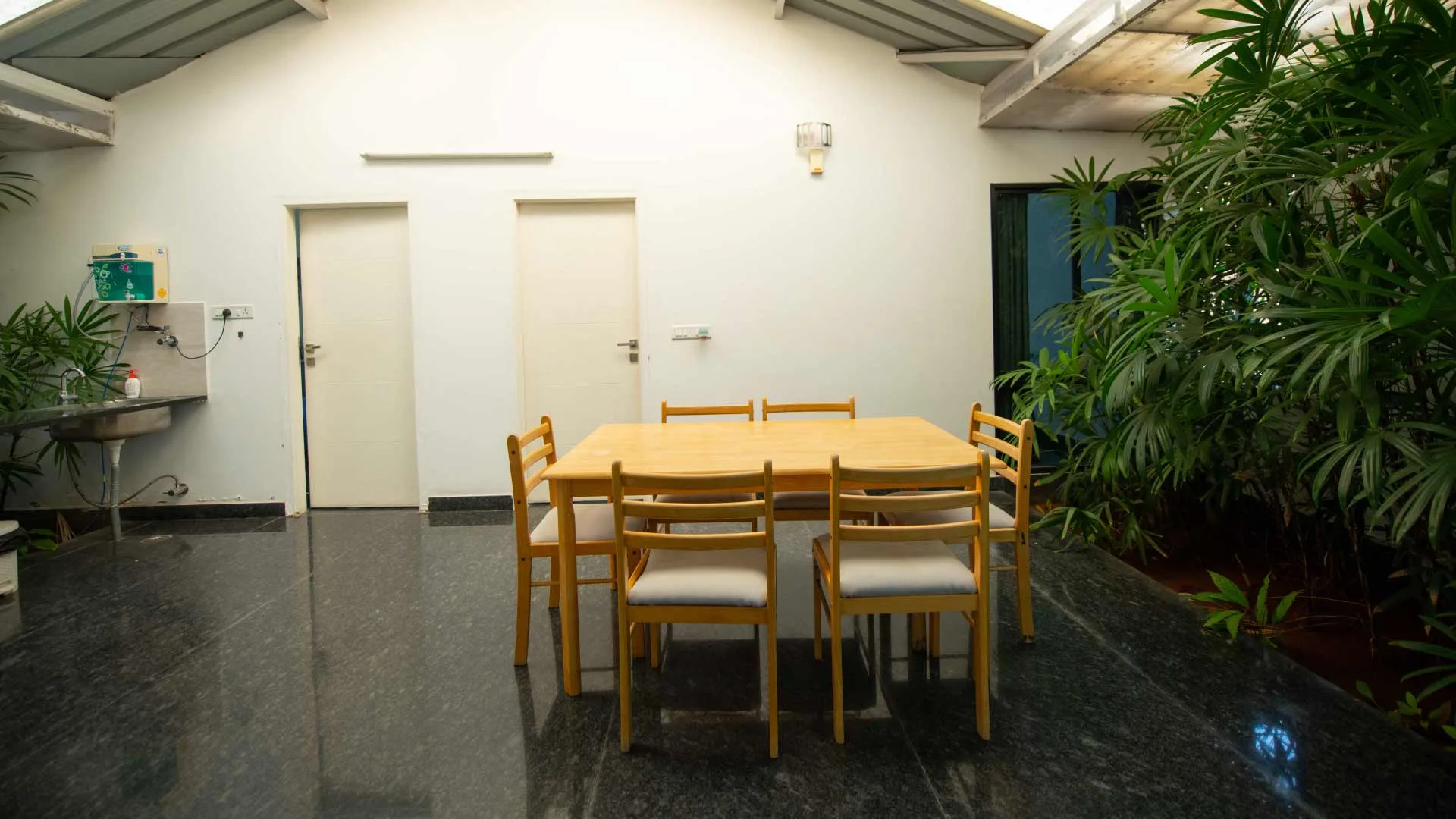
Healing Environment
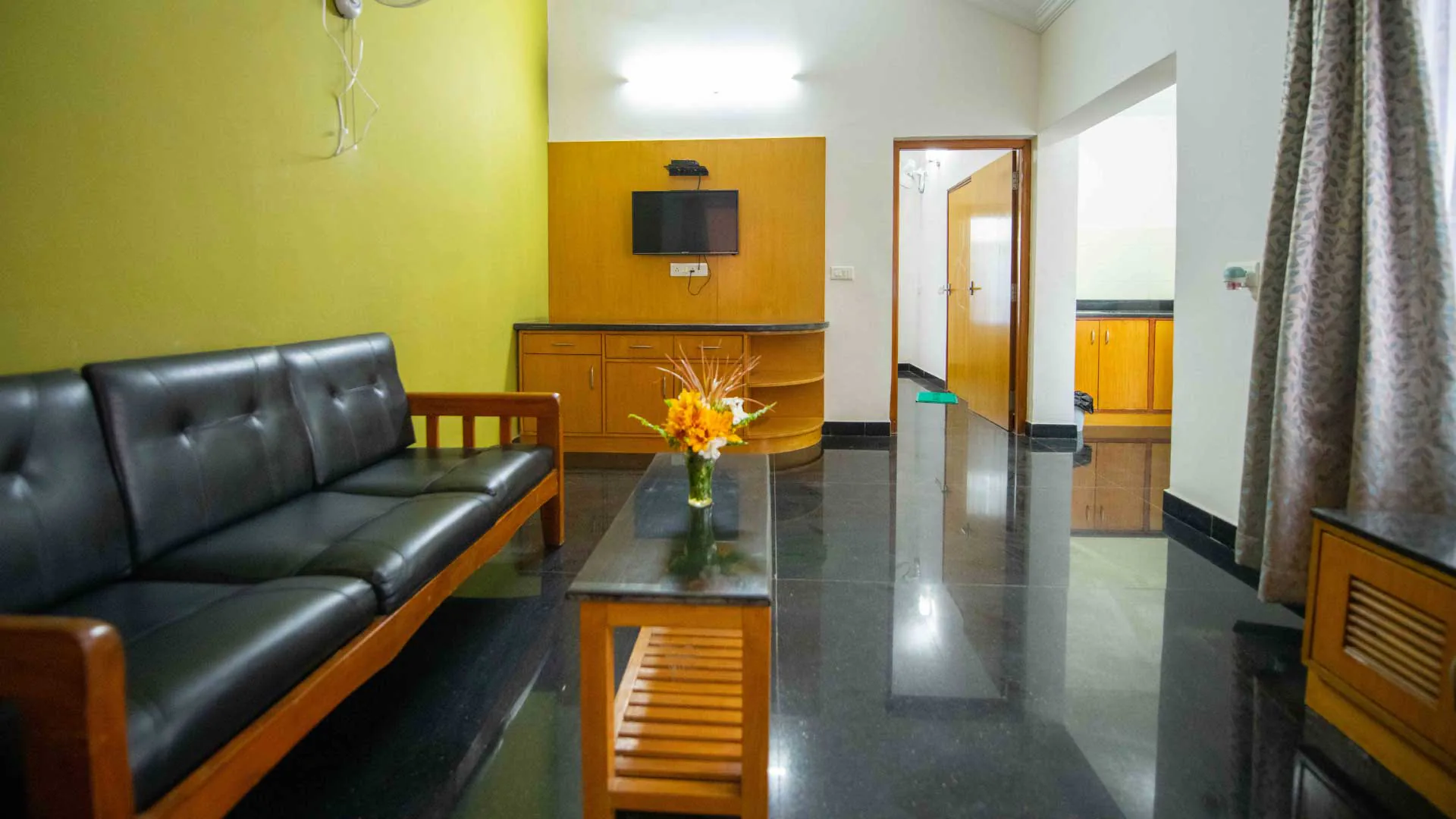
Hospital Lobby
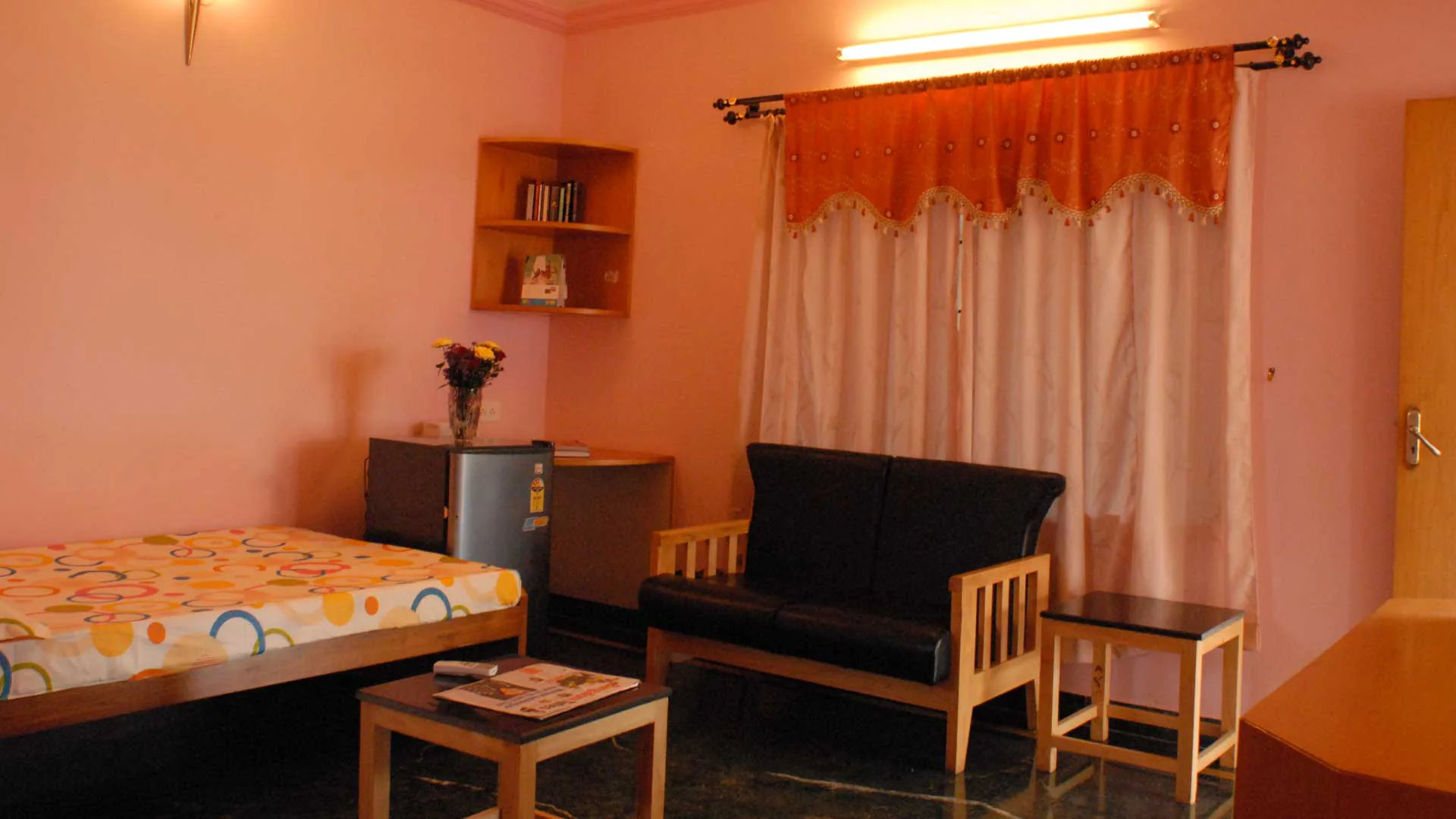
Recovery Experience

Rehab Unit
Patient Stories
What Our Clients Have To Say
Real stories from the families and individuals we’ve supported on their path to well-being.
5.0
Cadabam's Hospitals' team treated my family with empathy from the very first call. The care plan was clear, the doctors listened, and we finally felt supported through a difficult time.
A
Aishwarya G.
Verified patient
5.0
The therapists and psychiatrists worked together on a plan that actually fit our situation. Three decades of experience really shows — calm, professional, and genuinely caring.
S
Suresh L.
Verified patient
5.0
I was nervous about reaching out, but the team made me feel safe. The structured therapy and follow-ups have helped me get back to my routine and feel like myself again.
R
Rahul M.
Verified patient
Trusted by 10,000+ families · 4.5 ★ on Google Reviews
Understanding Relationship Therapists
Relationship therapists focus on the relational dynamics between people rather than viewing psychological issues in isolation. They evaluate how communication patterns, attachment styles, boundary violations, and unresolved past traumas impact interpersonal bonds. In India, where relationships often exist within complex multi-generational family structures, relationship therapists address both partner-level intimacy and broader familial expectations.
Therapy sessions provide a neutral, non-judgmental environment where all parties can express their concerns safely. Practitioners use structured therapeutic modalities to help individuals recognize destructive behavioral cycles, improve emotional regulation, and acquire practical conflict-resolution skills. Whether dealing with pre-marital anxiety, marital discord, infidelities, or parent-child friction, consulting a qualified relationship therapist facilitates long-term relational resilience.
| Therapeutic Approach | Primary Focus | Best Suited For |
|---|---|---|
| Emotionally Focused Therapy (EFT) | Attachment bonds and emotional responsiveness | Couples experiencing emotional disconnect or distrust |
| Gottman Method | Skill-building and structured communication | Resolving chronic conflict and strengthening intimacy |
| Systemic Family Therapy | Family dynamics, roles, and boundaries | Multi-generational disputes and joint-family stresses |
| Cognitive Behavioral Therapy (CBT) | Identifying negative thought patterns and behaviors | Individual relationship anxiety and conflict triggers |
Signs and Symptoms
Recognizing when interpersonal friction has escalated beyond healthy disagreement is crucial for timely intervention. While occasional conflict is normal in any relationship, persistent psychological distress and dysfunctional interaction patterns indicate a need for professional guidance.
Key indicators that warrant consulting relationship therapists include:
- Persistent Communication Breakdown: Frequent arguments that escalate quickly without resolution, or total emotional withdrawal (stonewalling).
- Erosion of Trust: Chronic suspicion, unresolved infidelity, financial secretiveness, or repeated broken commitments.
- Intimacy Distress and Emotional Distance: A noticeable decline in physical or emotional intimacy, leading to feelings of loneliness within the partnership.
- Unresolved Family and In-Law Conflicts: Intrusive external family dynamics causing significant distress between partners, common in Indian family structures.
- Life Transition Stress: Difficulty adapting to major milestones such as marriage, parenthood, career shifts, retirement, or caring for aging parents.
- Co-Parenting Friction: Severe disagreements regarding parenting strategies, discipline, or financial planning for children.
When to Seek Help
You should consider seeking professional support when relationship distress begins to impair daily functioning, emotional well-being, or physical health. Prolonged relational strain can contribute to anxiety, clinical depression, burnout, and psychosomatic complaints in one or both partners. Seeking help early prevents destructive interaction cycles from becoming deeply entrenched.
Immediate clinical evaluation or emergency support is necessary if relationship issues involve physical aggression, emotional abuse, severe intimidation, or thoughts of self-harm. In emergency situations, immediate safety planning and psychiatric assessment are critical to prevent harm and stabilize the home environment.
How Cadabam'S Hospitals Can Help
At Cadabam's Hospitals, we offer comprehensive, evidence-based relationship therapy tailored to the unique socio-cultural realities of Indian families and couples. Our team of experienced clinical psychologists, psychiatrists, and relationship therapists work collaboratively to deliver personalized care plans.
We offer outpatient counseling as well as intensive family interventions when underlying psychiatric conditions—such as depression, mood disorders, or substance abuse—complicate relationship stability. Our clinical interventions incorporate Emotionally Focused Therapy (EFT), Gottman Method principles, Systemic Family Therapy, and Cognitive Behavioral Therapy (CBT) to help restore health and balance to your relationships.
To consult with an experienced therapist, visit our /contact page to schedule an initial clinical assessment.
FAQ
Frequently Asked Questions
Individual therapy focuses primarily on an individual's personal thoughts, emotional regulation, and psychiatric symptoms. Relationship therapy evaluates the interaction patterns, communication habits, and systemic dynamics between two or more people.
The duration of therapy varies based on the complexity of the issues and the commitment of the participants. Short-term goal-oriented counseling may take 8 to 12 sessions, while deeper structural or trauma-focused relationship therapy may extend over several months.
Yes, individual relationship therapy allows one partner to explore personal boundaries, communication habits, and emotional responses. Shifts in one person's behavior can positively influence the overall relational dynamic, even if the other partner is initially hesitant to join. --- This content is for general information only and is not a substitute for professional medical advice.
Insights From Our Experts
Recent Stories from Our Blog
Psychological issues
Women's Mental Health
Psychological issues
Stress & Burnout
Newsletter