At Cadabam's Hospitals, we understand the delicate balance between respecting a person's faith and treating the underlying psychiatric condition.
The Cadabam’s Hospitals Difference
Why Cadabam’s Hospitals? What Makes Us Different?
Through our 8 specialty centers offering top-notch treatments across the nation, we have been helping thousands of people improve the quality of their lives.
33+
Years of Experience
10,000+
Happy Families
20+
Treatment Modalities
400+
Mental Health Experts
With over 33 years of expertise and knowledge, we promise to provide our clients the treatment that suits them the best. Whether the case involves substance addiction, alcoholism, sleeping issues, bipolar disorder, or schizophrenia, our experts know how to handle it in a way that it’s in the best interest of the client and their family.
Our state-of-the-art infrastructure, experienced professionals, and strong support system enable us to offer world-class evidence-based treatment that fits all stages and types of mental health concerns that you may have.
At Cadabam’s Hospitals, we’ve always got your back.
Our Facilities
Our Infrastructure & Care Facilities
Purpose-built rehabilitation centres, clinical equipment, and support services designed to drive better patient outcomes.
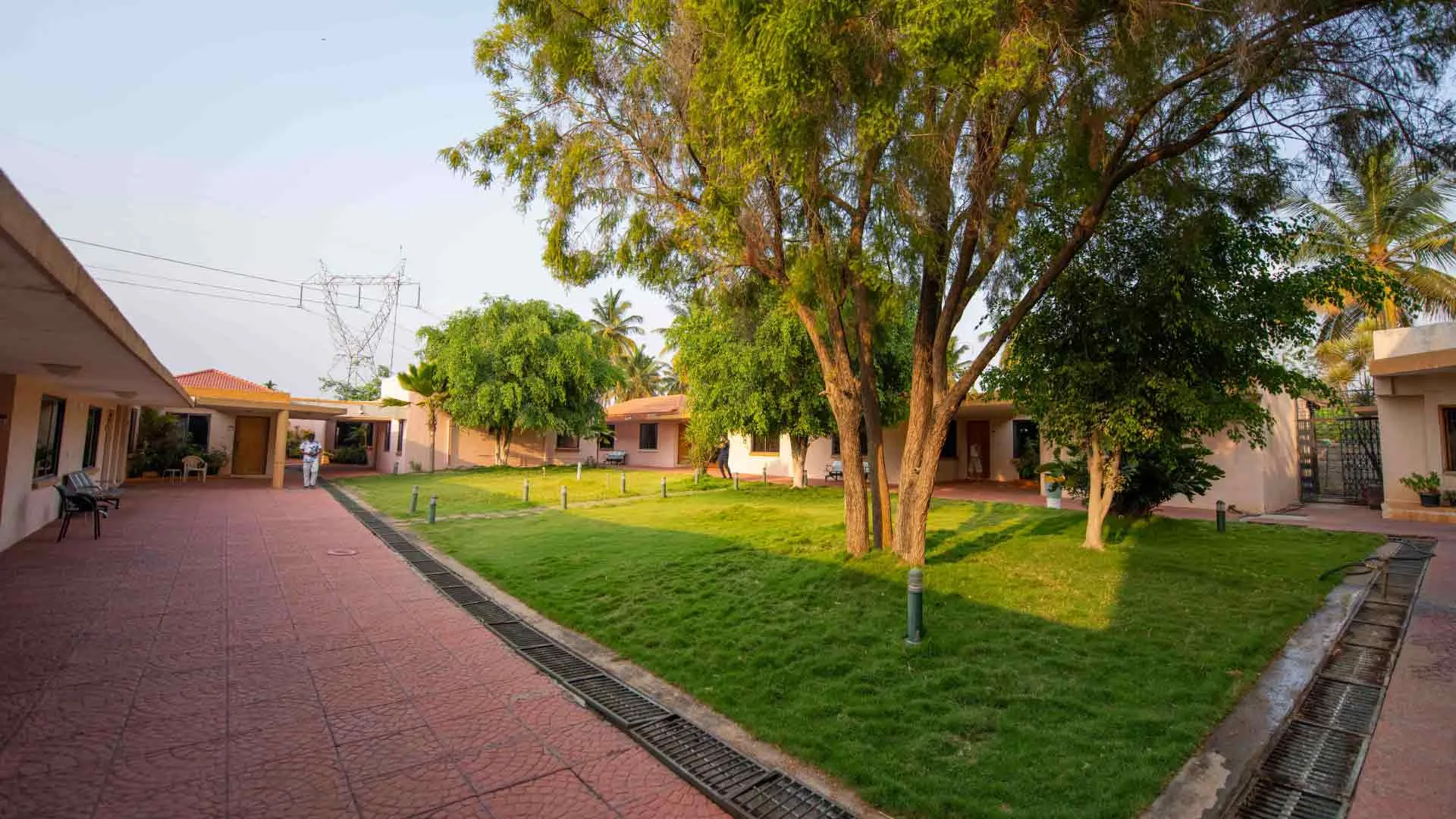
Ananya Campus
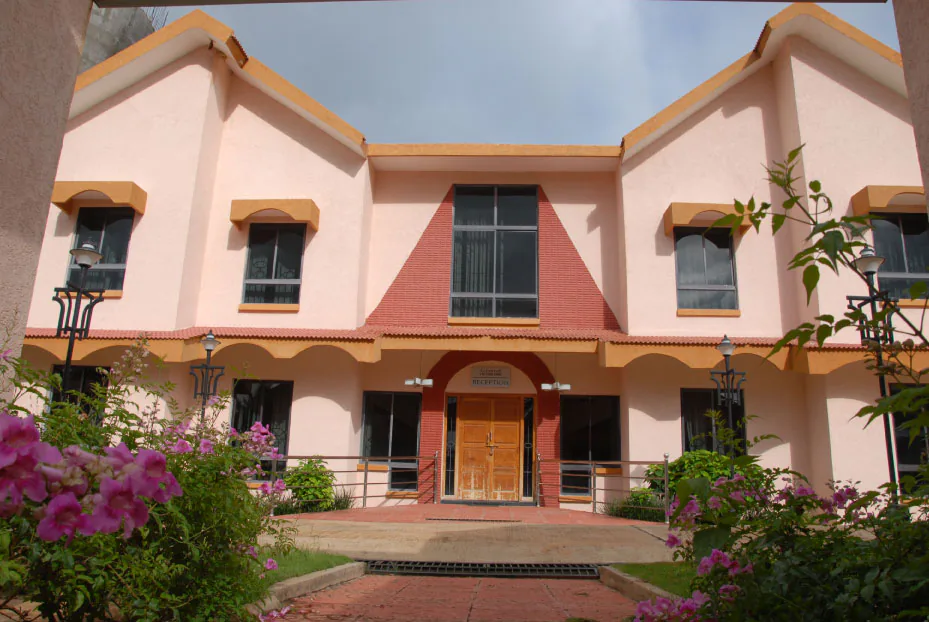
Ananya Rehabilitation Centre
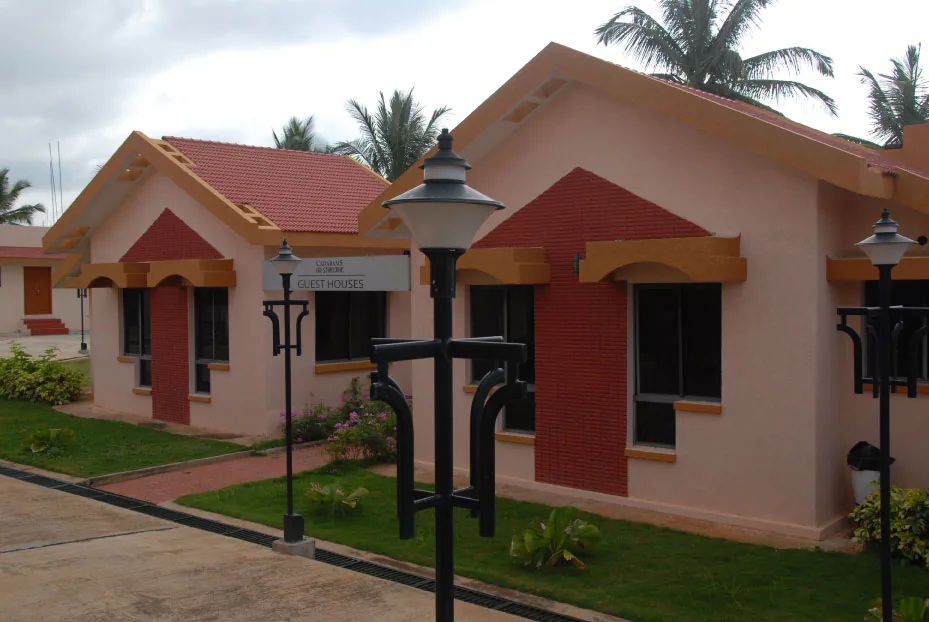
Private Cottages
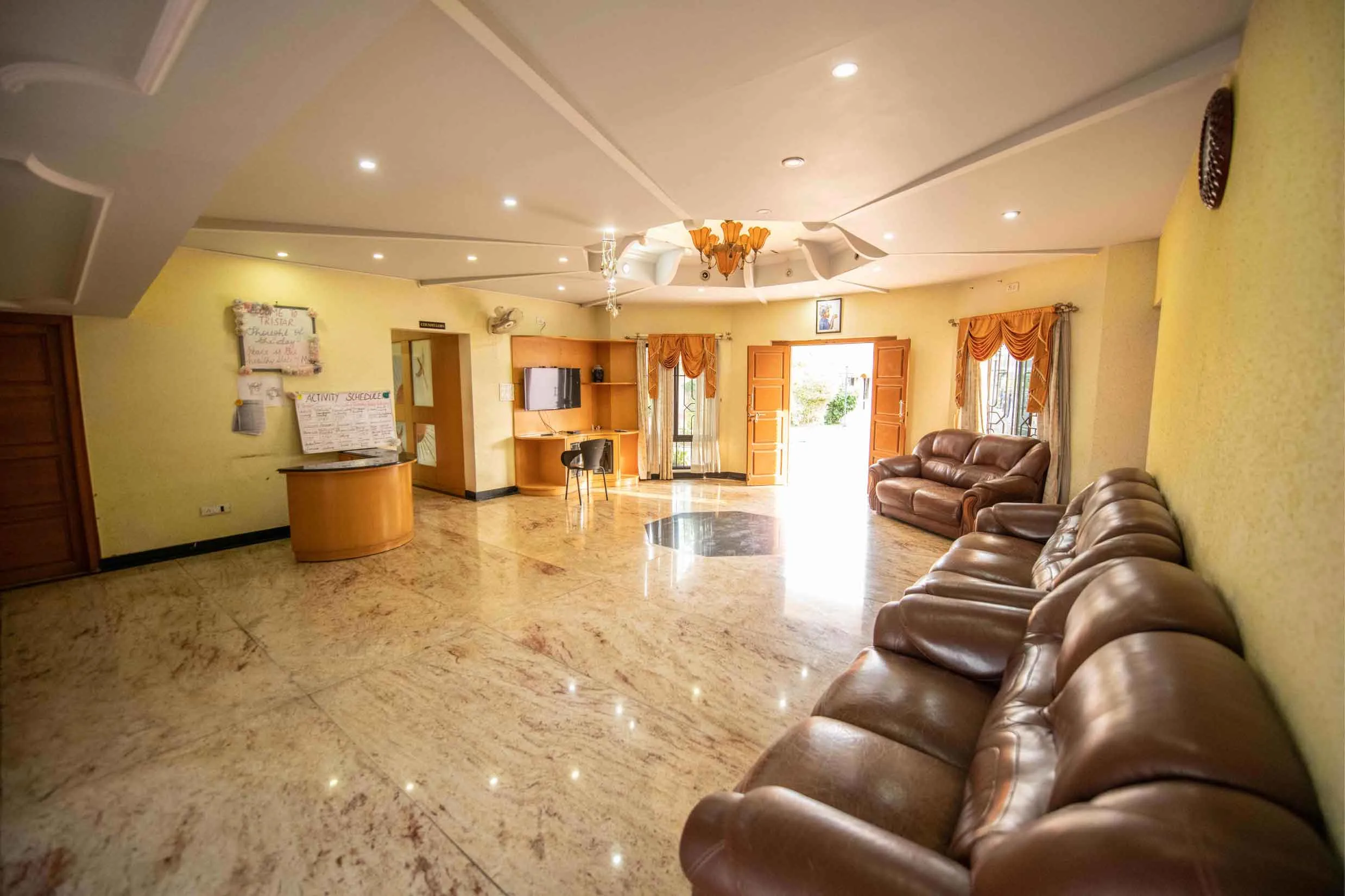
Campus Entrance
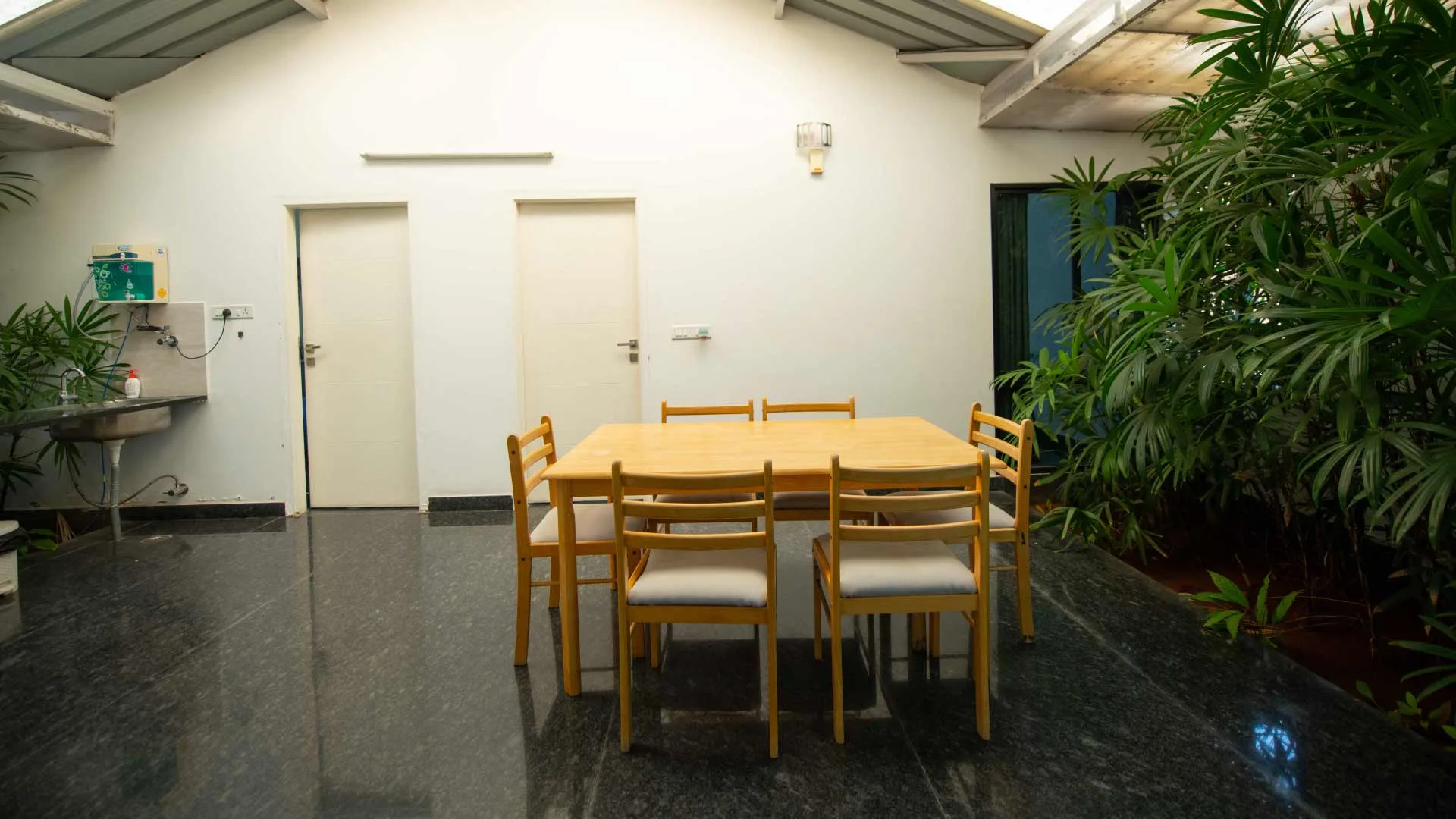
Healing Environment
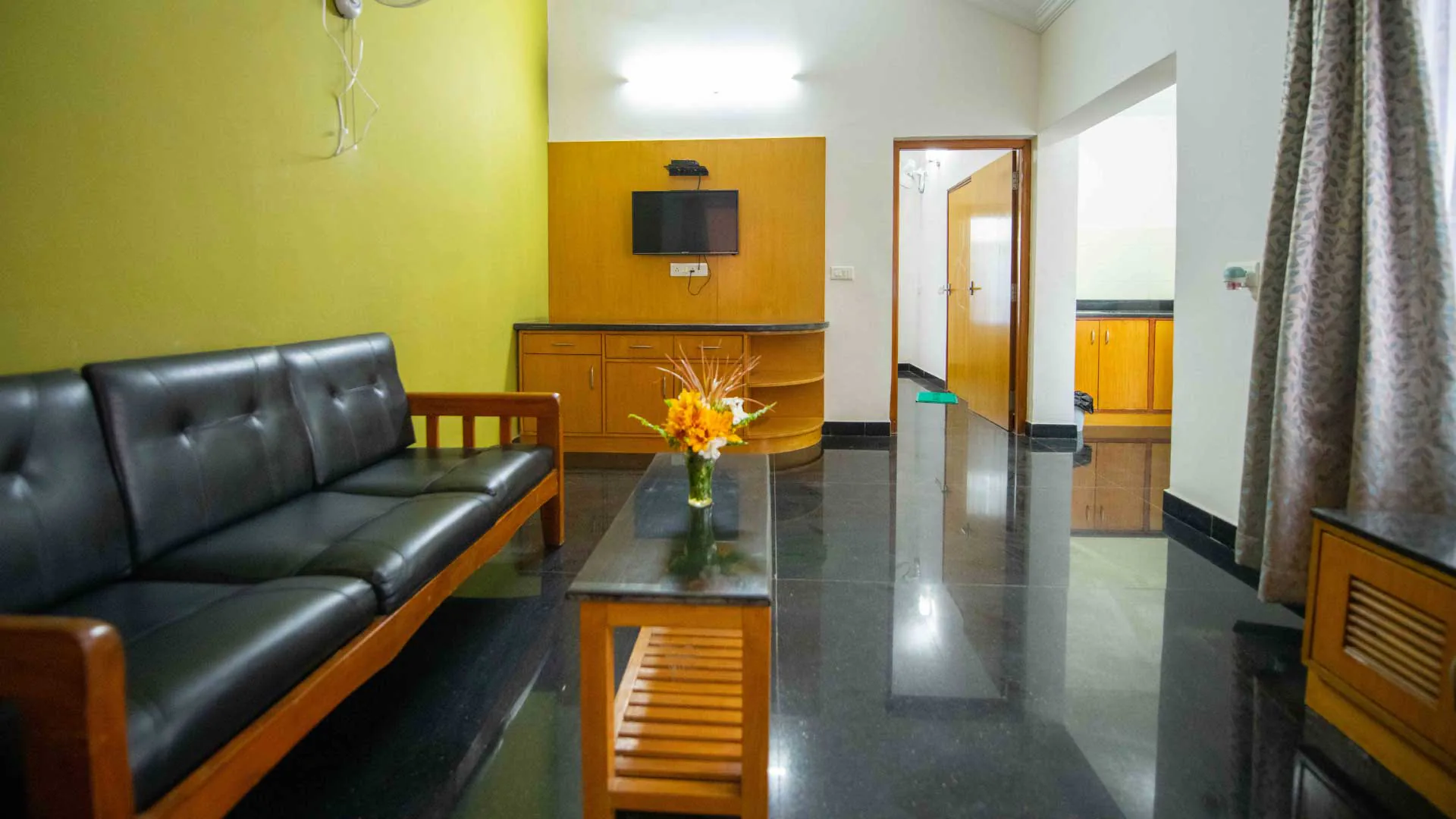
Hospital Lobby
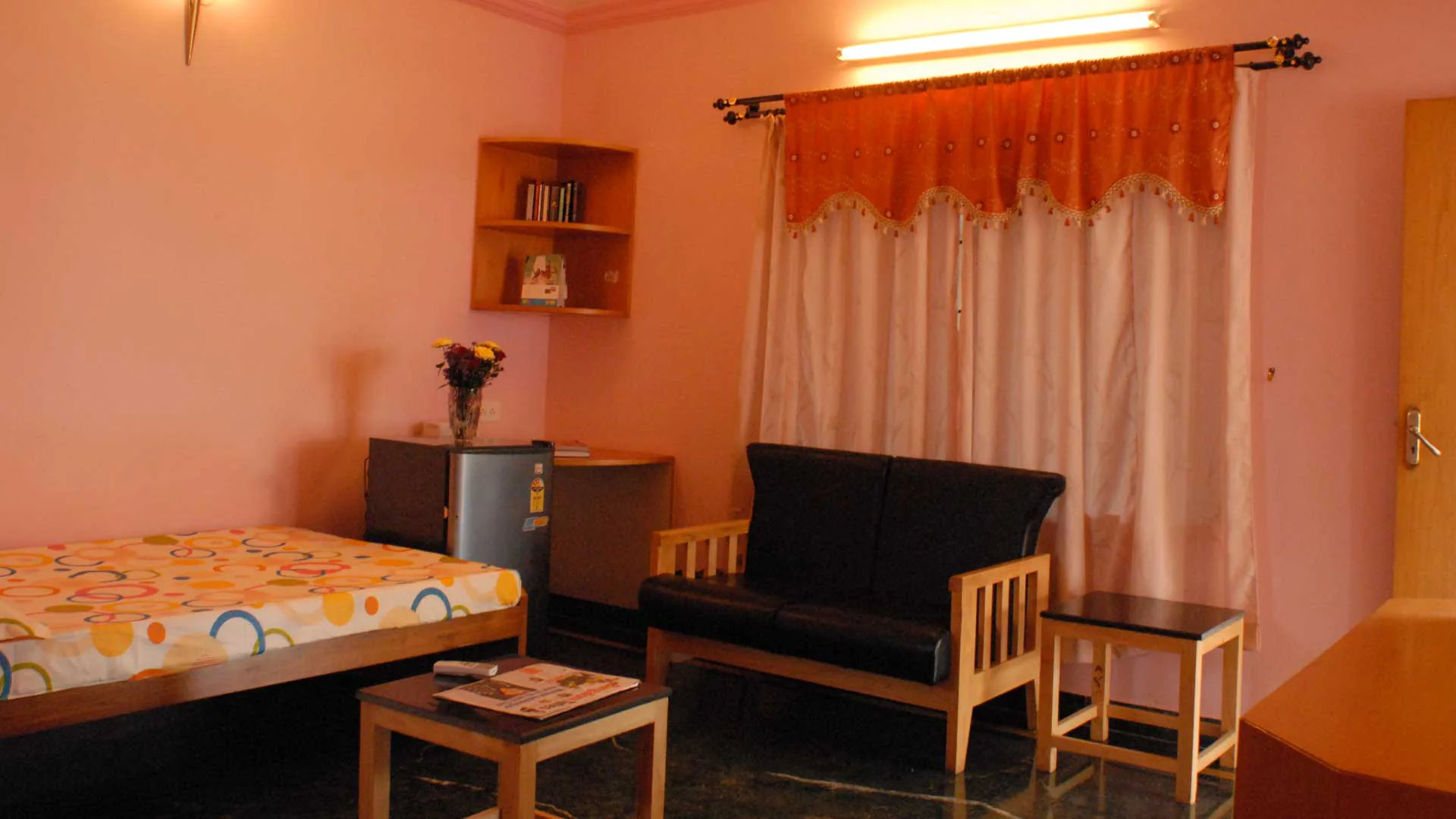
Recovery Experience

Rehab Unit
Patient Stories
What Our Clients Have To Say
Real stories from the families and individuals we’ve supported on their path to well-being.
5.0
Cadabam's Hospitals' team treated my family with empathy from the very first call. The care plan was clear, the doctors listened, and we finally felt supported through a difficult time.
A
Aishwarya G.
Verified patient
5.0
The therapists and psychiatrists worked together on a plan that actually fit our situation. Three decades of experience really shows — calm, professional, and genuinely caring.
S
Suresh L.
Verified patient
5.0
I was nervous about reaching out, but the team made me feel safe. The structured therapy and follow-ups have helped me get back to my routine and feel like myself again.
R
Rahul M.
Verified patient
Trusted by 10,000+ families · 4.5 ★ on Google Reviews
Evidence-Based Treatments for Religious OCD
Treating scrupulosity requires a specialized approach that differentiates between healthy religious practice and OCD-driven compulsions.
1. Cognitive Behavioral Therapy (CBT) & Exposure and Response Prevention (ERP)
ERP is the gold standard psychotherapy for OCD. In religious OCD:
- Exposure: Patients are gradually exposed to thoughts or situations that trigger religious anxiety (e.g., sitting with the uncertainty of whether a prayer was spoken perfectly).
- Response Prevention: Patients learn to resist performing compulsions (e.g., repeating the prayer or asking for reassurance).
- Faith-Sensitive Collaboration: Therapists often collaborate with open-minded religious scholars or leaders to help the patient distinguish between genuine religious requirements and OCD compulsions.
2. Pharmacotherapy (Medication)
- First-line medications include Selective Serotonin Reuptake Inhibitors (SSRIs) prescribed in higher doses appropriate for OCD management.
- Medications help reduce the intensity of intrusive thoughts and lower overall baseline anxiety, making ERP therapy more accessible and effective.
3. Acceptance and Commitment Therapy (ACT)
ACT teaches individuals to accept intrusive blasphemous or moral thoughts without judgment or engagement, helping them commit to actions that align with their true values rather than OCD fears.
Recovery Timeline: What to Expect
Recovery from religious OCD is a gradual process rather than an immediate cure.
- Initial Phase (Weeks 1–4): Comprehensive assessment, psychoeducation, and building a therapeutic alliance. Medication, if prescribed, begins to take initial effect.
- Active Therapy Phase (Weeks 5–16): Intensive ERP sessions. Patients begin confronting fear triggers and actively reducing compulsive behaviors.
- Maintenance & Relapse Prevention (6+ Months): Strengthening coping tools, fading therapy frequency, and learning how to manage potential flare-ups during religious holidays or stressful life events.
Understanding Scrupulosity in the Indian Context
In culturally rich and highly diverse societies like India, religious rituals and spiritual duties are central to daily life. It is common for families to misinterpret scrupulosity as deep piety or devotion. However, when prayer or purity rituals take hours, cause intense emotional distress, or prevent someone from fulfilling daily responsibilities, professional psychiatric support is essential.
Our multidisciplinary care teams across Bangalore and Mysore ensure that treatment respects your personal cultural and faith background while effectively targeting the OCD mechanism.
When to Seek Professional Help & Crisis Support
You should seek professional psychiatric evaluation if religious thoughts or rituals cause significant distress, consume more than an hour a day, or interfere with work, relationships, or daily living.
Emergency Note: If you or a loved one are experiencing severe psychological distress, severe depression, or thoughts of self-harm, please seek immediate medical intervention. Visit the nearest hospital emergency room or contact local helpline numbers immediately. Emergency crisis support is available 24/7.
Take the Next Step Toward Healing
Living with constant guilt and fear is exhausting, but religious OCD is highly treatable. With the right clinical care, you can regain control of your life and rebuild a healthy, peaceful relationship with your faith.
Reach out to our expert mental health team at Cadabam's Hospitals for a comprehensive assessment and personalized treatment plan.
Insights From Our Experts
Recent Stories from Our Blog
Psychological issues
Women's Mental Health
Psychological issues
Stress & Burnout
Newsletter