
The Cadabam’s Hospitals Difference
Why Cadabam’s Hospitals? What Makes Us Different?
Through our 8 specialty centers offering top-notch treatments across the nation, we have been helping thousands of people improve the quality of their lives.
33+
Years of Experience
10,000+
Happy Families
20+
Treatment Modalities
400+
Mental Health Experts
With over 33 years of expertise and knowledge, we promise to provide our clients the treatment that suits them the best. Whether the case involves substance addiction, alcoholism, sleeping issues, bipolar disorder, or schizophrenia, our experts know how to handle it in a way that it’s in the best interest of the client and their family.
Our state-of-the-art infrastructure, experienced professionals, and strong support system enable us to offer world-class evidence-based treatment that fits all stages and types of mental health concerns that you may have.
At Cadabam’s Hospitals, we’ve always got your back.
Our Facilities
Our Infrastructure & Care Facilities
Purpose-built rehabilitation centres, clinical equipment, and support services designed to drive better patient outcomes.

Ananya Campus

Ananya Rehabilitation Centre

Private Cottages

Campus Entrance
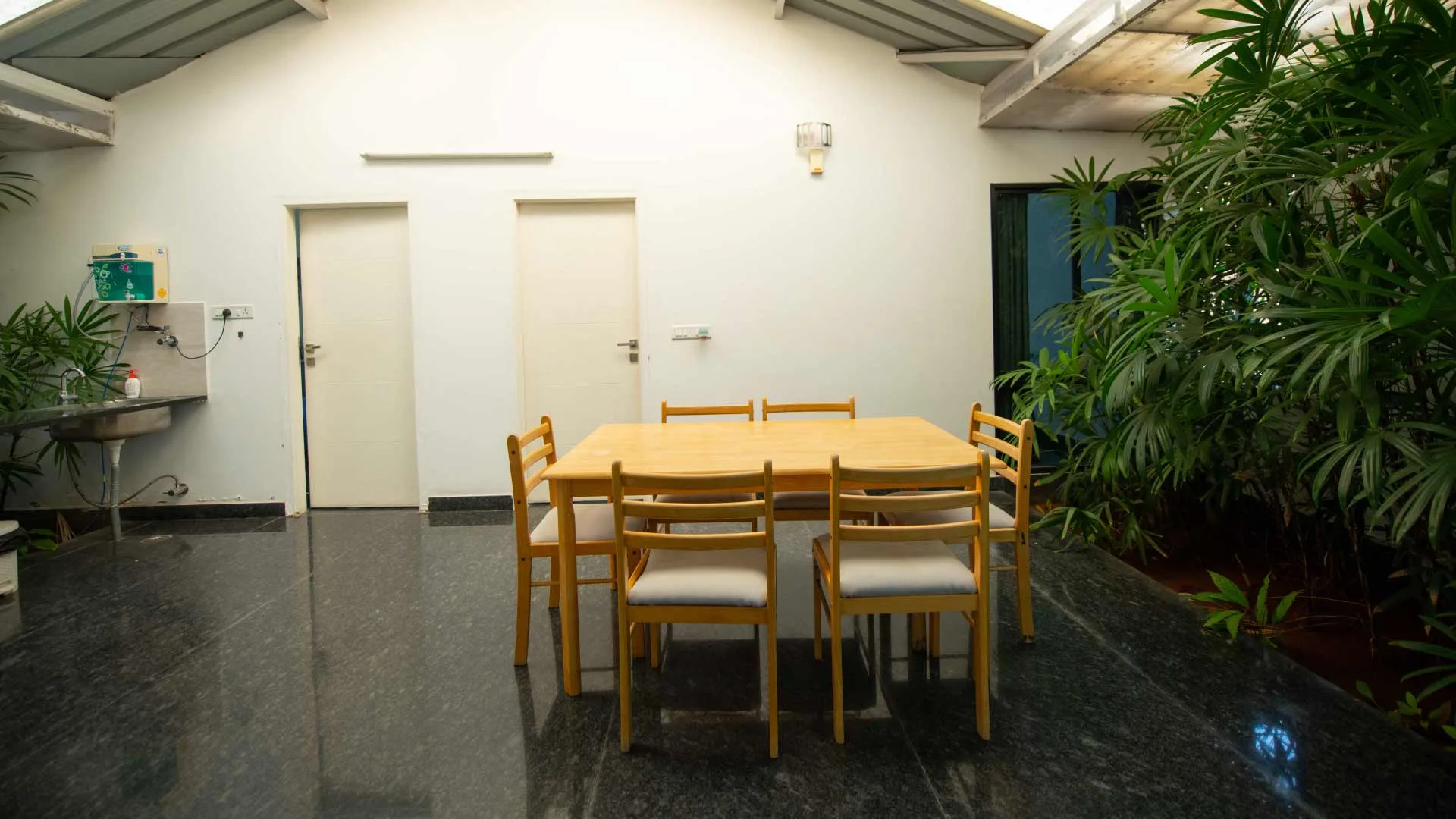
Healing Environment
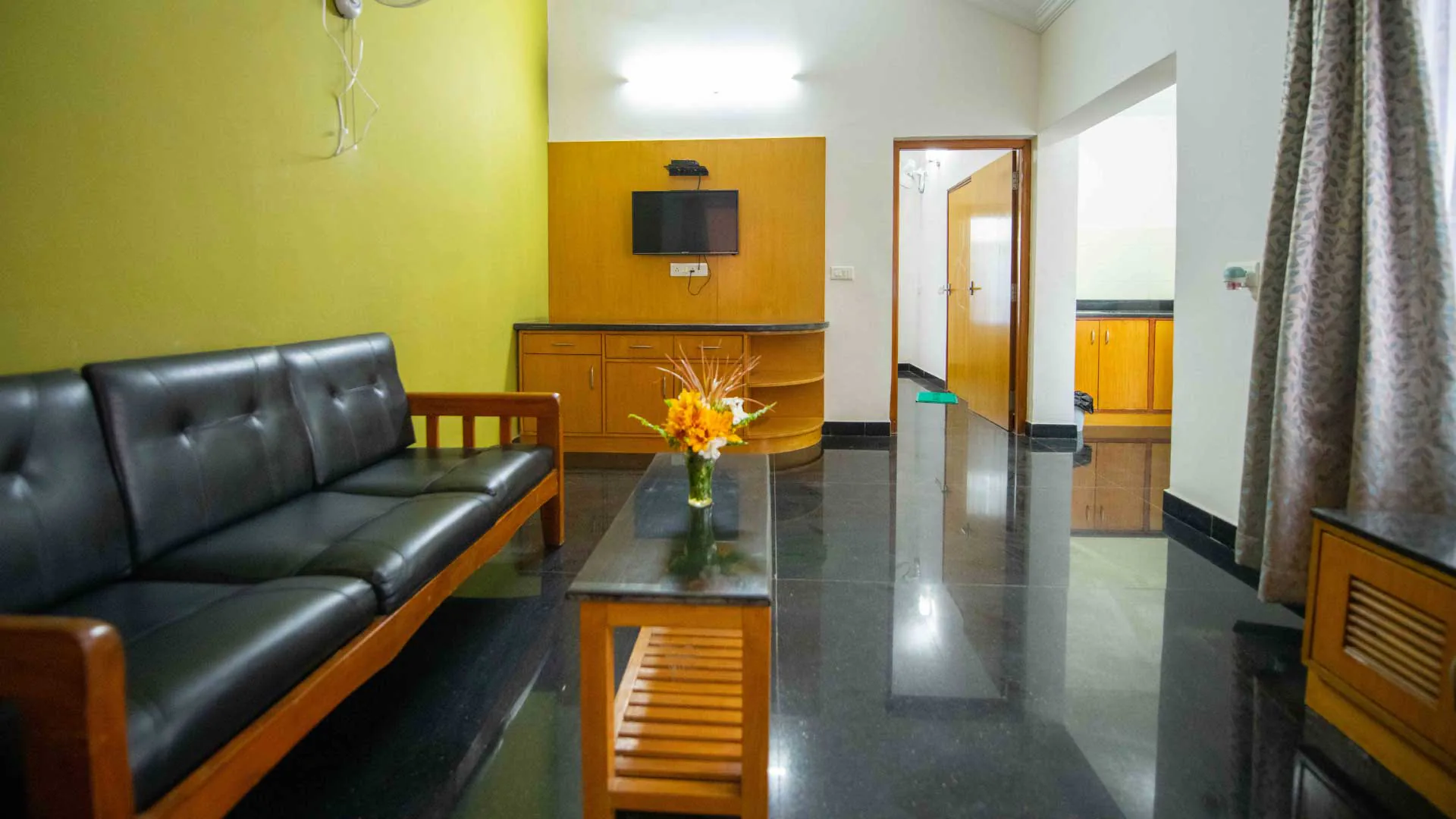
Hospital Lobby
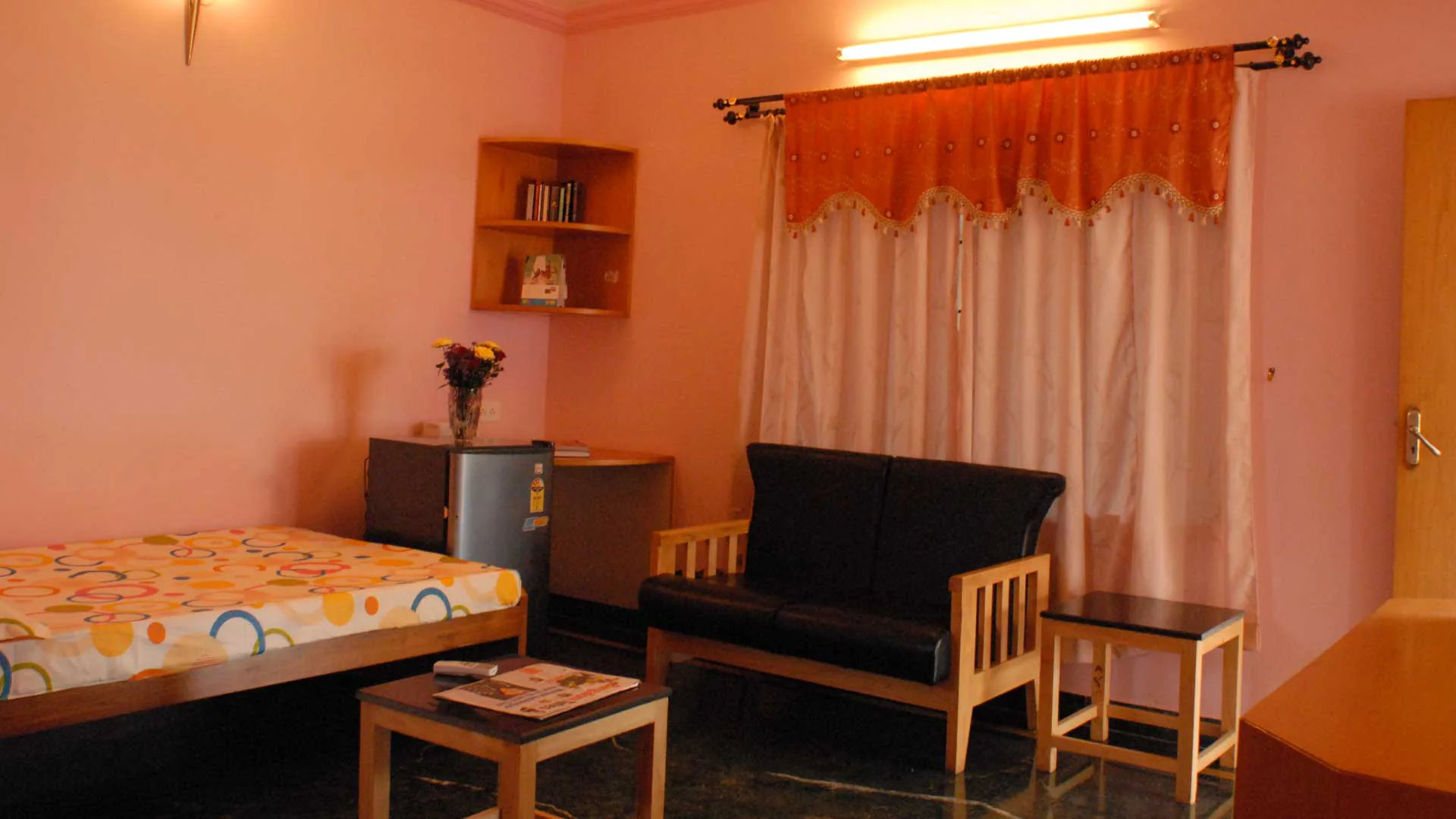
Recovery Experience

Rehab Unit
Patient Stories
What Our Clients Have To Say
Real stories from the families and individuals we’ve supported on their path to well-being.
5.0
Cadabam's Hospitals' team treated my family with empathy from the very first call. The care plan was clear, the doctors listened, and we finally felt supported through a difficult time.
A
Aishwarya G.
Verified patient
5.0
The therapists and psychiatrists worked together on a plan that actually fit our situation. Three decades of experience really shows — calm, professional, and genuinely caring.
S
Suresh L.
Verified patient
5.0
I was nervous about reaching out, but the team made me feel safe. The structured therapy and follow-ups have helped me get back to my routine and feel like myself again.
R
Rahul M.
Verified patient
Trusted by 10,000+ families · 4.5 ★ on Google Reviews
Why Does Schizophrenia Cause Aggression Toward Family?
Aggression in schizophrenia does not stem from a flawed character or deliberate malice. Clinically, hostile outbursts are typically reactive behaviors triggered by severe cognitive distortions and altered neurobiology. Understanding the underlying drivers helps families shift from self-blame to targeted clinical care.
1. Paranoid Delusions
Paranoia is a primary driver of hostility. A person experiencing persecutory delusions genuinely believes that others—including their closest family members—are spying on them, poisoning their food, or plotting to harm them. When someone believes their life is in danger, their aggression is a fear-based self-defense mechanism. For more information on how paranoid beliefs form, explore our detailed guide on paranoid schizophrenia symptoms, causes, and treatment.
2. Command Hallucinations
Auditory hallucinations often involve harsh, critical, or commanding voices. In acute psychotic states, command hallucinations may explicitly instruct the individual to defend themselves or strike out against people nearby. The intense distress of hearing persistent voices can leave individuals overwhelmed, leading to explosive emotional reactions.
3. Cognitive Disorganisation and Emotional Dysregulation
Schizophrenia affects the prefrontal cortex, impairing impulse control, executive function, and emotional regulation. When processing simple everyday requests becomes overwhelming, the individual may experience severe emotional overload. What appears to be sudden rage ("why are schizophrenics so angry?") is often a breakdown in the brain's ability to cope with stimulation, frustration, or communication.
Why Family Members Are Often the Target
It is a painful paradox for caregivers: why does a person with schizophrenia direct their intense anger toward the very people working hardest to support them? Clinically, family members become the focal point of agitation for three main reasons:
- Physical Proximity: Family members spend the most time around the individual. High exposure increases the likelihood that routine interactions are misinterpreted during periods of active psychosis.
- Delusional Focus: Paranoid delusions naturally anchor to familiar figures. In conditions like Capgras syndrome or persecutory psychosis, the person may believe a parent or spouse has been replaced by an imposter or is secretly orchestrating a conspiracy against them.
- High Expressed Emotion (EE): In family environments where worry, criticism, hyper-vigilance, or intense emotional reactions occur—often understandably due to high caregiver stress—the individual's stress response can be triggered. Studies in Indian psychiatric settings, including research from institutions like NIMHANS, emphasize that high Expressed Emotion within the household can inadvertently elevate psychotic relapse rates and trigger defensive agitation.
Understanding these mechanics confirms an essential truth: your loved one's hostility is a symptom of neurobiological illness, not a reflection of your worth or relationship. To learn more about navigating broader household dynamics, read our guide on the impact of schizophrenia on family and relationships.
Is a Person With Schizophrenia Dangerous?
Public stigma often portrays individuals with schizophrenia as inherently violent, but psychiatric evidence shows a very different reality. The vast majority of people receiving consistent treatment for schizophrenia are not violent or dangerous.
Clinical data indicates that the small increased risk of violence associated with schizophrenia is heavily concentrated in specific, unmanaged circumstances:
| Clinical Risk Factor | Impact on Aggression Risk | Clinical Resolution |
|---|---|---|
| Untreated Active Psychosis | High risk of fear-driven self-defense outbursts | Antipsychotic stabilization |
| Substance Use Co-morbidity | Significantly increases impulsivity and agitation | Integrated dual-diagnosis treatment |
| Medication Non-Adherence | Leads to rapid symptom relapse and paranoia | Supervised care, long-acting injectables |
| Consistent Psychiatric Care | Risk normalises to general population levels | Maintenance therapy & outpatient follow-up |
Rather than being predatory, individuals exhibiting schizophrenia aggression towards family are almost always terrified, confused, and responding to a perceived threat that feels completely real to them.
How to Respond When a Family Member With Schizophrenia Becomes Aggressive
During an acute episode of agitation at home, how caregivers respond can either de-escalate the situation or escalate the perceived threat. Here are practical, safe management strategies:
What to Do During an Escalation
- Maintain a Calm Demeanor: Agitation is contagious. Speak slowly, keep your voice at a lower pitch, and maintain neutral body language. Avoid sudden movements or physical contact.
- Create Physical Space: Step back and ensure you are not standing between the person and the exit. Giving them physical space reduces their feeling of being trapped.
- Validate the Emotion, Not the Delusion: Do not argue with or try to reason someone out of a psychotic belief. Instead of saying "Nobody is trying to poison you," say "I can see that you are feeling scared right now, and I want to help you feel safe."
- Clear the Environment: Quietly remove potential hazards (sharp objects, heavy items) from the immediate area if it is safe to do so. Reduce environmental stimulation by turning off loud televisions or lowering lights.
Emergency Interventions in India
If there is immediate danger to the individual or family members:
- Ensure Safety: Step out of the room or house to safety.
- Contact Emergency Services: Call 112 (India's universal emergency number) or your local mental health crisis line. State clearly to the dispatcher: "This is a medical and mental health emergency involving active psychosis."
- Legal Framework Support: Under Section 115 of India's Mental Healthcare Act 2017 (MHCA), families and law enforcement can seek emergency psychiatric assessment and medical intervention for an individual presenting an immediate risk to self or others.
After the episode subsides, avoid lecturing or demanding an apology. The person may feel profound exhaustion or have fragmented memory of the event.
The Role of Treatment in Reducing Schizophrenia Aggression
Aggression in schizophrenia is a treatable medical symptom. When the underlying psychosis is stabilized, aggressive behavior typically resolves. Comprehensive treatment strategies include:
- Antipsychotic Medication: Modern atypical antipsychotics work by regulating dopamine and serotonin pathways, directly reducing paranoid delusions, agitation, and hallucinations. For individuals struggling with medication non-adherence, long-acting injectable (LAI) antipsychotics provide consistent relief without daily pill burdens.
- Cognitive Behavioral Therapy for Psychosis (CBTp): CBTp helps individuals identify distress triggers, manage persistent auditory voices, and develop coping mechanisms for emotional overload.
- Family Psychoeducation: Programs designed for families teach caregivers how to communicate effectively, manage crises, and lower Expressed Emotion in the home environment, which significantly lowers relapse rates.
- Inpatient & Residential Stabilization: When home management becomes unsafe or medication adjustments require intensive monitoring, specialized inpatient programs provide a secure, structured space for stabilization. Learn more about our specialized inpatient infrastructure across our treatment centers.
Supporting Yourself as a Family Member
Caring for a relative who exhibits unpredictable hostility takes a severe physical and emotional toll. Caregivers frequently experience severe caregiver burnout, chronic anxiety, grief, and profound guilt.
Seeking professional help for yourself is not an act of betrayal or abandonment—it is an essential requirement for long-term caregiving.
       Caregiver Self-Care Continuum
+------------------------------------------+
|  1. Acknowledge Burnout & Set Boundaries |
+------------------------------------------+
                    |
                    v
+------------------------------------------+
|  2. Participate in Family Psychoeducation |
+------------------------------------------+
                    |
                    v
+------------------------------------------+
|  3. Join Specialized Caregiver Groups    |
+------------------------------------------+
                    |
                    v
+------------------------------------------+
|  4. Utilize Respite & Inpatient Care     |
+------------------------------------------+
At Cadabam's, caregiver support is an integral component of psychiatric recovery. We offer family counseling sessions, structured psychoeducation, and respite care options to ensure families do not have to carry this burden alone.
When to Seek Help & Emergency Support
When to Seek Immediate Help: If your family member is experiencing severe paranoia, command hallucinations instructing harm, unmanageable verbal or physical aggression, or poses an immediate threat to themselves or others, seek emergency medical intervention right away. Do not wait for symptoms to escalate further.
Getting Help for Schizophrenia at Cadabam's
With over 30 years of clinical excellence in adult psychiatry, Cadabam's Hospitals provides comprehensive, evidence-based care for individuals living with schizophrenia and their families. Our NABH-accredited facilities in Bangalore and Mysore offer:
- 24/7 emergency psychiatric intervention and crisis stabilization.
If you or your family are struggling to manage schizophrenia symptoms or aggression, expert compassionate care is available. Contact Cadabam's Hospitals today to consult with our specialized psychiatric team and explore personalized treatment plans.
FAQ
Frequently Asked Questions
It is not genuine hatred; it is psychosis. Severe paranoid delusions often focus on primary caregivers because of physical proximity. When paranoid beliefs make them feel threatened, their defensive fear presents as intense anger or rejection. With effective psychiatric treatment, this perception clears.
If there is immediate physical danger, prioritize safety and call emergency services (112 in India), specifying a mental health crisis. For non-immediate or escalating aggression, contact Cadabam's emergency psychiatry team at +91 97414 76476 to arrange an urgent clinical evaluation or safe admission.
Yes. Aggression prevention relies on consistent medication adherence, regular psychiatric follow-ups, and family psychoeducation. Spotting early warning signs of decompensation—such as disturbed sleep, increasing withdrawal, or subtle paranoid comments—allows for early clinical adjustments before aggression occurs.
If there is an immediate threat to life or physical safety, contact emergency authorities. When doing so, clearly inform the officers that the individual has a diagnosed psychiatric condition. In India, Section 115 of the Mental Healthcare Act 2017 enables law enforcement and families to transport an acutely unwell individual to a recognized psychiatric facility for evaluation. ---
Insights From Our Experts
Recent Stories from Our Blog
Psychological issues
Women's Mental Health
Psychological issues
Stress & Burnout
Newsletter