The Cadabam’s Hospitals Difference
Why Cadabam’s Hospitals? What Makes Us Different?
Through our 8 specialty centers offering top-notch treatments across the nation, we have been helping thousands of people improve the quality of their lives.
33+
Years of Experience
10,000+
Happy Families
20+
Treatment Modalities
400+
Mental Health Experts
With over 33 years of expertise and knowledge, we promise to provide our clients the treatment that suits them the best. Whether the case involves substance addiction, alcoholism, sleeping issues, bipolar disorder, or schizophrenia, our experts know how to handle it in a way that it’s in the best interest of the client and their family.
Our state-of-the-art infrastructure, experienced professionals, and strong support system enable us to offer world-class evidence-based treatment that fits all stages and types of mental health concerns that you may have.
At Cadabam’s Hospitals, we’ve always got your back.
Our Facilities
Our Infrastructure & Care Facilities
Purpose-built rehabilitation centres, clinical equipment, and support services designed to drive better patient outcomes.
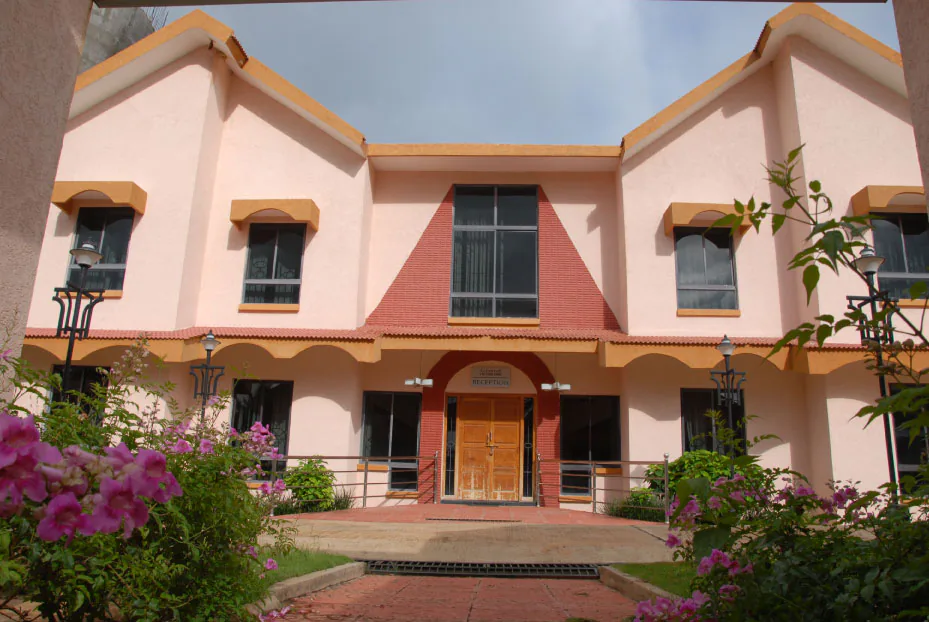
Ananya Rehabilitation Centre
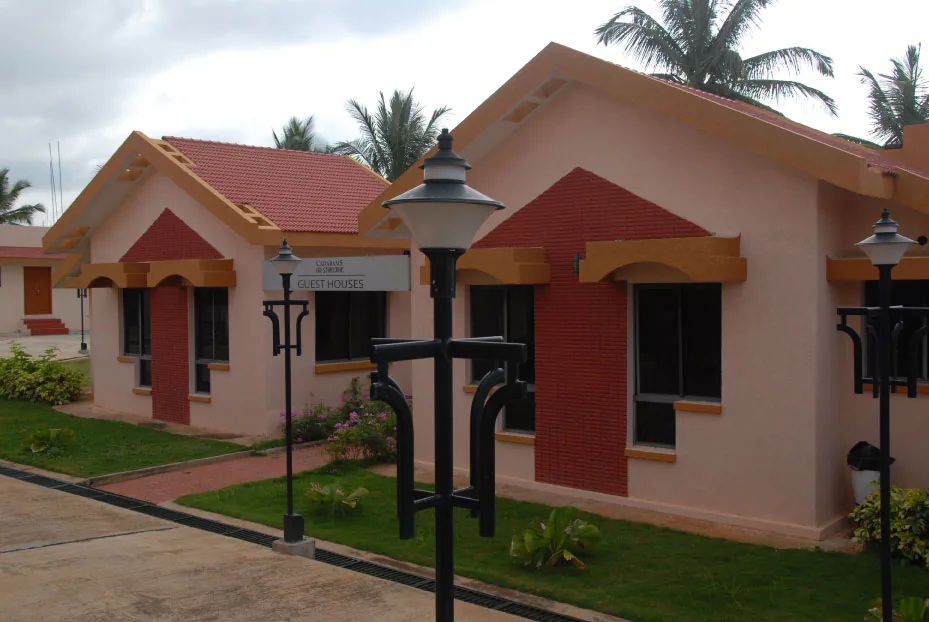
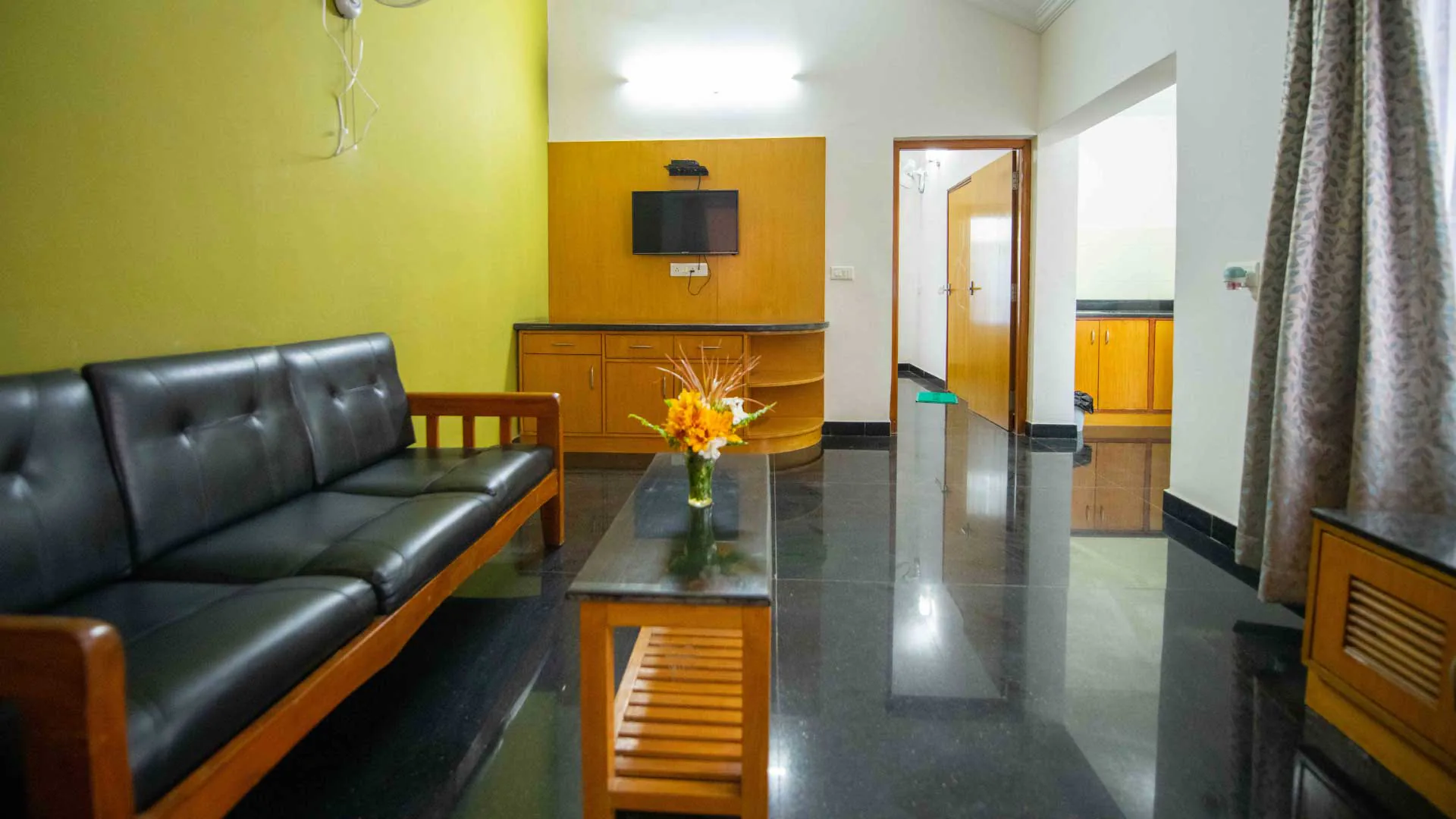
Private Cottages
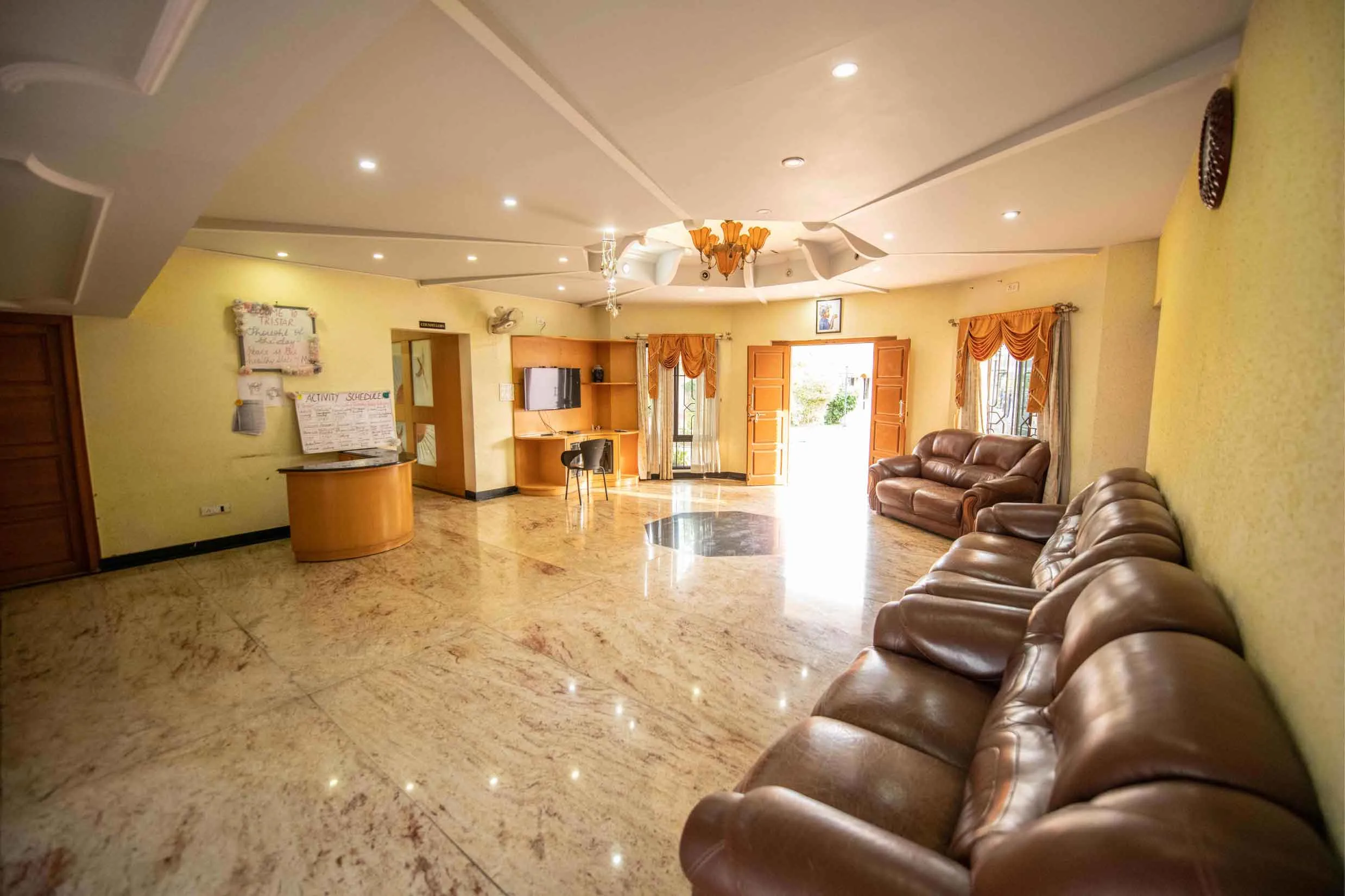
Campus Entrance
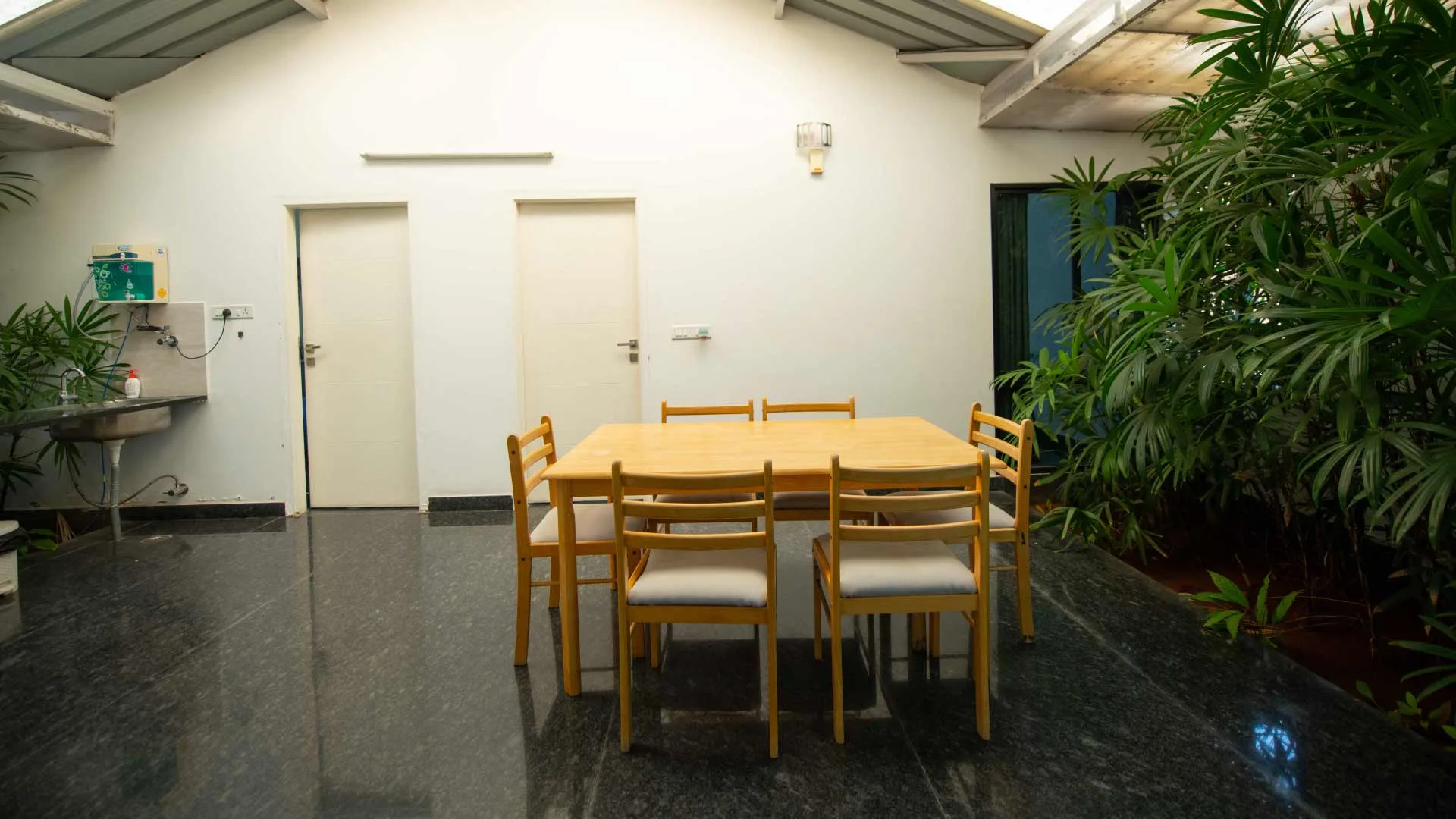
Healing Environment
Hospital Lobby
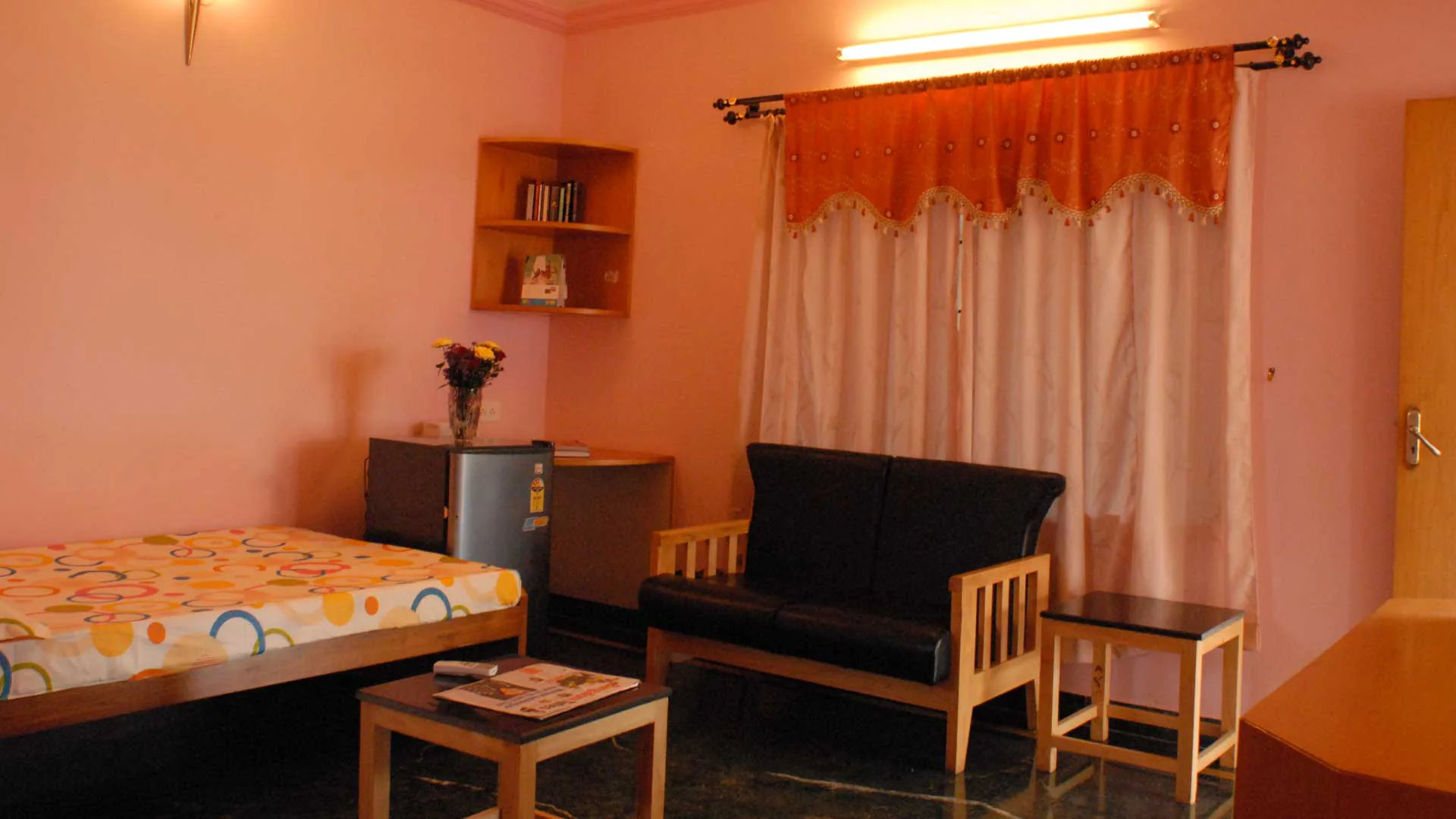
Recovery Experience

Rehab Unit
Patient Stories
What Our Clients Have To Say
Real stories from the families and individuals we’ve supported on their path to well-being.
5.0
Cadabam's Hospitals' team treated my family with empathy from the very first call. The care plan was clear, the doctors listened, and we finally felt supported through a difficult time.
A
Aishwarya G.
Verified patient
5.0
The therapists and psychiatrists worked together on a plan that actually fit our situation. Three decades of experience really shows — calm, professional, and genuinely caring.
S
Suresh L.
Verified patient
5.0
I was nervous about reaching out, but the team made me feel safe. The structured therapy and follow-ups have helped me get back to my routine and feel like myself again.
R
Rahul M.
Verified patient
Trusted by 10,000+ families · 4.5 ★ on Google Reviews
Understanding Sugam Foundation De Addiction Centre Rehabilitation Centre
Understanding the role of a sugam foundation de addiction centre rehabilitation centre and foundation-based de-addiction programs is essential for addressing India’s growing public health challenge of substance dependence. Addiction is recognized by clinical guidelines, including those established by NIMHANS and the Indian Psychiatric Society, as a chronic, relapsing brain disease. It is characterized by compulsive substance seeking and use despite harmful consequences to physical health, emotional well-being, and social standing.
Residential de-addiction centers provide a safe, structured environment away from triggers and stressors that contribute to substance abuse. Treatment usually progresses through distinct clinical phases: medical stabilization and detoxification, primary psychological therapy, skill-building for relapse prevention, and aftercare planning. During the initial detoxification phase, lasting typically between 7 to 14 days, medical professionals manage acute withdrawal symptoms safely.
Following stabilization, long-term rehabilitation programs—ranging from 30 days to several months—focus on addressing the underlying psychological factors driving addiction. Utilizing evidence-based modalities such as Cognitive Behavioral Therapy (CBT), Motivational Enhancement Therapy (MET), and structured psychoeducation, individuals learn coping mechanisms to manage cravings, resolve emotional distress, and rebuild personal and professional stability.
Signs and Symptoms
Identifying when substance use has crossed the line into physical or psychological dependence is essential for timely intervention. Addiction manifests across physical, psychological, and behavioral domains.
Physical Indicators
- Tolerance: Requiring progressively larger quantities of alcohol, opioids, prescription drugs, or other substances to achieve the desired effect.
- Withdrawal Symptoms: Experiencing physical discomfort such as tremors, sweating, nausea, insomnia, racing heart rate, or seizures when reducing or stopping substance use.
- Neglect of Physical Health: Noticeable weight loss, changes in sleep patterns, chronic fatigue, and neglect of personal hygiene.
Psychological Indicators
- Intense Cravings: An overwhelming physical or mental urge to consume the substance, dominating daily thought processes.
- Loss of Control: Inability to limit substance consumption despite repeated personal resolutions to quit or cut back.
- Co-Occurring Mood Disturbance: Persistent anxiety, irritability, depressive episodes, or emotional volatility linked to substance use patterns.
Behavioral and Social Indicators
- Impaired Social and Work Functioning: Decline in work performance, frequent absenteeism, strained relationships, and withdrawal from family activities.
- Financial and Legal Troubles: Unexplained financial strain, borrowing money excessively, or facing legal difficulties stemming from substance-related behaviors.
- Secretive Behavior: Engaging in covert actions to hide substance supplies, lying about usage levels, or isolating from supportive friends and family members.
When to Seek Help
If substance use begins to interfere with health, safety, family stability, or daily responsibilities, seeking professional assessment from an addiction specialist or psychiatrist is critical. Early intervention significantly improves long-term recovery outcomes and minimizes permanent physical and psychological harm.
If you or someone you know is experiencing acute severe withdrawal (such as seizures or delirium tremens), an accidental overdose, or active suicidal thoughts, please visit the nearest emergency room or contact local emergency medical services immediately.
How Cadabam'S Hospitals Can Help
Cadabam's Hospitals is a pioneer in adult psychiatric care and residential rehabilitation in India, offering NABH-accredited facilities in Bangalore and Mysore. With over three decades of clinical expertise, Cadabam's provides holistic, evidence-based de-addiction care tailored to the unique needs of every individual.
Our multidisciplinary care teams consist of consultant psychiatrists, clinical psychologists, psychiatric social workers, certified addiction counselors, and trained nursing staff. We treat a wide range of addictions, including alcohol dependence, substance use disorders (opioids, cannabis, prescription medications), and behavioral addictions.
Key Features of Cadabam'S De-Addiction Services:
- Medically Supervised Detoxification: Round-the-clock medical monitoring to manage withdrawal safely and comfortably.
- Dual-Diagnosis Management: Integrated treatment plans addressing co-occurring mental health conditions such as depression, anxiety, bipolar disorder, or trauma.
- Comprehensive Psychotherapy: Individual therapy, group therapy, family counseling, and relapse prevention training using validated modalities like CBT and MET.
- Structured Rehabilitation Facilities: Safe, supportive residential care environments focused on routine, life skills training, holistic wellness, and stress management.
- Aftercare and Reintegration: Step-down programs, half-way home facilities, and outpatient follow-ups to ensure continuous support during community reintegration.
To learn more about our structured addiction recovery programs or to schedule an evaluation with a specialist, please reach out to our team directly.
FAQ
Frequently Asked Questions
Professional de-addiction centers provide comprehensive care, including medical detoxification, psychiatric evaluation, individual and group psychotherapy, family counseling, life skills training, and structured relapse prevention planning.
The duration of residential rehabilitation varies based on individual clinical needs, the severity of dependence, and co-occurring conditions. Standard programs typically range from 30 days to 90 days, with options for extended step-down care if necessary.
Yes. Family involvement is a vital component of successful addiction treatment. Programs include structured family therapy sessions and psychoeducation to help relatives understand addiction, repair communication, and create a supportive home environment for recovery.
Dual diagnosis refers to the presence of both a substance use disorder and a mental health condition (such as depression, anxiety, or PTSD) at the same time. Integrated dual-diagnosis treatment addresses both conditions simultaneously for optimal long-term outcomes. --- Disclaimer: This content is for general information only and is not a substitute for professional medical advice. Always consult a qualified healthcare provider or psychiatrist for clinical diagnosis and treatment planning.
Insights From Our Experts
Recent Stories from Our Blog
Psychological issues
Women's Mental Health
Psychological issues
Stress & Burnout
Newsletter