

The Cadabam’s Hospitals Difference
Why Cadabam’s Hospitals? What Makes Us Different?
Through our 8 specialty centers offering top-notch treatments across the nation, we have been helping thousands of people improve the quality of their lives.
33+
Years of Experience
10,000+
Happy Families
20+
Treatment Modalities
400+
Mental Health Experts
With over 33 years of expertise and knowledge, we promise to provide our clients the treatment that suits them the best. Whether the case involves substance addiction, alcoholism, sleeping issues, bipolar disorder, or schizophrenia, our experts know how to handle it in a way that it’s in the best interest of the client and their family.
Our state-of-the-art infrastructure, experienced professionals, and strong support system enable us to offer world-class evidence-based treatment that fits all stages and types of mental health concerns that you may have.
At Cadabam’s Hospitals, we’ve always got your back.
Our Facilities
Our Infrastructure & Care Facilities
Purpose-built rehabilitation centres, clinical equipment, and support services designed to drive better patient outcomes.

Ananya Rehabilitation Centre
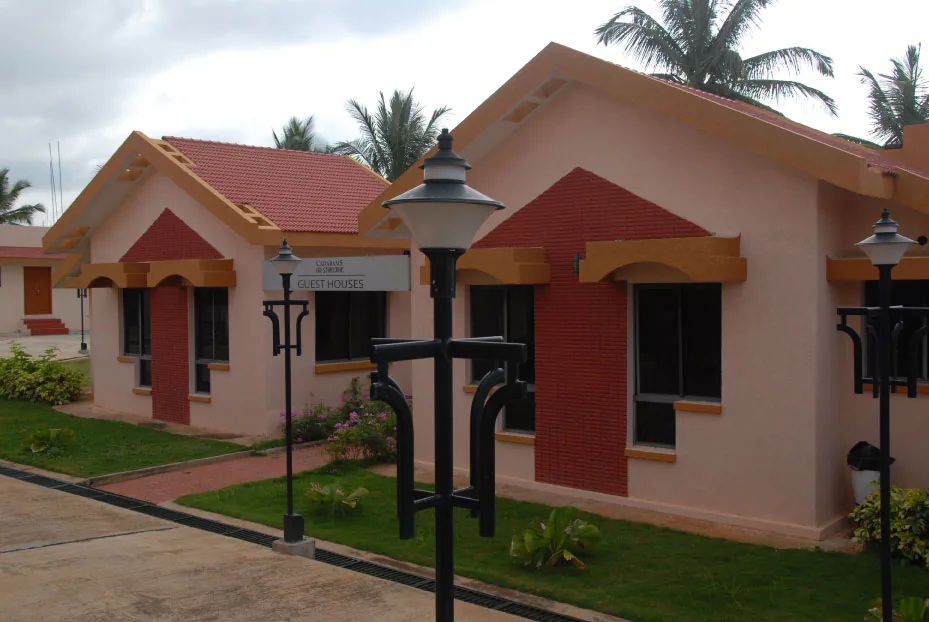
Private Cottages

Campus Entrance
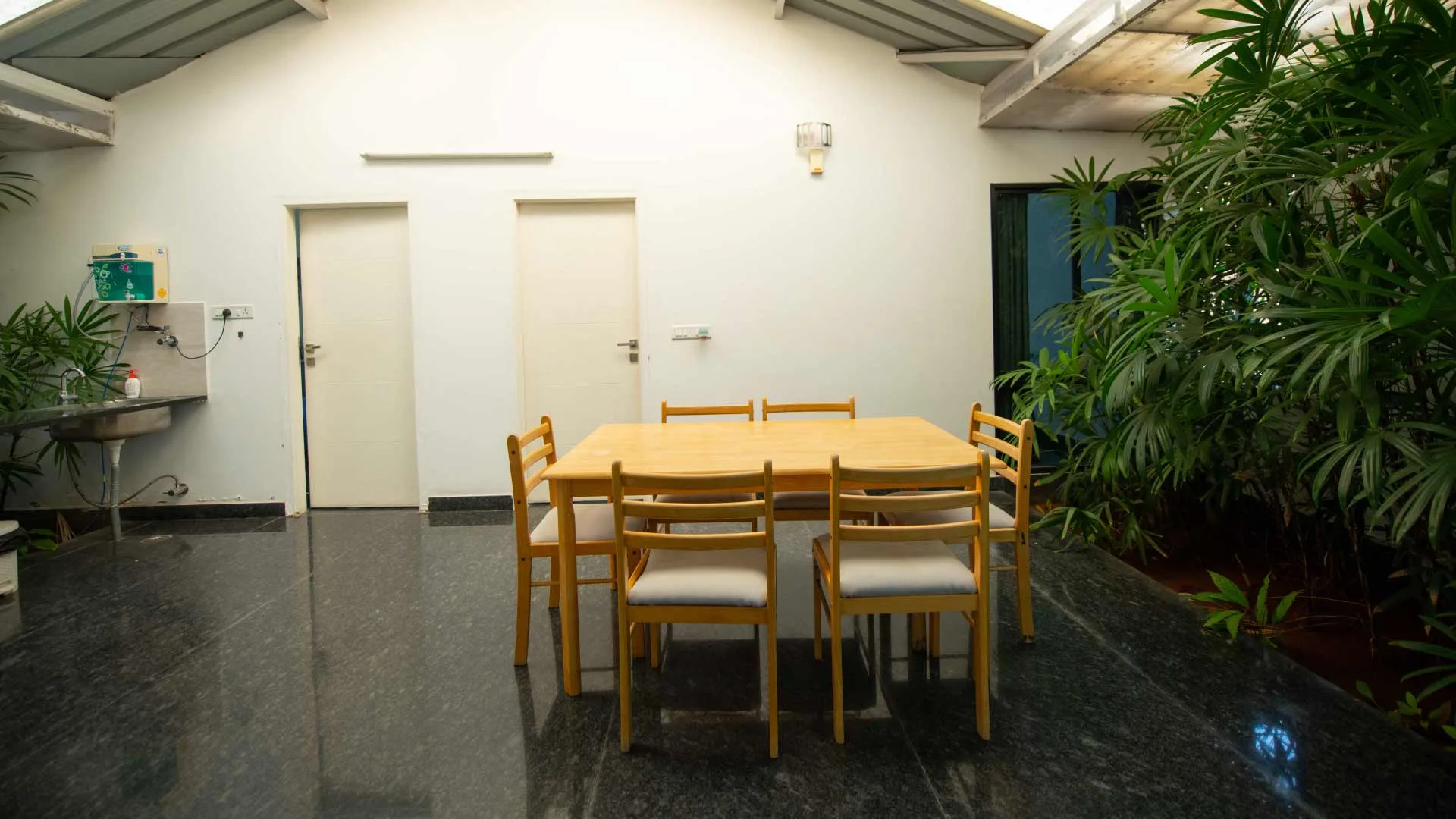
Healing Environment
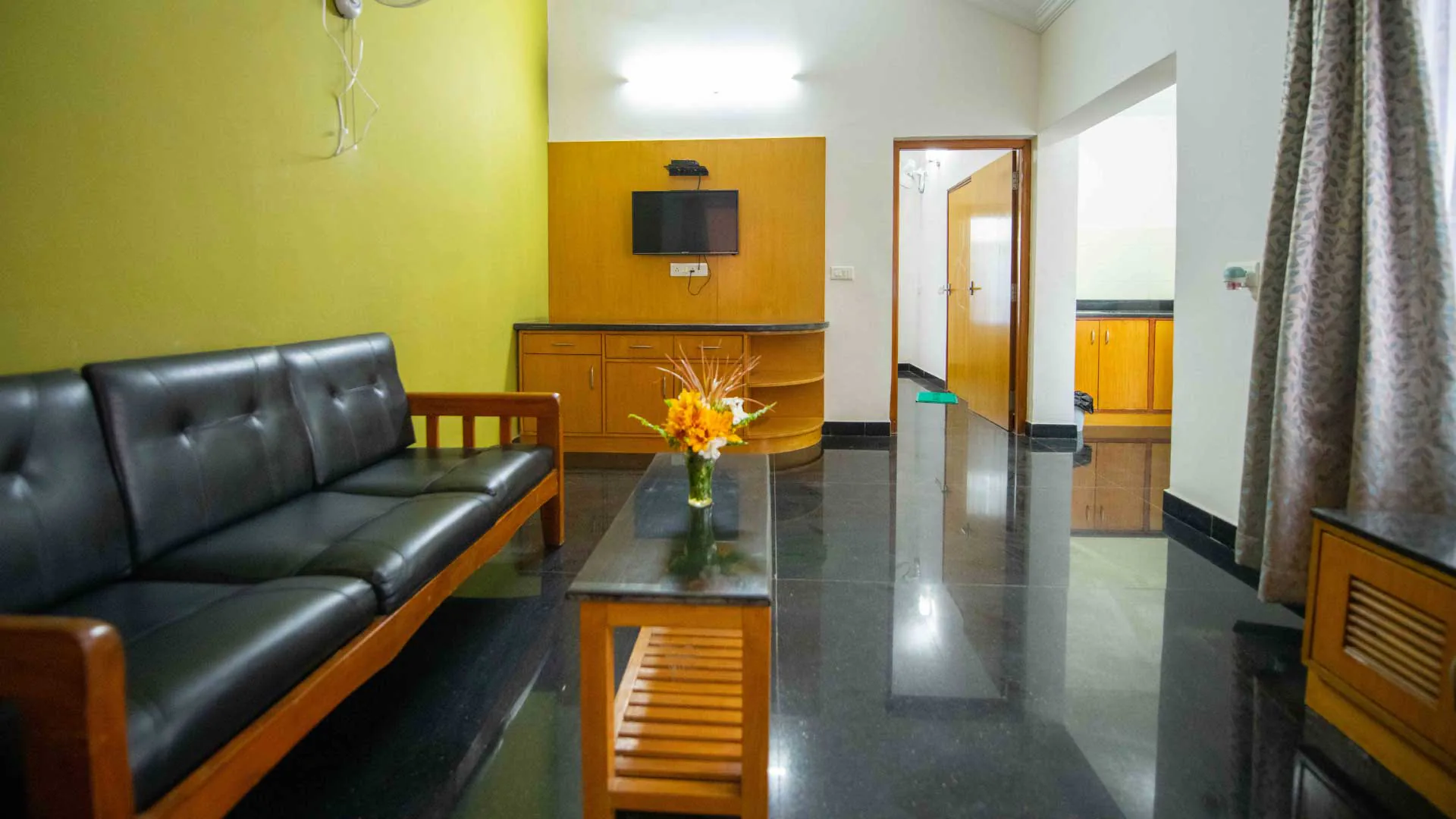
Hospital Lobby
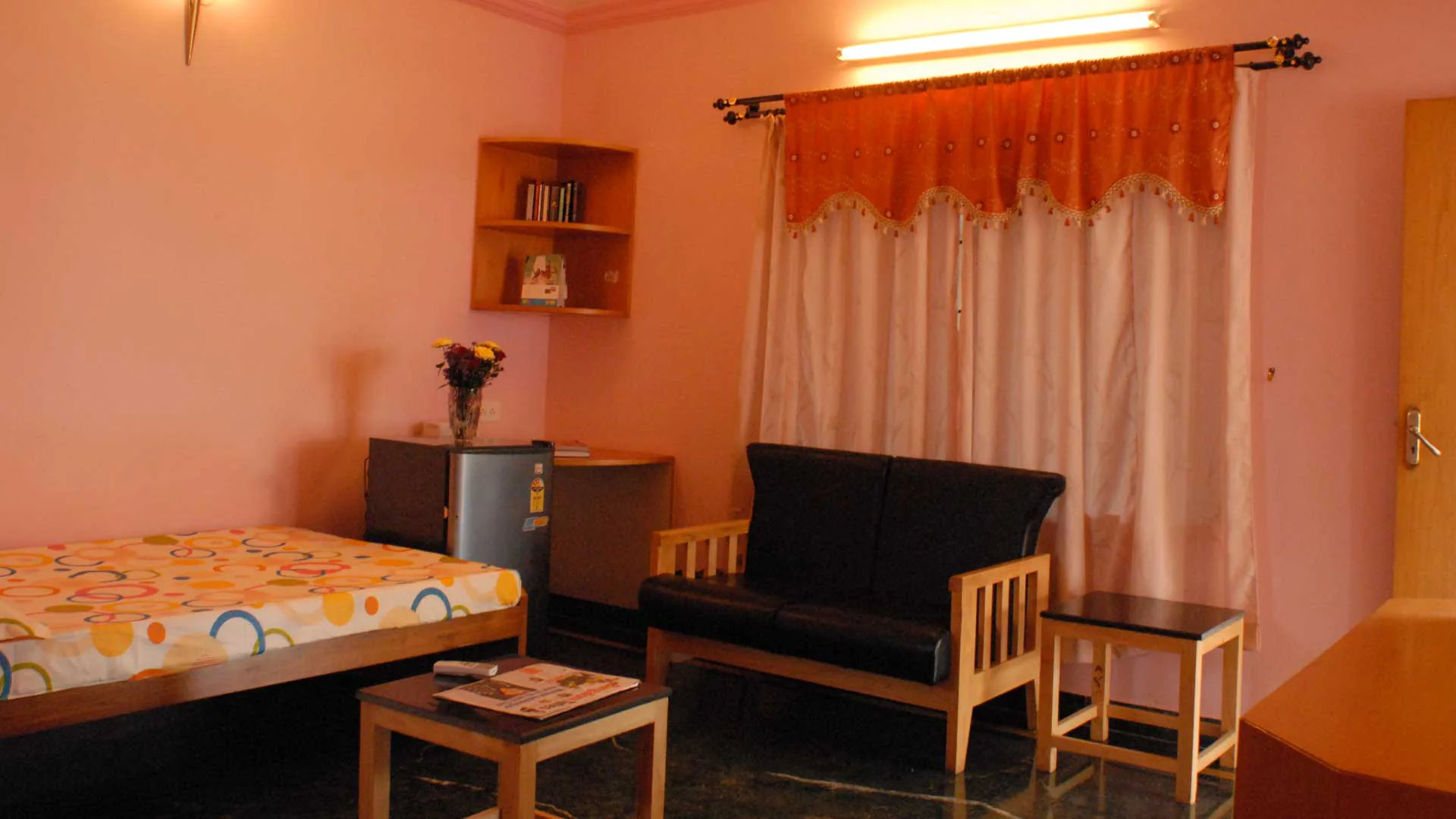
Recovery Experience

Rehab Unit
Patient Stories
What Our Clients Have To Say
Real stories from the families and individuals we’ve supported on their path to well-being.
5.0
Cadabam's Hospitals' team treated my family with empathy from the very first call. The care plan was clear, the doctors listened, and we finally felt supported through a difficult time.
A
Aishwarya G.
Verified patient
5.0
The therapists and psychiatrists worked together on a plan that actually fit our situation. Three decades of experience really shows — calm, professional, and genuinely caring.
S
Suresh L.
Verified patient
5.0
I was nervous about reaching out, but the team made me feel safe. The structured therapy and follow-ups have helped me get back to my routine and feel like myself again.
R
Rahul M.
Verified patient
Trusted by 10,000+ families · 4.5 ★ on Google Reviews
Understanding Therapist Near Me for Depression
When searching for a "therapist near me for depression," it is essential to understand what professional therapy involves and how local, specialized care supports recovery. Therapy provides a structured, confidential environment where individuals can explore cognitive patterns, emotional triggers, and behavioral responses under the guidance of a trained mental health professional.
In Indian psychiatric and psychological practice, treatment plans are designed around clinical severity and patient needs. Evidence-based psychotherapy helps individuals reframe unhelpful thought patterns, rebuild routine functionality, and develop effective coping mechanisms. Accessing care locally ensures continuity, consistent session attendance, and strong family involvement when appropriate.
Evidence-Based Therapeutic Modalities for Depression
Different therapeutic approaches address specific aspects of depressive disorders. The table below outlines the primary evidence-based psychotherapies utilized in clinical settings:
| Therapy Type | Core Focus | Typical Duration | Best Suited For |
|---|---|---|---|
| Cognitive Behavioral Therapy (CBT) | Identifying and modifying negative automatic thoughts and behavioral patterns | 12–20 weekly sessions | Mild to severe depression, anxiety co-morbidity |
| Interpersonal Therapy (IPT) | Resolving interpersonal conflicts, grief, role transitions, and relationship stress | 12–16 weekly sessions | Depression linked to life changes or relationship issues |
| Mindfulness-Based Cognitive Therapy (MBCT) | Combining cognitive therapy with mindfulness techniques to prevent relapse | 8-week structured group/individual format | Individuals with recurrent depressive episodes |
| Acceptance and Commitment Therapy (ACT) | Promoting psychological flexibility, value-aligned action, and emotional acceptance | 10–16 sessions | Treatment-resistant symptoms, chronic low mood |
Signs and Symptoms
Depression manifests differently in every individual, often affecting emotional state, physical health, and daily cognitive performance. Recognizing these indicators early helps ensure timely professional intervention before symptoms exacerbate.
Common signs that warrant consultation with a therapist include:
- Persistent Low Mood: Feeling sad, empty, hopeless, or tearful for most of the day, nearly every day, for more than two weeks.
- Anhedonia: A marked loss of interest or pleasure in activities, hobbies, or social interactions once enjoyed.
- Cognitive Disturbances: Impaired concentration, indecisiveness, executive dysfunction, or memory difficulties impacting work or academic performance.
- Physical and Vegetative Changes: Chronic fatigue, significant changes in appetite or weight, insomnia, or excessive sleeping (hypersomnia).
- Feelings of Worthlessness: Excessive, inappropriate guilt, low self-esteem, or self-critical thought patterns.
- Social Withdrawal: Isolating from family, friends, and professional networks due to emotional exhaustion.
When to Seek Help
If depressive symptoms persist for more than two weeks or begin interfering with your ability to perform daily routines, manage work responsibilities, or maintain personal relationships, consulting a mental health professional is strongly recommended.
Early intervention leads to significantly better treatment outcomes and reduces the risk of long-term relapse. You do not need to wait until symptoms become unmanageable to seek structured psychological therapy.
Emergency Note: If you or a loved one are experiencing thoughts of self-harm, suicide, or severe psychiatric distress, immediate crisis support is available. Please reach out to emergency medical services, visit the nearest psychiatric casualty facility, or contact national helplines such as Tele-MANAS (14416) or KIRAN (1800-599-0019).
How Cadabam'S Hospitals Can Help
Cadabam’s Hospitals is a premier mental healthcare institution in India, offering NABH-accredited adult psychiatric facilities across Bangalore and Mysore. With over three decades of clinical excellence, we offer comprehensive, individualized care plans for adults experiencing depression.
Our multidisciplinary clinical teams—consisting of clinical psychologists, psychiatrists, and psychiatric social workers—work collaboratively to deliver:
- Comprehensive diagnostic assessments aligned with international clinical standards.
- Customized outpatient psychotherapy sessions utilizing CBT, MBCT, IPT, and ACT.
- Integrated pharmacological management for moderate to severe depressive conditions.
- Specialized inpatient care and intensive rehabilitation programs when elevated clinical support is required.
- Family education and supportive therapy to build a strong recovery environment at home.
To speak with our care coordinators or schedule an evaluation with a licensed therapist, visit our Contact Page.
Medical Disclaimer
This content is for general information only and is not a substitute for professional medical advice, diagnosis, or treatment. Always seek the advice of a qualified physician or licensed mental health clinician regarding any medical or psychological condition.
Ready to Take the First Step?
If you are looking for an experienced therapist near you for depression, Cadabam's Hospitals is here to guide your recovery with evidence-based clinical care.
FAQ
Frequently Asked Questions
Look for licensed clinical psychologists registered with the Rehabilitation Council of India (RCI) or qualified psychiatrists. Consider their experience with depressive disorders, therapeutic approach (such as CBT or IPT), location, and whether they offer structured treatment plans tailored to your goals.
A clinical psychologist holds specialized postgraduate qualifications in psychology and conducts evidence-based psychotherapy and psychological assessments. A psychiatrist is a medical doctor (MD/DPM) who can diagnose mental health conditions, prescribe psychiatric medications, and manage medical interventions.
Mild to moderate depression often responds effectively to psychotherapy alone, such as Cognitive Behavioral Therapy. For severe depression or conditions with prominent physical symptoms, a combination of psychotherapy and medication prescribed by a psychiatrist yields the highest clinical efficacy.
The duration of therapy varies depending on the severity of symptoms, treatment goals, and individual progress. Short-term structured therapies like CBT typically range from 12 to 20 weekly sessions, though ongoing maintenance sessions may be recommended to prevent relapse. ---
Insights From Our Experts
Recent Stories from Our Blog
Psychological issues
Women's Mental Health
Psychological issues
Stress & Burnout
Newsletter