4.5 564 Google reviews

Understanding Dementia and Its Effects on Daily Life

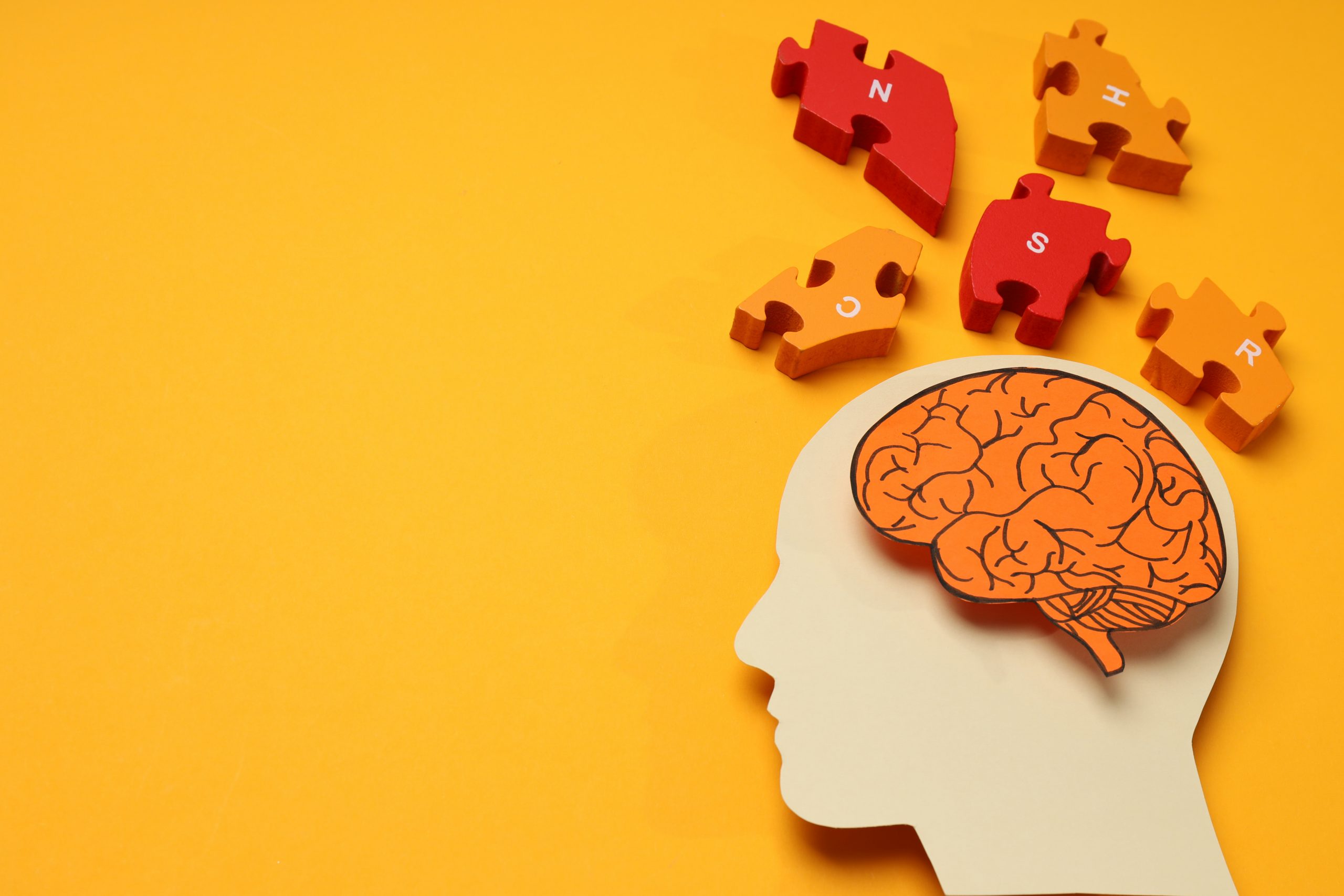
Dementia is not a single disease but a general term for the impaired ability to remember, think, or make decisions that interferes with doing everyday activities. It is a progressive condition caused by damage to brain cells, affecting behaviour, feelings, and relationships. This section defines dementia in simple terms and explains its profound impact on daily life, highlighting the need for professional rehabilitation.

Common Symptoms of Dementia

Recognising the early signs of dementia is the first step toward getting the right support. It's important to differentiate these symptoms from normal age-related changes. While experiences vary, some common patterns indicate the need for a professional assessment. Maintain a supportive, non-alarming perspective when observing these signs.
Significant Memory Loss: Forgetting recently learned information, important dates, or events, and repeatedly asking for the same information.
Difficulty with Problem-Solving and Planning: Trouble following a familiar recipe, managing monthly bills, or concentrating on tasks that were once easy.
Confusion with Time or Place: Losing track of dates, seasons, and the passage of time, or forgetting where they are and how they got there.
Challenges with Language: Difficulty following or joining a conversation, stopping mid-sentence, or struggling to find the right words.
Changes in Mood and Personality: Experiencing confusion, suspicion, depression, fear, or anxiety. They may become easily upset at home or when out of their comfort zone.
Poor Judgement or Decision-Making: Displaying poor judgment when dealing with money or paying less attention to personal grooming and hygiene.

Causes and Risk Factors of Dementia

Dementia results from damage to or loss of nerve cells and their connections in the brain. Understanding the underlying causes and risk factors can help in managing the condition and, in some cases, reducing the risk of certain types of dementia.
Biological Factors:
Neurodegenerative Diseases: Conditions like Alzheimer's disease, Lewy body dementia, and frontotemporal dementia cause progressive brain cell death.
Vascular Dementia: Caused by damage to the vessels that supply blood to your brain, often resulting from a stroke or other vascular conditions.
Genetics and Family History: Having a family history of dementia increases the risk, though it doesn't guarantee its development.
Environmental & Lifestyle Factors:
Head Injury: Severe or repeated head trauma has been linked to an increased risk of dementia.
Cardiovascular Health: Conditions like high blood pressure, high cholesterol, and diabetes can increase the risk of vascular dementia.
Lifestyle Choices: Lack of physical exercise, smoking, excessive alcohol consumption, and a poor diet can contribute to the risk.
SPECIALIST DOCTORS

Meet Our Team Of Mental Health Professionals in Mysore

22+ years exp

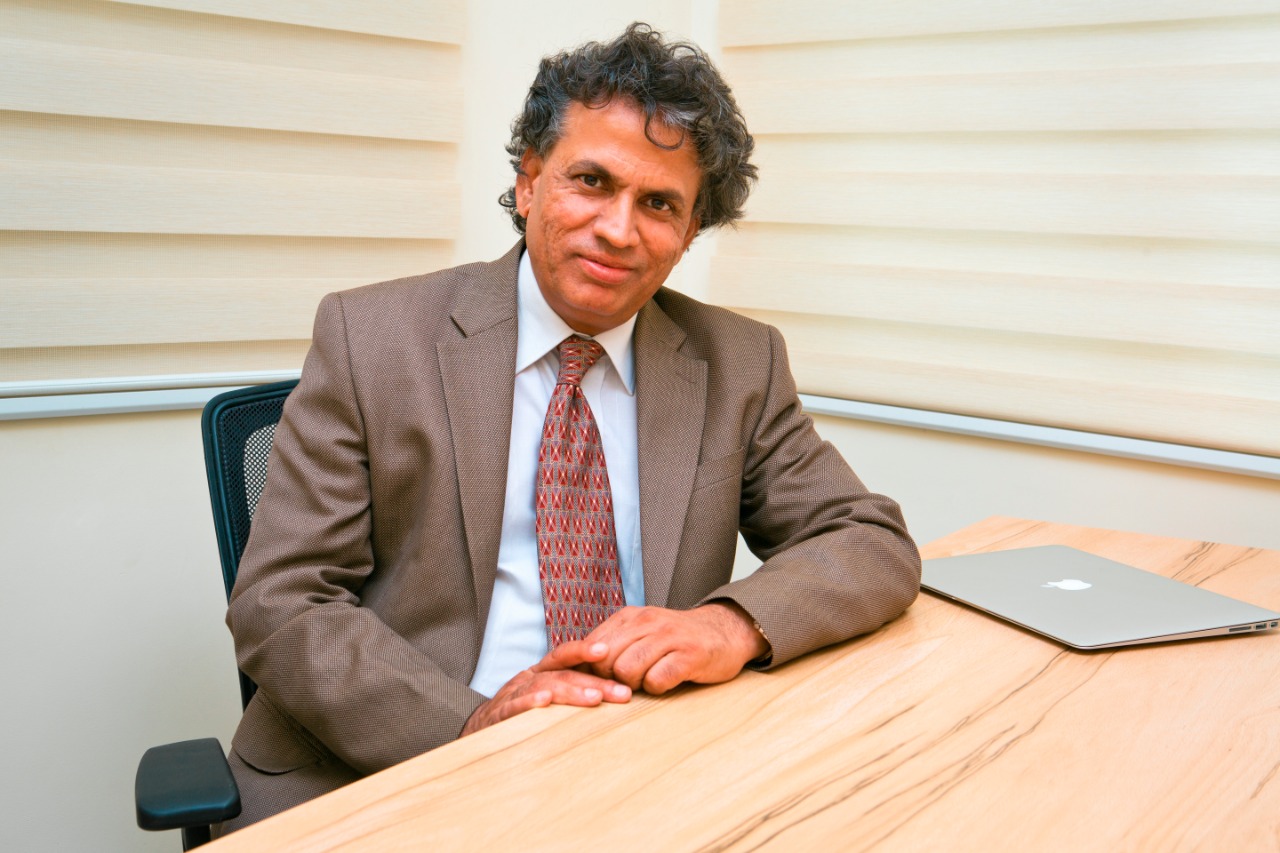
Dr Krishna K R

MBBS MD fellowship in Psyco Sexual Medicine

Consultant Psychiatrist

Kannada, English, Hindi

Dr. Shilpa - Associate Professor

20+ years exp

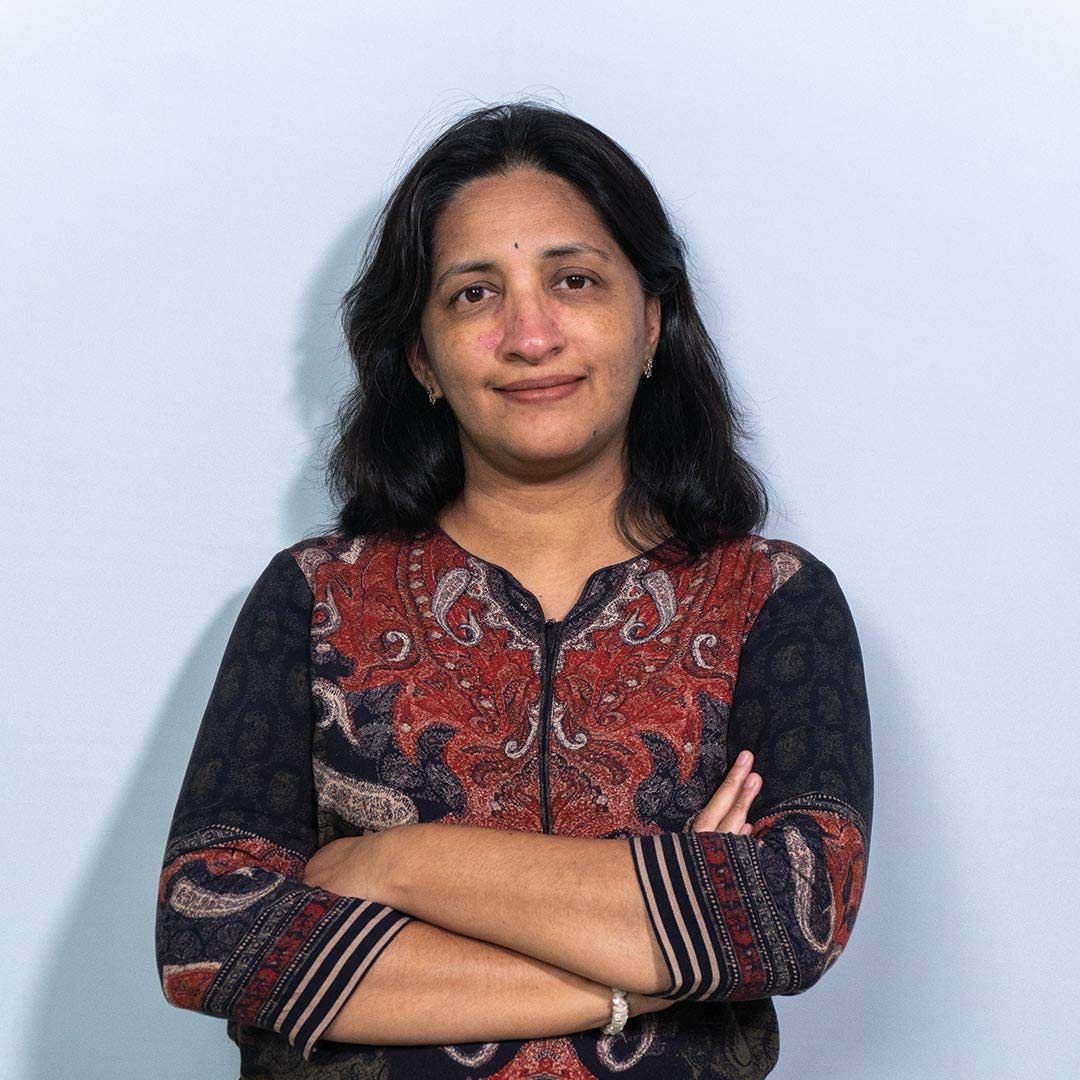
Dr Shilpa Avarebeel

PhD Scholar, Fellowship training in Geriatric Medicine ( RCP, London ) DNB- Internal Medicine PGDGM- Geriatric MBBS

Clinical Psychologist

Kannada, English, Hindi

8 yrs of exp

Dr Abhimanyu Chandak

MD in Psychiatry, MBBS

Consultant Psychiatrist

English, Hindi, Kannada, Telugu, Bengali

Dr. Divya - Consultant Psychiatrist

4.5 yrs of exp

Dr. Divya

MD Psychiatry

Consultant Psychiatrist

English, Kannada, Hindi, Tamil

1 yrs of exp

Jamuna

M.Phil Clinical Psychology M.Sc Clinical Psychology BA Psychology

Clinical Psychologist

Kannada, English and Hindi

10 years exp

Ashwini R

MSc Clinical Psychology BSc PG Diploma in Child Counseling

Psychologist

Kannada, Telugu, Hindi, English

2 yrs of exp

Vindhya Shree P K

MSc in clinical psychology

Psychologist

English, Kannada

EXPERT TALKS

Understanding Psychiatry: Why You May Need it And How Can It Help?

PATIENTS RECOVERY STORIES

Living with Psychiatric Disorders and Overcoming them: Survivor Stories

Why Cadabam’s Spark Hospitals?
What makes us different?

33+
Years

In the Rehabilitation, Reintegration & Recovery space

10,000+

Patients reintegrated back to society every year

Through our 8 specialty centers offering top-notch treatments across the nation, we have been helping thousands of people improve the quality of their lives.

With over 33 years of expertise and knowledge, we promise to provide our clients the treatment that suits them the best. Whether the case involves substance addiction, alcoholism, sleeping issues, bipolar disorder or schizophrenia, our experts know how to handle it in a way that it’s in the best interest for the client and their family.

800+ Treatment Capacity

India's Largest Psychiatric Hospital and Rehabilitation Centre

20+
Treatment Modalities

Used to create personalized treatment plans that meet the needs of you of your loved one

400+ Professionals

to support you through your recovery journey

Our state-of-the-art infrastructure, experienced professionals, and strong support system enables us to offer world-class evidence-based treatment that fits for all stages and types of mental health concerns that you may have.

At Cadabams, we've always got your back.

OUR FACILITIES

Our Infrastructure, Care Facilities and Strong Community Support Ensure Better Patient Outcomes

Mysore
PATIENTS FEEDBACK

What Our Clients Have To Say

I have been consulting the doctors at Cadabam’s for over 6 months now for my father who has dementia. The doctors and staff at the hospital are very polite and kind and have provided excellent support and care right from day one. They not only explain the treatment plan thoroughly but also take out the time to make sure we understand complications and side effects that could come along the way. If you or your loved one is dealing with any mental health issues, I highly recommend Cadabam’s.

I’m very happy with the doctors, medical staff, and facilities at Cadabam’s hospital. Apart from being highly skilled in the field, the doctors and other medical staff are also very patient and supportive. Right from diagnosing the issue to prescribing medicines and creating the perfect treatment plan, they are with you every step of the way. I am glad I reached out to the team at Cadabam’s for counseling sessions.

I have observed great improvements in my son who has autism. The treatment plan created by the doctors has helped reduce the symptoms and he now is slowly learning new skills that assist him in his day-to-day activities. I cannot thank the team at Cadabam’s enough for giving my son the opportunity to have a happy and healthy childhood.

Excellent doctors, excellent team of medical staff, excellent facilities. From the people to the facilities and infrastructure, Cadabam’s has everything you need to address and improve your mental health illnesses.

I’m extremely grateful to the doctors and the entire team at Cadabams for creating an action plan to help me with my anxiety. I was finding it very difficult to maintain a social life and even focus on my career because of my severe anxiety. But now that I have been meeting with the team for over a year, I can proudly say that I have gotten much better at understanding and dealing with my anxiety. Thank you Cadabam’s!

My wife and I were not able to maintain a healthy relationship due to a lot of personal issues. Just when we thought our marriage would be over, we decided to seek couple’s counseling at Cadabam’s. The team of therapists and psychologists helped us build back our relationship and taught us how to communicate better and reduce conflicts in our day to day life.

I used to run around to consult different professionals for cmy son’s treatment. At Cadabam’s, it was so much more convenient. From psychiatrists to rehabilitation, they had it all. I am really happy with how they have helped my son and I can see immense changes in him.

What really struck me was how polite and understanding the professionals were. We availed home care services from Cadabams and the professional was so understanding. They took their time, spoke to all the members, and gave us an in-depth understanding of the illness. We have now started coming in for regular sessions. It’s worth it!

It was the first time we had faced something like this. Our daughter was going through immense strain and wasn’t responding to anything we said. That was when we contacted Cadabams, and we were surprised by how prompt they were with treatment. They treated our situation as an emergency and took immense care of our daughter.

Importance of Rehabilitation in Healing from Dementia

Rehabilitation is a cornerstone of comprehensive dementia care. It is not about curing the condition but about preserving abilities, promoting independence, and enhancing overall well-being. This section explains how structured, guided rehabilitation helps individuals build emotional stability, maintain a sense of routine, and adapt to cognitive changes.

How Rehabilitation Supports Long-Term Management of Dementia

Effective dementia rehabilitation in Mysore integrates multiple strategies to create a supportive framework for long-term care. It focuses on empowering both the individual and their family with the tools needed to navigate the condition’s progression. This involves a combination of therapy to manage cognitive and behavioural symptoms, medication to slow progression where possible, and robust family involvement to ensure a cohesive support system. The goal is to foster gradual progress, prevent crises, and build skills for daily living.

Benefits of Professional Rehabilitation for Dementia

Engaging in a professional rehabilitation care plan at a specialised hospital like Cadabam’s Spark Hospitals offers significant advantages for individuals with dementia and their families. It provides a structured path forward, focusing on dignity and quality of life.

  • Personalised Care: A care plan is developed based on the individual’s specific symptoms, stage of dementia, and personal history.
  • Safe and Structured Environment: A predictable and secure setting reduces anxiety and confusion, helping to manage challenging behaviours.
  • Expert Supervision: A multidisciplinary team of specialists provides continuous medical and therapeutic oversight.
  • Improved Coping Skills: Both patients and their families learn effective strategies to manage symptoms and communicate better.
  • Enhanced Quality of Life: The focus remains on maximising independence, promoting social engagement, and finding joy in daily activities.

Types of Dementia Rehabilitation Care Plans Available in Mysore

The right care plan depends on the individual’s needs, the severity of symptoms, and their home environment. Cadabam’s Spark Hospitals offers a spectrum of care options, from intensive inpatient services to flexible outpatient and day-care plans. This section introduces the different formats, explaining that the choice is tailored to each person’s unique situation.

Inpatient Rehabilitation for Dementia in Mysore

Inpatient rehabilitation provides intensive, 24-hour care within a safe and medically supervised environment. This option is ideal for individuals experiencing severe cognitive decline, significant behavioural challenges, or those who require constant medical monitoring after a health crisis. The structured setting helps stabilise symptoms, manage complex medical needs, and provides respite for caregivers. It is a crucial service for comprehensive Dementia treatment in Mysore.

Outpatient and Day-Care Dementia Care Plans in Mysore

For individuals in the mild to moderate stages of dementia who live at home, outpatient and day-care plans offer a perfect balance of support and independence. These formats provide structured therapeutic activities, social engagement, and cognitive stimulation during the day, allowing caregivers to work or rest. Patients benefit from professional guidance and peer interaction while returning to the comfort of their home each evening, making it a popular choice for a dementia rehabilitation centre in Mysore.

Home-Based and Continuing Care Options for Dementia Patients in Mysore

Continuity of care is vital in managing dementia. Cadabam’s Spark Hospitals extends its support beyond the hospital walls with home-based care options. These services include teletherapy, online counselling for caregivers, follow-up consultations, and remote monitoring by our professional team. This approach ensures that individuals and families receive consistent, accessible support, fostering a stable and healing environment at home. If you’re searching for a “rehab centre near me for dementia,” our continuing care options bring expert help to you.

Signs You or a Loved One May Need Dementia Rehabilitation in Mysore

Recognising when it’s time to seek professional help is a critical step. Early intervention can significantly improve the long-term outlook and quality of life. Look for consistent patterns of change rather than isolated incidents.

  • Increasing Difficulty with Daily Tasks: Struggling with bathing, dressing, or preparing meals.
  • Safety Concerns Leaving the stove on, getting lost in familiar places, or making unsafe decisions.
  • Social Withdrawal or Apathy: Losing interest in hobbies and spending time with friends and family.
  • Noticeable Personality Changes: Increased agitation, suspicion, or emotional outbursts.
  • Caregiver Burnout: When the primary caregiver feels overwhelmed, stressed, and unable to provide adequate care.
  • Decline in Personal Hygiene: Neglecting grooming and cleanliness.

If you notice these signs, it is a gentle reminder to seek a professional evaluation. Early and compassionate support makes all the difference.

Treatments Offered for Dementia Rehabilitation in Mysore

At Cadabam’s Hospitals, we use an integrated care model that addresses the whole person, not just the symptoms. Our approach combines evidence-based therapies, medication management, family support, and holistic activities. A multidisciplinary team of specialists collaborates to create a personalised recovery plan tailored to each individual’s needs and goals.

Psychotherapy Approaches

While there is no cure for dementia, specific therapies can help manage cognitive and behavioural symptoms. Our therapists use approaches like:

  • Cognitive Stimulation Therapy (CST): Involves engaging in group activities and exercises designed to improve cognitive and social functioning.
  • Validation Therapy: Focuses on acknowledging and validating the person’s feelings and reality, reducing stress and enhancing dignity.
  • Reminiscence Therapy: Uses memories and past experiences to stimulate conversation and provide a sense of comfort and self-worth.
  • Cognitive Behavioural Therapy (CBT): Adapted to help manage emotional responses like anxiety, frustration, or depression associated with cognitive decline.

Medication Management and Psychiatric Support

Our experienced psychiatrists play a central role in dementia rehabilitation.

  • Psychiatrist’s Role: They conduct thorough assessments to diagnose the type of dementia and prescribe medications to manage symptoms like memory loss, agitation, or depression.
  • Prescription Monitoring: Medications are carefully monitored and adjusted to ensure they are effective and have minimal side effects.
  • Safe Medication Usage: We educate both patients and caregivers on the importance of adhering to medication schedules and understanding their purpose, ensuring privacy and safety at all times.

Family and Group Therapy for Dementia Recovery

Dementia affects the entire family. Our rehabilitation care plans recognise the vital role of a strong support system.

  • Family Education: Providing families with information about dementia, its progression, and how to manage challenging behaviours.
  • Improved Communication: Teaching families new ways to communicate effectively with their loved one as the condition progresses.
  • Collective Healing: Offering support groups where caregivers can share experiences, reduce feelings of isolation, and learn from one another.

Occupational, Recreational, and Holistic Therapies

To promote holistic wellbeing, our care plans incorporate therapies that engage the mind, body, and spirit.

  • Occupational Therapy: Helps individuals adapt to their changing abilities and maintain independence in daily activities for as long as possible.
  • Art and Music Therapy: Creative outlets that can evoke positive emotions, stimulate memories, and provide a non-verbal means of expression.
  • Yoga and Relaxation Techniques: Gentle physical activities and mindfulness practices that reduce anxiety and improve physical well-being.

Dual Diagnosis and Co-Occurring Conditions in Dementia Rehabilitation in Mysore

It is common for individuals with dementia to also experience other mental health conditions like depression, anxiety, or psychosis. This is known as a dual diagnosis. Addressing all co-occurring conditions simultaneously is essential for effective treatment and improved quality of life.

Managing Dementia Alongside Substance Use or Emotional Disorders in Mysore

When dementia coexists with another disorder, a specialised, integrated treatment approach is required. Our team is experienced in managing complex cases, ensuring that therapies and medications address both the cognitive symptoms of dementia and the emotional or behavioural symptoms of the co-occurring condition. This coordinated support from psychiatrists and therapists ensures a comprehensive approach to healing.

Coordinated Care and Recovery Outcomes for Dementia in Mysore

A team-based approach to dual diagnosis leads to significantly better outcomes. By treating the whole person, we see improved emotional stability, better management of challenging behaviours, reduced caregiver stress, and a greater sense of self-awareness and peace for the individual. This makes us the best dementia rehabilitation centre in Mysore for complex cases.

Recovery Journey and Expected Results at Cadabam’s Mysore

The recovery journey in dementia is not about a cure, but about managing the condition to maximise quality of life at every stage. We view recovery as a structured process with distinct phases:

  • Assessment and Diagnosis: Comprehensive evaluation to understand the type, stage, and specific challenges.
  • Stabilisation: Focusing on managing acute behavioural or medical issues in a safe environment.
  • Rehabilitation: Implementing therapies and activities to maintain function and improve well-being.
  • Maintenance and Long-Term Support: Providing ongoing care and support to adapt to the progression of the illness.

Typical Duration of Dementia Rehabilitation in Mysore

Dementia rehabilitation is an ongoing process rather than a treatment with a fixed endpoint. The duration and intensity of care vary greatly. Some individuals may benefit from a short-term inpatient stay for stabilisation (weeks to months), followed by long-term outpatient or day-care support. The pace of recovery and care depends entirely on the type of dementia, its severity, and the individual’s response to treatment and engagement.

Milestones and Long-Term Progress for Dementia Recovery

Success in dementia rehabilitation is measured by achievable, person-centred goals.

  • Improved Mood and Reduced Agitation: A noticeable decrease in anxiety, depression, and challenging behaviours.
  • Routine Stability: Establishing a consistent daily routine that provides comfort and security.
  • Maintained Function: Preserving the ability to perform daily self-care tasks for as long as possible.
  • Enhanced Social Engagement: Increased participation in activities and interaction with others.
  • Effective Relapse Prevention: Strategies to manage triggers and prevent crises, ensuring long-term stability.

Why Choose Cadabam’s for Dementia Rehabilitation in Mysore

For over 33 years, Cadabam’s Spark Hospitals has been a beacon of hope for individuals and families facing mental health challenges. Our legacy is built on trust, multidisciplinary expertise, and an unwavering commitment to compassionate, evidence-based care, making us a leading choice for dementia rehabilitation in Mysore.

Multidisciplinary Experts and Specialised Care in Mysore

Our strength lies in our collaborative team of experts, who work together to provide holistic care.

  • Psychiatrists: Lead the medical management and diagnosis.
  • Psychologists: Provide specialised psychotherapies for patients and families.
  • Neurologists: Consult on complex neurological aspects of dementia.
  • Occupational Therapists: Help maintain daily living skills and independence.
  • Nurses & Caregivers: Provide 24/7 compassionate support and assistance.

Personalised, Evidence-Based Dementia Rehabilitation Care Plans in Mysore

We don’t believe in a one-size-fits-all approach. Every care plan is customised to the individual’s unique needs, preferences, and clinical profile. We use evidence-based therapies and continuously monitor progress, adapting the plan as needed to ensure the best possible outcomes for every patient seeking rehabilitation for Dementia in Mysore.

Trusted Mental Health Hospitals with an Accessible Centre in Mysore

With a strong reputation built over three decades, Cadabam’s Spark Hospitals is synonymous with quality mental healthcare. Our well-equipped hospital in Mysore is easily accessible, providing a safe, modern, and welcoming environment for healing and recovery. Our name is a promise of confidentiality, expertise, and compassionate care.

Reclaim Your Wellbeing with Professional Dementia Rehabilitation in Mysore with Cadabam’s

The journey with dementia requires a guiding hand and a supportive community. You don’t have to walk it alone. At Cadabam’s Hospitals in Mysore, we are dedicated to providing the expert, compassionate care that you and your loved one deserve. Our goal is to enhance life, preserve dignity, and offer hope at every stage. Take the first step towards a better quality of life today. We assure you of complete confidentiality and a personalised approach to care.

Take the First Step Towards Healing Today

Contact us to learn more about our dementia rehabilitation care plans in Mysore. Our team is here to help.

Phone: +9190710 35960
Email: info@cadabamshospitals.com

Top Dementia Doctors at Cadabam’s Hospitals

Dementia – Psychiatrist in Bangalore | Dementia – Psychiatrist in Hyderabad | Dementia – Psychiatrist in Mysore | Dementia – Psychologist in Bangalore | Dementia – Psychologist in Hyderabad | Dementia – Psychologist in Mysore | Dementia – Therapist in Bangalore | Dementia – Therapist in Hyderabad | Dementia – Therapist in Mysore

Dementia Rehabilitation

Dementia – Rehab in Bangalore | Dementia – Rehab in Hyderabad

Best Dementia Treatments Offered at Cadabams

Dementia – Online Counselling in Bangalore | Dementia – Online Counselling in Hyderabad | Dementia Home Services Bangalore  | Dementia Home Services Hyderabad  | Dementia Home Services Mysore | Dementia Neuro Physiotherapy Bangalore  | Dementia Neuro PhysioTherapy Hyderabad  | Dementia PsychoTherapy Bangalore  | Dementia PsychoTherapy Hyderabad  | Dementia PsychoTherapy Mysore | Dementia Biofeedback Bangalore  | Dementia Biofeedback Hyderabad  | Dementia Biofeedback Mysore | Dementia Family Therapy Bangalore  | Dementia Family Therapy Hyderabad  | Dementia Family Therapy Mysore | Dementia CBT Bangalore  | Dementia CBT Hyderabad  | Dementia CBT Mysore | Dementia Group Therapy Bangalore  | Dementia Group Therapy Hyderabad  | Dementia Group Therapy Mysore | Dementia Emergency Bangalore  | Dementia Emergency Hyderabad  | Dementia Emergency Mysore | Dementia Neurofeedback Bangalore  | Dementia Neurofeedback Hyderabad  | Dementia Neurofeedback Mysore | Dementia Post Rehab Bangalore | Dementia Post Rehab Hyderabad | Dementia Post Rehab Mysore | Dementia – Counselling in Mysore | Dementia – REBT Therapy in Mysore | Dementia – tDCS in Bangalore | Dementia – tDCS in Hyderabad | Dementia – tDCS in Mysore | Dementia – ECT in Mysore | Dementia – RTMS in Mysore

More Additional Resources

Agitation in Dementia: Causes, Symptoms, and Management Guide | A Deep Dive into Behavioral and Psychological Symptoms of Dementia(BPSD) | Decoding Mixed Dementia: What You Need to Know | Parkinson’s Dementia Explained: Recognizing Symptoms and Stages | Understanding Frontotemporal Dementia: Signs, Symptoms, and More | Understanding Lewy Body Dementia | Why Does Sundowning Happen | Can Dementia Be Prevented? | Music TherapyEarly Signs and Symptoms of Dementia and Alzheimer’s | What is the Difference Between Dementia & Alzheimer’s

Frequently Asked Questions (FAQ)

How long does dementia rehabilitation take in Mysore?

Dementia rehabilitation is an ongoing process, not a fixed-term treatment. The duration depends on the individual’s needs, the type of dementia, and its stage. It may range from a few weeks of intensive inpatient care for stabilisation to long-term outpatient or day-care support.

What is the process for getting admitted to dementia rehabilitation in Mysore?

The process begins with a comprehensive assessment by our multidisciplinary team. This includes a psychiatric evaluation, psychological testing, and a physical health check-up to create a personalised care plan. You can start by calling our helpline to schedule an initial consultation.

What are the costs of dementia treatment in Mysore?

The cost of treatment varies based on the type of care plan (inpatient, outpatient, day-care), the level of care required, and the duration of stay. We offer various packages and can provide a detailed estimate after an initial assessment.

Are rehabilitation care plans for dementia confidential?

Absolutely. At Cadabam’s, we uphold the strictest standards of patient confidentiality. All your information, from consultation to treatment, is kept completely private and secure, in line with medical and ethical guidelines.

Can family members participate in therapy sessions?

Yes, family involvement is strongly encouraged. We offer family counselling and educational sessions to help caregivers understand dementia, learn effective communication strategies, and manage the challenges of caregiving. A strong support system is key to positive outcomes.

What makes Cadabam’s a trusted mental health hospital in Mysore?

With over three decades of experience, Cadabam’s is a leader in mental healthcare. Our trusted reputation is built on our multidisciplinary team of experts, evidence-based treatments, personalised care plans, and a deep-seated commitment to compassionate and ethical care for every patient.

When should a patient consider rehabilitation for dementia?

Rehabilitation should be considered as soon as a diagnosis is made or when symptoms begin to interfere with daily life, safety, or well-being. Early intervention can help preserve function, manage symptoms effectively, and significantly improve the quality of life for both the individual and their family.

Every Single Update And Recent Story From Our Blog

INSIGHTS FROM OUR EXPERTS

Get a daily dose of motivation, straight to your mailbox.

    Subscribe to our Newsletter, we won’t spam. Promise!