In the Rehabilitation, Reintegration & Recovery space
Patients reintegrated back to society every year
Through our 8 specialty centers offering top-notch treatments across the nation, we have been helping thousands of people improve the quality of their lives.
With over 33 years of expertise and knowledge, we promise to provide our clients the treatment that suits them the best. Whether the case involves substance addiction, alcoholism, sleeping issues, bipolar disorder or schizophrenia, our experts know how to handle it in a way that it’s in the best interest for the client and their family.
India's Largest Psychiatric Hospital and Rehabilitation Centre
Used to create personalized treatment plans that meet the needs of you of your loved one
to support you through your recovery journey
Our state-of-the-art infrastructure, experienced professionals, and strong support system enables us to offer world-class evidence-based treatment that fits for all stages and types of mental health concerns that you may have.
At Cadabams, we've always got your back.


The science of tDCS lies in its ability to modulate brain activity. The gentle tdcs current flows between two electrodes—an anode (positive) and a cathode (negative). The current under the anode increases neuronal excitability, making brain cells more likely to fire, while the current under the cathode decreases it. For drug addiction, this technique is used to target brain circuits involved in reward, craving, and impulse control, helping to restore healthier brain function.
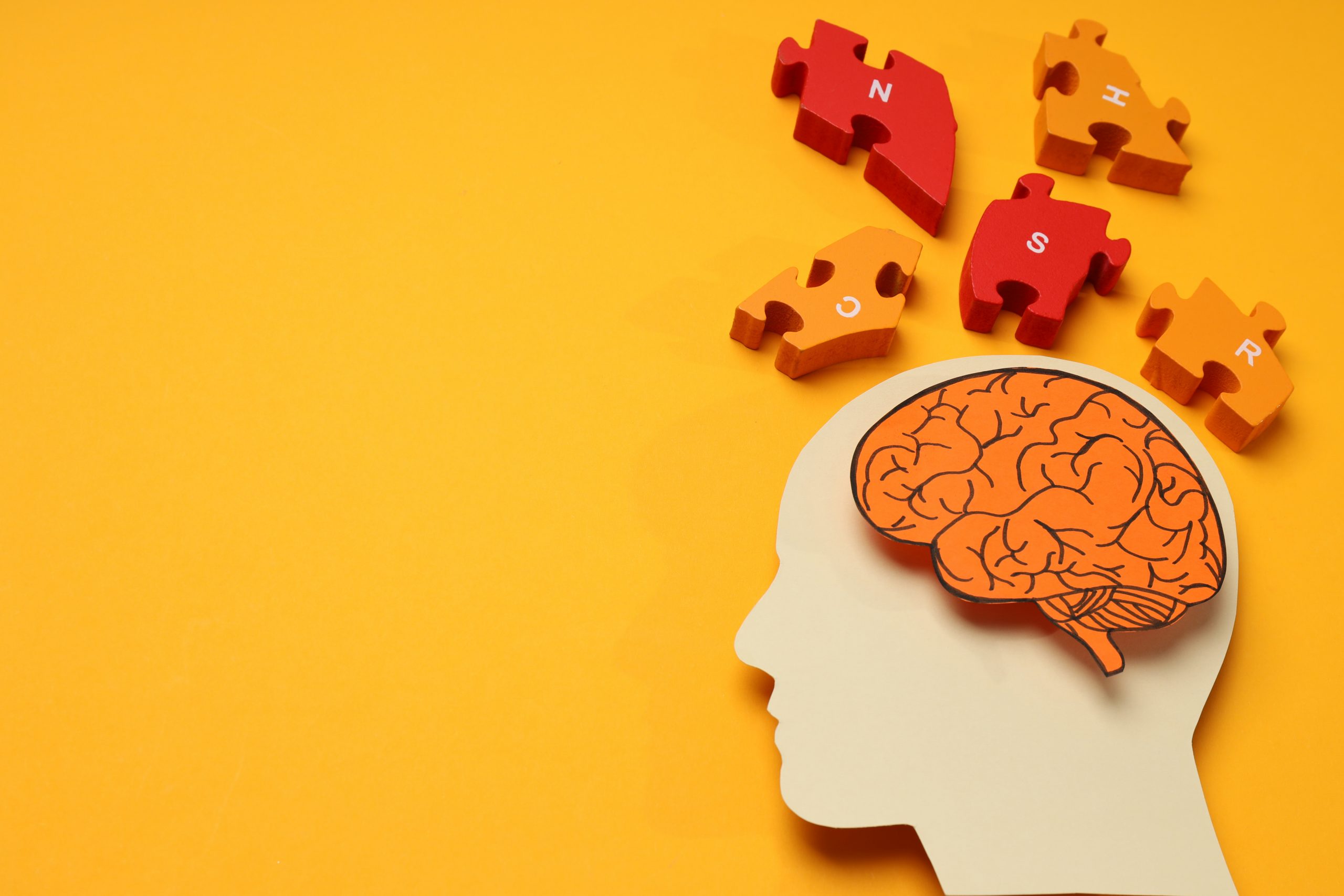
tDCS is used to influence neuroplasticity—the brain’s ability to reorganize itself by forming new neural connections. In the context of drug addiction, the brain’s reward pathways are often dysregulated. tDCS stimulation can help retrain these pathways, reducing the intense cravings and compulsive behaviors associated with addiction, thereby supporting the recovery process alongside traditional therapies.
This therapy offers a range of benefits for individuals battling addiction, targeting both the neurological and psychological aspects of the condition.
One of the core benefits of transcranial direct current stimulation is its ability to promote neuroplasticity. By encouraging the brain to form new, healthier neural pathways, it helps individuals break free from the deeply ingrained patterns of addictive behavior and supports a more robust recovery.
tDCS has been shown to be effective in reducing key symptoms of drug addiction, most notably cravings. By targeting the prefrontal cortex, which is responsible for impulse control, the treatment can help individuals better manage the urge to use substances.
Substance abuse can impair cognitive functions like decision-making, memory, and attention. tDCS can help enhance these functions, empowering individuals to make better choices and engage more effectively in their rehabilitation and daily lives.
When used in conjunction with conventional therapies like counseling and behavioral therapy, tDCS can accelerate rehabilitation. It helps make the brain more receptive to therapeutic interventions, potentially shortening the recovery timeline for drug addiction.
While medication can be a crucial part of addiction treatment, some individuals may wish to minimize their reliance on it. By directly addressing the neural basis of addiction, tDCS may help reduce the need for certain medications, offering a complementary path to recovery.
Drug addiction often co-occurs with mood disorders like depression and anxiety. tDCS can have a positive effect on mood by stimulating brain regions associated with emotional regulation, contributing to overall mental well-being during recovery.
Studies suggest that the benefits of tDCS are not just temporary. The neuroplastic changes induced during treatment can have lasting effects, helping patients maintain their progress and reduce the risk of relapse long after the sessions have concluded.
As a non-invasive and portable technology, tDCS offers greater accessibility compared to more intensive procedures. Sessions are conducted in a comfortable outpatient setting, allowing patients to easily integrate treatment into their lives.
Understanding the treatment process can help alleviate any concerns and set clear expectations for your journey at Cadabam’s Hospitals.
During a session, you will be seated comfortably while a trained technician places electrodes on specific areas of your scalp. You may feel a slight tingling or itching sensation under the electrodes initially, which typically fades. Each session lasts about 20-30 minutes, during which you can relax, read, or listen to music.
The setup is straightforward. Saline-soaked sponges are placed within the electrodes to ensure good conductivity. These are held in place with a comfortable headband. The tDCS device is then programmed to deliver the precise, low-level current prescribed in your personalized care plan. The entire procedure is monitored by our expert staff to ensure safety and comfort.
Selecting the right provider is critical for a safe and effective treatment experience.
Ensure the Hospitals is fully accredited and licensed, adhering to the highest national standards for safety and quality. This guarantees that the care you receive is professional and reliable.
Choose providers with deep experience in using tdcs specifically for drug addiction. At Cadabam’s Spark Hospitals, our specialists understand the unique neural signatures of addiction and tailor the treatment accordingly.
The quality of the equipment is paramount. A reputable provider uses certified, state-of-the-art tDCS technology that is regularly maintained to ensure precise and safe delivery of the stimulation.
Effective tDCS treatment is not one-size-fits-all. Look for a provider that conducts a thorough assessment to create a personalized care plan tailored to your specific symptoms and recovery goals.
Recovery is a journey that requires comprehensive support. The best providers offer integrated care, combining tDCS with counseling, therapy, and other support services to address all aspects of addiction.
Cadabam’s Spark Hospitals is a leader in mental healthcare, offering advanced and compassionate treatment for drug addiction.
Our multidisciplinary team includes psychiatrists, neurologists, and technicians who specialize in transcranial direct current stimulation for addiction. This expertise ensures your treatment is based on the latest research and clinical best practices.
At Cadabam’s Spark Hospitals, we provide a safe, modern, and supportive environment. Our state-of-the-art Hospitals are designed to promote healing and comfort throughout your recovery journey.
We believe in a holistic approach. tDCS is integrated into a comprehensive care plan that may include psychotherapy, family counseling, and lifestyle modifications to ensure a well-rounded and sustainable recovery.
Your journey begins with a detailed assessment to understand your unique needs. Based on this, we design a personalized tDCS care plan that targets the specific brain functions affected by addiction.
Recovery doesn’t end with the last session. We provide continuous support and monitoring to track your progress, manage challenges, and help you maintain long-term sobriety and well-being.
Ready to take the next step in your recovery? Contact Cadabam’s Hospitals in Mysore today to learn more about our tDCS treatment for drug addiction.
Call us at +9190710 35960 or email us at info@cadabamshospitals.com.
Psychiatrist in Bangalore | Psychiatrist in Hyderabad | Psychiatrist in Mysore | Psychologist in Bangalore | Drug Addiction Psychologist in Hyderabad | Drug Addiction Psychologist in Mysore | Therapist in Bangalore | Therapist in Hyderabad | Therapist in Mysore
Rehab in Bangalore | Rehab in Hyderabad | Rehab in Mysore
Counselling Bangalore | Counselling Hyderabad | Counselling Mysore | ECT Bangalore | ECT Therapy Hyderabad | ECT Therapy Mysore | Home treatment Bangalore | Home Services Hyderabad | Home Services Mysore | PsychoTherapy Bangalore | PsychoTherapy Hyderabad | PsychoTherapy Mysore | Group Therapy Bangalore | s Group Therapy Hyderabad | s Group Therapy Mysore | Neurofeedback Bangalore | Neurofeedback Hyderabad | Neurofeedback Mysore | REBT Bangalore | REBT Hyderabad | REBT Mysore | CBT Bangalore | CBT Hyderabad | CBT Mysore | Emergency Bangalore | Emergency Hyderabad | Emergency Mysore | Family Therapy Bangalore | Family Therapy Hyderabad | Family Therapy Mysore | Biofeedback Bangalore | Biofeedback Mysore | tDCS Hyderabad | Post-Rehab Bangalore | Post-Rehab Hyderabad | Post-Rehab Mysore | RTMS Mysore
Teens Overcome Drug Abuse | Teen Drug Abuse | Drug-Induced Psychosis | Drug and Alcohol Detoxification | Workplace Drug Abuse | Drug Addiction Treatment Programs
tDCS is a non-invasive brain stimulation therapy that uses a low electrical current to modulate brain activity. For drug addiction, it helps regulate brain circuits involved in craving and impulse control, making it easier to resist substance use and engage in recovery.
The number of sessions varies depending on the individual’s condition and response to treatment. A typical course may involve daily sessions over a period of 2-4 weeks, followed by maintenance sessions if needed.
Some patients report improvements in mood and reduced cravings within the first few sessions. However, significant and lasting changes in behavior and cognitive function typically emerge after a few weeks of consistent treatment.
Cadabam’s Spark Hospitals offers comprehensive support, including one-on-one therapy, family counseling, and medical monitoring. Our holistic care plans are designed to support your physical and emotional well-being throughout the recovery process.
The cost of tDCS can vary. At Cadabam’s Hospitals, we strive to provide accessible and affordable care. We recommend contacting us directly to discuss treatment costs and potential payment options.

Get a daily dose of motivation, straight to your mailbox.