Best Family Therapy for Eating Disorders at Cadabam’s, Bangalore
Watching a loved one struggle with an eating disorder is a deeply painful experience that impacts the entire family unit, creating stress, confusion, and fear. However, there is hope and a clear path forward. Professional family therapy for eating disorders in Bangalore provides the tools, strategies, and support needed for collective healing and lasting recovery. At Cadabam’s, we guide families through this journey, fostering strength and understanding every step of the way.
Understanding Eating Disorders: Symptoms, Causes, and Impact
Eating disorders are complex mental and physical illnesses with serious consequences. Recognizing the signs and understanding their roots is the first step toward effective intervention.
Identifying Symptoms of Eating Disorders
Symptoms vary but often include a preoccupation with food, body weight, and shape; distorted body image; secretive eating habits or food refusal; extreme mood swings; and withdrawal from social activities. Physical signs can include significant weight fluctuations, fatigue, and digestive issues.
Exploring the Causes of Eating Disorders
There is no single cause. These conditions typically arise from a complex interplay of genetic predisposition, psychological factors (such as perfectionism, anxiety, or low self-esteem), and sociocultural pressures that glorify specific body types. Traumatic events or major life changes can also act as triggers.
The Social and Emotional Impact of Eating Disorders
An eating disorder can strain family relationships to their breaking point. It creates an atmosphere of tension, secrecy, and mistrust. Communication breaks down, and caregivers often experience immense stress, guilt, and helplessness. The person struggling feels isolated, misunderstood, and trapped by their illness.
Experienced psychologists in Bangalore provide personalized mental health care at Cadabam’s Hospitals, using evidence-based therapies tailored to individual needs.
The Foundation of Family Therapy in Eating Disorders Care
Family therapy is not an optional add-on; it is a cornerstone of effective and evidence-based treatment for eating disorders, particularly for adolescents. It operates on the principle that the family system is the most powerful resource for an individual’s recovery.
Principles and Goals of Family Therapy for Eating Disorders
The core principle is a “no-blame” approach. The family is not seen as the cause of the disorder but as the solution. Key goals include empowering parents to manage their child’s nutrition and eating behaviours, improving communication, resolving conflicts that hinder recovery, and ultimately restoring the individual’s developmental trajectory.
How Family Therapy Complements Individual Treatment Plans
While individual therapy addresses the person’s internal struggles—their thoughts, emotions, and self-perception—family therapy focuses on the external environment. It equips the family to create a supportive, pro-recovery home. This dual approach ensures that both the individual and their primary support system are aligned and working toward the same goal, significantly boosting the chances of success.
Experienced psychiatrists in Bangalore at Cadabam’s Hospitals provide personalized treatment for diverse mental health conditions.
The Process of Family Therapy: What to Expect
Embarking on family counselling for an eating disorder in Bangalore can feel daunting. The process typically begins with a thorough assessment to understand family dynamics, communication patterns, and the specific challenges at hand. Sessions involve key family members and are guided by a therapist specializing in eating disorders. The focus is on creating a safe space for open dialogue, learning new skills, and collaboratively working towards recovery goals in a structured yet compassionate way.
Key Techniques and Approaches in Family Therapy for Eating Disorders
Effective family therapy employs several strategies designed to transform the family unit into a cohesive and therapeutic team. This structured family intervention for eating disorders is critical for progress.
Communication Skills Building within Families
Therapists teach families how to communicate more effectively. This includes learning to express needs and emotions constructively using “I” statements, practicing active listening to truly hear one another, and reducing criticism and blame, which allows for more honest conversations.
Conflict Resolution Strategies for Families
Eating disorders often create significant conflict, especially around mealtimes. Therapy provides practical strategies to de-escalate arguments, negotiate solutions, and establish firm but loving boundaries around eating-disorder behaviours, reducing household tension.
Enhancing Coping Mechanisms for Family Members
Caring for someone with an eating disorder is emotionally draining. A crucial part of therapy is providing family members with their own coping tools to manage stress, anxiety, and frustration. This prevents caregiver burnout and ensures they can offer consistent and effective support.
Educating Families on Eating Disorders Management
Psychoeducation is a vital component. Families learn the facts about the specific eating disorder, its biological and psychological underpinnings, and the principles of nutritional rehabilitation. This knowledge demystifies the illness and empowers families to make informed decisions.
Experienced counsellors in Bangalore at Cadabam’s Hospitals provide personalized support for a wide range of mental health concerns.
Building a Supportive Home Environment
Therapy guides the family in creating a home environment that actively supports recovery. This can involve structuring mealtimes, removing triggers like weighing scales, focusing on shared activities that aren’t related to food, and celebrating progress together.
The Benefits of Family Therapy for Managing Eating Disorders
The positive impact of dedicated family support for eating disorders extends far beyond mealtimes. It reshapes relationships and builds a foundation for lifelong health.
Improving Family Dynamics and Relationships
By providing a forum for honest communication and shared problem-solving, therapy helps to heal rifts, rebuild trust, and restore a sense of closeness that the eating disorder may have eroded.
Reducing Relapse Rates through Family Support
Research consistently shows that individuals with a strong, informed, and supportive family network have significantly lower rates of relapse. The family learns to identify early warning signs and can intervene effectively before a full relapse occurs.
Empowering Families to Navigate Eating Disorders Together
Family therapy shifts parents and siblings from feeling like helpless bystanders to feeling like capable, essential partners in the recovery process. This sense of agency is transformative for the entire family’s well-being.
Fostering Understanding and Empathy among Family Members
Therapy helps family members understand the profound psychological pain driving the eating disorder. This insight replaces frustration and anger with empathy and compassion, strengthening the emotional bond between family members.
Looking for expert therapists in Bangalore or therapists in Hyderabad? Cadabam’s Hospitals offers professional mental health support across both cities.
Get Eating Disorders Diagnosed in Bangalore
If you suspect a loved one is struggling with disordered eating, the first and most critical step is to seek a professional diagnosis. Unchecked eating disorders can have severe health consequences. A timely and accurate assessment by specialists in Bangalore is essential to creating an effective treatment plan.
Find the Right Family Therapy Program in Bangalore
When looking for family therapy for eating disorders in Bangalore, it’s crucial to choose a program with experienced therapists who specialize in this area. Look for a comprehensive approach that integrates medical, psychological, and nutritional care. The right program will see your family as a partner in the treatment journey.
Why Choose Cadabam’s for Family Therapy in Eating Disorders Care
For over three decades, Cadabam’s has been a leader in mental healthcare, offering specialized and compassionate treatment. Our approach to family therapy for eating disorders is holistic, evidence-based, and tailored to each family’s unique needs.
Tailored Family Therapy Sessions at Cadabam’s
We recognize that every family is different. Our therapy programs are not one-size-fits-all. We design a personalized treatment plan that addresses your specific dynamics, challenges, and goals to ensure the most effective outcomes.
Expertise in Family Dynamics and Eating Disorders
Our multidisciplinary team consists of seasoned psychiatrists, psychologists, and counsellors who have extensive experience in both family systems theory and eating disorder treatment. This dual expertise ensures your family receives the highest standard of care.
Comprehensive Support for Families and Patients
At Cadabam’s, family therapy is part of an integrated recovery ecosystem. We seamlessly combine it with individual therapy, expert nutritional counselling, medical monitoring, and psychiatric support, providing comprehensive care under one roof.
State-of-the-Art Facilities for Family Therapy Program at Cadabam’s
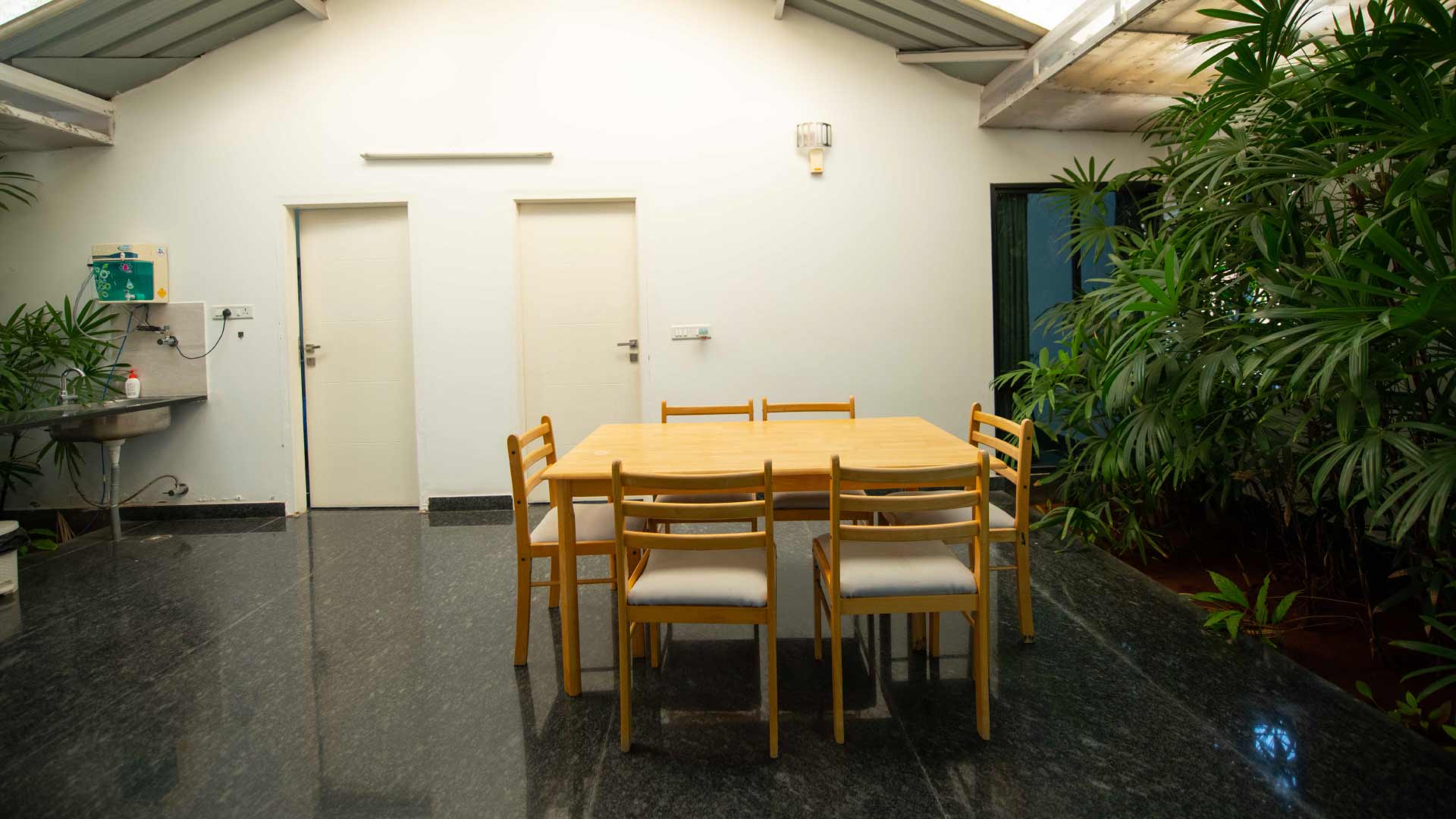
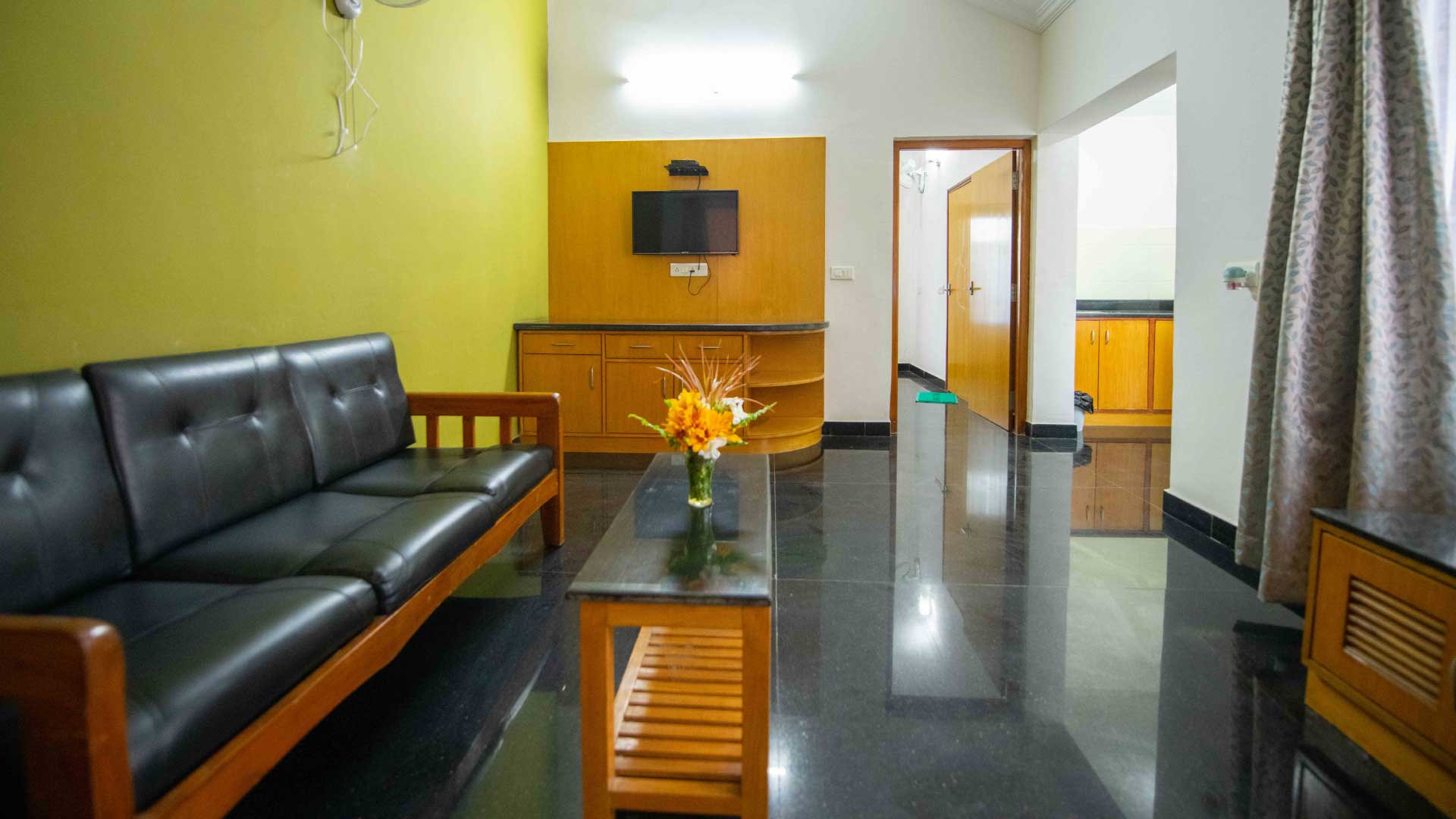
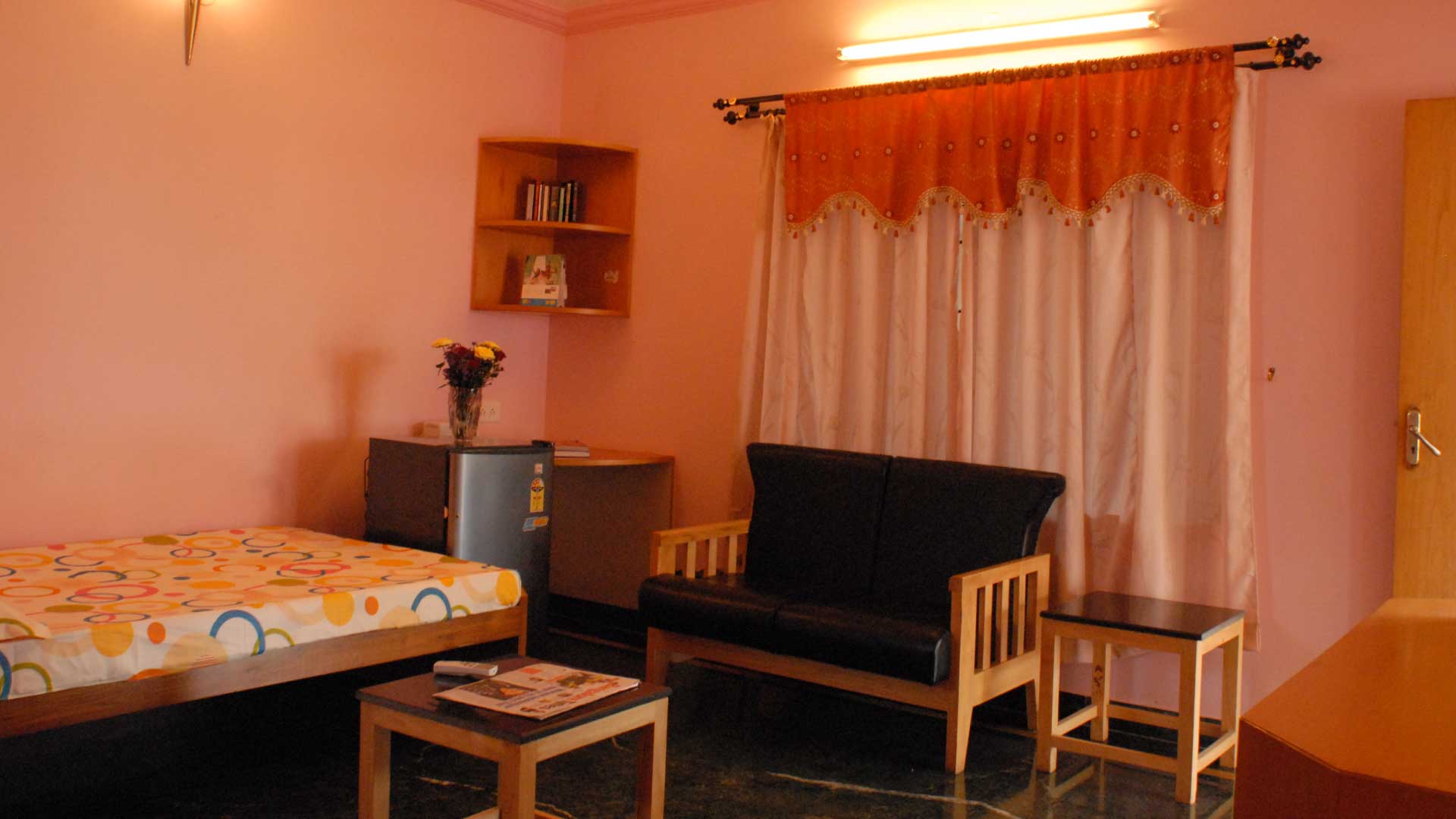
Our centres in Bangalore are designed to be safe, private, and comfortable spaces conducive to healing and open dialogue. We provide a therapeutic environment where families can feel secure as they navigate the recovery process.
Ongoing Guidance and Resources for Families
Our support doesn’t end when a session does. We provide families with ongoing resources, aftercare planning, and guidance to help them confidently support their loved one’s long-term recovery and well-being.
FAQs
What is family therapy for eating disorders and how does it help?
Family therapy is a type of psychotherapy that involves the person with the eating disorder and their family members. It helps by improving communication, resolving conflicts, educating the family about the illness, and empowering them to create a supportive home environment that actively promotes recovery.
Is family therapy beneficial for all families dealing with eating disorders?
Yes, family therapy is highly beneficial for most families. Since eating disorders impact the entire family system, involving everyone in the solution strengthens the individual’s support network. It is particularly effective for adolescents but also offers significant benefits for adults.
How does family therapy address the stigma associated with eating disorders?
Therapy addresses stigma directly through psychoeducation, replacing myths and misconceptions with scientific facts. By creating a safe, non-judgmental space for open conversation, it helps family members understand the illness as a medical condition, not a choice, fostering empathy over blame.
What makes family therapy a critical component of eating disorders treatment?
Eating disorders thrive in secrecy and isolation. Family therapy breaks this pattern by making the family an active part of the treatment team. It addresses the relational and environmental factors that contribute to the illness, building a robust support system that is proven to reduce relapse rates and lead to more sustainable recovery.
How effective is Family Therapy for Eating Disorder?
Family therapy is effective in using the family as a resource for helping the individual with an eating disorder recover from the thoughts, behaviours, and feelings associated with their disorder and monitor their eating habits to gain back their physical health.
What are the benefits of Family Therapy for Eating Disorder?
Family therapy allows the individual with eating disorder to make use of their family members who act as a support system and helps the individual control their eating behaviours. Thus, the monitoring and support provided by the family is similar to inpatient settings.
How many numbers of sessions are required?
The number of sessions differs for each family depending on the individual’s condition and the family’s and individual’s response to the sessions.
 Available