Why Does One Need a Rehab Center for Alcoholism?
A rehab center for alcoholism provides a structured and supportive environment, specialized medical care, therapy, and education to facilitate recovery, address underlying issues, and equip individuals with effective coping strategies.
When Should You Ask for Help?
You should ask for help with alcoholism when you experience negative consequences due to your drinking, struggle to control or stop drinking, or when it begins to interfere with your relationships, work, or overall well-being. Seeking support is crucial for recovery.
Experienced psychiatrists in Bangalore at Cadabam’s Hospitals provide personalized treatment for diverse mental health conditions.
How to Recognize Unhealthy Alcohol Use in Family Members?
Recognizing unhealthy alcohol use in family members involves observing patterns such as increased tolerance, frequent intoxication, secretive behavior, neglecting responsibilities, mood swings, physical or mental health decline, and strained relationships. It is essential to approach the situation with empathy, communicate concerns, and encourage seeking professional help.
What Type of Doctors or Specialists Can Help With Alcohol Addiction Treatment?
Several doctors and specialists can help with alcohol addiction treatment, including addiction medicine specialists, psychiatrists, psychologists, counselors, and primary care physicians. They can provide comprehensive assessments, medical interventions, therapy, support, and guidance tailored to the individual’s needs for a successful recovery journey.
With a team of skilled psychologists in Bangalore, Cadabam’s Hospitals offers compassionate and customized support for mental health recovery.
How Can Alcohol Counseling Help Someone Quit or Stop Alcohol Use?
Alcoholism groups and alcohol counseling can be invaluable in helping someone quit or stop alcohol use. They offer a supportive community of individuals facing similar challenges, provide a safe space to share experiences, and offer guidance, coping strategies, and accountability, while also addressing underlying issues contributing to alcohol addiction.
These resources foster self-reflection, motivation, and a sense of belonging, enhancing the chances of successful recovery and long-term sobriety.
At Cadabam’s Hospitals, skilled counsellors in Bangalore offer compassionate care tailored to your emotional and mental well-being
What Type of Therapy or Treatment Programs Are Available for Alcohol Addiction?
Several therapy and treatment programs are available for alcohol addiction, including:
1. Cognitive-Behavioral Therapy (CBT): Helps identify and modify unhealthy thoughts and behaviors associated with alcohol use, developing coping skills and relapse prevention strategies.
2. Motivational Enhancement Therapy (MET): This aims to increase motivation for change, resolve ambivalence, and enhance commitment to sobriety through personalized feedback and goal-setting.
3. Family Therapy: Involves the participation of family members to address relationship dynamics, improve communication, and provide support during the recovery process.
4. Medication-Assisted Treatment (MAT): Utilizes medications like naltrexone, acamprosate, or disulfiram, in combination with therapy, to reduce cravings, manage withdrawal symptoms, and support abstinence.
5. Residential Inpatient Programs: Offer immersive, structured treatment in a residential setting, providing therapy, medical supervision, and a supportive community for individuals with severe alcohol addiction.
6. Outpatient Programs: Provide flexibility for individuals to attend therapy sessions while living at home, with varying intensities ranging from weekly sessions to several hours of treatment per day.
The choice of therapy or treatment program depends on the individual’s needs, the severity of addiction, and personal preferences, often determined through professional assessment and guidance.
Things You Should Check Before Selecting a Rehab Center for Treatment
When selecting a rehab center for treatment, consider the following key factors:
1. Accreditation and Licensing: Ensure the rehab center is accredited and licensed by reputable organizations and regulatory bodies, indicating adherence to quality standards and professional guidelines.
2. Treatment Approach: Evaluate the treatment approach offered by the center, such as evidence-based therapies, holistic practices, and personalized treatment plans tailored to individual needs. Look for programs that address not only alcohol addiction but also any co-occurring mental health conditions.
3. Staff Qualifications: Research the qualifications and credentials of the center’s staff, including addiction specialists, therapists, counselors, and medical professionals. Adequate expertise and experience are essential for providing effective and safe treatment.
4. Aftercare and Support: Inquire about the center’s aftercare programs and support services that ensure a smooth transition and ongoing support post-treatment. Strong aftercare can significantly contribute to long-term sobriety.
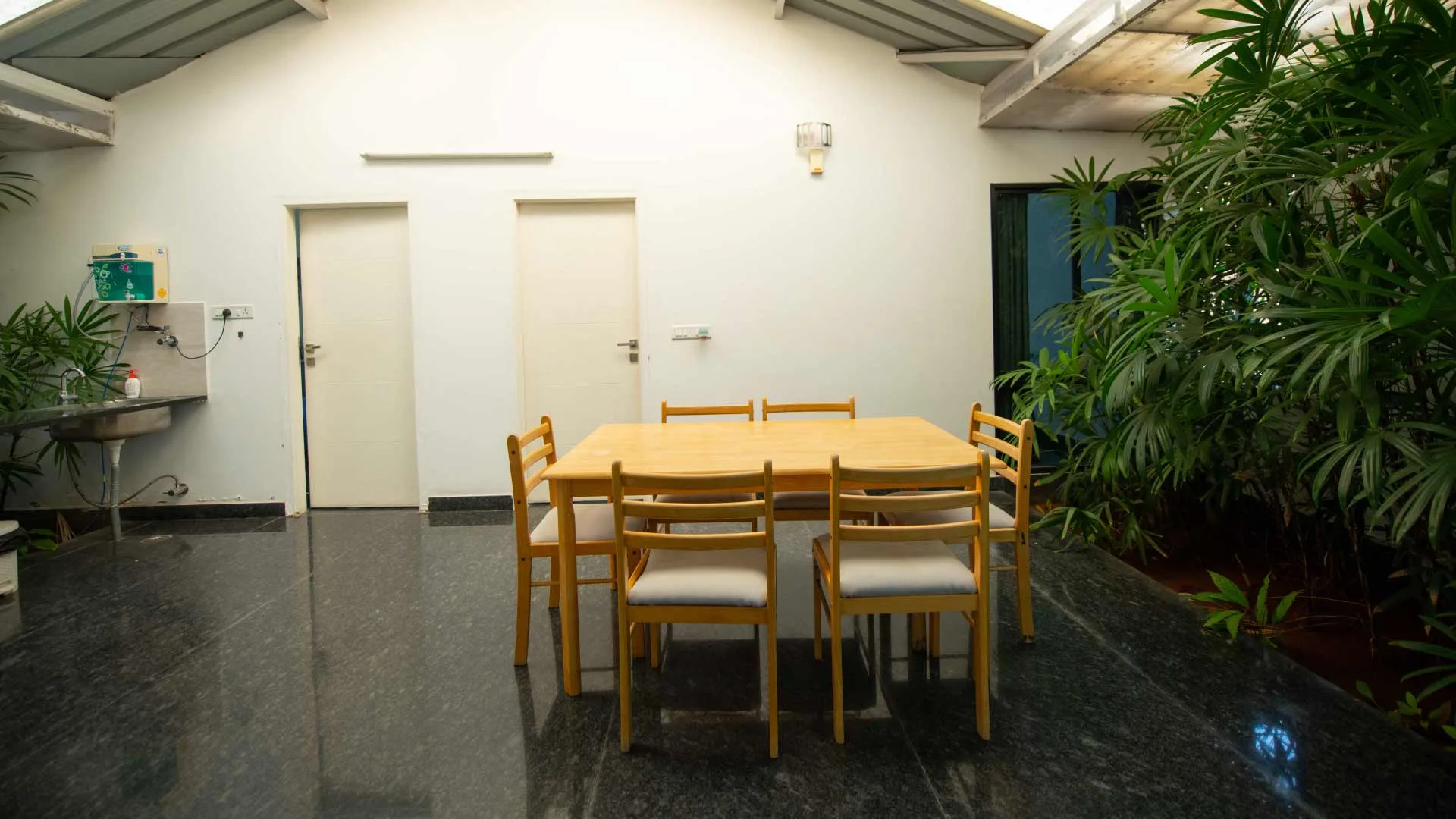
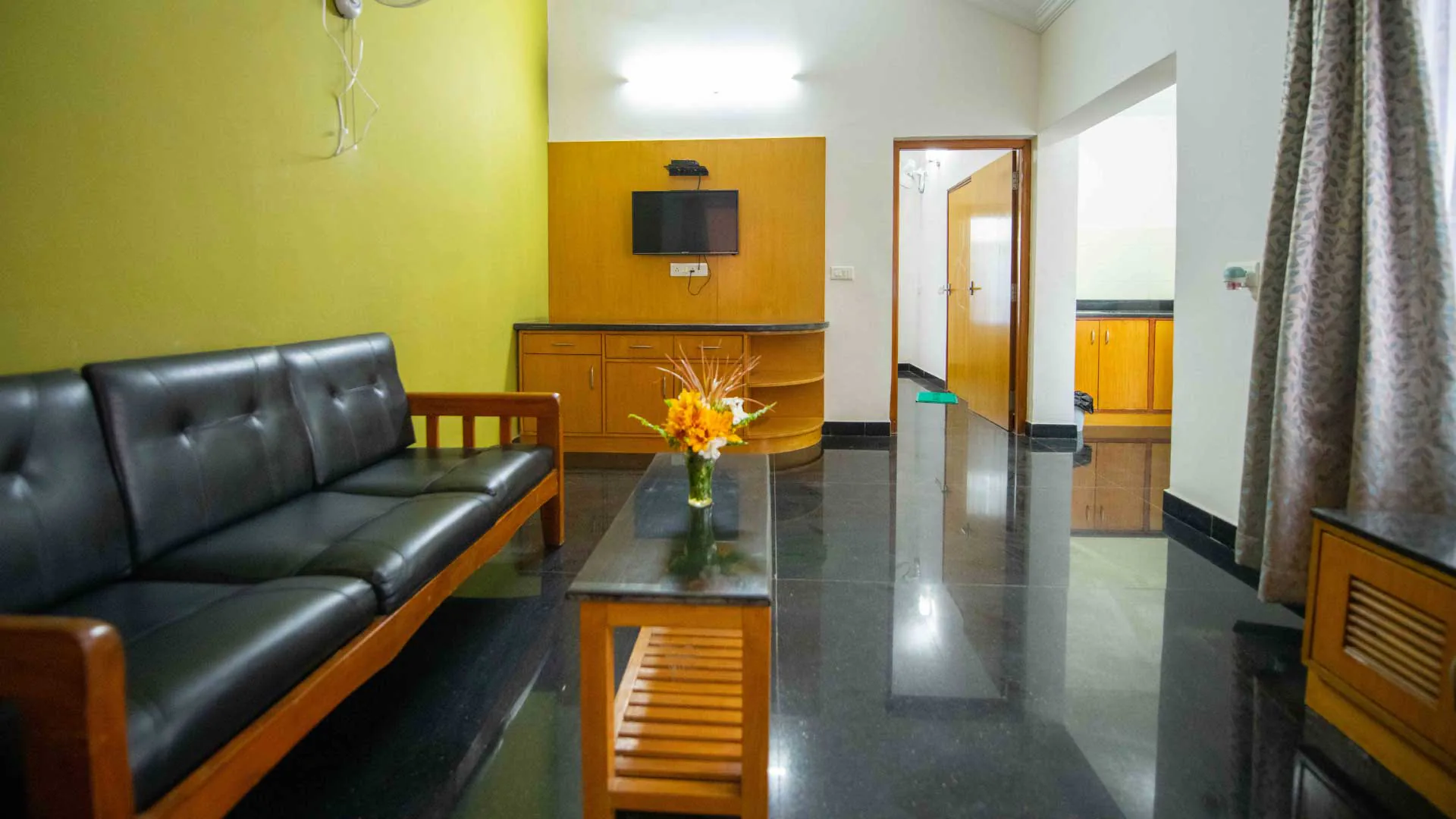
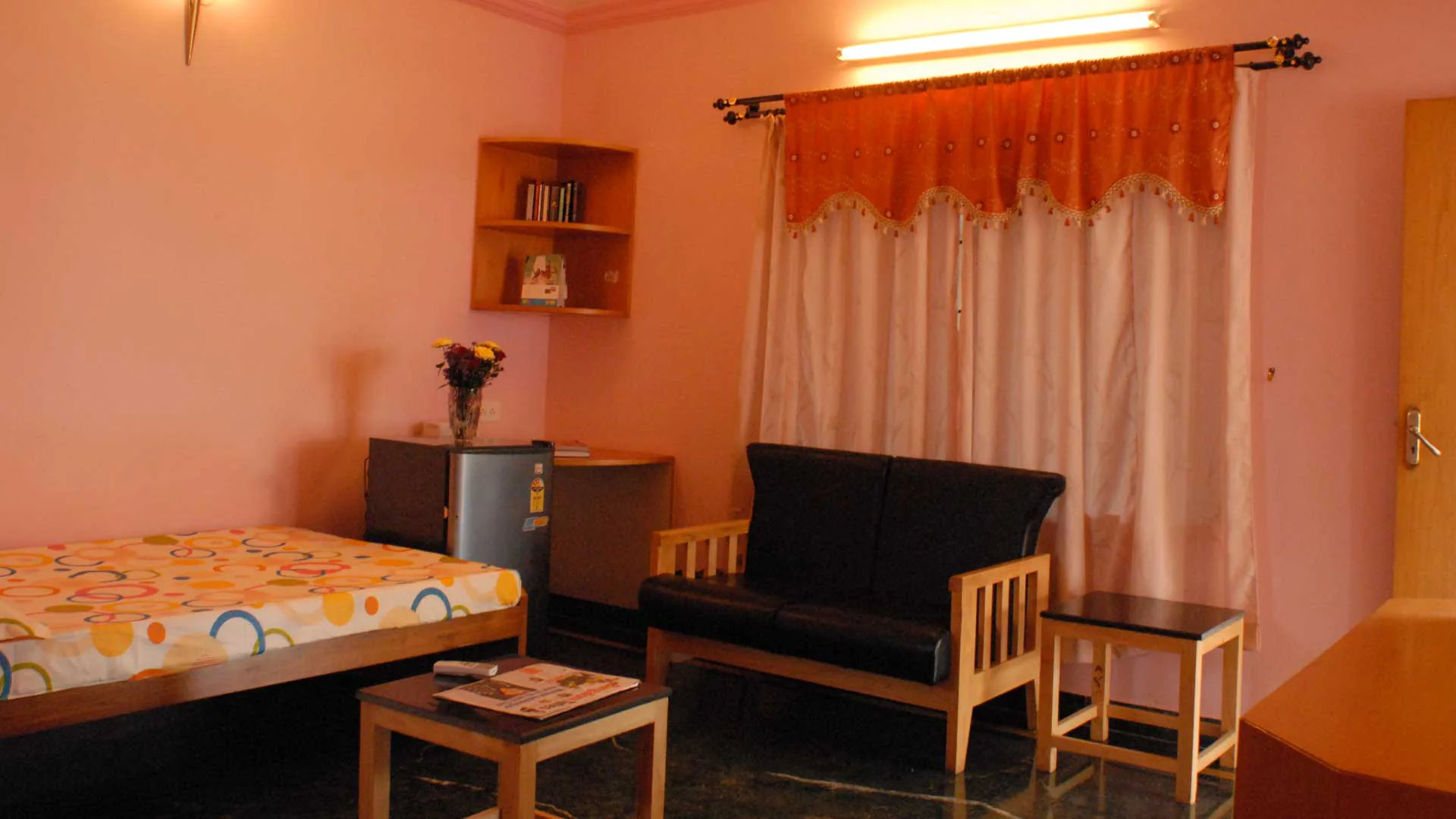
5. Facilities and Amenities: Assess the rehab center’s facilities, amenities, and living conditions to ensure they align with personal preferences and comfort levels. Consider factors like accommodations, recreational activities, and the overall environment to create a conducive setting for recovery.
Remember to conduct thorough research, seek recommendations, and consult with professionals to make an informed decision that best suits your needs and increases the likelihood of a successful recovery journey.
Looking for expert therapists in Bangalore or therapists in Hyderabad? Cadabam’s Hospitals offers professional mental health support across both cities.
What Are the Benefits of a Rehabilitation Center for Alcoholism?
A rehabilitation center for alcoholism provides numerous benefits, including a structured environment for recovery, specialized medical care, therapy, peer support, education on addiction and coping strategies, and a safe space to address underlying issues. These elements combine to enhance the chances of successful and sustainable sobriety.
How Effective Is Rehabilitation for Alcohol Addiction?
Rehabilitation for alcohol addiction can be highly effective, offering individuals the opportunity to receive comprehensive treatment, develop coping mechanisms, address underlying issues, and gain support from professionals and peers. Success rates vary, but many individuals achieve long-term sobriety and improved quality of life through rehab programs.
Top Alcohol Addiction Doctors at Cadabam’s Hospitals
Alcohol Addiction Rehabilitation
Best Alcohol Addiction Treatments Offered at Cadabam’s Hospitals
More Additional Resources
How Long Does Alcohol Rehabilitation Take at Cadabam's Bangalore?
Rehabilitation length is matched to severity, not sold as a fixed package. A short-term programme of 28–30 days suits mild-to-moderate dependence with a stable home environment. A medium-term programme of around 60 days is the standard residential option. A 90-day programme is recommended for severe dependence or repeated relapse, and the National Institute on Drug Abuse confirms that 90-day programmes have significantly better long-term outcomes than 28-day programmes. Extended care of 6–12 months supports complex cases. Cadabam's personalises the duration after assessment rather than applying a one-size-fits-all approach.
Is Cadabam's Alcohol Rehabilitation Centre Accredited?
Cadabam's is part of one of India's longest-running private mental-health groups, with more than 30 years of clinical experience. Our facilities adhere to standards expected of hospital-based de-addiction care. For current accreditation status and certifications, contact our admissions team. Accreditation is one important trust signal among several others — clinical team credentials, hospital-grade medical cover, and post-treatment outcomes also matter.
Family Therapy During Alcohol Rehabilitation at Cadabam's
Family involvement is one of the strongest predictors of sustained recovery. Behavioural Couples Therapy data show family-engaged treatment can raise twelve-month abstinence rates by up to 40%. Cadabam's family therapy includes structured psychoeducation about alcohol use disorder, communication-skills training, and clear teaching of relapse-warning signs so loved ones can act earlier. This support is part of the standard programme — not an optional extra.