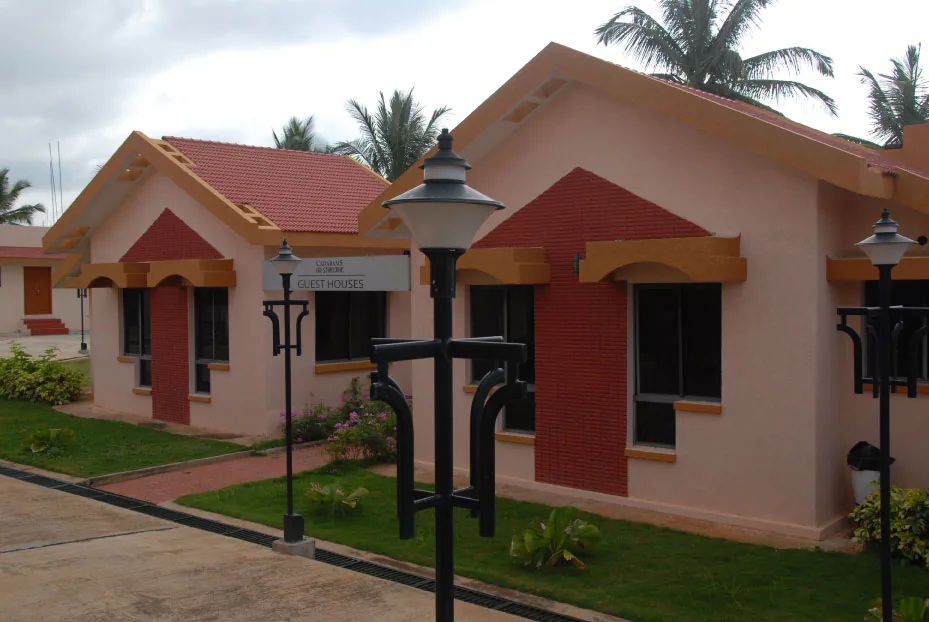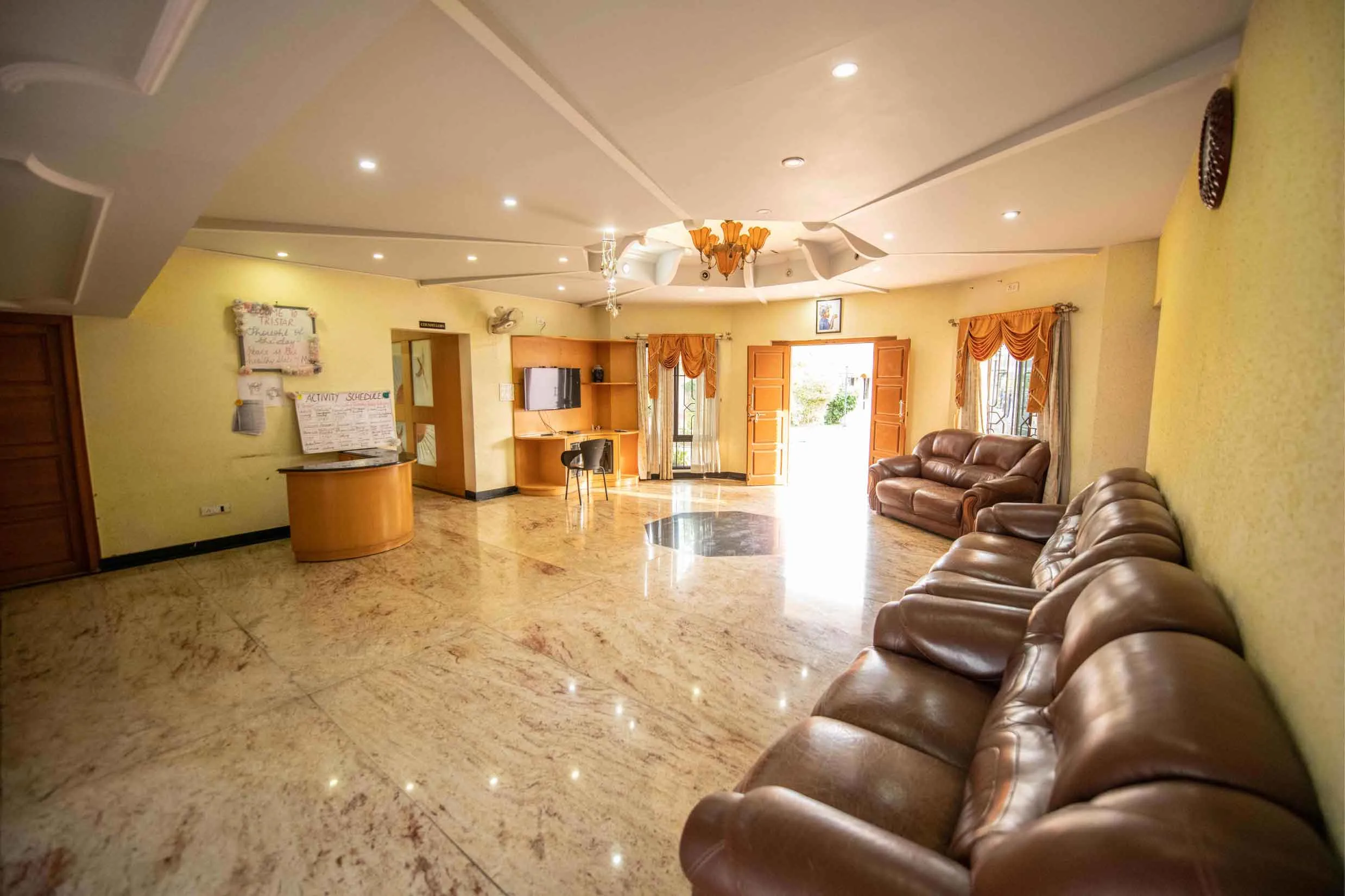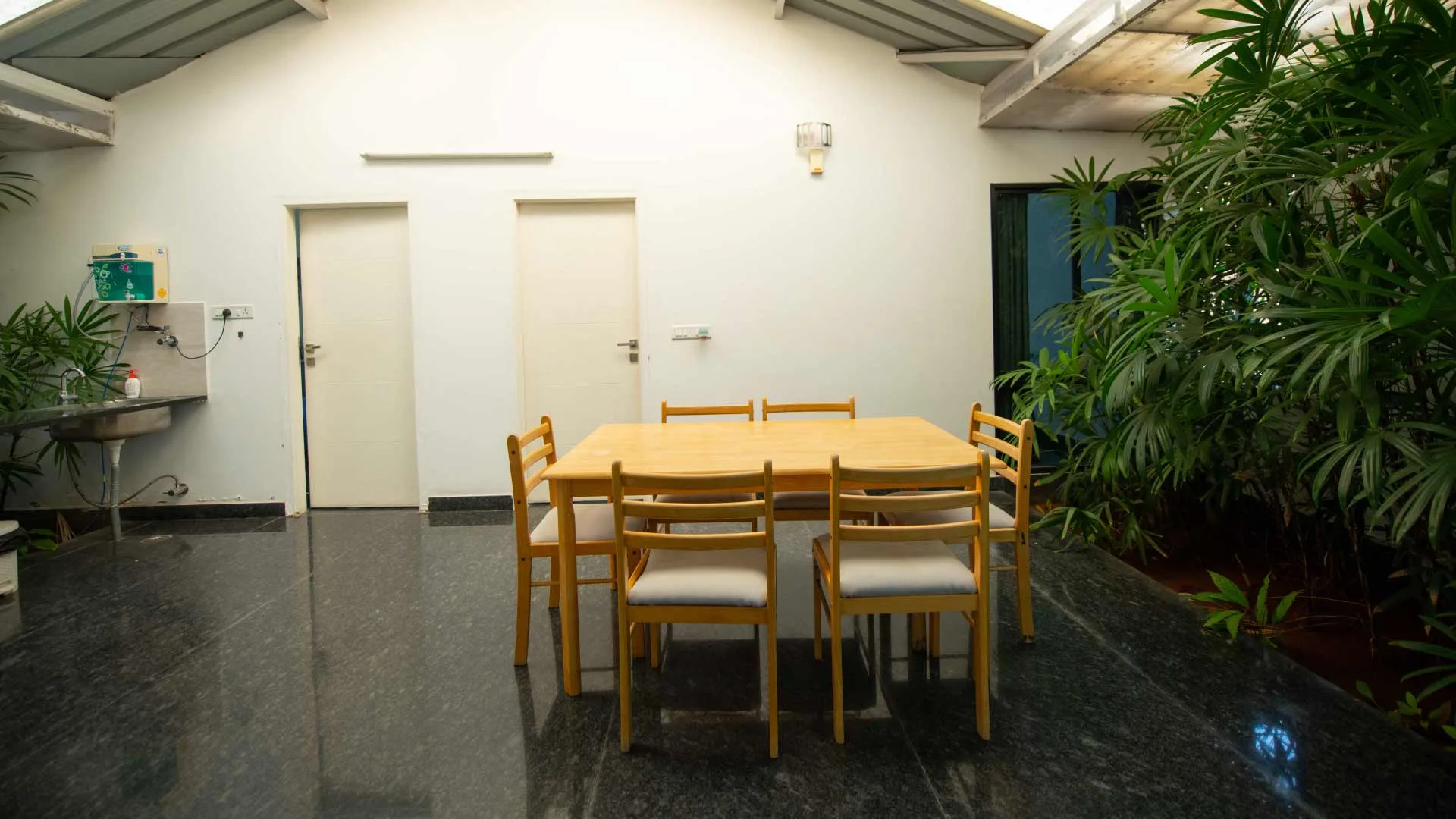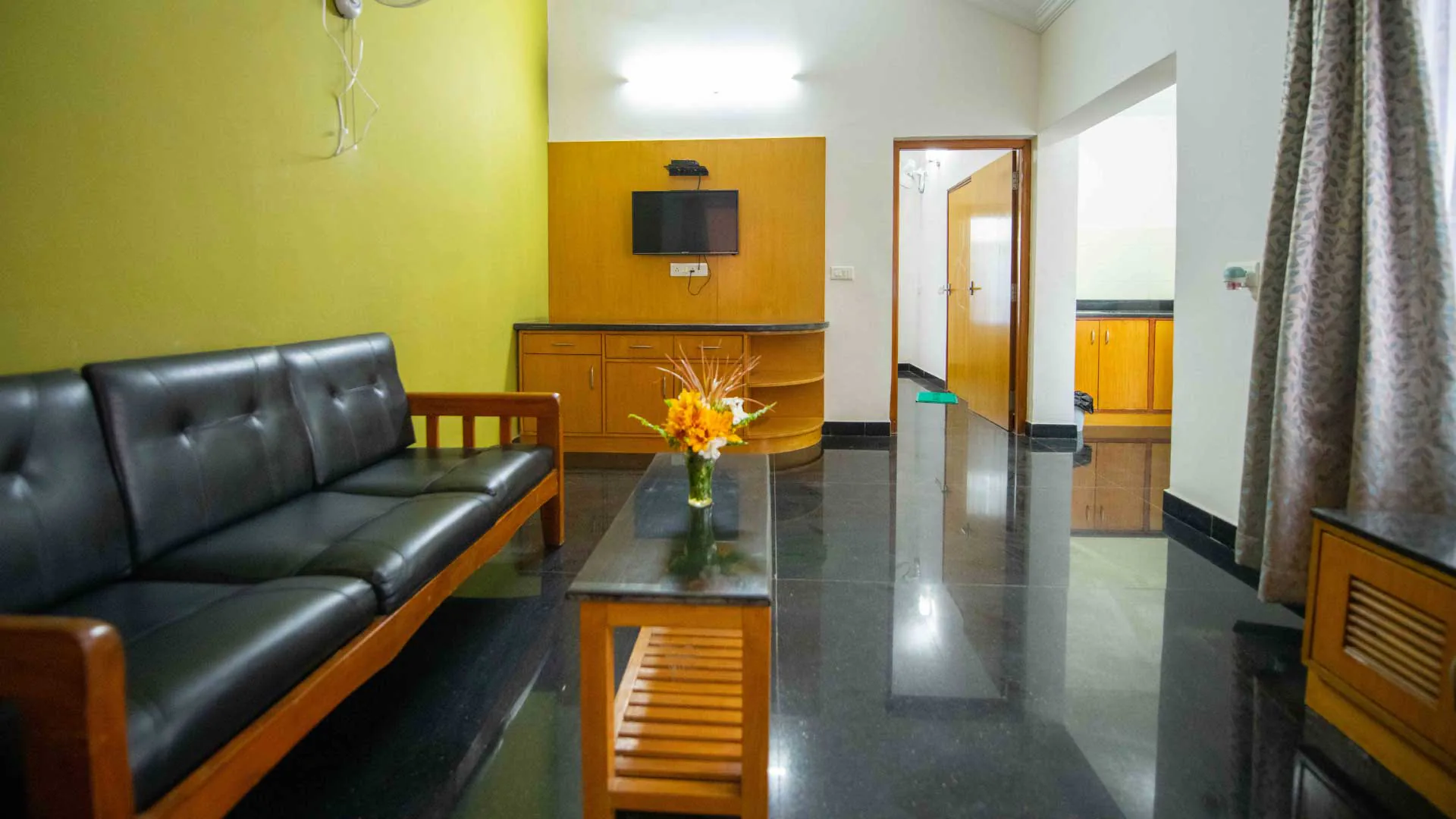
Speech therapy targets language development, while occupational therapy addresses sensory sensitivities and motor skills. Individualized interventions cater to the unique needs of each person with autism. Early and intensive rehabilitation, often starting in childhood, has been shown to be effective in enhancing adaptive functioning and improving the overall quality of life for individuals with autism.

Overview
Centers supporting autism offer a specialized environment for individuals to prioritize their well-being. They are crucial in caring for those facing challenging symptoms that affect daily life, especially in social interactions, task completion, addiction management, and mental health concerns.
These centers provide 24/7 support, including group sessions, personalized therapy, medications, nursing assistance, and family counseling, ensuring the safety and overall welfare of individuals with autism through a comprehensive approach.
Why Does One Need a Rehab Center for Autism?
Rehab centers for autism become essential when individuals face challenges not just in core autism symptoms but also in related areas like sensory processing, emotional regulation, and adaptive functioning. These centers offer a structured environment, combining various therapies to address the multifaceted aspects of autism and provide tailored support for a holistic developmental approach.
When Should You Ask for Help?
Seeking help is crucial when individuals with autism encounter difficulties in daily activities, such as challenges in socializing, communicating, or managing sensory issues. Early intervention is key, making it vital to ask for help as soon as signs of developmental differences or struggles emerge, ensuring timely support and maximizing potential outcomes.
What Types of Specialists or Doctors Can Help With Autism Treatment?
specialists like developmental pediatricians and child psychologists, other professionals, including speech-language pathologists, occupational therapists, and behavioral analysts, play pivotal roles in autism treatment. Collaborative care involving a team of diverse specialists ensures a comprehensive and individualized approach to address various aspects of autism spectrum disorder.
What Type of Therapy or Treatment Programs Are Available for Autism in Bangalore?
Rehab programs in Bangalore employ comprehensive assessments, incorporating advanced technologies such as eye-tracking and neuroimaging, to understand the nuanced needs of individuals with autism. Cognitive assessments, adaptive behavior scales, and functional analysis contribute to a detailed profile. Beyond traditional measures, innovative tools like virtual reality may be utilized to assess sensory processing challenges. This multifaceted approach ensures a precise understanding of the individual's unique neurodevelopmental characteristics, informing tailored interventions for optimal outcomes in the rehabilitation process.
Things You Should Check Before Selecting a Rehab Center for Autism
Individualized Treatments:look for a facility that emphasizes personalized treatment plans tailored to the specific needs of each individual with autism. Cookie-cutter approaches may not address the unique challenges and strengths of each person. A center that values customization in their programs is more likely to provide comprehensive and effective care. Community involvement program: inquire about their involvement in the broader community. A strong connection to local resources, social groups, and educational programs can contribute significantly to a person's long-term success. A rehab center that actively engages with the community demonstrates a commitment to fostering inclusivity and social integration.
Family Support and Involvement: The role of families in the rehabilitation process is paramount. Investigate how a center involves and supports families in the treatment journey. Regular communication, educational workshops, and family counseling can empower families to continue the therapeutic efforts at home Outcome Measurement and Continuous Improvement: Inquire about the center's approach to measuring outcomes and its commitment to continuous improvement. Reliable rehabilitation centers often conduct regular assessments to track progress and adjust treatment plans accordingly.
What Are the Benefits of a Rehab Center for Autism?
Rehab centers offer nuanced benefits by creating environments that cater specifically to individuals with autism, fostering a sense of belonging and understanding. These centers often implement alternative therapies, such as animal-assisted or nature-based interventions, addressing sensory needs in unconventional yet effective ways. Additionally, they provide a platform for peer interaction, enabling individuals to learn social skills organically in a supportive setting. The emphasis on creative outlets, like art therapy, not only aids communication but also encourages self-expression, contributing to emotional well-being.
How Effective Is Rehabilitation for Autism?
Rehabilitation for autism is effective due to its tailored approach, recognizing the diverse needs of individuals. Beyond mainstream therapies, lesser-known interventions like technology-assisted learning or virtual reality applications are incorporated for enhanced engagement. Rehabilitation's efficacy lies in its adaptability to different learning styles and the inclusion of life skills training, ensuring a holistic approach that extends beyond academic or behavioral improvements, fostering independence and overall quality of life.