How Does rTMS Work for Chronic Pain?
Repetitive Transcranial Magnetic Stimulation (rTMS) helps reduce chronic pain by stimulating specific areas of the brain involved in pain processing and regulation. During the procedure, a specialised coil is placed near the scalp to deliver controlled magnetic pulses that influence nerve cell activity in targeted brain regions.
These pulses help regulate abnormal neural activity associated with chronic pain conditions. Over time, repeated stimulation can help the brain process pain signals more effectively, which may reduce pain intensity and improve overall functioning.
Here’s how rTMS supports chronic pain management:
- Targeted brain stimulation: A coil placed on the scalp delivers magnetic pulses to areas of the brain linked to pain perception.
- Modulates neural activity: The pulses help adjust abnormal brain activity associated with chronic pain conditions.
- Improves pain signal regulation: rTMS helps the brain interpret pain signals more effectively, reducing their intensity.
- Promotes neural balance: Repeated sessions can restore healthier communication between brain cells involved in pain control.
- Supports long-term pain management: Over time, rTMS may reduce pain sensitivity and improve day-to-day functioning.
Because rTMS directly influences the brain’s pain-processing networks, it may be helpful for individuals whose chronic pain has not responded adequately to medication or other conventional treatments.
What Conditions of Chronic Pain Can rTMS Help With?
Repetitive Transcranial Magnetic Stimulation (rTMS) may help manage certain types of chronic pain by stimulating brain regions involved in pain processing and regulation. The therapy is typically considered when pain persists despite conventional treatments such as medication or physiotherapy.
Chronic pain conditions where rTMS may be considered include:
- Neuropathic pain: Pain caused by nerve damage or abnormal nerve activity.
- Fibromyalgia: A condition characterised by widespread musculoskeletal pain and fatigue.
- Chronic migraine or headache disorders: rTMS may help regulate pain pathways associated with recurring headaches.
- Complex regional pain syndrome (CRPS): A chronic pain condition affecting limbs after injury or surgery.
- Post-stroke pain: Persistent pain that can occur after a stroke due to changes in brain signalling.
- Chronic back or musculoskeletal pain: Long-term pain conditions affecting muscles, joints, or the spine.
The suitability of rTMS for these conditions varies depending on the individual’s medical history and pain profile. A qualified specialist can assess whether rTMS therapy may be an appropriate treatment option.
Why Is rTMS Used for Chronic Pain Treatment?
Repetitive Transcranial Magnetic Stimulation (rTMS) is used as a treatment option for chronic pain that does not respond well to conventional therapies such as medication or physical treatments. The therapy works by stimulating specific brain regions involved in pain perception, helping regulate abnormal neural activity linked to long-term pain conditions.
Common reasons rTMS is used for chronic pain management include:
- Targeted brain stimulation: rTMS focuses on brain areas responsible for processing pain signals, helping regulate how the brain interprets pain.
- Non-invasive treatment option: The therapy does not require surgery, anaesthesia, or implanted devices.
- Alternative for treatment-resistant pain: rTMS may be recommended when medications or other therapies have not provided sufficient relief.
- Reduced reliance on medication: Some individuals may experience improved pain control with less dependence on long-term pain medications.
- Improved quality of life: By helping reduce pain intensity, rTMS may support better daily functioning and overall well-being.
For many individuals with chronic pain syndromes, rTMS offers a modern neuromodulation approach that targets the brain’s pain-processing networks, helping improve symptom management over time.
How rTMS Differs From Other Brain Stimulation Treatments for Chronic Pain
rTMS is a non-invasive brain stimulation therapy used to help regulate brain activity involved in chronic pain processing. Unlike several other neuromodulation techniques, rTMS does not involve surgery, implanted devices, or anaesthesia, making it a more accessible option for many patients.
Key differences between rTMS and other brain stimulation treatments include:
- Non-invasive procedure: rTMS delivers magnetic pulses through a coil placed on the scalp, without surgery or implants.
- No anaesthesia required: Patients remain awake and comfortable during the session.
- Minimal downtime: Most individuals can resume normal daily activities immediately after treatment.
- Targeted brain stimulation: Magnetic pulses focus on brain regions responsible for pain perception and regulation.
- Lower risk profile: Compared with invasive brain stimulation procedures, rTMS generally involves fewer complications.
These characteristics make rTMS a practical neuromodulation approach for managing chronic pain, particularly for individuals who have not achieved sufficient relief from medications or other conventional therapies.
What Are the Benefits of rTMS for Chronic Pain?
Repetitive Transcranial Magnetic Stimulation (rTMS) offers several benefits for individuals living with chronic pain. This non-invasive therapy targets brain regions involved in pain processing, helping regulate pain signals and improve overall well-being without surgery or prolonged recovery time.
Key benefits of rTMS for chronic pain include:
- Reduction in pain symptoms: rTMS stimulates brain areas responsible for pain perception, which may help reduce the intensity of chronic pain over time.
- Improved mental well-being: Chronic pain often contributes to stress, anxiety, and emotional fatigue. rTMS may help support better emotional resilience and mood balance.
- Better cognitive functioning: Some individuals experience improvements in focus, attention, and mental clarity after treatment.
- Potential long-term relief: Repeated sessions may help regulate pain-processing pathways in the brain, allowing longer-lasting symptom improvement.
- Enhanced quality of life: As pain levels decrease, individuals may find it easier to participate in daily activities, work, and social interactions.
- Reduced reliance on medication: rTMS may help some individuals manage symptoms with fewer medications, which can reduce the risk of medication-related side effects.
- Convenient outpatient treatment: Sessions typically take 30–40 minutes and do not require hospital admission or recovery downtime.
By targeting the brain’s pain-regulation networks, rTMS provides a modern, non-invasive approach to chronic pain management, helping many individuals improve both physical comfort and overall quality of life.
What Should You Expect During rTMS Treatment for Chronic Pain in Bangalore?
rTMS treatment for chronic pain typically involves a 30-40 minute outpatient session where a specialised coil is placed near the scalp to deliver controlled magnetic pulses. These pulses stimulate specific brain areas involved in pain regulation. The procedure is non-invasive, and most individuals remain awake and comfortable throughout the session.
How to Prepare for Your First rTMS Session
Before beginning rTMS therapy, a specialist will conduct a comprehensive medical evaluation to determine whether the treatment is suitable for your condition. This assessment helps ensure the therapy is tailored to your specific symptoms and treatment goals.
Key steps before your first session may include:
- Medical assessment: A clinician reviews your medical history, pain patterns, and current treatments.
- Personalised treatment planning: Your practitioner identifies the brain regions to be targeted during therapy.
- Session preparation guidance: You may receive recommendations such as limiting caffeine or stimulants before treatment.
During the session, you will sit comfortably while a treatment coil is positioned on your scalp. The device delivers rhythmic magnetic pulses that may feel like a light tapping sensation but are generally painless.
Aftercare and Follow-Up After rTMS Therapy
After an rTMS session, most individuals can resume their normal daily activities immediately. Your care team may provide guidance on relaxation techniques, stress management strategies, or lifestyle adjustments that support recovery.
Follow-up appointments are typically scheduled to:
- Monitor treatment progress
- Adjust stimulation settings if needed
- Ensure the therapy continues to meet your recovery goals
Regular monitoring and personalised support help maximise the long-term benefits of rTMS therapy for chronic pain management.
How Does rTMS Support Emotional Well-Being in Chronic Pain Treatment?
Repetitive Transcranial Magnetic Stimulation (rTMS) can support emotional well-being during chronic pain treatment by helping regulate brain activity linked to mood, stress, and pain perception. Many individuals living with chronic pain experience emotional challenges such as anxiety, frustration, or fatigue. rTMS treatment often includes psychological support that helps patients manage these emotional responses while working toward pain relief.
Ways rTMS treatment supports emotional well-being include:
- Improved emotional resilience: By influencing brain regions involved in mood regulation, rTMS may help individuals cope better with stress and emotional strain linked to chronic pain.
- Access to counselling support: Patients may receive guidance from therapists or counsellors who help address emotional reactions related to long-term pain conditions.
- Better stress and anxiety management: Supportive care during treatment can help individuals develop strategies to manage worry, stress, and treatment-related anxiety.
- Clear communication and guidance: Practitioners explain the treatment process, helping patients understand what to expect and reducing uncertainty or fear.
- Encouragement throughout the treatment journey: Regular interaction with clinicians and support teams helps individuals stay motivated and confident during recovery.
By combining neuromodulation therapy with emotional and psychological support, rTMS treatment aims to address both the physical and emotional impact of chronic pain, helping patients move toward a more balanced and resilient recovery process.
Who Is a Suitable Candidate for rTMS Therapy?
A suitable candidate for rTMS therapy is typically someone experiencing chronic pain that has not improved with conventional treatments such as medication, physiotherapy, or other pain management therapies. A specialist assessment helps determine whether rTMS is appropriate based on the individual’s medical history and pain condition.
People who may benefit from rTMS therapy include:
- Individuals with treatment-resistant chronic pain
- Patients with neuropathic or nerve-related pain
- People experiencing chronic pain linked to brain pain-processing pathways
- Individuals who cannot tolerate long-term pain medications
- Patients seeking non-invasive treatment options
A comprehensive evaluation by a specialist helps determine whether rTMS therapy is suitable for a person’s specific condition and treatment goals.
Is rTMS Safe for Chronic Pain Treatment?
Repetitive Transcranial Magnetic Stimulation (rTMS) is generally considered a safe and non-invasive treatment option for managing chronic pain when performed by trained specialists. The therapy uses controlled magnetic pulses to stimulate specific areas of the brain involved in pain regulation without requiring surgery or anaesthesia.
Key safety aspects of rTMS therapy include:
- Non-invasive procedure: rTMS does not involve surgical intervention or implanted devices.
- Minimal side effects: Some individuals may experience mild scalp discomfort or a temporary headache after treatment.
- Outpatient treatment: Sessions are usually performed in a clinical setting without the need for hospital admission.
- Quick recovery: Most people can return to their normal daily activities immediately after a session.
- Clinically supervised treatment: rTMS is administered by trained healthcare professionals who monitor progress and adjust treatment as needed.
Before starting therapy, a specialist will conduct a detailed evaluation to determine whether rTMS is appropriate for your specific condition and medical history.
How to Choose the Right rTMS Treatment Provider in Bangalore?
Choosing the right rTMS treatment provider in Bangalore is important for ensuring safe and effective chronic pain management. A reliable clinic should offer experienced specialists, advanced rTMS technology, and personalised treatment plans that support both physical and emotional recovery.
Key factors to consider when choosing an rTMS clinic include:
Accreditation and Licensing
- Ensure the clinic follows recognised healthcare standards and safety protocols.
- Verify that the facility is licensed to provide rTMS therapy.
Experience and Specialisation
- Look for specialists experienced in neuromodulation therapies and chronic pain management.
- Clinics with a multidisciplinary team can provide more comprehensive care.
Technology and Equipment
- Choose a clinic that uses modern, well-maintained rTMS systems.
- Advanced diagnostic tools help ensure precise treatment planning.
Personalised Treatment Plans
- The clinic should tailor rTMS sessions based on each patient’s pain condition and medical history.
- Individualised care improves treatment effectiveness and long-term outcomes.
Support and Follow-Up Care
- Access to counselling, psychological support, and regular follow-up sessions is important.
- Ongoing monitoring helps adjust treatment and track progress.
Questions to Ask Your rTMS Practitioner
Before starting rTMS therapy, it may help to ask a few questions to better understand the treatment process:
- What is your experience with rTMS therapy for chronic pain?
- How will my treatment plan be personalised?
- What results can I expect and how many sessions may be needed?
- Are there any side effects or precautions I should know about?
- How will my progress be monitored during treatment?
By considering these factors and asking the right questions, patients can make a more informed decision when choosing an rTMS treatment provider for chronic pain in Bangalore.
Why Choose Cadabam’s Hospitals for rTMS Treatment for Chronic Pain in Bangalore?
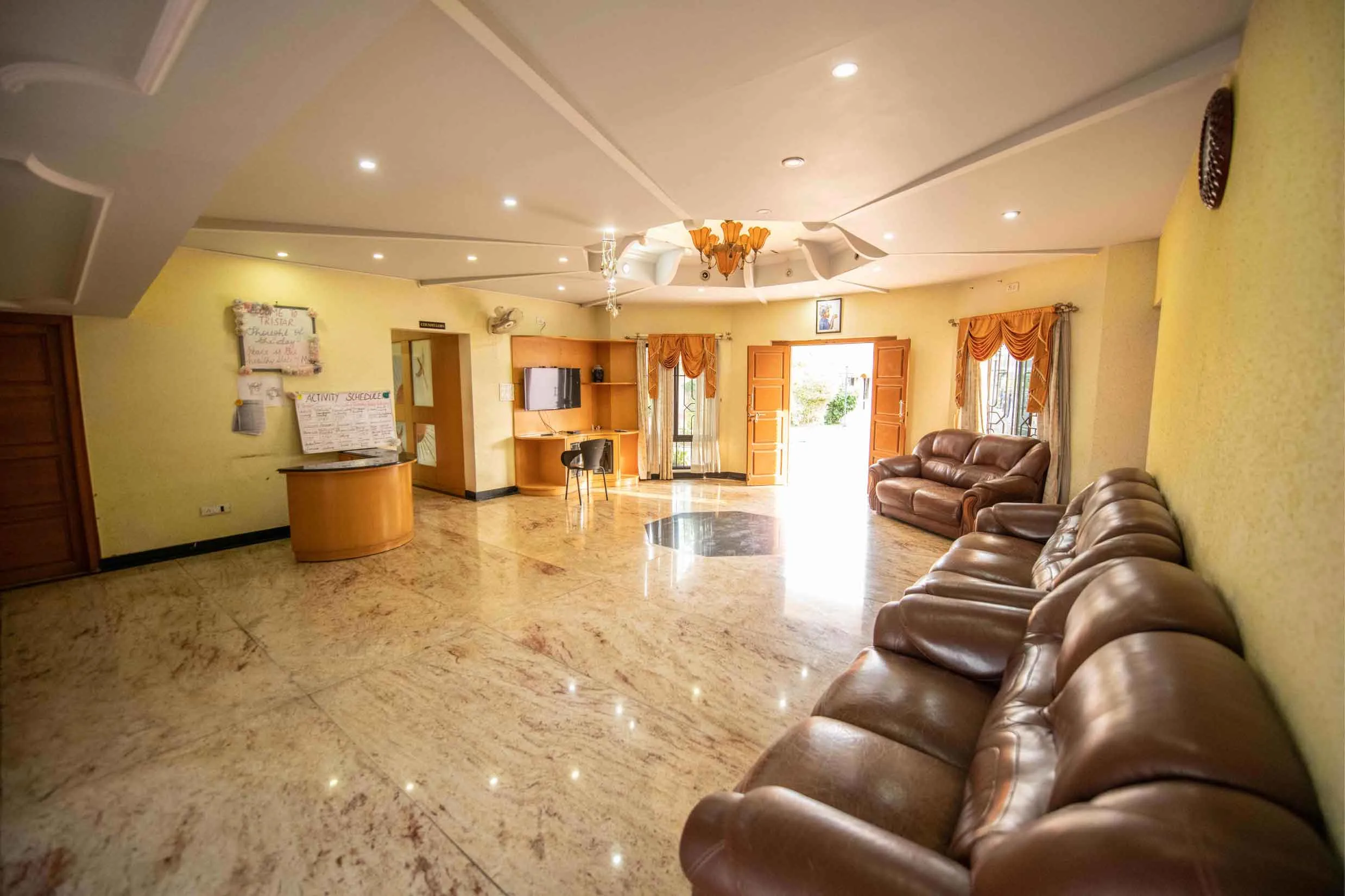
Cadabam’s Hospitals in Bangalore offers specialised rTMS therapy for individuals living with chronic pain. With experienced clinicians, advanced neuromodulation technology, and personalised care plans, the hospital focuses on helping patients manage pain more effectively while improving overall well-being.
Key reasons patients choose Cadabam’s Hospitals for rTMS therapy include:
- Experienced Clinical Team: Cadabam’s Hospitals has a team of trained professionals experienced in delivering rTMS therapy for chronic pain. Their expertise helps ensure that each treatment plan is carefully designed and monitored for optimal outcomes.
- Advanced rTMS Technology and Facilities: The hospital uses modern rTMS equipment within a structured clinical environment designed to support safe and comfortable treatment sessions.
- Holistic Treatment Approach: In addition to rTMS therapy, patients may benefit from complementary care such as psychotherapy, mindfulness-based techniques, and lifestyle guidance. This integrated approach supports both physical and emotional aspects of chronic pain management.
- Personalised Treatment Planning: Each patient undergoes a detailed assessment before starting therapy. Based on the evaluation, clinicians develop customised rTMS treatment plans tailored to individual symptoms, health history, and recovery goals.
- Continuous Monitoring and Follow-Up Care: Regular follow-up sessions help clinicians track progress and adjust treatment when needed. Ongoing guidance ensures that patients receive consistent support throughout their recovery journey.
If you are searching for a solution to your problem, Cadabam’s Hospitals can help you with its team of specialised experts. We have been helping thousands of people live healthier and happier lives for 33+ years. We leverage evidence-based approaches and holistic treatment methods to help individuals effectively manage their chronic pain. Get in touch with us today. You can call us at +91 97414 76476. You can even email us at info@cadabamshospitals.com.
Top Chronic Pain Doctors at Cadabam’s Hospitals
Rehabilitation Centres For Chronic Pain at Cadabam’s Hospitals
Best Chronic Pain Treatments Offered at Cadabam’s Hospitals
More Additional Resources About Chronic Pain