Welcome to Cadabam's

Biofeedback for Dementia in Hyderabad

Biofeedback training involves applying electrical sensors to different body parts to monitor the physiological response of the person to stress. The feedback of the response is given to the person via visual and auditory cues, in the form of a beep or a flashing light. The person is then taught relaxation techniques, with the objective that they can distinguish the effect stress and relaxation have on their bodies, and thus eventually become able to consciously learn relaxed body responses. Biofeedback can help people with dementia deal with issues such as anxiety, depression, and aggression. A biofeedback therapist can help the person practice breathing exercises, mental exercises, and relaxation which can result in positive body reactions, thus affecting and enhancing emotional well-being. If the person with dementia has physical issues related to old age such as constipation, , biofeedback training can help.

We offer biofeedback for Dementia in Hyderabad. Our clinical psychologists conduct biofeedback sessions to improve the physical and emotional well-being of the person with dementia.

33+YearsProfessionalExperience

And the easiest way to find out how this can help you is by booking an appointment or asking any questions and concerns that you have.

4.5 564 Google reviews

This process can be helpful in overcoming all sorts of substance addictions — the quickest way to find out how is to book an appointment or ask your questions.

Dementia treatment

Overview

With biofeedback training, you can learn to manually relax your body functions to change your emotional state. Various relaxation exercises can be used such as progressive muscle relaxation, deep breathing, mindfulness meditation, and guided imagery. It has various benefits such as helping with chronic pain, anxiety, headaches, high blood pressure, asthma, constipation, urinary incontinence, epilepsy, Attention Deficit Hyperactivity Disorder (ADHD), etc.

A biofeedback session can last for 30 to 60 minutes. The number and length of sessions depend on the condition of the person and the quickness with which they learn to monitor their physical responses.

Biofeedback training is appealing because of a number of reasons. It’s non-invasive, can enhance the benefits of or reduce the need for medications, can be helpful for pregnant women who are not recommended medications, and overall help people feel more in control of their health.


The Cadabams Difference

Why Cadabams? What makes us different

33+

Years of Experience

10,000+

Patients Helped

20+

Treatment Modalities

400+

Mental Health Experts

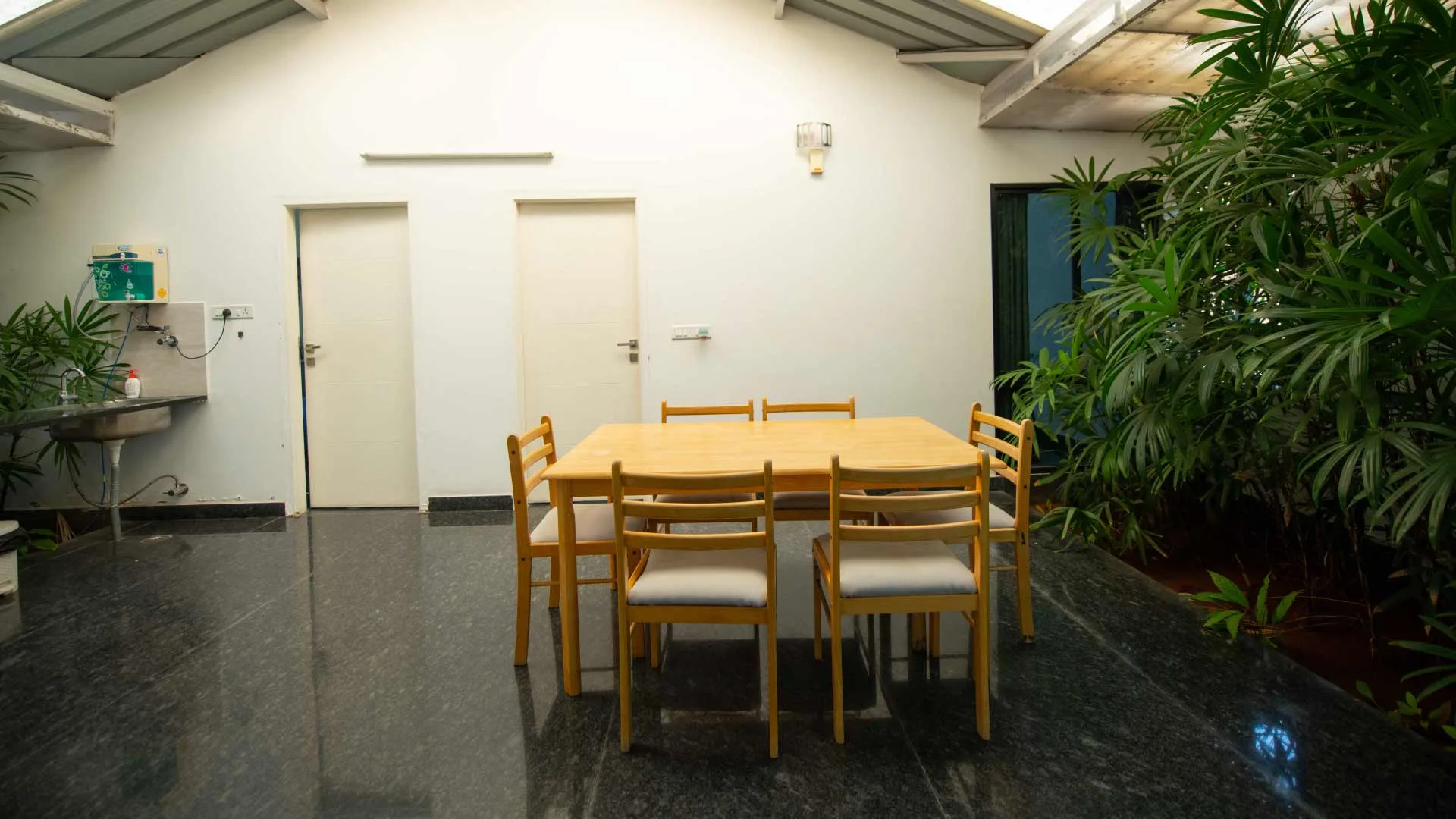
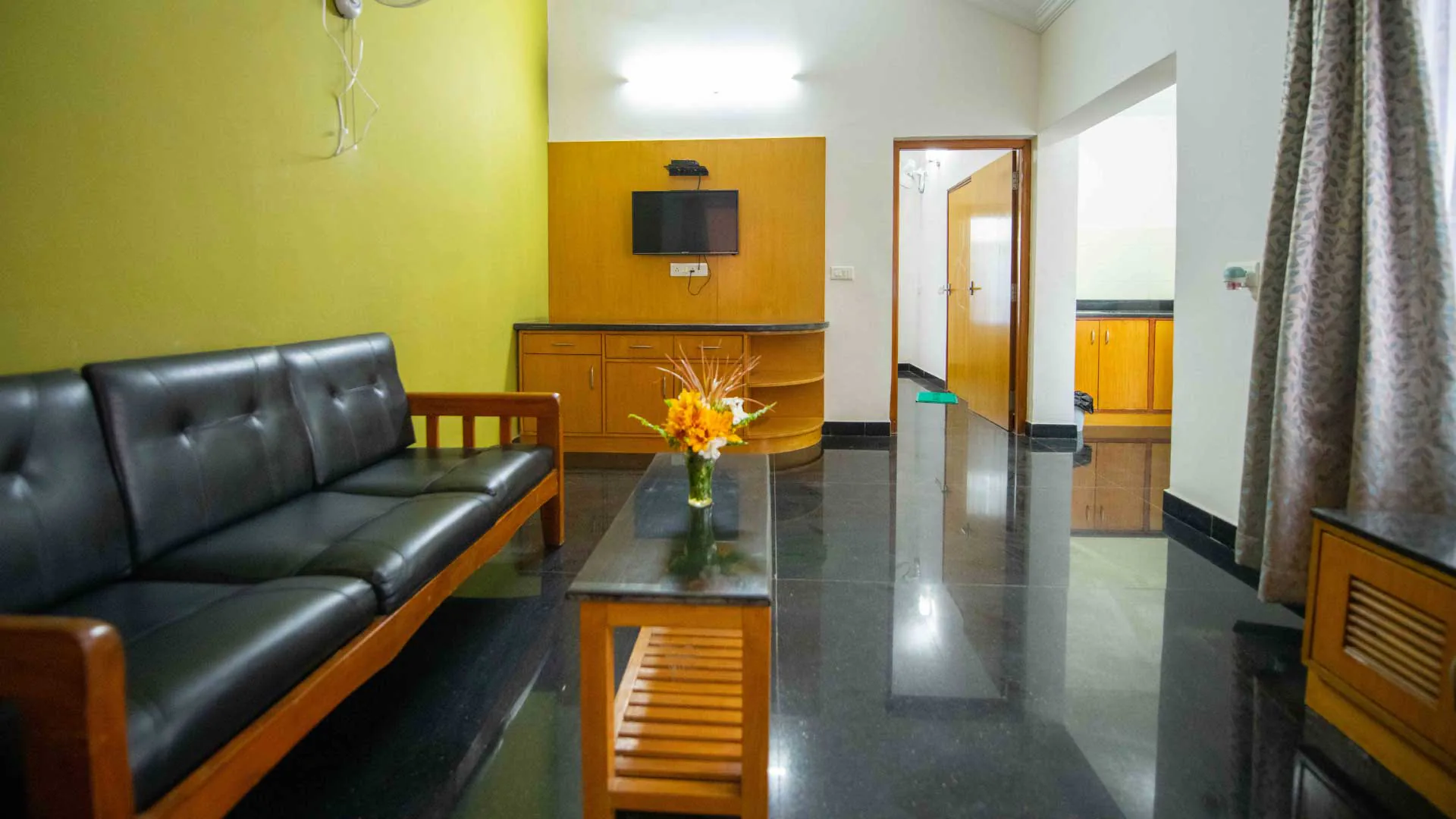
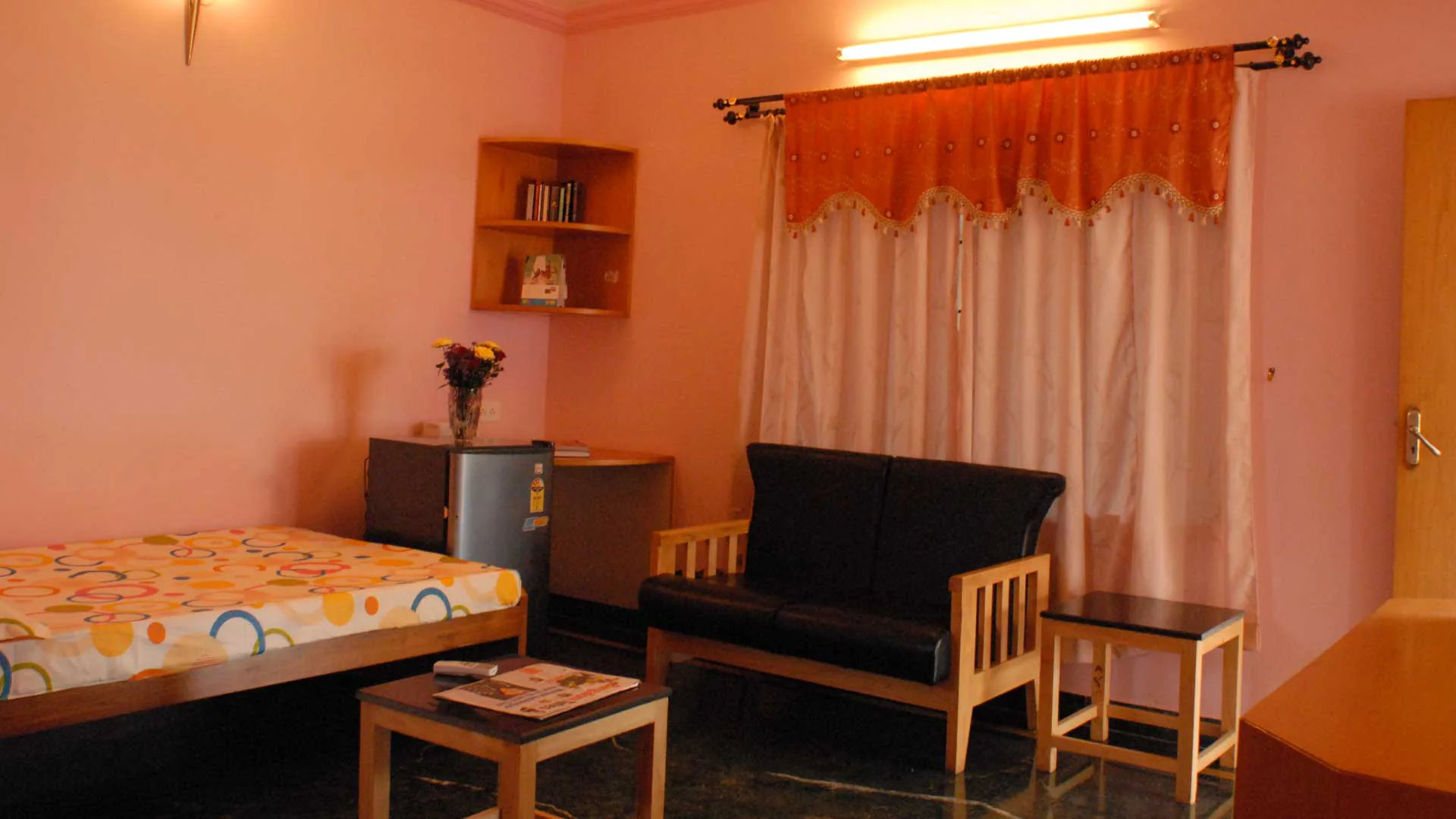
Our Infrastructure, Care Facilities and Strong Community Support Ensure Better Patient Outcomes

Purpose-built rehabilitation centres, clinical equipment, and support services designed to drive better patient outcomes.

Ananya Campus

Ananya Campus

Ananya Rehabilitation Centre

Ananya Rehabilitation Centre

Private Cottages

Private Cottages

Campus Entrance

Campus Entrance

Healing Environment

Healing Environment

Hospital Lobby

Hospital Lobby

Recovery Experience

Recovery Experience

Rehab Unit

Rehab Unit

Dementia Psychiatry: What is it and how can it help you?

Top Dementia Doctors at Cadabam’s Hospitals

Dementia Rehabilitation

Best Dementia Treatments Offered at Cadabams

More Additional Resources

Questions Patients Often Ask

Biofeedback is generally considered safe, however, it may not work properly on people with certain skin conditions or heart rhythm problems.

A therapist would attach electrical sensors to different body parts during a biofeedback session. These sensors will monitor your skin temperature, brain waves, muscle tension, breathing, and heart rate. This information would be fed to you via visual cues on the monitor, flashlights, or sounds such as a beep. With the feedback, you’ll learn to change your thoughts, emotions, or behaviour to get a positive response through these feedback cues.

Recent Stories from Our Blog

Dementia

31 March,2026

Frontotemporal Dementia Symptoms: Early Signs and Management

Read article
Anxiety

24 March,2026

Perinatal Anxiety vs Generalized Anxiety Disorder: What Sets Them Apart

Read article
postpartum depression

17 March,2026

Postpartum Psychosis vs Postpartum Depression: Critical Signs Families Must Know

Read article
Child and Adolescent Psychiatry

10 March,2026

DMDD in Children: Disruptive Mood Dysregulation vs Childhood Bipolar

Read article

Get a thoughtful note on mental wellbeing, delivered to your inbox.

Subscribe to our Newsletter — we won't spam. Promise.