The Cadabam’s Hospitals Difference
Why Cadabam’s Hospitals? What Makes Us Different?
Through our 8 specialty centers offering top-notch treatments across the nation, we have been helping thousands of people improve the quality of their lives.
33+
Years of Experience
10,000+
Happy Families
20+
Treatment Modalities
400+
Mental Health Experts
With over 33 years of expertise and knowledge, we promise to provide our clients the treatment that suits them the best. Whether the case involves substance addiction, alcoholism, sleeping issues, bipolar disorder, or schizophrenia, our experts know how to handle it in a way that it’s in the best interest of the client and their family.
Our state-of-the-art infrastructure, experienced professionals, and strong support system enable us to offer world-class evidence-based treatment that fits all stages and types of mental health concerns that you may have.
At Cadabam’s Hospitals, we’ve always got your back.
Our Facilities
Our Infrastructure & Care Facilities
Purpose-built rehabilitation centres, clinical equipment, and support services designed to drive better patient outcomes.
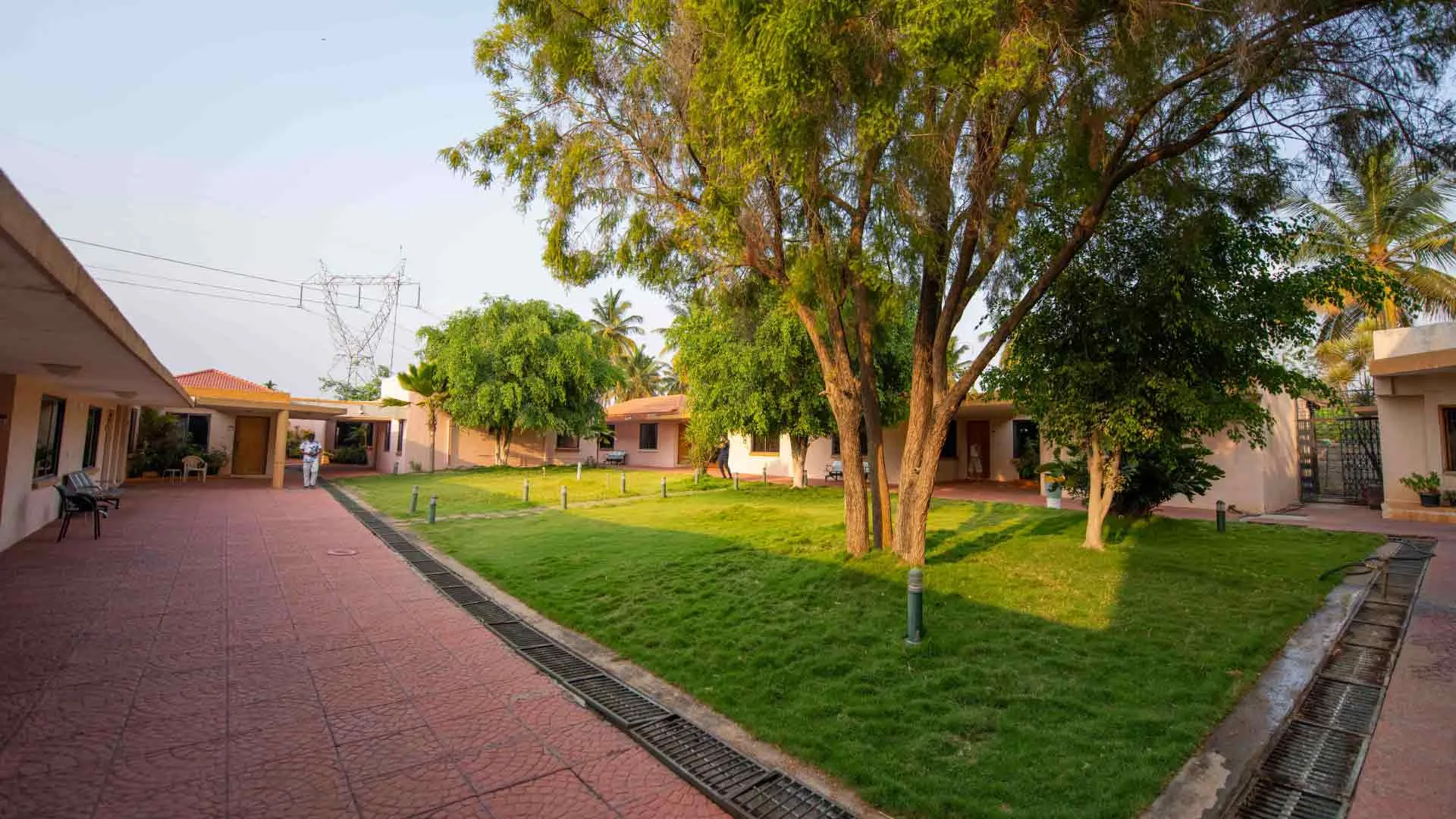
Ananya Campus
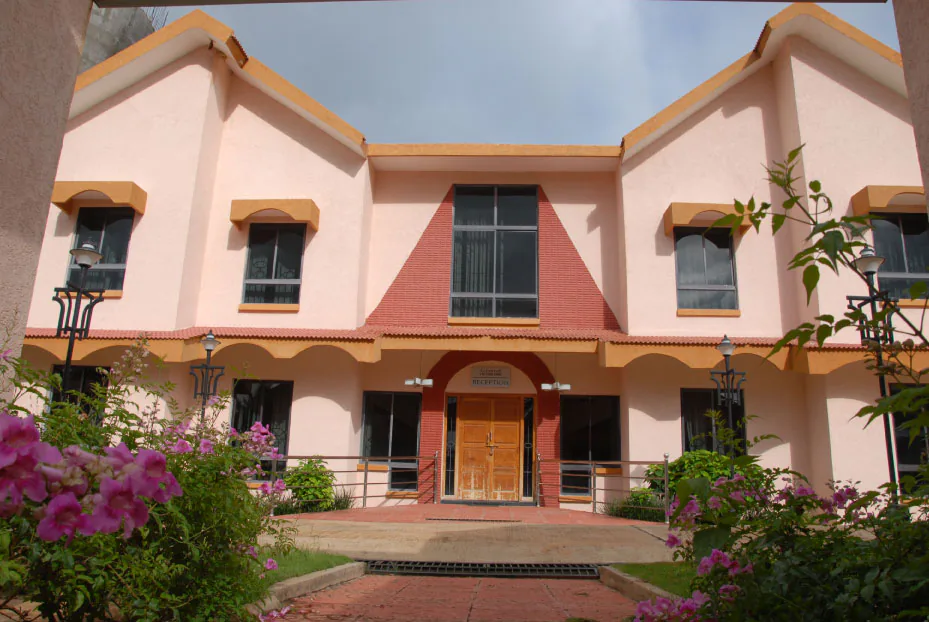
Ananya Rehabilitation Centre
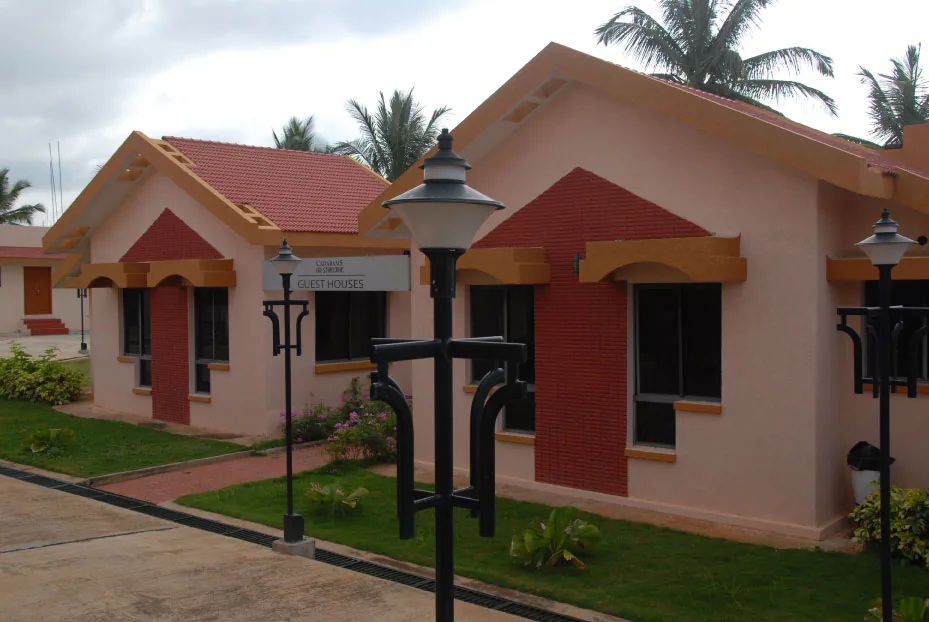
Private Cottages
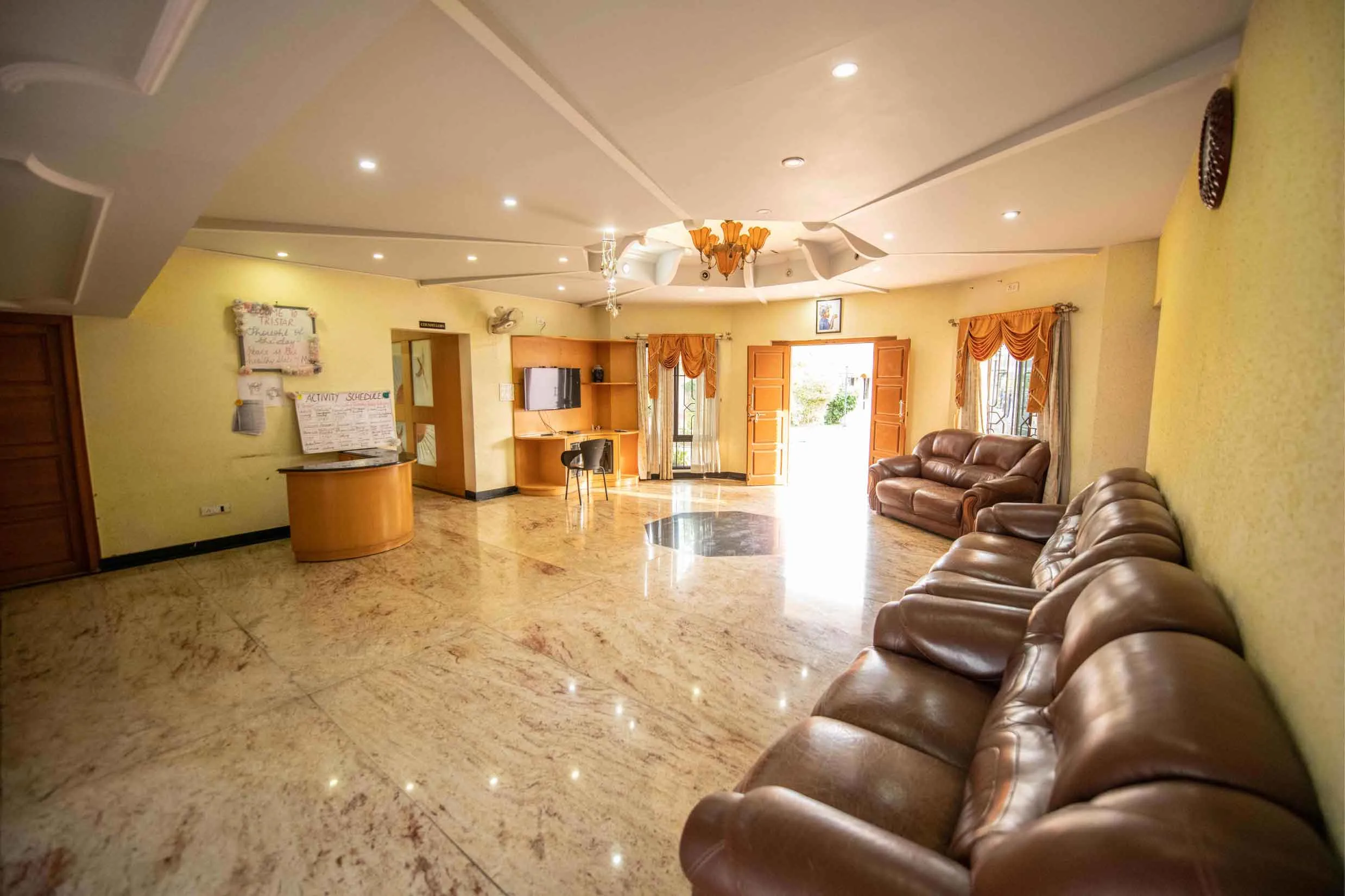
Campus Entrance
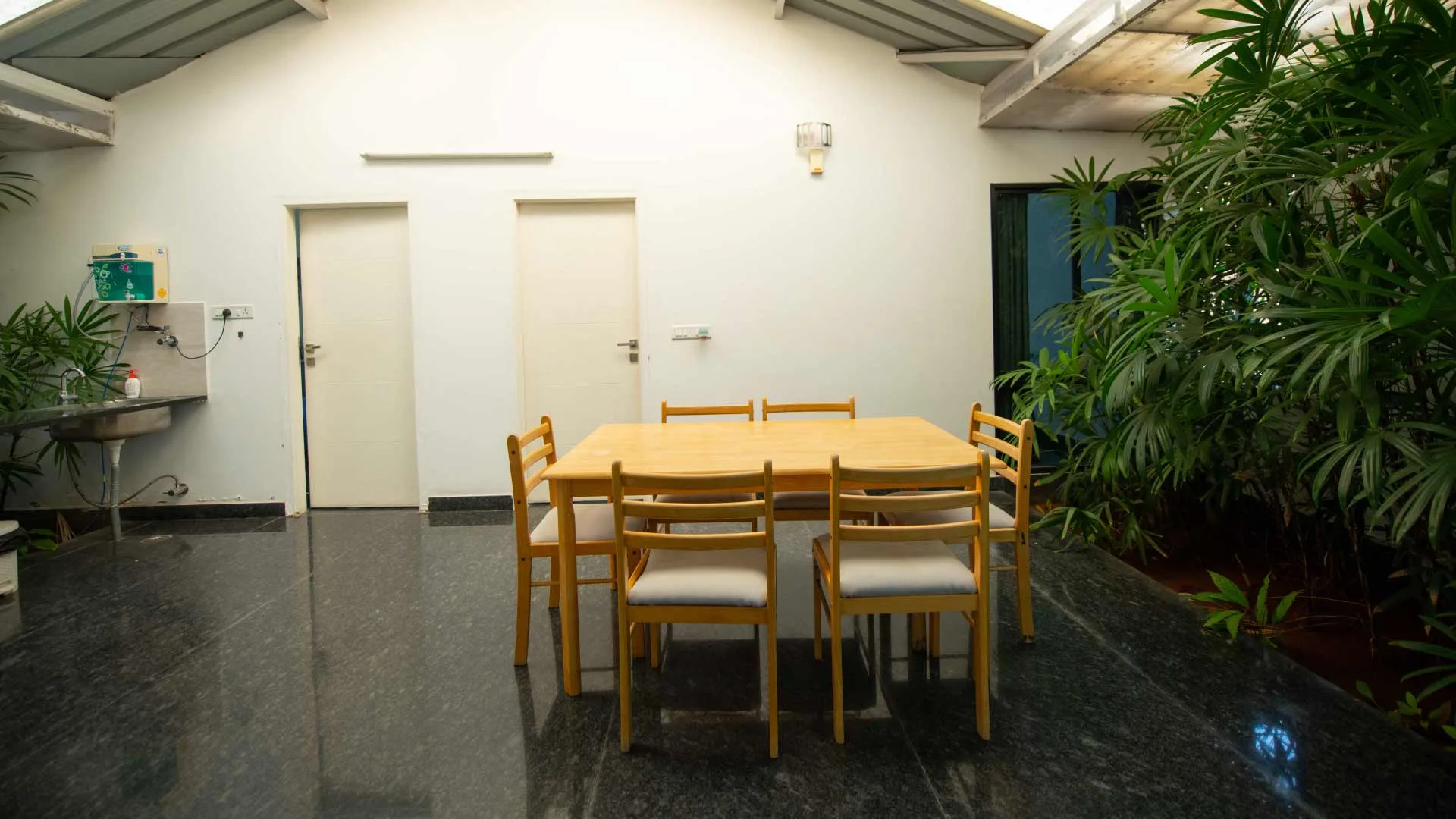
Healing Environment
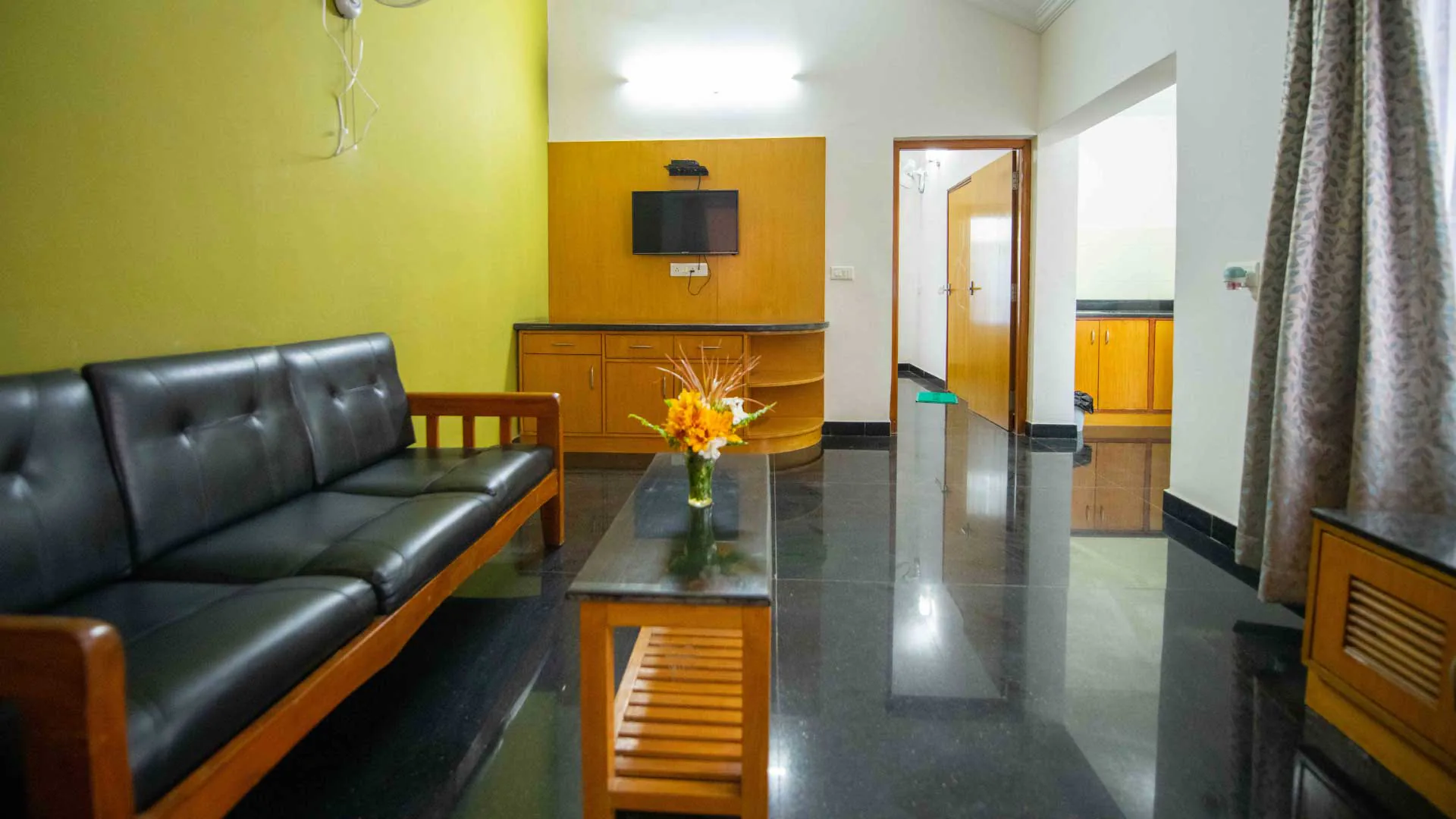
Hospital Lobby
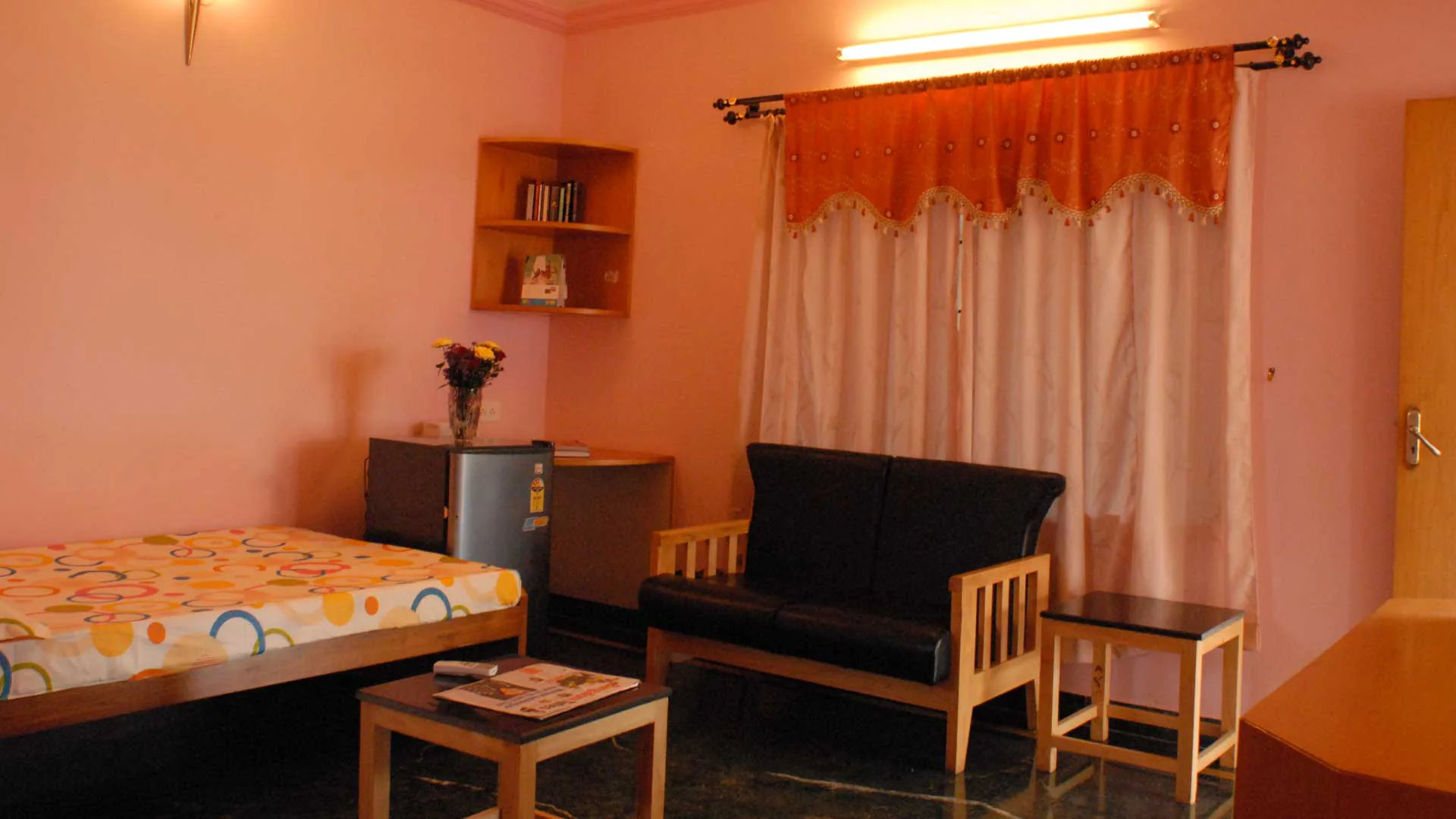
Recovery Experience
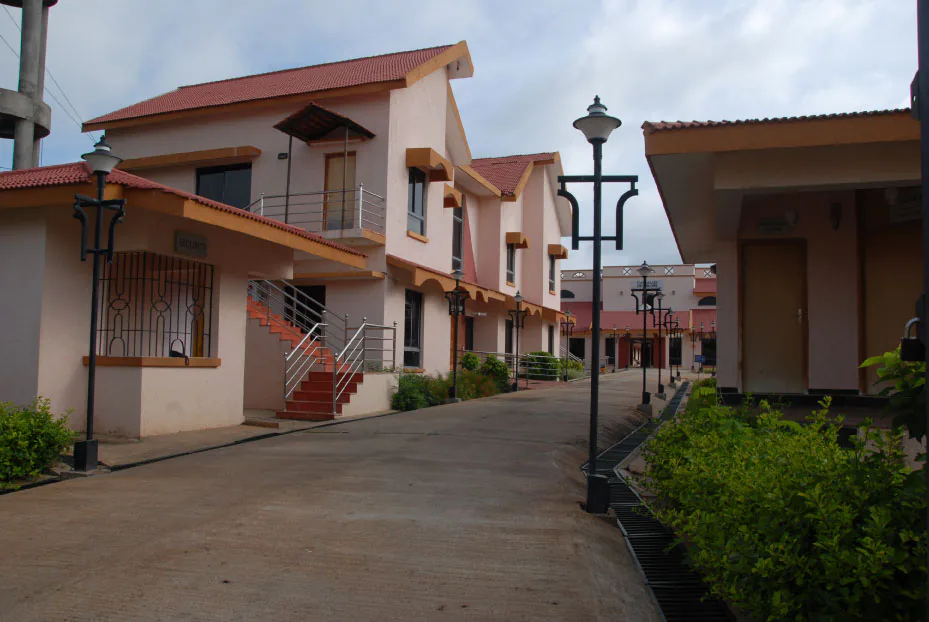
Rehab Unit
Patient Stories
What Our Clients Have To Say
Real stories from the families and individuals we’ve supported on their path to well-being.
5.0
Cadabam's Hospitals' team treated my family with empathy from the very first call. The care plan was clear, the doctors listened, and we finally felt supported through a difficult time.
A
Aishwarya G.
Verified patient
5.0
The therapists and psychiatrists worked together on a plan that actually fit our situation. Three decades of experience really shows — calm, professional, and genuinely caring.
S
Suresh L.
Verified patient
5.0
I was nervous about reaching out, but the team made me feel safe. The structured therapy and follow-ups have helped me get back to my routine and feel like myself again.
R
Rahul M.
Verified patient
Trusted by 10,000+ families · 4.5 ★ on Google Reviews
Stages of Drug Addiction: From Experimental Use to Dependence
Drug addiction rarely develops overnight; it typically progresses through distinct stages. Recognizing these stages helps families and individuals intervene early before irreversible physical or psychosocial damage occurs.
- Experimental Use: Initial consumption of a substance out of curiosity, peer influence, or stress relief. At this stage, use is infrequent and voluntary.
- Regular Use: The substance becomes integrated into an individual's routine. While social functioning may appear intact, the pattern of consumption becomes predictable.
- Tolerance and Misuse: The brain adapts to the drug, requiring larger doses to achieve the initial euphoric or calming effect. Misuse increases as the individual relies on the substance to cope with emotional distress or daily demands.
- Physical and Psychological Dependence: Stopping or reducing drug intake triggers uncomfortable physical and psychological withdrawal symptoms. The person continues using primarily to avoid withdrawal rather than to experience euphoria.
- Full-Scale Addiction: Drug seeking dominates the individual's thoughts and actions. Severe impairment occurs across health, occupation, personal finances, and relationships.
Recognizing the Signs and Symptoms of Drug Addiction
The behavioral, physical, and psychological indicators of drug addiction vary depending on the substance used, the duration of misuse, and individual biological factors.
Physical Symptoms
- Sudden fluctuations in weight, appetite, or sleeping patterns
- Bloodshot eyes, dilated or constricted pupils, and dark circles
- Deterioration in physical appearance and personal hygiene
- Tremors, slurred speech, unsteadiness, or frequent unexplained physical injuries
- Unexplained energetic bursts followed by periods of severe lethargy
Behavioral and Social Indicators
- Secrecy, lying, or defensive behavior when questioned about activities or finances
- Withdrawal from family gatherings, hobbies, and long-standing social circles
- Sudden decline in academic or occupational performance
- Unexplained financial difficulties, requesting loans, or missing valuables
- Continued drug use despite legal trouble, relationship breakdowns, or workplace warnings
Psychological Symptoms
- Rapid mood swings, intense irritability, or sudden angry outbursts
- Heightened anxiety, paranoia, or emotional detachment
- Impaired concentration, memory lapses, and poor judgment
- Persistent cravings and obsessive thoughts about securing the next dose
When to Seek Immediate Help
If you or a loved one is experiencing any of the following emergency situations, seek medical intervention immediately:
- Suspected drug overdose (unresponsiveness, shallow breathing, blue lips/fingernails, pinpoint pupils)
- Severe, acute withdrawal symptoms such as seizures, severe hallucinations, extreme tremors, or delirium
- Extreme drug-induced psychosis, acute paranoia, or agitation
- Expressing active thoughts of suicide, self-harm, or harming others
For emergencies, visit the nearest hospital emergency room or contact local emergency services immediately.
Causes and Risk Factors for Substance Use Disorders
Substance use disorder is driven by a complex interplay of genetic, neurobiological, environmental, and psychological factors. No single factor predicts whether someone will develop an addiction.
- Genetic Vulnerability: Family history plays a substantial role. Individuals with a biological relative suffering from addiction carry a higher statistical risk due to inherited neurobiological traits.
- Co-Occurring Mental Health Conditions: Individuals experiencing depression, anxiety disorders, bipolar disorder, or trauma often turn to drugs as a form of self-medication.
- Environmental and Social Influences: Early exposure to substance misuse within the household, peer pressure, severe stress, or easy access to illicit and prescription drugs significantly heightens risk.
- Age of Onset: Brain development continues into early adulthood. Substance use during adolescence disrupts brain maturation, increasing the likelihood of long-term dependence.
Health and Social Effects of Drug Addiction
Prolonged substance misuse affects nearly every organ system in the body while dismantling personal and professional support networks.
Physical Health Consequences
Chronic drug use can lead to cardiovascular disease, liver cirrhosis, respiratory failure, infectious diseases (such as HIV or Hepatitis C from intravenous needle sharing), and acute overdose risks.
Psychological and Psychiatric Effects
Substances can exacerbate pre-existing psychiatric conditions or trigger new ones. Heavy stimulant, cannabis, or hallucinogen use can lead to drug-induced psychosis, characterized by severe hallucinations, delusions, and loss of reality contact.
Interpersonal and Economic Impact
Addiction damages trust within families, creates financial destabilization, leads to job loss, and elevates the risk of legal complications. For individuals also managing concurrent alcohol misuse, engaging in integrated alcohol addiction treatment alongside drug rehabilitation is vital for full lifestyle stabilization.
Dual Diagnosis: Co-Occurring Mental Health Conditions
A dual diagnosis occurs when an individual experiences both a substance use disorder and a co-occurring psychiatric condition, such as clinical depression, anxiety, or post-traumatic stress disorder (PTSD).
Treating addiction in isolation while ignoring underlying psychiatric conditions frequently leads to relapse. When a person experiences emotional distress from an untreated mood disorder, the urge to self-medicate remains strong.
At Cadabam's, our clinical teams specialize in dual-diagnosis protocols. We treat both conditions concurrently using integrated psychiatric care, evidence-based psychotherapy, and medically managed stabilization.
Drug Addiction Treatment Centers in Bangalore: What Cadabam's Offers
As one of the premier drug addiction treatment centers in Bangalore and Mysore, Cadabam's provides evidence-based, compassionate care through an integrated team of senior addiction psychiatrists, clinical psychologists, psychiatric nurses, occupational therapists, and certified addiction counselors. Operating NABH-accredited facilities, we offer tailored residential and outpatient programs designed around the severity of dependence and the patient's individual health needs.
Our de-addiction centre Bangalore programs combine safe, medically supervised detoxification with evidence-based psychotherapies, including Cognitive Behavioral Therapy (CBT), Motivational Enhancement Therapy (MET), and Dialectical Behavior Therapy (DBT).
Program Structures and Durations
- Outpatient Treatment: Suitable for mild-to-moderate substance use, consisting of structured medical appointments, individual counseling, and family therapy while the patient resides at home.
- Inpatient Residential Rehabilitation: Recommended for moderate-to-severe addiction, dual-diagnosis cases, or individuals with past relapses.
- 30-Day Programs: Focus on medical detox, physical stabilization, acute craving management, and foundational psychoeducation.
- 60 to 90-Day Programs: Provide deeper psychological exploration, habit restructuring, co-occurring disorder treatment, and comprehensive relapse prevention planning.
How Much Does Treatment Cost at Drug Addiction Treatment Centers in Bangalore?
The cost of care at drug addiction treatment centers in Bangalore depends on whether treatment is provided on an outpatient or residential basis, the required duration of care, medical complexity (such as severe withdrawal management), and accommodation preferences.
- Outpatient Consultations & Counseling: Typically range from ₹1,000 to ₹2,000 per session.
- Inpatient Residential Rehabilitation: Generally ranges from ₹25,000 to ₹1,50,000+ per month, depending on facility amenities, medical intensity, and individual clinical requirements.
| Treatment Level | Typical Duration | Estimated Cost Structure | Key Clinical Services Included |
|---|---|---|---|
| Outpatient Care | Ongoing / Weekly | ₹1,000 – ₹2,000 per session | Psychiatric assessment, medication management, outpatient therapy. |
| Short-Term Inpatient Detox | 7 – 14 Days | Varies by clinical need | 24/7 nursing, withdrawal management, emergency medical support. |
| Full Residential Rehab | 30, 60, or 90 Days | ₹25,000 – ₹1,50,000+ per month | Comprehensive detox, 24/7 care, individual CBT, family sessions, holistic recovery activities. |
Cadabam's conducts a confidential, comprehensive pre-admission assessment to evaluate medical necessity and recommend the most effective, transparent care plan tailored to your family's needs.
What to Expect in Residential Treatment: From Detox to Long-Term Recovery
Entering a residential drug rehab Bangalore program can feel overwhelming for patients and their loved ones. Understanding the treatment continuum helps relieve anxiety and builds commitment to the process.
+-------------------+     +---------------------+     +-----------------------+     +-----------------------+
|  Initial Assessment| --> | Medically Supervised| --> | Psychotherapy & Group | --> | Relapse Prevention &  |
|  & Stabilization  |     | Detox (First 72h+)  |     | Rehabilitation        |     | Outpatient Aftercare  |
+-------------------+     +---------------------+     +-----------------------+     +-----------------------+
The First 72 Hours
During the initial 72 hours of residential care, the clinical focus centers on safety, comfort, and physical detoxification.
- Medical Assessment: Comprehensive physical exams, toxicology screening, and psychiatric evaluation.
- Withdrawal Management: Medication-assisted treatment (MAT) is administered to minimize discomfort and prevent severe withdrawal complications (such as seizures, severe anxiety, or delirium).
- Stabilization: Continuous nursing monitoring, hydration, nutritional support, and rest in a structured, safe environment.
The Rehabilitation Phase
Once physically stable, patients participate in structured daily routines that include:
- Individual psychotherapy to identify personal addiction triggers and address core emotional issues.
- Group therapy sessions to rebuild social skills, reduce shame, and foster mutual peer support.
- Psychoeducation on brain chemistry, stress management, and coping mechanisms.
- Family counseling to heal strained relationships and establish healthy boundaries at home.
Relapse Prevention and Aftercare
Recovery extends beyond residential stay completion. Before discharge, our team develops an individualized aftercare plan featuring outpatient therapy schedules, family support strategies, support group contacts, and crisis management plans to sustain long-term sobriety.
Take the First Step Toward Recovery
Overcoming substance dependence is possible with the right clinical care, compassionate guidance, and structured rehabilitation. At Cadabam's Hospitals, our team of experienced addiction psychiatrists and therapists in Bangalore and Mysore is dedicated to supporting you or your loved one through every phase of recovery.
If you or someone you care about is struggling with drug addiction, reach out to us today to book a confidential consultation and formal assessment.
Contact Cadabam's Hospitals or call us directly at +91 97414 76476 to learn more about our de-addiction programs.
Related Guides
Insights From Our Experts
Recent Stories from Our Blog
Psychological issues
Women's Mental Health
Psychological issues
Stress & Burnout
Newsletter