Table of Content
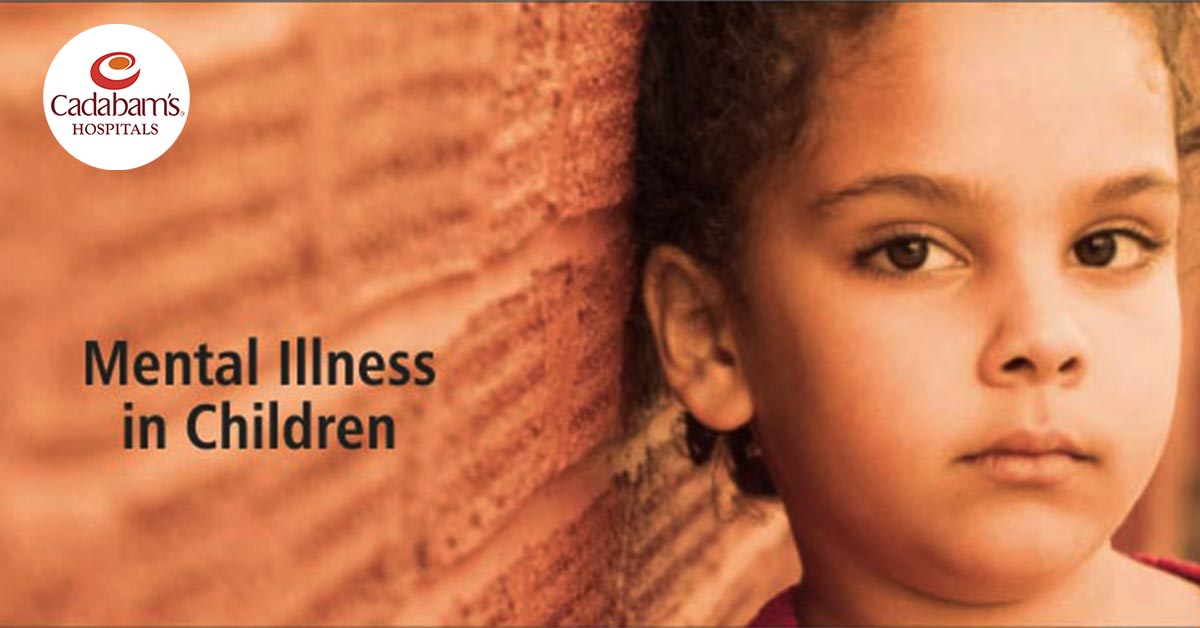
Is your child constantly anxious, withdrawn, or struggling in class? These can be early signs of deeper emotional challenges.
Kids' mental health refers to a child’s emotional, behavioural, and psychological well-being. It affects how they think, feel, and interact. Early, structured care improves long-term outcomes. Cadabam’s offers expert-led child mental health support, addressing mental health issues in children with evidence-based care.
Recognising the Signs and Symptoms of Mental Illness in Children
Recognising the signs of mental illness in children early can help prevent long-term distress and social, academic, and emotional difficulties. Knowing the symptoms of mental illness in child behaviour helps parents and teachers intervene on time.
Emotional and Behavioural Symptoms
Look out for emotional or behavioural patterns that persist and interfere with daily life.
- Excessive worrying or anxiety
- Long-term low mood or irritability
- Frequent angry outbursts
- Preoccupation with body weight
- Persistent nightmares or fear
- Hallucinations or hearing voices
- Aggressive or defiant behaviour
These mental health conditions in children may affect relationships, school performance, and confidence.
Cognitive and Functional Changes
Mental health issues in children may also impact a child’s thinking and daily functioning.
- Withdrawal from friends or hobbies
- Declining academic performance despite effort
- Difficulty concentrating or hyperactivity
- Inability to handle daily stressors
- Truancy, stealing, or destructive actions
These shifts often reflect internal struggles or unmet emotional needs, or underlying causes of mental illness in children.
Physical and Social Withdrawal Symptoms
Physical symptoms and social avoidance may signal underlying emotional concerns, especially in younger children.
- Spending excessive time alone
- Sudden changes in appetite or sleep
- Frequent physical complaints with no cause
- Avoiding social interactions
- Substance use at an early age
These symptoms often mask mental health conditions in children, like emotional distress, behavioural disorders, or anxiety.
Understanding the Causes of Mental Illness in Children
The causes of mental illness in children are often linked to biological, psychological, and environmental risk factors that shape behaviour. These influences can increase the risk of mental health conditions in children and contribute to lasting emotional struggles if left unaddressed.
Biological Causes
Certain children may be biologically vulnerable to mental health issues in children due to:
- Genetic inheritance
- Brain chemistry imbalances
- Family history of psychiatric conditions
Such biological vulnerabilities can heighten the chances of experiencing symptoms of mental illness in child development.
Psychological Triggers
Emotional or psychological stressors can heighten the risks of mental health issues in children. These include:
- Exposure to trauma or violence
- Chronic bullying or peer rejection
- Emotional neglect or disrupted attachment
Recognising these early can prevent worsening of signs of mental illness in children and promote resilience.
Environmental and Social Factors
A child’s surroundings and routine play a key role in kids mental health.
- Excessive school-related pressure
- Ongoing family conflict or instability
- Absence of structure, sleep, or routines
Supportive homes, structured routines, and engaging mental health activities for kids can offset these risks and help children thrive emotionally and socially.
Common Mental Health Conditions and Issues in Children
Children can experience a wide range of mental health issues in children. Early identification allows for timely support and better developmental outcomes.
Anxiety Disorders
Childhood anxiety may present as excessive fear, school refusal, or clinginess.
Conditions include separation anxiety and social phobia. Sleep issues, avoidance, and irritability are common early signs of mental illness in children.
Depression and Mood Disorders
In children, depression may appear as irritability, low energy, and withdrawal. Physical complaints like headaches or stomach aches are common, alongside loss of interest and low motivation in school or play. Recognising these symptoms of mental illness in child helps in early intervention.
ADHD
ADHD causes difficulties in attention, hyperactivity, and impulse control. It is not a discipline issue. Academic underperformance, behavioural challenges, and restlessness are key indicators of mental health conditions in children.
Eating Disorders
Eating disorders like anorexia, bulimia, and ARFID often begin in childhood. Early signs include food restriction, obsession with weight, excessive exercise, and emotional triggers related to eating behaviour or body image. These can also stem from deeper causes of mental illness in children.
Conduct Disorder
Conduct disorder involves aggressive or antisocial behaviour that violates rules or social norms.
Examples include fighting, lying, and stealing. It can disrupt learning, peer relations, and family structure if unaddressed.
ODD (Oppositional Defiant Disorder)
ODD is characterised by persistent defiance, irritability, and argumentativeness. Unlike conduct disorder, it does not involve serious rule breaking. It often affects school behaviour and family interactions significantly.
Neurodevelopmental Disorders
Disorders like autism, Rett syndrome, Fragile X, DiGeorge, and mitochondrial disorders affect communication and learning.
Early signs include speech delay, repetitive behaviours, and difficulty with transitions or sensory input. These are often linked with complex mental health conditions in children.
Tourette Syndrome
Tourette syndrome causes repetitive motor or vocal tics. These may increase with stress and often begin in childhood. When severe, they impact learning, confidence, and social interaction.
PTSD
Post-traumatic stress disorder in children may develop after loss, abuse, or accidents.
Symptoms include nightmares, emotional numbness, flashbacks, and hypervigilance. Behavioural regression may also occur, showing the serious mental health issues in children that trauma can trigger.
The Role of Child Psychology and Early Intervention
Access to child psychology and early intervention mental health services can significantly improve recovery and well-being.
Structured therapy builds coping skills, improves emotional regulation, and strengthens family support.
Common treatments include:
- Play-based therapy- uses play activities to help children express emotions and develop coping skills in a safe environment.
- Cognitive Behavioural Therapy (CBT)- helps children identify negative thought patterns, reduce anxiety, and build healthier behaviours.
- Family counselling- strengthens communication and relationships, helping families support the child’s recovery process.
- School-based emotional support- provides structured strategies within the classroom to improve learning, behaviour, and social interaction.
Starting therapy for children early helps prevent chronic issues and supports healthy development.
Why Cadabam’s Hospitals?
When you associate with a psychiatric hospital that is dedicated to treating various mental disorders, you can be rest assured of availing best treatment. There is an experienced team of counselors, psychiatrists, psychologists, physicians, etc., who works with you to provide the best care for your child.
If you are searching for a solution to your problem, Cadabam’s Hospitals can help you with its team of specialised experts. We have been helping thousands of people live healthier and happier lives for 30+ years. We leverage evidence-based approaches and holistic treatment methods to help individuals effectively manage their child’s mental health. Get in touch with us today. You can call us at +91 97414 76476. You can even email us at info@cadabamshospitals.com.
FAQs
What are the most common signs of mental illness in children I should look out for?
Persistent sadness, irritability, sudden mood or behaviour changes, social withdrawal, difficulty concentrating, or disrupted sleep may indicate early mental health concerns in children.
How can I support my child's mental health at home?
Create a safe, stable routine. Encourage open communication, engage in positive activities, listen without judgment, and seek help if issues persist.
What are the primary causes of mental illness in children?
Mental illness in children can be caused by genetic vulnerability, brain chemistry, trauma, environmental stress, or emotional neglect.
When should I seek professional help for my child's mental health?
If symptoms worsen, persist over weeks, or affect school, sleep, or relationships, it’s time to consult a child mental health professional.
What treatments are available for kids’ mental health conditions at Cadabam’s?
Cadabam’s offers child-friendly CBT, play therapy, counselling, family sessions, and medication support where required, all tailored to your child’s needs.
How Cadabam's Help you for Addiction?
- 410+ Professional Consultants
- 1,00,00+ Happy Faces
- 120+ Currently Seeking Treatments