The Cadabam’s Hospitals Difference
Why Cadabam’s Hospitals? What Makes Us Different?
Through our 8 specialty centers offering top-notch treatments across the nation, we have been helping thousands of people improve the quality of their lives.
33+
Years of Experience
10,000+
Happy Families
20+
Treatment Modalities
400+
Mental Health Experts
With over 33 years of expertise and knowledge, we promise to provide our clients the treatment that suits them the best. Whether the case involves substance addiction, alcoholism, sleeping issues, bipolar disorder, or schizophrenia, our experts know how to handle it in a way that it’s in the best interest of the client and their family.
Our state-of-the-art infrastructure, experienced professionals, and strong support system enable us to offer world-class evidence-based treatment that fits all stages and types of mental health concerns that you may have.
At Cadabam’s Hospitals, we’ve always got your back.
Our Facilities
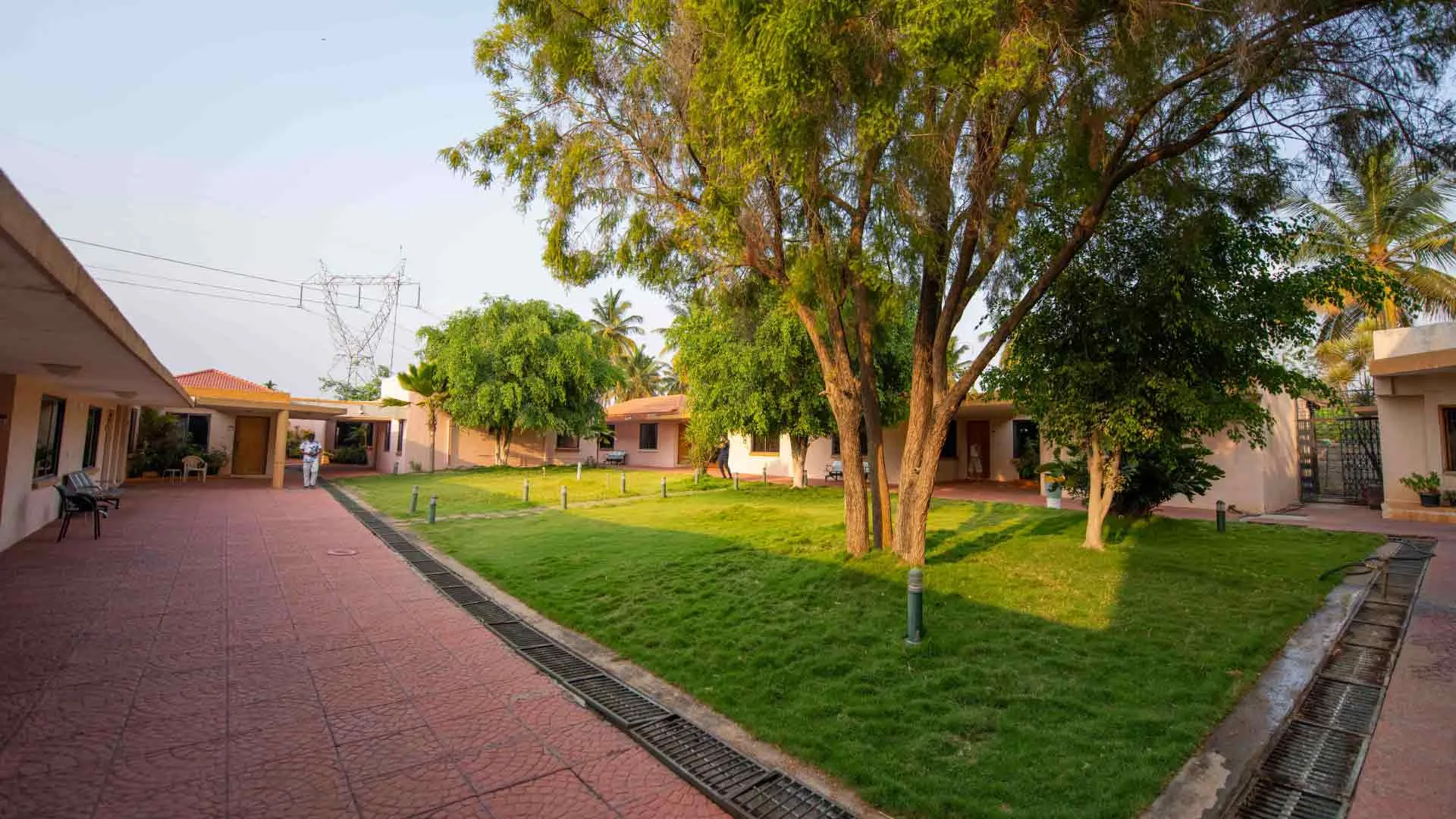
Our Infrastructure & Care Facilities
Purpose-built rehabilitation centres, clinical equipment, and support services designed to drive better patient outcomes.
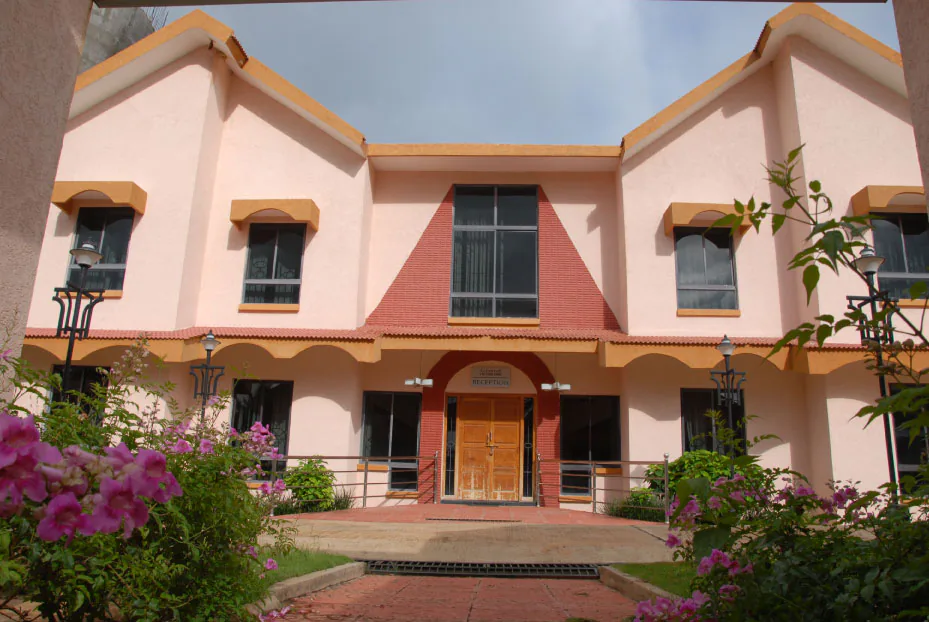
Ananya Rehabilitation Centre
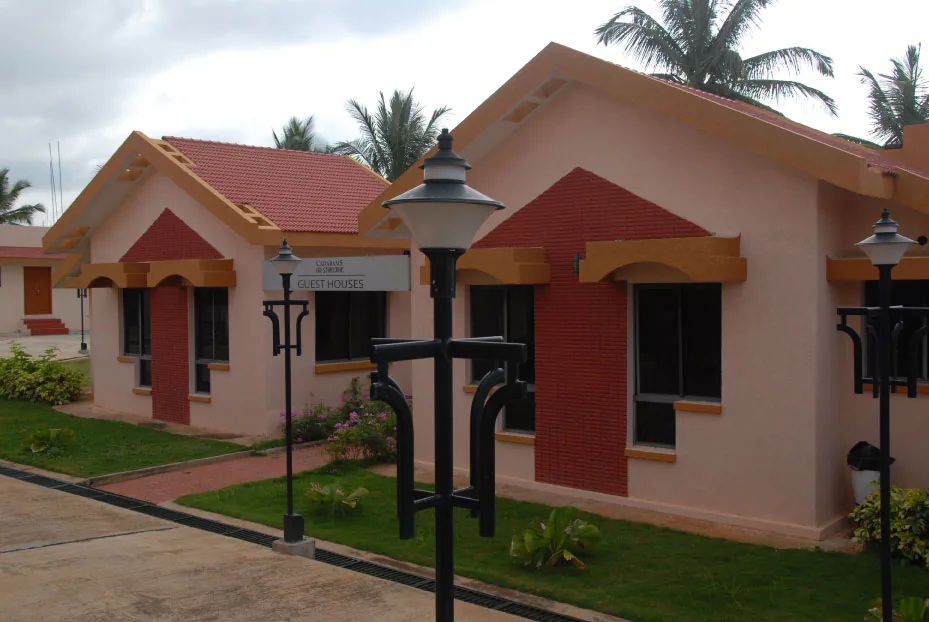
Private Cottages
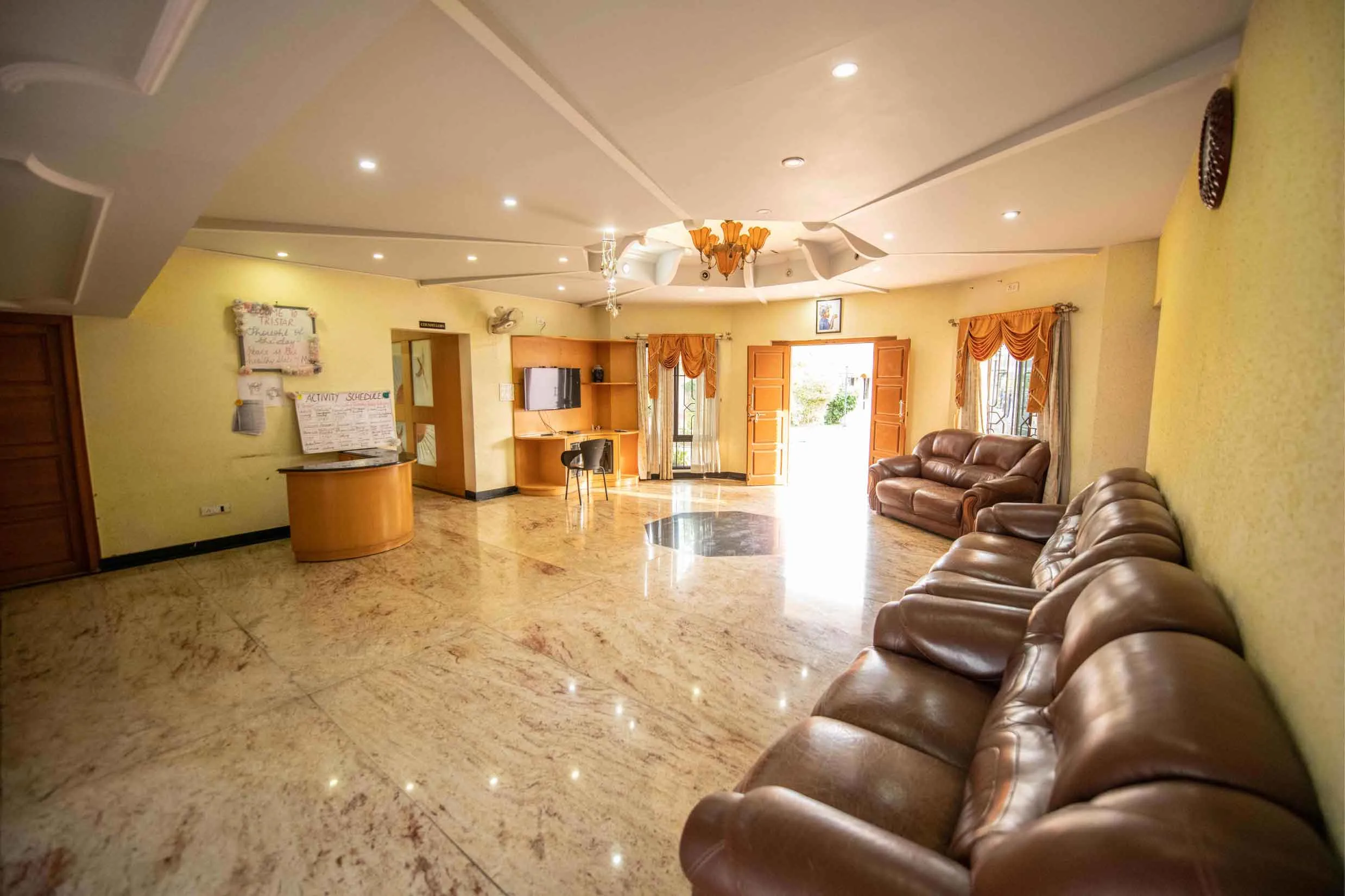
Campus Entrance
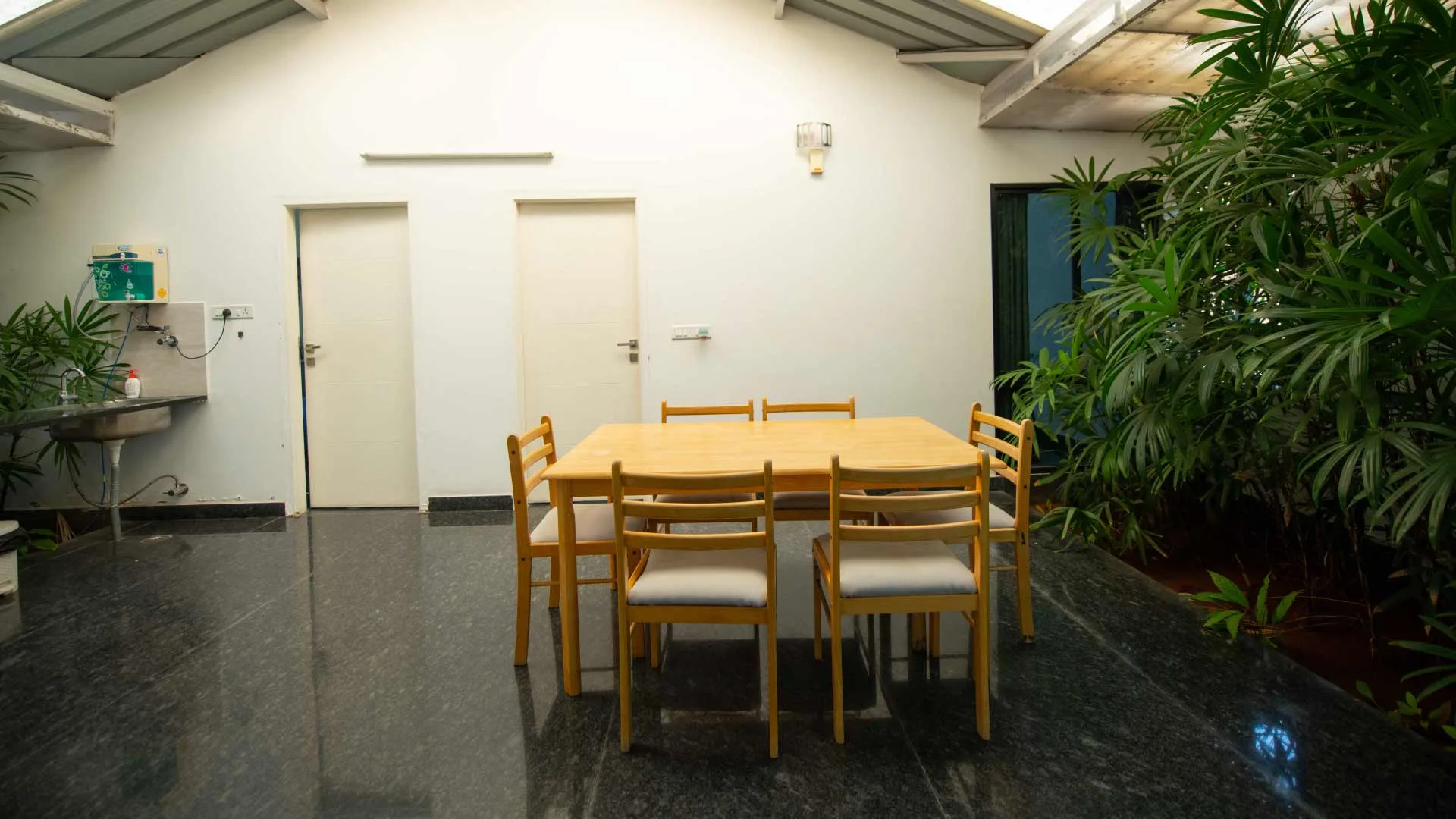
Healing Environment
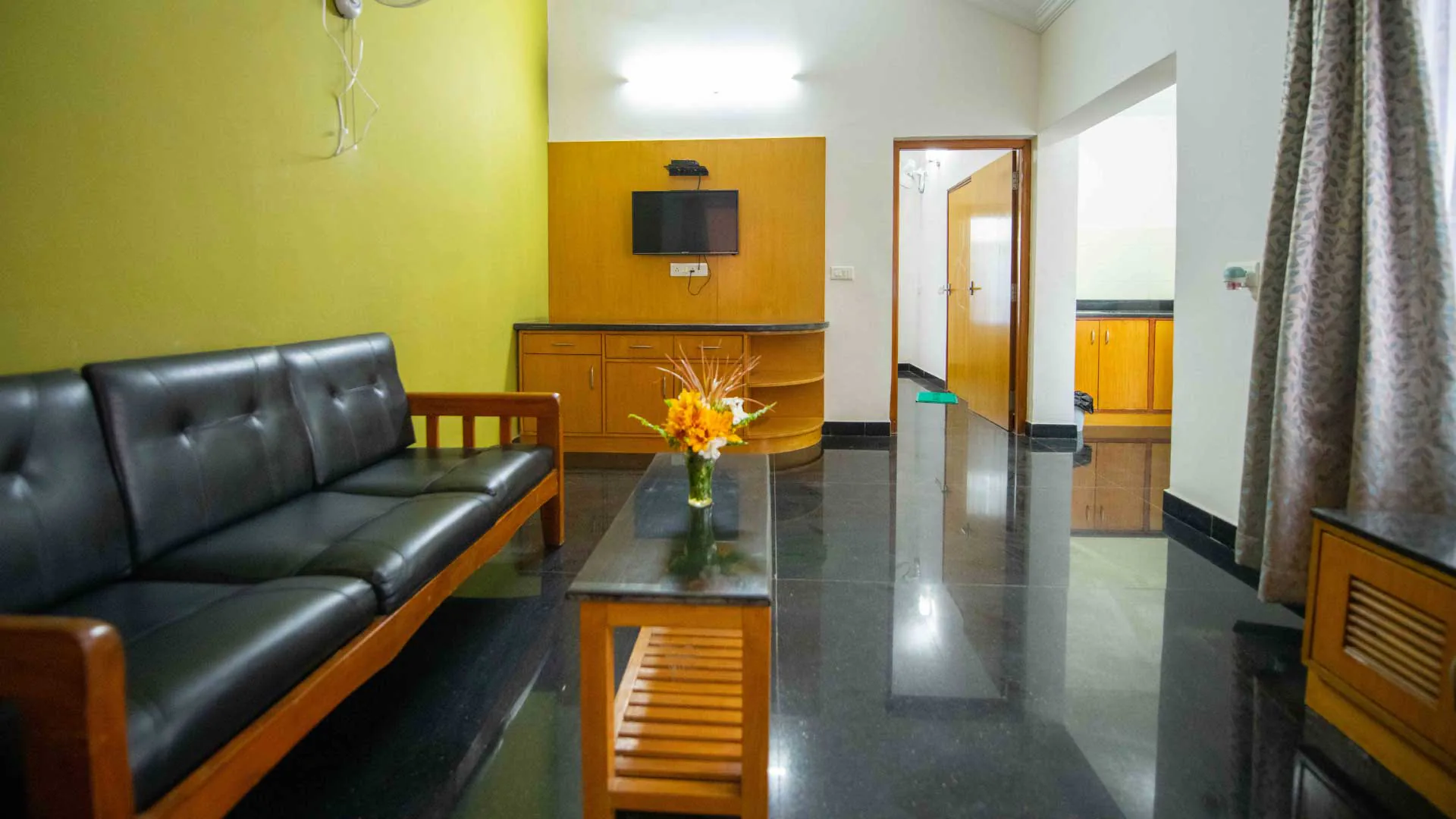
Hospital Lobby
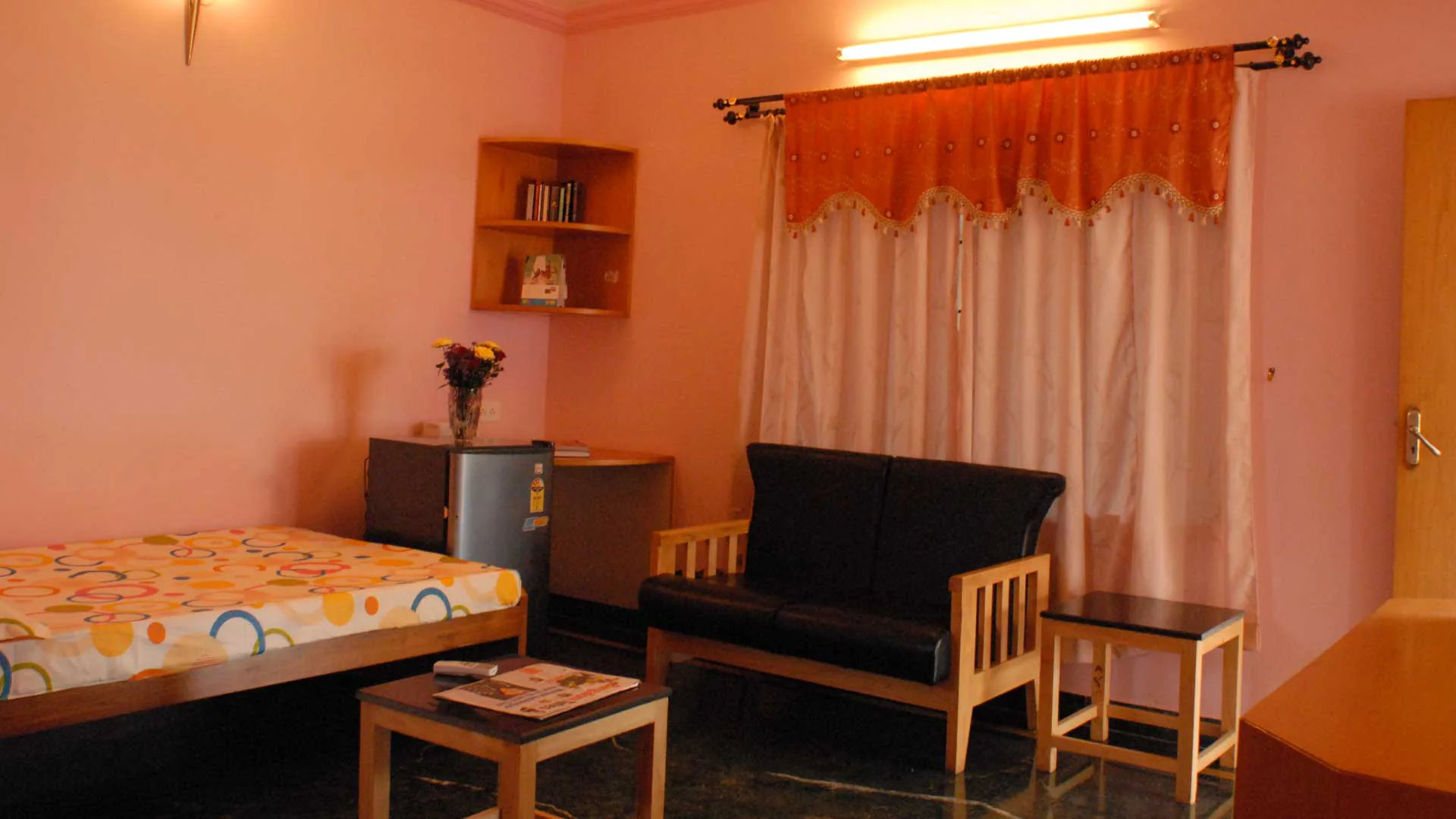
Recovery Experience
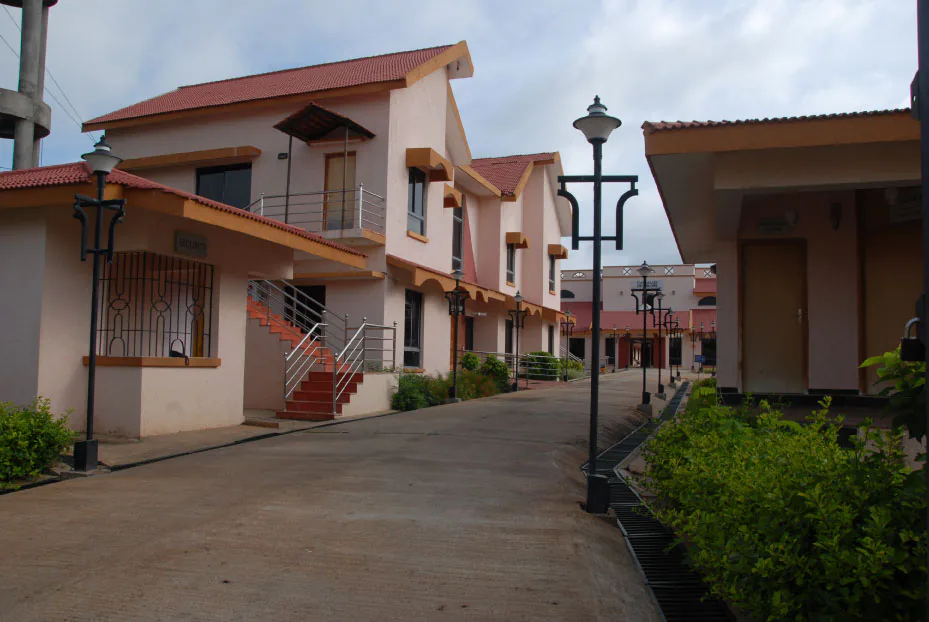
Rehab Unit
Patient Stories
What Our Clients Have To Say
Real stories from the families and individuals we’ve supported on their path to well-being.
5.0
Cadabam's Hospitals' team treated my family with empathy from the very first call. The care plan was clear, the doctors listened, and we finally felt supported through a difficult time.
A
Aishwarya G.
Verified patient
5.0
The therapists and psychiatrists worked together on a plan that actually fit our situation. Three decades of experience really shows — calm, professional, and genuinely caring.
S
Suresh L.
Verified patient
5.0
I was nervous about reaching out, but the team made me feel safe. The structured therapy and follow-ups have helped me get back to my routine and feel like myself again.
R
Rahul M.
Verified patient
Trusted by 10,000+ families · 4.5 ★ on Google Reviews
Understanding Psychiatric Hospital Modern
Modern psychiatric care represents a fundamental shift in how mental health conditions are understood and treated. Historically, psychiatric institutions functioned primarily as custodial facilities. Today, a modern psychiatric hospital operates as an advanced medical center focused on acute stabilization, symptom remission, functional recovery, and long-term wellness.
According to the National Institute of Mental Health and Neurosciences (NIMHANS) and global psychiatric standards, effective mental health care requires a bio-psycho-social approach. Modern facilities bring together multidisciplinary care teams comprising consultant psychiatrists, clinical psychologists, psychiatric nurses, occupational therapists, and psychiatric social workers.
Key Features of a Modern Psychiatric Hospital
- Evidence-Based Interventions: Utilization of modern pharmacotherapy alongside structured psychotherapies such as Cognitive Behavioral Therapy (CBT) and Dialectical Behavior Therapy (DBT). Advanced non-invasive procedures like repetitive Transcranial Magnetic Stimulation (rTMS) are also integrated.
- Healing Infrastructure: Open, non-restrictive physical environments with green spaces, private rooms, recreational areas, and modern amenities designed to reduce anxiety and promote healing.
- Rights-Based Care: Full compliance with the Mental Healthcare Act 2017, ensuring patient dignity, informed consent, confidentiality, and the right to live in a community setting.
- Holistic Rehabilitation: Focus on life skills training, vocational rehabilitation, family counseling, and relapse prevention to ensure smooth reintegration into society.
Traditional vs. Modern Psychiatric Hospitals
| Feature | Traditional Asylum Model | Modern Psychiatric Hospital |
|---|---|---|
| Primary Goal | Institutional containment and isolation | Recovery, stabilization, and community reintegration |
| Treatment Approach | Uniform medication management | Personalized bio-psycho-social care plans |
| Environment | Restrictive, clinical, and isolated | Open, healing-centered, home-like, and therapeutic |
| Patient Rights | Custodial care with limited autonomy | Rights-based, voluntary admission, advance directives |
| Care Team | Limited staff, mostly custodial | Multidisciplinary team of psychiatrists, psychologists, and therapists |
Signs and Symptoms
Inpatient admission to a modern psychiatric hospital is recommended when an individual experiences severe mental health symptoms that cannot be safely managed through outpatient visits alone. Key clinical indicators include:
- Severe Mood Instability: Extreme depressive episodes marked by deep hopelessness, or severe manic states characterized by dangerous impulsivity and lack of sleep.
- Psychotic Symptoms: Hallucinations, delusions, disorganized speech, or severe paranoia associated with conditions like schizophrenia or schizoaffective disorder.
- Self-Harm or Suicidal Ideation: Expressing active thoughts of suicide, deliberate self-harm, or severe intent that requires constant observation and short-term crisis stabilization.
- Functional Collapse: Inability to perform basic activities of daily living (ADLs), such as personal hygiene, eating, or maintaining basic orientation to time and place.
- Severe Substance Dependence: Complex dual-diagnosis cases where substance abuse coincides with a psychiatric condition, requiring medically supervised detoxification and inpatient rehabilitation.
When to Seek Help
Seeking timely professional assessment is essential to preventing a psychiatric crisis from escalating. If you or a family member notice sudden shifts in behavior, withdrawal from daily activities, unmanageable emotional distress, or loss of contact with reality, consult a mental health professional immediately.
Early intervention in a modern psychiatric setting significantly improves long-term prognosis, reduces hospital stay duration, and minimizes the risk of relapse.
Emergency Guidance
If an individual is in immediate danger of self-harm, suicide, or harming others, treat it as a medical emergency. You can contact national mental health helplines such as Tele-MANAS (14416) or reach out directly to emergency psychiatric care services.
How Cadabam'S Hospitals Can Help
Cadabam's Hospitals is a pioneer in modern psychiatric care in India, with over three decades of clinical experience and NABH-accredited facilities in Bangalore and Mysore. We provide evidence-based, compassionate inpatient and outpatient treatment tailored to the unique needs of every individual.
Our modern facilities offer acute stabilization units, specialty rehabilitation programs, advanced neuromodulation therapies, and comprehensive family support systems. At Cadabam's, our goal is not just symptom management, but empowering individuals to lead fulfilling, independent lives.
To learn more about our modern inpatient psychiatric care or to schedule a confidential clinical evaluation, visit our contact page.
Medical Disclaimer
This content is for general information only and is not a substitute for professional medical advice, diagnosis, or treatment. Always seek the advice of a qualified mental health professional with any questions you may have regarding a medical condition.
If you or a loved one are experiencing a mental health emergency, please contact a local crisis line or reach out to our specialists immediately at /contact.
FAQ
Frequently Asked Questions
A modern psychiatric hospital combines evidence-based clinical care, non-restrictive healing environments, advanced technology (like rTMS), and a rights-based approach under the Mental Healthcare Act 2017. It emphasizes recovery and community reintegration rather than long-term isolation.
No. Inpatient care is reserved for acute stabilization, severe symptoms, or crisis intervention. Many individuals receive treatment through outpatient consultations, day-care programs, or short-term residential rehabilitation based on clinical assessment.
The length of stay varies depending on the condition and severity. Acute crisis stabilization may take 1 to 3 weeks, while comprehensive residential rehabilitation for complex conditions or dual diagnosis may range from 30 to 90 days.
Yes. Modern psychiatric care actively involves families through structured family therapy, educational sessions, and regular updates. Family support is a critical factor in successful long-term recovery and post-discharge care. ---
Insights From Our Experts
Recent Stories from Our Blog
Psychological issues
Women's Mental Health
Psychological issues
Stress & Burnout
Newsletter