The Cadabam’s Hospitals Difference
Why Cadabam’s Hospitals? What Makes Us Different?
Through our 8 specialty centers offering top-notch treatments across the nation, we have been helping thousands of people improve the quality of their lives.
33+
Years of Experience
10,000+
Happy Families
20+
Treatment Modalities
400+
Mental Health Experts
With over 33 years of expertise and knowledge, we promise to provide our clients the treatment that suits them the best. Whether the case involves substance addiction, alcoholism, sleeping issues, bipolar disorder, or schizophrenia, our experts know how to handle it in a way that it’s in the best interest of the client and their family.
Our state-of-the-art infrastructure, experienced professionals, and strong support system enable us to offer world-class evidence-based treatment that fits all stages and types of mental health concerns that you may have.
At Cadabam’s Hospitals, we’ve always got your back.
Our Facilities
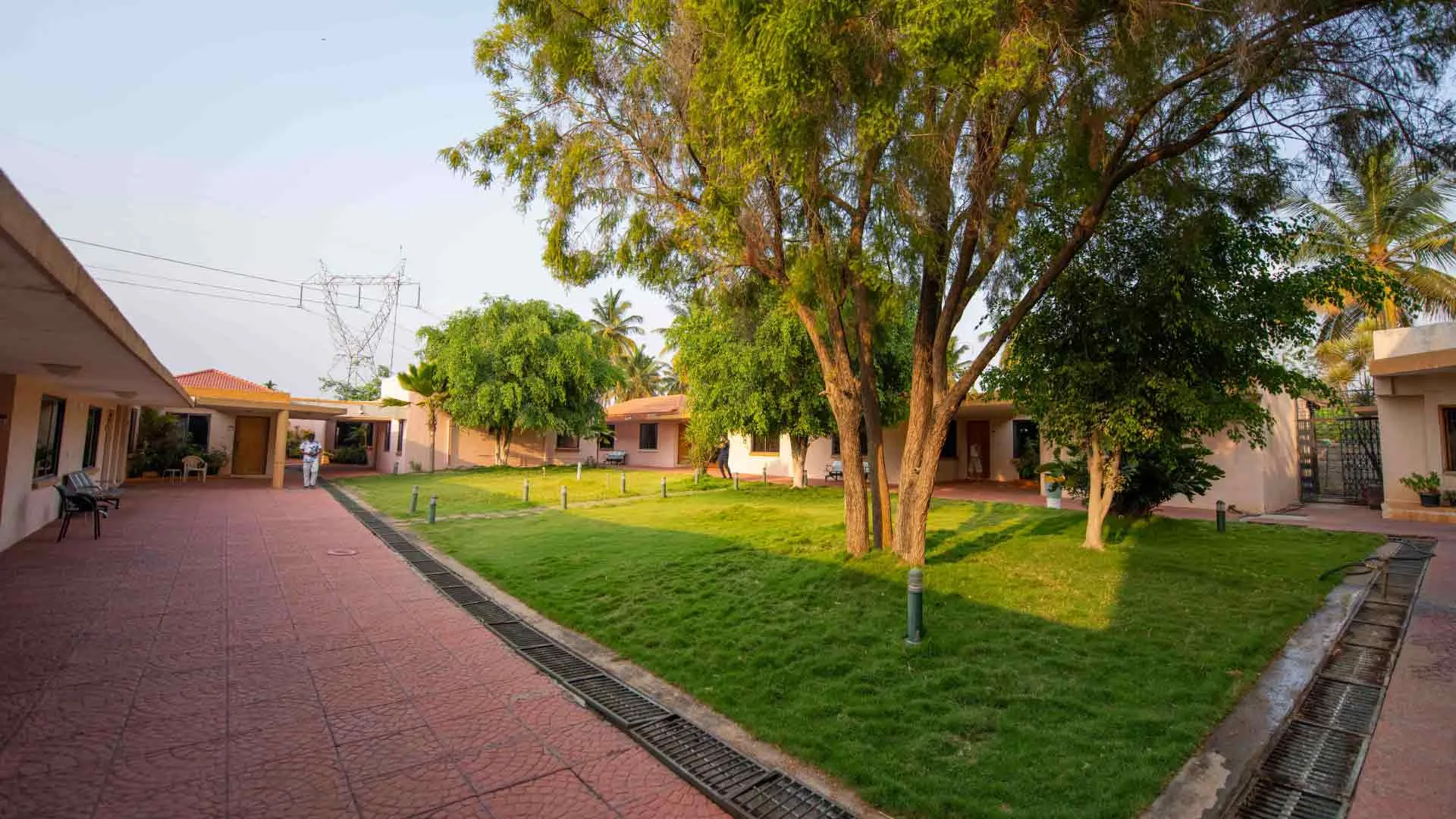
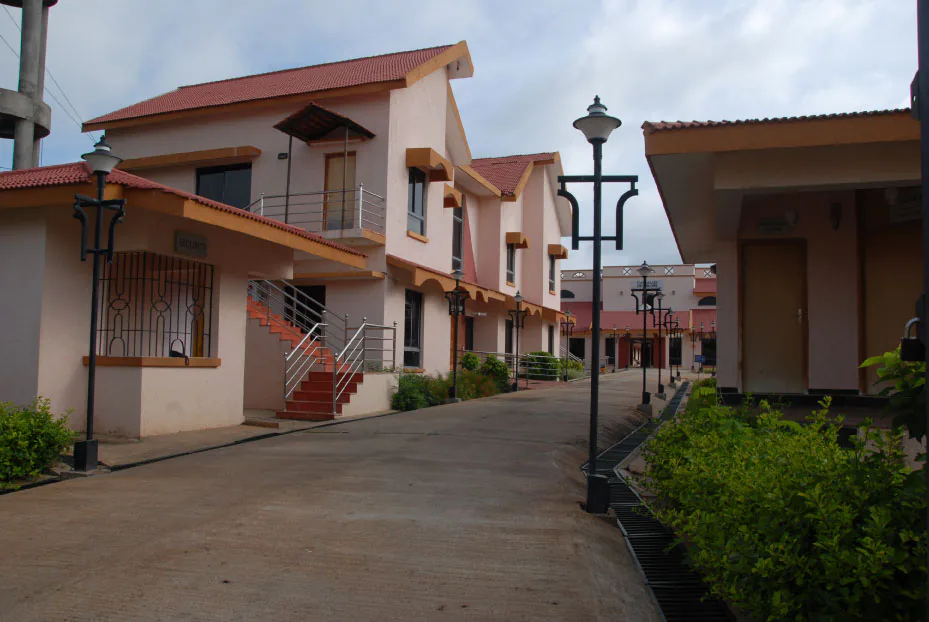
Our Infrastructure & Care Facilities
Purpose-built rehabilitation centres, clinical equipment, and support services designed to drive better patient outcomes.
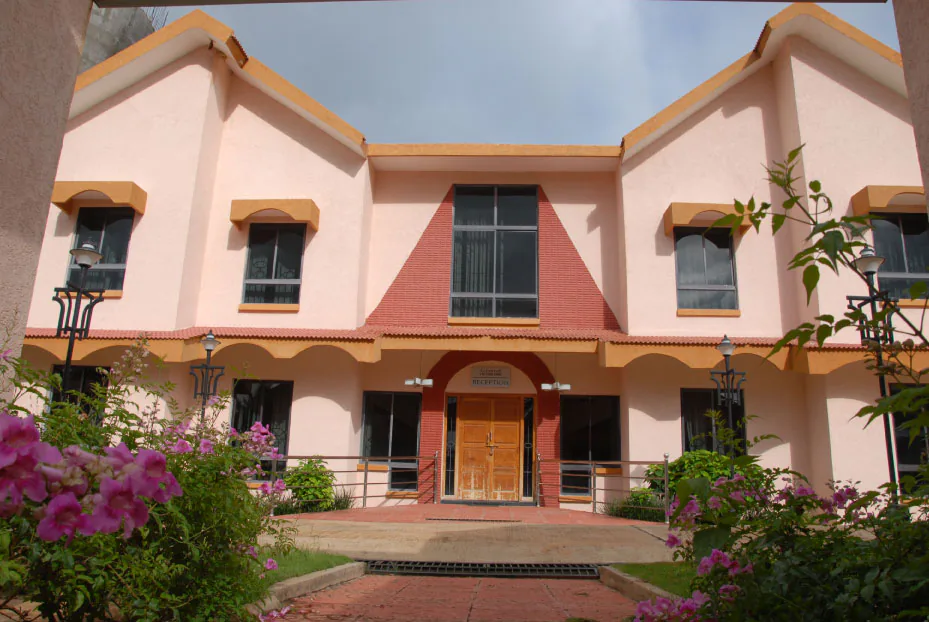
Ananya Rehabilitation Centre
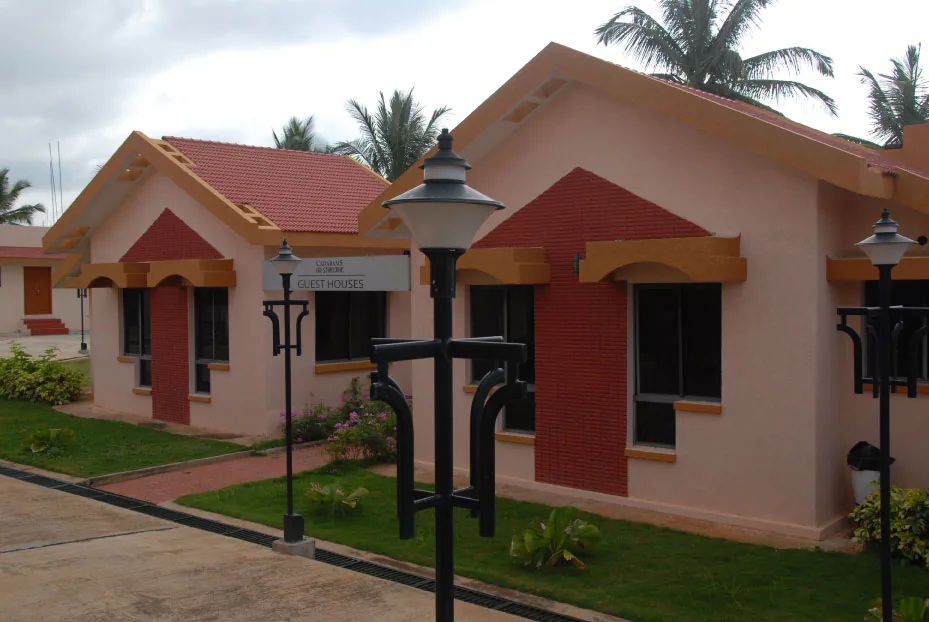
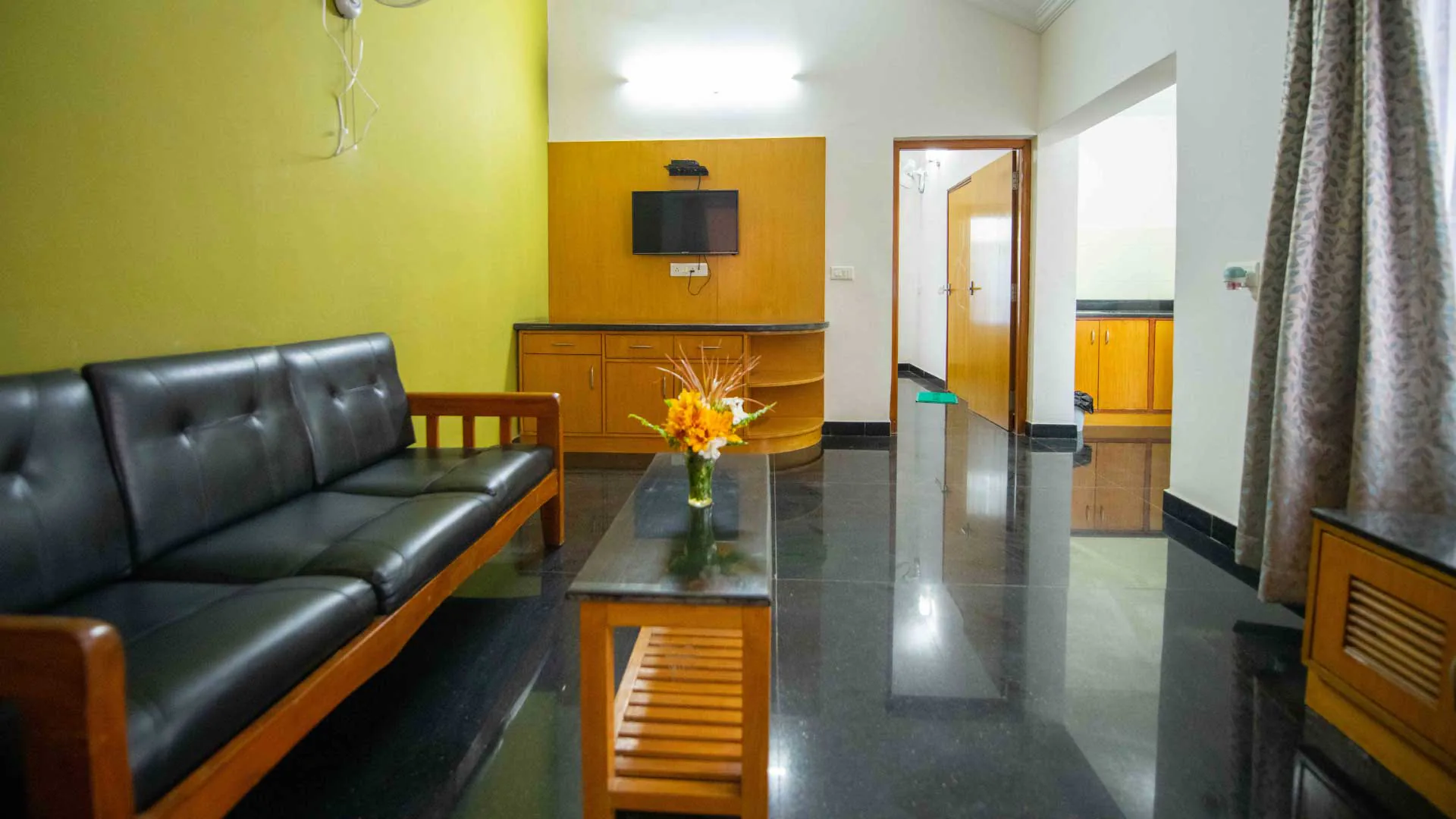
Private Cottages
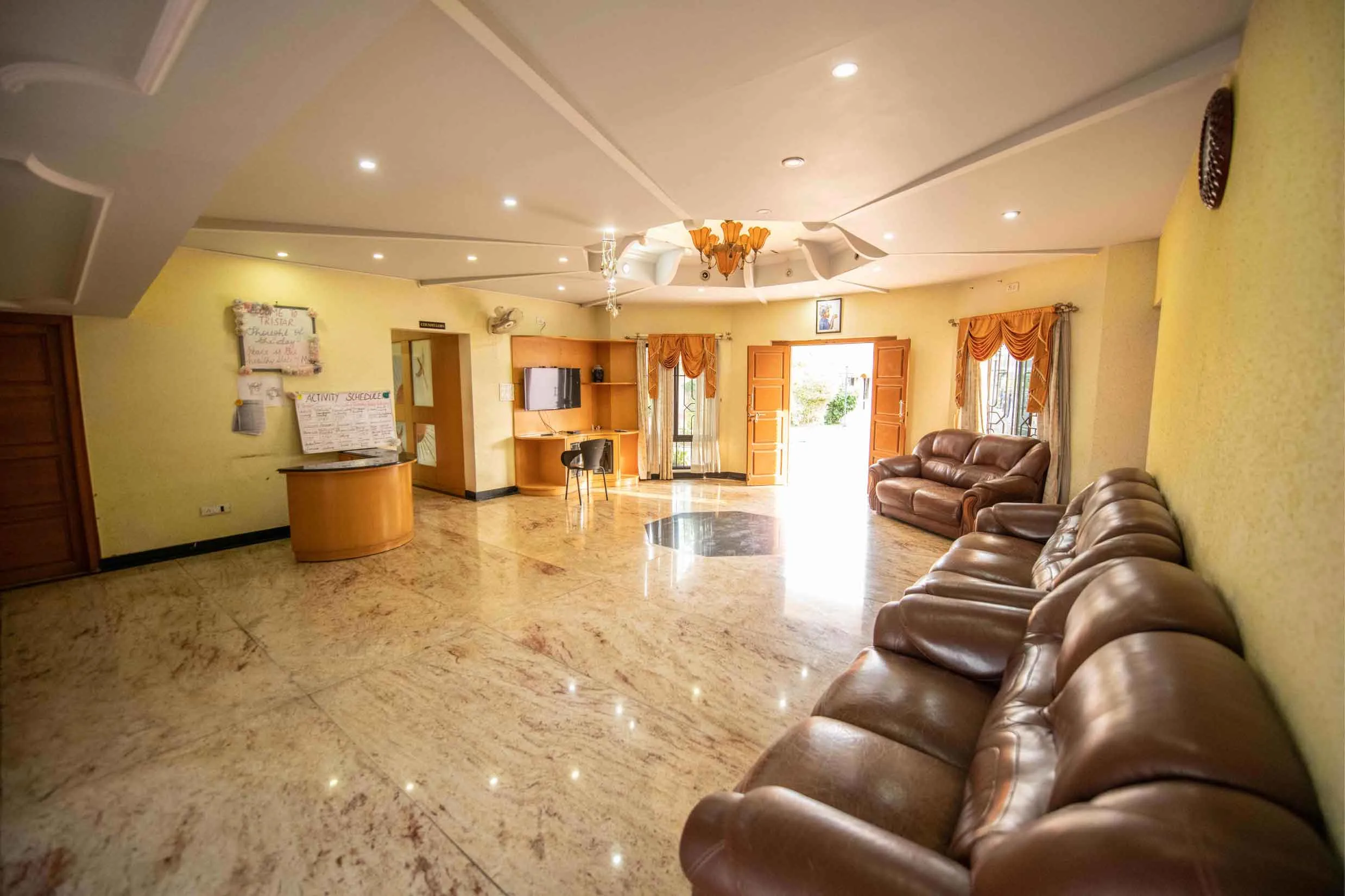
Campus Entrance
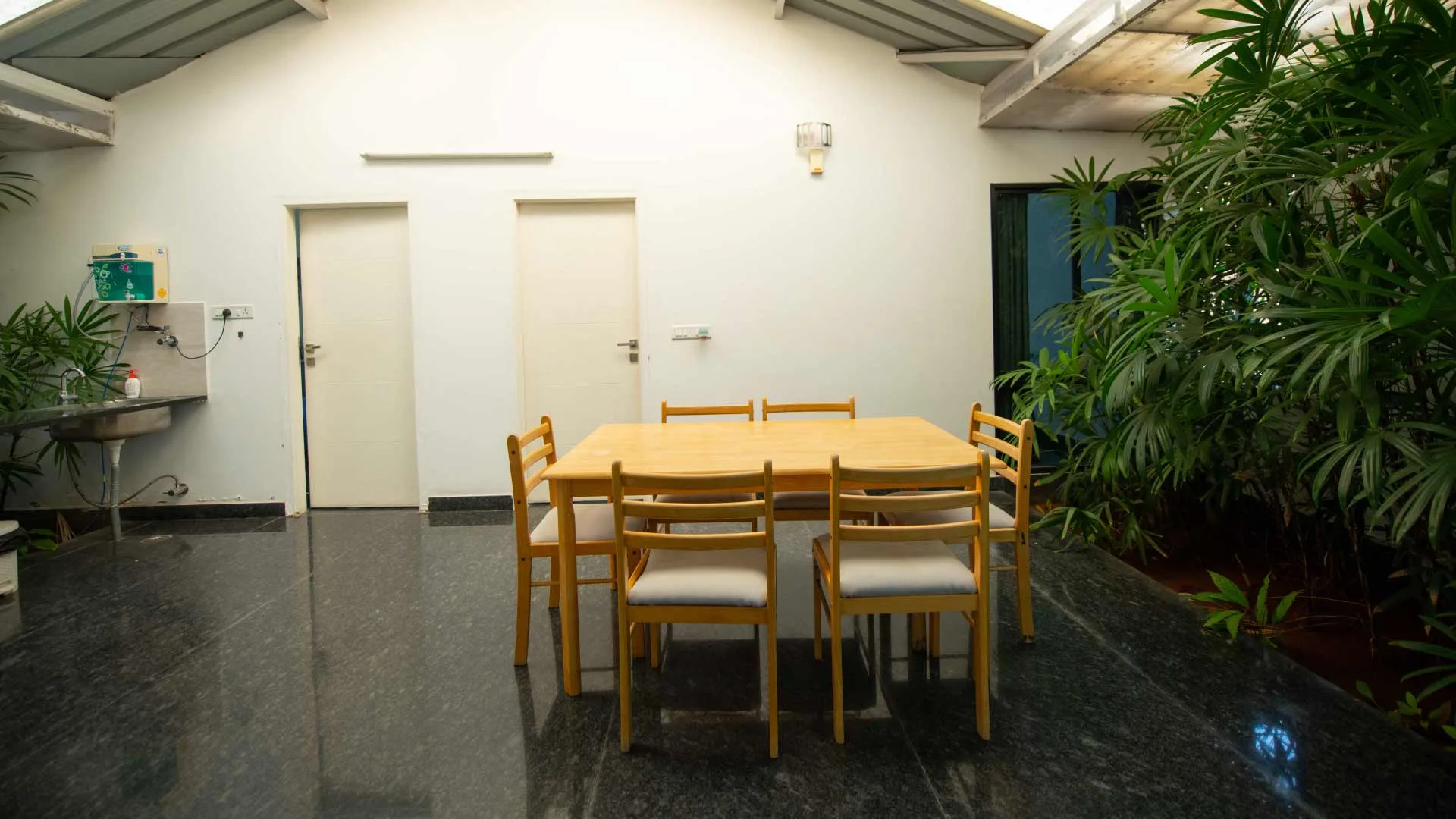
Healing Environment
Hospital Lobby
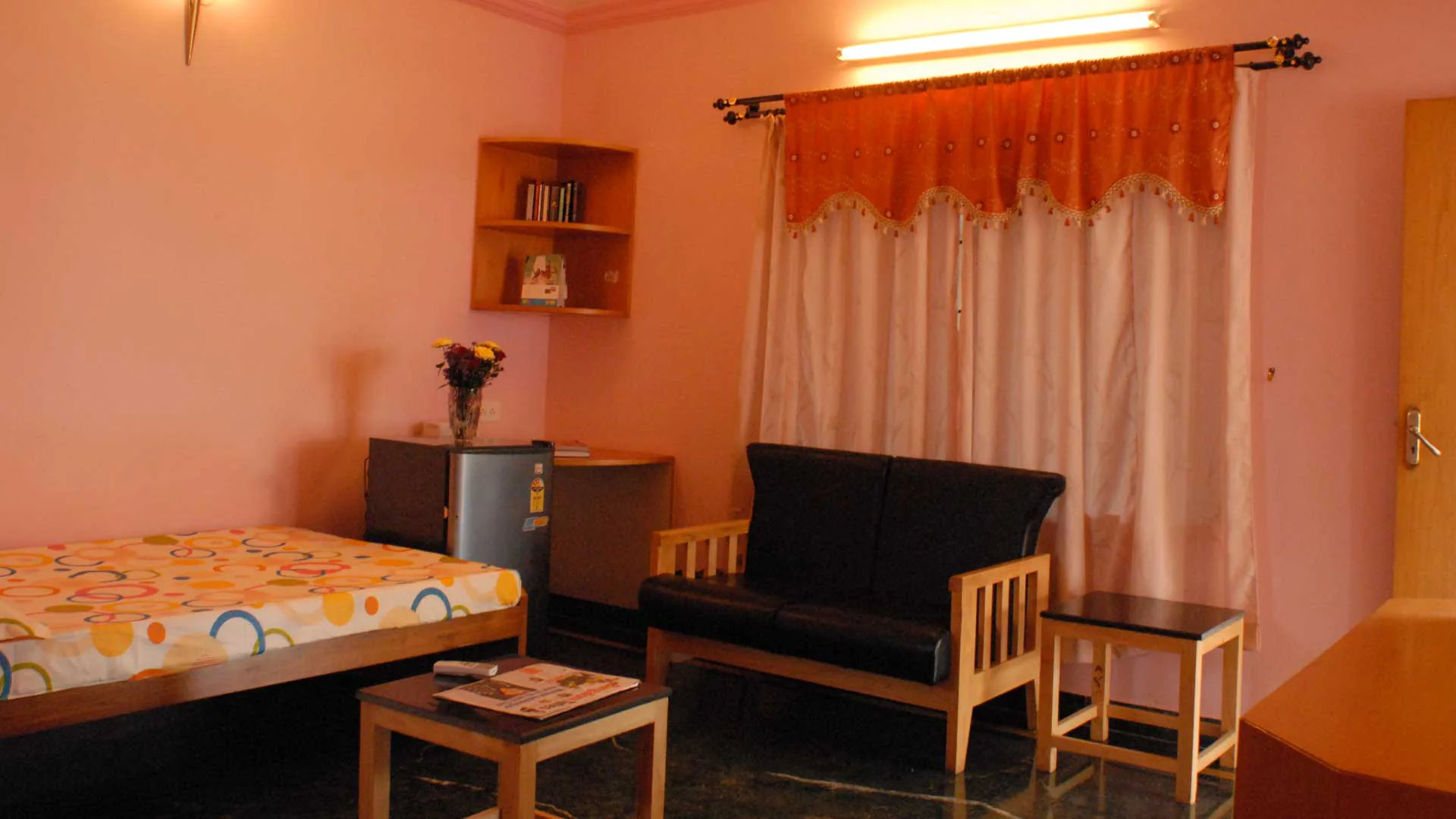
Recovery Experience
Rehab Unit
Patient Stories
What Our Clients Have To Say
Real stories from the families and individuals we’ve supported on their path to well-being.
5.0
Cadabam's Hospitals' team treated my family with empathy from the very first call. The care plan was clear, the doctors listened, and we finally felt supported through a difficult time.
A
Aishwarya G.
Verified patient
5.0
The therapists and psychiatrists worked together on a plan that actually fit our situation. Three decades of experience really shows — calm, professional, and genuinely caring.
S
Suresh L.
Verified patient
5.0
I was nervous about reaching out, but the team made me feel safe. The structured therapy and follow-ups have helped me get back to my routine and feel like myself again.
R
Rahul M.
Verified patient
Trusted by 10,000+ families · 4.5 ★ on Google Reviews
Understanding Mental Hospital in India
Psychiatric care in India has evolved significantly over recent decades, transitioning from outdated custodial institutionalization to modern, evidence-based clinical facilities. Under frameworks like the Mental Healthcare Act 2017 and clinical benchmarks established by institutions such as NIMHANS, a top-tier mental hospital in India focuses on rights-based, multi-disciplinary treatment designed to protect patient dignity and promote functional reintegration.
A modern psychiatric hospital delivers structured clinical environments for individuals suffering from conditions that cannot be managed safely in an outpatient setting alone. Treatment teams typically include consultant psychiatrists, clinical psychologists, psychiatric nurses, occupational therapists, and psychiatric social workers. Together, they create individualized care plans that address symptom control, psychosocial stabilization, and relapse prevention.
Inpatient vs. Outpatient Psychiatric Care
Understanding the level of care required is essential when evaluating psychiatric services in India. The table below outlines the primary distinctions between inpatient psychiatric hospitalization and outpatient mental health care.
| Feature | Inpatient Psychiatric Care | Outpatient Psychiatric Care |
|---|---|---|
| Primary Indication | Severe crisis, active psychosis, harm risk, severe addiction | Mild-to-moderate depression, anxiety, routine medication management |
| Environment | 24/7 supervised residential clinical setting | Scheduled clinical visits while residing at home |
| Supervision | Round-the-clock nursing and medical monitoring | Periodic consultations with psychiatrists or psychologists |
| Therapies | Intensive daily psychotherapy, OT, group therapy, somatic treatments | Weekly or bi-weekly individual or family therapy sessions |
| Goal | Immediate crisis stabilization, safety, and rehabilitation | Ongoing symptom management and lifestyle maintenance |
Signs and Symptoms
Recognizing when an adult requires admission or evaluation at a psychiatric hospital in India can prevent critical escalation and ensure timely intervention. Key behavioral, psychological, and physiological indicators include:
- Active Psychotic Symptoms: Experiencing severe hallucinations (hearing or seeing things that are not present) or fixed delusions that disrupt reality testing and daily functioning.
- Severe Mood Disturbances: Unmanageable manic episodes involving extreme impulsivity, or profound depressive episodes marked by an inability to perform basic self-care.
- Risk of Harm: Expressing active suicidal thoughts, intent, or self-harm behaviors, or exhibiting uncharacteristic aggression toward others.
- Severe Substance Dependence: Complex addiction patterns complicated by severe withdrawal risks, requiring medically supervised detoxification in a clinical environment.
- Profound Functional Decline: Inability to eat, sleep, maintain personal hygiene, or manage basic health needs due to underlying severe mental illness.
- Treatment Non-Adherence: Repeated medication discontinuation resulting in rapid clinical deterioration and persistent relapse cycles.
When to Seek Help
If an individual presents an immediate safety risk to themselves or others, prompt psychiatric assessment is vital. Signs requiring urgent medical evaluation include explicit suicidal statements, severe agitation, disorientation, or an inability to maintain safety at home.
Early intervention at a accredited mental hospital in India can significantly alter the course of illness, preventing prolonged hospitalization and reducing long-term disability. Seeking an early assessment allows clinical professionals to establish a clear diagnosis and determine whether residential stabilization or intensive outpatient care is appropriate.
How Cadabam's Hospitals Can Help
Cadabam's Hospitals is a pioneer in mental health care in India, offering over three decades of clinical expertise in adult psychiatry, addiction medicine, and neuro-rehabilitation. With NABH-accredited facilities in Bangalore and Mysore, Cadabam's provides a safe, comfortable, and structured environment for individuals requiring specialized psychiatric hospitalization.
Our multidisciplinary care model integrates evidence-based pharmacotherapy, individual psychotherapy, cognitive rehabilitation, family counseling, and occupational therapy. We focus not only on acute symptom management but also on building long-term coping mechanisms and community reintegration skills. Every treatment journey is customized to respect the individual's dignity, safety, and personal recovery goals.
To learn more about our inpatient programs, request a confidential assessment, or speak with an admissions coordinator, please visit our contact page.
Related Care at Cadabam's
FAQ
Frequently Asked Questions
Modern psychiatric hospitals treat a broad range of adult mental health conditions, including schizophrenia, bipolar disorder, severe major depressive disorder, obsessive-compulsive disorder (OCD), complex trauma, personality disorders, and substance use disorders. Facilities also manage co-occurring medical and psychiatric issues requiring continuous clinical oversight.
The length of stay varies depending on the diagnosis, severity of symptoms, and individual response to treatment. Short-term crisis stabilization stays may range from 1 to 3 weeks, whereas comprehensive residential rehabilitation for complex conditions or severe addiction may extend over several months.
Yes. Family involvement is a central component of treatment in Indian psychiatric practice. Facilities encourage family psychoeducation, structured visiting sessions, and family therapy to ensure a supportive environment for the patient upon discharge and long-term recovery. --- This content is for general information only and is not a substitute for professional medical advice.
Insights From Our Experts
Recent Stories from Our Blog
Psychological issues
Women's Mental Health
Psychological issues
Stress & Burnout
Newsletter