

The Cadabam’s Hospitals Difference
Why Cadabam’s Hospitals? What Makes Us Different?
Through our 8 specialty centers offering top-notch treatments across the nation, we have been helping thousands of people improve the quality of their lives.
33+
Years of Experience
10,000+
Happy Families
20+
Treatment Modalities
400+
Mental Health Experts
With over 33 years of expertise and knowledge, we promise to provide our clients the treatment that suits them the best. Whether the case involves substance addiction, alcoholism, sleeping issues, bipolar disorder, or schizophrenia, our experts know how to handle it in a way that it’s in the best interest of the client and their family.
Our state-of-the-art infrastructure, experienced professionals, and strong support system enable us to offer world-class evidence-based treatment that fits all stages and types of mental health concerns that you may have.
At Cadabam’s Hospitals, we’ve always got your back.
Our Facilities
Our Infrastructure & Care Facilities
Purpose-built rehabilitation centres, clinical equipment, and support services designed to drive better patient outcomes.
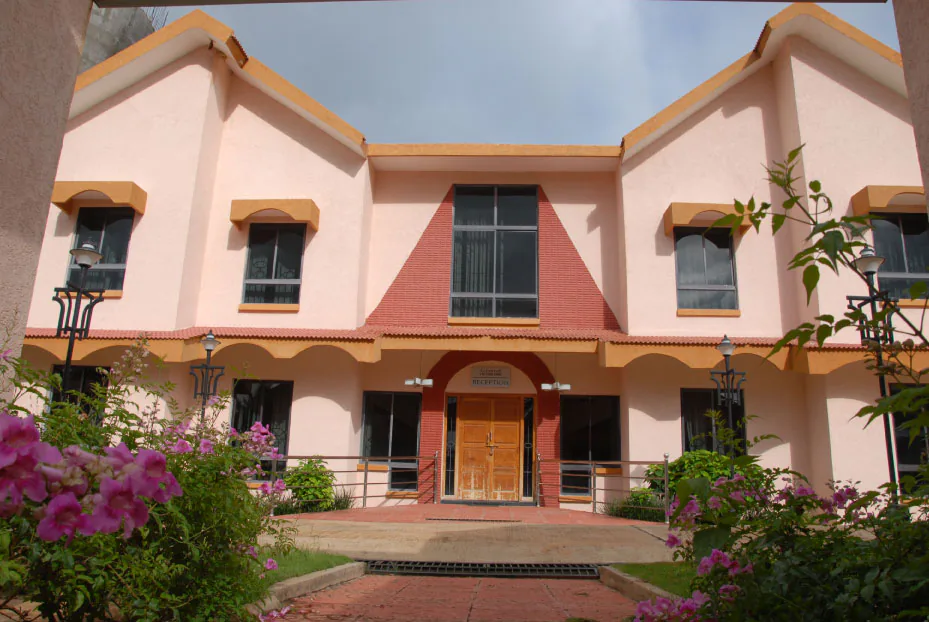
Ananya Rehabilitation Centre
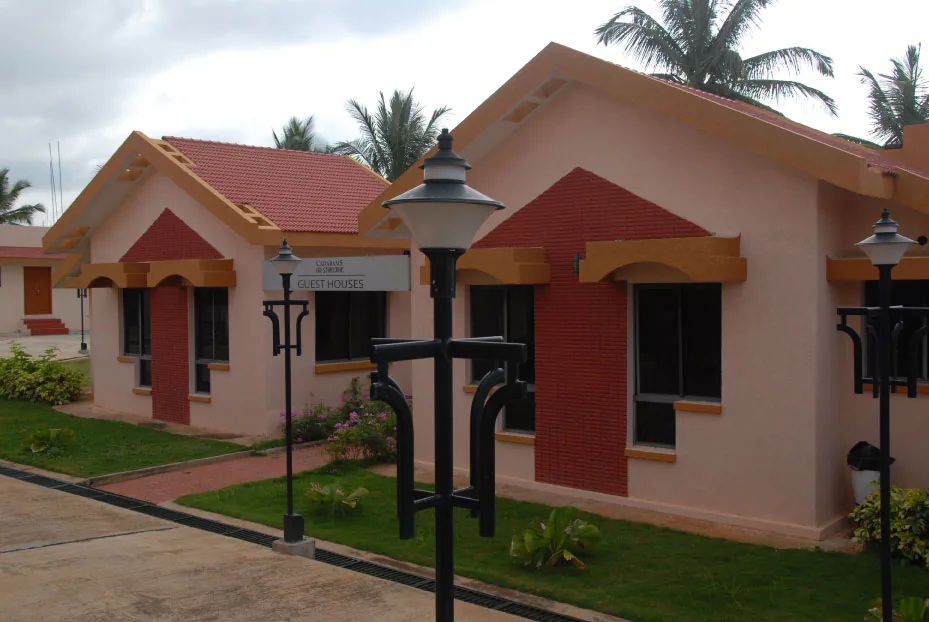
Private Cottages
Campus Entrance
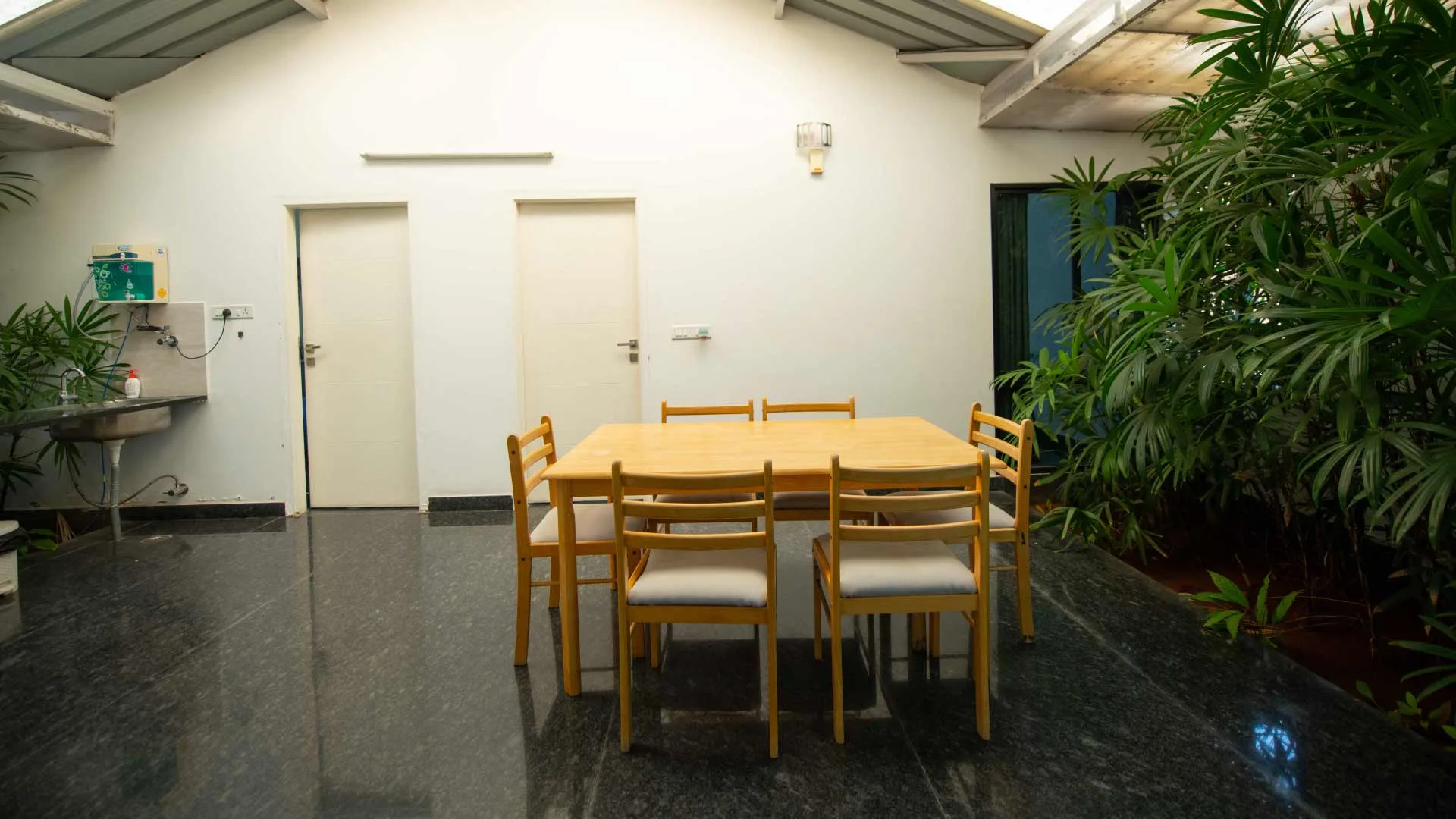
Healing Environment
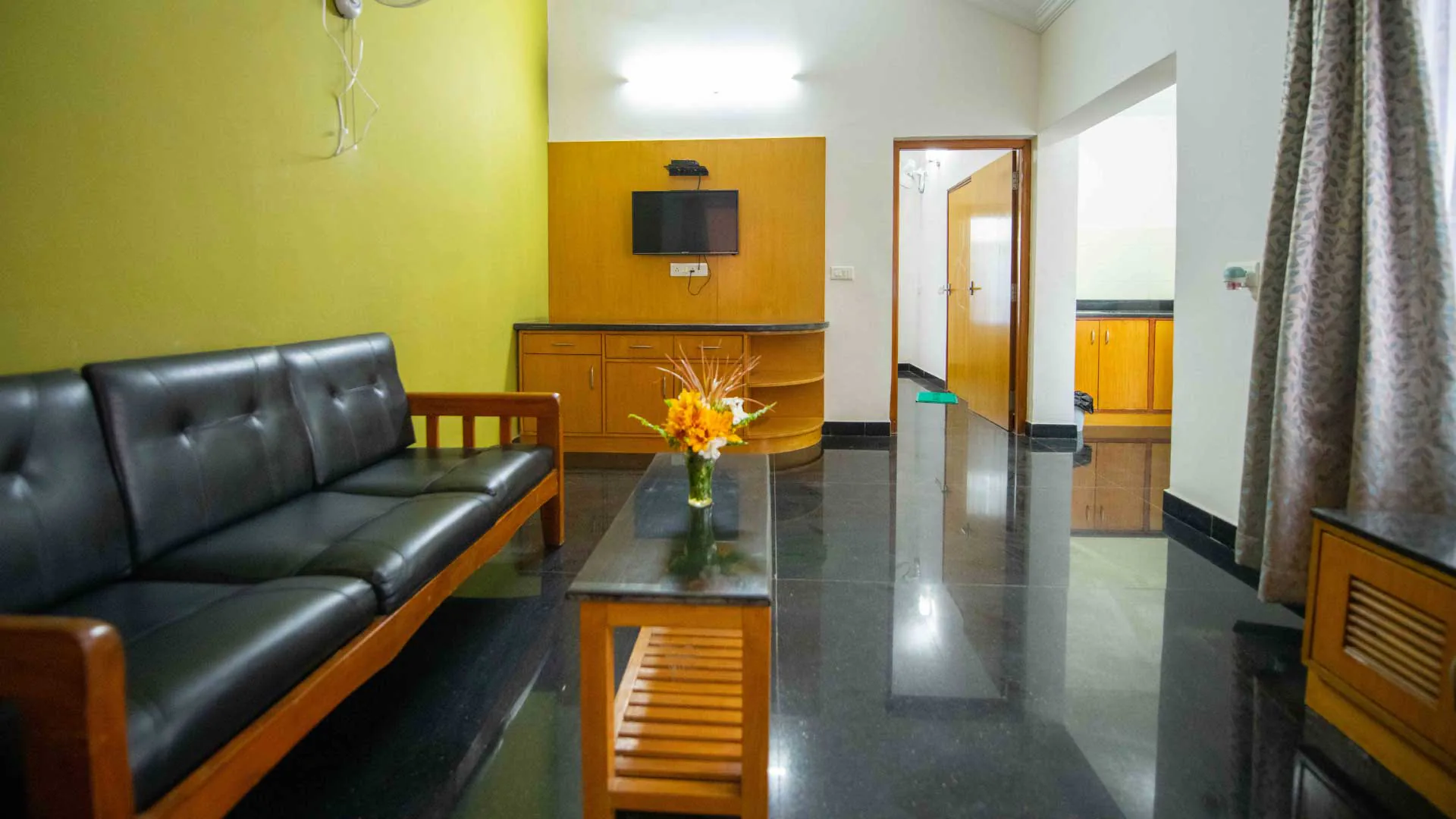
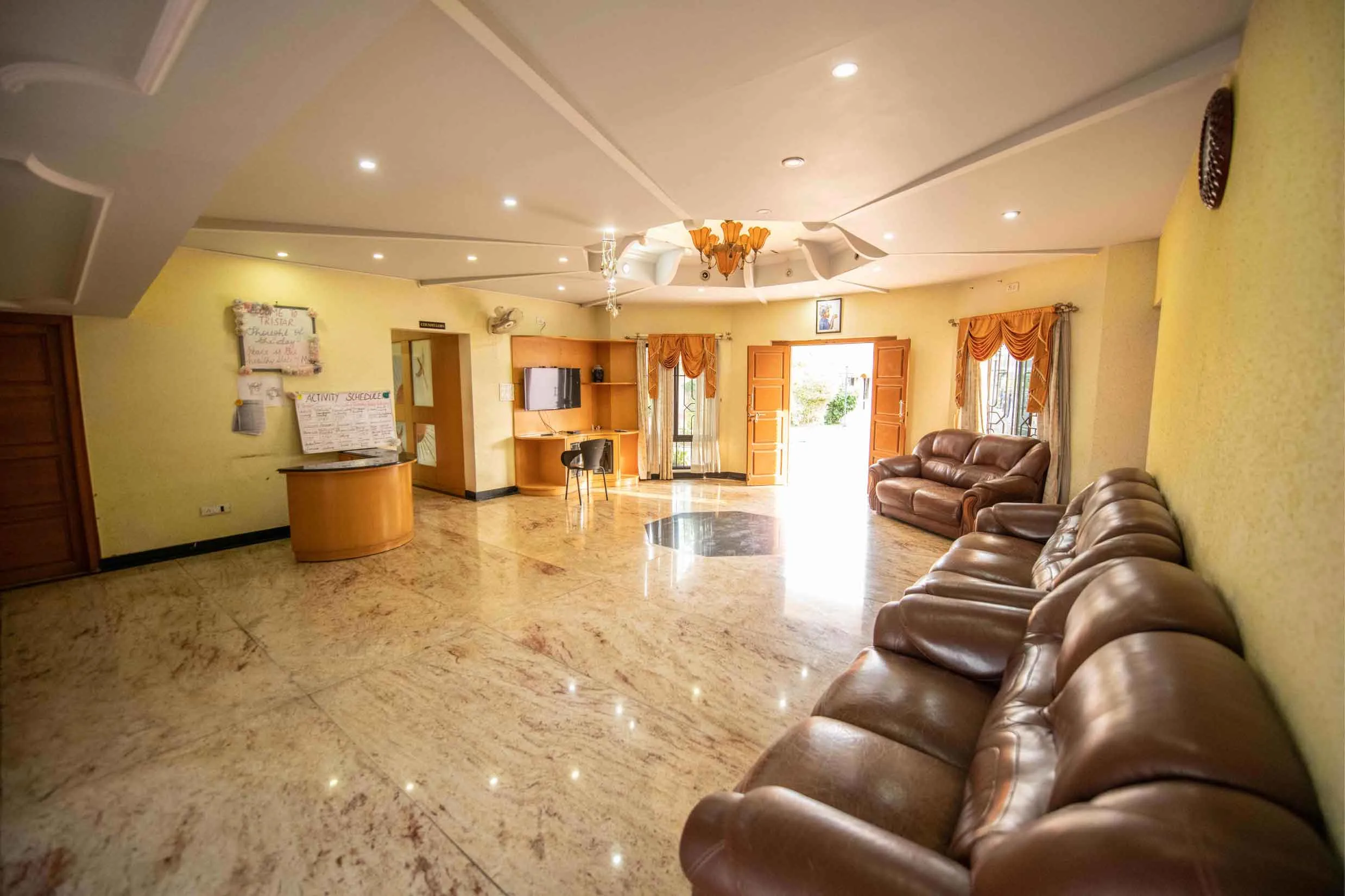
Hospital Lobby
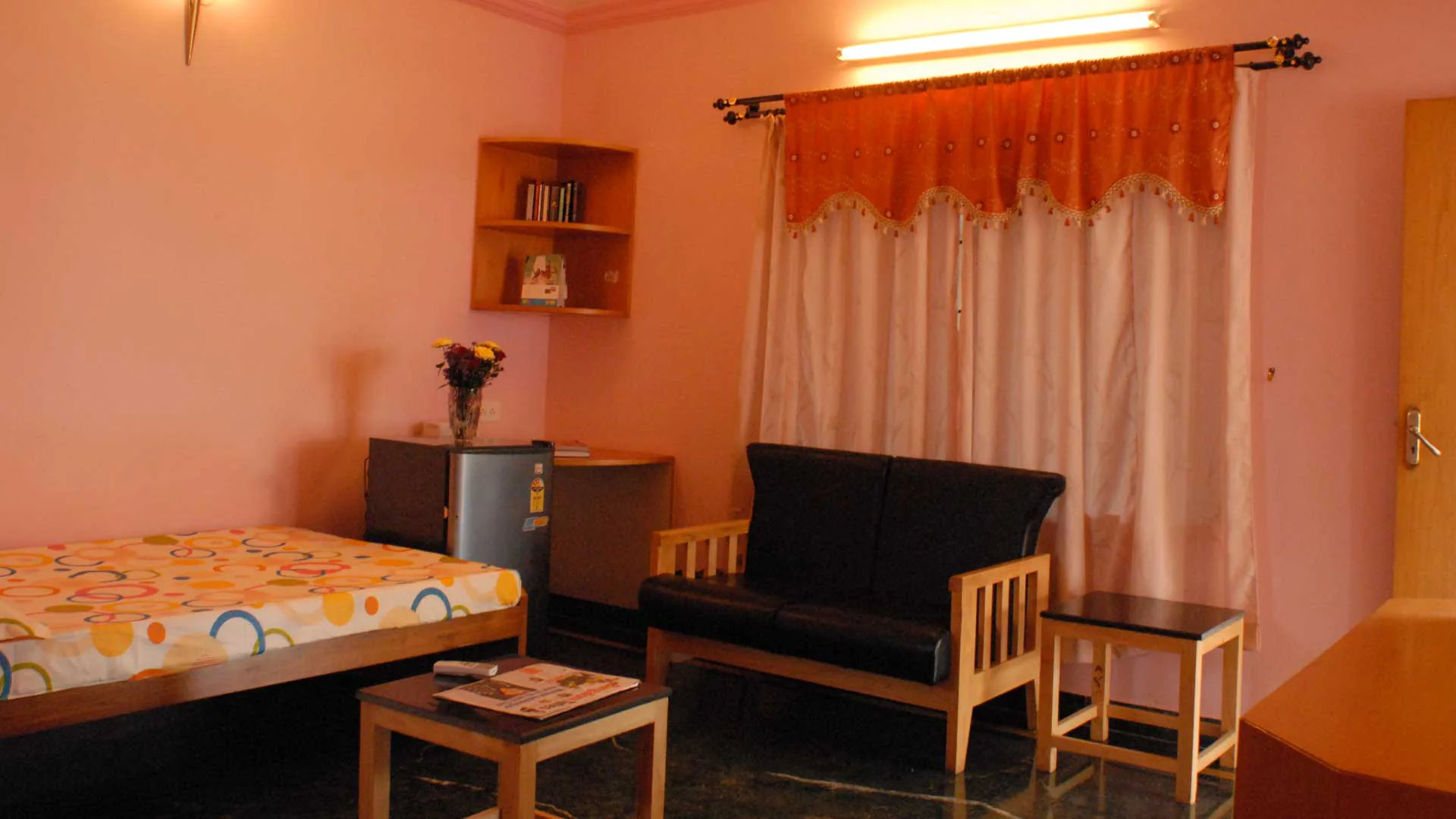
Recovery Experience

Rehab Unit
Patient Stories
What Our Clients Have To Say
Real stories from the families and individuals we’ve supported on their path to well-being.
5.0
Cadabam's Hospitals' team treated my family with empathy from the very first call. The care plan was clear, the doctors listened, and we finally felt supported through a difficult time.
A
Aishwarya G.
Verified patient
5.0
The therapists and psychiatrists worked together on a plan that actually fit our situation. Three decades of experience really shows — calm, professional, and genuinely caring.
S
Suresh L.
Verified patient
5.0
I was nervous about reaching out, but the team made me feel safe. The structured therapy and follow-ups have helped me get back to my routine and feel like myself again.
R
Rahul M.
Verified patient
Trusted by 10,000+ families · 4.5 ★ on Google Reviews
Understanding Psychiatrist Ratio in India
The psychiatrist ratio in India highlights a major structural challenge in the country's public healthcare infrastructure. While global standards recommended by health agencies advocate for at least 10 psychiatrists per 100,000 individuals, India operates with less than one tenth of that capacity. This shortage creates a heavy clinical workload for practicing specialists and leads to delayed psychiatric evaluations for patients nationwide.
The disparity is further accentuated by an unequal geographic distribution of medical professionals. The majority of qualified psychiatrists practice in urban metros and tier-1 cities, leaving rural and semi-urban populations with minimal access to specialized psychiatric care. Consequently, many individuals experiencing psychiatric disorders remain undiagnosed or seek treatment from general physicians who may lack specialized training in complex psychiatric management.
| Parameter | Recommended Benchmark (WHO) | Current Status in India |
|---|---|---|
| Psychiatrist Density | 1 per 10,000 population (10 per 100k) | ~0.75 to 1 per 100,000 population |
| Treatment Gap | Below 20% | 70% to 80%+ for major mental disorders |
| Geographic Distribution | Balanced across urban/rural zones | Highly concentrated in urban areas |
| Care Delivery Model | Integrated community & hospital care | Primary reliance on urban tertiary facilities |
To bridge this deficit, private institutional setups and dedicated psychiatric hospitals serve as critical access points. Institutions offering structured outpatient services, tele-consultations, and specialized inpatient care help mitigate the strain on public health systems while delivering evidence-based psychiatric interventions.
Signs and Symptoms
While the psychiatrist ratio in India reflects a broader public health challenge, individual mental health conditions present through distinct clinical, emotional, and behavioral indicators. Identifying these signs early enables individuals and families to seek timely psychiatric assessment despite accessibility challenges.
Key signs that indicate the need for a formal psychiatric evaluation include:
- Severe Mood Dysregulation: Persistent low mood, severe clinical depression, unmanageable anxiety, or extreme emotional swings that disrupt daily routines.
- Perceptual and Cognitive Disturbances: Experiencing hallucinations, delusions, severe paranoia, or fragmented thought processes characteristic of psychotic disorders.
- Decline in Functional Ability: Inability to maintain employment, academic performance, personal hygiene, or basic daily activities over several weeks.
- Unexplained Physical Symptoms: Chronic fatigue, sleep disturbances, or body pain that have no identifiable organic cause and correlate with psychological stress.
- Substance Use or Behavioral Addiction: Escalating dependency on alcohol, illicit substances, or prescription drugs as a coping mechanism for emotional distress.
Recognizing these symptoms promptly allows patients to connect with qualified mental health professionals before conditions worsen or lead to secondary complications.
When to Seek Help
Professional psychiatric intervention should be sought whenever mental health symptoms impair a person's safety, social functioning, or physical health. Early diagnosis significantly improves treatment outcomes for conditions such as schizophrenia, bipolar disorder, major depressive disorder, and severe anxiety spectrum conditions.
If an individual exhibits acute distress, self-harming behaviors, violent outbursts, or expresses active suicidal ideation, immediate crisis intervention is essential. Emergency psychiatric evaluation should be accessed through specialized hospital casualty departments or dedicated crisis care lines immediately.
How Cadabam's Hospitals Can Help
Cadabam's Hospitals actively works to bridge the psychiatric care gap in India by providing comprehensive, NABH-accredited mental healthcare services. With established centres across Bangalore and Mysore, Cadabam's offers timely access to multi-disciplinary care teams comprising experienced psychiatrists, clinical psychologists, psychiatric social workers, and trained nursing staff.
Our clinical framework incorporates detailed psychiatric evaluations, personalized pharmacological management, evidence-based psychotherapy, inpatient stabilization, and long-term psychiatric rehabilitation. By leveraging modern diagnostic tools and offering specialized care programs, Cadabam's ensures that adults facing complex mental health conditions receive structured, empathetic, and continuous medical support.
To consult with a specialist or learn more about our adult psychiatric care programs, please visit our contact page.
Related Care at Cadabam's
FAQ
Frequently Asked Questions
The World Health Organization (WHO) recommends a benchmark of at least 1 psychiatrist per 10,000 people (or 10 per 100,000). In contrast, India currently operates at approximately 0.75 to 1 psychiatrist per 100,000 people.
The shortage stems from a limited number of postgraduate psychiatric seats in medical colleges, historical stigma surrounding mental healthcare careers, unequal infrastructure distribution between urban and rural areas, and the migration of trained medical professionals.
Patients can access care through specialized private psychiatric hospitals, institutional healthcare networks, tele-psychiatry consultations, and integrated mental health centers that combine psychiatric and psychological services for streamlined care. --- This content is for general information only and is not a substitute for professional medical advice.
Insights From Our Experts
Recent Stories from Our Blog
Psychological issues
Women's Mental Health
Psychological issues
Stress & Burnout
Newsletter