The Cadabam’s Hospitals Difference
Why Cadabam’s Hospitals? What Makes Us Different?
Through our 8 specialty centers offering top-notch treatments across the nation, we have been helping thousands of people improve the quality of their lives.
33+
Years of Experience
10,000+
Happy Families
20+
Treatment Modalities
400+
Mental Health Experts
With over 33 years of expertise and knowledge, we promise to provide our clients the treatment that suits them the best. Whether the case involves substance addiction, alcoholism, sleeping issues, bipolar disorder, or schizophrenia, our experts know how to handle it in a way that it’s in the best interest of the client and their family.
Our state-of-the-art infrastructure, experienced professionals, and strong support system enable us to offer world-class evidence-based treatment that fits all stages and types of mental health concerns that you may have.
At Cadabam’s Hospitals, we’ve always got your back.
Our Facilities
Our Infrastructure & Care Facilities
Purpose-built rehabilitation centres, clinical equipment, and support services designed to drive better patient outcomes.
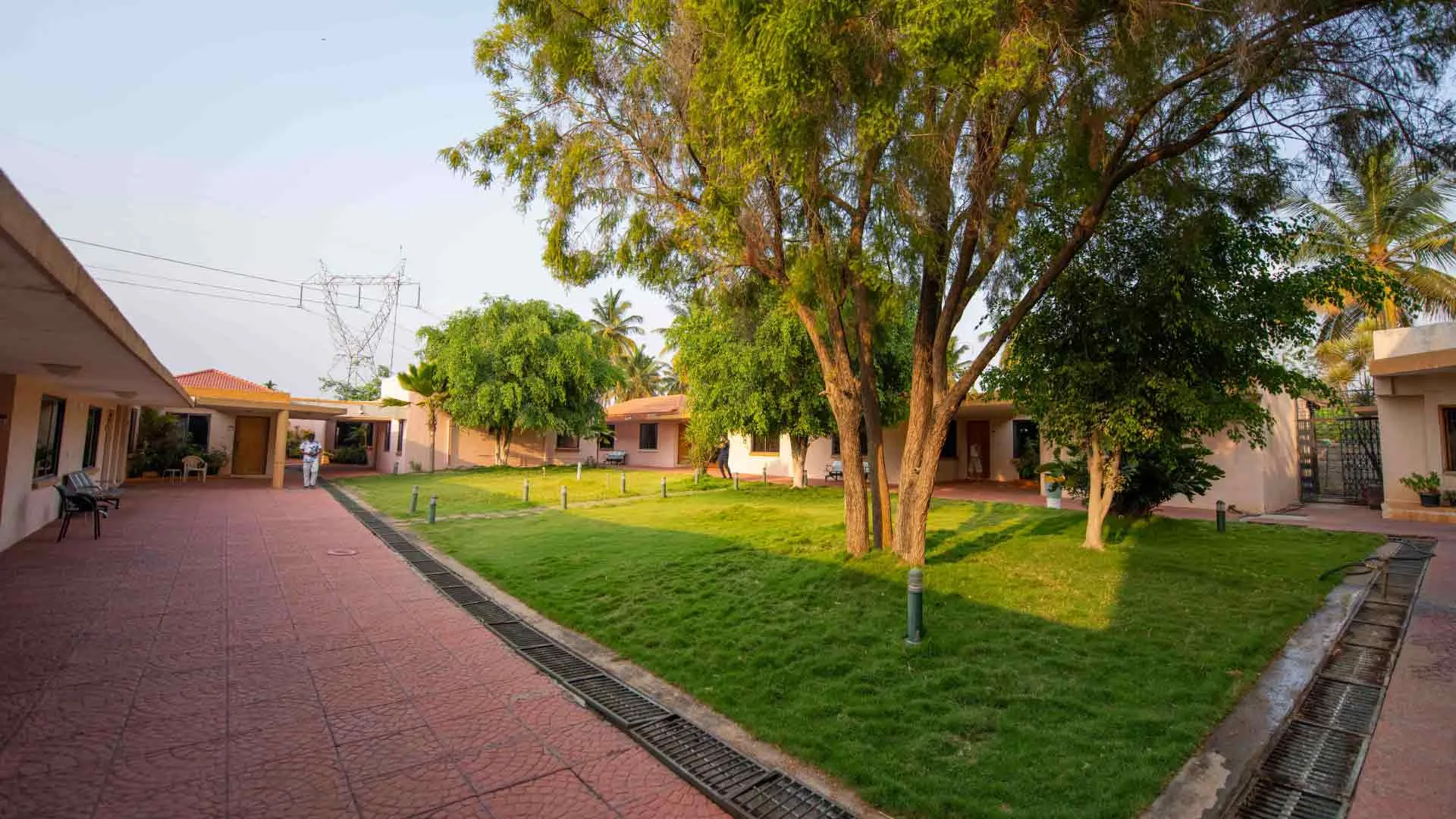
Ananya Campus
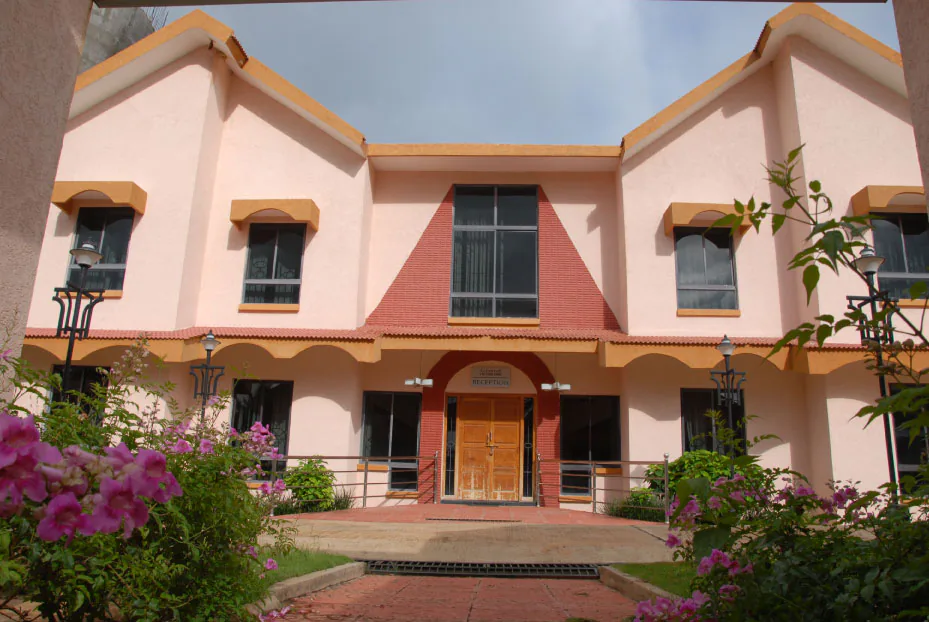
Ananya Rehabilitation Centre
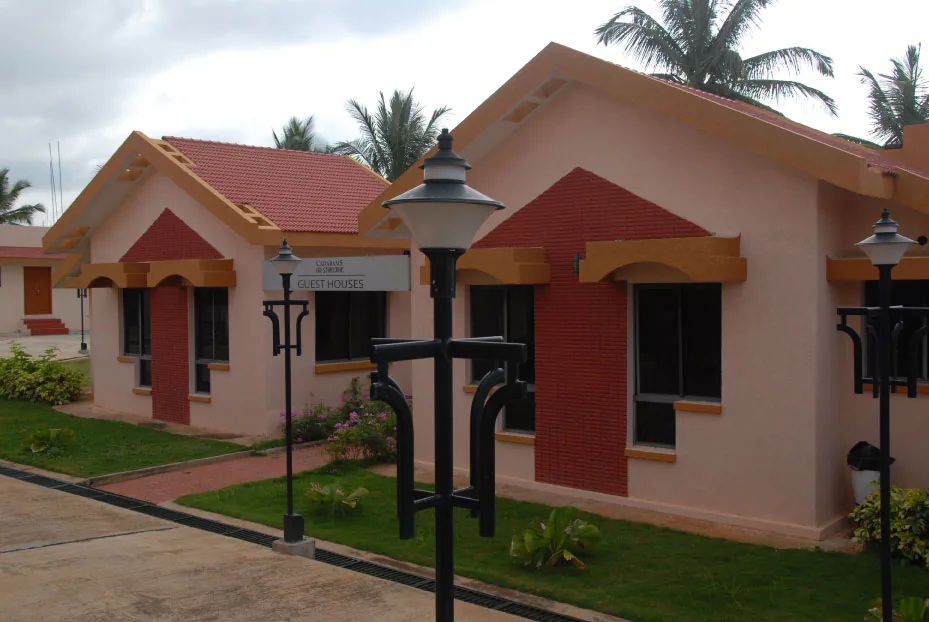
Private Cottages
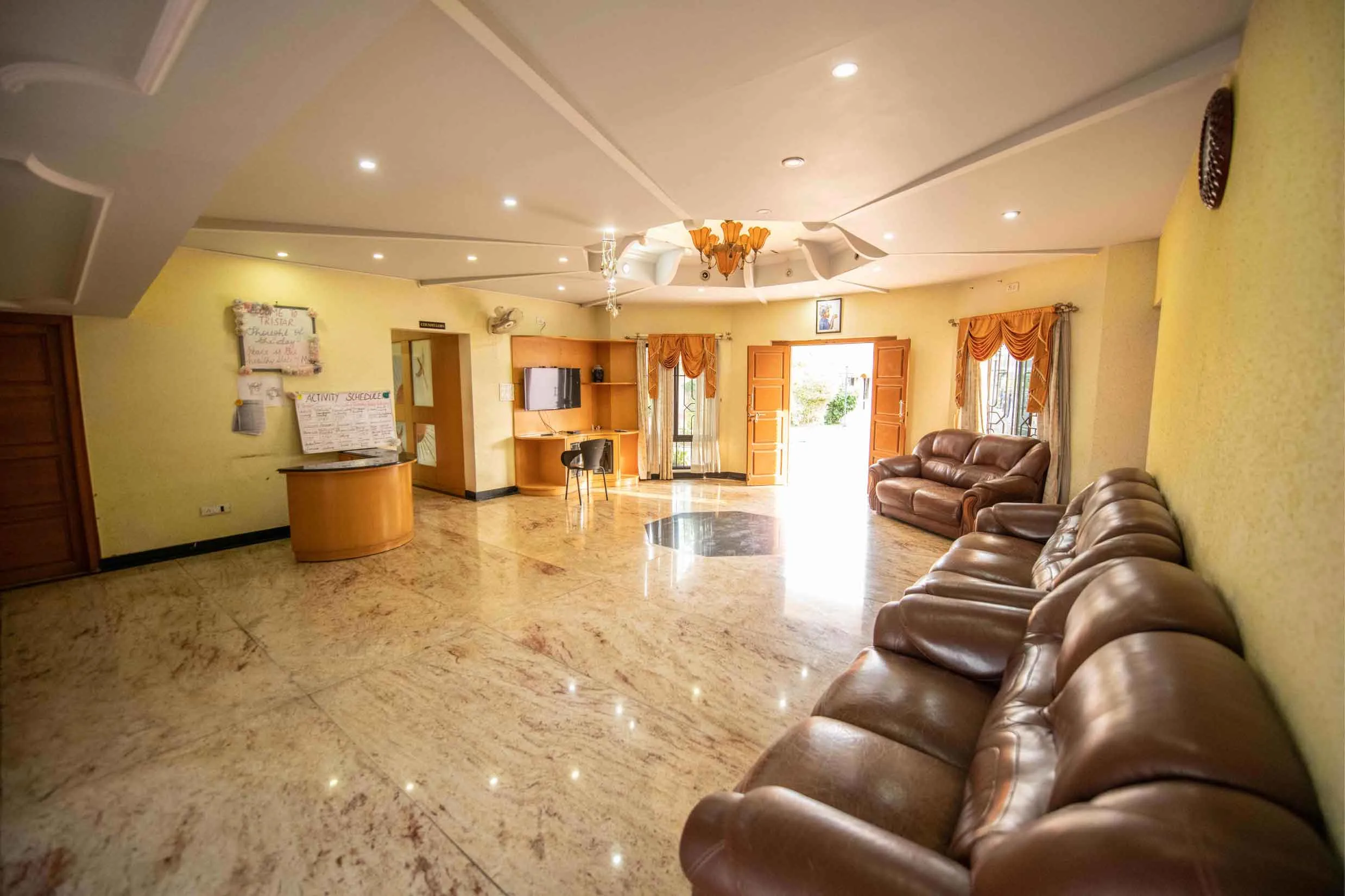
Campus Entrance
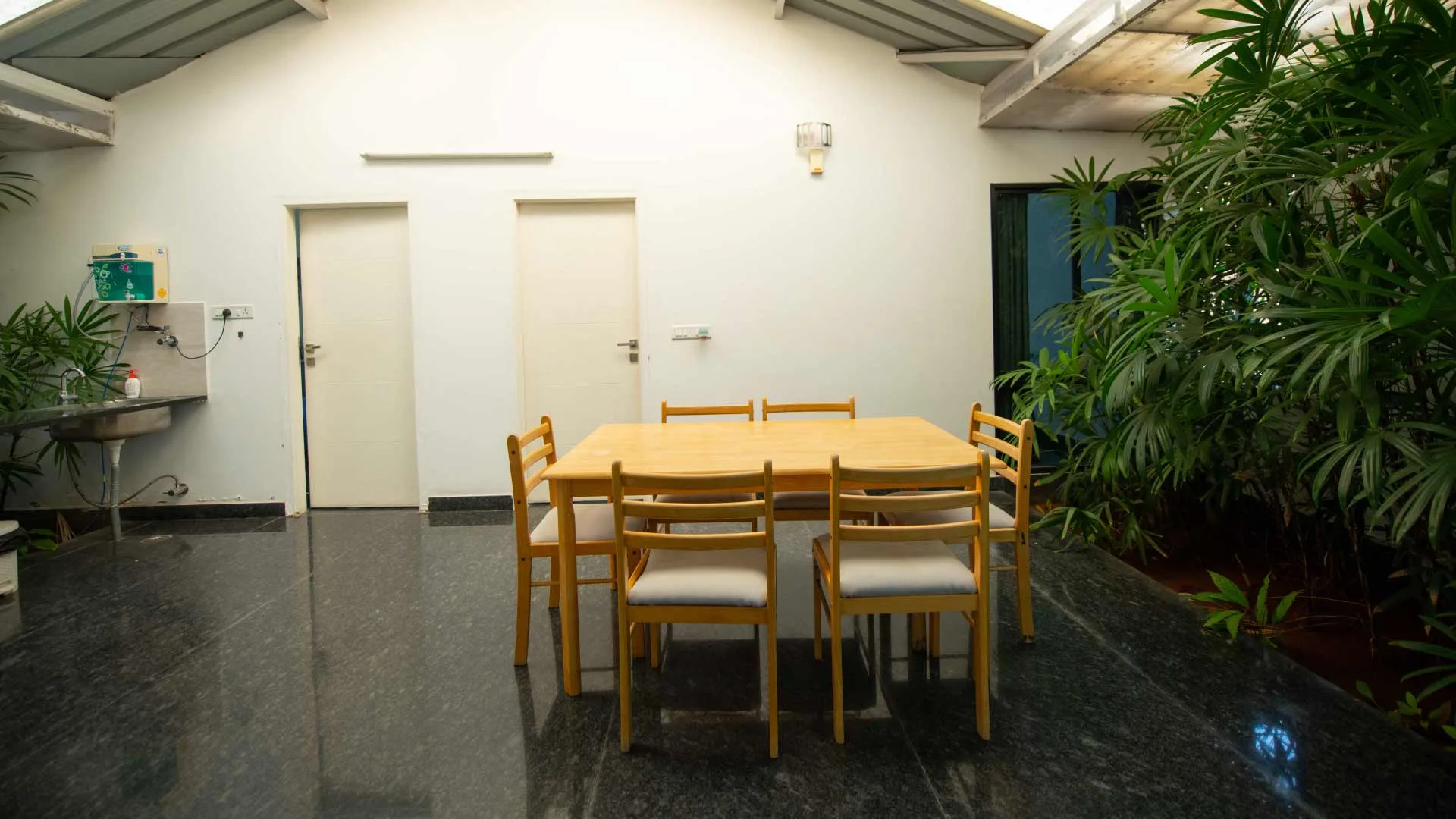
Healing Environment
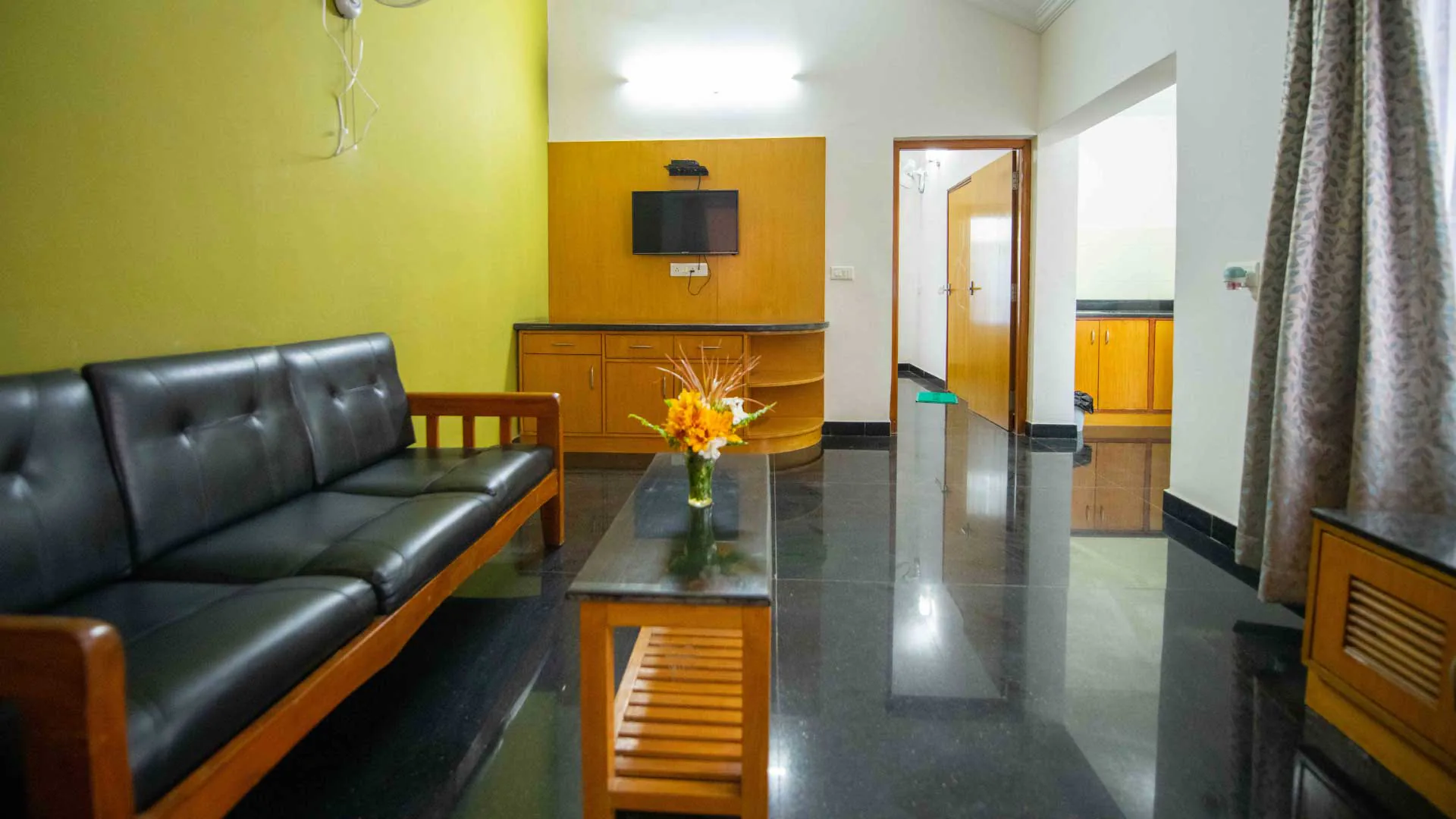
Hospital Lobby
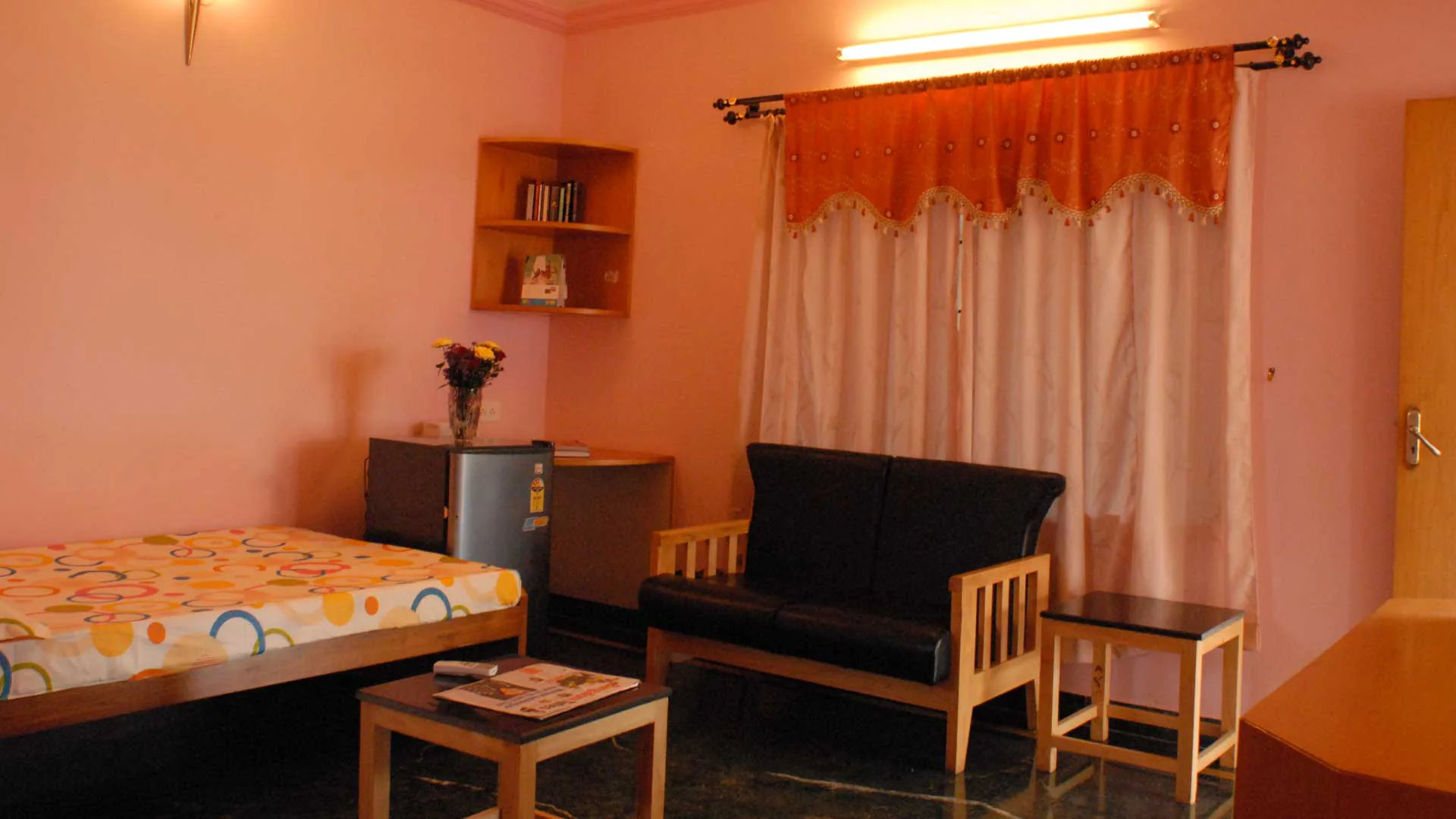
Recovery Experience
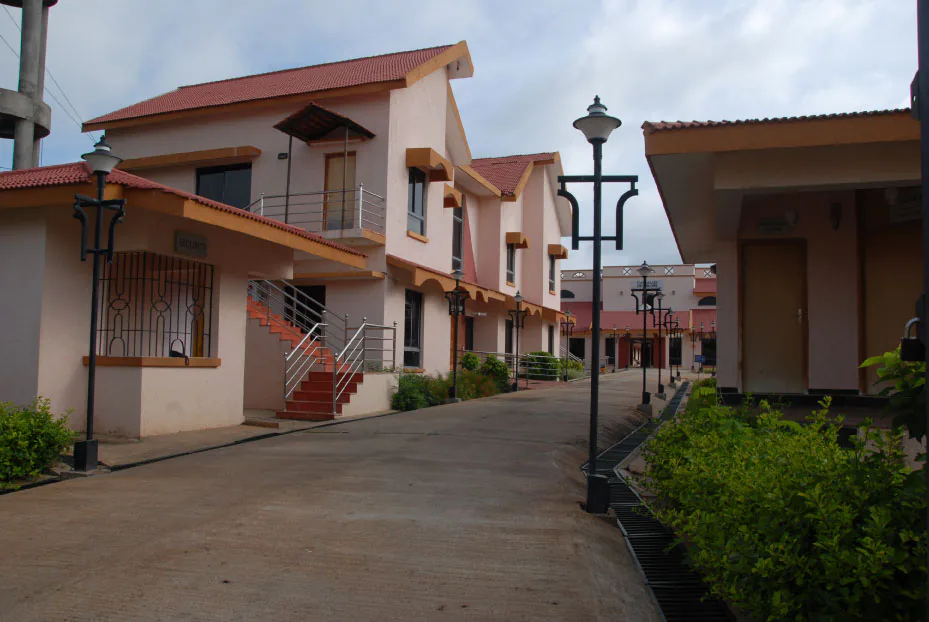
Rehab Unit
Patient Stories
What Our Clients Have To Say
Real stories from the families and individuals we’ve supported on their path to well-being.
5.0
Cadabam's Hospitals' team treated my family with empathy from the very first call. The care plan was clear, the doctors listened, and we finally felt supported through a difficult time.
A
Aishwarya G.
Verified patient
5.0
The therapists and psychiatrists worked together on a plan that actually fit our situation. Three decades of experience really shows — calm, professional, and genuinely caring.
S
Suresh L.
Verified patient
5.0
I was nervous about reaching out, but the team made me feel safe. The structured therapy and follow-ups have helped me get back to my routine and feel like myself again.
R
Rahul M.
Verified patient
Trusted by 10,000+ families · 4.5 ★ on Google Reviews
Can a Depressed Person Go to Rehab?
While many individuals manage mild-to-moderate depression through outpatient therapy and medication, admission to a rehabilitation center for depression becomes necessary when outpatient care is no longer sufficient. Psychiatric rehabilitation provides an intensive, supportive environment designed to stabilize acute symptoms and restore functioning.
In clinical practice across India, inpatient depression care is typically recommended under four specific circumstances:
- Treatment-Resistant Depression (TRD): When an individual has not shown significant improvement after trying at least two different classes of antidepressant medications at adequate doses and durations.
- Safety and Crisis Concerns: When there is severe suicidal ideation, active self-harm, or severe neglect of basic self-care that poses an immediate risk to health and survival.
- Severe Functional Impairment: When a person aged 18 to 65+ can no longer carry out basic activities of daily living—such as eating, maintaining personal hygiene, or leaving bed—for extended periods.
- Co-occurring Conditions: When depression is complicated by secondary diagnoses, such as substance use disorders, severe anxiety, or psychotic symptoms that require integrated, multi-specialist management.
Seeking residential care for mental health is a proactive step toward recovery, not a personal failure. In a residential setting, individuals receive continuous medical supervision and structured support to regain control of their mental health safely.
What Happens at a Depression Rehabilitation Center?
A primary therapeutic element of a depression rehabilitation center is the establishment of a predictable daily routine. Unpredictability, social isolation, and erratic sleep patterns significantly exacerbate depressive symptoms. Residential centers counteract this by delivering structured schedule environments designed to restore circadian rhythms and cognitive focus.
At Cadabam's Hospitals, a standard day in our residential depression program runs from 6:00 AM to 9:00 PM. Each day balances clinical interventions, physical movement, psychoeducation, and restorative rest:
- Morning Routine: Guided wake-up, physical wellness sessions (such as yoga, light exercises, or walking), structured breakfast, and supervised morning medication management.
- Mid-Morning Clinical Sessions: Individual psychotherapy sessions (such as Cognitive Behavioral Therapy) and regular psychiatric evaluations to review medication efficacy and side effects.
- Afternoon Rehabilitation: Group therapy, cognitive rehabilitation exercises, and specialized non-invasive brain stimulation procedures like rTMS (repetitive Transcranial Magnetic Stimulation) if prescribed.
- Late Afternoon Activities: Occupational therapy, life skills training, art or music therapy, and structured recreational opportunities.
- Evening Rest and Reflection: Group reflection, dinner, family updates or sessions, and a winding-down period to encourage healthy sleep hygiene.
This consistent operational framework helps patients regain a sense of purpose and self-efficacy while breaking the cycle of deep lethargy and withdrawal characteristic of major depressive disorder.
Types of Treatment in Depression Rehabilitation
Effective residential treatment for clinical depression requires a multidisciplinary, evidence-based approach. Rehabilitation centers combine medical management with psychological and social interventions to address the physiological, psychological, and environmental roots of the illness.
Psychiatric Evaluation and Pharmacotherapy
Upon admission, every patient undergoes a comprehensive psychiatric evaluation. Psychiatrists adjust or optimize medication regimens—including Selective Serotonin Reuptake Inhibitors (SSRIs), Serotonin-Norepinephrine Reuptake Inhibitors (SNRIs), and mood stabilizers—while continuously monitoring for therapeutic responses and side effects.
Evidence-Based Psychotherapy
Individual psychotherapy forms the backbone of psychological treatment. Primary modalities include:
- Cognitive Behavioral Therapy (CBT): Focuses on identifying and reframing automatic negative thoughts and maladaptive behaviors.
- Acceptance and Commitment Therapy (ACT): Helps patients process painful emotions and commit to value-guided actions.
- Interpersonal Therapy (IPT): Addresses interpersonal distress, unresolved grief, and social role transitions that contribute to depressive episodes.
Advanced Brain Stimulation Therapies
For severe or treatment-resistant cases, advanced neuro-stimulation modalities offer significant clinical relief:
- rTMS (repetitive Transcranial Magnetic Stimulation): A non-invasive procedure using magnetic pulses to stimulate nerve cells in regions of the brain involved in mood control. It requires no anesthesia and is performed on an outpatient or inpatient basis.
- ECT (Electroconvulsive Therapy): Conducted under brief general anesthesia and muscle relaxants, modified ECT remains one of the most effective medical treatments available for severe, life-threatening, or treatment-resistant depression, with response rates between 70% and 80%.
Occupational and Family Therapies
Occupational therapy helps patients rebuild executive function skills, daily routine habits, and vocational confidence. Simultaneously, family therapy educates loved ones on depression dynamics, communication strategies, and practical ways to support recovery post-discharge.
How to Choose a Depression Rehabilitation Center in India
Selecting the right facility for depression treatment requires careful evaluation of clinical capabilities, regulatory compliance, and patient care standards. Families researching options across India should look for key quality indicators:
| Criterion | What to Look For | Why It Matters |
|---|---|---|
| Clinical Leadership | Full-time, onsite psychiatrists, clinical psychologists, and psychiatric nurses. | Ensures 24/7 medical oversight and rapid intervention during severe distress. |
| Accreditation | NABH (National Accreditation Board for Hospitals & Healthcare Providers) accreditation. | Guarantees adherence to national quality, safety, and operational standards. |
| Treatment Modalities | Availability of rTMS, ECT, CBT, and occupational therapy under one roof. | Provides comprehensive treatment pathways for complex or resistant depression. |
| Family Involvement | Structured family psychoeducation and regular family therapy sessions. | Prepares the home environment for long-term recovery and minimizes relapse risk. |
| Aftercare & Step-Down | Dedicated discharge planning, outpatient support, and day-care facilities. | Prevents sudden transition shocks and maintains long-term treatment gains. |
Cadabam's Hospitals operates multi-center facilities across South India, offering specialist-led psychiatric care tailored to severe depressive conditions.
What to Expect Before, During, and After Admission
Understanding the admission and stay process helps alleviate uncertainty for patients and their families.
Before Admission
The process begins with an initial clinical assessment conducted by an intake consultant or psychiatrist. During this stage, medical histories are reviewed, immediate safety risks are evaluated, and administrative details—including care plans and length-of-stay projections—are clearly established.
During the Stay
Patients enter a structured daily program within a secure, supportive environment. Family members receive regular updates from the treating consultant and participate in weekly family counseling sessions. Visiting hours are scheduled to maintain clinical stability while preserving family support systems.
After Discharge
Recovery does not end at discharge. Prior to leaving the center, a clinical multidisciplinary team constructs a comprehensive aftercare plan. This typically includes a step-down transition to a day-care program (partial hospitalization running 2 to 4 weeks), scheduled outpatient visits, medication continuity plans, and structured relapse-prevention strategies.
Depression Rehabilitation at Cadabam's Hospitals
With over 30 years of clinical experience in psychiatric healthcare, Cadabam's Hospitals provides comprehensive, evidence-based care for individuals living with depression. Our centers in Bangalore, Hyderabad, and Mysore offer state-of-the-art facilities, including round-the-clock psychiatric care, specialized psychotherapy units, rTMS suites, and holistic rehabilitation frameworks.
We believe that every patient's path to recovery is unique. Our multidisciplinary care teams—comprising psychiatrists, clinical psychologists, psychiatric nurses, occupational therapists, and social workers—collaborate to deliver individual treatment plans designed to promote sustainable recovery.
Learn more about our regional rehabilitation centers and specialized programs:
- Main Depression Treatment Overview
- Depression Rehabilitation Center in Bangalore
- Depression Rehabilitation Center in Hyderabad
- Depression Rehabilitation Center in Mysore
- Explore Our Treatment Centers
Take the First Step Towards Recovery
Clinical depression is a treatable condition, and you do not have to navigate it alone. Whether you are seeking immediate residential admission, a comprehensive psychiatric evaluation, or guidance for a loved one, our experienced clinical team is here to support you at every stage of healing.
Contact Cadabam's Hospitals today to speak confidentially with an admissions specialist or schedule an assessment.
When to Seek Emergency Help
If you or someone you know is in immediate crisis, experiencing thoughts of self-harm, severe suicidal ideation, or a mental health emergency, please seek help immediately. Do not wait for a routine appointment.
- Emergency Services: Call your local emergency services or visit the nearest hospital emergency department immediately.
- 24/7 National Helplines (India): Call Tele-MANAS at 14416 / 1800 891 4416 or KIRAN at 1800-599-0019 for immediate toll-free support.
- Cadabam's Emergency & Admissions: Reach our emergency helpline at +91 96111 94949 or visit our emergency psychiatric centers in Bangalore, Hyderabad, or Mysore.
FAQ
Frequently Asked Questions
Yes. When depression is severe, treatment-resistant, or involves safety risks like active suicidal ideation, inpatient psychiatric rehabilitation is an established and highly effective level of care.
In India, free outpatient psychiatric services and crisis care are available through premier government institutes such as NIMHANS in Bangalore, as well as district hospitals under the National Mental Health Programme (DMHP). For private residential care requiring personalized nursing and specialized facilities, Cadabam's Hospitals offers structured care packages and guidance on financial planning.
The average length of stay in a residential depression rehabilitation center ranges from 4 to 12 weeks, depending on symptom severity and response to treatment. Severe or chronic treatment-resistant depression may require extended residential care for 3 to 6 months.
Yes. Modified Electroconvulsive Therapy (ECT) is utilized in accredited psychiatric facilities for severe, treatment-resistant depression or acute depressive crises. It is performed safely under general anesthesia with high success rates (70–80% response rate).
Key indicators include persistent inability to maintain basic hygiene or nutrition, ongoing expressions of severe hopelessness or suicidal thoughts, failure of outpatient therapy and medications over 2 to 3 months, or complete withdrawal from daily living. ---
Insights From Our Experts
Recent Stories from Our Blog
Psychological issues
Women's Mental Health
Psychological issues
Stress & Burnout
Newsletter