
This guide walks through what to do — from a relative who won't see a doctor, to a full crisis — including proxy consultation, Psychiatric Emergency Team (PET) home visits, and assisted admission under the law. For immediate help, our team is available 24/7 on 97414 76476.
The Cadabam’s Hospitals Difference
Why Cadabam’s Hospitals? What Makes Us Different?
Through our 8 specialty centers offering top-notch treatments across the nation, we have been helping thousands of people improve the quality of their lives.
33+
Years of Experience
10,000+
Happy Families
20+
Treatment Modalities
400+
Mental Health Experts
With over 33 years of expertise and knowledge, we promise to provide our clients the treatment that suits them the best. Whether the case involves substance addiction, alcoholism, sleeping issues, bipolar disorder, or schizophrenia, our experts know how to handle it in a way that it’s in the best interest of the client and their family.
Our state-of-the-art infrastructure, experienced professionals, and strong support system enable us to offer world-class evidence-based treatment that fits all stages and types of mental health concerns that you may have.
At Cadabam’s Hospitals, we’ve always got your back.
Our Facilities
Our Infrastructure & Care Facilities
Purpose-built rehabilitation centres, clinical equipment, and support services designed to drive better patient outcomes.

Ananya Campus

Ananya Rehabilitation Centre

Private Cottages

Campus Entrance
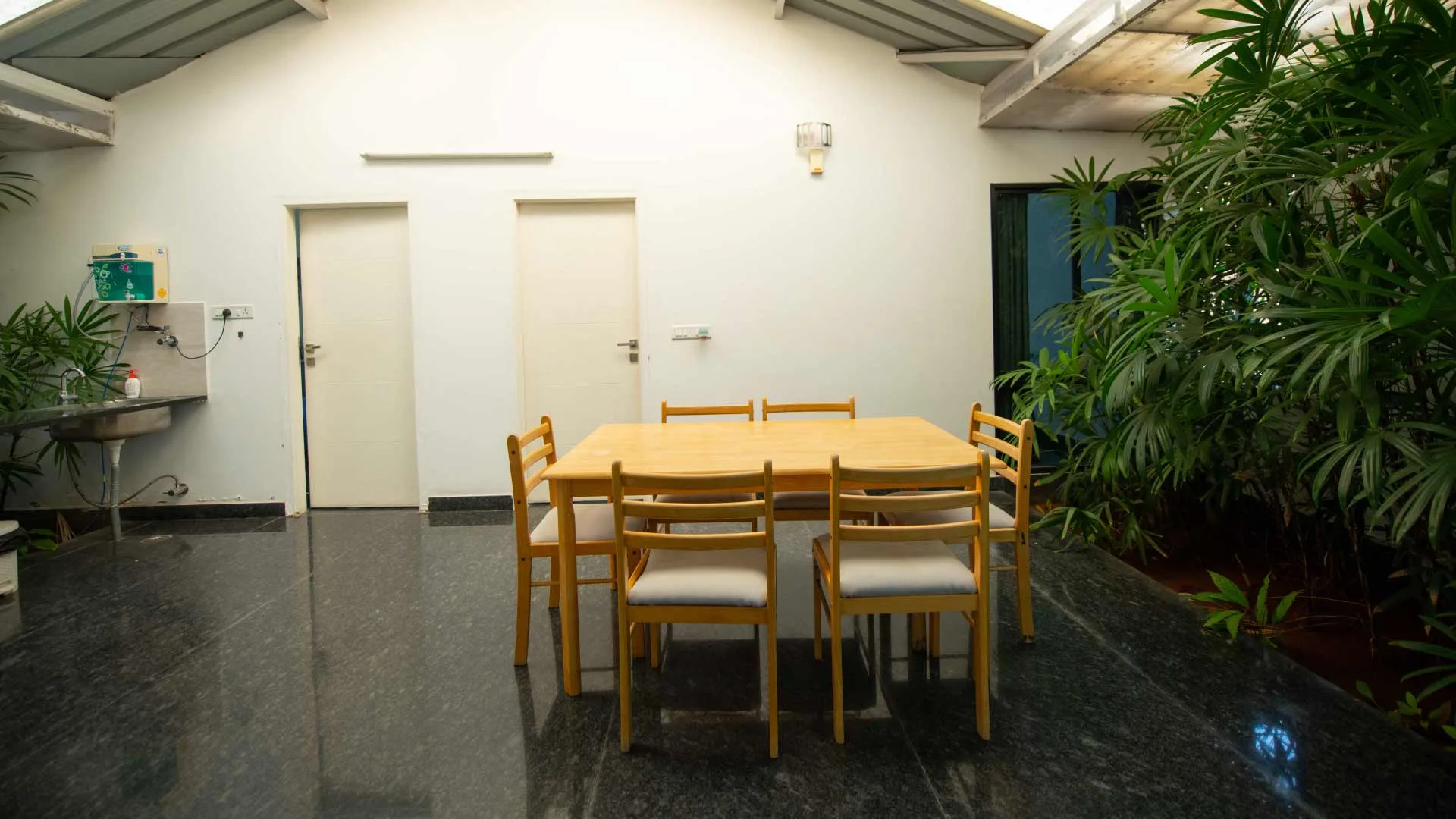
Healing Environment
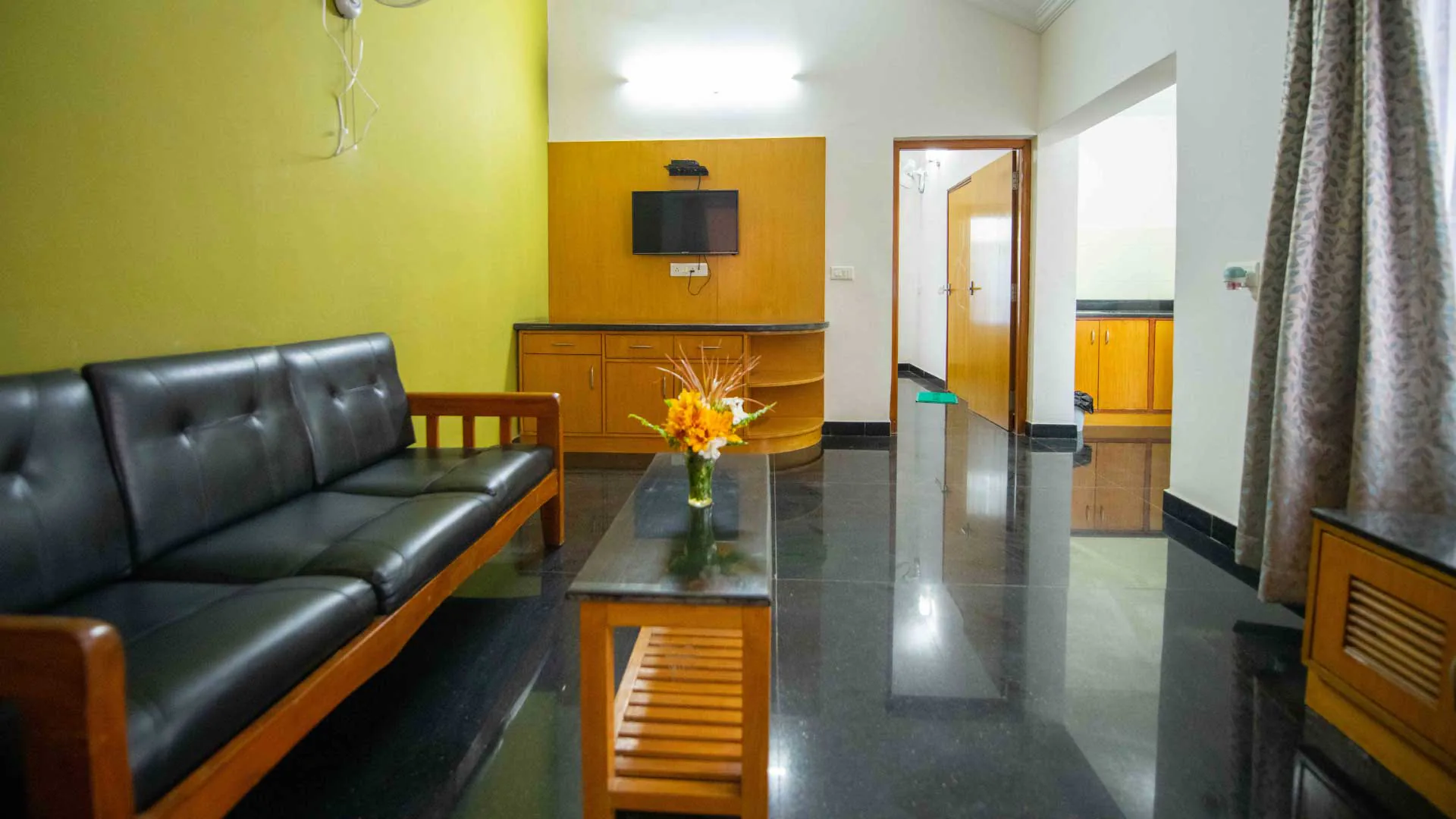
Hospital Lobby

Recovery Experience

Rehab Unit
Patient Stories
What Our Clients Have To Say
Real stories from the families and individuals we’ve supported on their path to well-being.
5.0
Cadabam's Hospitals' team treated my family with empathy from the very first call. The care plan was clear, the doctors listened, and we finally felt supported through a difficult time.
A
Aishwarya G.
Verified patient
5.0
The therapists and psychiatrists worked together on a plan that actually fit our situation. Three decades of experience really shows — calm, professional, and genuinely caring.
S
Suresh L.
Verified patient
5.0
I was nervous about reaching out, but the team made me feel safe. The structured therapy and follow-ups have helped me get back to my routine and feel like myself again.
R
Rahul M.
Verified patient
Trusted by 10,000+ families · 4.5 ★ on Google Reviews
"My Relative Won'T Accept They'Re Ill" — What Can We Do?
This is the single most common thing families tell us, and it has a name: loss of insight — a core feature of the illness, not stubbornness. Arguing rarely works and often increases suspicion. The most effective first step is proxy consultation: the family meets a psychiatrist first — bringing an account and, where possible, recent videos of the behaviour — so a clinical plan can begin even before the person attends. From there, the team advises on how to bring the person into care as safely and respectfully as possible.
Recognising a Crisis
Call for help urgently if you see any of these:
- Threats or acts of harm to themselves or others
- Command hallucinations telling them to act
- Severe agitation, aggression or inability to be kept safe at home
- Refusing food or fluids due to delusions (e.g. fear of poisoning)
- A sudden, severe escalation in a first episode
If someone is in immediate danger, treat it as an emergency and call our helpline; for a building situation, the steps below apply.
The Psychiatric Emergency Team (PET) and Home Visits
When a person can't or won't come to hospital, Cadabam's can send a Psychiatric Emergency Team — a multidisciplinary team (psychiatrist, clinical psychologist, nurse and social worker) — to assess the person at home, stabilise the situation, and plan the safest next step. This is often the turning point for families who feel stuck.
Assisted Admission Under the Mental Healthcare Act, 2017
For situations of genuine risk, the law provides a route to care that also protects the person's rights:
Supported admission under the Mental Healthcare Act, 2017 applies when a person's mental illness is severe enough that they cannot make a decision about their own care, or they are at substantial risk of harm to themselves or others. It is a clinical decision made by a registered psychiatrist — against three criteria: risk to self, risk to others, or loss of capacity to decide — not an administrative one. The patient's rights are protected throughout, the status is reviewed periodically, and it reverts to consent-based care as the person stabilises.
It is not a way to admit an unwilling but well relative — the criteria are strict and clinically decided. How schizophrenia is treated →
De-Escalating at Home (While You Get Help)
Until professional help arrives, these principles help keep everyone safer:
- Stay calm and speak slowly; keep your tone low and non-confrontational.
- Don't argue the delusion down or mock it — acknowledge the feeling (fear) without endorsing the false belief.
- Reduce stimulation: fewer people, less noise.
- Keep exits clear and remove obvious hazards.
- Avoid cornering the person; give physical space.
- Don't make promises you can't keep.
Preventing the Next Crisis
Most crises are relapses — and relapses are usually preventable. The biggest protective factors are continuing treatment (long-acting injectables help enormously with adherence), recognising early warning signs, and structured support. Cadabam's Reach Out after-care and family sessions are designed exactly for this. Schizophrenia symptoms & early signs →
Looking After Yourself
Caring for someone with schizophrenia is a marathon. Carer burnout is real, and looking after your own health, sleep and support network isn't selfish — it's what lets you keep caring. Family therapy and psychoeducation help the whole household, not just the patient.
Get Help Now
Whatever is happening at home, you don't have to manage it alone — and there is a safe next step.
Call our 24/7 helpline: 97414 76476 — or request a callback.
FAQ
Frequently Asked Questions
Start with proxy consultation — the family meets a psychiatrist first to plan the safest way to bring the person into care; a Psychiatric Emergency Team home visit is available if needed.
A multidisciplinary team — psychiatrist, psychologist, nurse and social worker — that can assess and stabilise a person at home when they can't or won't come to hospital.
Only under strict criteria in the Mental Healthcare Act, 2017 — risk to self, risk to others, or loss of capacity to decide — as a clinical decision, with the person's rights protected and the status regularly reviewed.
Stay calm, reduce stimulation, don't argue the delusion, keep everyone safe, and call our helpline for guidance or a PET assessment.
Continue treatment (long-acting injectables help), learn the early warning signs, and use after-care and family support.
Insights From Our Experts
Recent Stories from Our Blog
Psychological issues
Women's Mental Health
Psychological issues
Stress & Burnout
Newsletter