This guide explains how schizophrenia is treated, what each option involves, how long treatment lasts, and how to start. If you're seeking treatment for a loved one now, our team is available 24/7 on 97414 76476.
The Cadabam’s Hospitals Difference
Why Cadabam’s Hospitals? What Makes Us Different?
Through our 8 specialty centers offering top-notch treatments across the nation, we have been helping thousands of people improve the quality of their lives.
33+
Years of Experience
10,000+
Happy Families
20+
Treatment Modalities
400+
Mental Health Experts
With over 33 years of expertise and knowledge, we promise to provide our clients the treatment that suits them the best. Whether the case involves substance addiction, alcoholism, sleeping issues, bipolar disorder, or schizophrenia, our experts know how to handle it in a way that it’s in the best interest of the client and their family.
Our state-of-the-art infrastructure, experienced professionals, and strong support system enable us to offer world-class evidence-based treatment that fits all stages and types of mental health concerns that you may have.
At Cadabam’s Hospitals, we’ve always got your back.
Our Facilities
Our Infrastructure & Care Facilities
Purpose-built rehabilitation centres, clinical equipment, and support services designed to drive better patient outcomes.
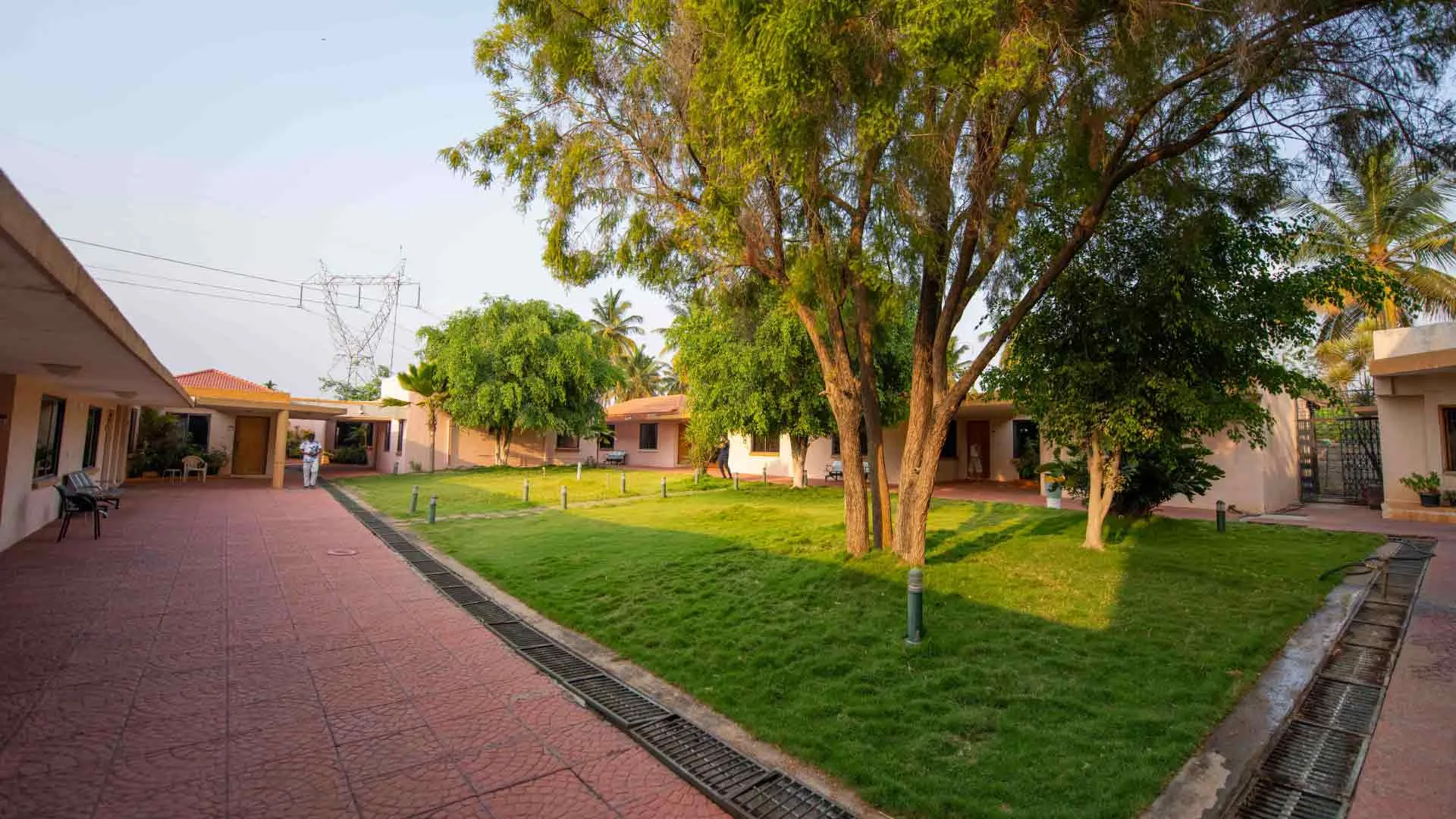
Ananya Campus
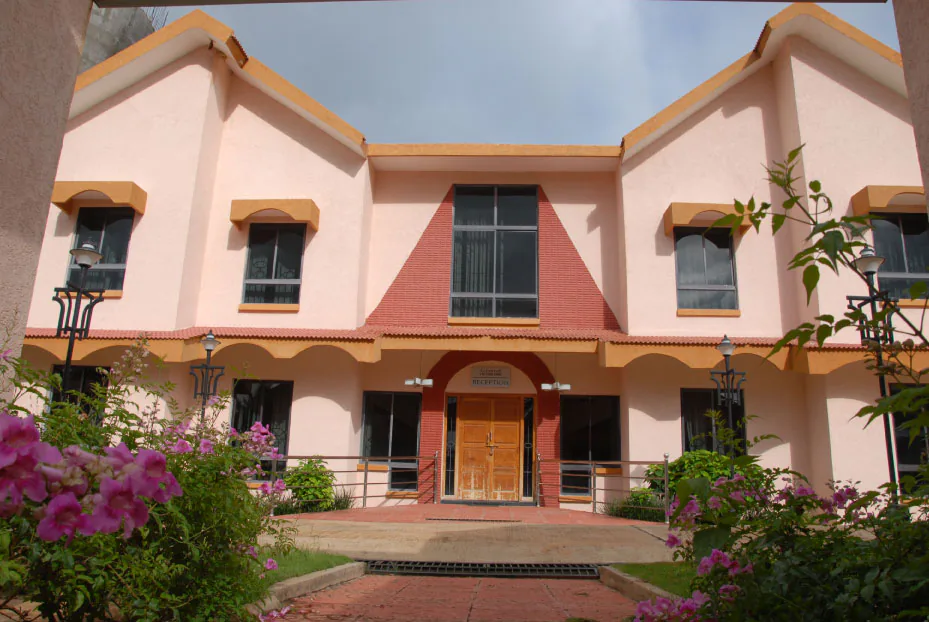
Ananya Rehabilitation Centre
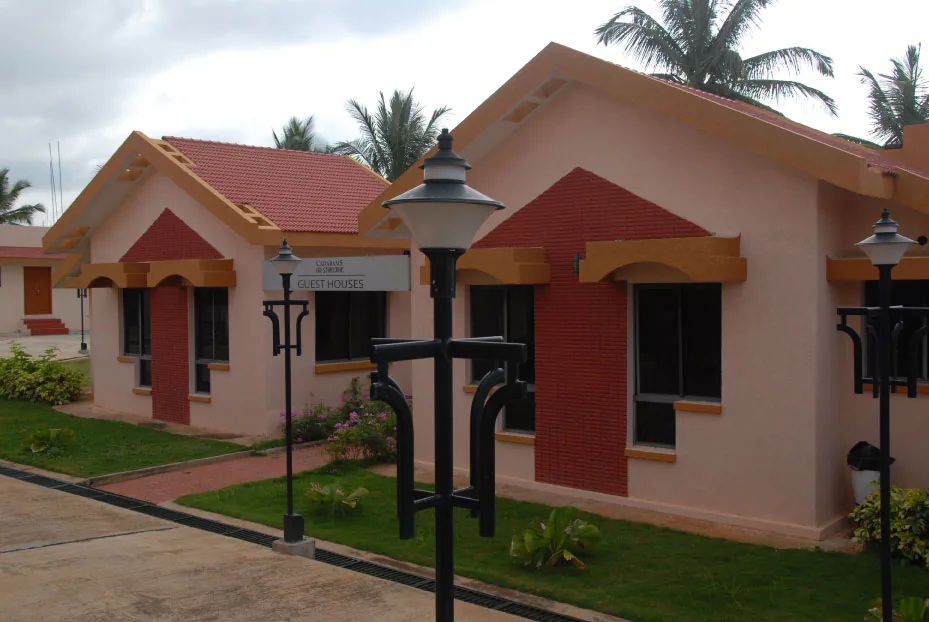
Private Cottages
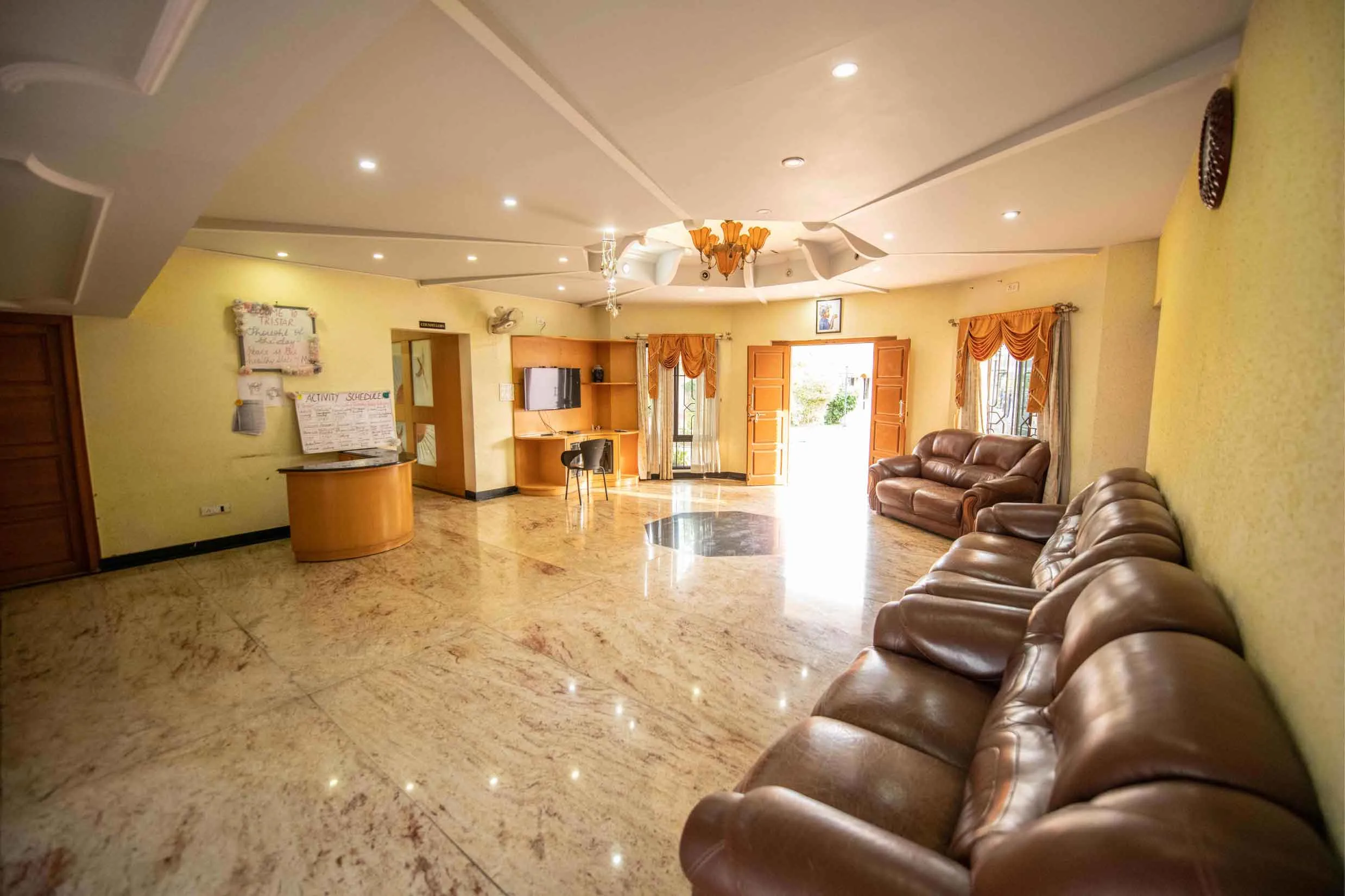
Campus Entrance
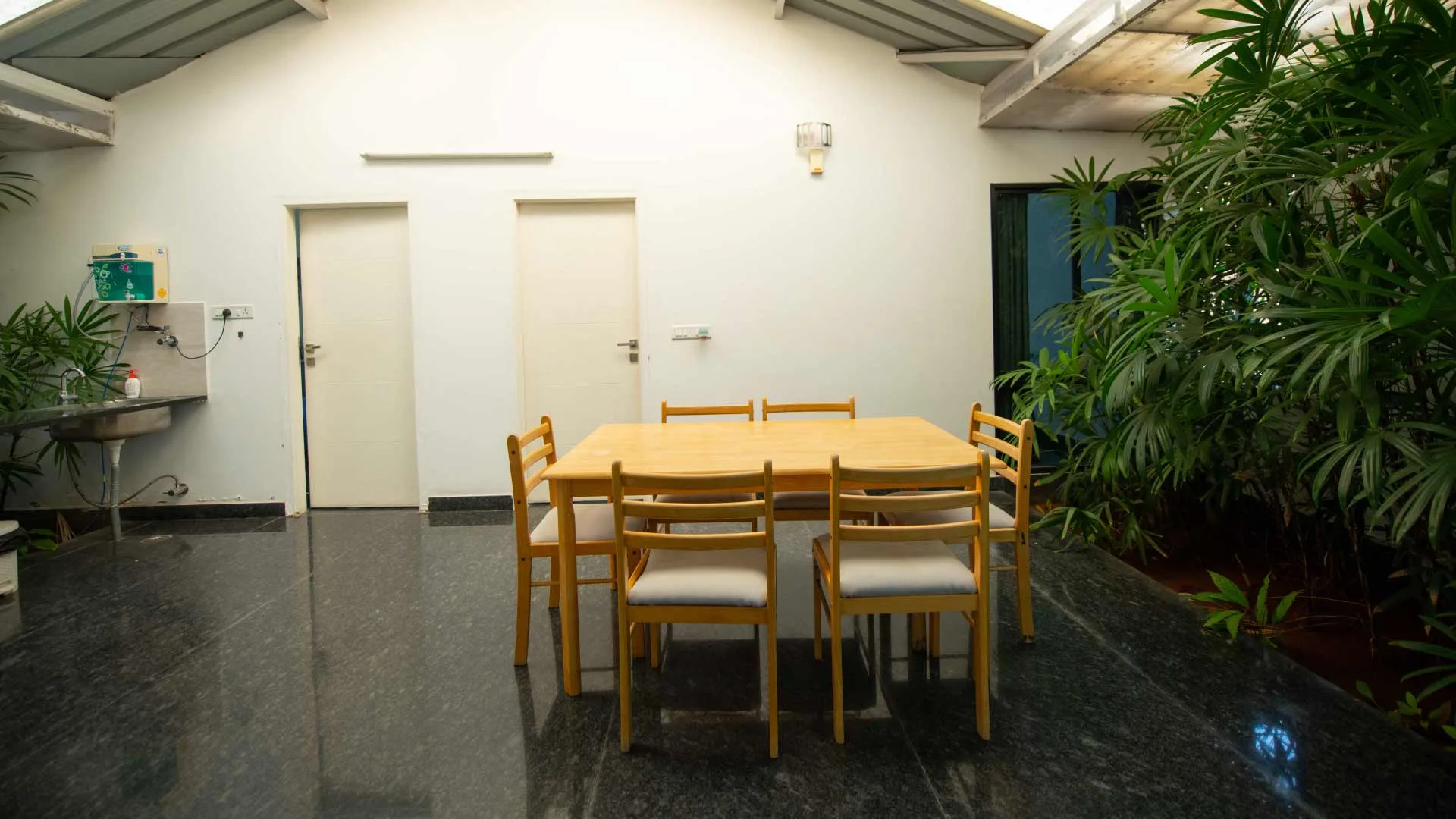
Healing Environment
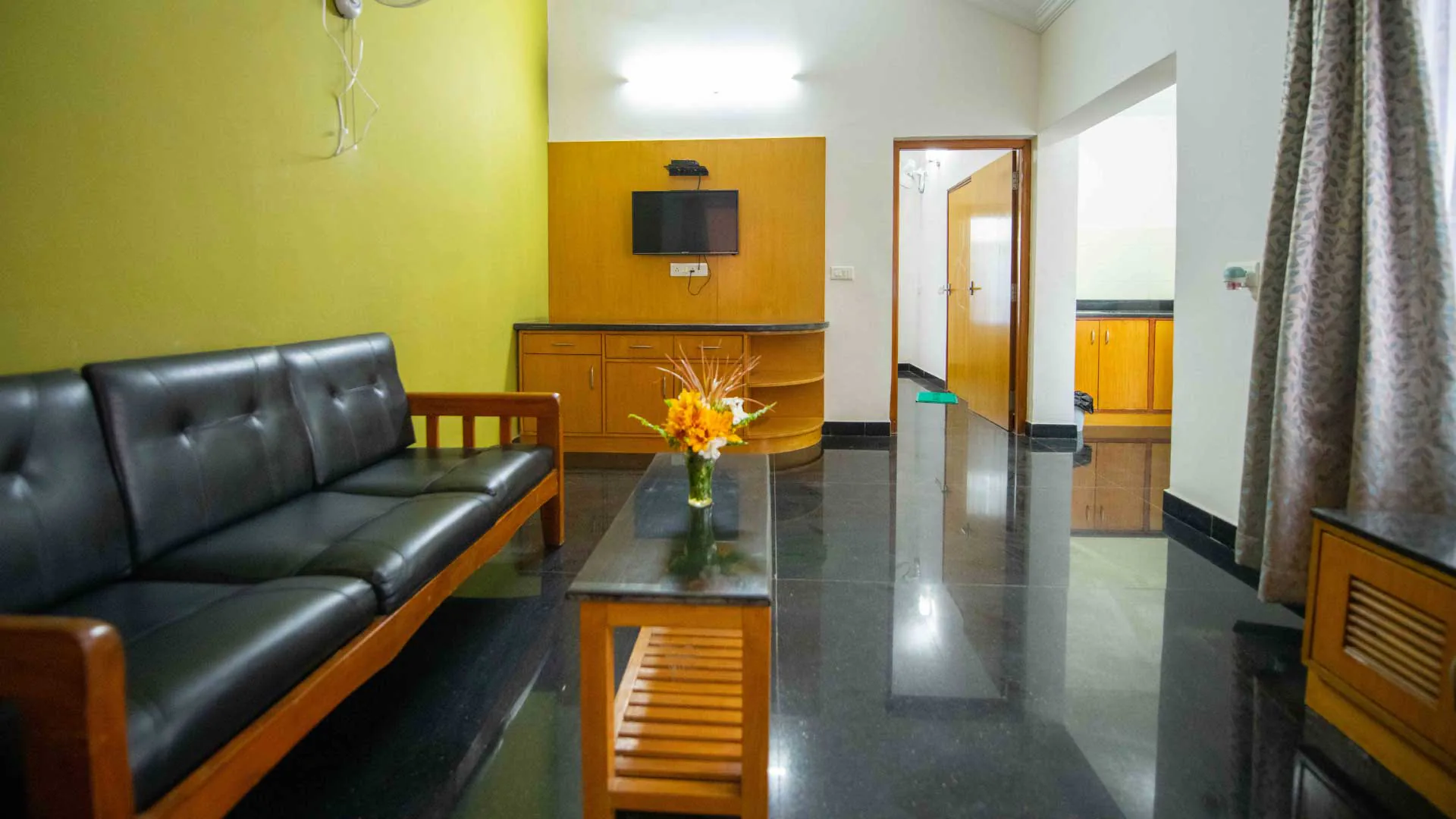
Hospital Lobby
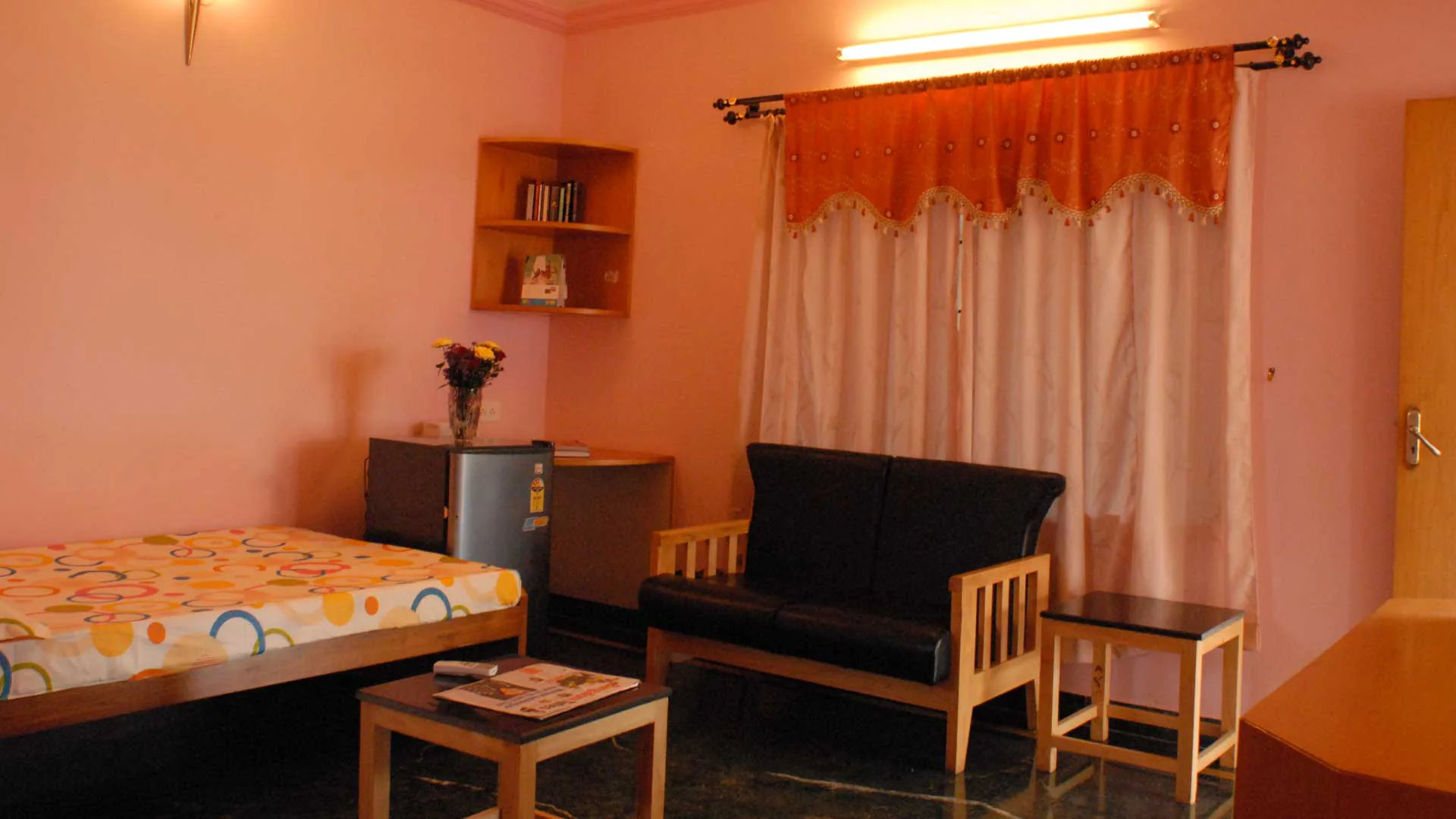
Recovery Experience
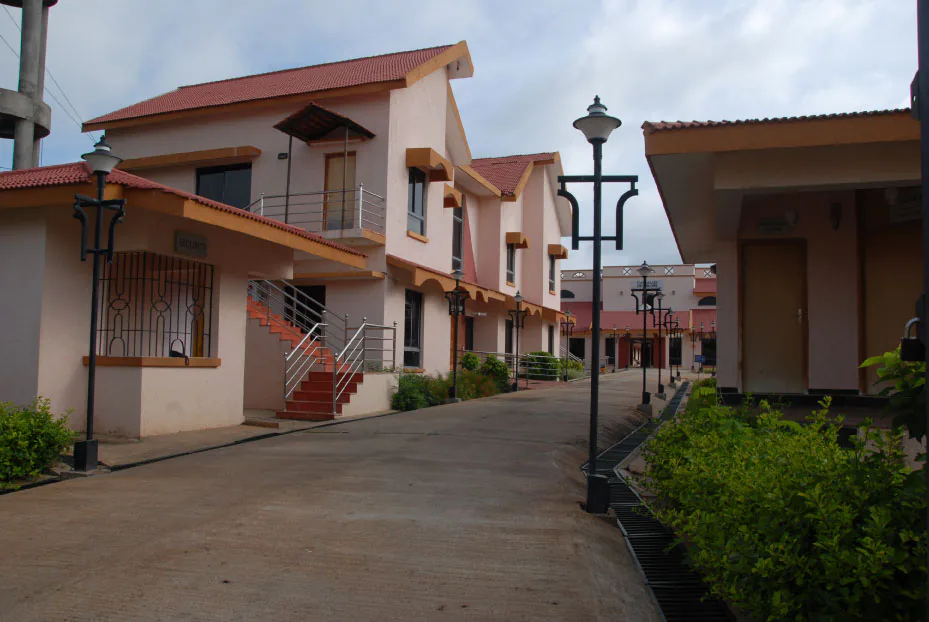
Rehab Unit
Patient Stories
What Our Clients Have To Say
Real stories from the families and individuals we’ve supported on their path to well-being.
5.0
Cadabam's Hospitals' team treated my family with empathy from the very first call. The care plan was clear, the doctors listened, and we finally felt supported through a difficult time.
A
Aishwarya G.
Verified patient
5.0
The therapists and psychiatrists worked together on a plan that actually fit our situation. Three decades of experience really shows — calm, professional, and genuinely caring.
S
Suresh L.
Verified patient
5.0
I was nervous about reaching out, but the team made me feel safe. The structured therapy and follow-ups have helped me get back to my routine and feel like myself again.
R
Rahul M.
Verified patient
Trusted by 10,000+ families · 4.5 ★ on Google Reviews
How Is Schizophrenia Treated? the Three-Engine Approach
Schizophrenia treatment works best when it addresses the whole illness, not just the loudest symptom. That means combining medication (to control hallucinations, delusions and prevent relapse), psychotherapy and psychosocial support (to rebuild skills, insight and relationships) and, when symptoms resist standard treatment, neuromodulation (rTMS and ECT). Early, sustained, psychiatrist-led treatment gives the best long-term outcomes — and the single biggest cause of relapse is stopping treatment too soon.
1. Medication for Schizophrenia
Medication is the foundation of treatment. Antipsychotics reduce hallucinations and delusions and, crucially, help prevent relapse. Choosing the right one is a collaborative process, and side-effects are actively monitored and managed rather than ignored.
Typical vs Atypical Antipsychotics
Older ("typical" / first-generation) and newer ("atypical" / second-generation) antipsychotics both work; atypicals are often preferred first for their side-effect profile, but the "best" medicine is the one that controls a given person's symptoms with tolerable effects. Read: antipsychotic medications — a detailed guide →
Long-Acting Injectables (LAIs)
For people who find daily tablets hard to keep up — a very common and understandable cause of relapse — a long-acting injectable given every few weeks can transform stability, taking the daily decision out of the picture.
Clozapine for Treatment-Resistant Symptoms
When symptoms persist despite adequate trials of other antipsychotics, clozapine is the evidence-based gold standard, used with regular blood monitoring. It is often underused; at Cadabam's it is offered with the monitoring and support it needs. Read: treatment-resistant schizophrenia →
Newer Agents and Side-Effect Management
The field continues to advance, including newer agents (for example, Cobenfy, approved by the US FDA in 2024). Whatever the medicine, weight, metabolic health and other side-effects are monitored and managed. One important caution for families: never mix or replace prescribed medication with unregulated Ayurvedic or alternative preparations without telling the psychiatrist.
2. Psychotherapy and Psychosocial Treatment
Medicine controls symptoms; therapy helps a person live well. Evidence-based psychosocial treatment includes Cognitive Behavioural Therapy for psychosis (CBTp), family therapy (which improves outcomes and reduces the strain on carers), cognitive remediation (rebuilding attention and memory), and psychoeducation so the person and family understand the illness and its treatment. These are the heart of psychiatric rehabilitation.
3. Neuromodulation: rTMS and ECT
For symptoms that resist medication, repetitive Transcranial Magnetic Stimulation (rTMS) can help as an adjunct — particularly for persistent auditory hallucinations and negative symptoms — with evidence still evolving and always used alongside, not instead of, medication. Modern Electroconvulsive Therapy (ECT) is safe and effective for specific presentations (such as catatonia and severe, resistant illness), delivered under anaesthesia and specialist care. At our Whitefield hospital, a full neuromodulation suite and Psychiatric ICU support even complex, high-risk cases. Read: treatment-resistant schizophrenia → · rTMS → · ECT →
Treatment by Stage: Acute → Stabilisation → Rehabilitation → After-Care
Schizophrenia treatment is a journey, not a single appointment:
- Acute care stabilises a person in crisis — at Cadabam's Hospitals JP Nagar, Whitefield and Spark Mysore, with inpatient and Psychiatric ICU care where needed.
- Stabilisation finds the right medication and builds a routine.
- Rehabilitation at our residential campuses — Amitha (India's largest psychosocial rehabilitation centre), Anvita and Ananya — rebuilds skills, confidence and independence.
- After-care through Reach Out supports the return home and prevents relapse.
How Long Does Schizophrenia Treatment Take? Is It Lifelong?
There's no fixed end date. Many people need long-term maintenance treatment to stay well, and continuing treatment even when feeling better is the best protection against relapse. The exact duration is individual and decided with your psychiatrist. Recovery is realistic — but it depends on staying in treatment. Read: can schizophrenia be cured? →
Getting Schizophrenia Treatment at Cadabam'S
Care is available at Cadabam's Hospitals JP Nagar, Cadabam's Hospitals Whitefield and Cadabam's Spark Hospital, Mysore, with residential rehabilitation at Amitha, Anvita and Ananya. If the person is unwilling to attend, we offer proxy consultation — the family meets a psychiatrist first — and, where there is risk, a Psychiatric Emergency Team assessment and assisted admission under the Mental Healthcare Act, 2017. How families can help in a crisis → · Find a psychiatrist near you →
Start Treatment
The right treatment plan changes everything — and the first step is a conversation.
Call our 24/7 helpline: 97414 76476 — or book a psychiatric consultation.
FAQ
Frequently Asked Questions
A combination tailored by a psychiatrist: antipsychotic medication plus therapy and rehabilitation, with neuromodulation for resistant cases.
Antipsychotics; clozapine is the key drug for treatment-resistant schizophrenia.
Long-acting injectables, newer agents such as Cobenfy (FDA-approved 2024), and rTMS as an adjunct for resistant symptoms.
Medication is the foundation; therapy and rehabilitation support it but don't replace it.
Many people need long-term maintenance treatment to stay well; duration is individual and decided with your psychiatrist.
It depends on the pathway (outpatient, inpatient or rehabilitation); our team explains the options on a call.
Insights From Our Experts
Recent Stories from Our Blog
Psychological issues
Women's Mental Health
Psychological issues
Stress & Burnout
Newsletter