If standard treatment isn't working for your loved one, talk to us on 97414 76476.
The Cadabam’s Hospitals Difference
Why Cadabam’s Hospitals? What Makes Us Different?
Through our 8 specialty centers offering top-notch treatments across the nation, we have been helping thousands of people improve the quality of their lives.
33+
Years of Experience
10,000+
Happy Families
20+
Treatment Modalities
400+
Mental Health Experts
With over 33 years of expertise and knowledge, we promise to provide our clients the treatment that suits them the best. Whether the case involves substance addiction, alcoholism, sleeping issues, bipolar disorder, or schizophrenia, our experts know how to handle it in a way that it’s in the best interest of the client and their family.
Our state-of-the-art infrastructure, experienced professionals, and strong support system enable us to offer world-class evidence-based treatment that fits all stages and types of mental health concerns that you may have.
At Cadabam’s Hospitals, we’ve always got your back.
Our Facilities
Our Infrastructure & Care Facilities
Purpose-built rehabilitation centres, clinical equipment, and support services designed to drive better patient outcomes.

Ananya Campus
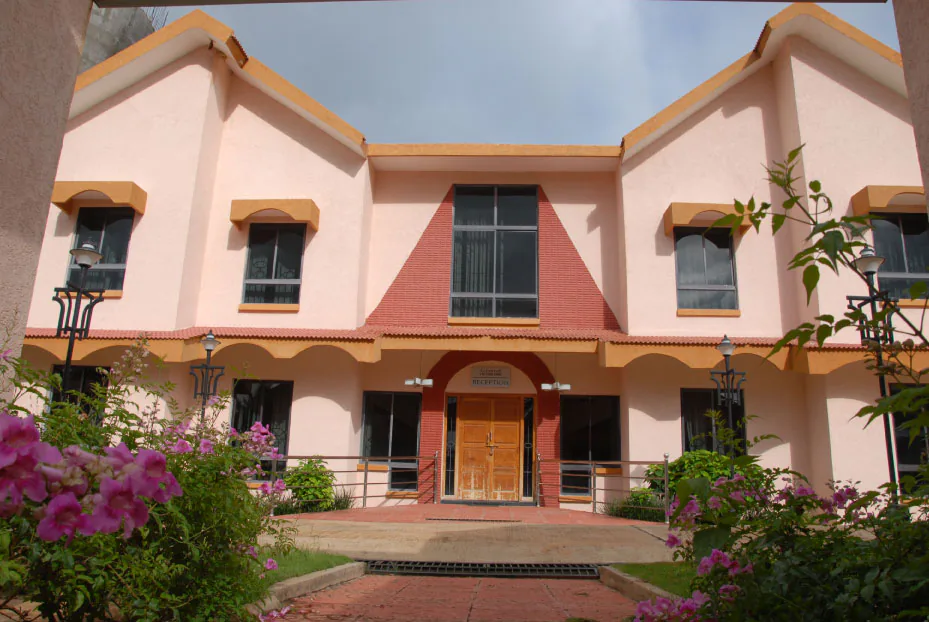
Ananya Rehabilitation Centre

Private Cottages
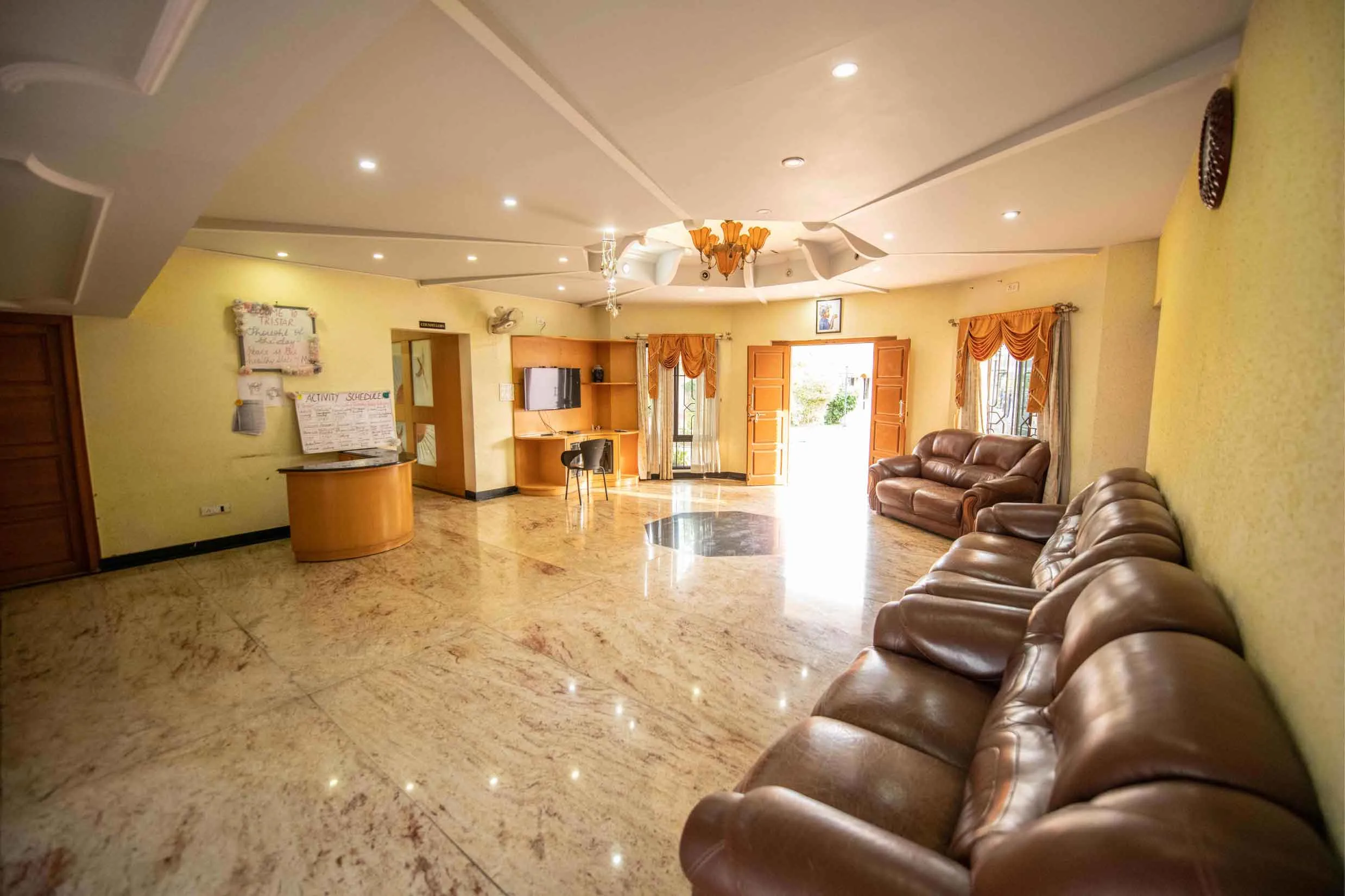
Campus Entrance
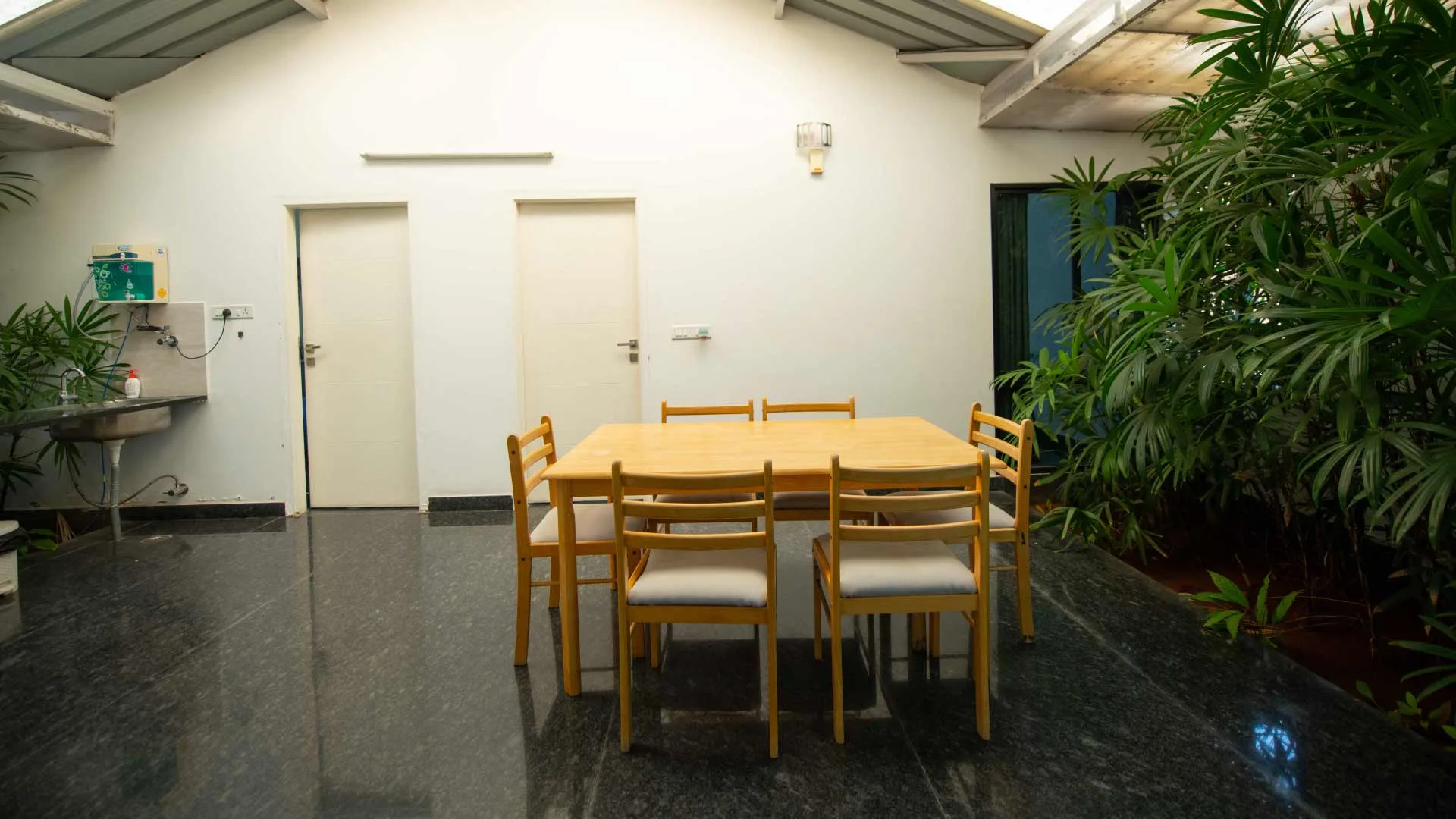
Healing Environment
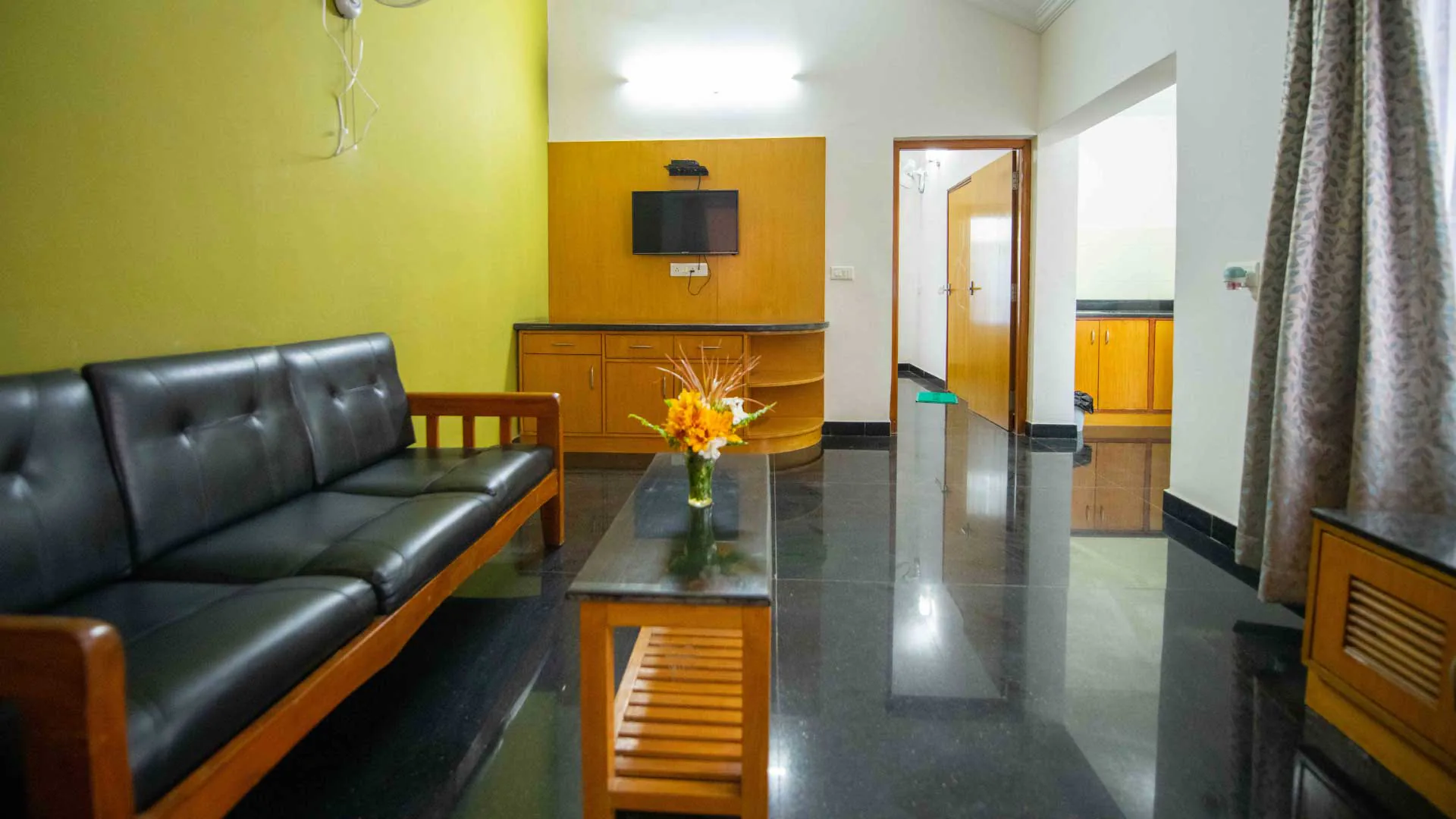
Hospital Lobby
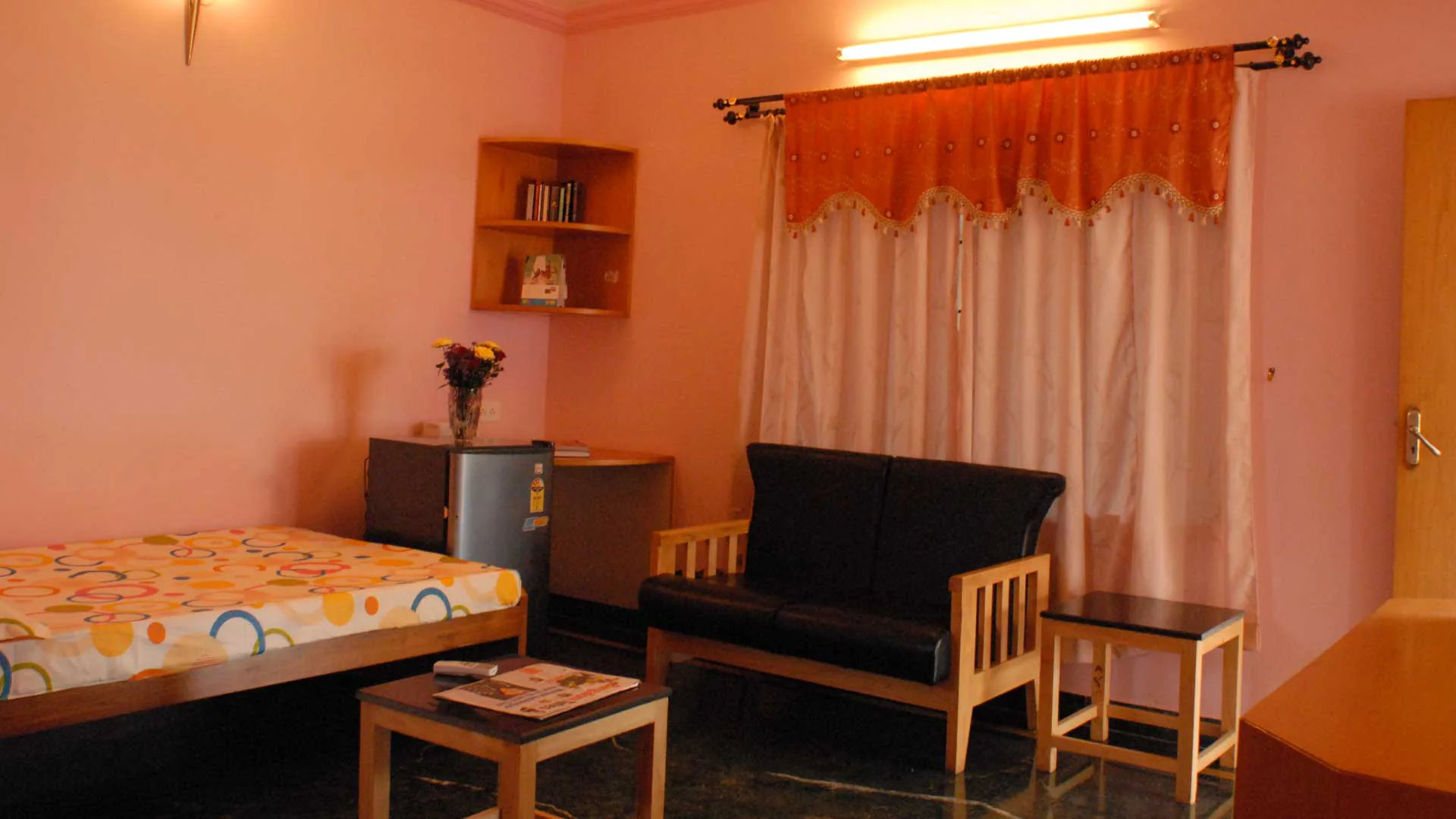
Recovery Experience

Rehab Unit
Patient Stories
What Our Clients Have To Say
Real stories from the families and individuals we’ve supported on their path to well-being.
5.0
Cadabam's Hospitals' team treated my family with empathy from the very first call. The care plan was clear, the doctors listened, and we finally felt supported through a difficult time.
A
Aishwarya G.
Verified patient
5.0
The therapists and psychiatrists worked together on a plan that actually fit our situation. Three decades of experience really shows — calm, professional, and genuinely caring.
S
Suresh L.
Verified patient
5.0
I was nervous about reaching out, but the team made me feel safe. The structured therapy and follow-ups have helped me get back to my routine and feel like myself again.
R
Rahul M.
Verified patient
Trusted by 10,000+ families · 4.5 ★ on Google Reviews
What Is Treatment-Resistant Schizophrenia?
Schizophrenia is considered treatment-resistant when significant symptoms persist despite two or more adequate trials of different antipsychotics — meaning proper dose, for a proper duration, and actually taken. Roughly a third of people with schizophrenia meet this definition. Importantly, "resistant" doesn't mean "untreatable": it means the standard first steps haven't worked and it's time for specialist options. A common, hidden reason for apparent resistance is that medication wasn't taken consistently — which is why adherence (and long-acting injectables) is always reviewed first. Read: the full treatment guide →
Diagnostic Criteria (the Kane Criteria)
The widely used Kane criteria define treatment resistance as failure to respond to at least two different antipsychotics, each given at an adequate dose for an adequate period (generally around six weeks each), with confirmed adherence. Establishing this properly matters — because the next step, clozapine, is highly effective but underused. Getting there starts with how schizophrenia is diagnosed.
Clozapine — the Gold Standard for Resistant Cases
Clozapine is the most effective medication for treatment-resistant schizophrenia and the only one specifically licensed for it. It can work when nothing else has. Because it requires regular blood monitoring (to watch for a rare effect on white blood cells), it's sometimes started later than it should be — but with the right monitoring and support, which Cadabam's provides, it is safe and often life-changing. Antipsychotic medications guide →
rTMS for Schizophrenia
Repetitive Transcranial Magnetic Stimulation (rTMS) is a non-invasive treatment that uses magnetic pulses to modulate specific brain circuits. In schizophrenia it is used as an adjunct — most often for persistent auditory hallucinations and negative symptoms — alongside medication, not instead of it. The evidence is still evolving, and we're honest about that with families; where it's appropriate, it can add real benefit. Read: rTMS →
Modern ECT
Electroconvulsive Therapy (ECT) has been transformed by modern anaesthesia and technique, and it remains one of the most effective treatments for specific, severe presentations — particularly catatonia and severe, resistant illness. It is delivered under anaesthesia by a specialist team, and the frightening old myths bear no resemblance to modern, carefully-monitored ECT. Read: ECT →
Combined and Emerging Options
Beyond clozapine and neuromodulation, specialists may combine strategies, optimise long-acting injectables for adherence, and consider newer agents (for example, Cobenfy, FDA-approved in 2024). The "latest treatment" for schizophrenia is rarely a single silver bullet — it's a carefully-sequenced, individualised plan built by a psychiatrist. Can schizophrenia be cured? →
Get a Specialist Assessment
If standard treatment hasn't worked, there are still real options — and a specialist review is the place to start.
Call our 24/7 helpline: 97414 76476 — or book a specialist consultation.
FAQ
Frequently Asked Questions
Failure to respond to two or more adequate antipsychotic trials (correct dose, roughly six weeks each, taken consistently) — the standard definition of treatment resistance.
Clozapine is the evidence-based gold standard, used with regular blood monitoring.
It can help as an adjunct for persistent symptoms such as auditory hallucinations and negative symptoms; the evidence is evolving and it is used alongside medication, not instead of it.
Modern ECT is safe and effective for specific presentations (such as catatonia and severe resistant cases), delivered under anaesthesia and specialist care.
Long-acting injectables, newer agents (e.g. Cobenfy, 2024), and neuromodulation — combined into an individualised specialist plan.
Insights From Our Experts
Recent Stories from Our Blog
Psychological issues
Women's Mental Health
Psychological issues
Stress & Burnout
Newsletter