What Is Neurofeedback Therapy?
Neurofeedback therapy is a non-invasive treatment that trains the brain to self-regulate by providing real-time feedback on brainwave activity, which can promote improved mental health and cognitive functioning.
The Science Behind Neurofeedback
Neurofeedback therapy involves monitoring brainwave activity through sensors placed on the scalp. Based on your brainwaves, you get instant feedback, like sounds or pictures. This process trains the brain to recognise and modify its patterns, promoting healthier brain function.
By targeting specific brainwaves, neurofeedback can help reduce symptoms of various conditions, such as anxiety, ADHD, and addiction, leading to improved focus, emotional regulation, and overall mental well-being.
Neurofeedback vs. Traditional Therapies
Neurofeedback differs from traditional therapies by directly targeting brainwave activity and offering real-time feedback to train the brain for better self-regulation. Unlike talk therapy, which addresses thoughts and behaviours, or medication, which alters brain chemistry, neurofeedback focuses on optimising brain function. This non-invasive approach can complement traditional methods.
Safety and Efficacy of Neurofeedback
Neurofeedback is a safe, non-invasive therapy with minimal side effects, typically limited to mild, short-term fatigue or headaches. Its efficacy is supported by numerous studies showing positive outcomes for conditions such as anxiety, ADHD, and addiction.
Neurofeedback can lead to lasting improvements in mental health and cognitive function by training the brain to self-regulate. Personalised to each individual’s brain patterns, this therapy offers a promising alternative or complement to traditional treatment methods.
psychiatrists in Bangalore? Cadabam’s Hospitals delivers expert, tailored care for a wide range of psychiatric conditions.
Get Addiction Diagnosed in Bangalore
To get addiction diagnosed in Bangalore, start by consulting a primary care physician or a mental health professional who can provide an initial assessment and referral. Look for specialised addiction treatment centres and clinics in the city, often offering comprehensive diagnostic services.
Online directories, local support groups, and community health resources can also guide you to qualified professionals. If you need help figuring out where to start, contact us today!
Neurofeedback Therapy in Treating Addiction
Neurofeedback therapy helps treat addiction by training the brain to regulate itself, reducing cravings and improving emotional stability.
Mechanisms of Neurofeedback in Addiction Treatment
Neurofeedback therapy works by monitoring brainwave activity via sensors on the scalp and providing real-time feedback. This process trains the brain to modify dysfunctional patterns associated with addiction.
The goal here is to help self-regulation and optimise brain function, where neurofeedback reduces cravings and enhances emotional stability. Over time, these changes support long-term recovery.
Customising Neurofeedback for Individual Needs
Neurofeedback therapy is tailored to individual needs by analysing each person’s unique brainwave patterns. Through personalised assessments, specific targets are identified to address the individual’s symptoms and challenges related to addiction or other conditions. By customising the neurofeedback protocol, treatment becomes more effective in promoting self-regulation and achieving optimal brain function.
Integrating Neurofeedback With Other Treatments for Addiction
Neurofeedback therapy can be seamlessly integrated with other addiction treatments, such as cognitive-behavioural therapy (CBT) and medication-assisted treatment (MAT). By combining these modalities, individuals receive comprehensive care that addresses both the underlying neural imbalances and behavioural aspects of addiction.
Psychologists in Bangalore at Cadabam’s Hospitals deliver expert, individualized care for a wide range of mental health conditions.
What to Expect in a Neurofeedback Therapy Session for Addiction
In a neurofeedback therapy session for addiction, you will be put in a relaxed environment with sensors which are placed on the scalp to monitor brainwave activity. The therapist will guide you through exercises while providing real-time feedback on a screen or through auditory signals.
Sessions typically last 30-60 minutes and are tailored to your specific needs. Over time, you’ll learn to recognise and regulate your brain patterns, reducing cravings and promoting a sense of control and well-being.
Why Choose Neurofeedback Therapy for Addiction Treatment?
Neurofeedback therapy offers a non-invasive, drug-free approach to addiction treatment, targeting the root cause by training the brain to self-regulate. It provides personalised feedback on brainwave activity, helping individuals recognise and modify dysfunctional patterns associated with addiction.
This helps your brain recondition itself into a better pattern of functioning in the long run. It is also a non-invasive treatment, which gives you relief from any unforeseen hospitalisations.
Experienced counsellors in Bangalore at Cadabam’s Hospitals provide personalized support for a wide range of mental health concerns.
The Benefits of Neurofeedback Therapy for Addiction Patients
Neurofeedback therapy provides addiction patients with a range of benefits, with the core objective being to reduce cravings and withdrawal symptoms by promoting self-regulation of brain function.
This non-invasive treatment helps create emotional stability and cognitive enhancement. By targeting the underlying neural imbalances associated with addiction, neurofeedback offers individualised care and consistent growth towards recovery.
At Cadabam’s Hospitals, we provide access to qualified therapists in Bangalore and therapists in Hyderabad—helping individuals lead healthier, balanced lives.
Find the Best Rehab Centre for Addiction in Bangalore
Online research to explore rehab centres is a good start to finding options in Bangalore. This can be followed by looking at client reviews and certifications for the centre. Contact local healthcare professionals or addiction specialists for recommendations.
Consider factors such as treatment approaches, staff credentials, facility amenities, and success rates. Arrange visits to potential centres to assess their environment and suitability for your needs. Ultimately, choose a rehab centre that offers comprehensive care and aligns with your recovery goals.
Why Choose Cadabam’s Hospitals?
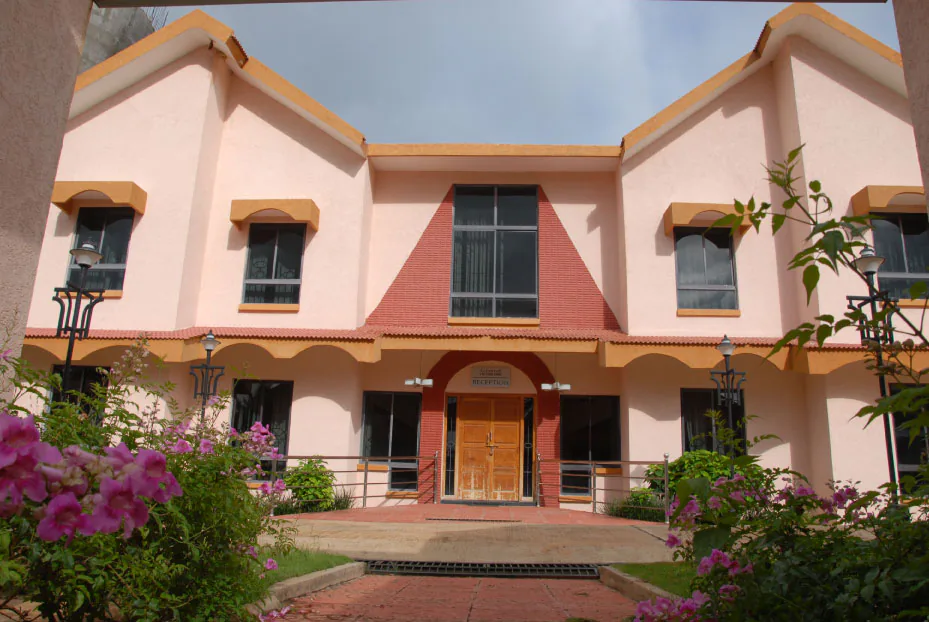
Cadabam’s Hospitals in J.P. Nagar, Bangalore, offers specialised care in psychiatry and neurology. With top-notch professionals and state-of-the-art equipment, it provides effective treatment options, including neurofeedback therapy.
The hospital’s focus on quality mental healthcare and advanced therapies ensures patients receive the best available treatment, exploring neurofeedback as a viable option for recovery.
Our Expertise in Neurofeedback and Mental Health for Addiction
With a focus on neurofeedback and mental health, we specialise in addiction treatment. Our expertise lies in providing tailored solutions for addiction recovery and promoting holistic well-being through innovative therapies.
Commitment to Holistic Treatment and Recovery for Addiction
Cadabam’s Hospitals is committed to holistic treatment and recovery for addiction. We prioritise addressing physical, emotional, and social aspects, fostering comprehensive healing and long-term well-being for our patients.
Continued Care and Follow-Up Programs for Addiction
Cadabam’s Hospitals provides continued care and follow-up programs for addiction, ensuring ongoing support and guidance beyond treatment. Our comprehensive approach aims to sustain recovery and promote lasting well-being for our patients.
Top Addiction Doctors at Cadabam’s Hospitals
Rehabilitation Centres For Addiction at Cadabam’s Hospitals
Best Addiction Treatments Offered at Cadabam’s Hospitals
More Additional Resources About Addiction