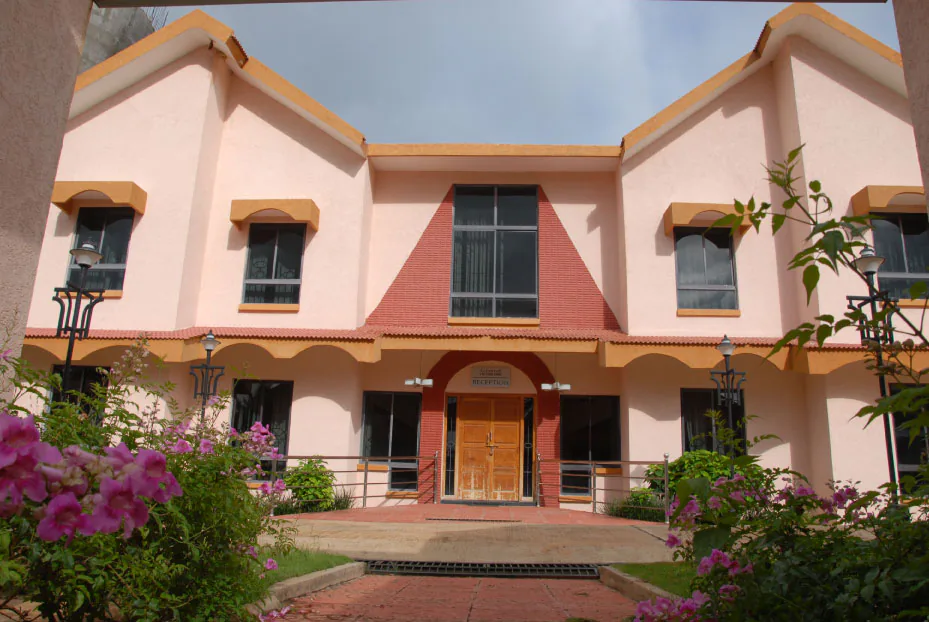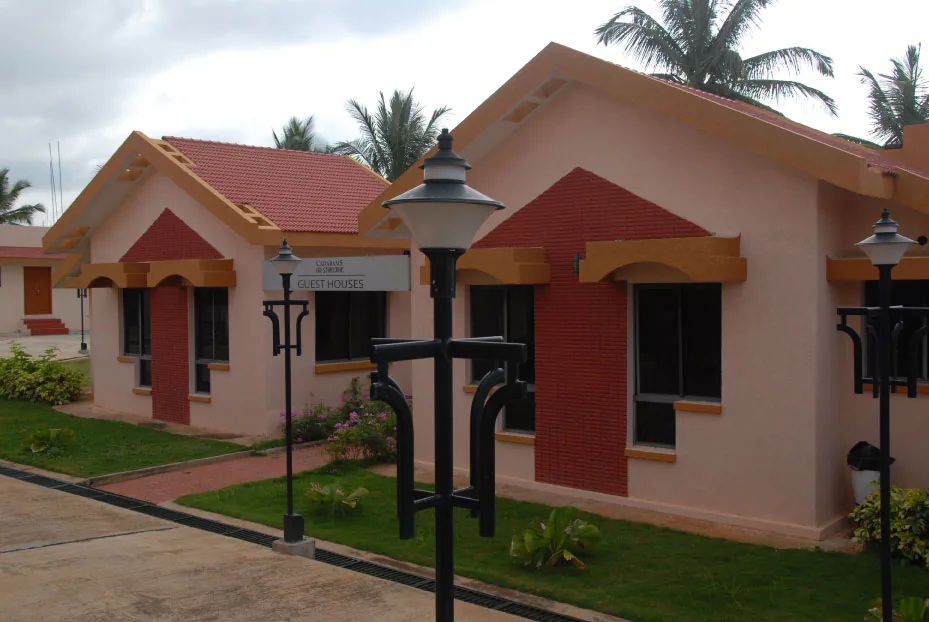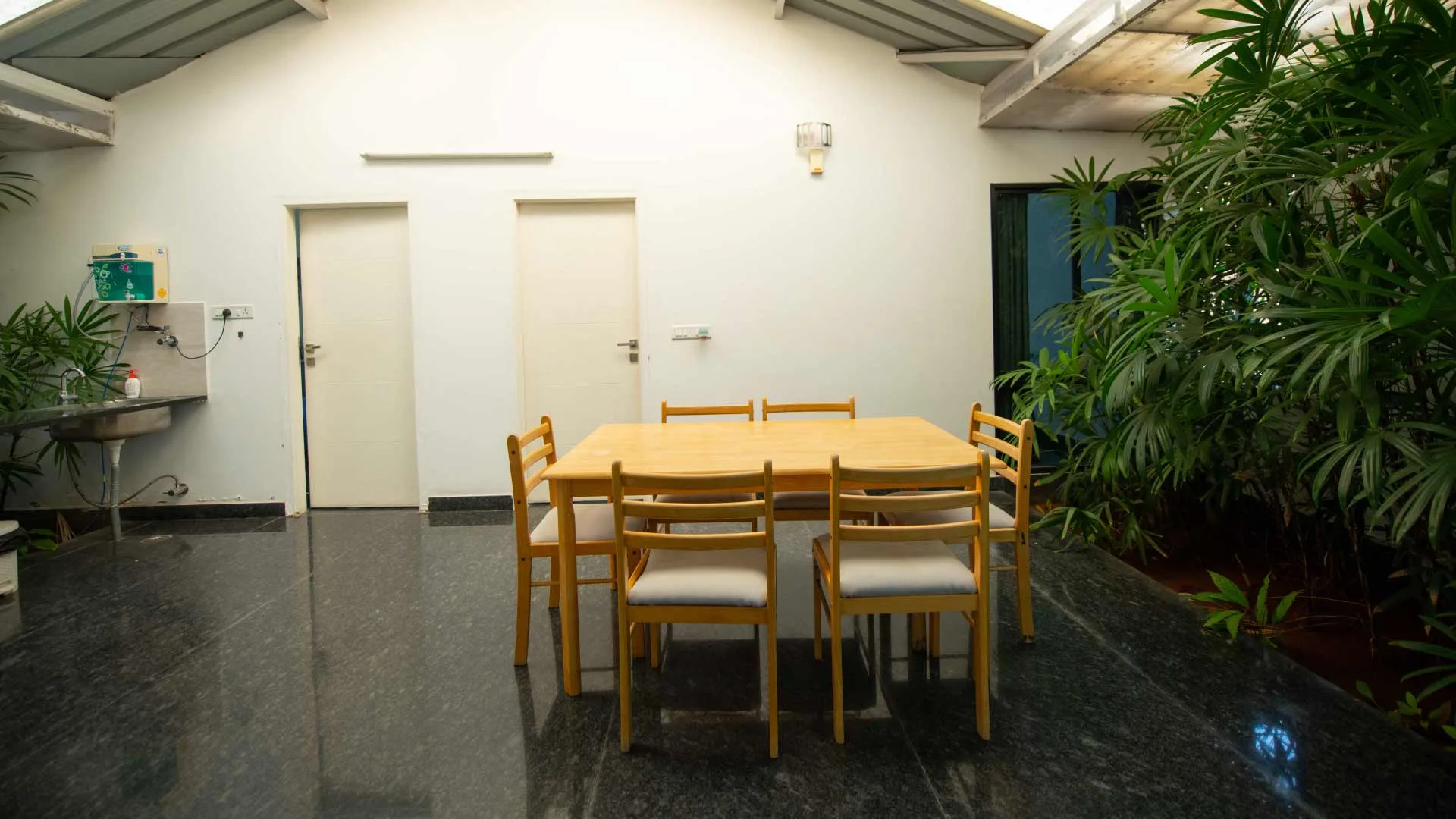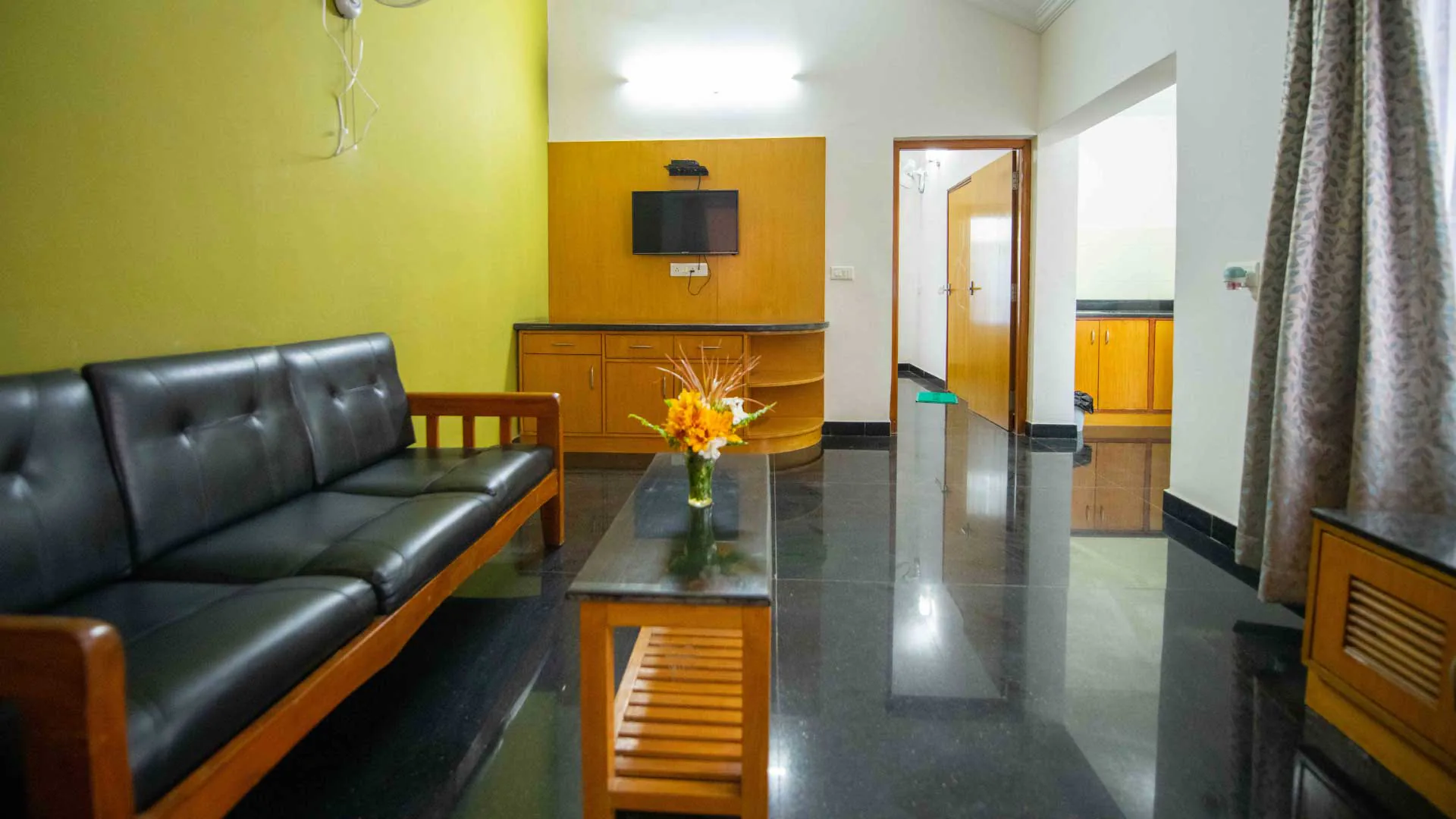
At Cadabam’s Hospitals, we offer a rehabilitation center for chronic pain in Bangalore, staffed with experienced professionals committed to delivering comprehensive treatment and support to individuals grappling with chronic pain.

Overview
Tailored to individual needs, chronic pain rehabilitation programs address diverse pain types, diseases, and conditions. The success of these programs hinges on active patient and family involvement. By fostering collaboration, rehabilitation becomes a personalized journey, acknowledging the unique challenges each patient faces. The overarching objective is to elevate patients to their optimal level of function and independence, enhancing their overall well-being physically, emotionally, and socially.
Chronic pain rehabilitation techniques play a pivotal role in alleviating the suffering associated with persistent pain. Whether through targeted exercises, cognitive interventions, or lifestyle adjustments, these programs aim not only to manage pain but also to empower individuals to reclaim control over their lives. This holistic approach acknowledges that chronic pain extends beyond the physical realm, recognizing the interconnectedness of emotional and social factors in the experience of pain. As patients actively engage in their rehabilitation, the program becomes a catalyst for holistic healing and an improved quality of life.
Why Does One Need a Rehab Center for Chronic Pain?
Rehab centers for chronic pain are essential as they provide pivotal physiotherapy interventions. Physiotherapy addresses biomechanical imbalances, enhances functional capacity, and targets factors like muscle weakness and poor posture contributing to persistent pain. Tailored exercises and manual techniques empower patients with self-management strategies, fostering long-term relief and promoting overall well-being.
When Should You Ask for Help?
Seek help for chronic pain when it significantly disrupts daily life, persists despite self-management efforts, and impacts physical and emotional well-being. If pain affects sleep, daily activities, or increases stress, reaching out is crucial. Early intervention enhances management and the overall quality of life. Consult healthcare professionals without hesitation to develop a tailored approach for addressing and alleviating chronic pain.
What Type of Doctors or Specialists Can Help With Chronic Pain?
Medical professionals specializing in chronic pain management include pain management doctors, anesthesiologists, neurologists, and physiatrists. Pain specialists may have additional certifications in pain medicine and utilize various treatments such as medications, injections, and physical therapy. It is also common to consult orthopedic specialists, rheumatologists, or neurosurgeons depending on the underlying cause of the pain. Collaborating with a multidisciplinary team ensures a comprehensive approach to addressing and managing chronic pain.
What Types of Therapy or Treatment Programs Are Available for Chronic Pain?
Various therapeutic approaches and treatment programs are available for chronic pain management. Rehabilitation centers emphasize therapies that enhance neuroplasticity, highlighting the brain's adaptability to alter perception. Graded exposure is integrated, encouraging gradual re-engagement with daily activities to demystify the fear associated with movement. Education and self-management empower patients, promoting a holistic understanding of chronic pain. These comprehensive strategies aim to improve the overall well-being of individuals dealing with chronic pain.
Things You Should Check Before Selecting a Rehab Center for Treatment
Before choosing a rehab center, consider factors such as the center's accreditation, the qualifications and expertise of the staff, the range of therapies offered, and the facility's success rates. Evaluate whether the center tailors treatments to individual needs, ensuring a personalized approach. Check for reviews or testimonials, and inquire about aftercare programs. Additionally, assess the overall environment, amenities, and the center's commitment to safety and patient well-being to make an informed decision for effective rehabilitation.
What Are the Benefits of a Rehabilitation Center for Chronic Pain?
Targeting Biomechanical Factors: Rehabilitation centers focus on addressing biomechanical imbalances, targeting factors like muscle weakness and poor posture to alleviate chronic pain.
Demystifying Fear of Movement: Graded exposure in rehabilitation encourages individuals to gradually re-engage with daily activities, reducing fear associated with movement and promoting functional restoration.
Patient Empowerment: Through education and self-management strategies, rehabilitation empowers patients to actively participate in their chronic pain management, fostering long-term relief.
Multidisciplinary Approach: Rehabilitation centers often employ a multidisciplinary team, including physical therapists, psychologists, and pain specialists, ensuring comprehensive and personalized care.
How Effective Is Rehabilitation for Chronic Pain?
Sustained Relief: Rehabilitation's multifaceted approach, combining medical, therapeutic, and lifestyle interventions, contributes to sustained relief for individuals dealing with chronic pain.
Functional Restoration: Graded exposure and targeted interventions promote functional restoration, allowing individuals to regain control over their lives and daily activities.
Improved Quality of Life: By addressing various aspects of chronic pain, rehabilitation enhances overall well-being, improving not only physical health but also mental and emotional aspects.
Individualized Care: The effectiveness of rehabilitation lies in its individualized approach, tailoring interventions to the unique needs and experiences of each person.