Understanding Eating Disorders: Symptoms, Causes, and Impact
Eating disorders are serious conditions related to persistent eating behaviors that negatively impact your health, emotions, and ability to function in important areas of life. They can affect people of any age, gender, or background.
Identifying Symptoms of Eating Disorders
Symptoms vary depending on the type of disorder but often include severe restriction of food, binge eating, purging behaviors (like vomiting or excessive exercise), an intense fear of gaining weight, and a distorted body image. A person may become socially withdrawn, obsessed with food rituals, and experience significant physical health complications.
Exploring the Causes of Eating Disorders
The exact cause is unknown, but it’s believed to be a combination of genetic, biological, psychological, and sociocultural factors. A family history of eating disorders, personality traits like perfectionism, anxiety, social pressures to be thin, and traumatic experiences can all contribute to the development of an eating disorder.
The Social and Emotional Impact of Eating Disorders
Living with an eating disorder is incredibly isolating. It can lead to severe anxiety, depression, and obsessive-compulsive traits. The condition strains relationships with family and friends, disrupts school or work performance, and significantly diminishes one’s quality of life, often making social gatherings centered around food feel impossible.
With a team of skilled psychologists in Bangalore, Cadabam’s Hospitals offers compassionate and customized support for mental health recovery.
What Is Cognitive Behavioral Therapy (CBT)?
Cognitive Behavioral Therapy (CBT) is a structured, goal-oriented form of psychotherapy. It operates on the principle that our thoughts, feelings, and behaviors are interconnected, and that by changing negative thought patterns, we can change our behavioral responses and emotional state.
The Principles of CBT
CBT is based on a few core principles: psychological problems are partly based on unhelpful ways of thinking and learned patterns of behavior. CBT helps patients identify these patterns and develop effective coping strategies to relieve their symptoms. It is a collaborative process between therapist and patient, focused on achieving specific goals.
How CBT Differs From Other Therapies
Unlike psychoanalytic therapies that delve into the past to uncover unconscious meanings, CBT is present-focused and action-oriented. It is more structured than many other talk therapies, with a clear agenda for each session and “homework” assignments to practice newly learned skills in real-world situations, making it a practical and effective approach.
Get Eating Disorders Diagnosed in Bangalore
A correct diagnosis is the first step toward recovery. At Cadabam’s Hospitals in Bangalore, our expert psychiatrists and psychologists conduct comprehensive evaluations to understand your specific challenges. This assessment includes clinical interviews and psychological testing to accurately diagnose the eating disorder and any co-occurring conditions, ensuring your treatment plan is precise and effective from the start.
The Role of CBT in Treating Eating Disorders
CBT is a cornerstone of effective eating disorder treatment. It directly addresses the cognitive distortions (e.g., “I am worthless if I gain weight”) and compulsive behaviors (e.g., restricting, binging, purging) that maintain the disorder, helping individuals build healthier, more adaptive mechanisms.
Is CBT Effective for Eating Disorders Management?
Yes, extensive research confirms that CBT is highly effective for managing eating disorders, especially Bulimia Nervosa and Binge-Eating Disorder. As a leading provider of CBT therapy for eating disorders in Bangalore, Cadabam’s Hospitals utilizes this evidence-based model to help patients normalize eating patterns, reduce harmful behaviors, and improve their psychological well-being.
Combining CBT With Other Treatments for Eating Disorders
For the most effective outcomes, CBT is often integrated with other treatments. This can include nutritional counseling to restore healthy eating habits, medication management to address co-occurring anxiety or depression, and family therapy to create a supportive home environment conducive to recovery.
Engaging Family and Support Systems in the CBT Treatment Process
Recovery is not a solitary journey. We actively involve family members and loved ones in the treatment process through psychoeducation and family therapy sessions. A strong, informed support system is crucial for reinforcing positive changes, managing challenges, and creating an environment of understanding and encouragement at home.
Tailoring CBT to Individual Needs
While CBT follows a structured framework, every treatment plan at Cadabam’s Hospitals is personalized. We tailor the therapy to your specific type of eating disorder, your personal triggers, your unique life circumstances, and your recovery goals. This individualized approach ensures the therapy is relevant, engaging, and maximally effective for you.
Looking for trusted psychiatrists in Bangalore? Cadabam’s Hospitals delivers expert, tailored care for a wide range of psychiatric conditions.
Support Systems and Environment at Cadabam’s Hospitals
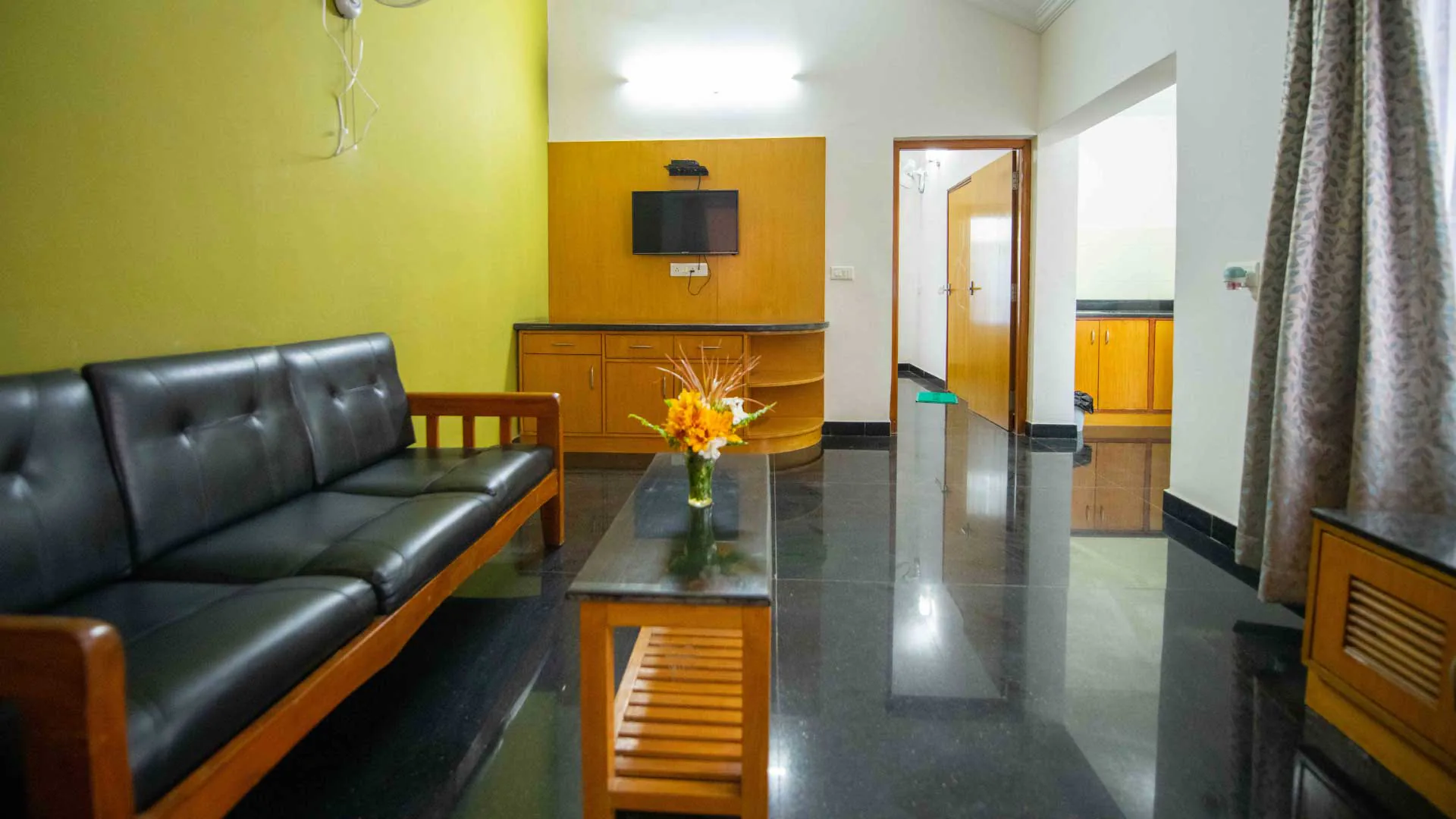
At Cadabam’s Hospitals, we provide a safe, non-judgmental, and compassionate environment where you can feel understood and supported. Our entire ecosystem, from therapists to support staff, is dedicated to fostering a sense of hope and security, which is essential for confronting the challenges of an eating disorder and moving toward healing.
What to Expect in a CBT Session for Eating Disorders
A typical CBT session is structured and collaborative. You and your therapist will set an agenda, review progress from the previous week (including homework like food and mood diaries), identify specific negative thoughts or challenging situations, learn and practice new coping skills (like cognitive restructuring), and set goals for the upcoming week.
Why Choose CBT for Eating Disorders Treatment?
CBT is a leading choice for eating disorder treatment because it is evidence-based, practical, and empowering. It doesn’t just treat symptoms; it equips you with tangible, lifelong skills to manage your thoughts and behaviors, significantly reducing the risk of relapse and promoting sustained recovery.
Benefits of CBT Therapy on Eating Disorders Patients
Patients undergoing CBT experience numerous benefits, including a significant reduction in binge-purge cycles, the normalization of eating patterns, decreased anxiety around food, improved body image and self-esteem, and enhanced emotional regulation and problem-solving skills that apply to all areas of life.
Real-Life Impact of CBT on Eating Disorders Patients
The impact is transformative. Patients learn to challenge the critical “eating disorder voice” and replace it with a more balanced and compassionate perspective. They regain the freedom to enjoy social meals, build healthier relationships, and pursue life goals without being held captive by obsessive thoughts about food, shape, and weight.
Long-Term Success With CBT
The skills learned in CBT are durable. By mastering the ability to identify triggers, challenge distorted thoughts, and use healthy coping strategies, individuals are well-equipped to navigate future challenges and maintain their recovery long after therapy has concluded, leading to lasting well-being and a fulfilling life.
Experienced counsellors in Bangalore at Cadabam’s Hospitals provide personalized support for a wide range of mental health concerns.
When Should You Ask for Help?
You should seek help immediately if thoughts about food, weight, or body shape are dominating your life, causing you distress, or impacting your physical health. Other signs include social withdrawal, secretive eating behaviors, and an inability to function at school or work. Early intervention is key to a faster, more successful recovery.
Find the Best Rehab Center for Eating Disorders in Bangalore
Choosing the right treatment center is critical. Look for a facility with a multidisciplinary team, a proven track record, and specialized programs for eating disorders. Cadabam’s Hospitals is a premier destination offering expert cognitive behavioral treatment eating disorder Bangalore, combining decades of experience with a patient-first philosophy to deliver exceptional care and results.
Looking for expert therapists in Bangalore or therapists in Hyderabad? Cadabam’s Hospitals offers professional mental health support across both cities.
Why Choose Cadabam’s Hospitals?
Cadabam’s Hospitals has been a leader in mental healthcare for over three decades. Our commitment to evidence-based practices, compassionate care, and holistic well-being makes us a trusted choice for individuals and families seeking to overcome eating disorders and build a healthier future.
Expert Team of Psychiatrists and Therapists for Eating Disorders
Our multidisciplinary team includes highly experienced psychiatrists, clinical psychologists, counselors, and nutritionists who specialize in eating disorder treatment. Their collective expertise ensures you receive a comprehensive and well-rounded care plan designed for your unique recovery journey.
Integrating Holistic Therapies for Eating Disorders
We believe in treating the whole person. Alongside CBT, we integrate holistic therapies like yoga, mindfulness, art therapy, and meditation. These practices help reduce stress, improve body awareness, and provide additional tools for emotional regulation, complementing the core therapeutic work.
Continued Care and Follow-Up Programs for Eating Disorders
Recovery is an ongoing process. Cadabam’s Hospitals offers robust aftercare and follow-up programs to support you even after you complete your primary treatment. These programs help reinforce learned skills, provide ongoing support, and prevent relapse, ensuring you remain on the path to long-term health.