Best Cognitive Behavioural Therapy (CBT) for Eating Disorders in Hyderabad
Struggling with an eating disorder can feel overwhelming, especially when thoughts about food, weight, or body image begin affecting daily life. These conditions often involve emotional distress, unhealthy eating behaviours, and difficulty maintaining balanced routines.
At Cadabam’s Hospitals, we provide structured eating disorder treatment in Hyderabad using evidence-based approaches such as CBT for eating disorder recovery. Our specialists help individuals understand triggers, develop healthier coping strategies, and gradually rebuild a balanced relationship with food and self-image.
What Are Eating Disorders? Symptoms, Causes, and Impact
An eating disorder is a serious mental health condition that affects how a person thinks about food, eating, weight, and body image. These conditions can lead to unhealthy eating behaviours such as severe food restriction, binge eating, or purging. The most common types include anorexia nervosa, bulimia nervosa, and binge eating disorder, though other forms like avoidant restrictive food intake disorder (ARFID) can also occur.
Without proper eating disorder treatment, these conditions can impact both physical health and emotional well-being, often affecting relationships, work, and overall quality of life.
What Are the Signs and Symptoms of an Eating Disorder?
The signs of an eating disorder can vary depending on the type of condition, but they usually involve noticeable changes in eating behaviour, body image concerns, and emotional distress. Recognising eating disorder symptoms early can help individuals receive timely care.
Common symptoms include:
- Severe restriction of food intake or rigid dieting habits
- Episodes of binge eating or loss of control around food
- Purging behaviours such as vomiting or misuse of laxatives
- Obsessive thoughts about weight, calories, or body shape
- Sudden weight changes or avoiding meals with others
- Intense fear of gaining weight or distorted body image
What Causes Eating Disorders?
There is no single explanation for what causes eating disorders. Most cases develop due to a combination of biological, psychological, and social factors that influence how individuals view food, body image, and self-worth.
Factors that may contribute include:
- Genetic or family history of eating disorders
- Personality traits such as perfectionism or low self-esteem
- Co-existing mental health conditions like anxiety or depression
- Social pressures related to body image or appearance
- Stressful life events, trauma, or emotional challenges
Understanding these causes helps professionals design more personalised eating disorder treatment plans.
How Do Eating Disorders Affect Daily Life and Emotional Health?
The impact of an eating disorder extends far beyond physical health. It can lead to social withdrawal, damage to relationships, and difficulties at work or school. Emotionally, individuals often experience intense feelings of shame, guilt, and anxiety. This emotional turmoil reinforces the disordered eating cycle, making professional intervention crucial.
Psychologists in Hyderabad at Cadabam’s Hospitals deliver expert, individualized care for a wide range of mental health conditions.
What Is Cognitive Behavioral Therapy (CBT)?
Cognitive Behavioral Therapy (CBT) is a structured, goal-oriented form of psychotherapy. It operates on the principle that our thoughts, feelings, and behaviours are interconnected and that by changing negative thought patterns, we can change our behavioural responses and improve our emotional well-being.
The key principles of CBT include:
- Connection Between Thoughts, Feelings, and Behaviours: Changing negative thinking patterns can help improve emotions and actions.
- Focus on Present Challenges: CBT mainly addresses current problems and practical solutions.
- Challenging Unhelpful Thought Patterns: Individuals learn to recognise and replace unrealistic or harmful beliefs.
- Developing Practical Coping Skills: Therapy teaches strategies to manage triggers and difficult situations.
- Collaborative Therapy Process: Sessions involve active participation between the therapist and the individual to track progress and build skills.
How Is CBT Different From Other Therapies for Eating Disorders?
Unlike many therapy approaches that focus heavily on past experiences, CBT for eating disorder treatment mainly focuses on current thoughts, behaviours, and eating patterns that maintain the disorder. The goal is to identify harmful beliefs about food, body image, and weight, and replace them with healthier thinking patterns.
CBT is also structured and practical. Sessions often involve tools such as food and mood tracking, identifying triggers for binge or restrictive eating, and practising behavioural changes between sessions. This skills-based approach helps individuals develop strategies they can continue using to manage their eating disorder even after therapy ends.
How Can CBT Help Diagnose and Treat Eating Disorders in Hyderabad?
A crucial first step to recovery is obtaining an accurate diagnosis from a qualified professional. At cadabam’s Hyderabad, our team of psychiatrists and psychologists conducts comprehensive assessments to understand your specific challenges. This diagnosis forms the foundation of a personalized and effective treatment plan, ensuring you receive the precise care you need.
How Does CBT Help Treat Eating Disorders?
CBT for eating disorder treatment focuses on identifying and changing unhealthy thoughts related to food, body image, and weight. These thoughts often drive harmful behaviours such as binge eating, severe restriction, or purging.
Through structured therapy sessions, individuals learn to:
- Recognise distorted beliefs about food and body image
- Identify triggers for unhealthy eating behaviours
- Develop balanced eating patterns
- Build healthier coping strategies
This approach helps individuals regain control over their behaviour and improve their relationship with food.
Is CBT Effective for Eating Disorders Management?
Yes, extensive research confirms that CBT is one of the most effective treatments for eating disorders, particularly for Bulimia Nervosa and Binge Eating Disorder. It empowers individuals by providing them with the tools to normalise eating patterns, reduce binge-purge cycles, and challenge the relentless drive for thinness.
Combining CBT With Other Treatments for Eating Disorders
For many individuals, the best outcomes come from combining CBT with other forms of eating disorder treatment. A comprehensive care plan may include:
- Nutritional counselling to restore healthy eating habits
- Psychiatric care and medication when needed
- Medical monitoring for physical health risks
- Additional therapies, such as family therapy or group therapy
This integrated approach ensures both the psychological and physical aspects of the eating disorder are addressed.
Why Are Family and Support Systems Important During CBT?
Recovery from an eating disorder does not happen in a vacuum. We actively encourage the involvement of family and loved ones in the treatment process. Family therapy sessions can educate family members, improve communication, and create a supportive home environment that fosters lasting healing and reduces the risk of relapse.
At Cadabam’s Hospitals, compassionate psychiatrists in Hyderabad offer individualized care to help you heal and thrive
How Is CBT for Eating Disorders Personalised?
Your journey is unique. That’s why our CBT therapy for eating disorders in Hyderabad is never a one-size-fits-all solution. We tailor the therapy to your specific diagnosis, symptoms, personal history, and goals. This personalized approach ensures the treatment is relevant, engaging, and maximally effective for you.
Support Systems and Environment at Cadabam’s
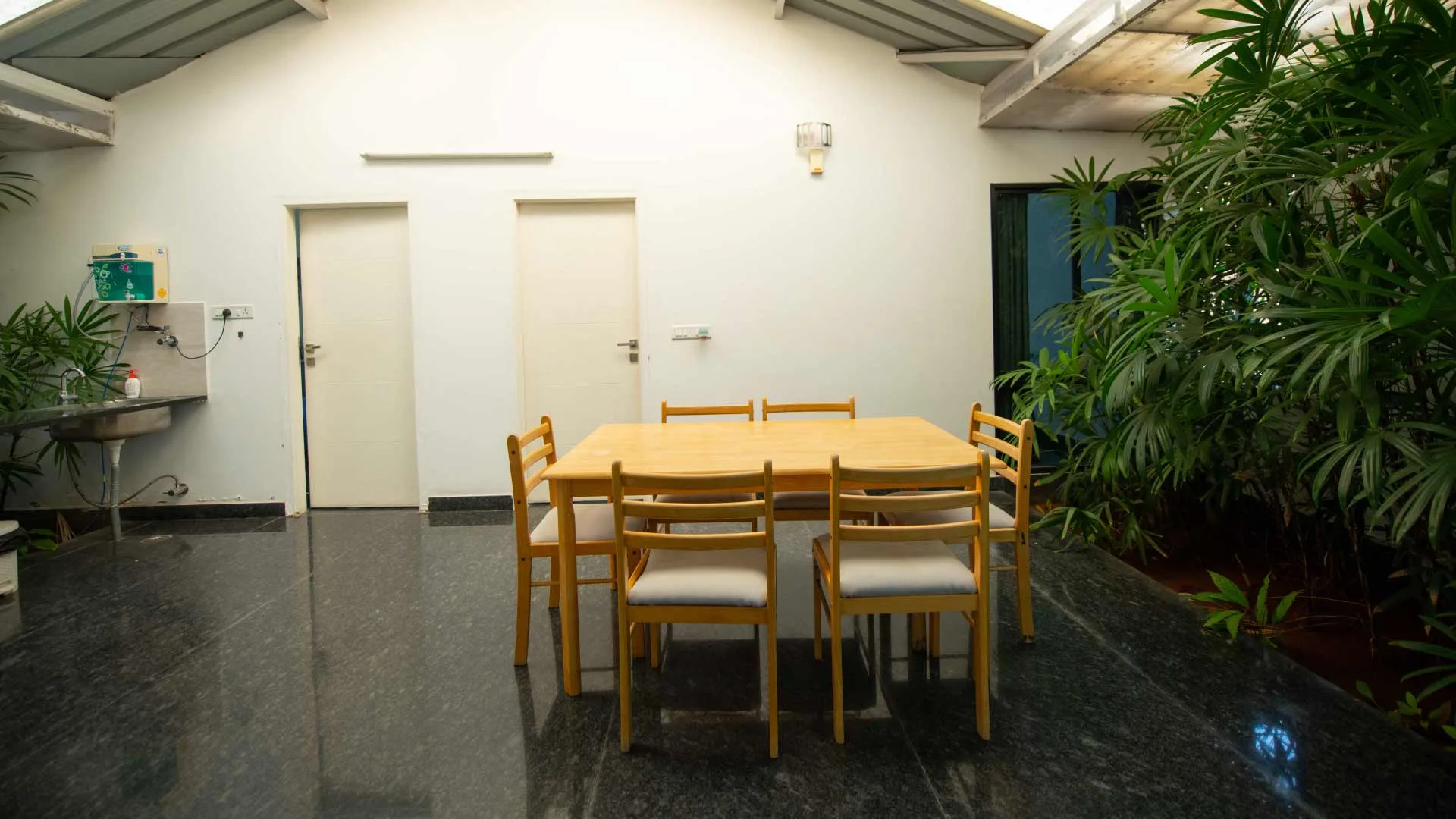
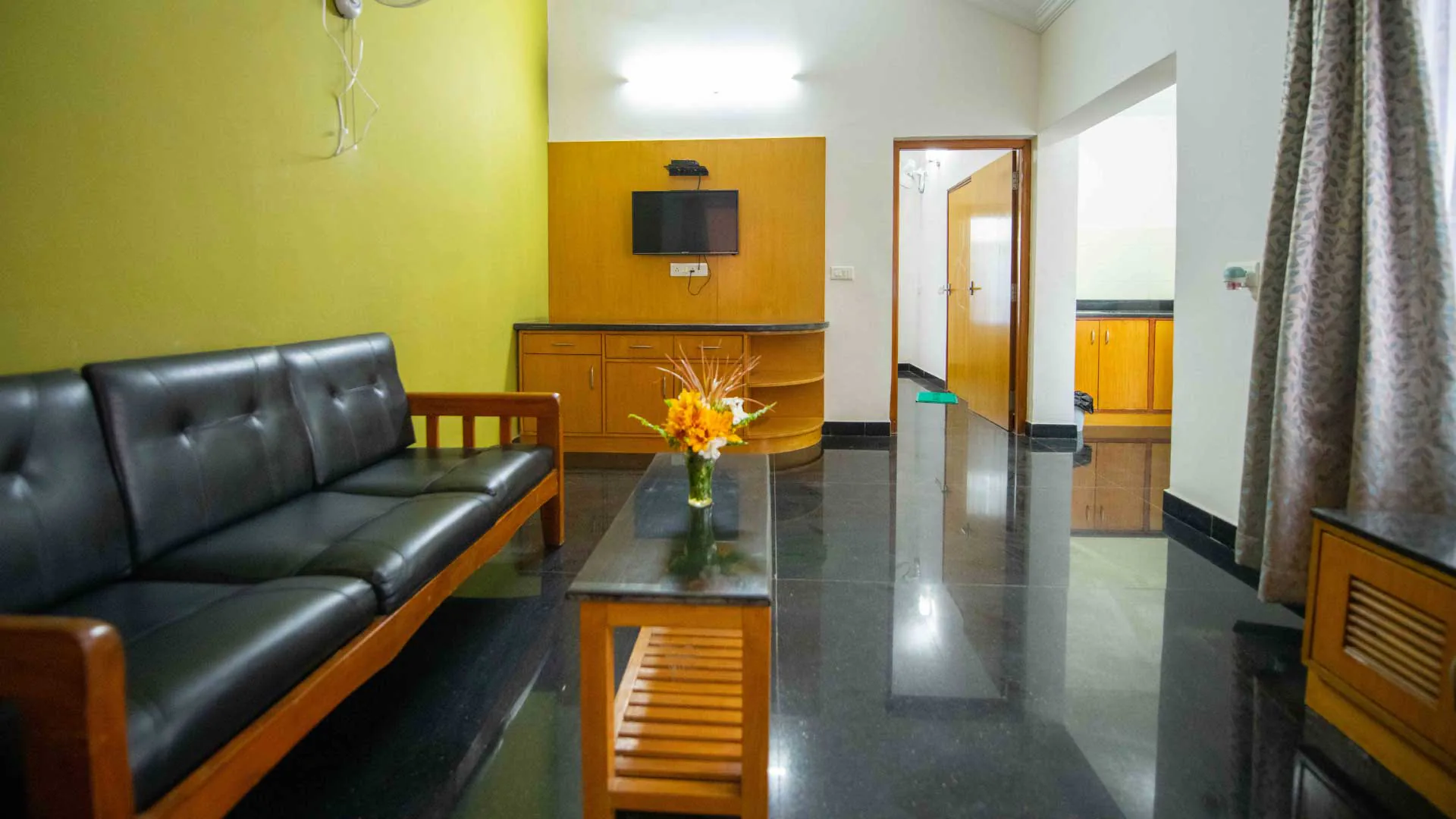
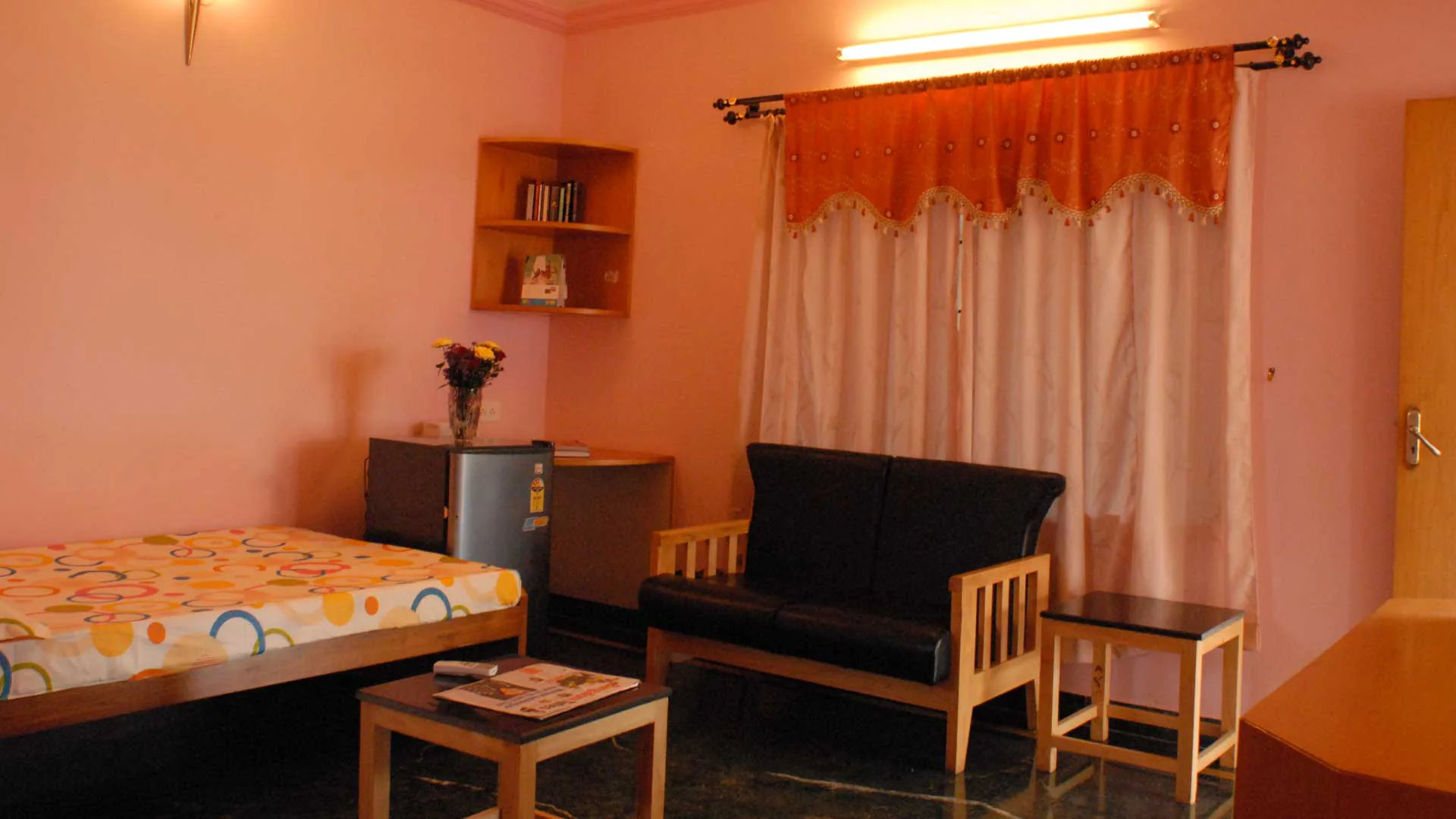
Healing requires a safe and nurturing space. cadabam’s provides a non-judgmental, compassionate, and professional environment where you can feel secure enough to explore difficult thoughts and feelings. Our team offers unwavering support, building the trust necessary for successful therapeutic work and recovery.
When Should Someone Seek CBT for an Eating Disorder?
It may be time to consider CBT for eating disorder treatment when thoughts about food, body image, or weight begin to affect daily life, emotional well-being, or physical health. Early support can help prevent symptoms from becoming more severe and make recovery more manageable.
You should consider seeking help if you notice:
- Frequent binge eating or loss of control around food, especially in conditions like binge eating disorder
- Strict food restriction or skipping meals due to fear of weight gain
- Persistent negative thoughts about body image or self-worth linked to appearance
- Feelings of guilt, shame, or anxiety after eating
- Using behaviours like vomiting, laxatives, or excessive exercise to control weight
- Food or body image concerns interfering with work, studies, or relationships
- Avoiding social situations involving food due to fear or embarrassment
- Feeling emotionally overwhelmed, isolated, or stuck in unhealthy eating patterns
If these signs of an eating disorder are present, consulting an eating disorder psychologist can help identify the underlying issues and guide you toward the right eating disorder treatment, including structured CBT therapy.
Why Choose CBT for Eating Disorder Treatment?
CBT for eating disorder treatment is widely recommended because it focuses on changing the thoughts and behaviours that maintain unhealthy eating patterns. It is practical, structured, and designed to help individuals build long-term coping skills.
Key benefits of CBT include:
- Reduces disordered eating behaviours such as binge eating, purging, or extreme restriction
- Improves thinking patterns around food and body image, helping individuals develop a healthier perspective
- Builds practical coping strategies to manage triggers, stress, and emotional eating
- Strengthens self-awareness and confidence, supporting better decision-making around food and health
- Helps break cycles of dieting, bingeing, and guilt, leading to more balanced eating habits
- Supports long-term recovery by teaching skills that help prevent relapse
Because of its structured and skills-based approach, CBT remains one of the most effective therapies used in modern eating disorder treatment.
What Happens in a CBT Session for Eating Disorders?
A CBT session for an eating disorder is usually structured and collaborative. The therapist and patient typically review recent eating patterns, emotional triggers, progress since the previous session, and the specific thought or behaviour cycle that needs work that week.
A typical session may include:
- reviewing a food, mood, or trigger diary
- identifying negative beliefs linked to food or body image
- learning practical coping tools for urges or distress
- building more regular eating patterns
- setting a small, clear goal before the next session
Why Choose Cadabam’s Hospitals for Eating Disorder Treatment in Hyderabad?
Choosing the right centre for eating disorder treatment can make a meaningful difference in recovery. Effective care requires experienced specialists, evidence-based therapies such as CBT for eating disorders, and a supportive environment that helps individuals address both emotional and behavioural challenges.
Cadabam’s Hospitals in Hyderabad provide structured and compassionate care designed to support long-term recovery. Our multidisciplinary approach focuses on improving eating patterns, strengthening emotional well-being, and helping individuals build healthier relationships with food and body image.
Experienced Eating Disorder Psychologists and Specialists
Our strength lies in our multidisciplinary team. We bring together experienced psychiatrists, clinical psychologists, CBT-certified therapists, and nutritionists who specialize in eating disorders. This collaborative expertise ensures you receive comprehensive, world-class care from every angle.
Integrating Holistic Therapies With Eating Disorder Treatment
We believe in treating the whole person. Alongside CBT, we integrate holistic therapies such as yoga, mindfulness meditation, and art therapy. These practices help reduce stress, improve body awareness, and provide healthy outlets for emotional expression, complementing the core therapeutic work.
At Cadabam’s Hospitals, we provide access to qualified therapists in Bangalore and therapists in Hyderabad—helping individuals lead healthier, balanced lives.
Continued Support and Long-Term Eating Disorder Recovery Care
Recovery is an ongoing process. Our commitment to you extends beyond your time in our primary program. We offer robust continued care and follow-up programs to provide ongoing support, reinforce learned skills, and help you navigate the transition back to daily life, ensuring long-term success.
If you are searching for a solution to your problem, Cadabam’s Hospitals can help you with its team of specialised experts. We have been helping thousands of people live healthier and happier lives for 33+ years. We leverage evidence-based approaches and holistic treatment methods to help individuals effectively manage their eating disorders. Get in touch with us today. You can call us at +91 97414 76476. You can even email us at info@cadabamshospitals.com.