Welcome to Cadabam's

Group Therapy for Eating Disorder in Bangalore

Group therapy is an effective treatment for individuals with eating disorders. It has been able to significantly help individuals achieve abstinence or decrease the frequency of purging and/or binge eating, as well as reduce other symptoms related to eating disorders. Group therapy can be helpful to achieve those benefits that one-on-one therapy would not be able to provide. Group therapy sessions can help an individual overcome their sense of isolation living with their disorder, resolve their distress, relieve emotional pain, and help bring about changes in the individual’s way of thinking, feeling, as well as relating to other people.

We offer group therapy for eating disorders in Bangalore. Our trained and well-experienced psychologists facilitate the group sessions with modules designed based on evidence-based approaches for enhancing the recovery of your loved one.

33+YearsProfessionalExperience

And the easiest way to find out how this can help you is by booking an appointment or asking any questions and concerns that you have.

4.5 564 Google reviews

Eating Disorder treatment

Overview

There are various issues that are worked on in group therapy sessions for people with eating disorders which include –

• Identifying and changing negative beliefs and cognitions,

• Finding strategies to replace unhealthy behavioural patterns with healthier ones,

• Relapse prevention,

• Enhancing the social-relational as well as emotional growth,

• Learning more about the eating disorders, their causes and contributing factors,

• Learning new ways to cope with the disorder as well as any emotional distress.

A group session can last for 1-2 hours. It usually has 5-10 members and is conducted on a regular basis. It can serve as an important facet of the recovery for individuals with eating disorders as it provides a non-judgemental and safe space for individuals to discuss about and change the unhelpful patterns of thoughts and behaviours associated with their disorder. Group therapy can be used as an adjunct treatment in addition to individual therapy sessions for ensuring the most effective recovery.


The Cadabams Difference

Why Cadabams? What makes us different

33+

Years of Experience

10,000+

Patients Helped

20+

Treatment Modalities

400+

Mental Health Experts

Our Infrastructure, Care Facilities and Strong Community Support Ensure Better Patient Outcomes

Purpose-built rehabilitation centres, clinical equipment, and support services designed to drive better patient outcomes.

Ananya Campus

Ananya Campus

Ananya Rehabilitation Centre

Ananya Rehabilitation Centre

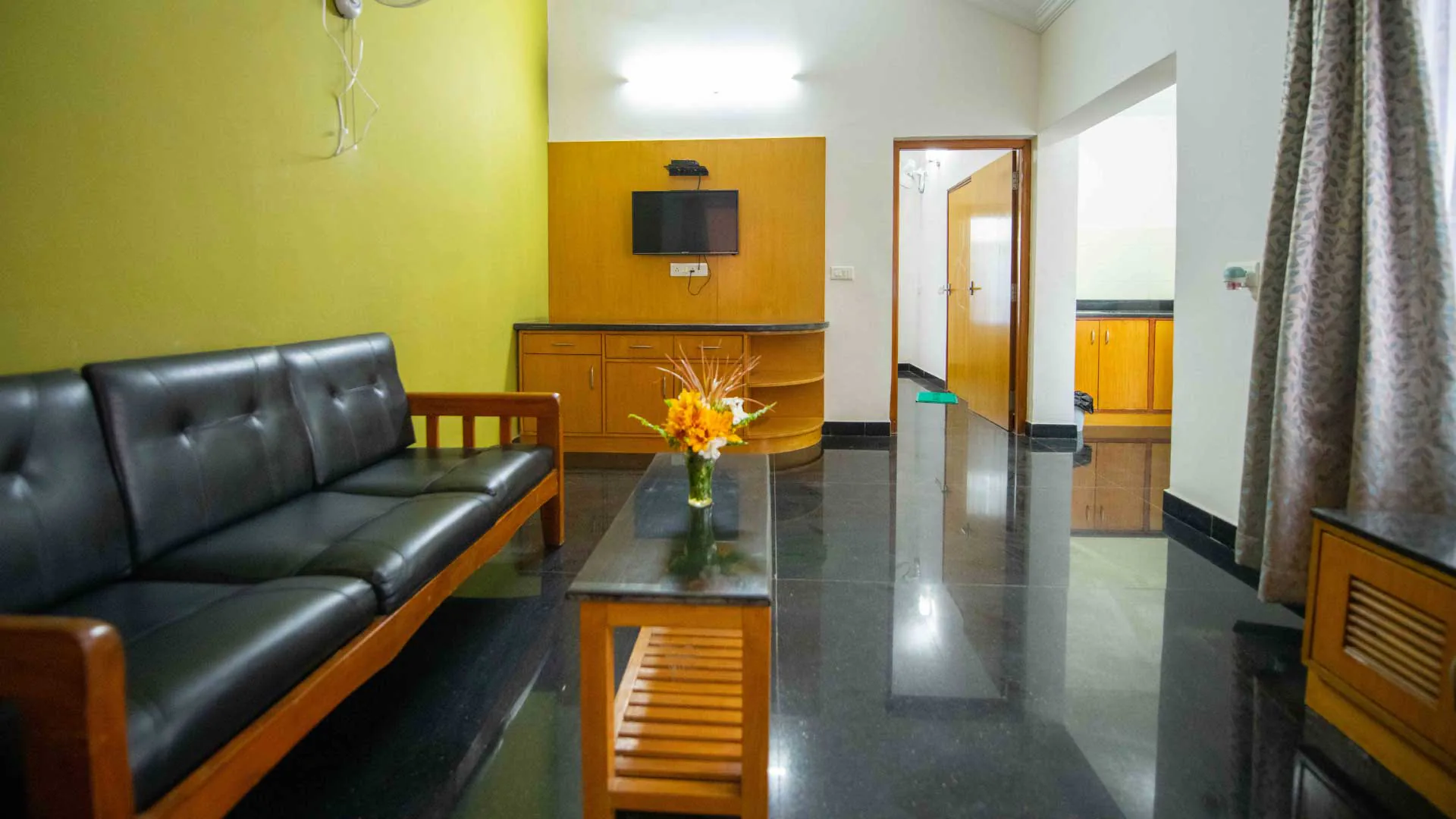
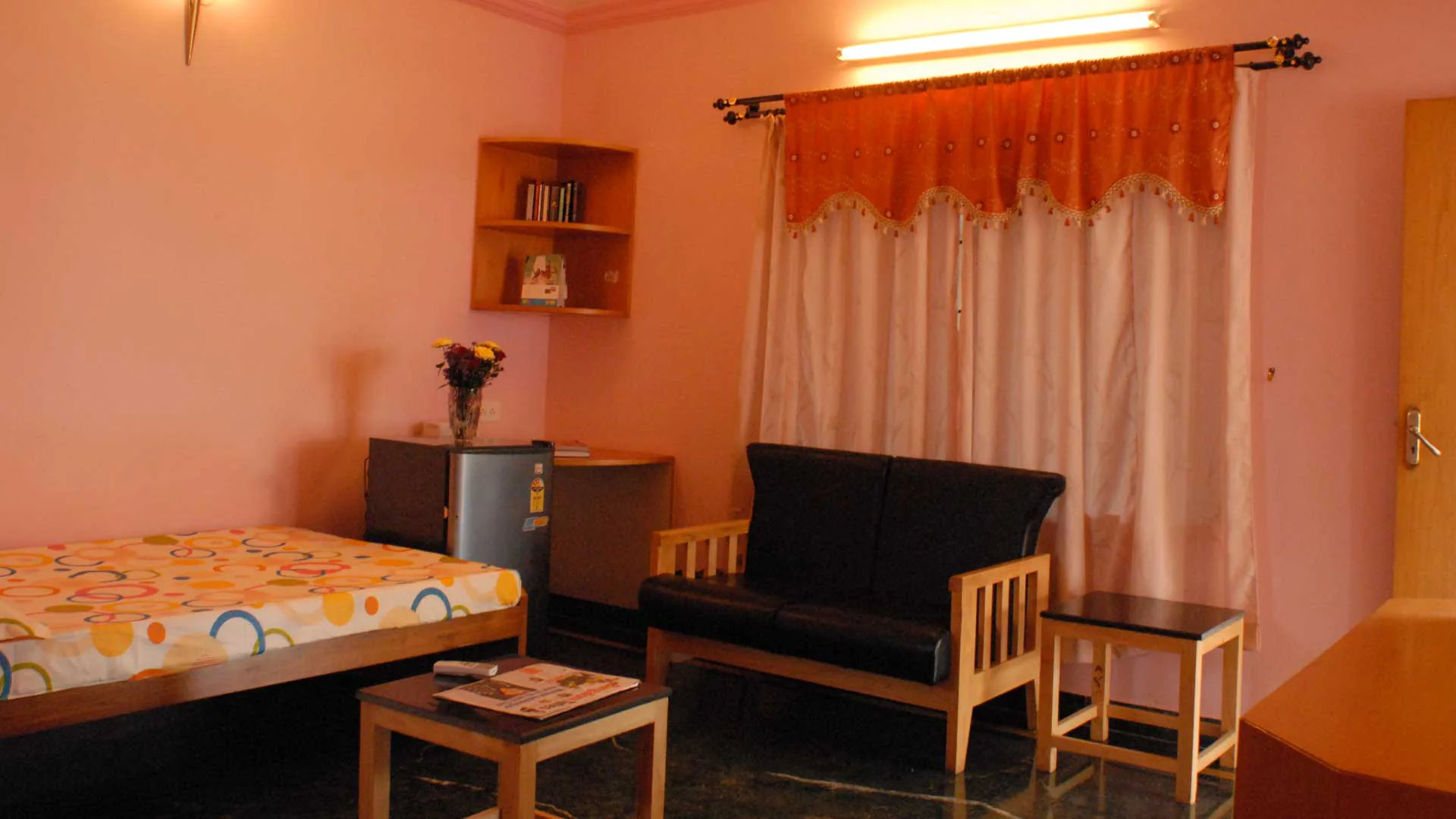
Private Cottages

Private Cottages

Campus Entrance

Campus Entrance

Healing Environment

Healing Environment

Hospital Lobby

Hospital Lobby

Recovery Experience

Recovery Experience

Rehab Unit

Rehab Unit

Eating Disorder's Psychiatry: What is it and how can it help you?

PATENTS RECOVERY STORIES

Questions Patients Often Ask

Group therapy is found to be effective in reducing the symptoms related to one’s eating disorder including the unhealthy thoughts, feelings, and behaviours associated with the disorder.

Group therapy reduces the sense of isolation for the person with the eating disorder, allows a safe and non-judgemental space for them to share their experiences, thoughts, feelings, and behaviours, teaches them skills to cope with their distress, help them identify and change the patterns of thinking and behaving that perpetuate their eating disorder, and find ways to prevent a relapse after successful recovery.

The number of sessions in group therapy can be pre-determined based on the designed modules, or it could be an ongoing group in which case the number of sessions required depends on the individual’s severity of condition as well as their response to the sessions.

Recent Stories from Our Blog

Dementia

31 March,2026

Frontotemporal Dementia Symptoms: Early Signs and Management

Read article
Anxiety

24 March,2026

Perinatal Anxiety vs Generalized Anxiety Disorder: What Sets Them Apart

Read article
postpartum depression

17 March,2026

Postpartum Psychosis vs Postpartum Depression: Critical Signs Families Must Know

Read article
Child and Adolescent Psychiatry

10 March,2026

DMDD in Children: Disruptive Mood Dysregulation vs Childhood Bipolar

Read article

Get a thoughtful note on mental wellbeing, delivered to your inbox.

Subscribe to our Newsletter — we won't spam. Promise.