Welcome to Cadabam's

Sleep Problems - Rehabilitation in Hyderabad

Sleep issues are prevalent concerns that can profoundly affect one's overall well-being and daily performance. Depending on the severity of the problem, various interventions may be recommended to address it effectively.

For milder cases, adjustments to lifestyle, such as enhancing sleep hygiene practices or engaging in cognitive-behavioral therapy for insomnia (CBT-I), might suffice. However, for more severe or persistent sleep issues, seeking professional assistance is often advisable.

33+YearsProfessionalExperience

And the easiest way to find out how this can help you is by booking an appointment or asking any questions and concerns that you have.

4.5 564 Google reviews

Treatment options may involve medication, behavioral therapies, or a combination of both. Medications like sleep aids or those targeting underlying conditions contributing to sleep disturbances may be prescribed.

In some instances, individuals might find benefit from more intensive treatment methods, such as residential or inpatient sleep rehabilitation programs. These programs offer thorough assessments, round-the-clock supervision, tailored treatments, and a supportive atmosphere conducive to addressing sleep challenges effectively.

Cadabams provides a specialized sleep rehabilitation center in Hyderabad, staffed with experienced professionals specializing in sleep medicine and therapy. Our team is dedicated to offering individualized and holistic treatment approaches to assist individuals in overcoming sleep problems and enhancing their overall quality of life.

At Cadabams, we have a dedicated team of mental health professionals with expertise in dealing with various types of Insomnia cases. This knowledge and experience enable us to help our clients improve their sleep cycles and eventually gain control over their sleeping routines through treatments like CBTi, medications and therapy.

Overview

Sleep rehabilitation centers offer individuals a dedicated environment focused on tackling their sleep-related issues. These centers play a crucial role in addressing severe symptoms that significantly impair daily functioning.

Considering sleep rehabilitation may be necessary if individuals face challenges in relationships, struggle to complete tasks, cope with addictions, find it difficult to get out of bed, or experience suicidal thoughts.

These centers provide continuous crisis support, including access to support groups, individual therapy, suitable medications, nursing care, and family therapy. The aim is to ensure the safety and holistic well-being of the individual.

The Cadabams Difference

Why Cadabams? What makes us different

Through our 8 specialty centers offering top-notch treatments across the nation, we have been helping thousands of people improve the quality of their lives.

33+

Years

10,000+

800+

Treatment Capacity

20+

Treatment Modalities

With over 28 years of expertise and knowledge, we promise to provide our clients the solution that suits them the best. Whether the case involves bad sleeping habits, lack of sleep control, or sleeplessness, our experts know how to handle it in a way that it’s in the best interest of the client and their family.

Our state-of-the-art infrastructure, experienced professionals, and strong support system will ensure you receive world class mental health care for all kinds of mental health concerns.

400+

Professionals

to support you through your recovery journey

At Cadabam's, we've always got your back.

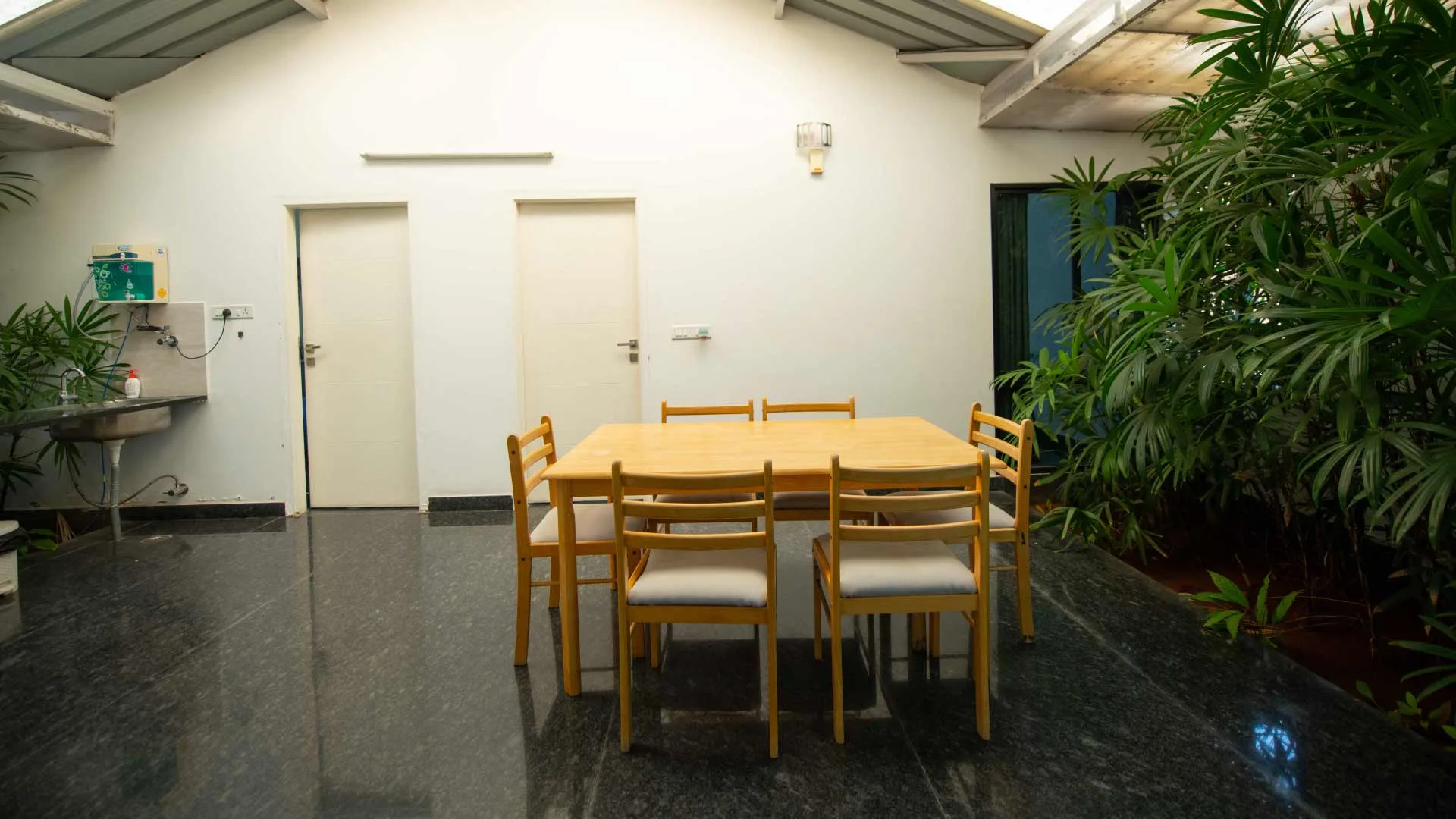
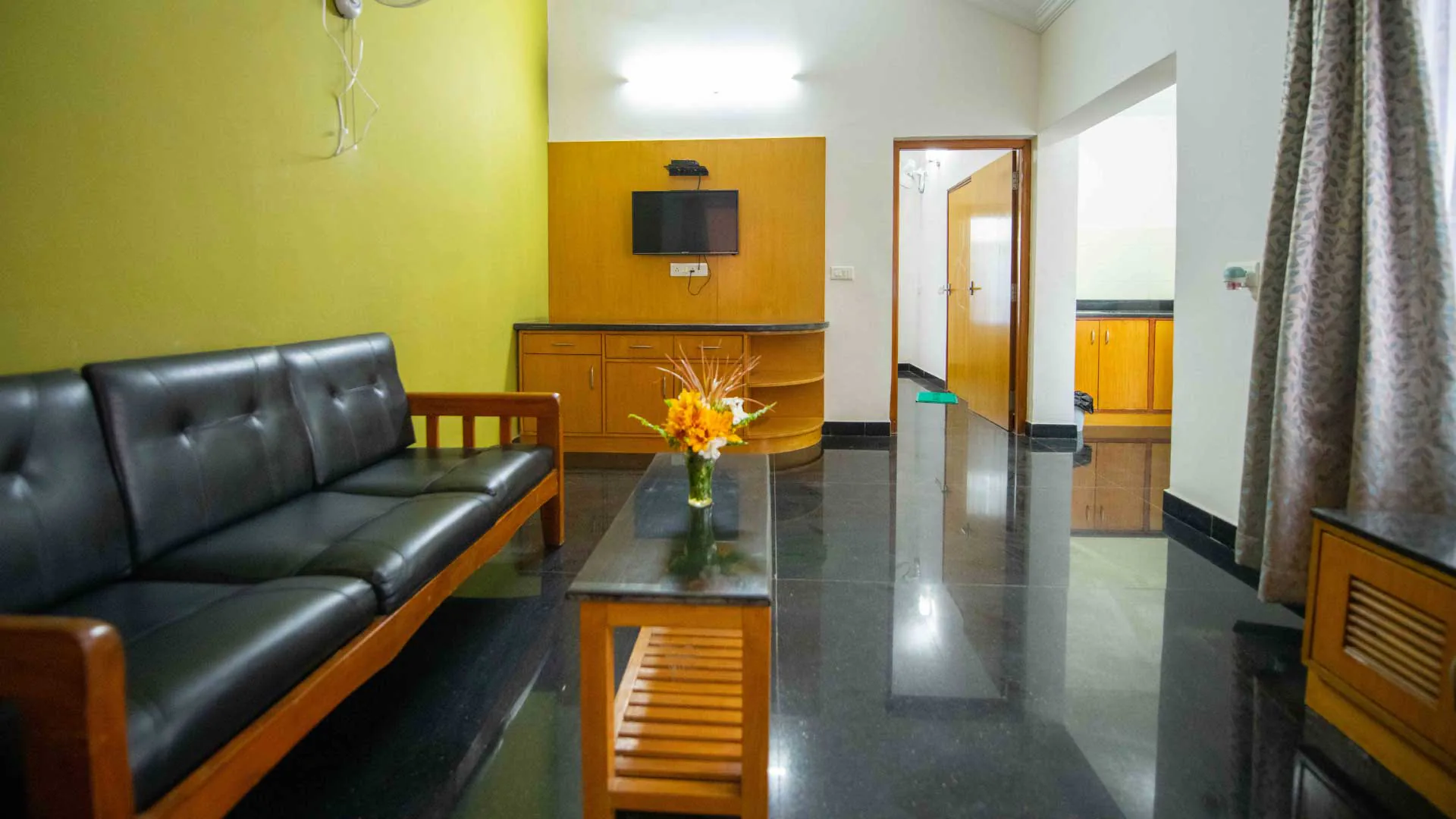
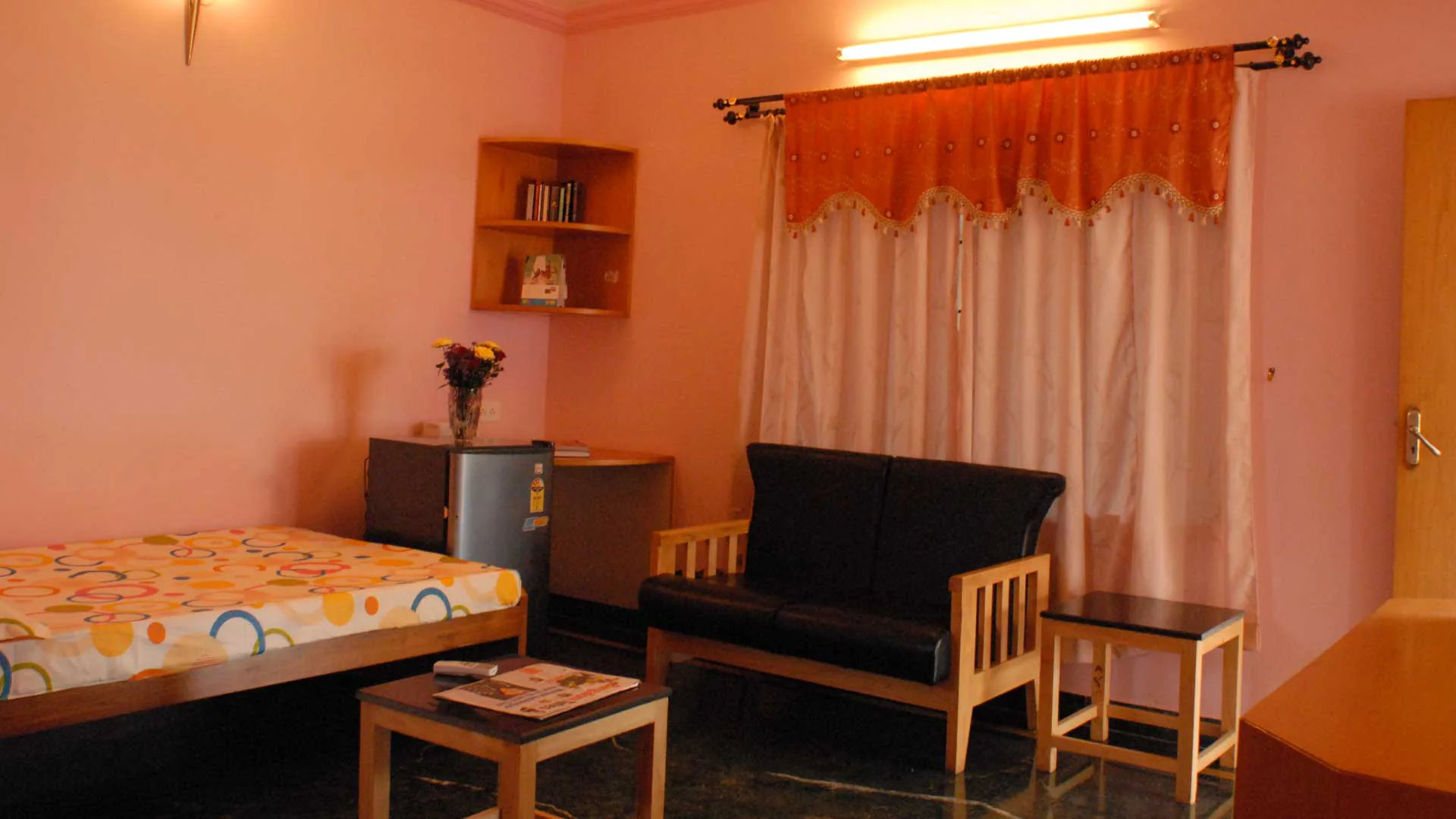
Our Infrastructure, Care Facilities and Strong Community Support Ensure Better Patient Outcomes

Purpose-built rehabilitation centres, clinical equipment, and support services designed to drive better patient outcomes.

Ananya Campus

Ananya Campus

Ananya Rehabilitation Centre

Ananya Rehabilitation Centre

Private Cottages

Private Cottages

Campus Entrance

Campus Entrance

Healing Environment

Healing Environment

Hospital Lobby

Hospital Lobby

Recovery Experience

Recovery Experience

Rehab Unit

Rehab Unit

What Our Clients Have To Say

Real stories from the families and individuals we’ve supported on their path to well-being.

5.0
I have been consulting the doctors at Cadabam’s for over 6 months now for my father who has dementia. The doctors and staff at the hospital are very polite and kind and have provided excellent support and care right from day one. They not only explain the treatment plan thoroughly but also take out the time to make sure we understand complications and side effects that could come along the way. If you or your loved one is dealing with any mental health issues, I highly recommend Cadabam’s.... Read More
S

Satisfied Client

Verified patient

5.0
I’m very happy with the doctors, medical staff, and facilities at Cadabam’s hospital. Apart from being highly skilled in the field, the doctors and other medical staff are also very patient and supportive. Right from diagnosing the issue to prescribing medicines and creating the perfect treatment plan, they are with you every step of the way. I am glad I reached out to the team at Cadabam’s for counseling sessions.... Read More
H

Happy Patient

Verified patient

5.0
I have observed great improvements in my son who has autism. The treatment plan created by the doctors has helped reduce the symptoms and he now is slowly learning new skills that assist him in his day-to-day activities. I cannot thank the team at Cadabam’s enough for giving my son the opportunity to have a happy and healthy childhood.... Read More
G

Grateful Family

Verified patient

Trusted by 10,000+ families · 4.5 ★ on Google Reviews

Why does one need a rehab center for Sleep problems?

While various therapies and interventions can help manage sleep problems, some individuals may require more intensive treatment and support. A sleep rehabilitation center offers a structured and supportive environment tailored to assist those with severe sleep issues in managing symptoms, developing coping strategies, and regaining control over sleep patterns.

Within these centers, individuals receive continuous care from a multidisciplinary team of sleep specialists, including sleep doctors, therapists, and nurses, all skilled in treating sleep disorders.

Therapies offered may include evidence-based approaches like cognitive-behavioral therapy for insomnia (CBT-I) and relaxation techniques. Additionally, complementary therapies such as aromatherapy and guided imagery may be provided to augment treatment.

By providing a comprehensive and holistic approach to addressing sleep problems, sleep rehabilitation centers create an optimal environment for individuals to achieve lasting improvements in sleep quality and overall well-being.

When should you ask for help?

It is crucial to seek assistance for sleep problems as soon as they begin affecting your daily functioning and overall well-being. Some signs indicating the need for professional help include persistent difficulty falling asleep or staying asleep, waking up feeling unrefreshed despite adequate time in bed, experiencing daytime fatigue or sleepiness, or observing significant changes in sleep patterns.

Seeking help is also important if sleep problems persist for more than a few weeks or if they significantly disrupt your ability to function during the day, affecting performance at work, school, or in personal relationships. Early intervention can greatly improve treatment effectiveness and facilitate a quicker recovery.

Sleep specialists, including sleep therapists and doctors specializing in sleep medicine, can provide a range of treatment options tailored to address sleep problems and enhance overall well-being. These treatments may include therapy, medication, and lifestyle modifications specific to the individual’s sleep issues and needs.

What type of doctors or specialists can help with Sleep problem treatment?

Sleep Medicine Specialists: These specialists are trained in diagnosing and treating sleep disorders. They conduct comprehensive evaluations, prescribe appropriate medications, and offer therapies aimed at enhancing sleep quality.

Clinical Psychologists: These professionals specialize in therapy and can assist individuals in understanding and addressing psychological factors contributing to sleep problems, such as stress or anxiety.

Respiratory Therapists: Respiratory therapists focus on treating sleep-related breathing disorders, like sleep apnea, using therapies such as continuous positive airway pressure (CPAP) or bilevel positive airway pressure (BiPAP).

Primary Care Physicians: Regular doctors can assess and manage common sleep issues, initiate treatment, and refer patients to specialists when needed.

Psychiatrists: Psychiatrists evaluate and treat underlying mental health conditions impacting sleep, such as depression or anxiety.

Neurologists: Neurologists specializing in sleep disorders diagnose and treat neurological conditions affecting sleep, such as restless legs syndrome or narcolepsy.

At Cadabams Hospitals, our multidisciplinary team of healthcare professionals is dedicated to providing personalized and effective treatment for sleep problems. This team includes sleep medicine specialists, clinical psychologists, therapists, primary care physicians, psychiatrists, neurologists, and nurses who collaborate to develop individualized treatment plans tailored to each patient’s needs. We are committed to delivering compassionate and evidence-based care to help individuals with sleep problems achieve improved sleep quality and overall well-being.

What type of therapy or treatment programs are available for Sleep problems?

Various therapy and treatment programs are available for sleep problems, including:

Medication: Certain medications, such as sleep aids or those targeting underlying conditions contributing to sleep disturbances, may be prescribed to alleviate symptoms and enhance sleep quality.

Cognitive-Behavioral Therapy for Insomnia (CBT-I): CBT-I is a structured therapy focused on changing negative thought patterns and behaviors related to sleep, with the goal of improving sleep quality and duration.

Relaxation Techniques: Techniques like progressive muscle relaxation, deep breathing exercises, or guided imagery can reduce stress and promote relaxation, facilitating better sleep.

Sleep Hygiene Education: Education on healthy sleep habits and lifestyle modifications, such as maintaining a consistent sleep schedule, optimizing sleep environment, and limiting stimulants like caffeine, can enhance overall sleep quality.

Continuous Positive Airway Pressure (CPAP) Therapy: CPAP therapy is a common treatment for obstructive sleep apnea, involving the use of a machine that delivers air pressure through a mask to keep the airway open during sleep.

Behavioral Therapy: Behavioral therapies, including stimulus control therapy or sleep restriction therapy, aim to modify behaviors and habits contributing to sleep problems, promoting healthier sleep patterns.

At Cadabams Hospitals, we provide a comprehensive range of treatment options for sleep problems, including medication management, therapy, CBT-I, relaxation techniques, CPAP therapy, and behavioral therapy. Our experienced healthcare professionals collaborate closely with each patient to develop personalized treatment plans addressing their specific sleep concerns and goals. We are committed to delivering compassionate and evidence-based care to help individuals with sleep problems achieve improved sleep quality and overall well-being.

Things you should check before selecting a rehab center for treatment

Before selecting a sleep rehabilitation center in Hyderabad for recovery, it’s essential to consider several factors:

Living Facilities: Evaluate the accommodations and amenities offered at the center to ensure they meet your comfort and accessibility requirements during your stay.

Medical Infrastructure: Assess the medical facilities and equipment available at the center to ensure they can adequately address your sleep-related concerns and provide necessary treatments.

Treating Team: Research the qualifications and experience of the healthcare professionals involved in your care, including sleep specialists, therapists, nurses, and support staff.

Programs Available: Explore the variety of treatment programs offered at the center, including therapy options, medication management, lifestyle interventions, and specialized therapies for sleep disorders.

Psychotherapy and Medication Management: Confirm whether the center provides psychotherapy sessions and medication management specifically tailored to address sleep problems and related issues.

Initiating a conversation with the team at the center is a crucial step for individuals or families considering admission. This allows you to discuss your specific needs, inquire about available treatment programs, and gain insight into the center’s approach to sleep rehabilitation.

Top Sleep Problems Doctors at Cadabam’s Hospitals

Rehabilitation Centres For Sleep Problems at Cadabam’s Hospital

Rehabilitation in Bangalore

More Additional Resources About Sleep Problems

Questions Patients Often Ask

A rehabilitation center for sleep problems provides numerous benefits for individuals grappling with this condition: Access to a Multidisciplinary Team: These centers offer access to a team of seasoned professionals specializing in sleep medicine, clinical psychology, respiratory therapy, and counseling, ensuring comprehensive care tailored to each individual’s needs. Comprehensive Treatment Plans: Tailored treatment plans may include medication management, cognitive-behavioral therapy for insomnia (CBT-I), relaxation techniques, and other evidence-based interventions designed to address specific sleep concerns effectively. Supportive Environment: Rehabilitation centers provide a supportive and secure environment conducive to overcoming sleep-related challenges and acquiring skills necessary for symptom management. Group Therapy and Peer Support: Opportunities for group therapy and peer support foster a sense of community and understanding among individuals facing similar sleep-related challenges, enhancing the overall treatment experience. Amenities and Activities: Access to various amenities and activities promotes physical and emotional well-being, including sleep hygiene education, relaxation exercises, and mindfulness practices. In summary, rehabilitation centers for sleep problems offer a holistic and individualized approach to treatment, helping individuals achieve sustained improvement in sleep quality and overall quality of life.

The effectiveness of rehabilitation for sleep problems may vary depending on the individual’s specific needs and the severity of their symptoms. However, research suggests that rehabilitation programs utilizing evidence-based therapies such as cognitive-behavioral therapy for insomnia (CBT-I) and medication management can be highly effective in addressing sleep issues. Moreover, the structured and supportive environment offered by a rehabilitation center can help individuals develop the essential skills and strategies to manage their sleep problems effectively and prevent relapse in the long term.

Individuals who have received treatment for sleep problems at rehabilitation centers have reported positive outcomes, including reduced anxiety and stress, increased self-confidence, improved body acceptance, heightened self-esteem, enhanced physical and mental health, and a more optimistic outlook on life. Through comprehensive treatment approaches, individuals address the root causes of sleep issues and develop effective coping strategies, resulting in improved well-being and a hopeful perspective for the future.

Individuals grappling with severe sleep problems, particularly those finding it challenging to fulfill their daily responsibilities at work, home, and in relationships, especially those with thoughts of self-harm or suicide, may find significant benefits in seeking treatment at a sleep rehabilitation center. If an individual finds it difficult to attend regular appointments with healthcare professionals, if their safety is compromised, or if they prefer focused attention on their recovery within a supervised environment, they should consider exploring in-patient rehabilitation programs.

A typical sleep problem rehabilitation center provides individual therapy, group therapy, psychoeducational classes, family therapy, yoga, meditation, art therapy, psychiatric consultations, recreational activities, and more.

The rehabilitation treatment for sleep problems begins with a comprehensive evaluation of the individual’s sleep health, identifying underlying factors contributing to the issues, and devising a personalized treatment plan. This plan typically includes a combination of interventions such as medication, cognitive-behavioral therapy for insomnia (CBT-I), relaxation techniques, and lifestyle adjustments, aimed at managing symptoms, developing coping mechanisms, and promoting healthier sleep habits. The rehabilitation team provides continuous care, monitoring, and assistance to ensure the individual’s safety and progress towards improved sleep quality. As recovery advances, the individual may transition to outpatient care, where they continue to receive support and follow-up to maintain their progress and prevent relapse.

Treating sleep problems requires a tailored approach, as each individual’s symptoms and needs differ. The most effective treatment often involves a combination of interventions such as medication, therapy, and lifestyle adjustments. Collaborating with a healthcare professional specializing in sleep medicine is crucial to identify the optimal treatment plan tailored to your specific concerns and requirements.

Sleep problems are manageable conditions, and with the right interventions such as medication, therapy, and lifestyle adjustments, many individuals experience notable improvements. However, it’s important to acknowledge that the effectiveness of treatment may vary depending on individual circumstances and the particular characteristics of the sleep issue.

The cost of addressing sleep problems may fluctuate depending on factors such as the type and duration of treatment, as well as the severity of the condition. It’s recommended to seek guidance from healthcare providers and insurance companies to obtain a more precise estimate of expenses.

Recent Stories from Our Blog

Dementia

31 March,2026

Frontotemporal Dementia Symptoms: Early Signs and Management

Read article
Anxiety

24 March,2026

Perinatal Anxiety vs Generalized Anxiety Disorder: What Sets Them Apart

Read article
postpartum depression

17 March,2026

Postpartum Psychosis vs Postpartum Depression: Critical Signs Families Must Know

Read article
Child and Adolescent Psychiatry

10 March,2026

DMDD in Children: Disruptive Mood Dysregulation vs Childhood Bipolar

Read article

Get a thoughtful note on mental wellbeing, delivered to your inbox.

Subscribe to our Newsletter — we won't spam. Promise.