Table of Content
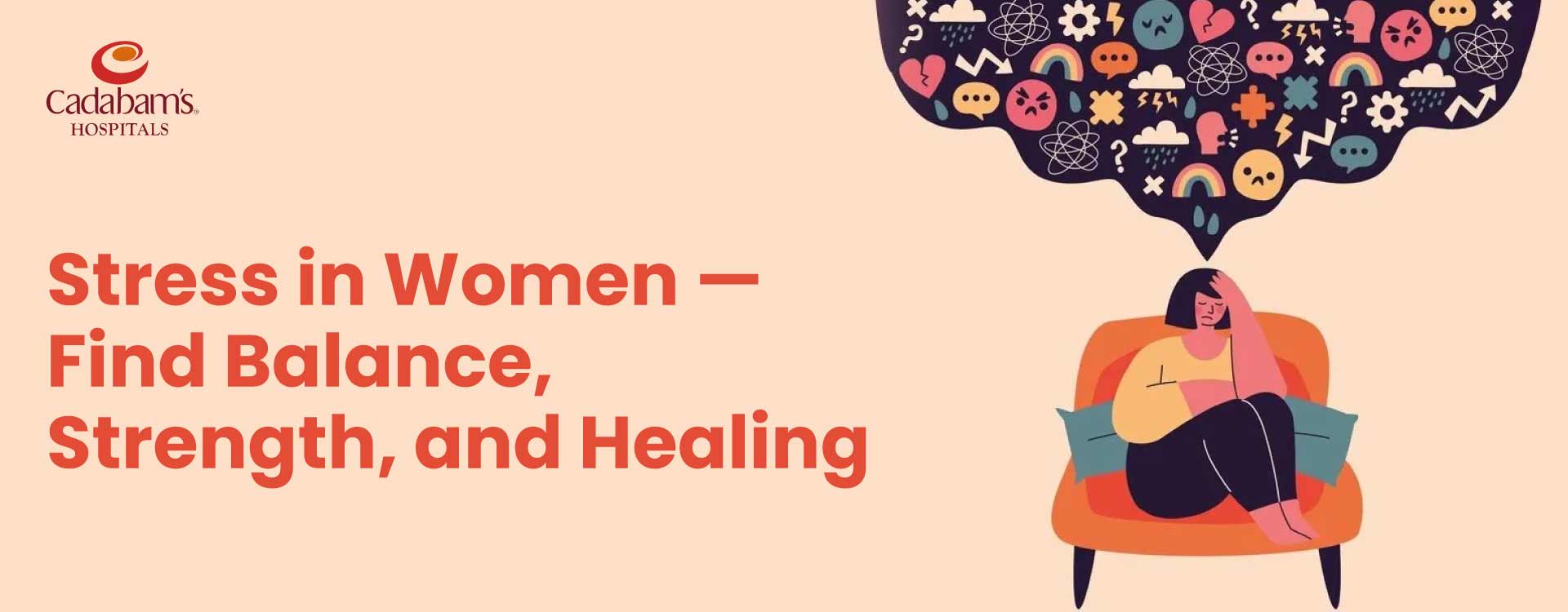
Stress symptoms in women can often go unnoticed until they start to affect daily life, health, and relationships. Unlike short-term stress, which may come and go, chronic stress can have a lasting impact on a woman’s physical and emotional well-being. From emotional struggles to physical discomforts, recognising the stress symptoms in women early is crucial for timely management. Understanding the causes of stress in women, the emotional and physical symptoms of stress in women, and the effects of stress on women helps in identifying the signs before they escalate.
Learning how women handle stress and finding effective techniques for stress relief for women can lead to a more balanced, healthier life. Whether it’s managing professional demands, family responsibilities, or societal expectations, women in stress require tailored strategies for healing and growth. In this blog, we explore the symptoms of severe stress in women, discuss the underlying causes, and share practical, expert-backed tips for stress management for women to overcome challenges with resilience and confidence.
What is Stress in Women?
Stress symptoms in women often arise from the body’s natural response to challenging or threatening situations, whether real or perceived. When faced with stress, the body releases hormones such as cortisol and adrenaline, triggering chemical reactions designed to help manage the situation. This reaction, known as the "fight-or-flight" response, prepares the body to act quickly and protect itself from harm, for instance, slamming the brakes when someone suddenly crosses your path.
While occasional stress can be beneficial by boosting alertness and energy levels, prolonged exposure to stressful situations can have serious implications. Chronic stress leads to persistent stress symptoms in women, affecting both mental and physical health. Over time, these symptoms can impact emotional resilience, cognitive functions, and even increase the risk of long-term health problems if left unmanaged.
How Does Stress in Women Differ from Stress in Men?
Although stress affects both genders, research suggests that stress symptoms in women tend to be more intense and emotionally driven compared to men. According to the American Psychological Association’s 2023 Stress in America study, women reported a higher average level of stress than men and were more likely to express a need for greater emotional support.
Financial concerns appeared to disturb women more deeply, and family responsibilities and relationships were cited as significant stressors more frequently by women than by men. Biological factors, such as hormonal differences, are believed to influence the way women experience and respond to stress. Additionally, social dynamics — including levels of emotional support or feelings of isolation — can further impact how women cope with stress compared to men.
How to Identify Stress Signs and Symptoms in Women?
Recognising early stress symptoms in women is crucial for timely intervention and better mental health outcomes. Long-term stress can affect emotions, behaviour, thinking ability, and physical health. While each woman deals with stress differently, studies show that women are more likely than men to report both physical and emotional symptoms. Spotting the symptoms of severe stress in women early can help prevent more serious health complications.
Physical Symptoms of Stress in Women
Physical signs are often the first indicators of chronic stress. These symptoms can interfere with daily activities and contribute to worsening health if unaddressed.
- Headaches: Frequent headaches can become a common occurrence during periods of ongoing stress.
- Disturbed sleep: Difficulty falling asleep, staying asleep, or experiencing restless nights can worsen stress levels.
- Change in appetite: Stress can cause significant changes in eating habits, leading to overeating or loss of appetite.
- Drug/alcohol misuse: Some women may turn to substance use as an unhealthy way to cope with overwhelming emotions.
- Low sex drive: Chronic stress can contribute to a noticeable decline in sexual desire and intimacy.
- Fatigue: Persistent exhaustion, even after resting, is often a physical response to long-term stress.
Emotional Symptoms of Stress in Women
Emotional symptoms reflect how deeply stress can affect mental health. Recognising these signs is essential to prevent emotional burnout and build healthier coping mechanisms.
- Mood swings: Women may experience rapid emotional shifts without any clear external cause.
- Irritability: Heightened irritability and short temper are frequent emotional responses to chronic stress.
- Feeling out of control and overwhelmed: Stress often leads women to feel powerless or unable to manage daily challenges.
- Having a short temper and getting easily agitated: Minor inconveniences can provoke outsized reactions when stress is unmanaged.
Cognitive Symptoms of Stress in Women:
Cognitive impacts can reduce mental sharpness, making everyday decision-making, memory, and focus more challenging for women under chronic stress.
- Forgetfulness: Memory lapses and absent-mindedness are common cognitive signs of prolonged stress.
- Constant worrying: Continuous anxiety and intrusive thoughts reflect the cognitive effects of stress on women.
- Indecisiveness: Stress can impair decision-making abilities, making simple choices feel overwhelming.
- Lack of concentration: Sustained stress makes it harder to stay focused on work, studies, or everyday tasks.
Social Symptoms of Stress in Women
Social withdrawal and relationship struggles are often overlooked but critical signs that a woman may be experiencing significant stress in her life.
- Family problems: Relationship tensions within the family often worsen as stress levels rise.
- Isolation: Women under chronic stress may withdraw from social circles and activities they once enjoyed.
- Loneliness: Extended periods of women in stress situations can foster deep feelings of loneliness and detachment.
Causes of Stress in Women
There are multiple factors that contribute to the development of stress symptoms in women, often stemming from everyday life situations and societal expectations. Let’s explore the most common causes of stress in women.
Financial Pressures
Concerns about household expenses, savings, debt, and future financial security are a significant trigger for stress in women. Financial instability can worsen emotional strain and contribute to the symptoms of severe stress in women, affecting their overall well-being.
Health Challenges
Dealing with personal health issues or caring for a family member with medical conditions can heighten stress symptoms in women. Managing chronic illnesses or navigating hormonal changes like pregnancy and menopause adds to physical and emotional strain.
Relationship Strain
Managing emotional labour within relationships, whether romantic, familial, or social, is another major cause of stress in women. Feeling responsible for maintaining harmony can create internal pressure and emotional exhaustion, especially when support is lacking.
Workplace and Academic Stress
Balancing career demands or academic expectations can lead to chronic stress symptoms in women. Struggles such as work deadlines, workplace discrimination, job insecurity, or academic pressure can intensify emotional fatigue and feelings of inadequacy.
Caregiving Responsibilities
Women often assume caregiving roles for children, elderly parents, or other dependents. Juggling caregiving with professional and personal responsibilities significantly increases the effects of stress on women, leading to burnout if support systems are inadequate.
Difficulty Setting Boundaries
A common but overlooked cause of stress in women is the difficulty in setting personal boundaries. Many women find it challenging to say "no," taking on more tasks than they can realistically manage, which leads to emotional overload over time.
Life Transitions
Major life changes such as pregnancy, postpartum adjustments, menopause, or relocating can cause physical and emotional disruption. These transitions often intensify physical symptoms of stress in women, affecting both mental resilience and overall health.
How Does Stress Affect a Woman’s Health?
Chronic exposure to stress can significantly impact a woman's physical and mental well-being. Over time, persistent stress responses can heighten vulnerability to a range of health complications. Understanding the effects of stress on women is crucial for early intervention and better management of overall health. Some of the ways chronic stress affects women are:
Physical Impact of Stress on Women
Prolonged stress triggers physiological changes that can disrupt normal bodily functions, leading to several physical health issues.
- Obesity: Stress can alter metabolism and lead to unhealthy eating habits, contributing to significant weight gain and reduced physical fitness.
- Cardiovascular Issues: Elevated blood pressure and heart rate, common during stress episodes, increase the risk of heart disease, including heart attacks and strokes.
- Headaches and Migraines: Tension headaches and migraines are frequently reported physical symptoms of stress in women, often linked to muscular tension and hormonal fluctuations.
- Digestive Disturbances: Chronic stress can lead to irregular bowel movements, indigestion, and conditions such as Irritable Bowel Syndrome (IBS).
- Skin and Hair Problems: Skin conditions such as acne, rashes, and eczema, as well as hair issues like hair fall, permanent hair loss, etc, might be effects of stress.
- Menstrual Problems: Irregular periods, distressing cramps, mood swings, and severe PMS might be caused by stress.
Mental Impact of Stress on Women
The mental health consequences of chronic stress are equally profound and often under-recognised. Psychological resilience can deteriorate over time, increasing the risk of long-term mental health disorders.
- Depression and Anxiety: Persistent stress contributes to the onset and worsening of depressive disorders, generalised anxiety, and panic attacks, all of which women experience at higher rates than men.
- Post-Traumatic Stress Disorder (PTSD): Long-term exposure to severe stressors can increase vulnerability to PTSD, particularly in women who have experienced trauma.
- Emotional Dysregulation: Chronic stress often impairs emotional regulation, leading to heightened irritability, persistent sadness, or feelings of emotional numbness.
- Low Self-Esteem and Self-Worth: The ongoing strain of unrelenting stress can erode a woman’s self-confidence and lead to negative self-perception.
- Cognitive Difficulties: Memory lapses, difficulty concentrating, and decision-making challenges are common stress symptoms in women experiencing chronic psychological strain.
- Sleep Disorders: Stress is a major contributor to insomnia and other sleep disturbances, which further aggravate emotional and cognitive functioning.
Acknowledging these wide-ranging effects of stress on women is essential to promote early mental health intervention and adopt effective stress management for women strategies.
How Women Handle Stress Differently Than Men?
While both men and women experience significant stress, their approaches to managing and coping with it often differ. Understanding how women handle stress provides insight into healthier coping strategies and the importance of seeking timely support.
According to the American Psychological Association (APA), women are more likely than men to recognise the serious impact of stress on their health, with 88% acknowledging its effects. They also prioritise stress management, with 68% considering it extremely important, compared to just 52% of men.
When it comes to action, approximately 70% of women have actively tried to reduce their stress levels over the past five years, compared to 50% of men. Preferred methods of stress relief for women include activities such as reading, spending time with loved ones, praying, shopping, and seeking professional help.
Meanwhile, men tend to favour physical outlets like playing sports. Interestingly, women also show a stronger belief in the effectiveness of psychological support for managing lifestyle changes and chronic illness, highlighting their proactive approach to stress management compared to men.
Recognising these behavioural differences not only deepens the understanding of stress symptoms in women but also points to the value of tailored strategies that empower women to thrive even under pressure.
Tips on How Women Can Manage Stress
Since prolonged exposure to stress can adversely impact health, it is essential to adopt practical strategies for stress management for women. Small, consistent actions can significantly help reduce the intensity of stress symptoms in women and promote emotional and physical resilience. Here are some ways of stress management for women:
Practice Deep Breathing and Stretching
Short, regular mindfulness practices create a calming space amid daily stressors and provide effective stress relief for women.
- Deep breathing exercises: Focus on slow, controlled breaths to calm the nervous system and reduce immediate stress responses.
- Stretching techniques: Gently stretch the neck, shoulders, and jaw muscles to relieve physical tension commonly associated with stress symptoms in women.
- Mindfulness activities: Practice yoga, meditation, or progressive muscle relaxation to promote relaxation and emotional balance.
- Enjoy nature: Taking a short walk outdoors or simply spending time in nature can significantly lower stress hormone levels.
Set Healthy Limits and Reframe Negative Thoughts
Proactively setting limits and reframing challenges creates emotional resilience and helps manage the effects of stress on women more effectively.
- Set boundaries: Learn to prioritise and say "no" to requests that overwhelm your schedule or energy.
- Delegate tasks: Sharing responsibilities can lighten the emotional and mental load, reducing stress in women.
- Cognitive reframing: Replace self-critical thoughts with empowering ones. For example, say “I get to do this” instead of “I have to do this.”
- Use the “pause” technique: When feeling overwhelmed, take a deep breath, count to ten, and respond thoughtfully instead of reacting impulsively.
Build Consistent Healthy Habits
Establishing and maintaining healthy routines helps buffer the effects of stress on women and builds a stronger foundation for long-term mental health.
- Eat a balanced diet: Include fruits, vegetables, whole grains, and lean proteins to maintain emotional and physical health.
- Prioritise sleep hygiene: Maintain a consistent sleep schedule and create a relaxing nighttime routine for quality rest.
- Engage in regular exercise: Physical activity releases endorphins, improving mood and naturally reducing stress symptoms in women.
- Stay socially connected: Spending time with supportive friends and family strengthens emotional well-being.
- Digital detox: Limit screen time and take breaks from social media to reduce mental clutter and overstimulation.
- Practice gratitude: Maintain a gratitude journal to focus on positive experiences and shift attention away from daily stressors.
- Pursue hobbies: Dedicate time to creative interests or activities that bring joy and relaxation.
Seek Professional Help When Needed
Recognising when additional support is needed is a strength — and an essential step in protecting mental health and overcoming chronic stress symptoms in women.
- Talk to a mental health professional: Therapy and counselling can offer personalised tools for sustainable stress relief for women.
- Participate in support groups: Engaging with others facing similar challenges fosters community and reduces feelings of isolation.
- Explore therapy options: Cognitive-behavioural therapy (CBT), mindfulness-based therapies, or stress management programmes can help tailor coping strategies.
When Stress Feels Unbearable for Women, Cadabam’s Hospitals Provides Hope, Healing, and Strength
At Cadabam's Hospitals, we understand the unique challenges women face in managing stress and its impact on mental health. With a legacy of over three decades and a compassionate team of experts, we specialise in providing tailored solutions to help women regain control, find balance, and embrace positivity. Let us support you on the journey toward resilience and well-being, empowering you to thrive in every aspect of life.
If you are searching for a solution to your problem, Cadabam’s Hospitals can help you with its team of specialised experts. We have been helping thousands of people live healthier and happier lives for 30+ years. We leverage evidence-based approaches and holistic treatment methods to help women effectively manage their Stress. Get in touch with us today. You can call us at +91 97414 76476. You can even email us at info@cadabamshospitals.com.
FAQs
What are the symptoms of stress for females?
Studies show that women are most likely to experience physical and emotional symptoms of stress in women. Common signs include anxiety, frequent mood swings, irritability, digestive issues, headaches, and persistent fatigue. Recognising these stress symptoms in women early can help in seeking timely support.
What are the 5 warning signs of stress in women?
Some of the key warning signs of stress in women include difficulty breathing, unexplained fatigue, muscle aches, persistent sleep problems, and frequent indigestion. These symptoms indicate that stress levels may be becoming unmanageable and may require intervention.
How do I know if my body is stressed?
Headaches, digestive issues, fatigue, disturbed sleep, and difficulty breathing are common indicators of your body undergoing stress. If you are experiencing such symptoms, take a step back and practice breathing exercises or other self-care techniques to help calm down your body.
What are the common signs of stress in women?
Common signs of stress in women encompass a wide range of physical and emotional symptoms. These include difficulty breathing, indigestion, fatigue, frequent headaches, muscle aches, disturbed sleep patterns, noticeable changes in appetite, lack of focus, mood fluctuations, irritability, anxiety, forgetfulness, indecisiveness, and menstrual irregularities.
Which food reduces stress in women?
Several nutrient-rich foods have been shown to help relieve stress naturally. These include eggs, chicken, chia seeds, avocados, salmon, dark chocolate, pumpkin seeds, probiotic-rich foods, and cruciferous vegetables. Incorporating these into a balanced diet can contribute to better emotional and physical health.
Can stress affect female hormones?
Prolonged periods of stress can cause hormonal imbalances and have a profound effect on a female’s health. For instance, high levels of adrenaline and cortisol can contribute to low sex drive, high blood pressure, mood changes, and more. Further, an increase in the level of cortisol produced can lower levels of testosterone, estrogen, and progesterone. A deficit of such hormones can lead to obesity, joint pain, insomnia, infertility, and other physiological and psychological conditions.
How to relieve stress for a woman effectively?
Experts recommend several strategies for effective stress relief for women. These include practising breathing exercises, maintaining a consistent journaling habit, engaging in regular physical activity, following a healthy sleep schedule, adopting a balanced diet, reaching out to supportive loved ones, and seeking professional guidance when needed.
How do I stop emotional stress?
Managing emotional stress involves consistent and intentional coping techniques. Journaling thoughts and emotions, practising mindful breathing exercises, engaging in meditation practices, and maintaining physical activity are proven strategies to help reduce emotional stress over time.
How can I manage stress better?
Effective stress management focuses on building sustainable, healthy habits. This includes practising breathing exercises and meditation, maintaining a regular journaling routine, following a balanced and nutritious diet, sticking to a consistent sleep schedule, reaching out for social support, and seeking professional help when necessary.
How Cadabam's Help you for Addiction?
- 410+ Professional Consultants
- 1,00,00+ Happy Faces
- 120+ Currently Seeking Treatments