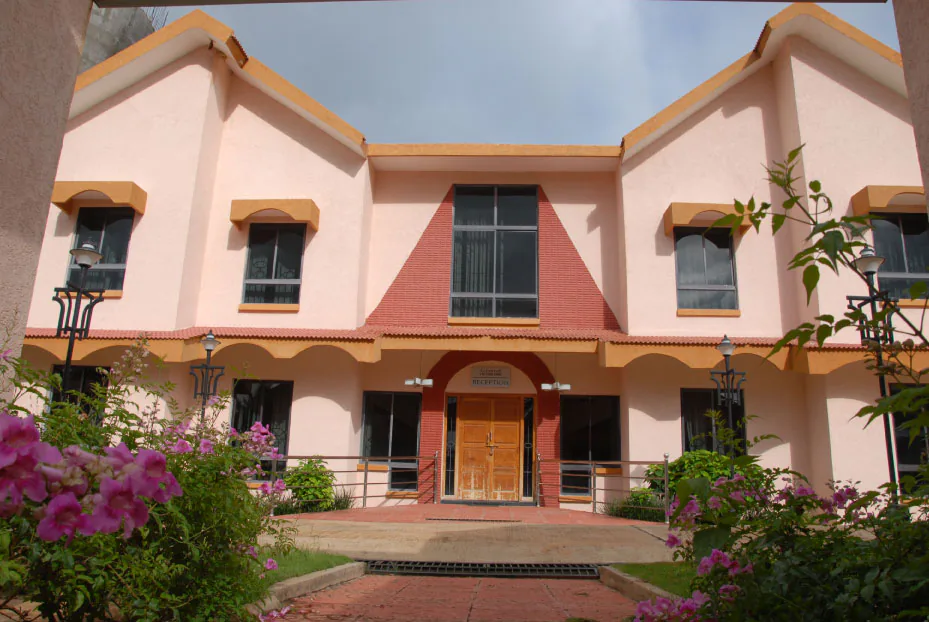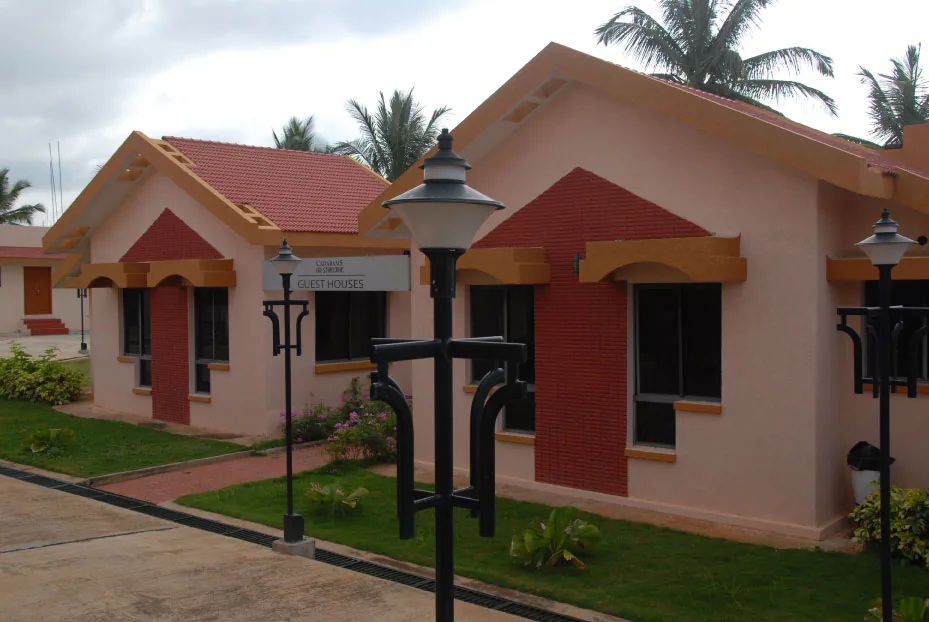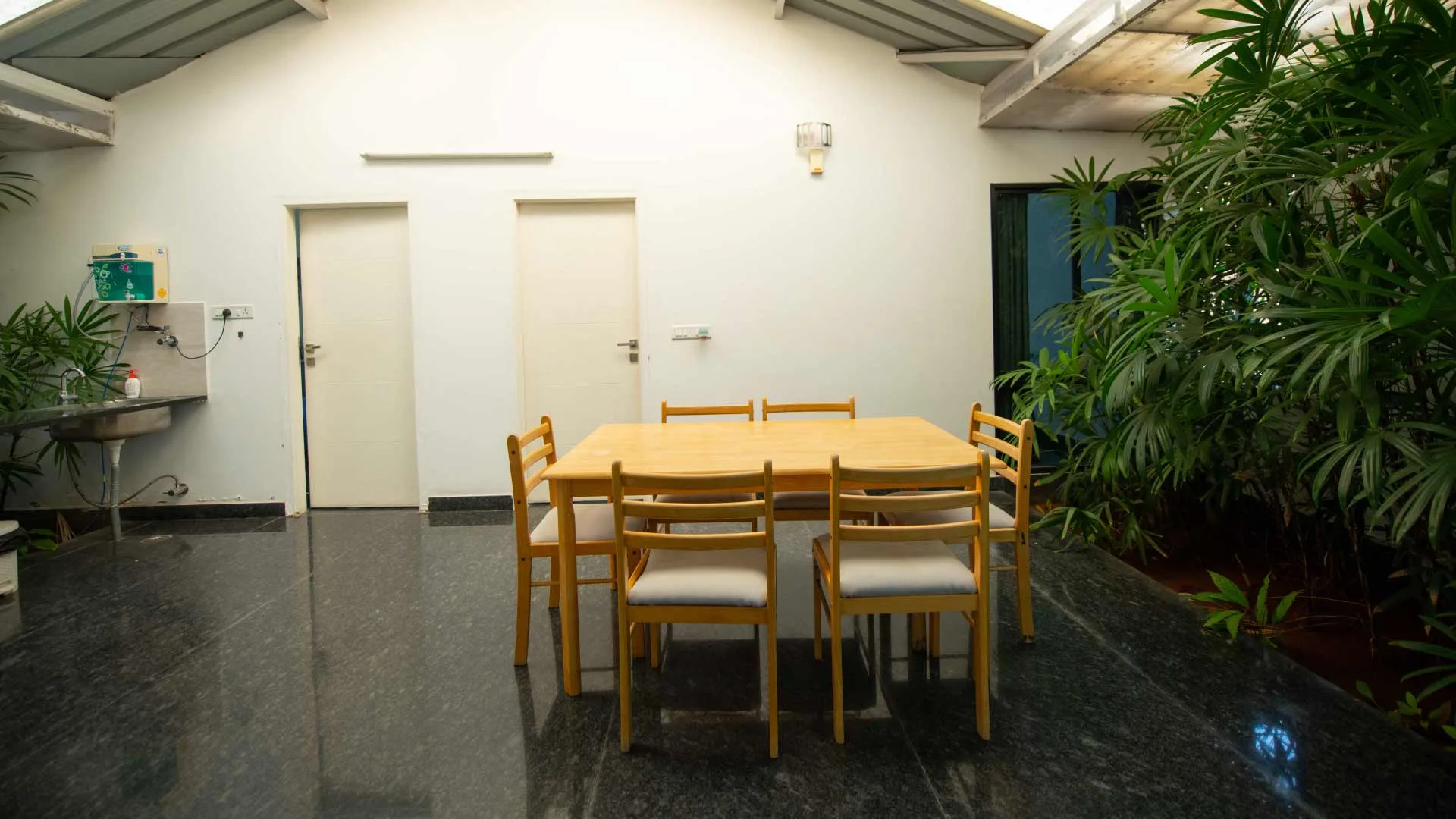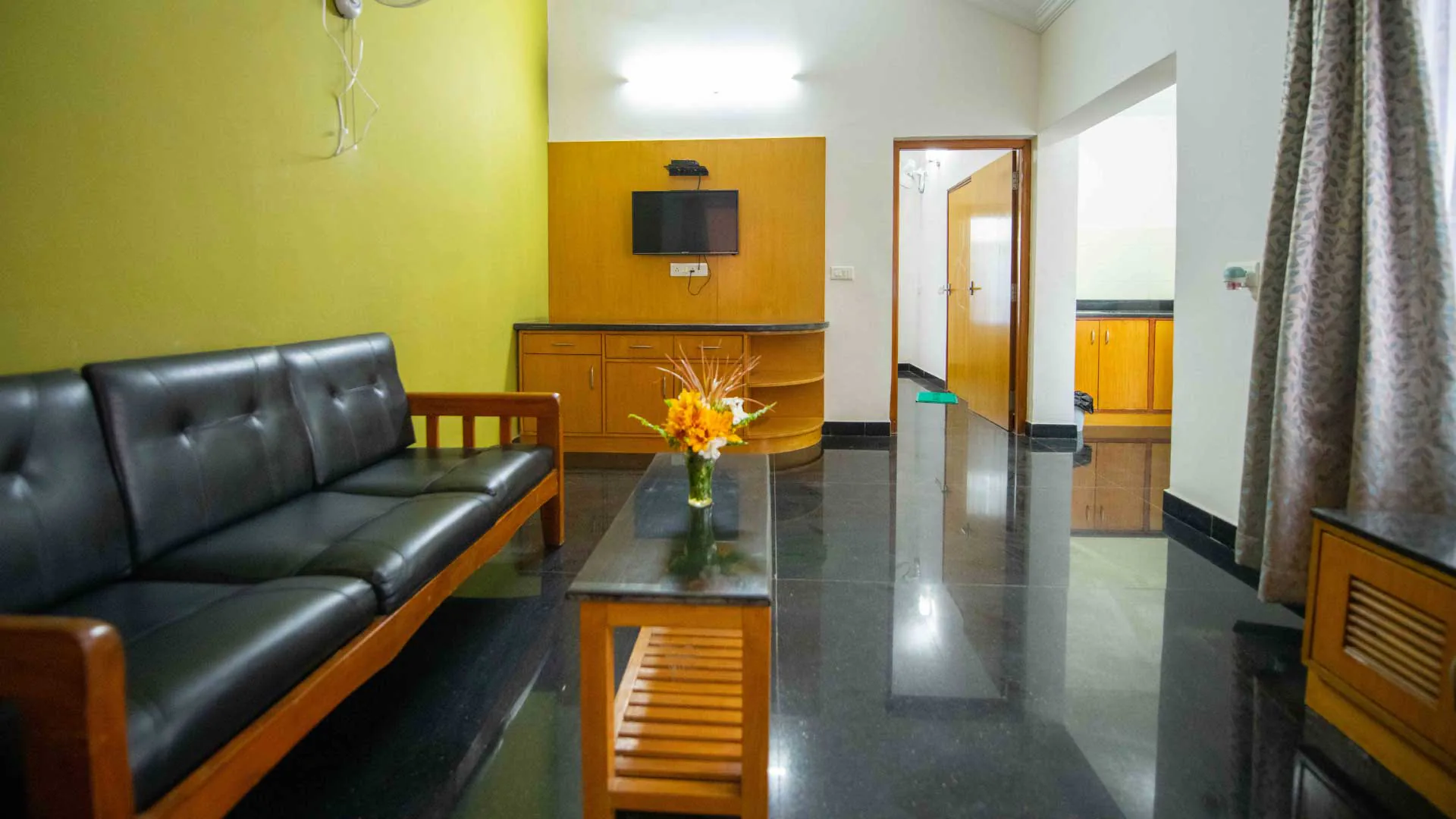
With a team of experienced psychiatrists and mental health professionals, Cadabam’s Hospitals offers prompt, evidence-based care designed to ensure safety and guide individuals toward recovery.
What Is a Drug Addiction Emergency?
A drug addiction emergency occurs when substance use leads to serious or life-threatening symptoms that require immediate medical attention. This may include drug overdose, severe withdrawal symptoms, breathing difficulties, seizures, loss of consciousness, or extreme agitation. In such situations, prompt medical intervention is critical to stabilise the individual and prevent further complications.
Recognising the warning signs of a drug addiction emergency and seeking professional help quickly can significantly improve outcomes. Emergency care services are designed to provide rapid medical evaluation, stabilisation, and psychiatric support to ensure the safety and recovery of the individual.
When Should You Seek Emergency Help for a Loved One With Drug Addiction?
Emergency medical help should be sought when a person with drug addiction shows signs of overdose or severe physical distress. Recognising these warning signs early allows family members or caregivers to act quickly and ensure the individual receives immediate medical attention.
Common warning signs that require urgent help include:
- Choking or unusual gurgling sounds
- Cold or clammy skin
- Bluish or pale lips and fingertips
- Loss of consciousness or inability to wake up
- Slurred or incoherent speech
- Slow, weak, or difficult breathing
- Very small or constricted pupils
If any of these symptoms appear, contact emergency services immediately or take the individual to the nearest hospital so trained medical professionals can provide rapid stabilisation and treatment.
What Arethe Immediate Steps to Take During a Drug Addiction Emergency?
A drug addiction emergency requires quick and calm action to ensure the safety of the individual and those around them. Taking the right steps immediately can help stabilise the situation until professional medical help arrives.
Key steps to take during a drug addiction emergency include:
- Stay calm and provide reassurance: Speak in a calm and supportive tone. Avoid panic or judgement, and try to reassure the individual that help is available.
- Ensure everyone’s safety: Remove any objects that could cause harm and move the person to a safe, open space if possible.
- Contact emergency medical services immediately: Call emergency services if the person is unconscious, struggling to breathe, having seizures, or showing signs of a drug overdose.
- Avoid confrontation or escalation: Do not argue or make sudden movements that may increase agitation. Maintain a calm and supportive approach.
- Do not leave the individual alone: Stay with the person and monitor their condition until medical professionals arrive.
If you suspect a drug overdose or severe withdrawal symptoms, seek immediate medical assistance to ensure timely stabilisation and treatment.
Access to immediate medical and psychiatric support is essential during a drug addiction emergency. Timely intervention can help stabilise the individual, manage overdose symptoms, and prevent life-threatening complications. In Bangalore, specialised emergency services are available to provide rapid assessment, crisis intervention, and ongoing medical support for individuals experiencing drug addiction crises.
Emergency Support Services Available at Cadabam’s Hospitals
At Cadabam’s Hospitals in Bangalore, dedicated emergency care services are available to respond quickly to drug addiction emergencies. Our team of experienced psychiatrists and mental health professionals provides immediate assistance and stabilisation.
Emergency services include:
- 24/7 Helpline Support: Individuals and families can access immediate guidance and support through our helpline: +91 9741476476 or +91 7353226622
- Mobile Outreach and Crisis Response: In urgent situations, trained professionals may be dispatched to assess the individual and provide immediate intervention.
- Emergency Psychiatric Evaluation: Upon arrival at the hospital, a qualified psychiatrist conducts a comprehensive evaluation to determine the severity of the crisis and plan appropriate treatment.
- Inpatient Hospitalisation (if required): Individuals may be admitted for close monitoring, stabilisation, and medical management when necessary.
- Crisis Intervention and Stabilisation: Mental health professionals work to de-escalate the situation, ensure safety, and initiate appropriate treatment and recovery support.
If you or a loved one is experiencing a drug addiction emergency, seeking immediate professional help can ensure timely medical care and reduce potential health risks.
What Happens During Emergency Treatment for Drug Addiction?
Emergency treatment for drug addiction focuses on quickly stabilising the individual and managing life-threatening symptoms such as overdose, severe withdrawal, breathing difficulties, or altered consciousness. Medical professionals assess the person’s condition and provide immediate care to prevent complications and ensure safety.
During emergency treatment for drug addiction, the following steps are typically taken:
- Immediate medical assessment: Doctors and mental health professionals evaluate the individual’s vital signs, level of consciousness, and substance use history to determine the severity of the emergency.
- Stabilisation and symptom management: Medical interventions may be provided to stabilise breathing, heart rate, and other vital functions while managing overdose or severe withdrawal symptoms.
- Monitoring and supportive care: The individual is closely monitored to ensure their condition improves and to prevent further complications.
- Psychiatric evaluation: Once the individual is medically stable, a psychiatrist may assess their mental health condition and substance use patterns to plan further treatment.
- Referral for continued addiction treatment: After the emergency is controlled, the person may be guided toward detoxification programs, therapy, or rehabilitation services to support long-term recovery.
Prompt emergency treatment for drug addiction can significantly reduce health risks and provide the first step toward comprehensive addiction care and recovery.
How Is Post-Crisis Care Managed After a Drug Addiction Emergency?
After a drug addiction emergency, post-crisis care focuses on stabilising the individual, managing withdrawal symptoms, and supporting long-term recovery. This stage typically involves medical evaluation, personalised treatment planning, and continued psychological support.
Post-crisis management generally includes:
- Medical stabilisation and monitoring
- Psychiatric assessment and risk evaluation
- Development of a personalised recovery plan
- Psychological therapy and relapse prevention support
- Family and caregiver involvement in treatment
Overview of the Post-Crisis Phase of Drug Addiction
The post-crisis phase of drug addiction is a critical period in recovery. During this time, individuals require structured support from healthcare professionals to address residual symptoms of addiction, strengthen coping mechanisms, and gradually reintegrate into daily life.
Improving emotional resilience and rebuilding self-esteem are also important during this stage. With proper medical guidance and therapeutic support, individuals can regain stability and develop healthier behavioural patterns. At Cadabam’s Hospitals, specialised programs are designed to support both individuals and their families during this recovery phase.
Assessment and Stabilisation After a Drug Addiction Crisis
Immediately after a drug addiction emergency, healthcare professionals prioritise stabilisation and medical evaluation. Comprehensive psychiatric assessments help determine the individual’s mental state, substance use history, and potential health risks.
Healthcare professionals may focus on:
- Monitoring physical health and withdrawal symptoms
- Conducting psychiatric and medical assessments
- Identifying potential relapse risks
- Adjusting medications or treatment interventions
Development of a Personalised Care Plan for Drug Addiction
A personalised care plan is essential for long-term recovery after a drug addiction crisis. Specialists assess each individual’s needs, challenges, and recovery goals to design a tailored treatment approach.
A comprehensive care plan may include:
- Medication management
- Individual counselling or behavioural therapy
- Lifestyle and stress management strategies
- Regular follow-up appointments and monitoring
Family and Caregiver Involvement in Drug Addiction Recovery
Family support plays a vital role in recovery after a drug addiction crisis. Involving caregivers in the treatment process helps create a stable and supportive environment for the individual.
Cadabam’s Hospitals offers family-focused support, such as:
- Psychoeducation programs about addiction
- Family therapy sessions
- Guidance on supporting recovery at home
How Can Future Drug Addiction Crises Be Prevented?
Preventing future drug addiction crises involves ongoing medical monitoring, structured therapy, and consistent relapse prevention strategies. Regular mental health assessments, medication management, and continued therapeutic support help individuals maintain recovery and reduce the risk of future emergencies.
Regular Mental Health Assessments
Regular mental health assessments play a crucial role in monitoring recovery progress and identifying early warning signs of relapse. Healthcare professionals evaluate emotional well-being, behavioural patterns, and treatment effectiveness to ensure individuals remain on the path to recovery.
These assessments help to:
- Detect early signs of relapse
- Monitor treatment progress
- Adjust treatment plans when necessary
- Provide timely intervention and support
Medication Management for Drug Addiction
Medication management helps control withdrawal symptoms, cravings, and other complications associated with drug addiction recovery. Careful monitoring and adherence to prescribed medications are essential for improving treatment outcomes.
Effective medication management typically includes:
- Regular monitoring by healthcare professionals
- Adherence to prescribed medication schedules
- Adjustments to medication based on recovery progress
- Continuous communication between patients and healthcare providers
Continued Therapy and Support
Ongoing therapy is an important component of long-term addiction recovery. Psychological support helps individuals develop coping mechanisms, improve emotional regulation, and strengthen relapse prevention strategies.
Support systems may include:
- Individual counselling sessions
- Group therapy and peer support programs
- Behavioural therapy for relapse prevention
- Community-based support programs
These interventions help individuals build resilience, improve overall well-being, and maintain long-term recovery.
Where Can You Find Drug Addiction Emergency Care in Bangalore?
Drug addiction emergency care in Bangalore is available at specialised mental health facilities that provide rapid medical assessment, crisis intervention, and stabilisation for individuals experiencing overdose, severe withdrawal, or substance-related psychiatric emergencies. Immediate professional support helps prevent complications and ensures the individual receives safe and timely treatment.
At Cadabam’s Hospitals in Bangalore, emergency care services for drug addiction focus on stabilising the individual and initiating the next stage of recovery.
Emergency support typically includes:
- Rapid medical assessment to evaluate physical and psychological condition
- Crisis intervention to stabilise individuals experiencing overdose or severe withdrawal
- Psychiatric evaluation by qualified mental health professionals
- Inpatient admission when close monitoring or detoxification is required
- Immediate treatment planning to begin structured addiction recovery
In addition to emergency stabilisation, Cadabam’s Hospitals provides ongoing psychological support and evidence-based therapies to help individuals transition from crisis care to long-term addiction recovery.
If you or someone you know is experiencing a drug addiction emergency, seeking immediate medical help from trained professionals can significantly improve safety and recovery outcomes.
Why Choose Cadabam’s Hospitals for Drug Addiction Emergency Care in Bangalore?
Cadabam’s Hospitals in Bangalore provides specialised emergency care for drug addiction crises, offering rapid assessment, medical stabilisation, and ongoing recovery support. Our multidisciplinary team focuses on immediate intervention as well as long-term treatment planning to ensure individuals receive safe and effective care during critical situations.
Key features of Cadabam’s Hospitals drug addiction emergency care include:
- Expert emergency response team trained to manage drug addiction crises with compassion and professionalism.
- Rapid assessment and intervention to stabilise individuals experiencing overdose, withdrawal, or substance-related emergencies.
- Advanced treatment facilities that provide a safe and supportive clinical environment for crisis care.
- Continuous support and post-emergency care through therapy, monitoring, and relapse-prevention strategies.
- Comprehensive treatment approach combining medical care, psychological support, and personalised recovery planning.
Get Immediate Help for Drug Addiction Emergencies in Bangalore
Drug addiction emergencies require prompt medical attention and professional intervention to ensure the safety and well-being of the individual. Recognising the warning signs early and seeking timely help can prevent serious complications and support long-term recovery.
At Cadabam’s Hospitals in Bangalore, our team of experienced psychiatrists and mental health professionals provides rapid assessment, crisis intervention, and personalised treatment for individuals facing drug addiction emergencies.
If you are searching for a solution to your problem, Cadabam’s Hospitals can help you with its team of specialised experts. We have been helping thousands of people live healthier and happier lives for 33+ years. We leverage evidence-based approaches and holistic treatment methods to help individuals effectively manage drug addiction emergencies. Get in touch with us today. You can call us at +91 97414 76476. You can even email us at info@cadabamshospitals.com.