Best Neurofeedback Therapy for Eating Disorders at Cadabam’s, Bangalore: Transforming Lives
Welcome to Cadabam’s, a leading mental healthcare provider in Bangalore. We specialise in innovative treatments, including neurofeedback therapy for eating disorders in Bangalore. This advanced brain training helps regulate brain patterns linked to disordered eating, offering new hope for recovery. Our integrated approach combines this cutting-edge therapy with proven methods to support your journey towards lasting wellness, helping you reclaim control over your health and life with our expert, compassionate care.
Understanding Eating Disorders: Symptoms, Causes, and Impact
Eating disorders are serious and complex mental health conditions that can have devastating effects on physical and emotional well-being. They involve severe disturbances in eating behaviours and related thoughts and emotions. At Cadabam’s, we believe that understanding the condition is the first step toward healing.
Identifying Symptoms of Eating Disorders
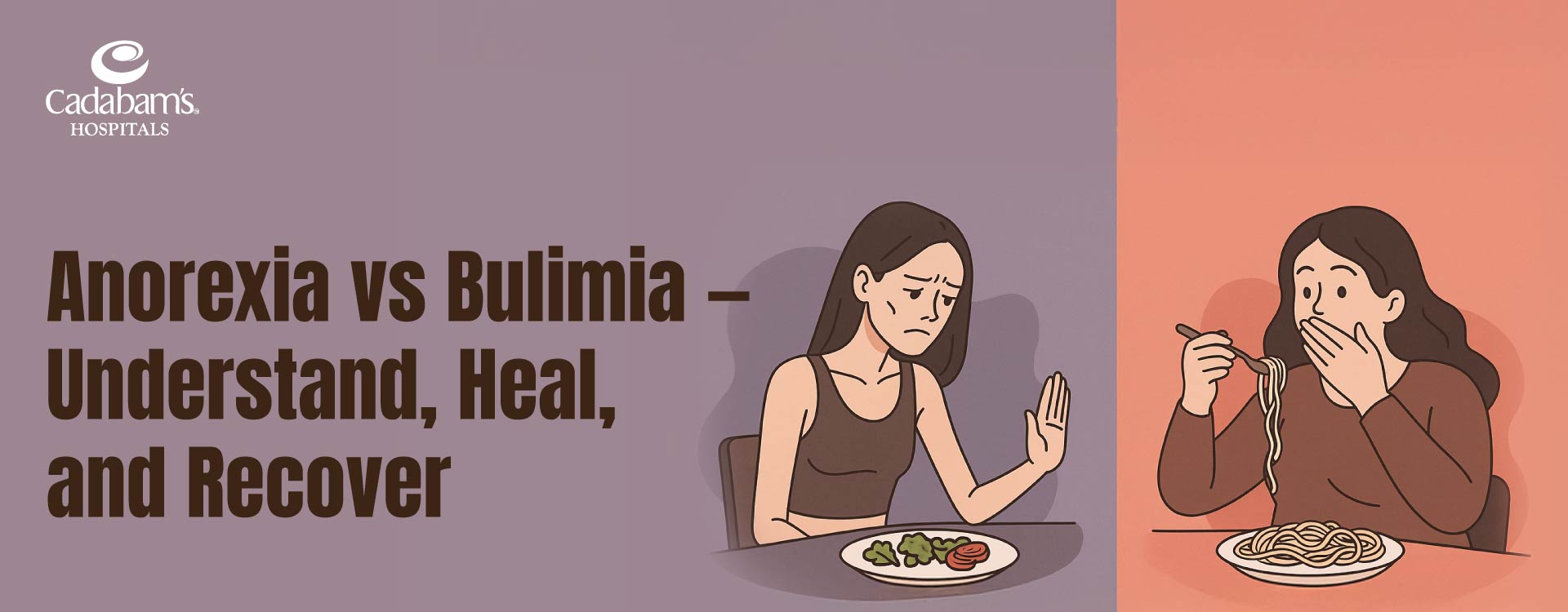
Symptoms vary but often include extreme preoccupation with weight and food, distorted body image, and patterns of food restriction, binging, or purging. Physical signs may involve significant weight fluctuations, while emotional symptoms include anxiety, depression, and social withdrawal.
Exploring the Causes of Eating Disorders
There is no single cause. Eating disorders typically arise from a combination of genetic predispositions, psychological factors like low self-esteem and perfectionism, and sociocultural pressures. Understanding these intertwined factors is crucial for effective treatment.
The Social and Emotional Impact of Eating Disorders
The impact extends far beyond physical health. Individuals often experience profound loneliness, shame, and isolation. Relationships with family and friends can become strained, and performance at work or school may decline, creating a cycle of distress.
With a team of skilled psychologists in Bangalore, Cadabam’s Hospitals offers compassionate and customized support for mental health recovery.
What is Neurofeedback Therapy?
Neurofeedback is a non-invasive, therapeutic technique that uses real-time displays of brain activity—most commonly electroencephalography (EEG)—to teach self-regulation of brain function. It is a form of direct brain training for eating disorder recovery, helping individuals to reshape their brainwave patterns for healthier mental states.
The Science Behind Neurofeedback
The therapy operates on the principle of operant conditioning. Sensors placed on the scalp measure your brainwaves. When your brain produces healthier, more stable patterns, you receive positive feedback through a video or sound. This process reinforces and strengthens these new neural pathways over time.
Neurofeedback vs. Traditional Therapies
While traditional therapies like CBT address thoughts and behaviours (a “top-down” approach), neurofeedback works from the “bottom-up.” It directly targets the underlying brain dysregulation that drives symptoms, making it an excellent complementary therapy that can enhance the effectiveness of psychotherapy and counselling.
Safety and Efficacy of Neurofeedback
Neurofeedback is widely regarded as safe and non-invasive. It does not send any electrical current to the brain; it simply “listens.” A growing body of research supports its efficacy in treating conditions rooted in brain dysregulation, including the anxiety and impulsivity common in eating disorders.
Experienced psychiatrists in Bangalore at Cadabam’s Hospitals provide personalized treatment for diverse mental health conditions.
Get Eating Disorders Diagnosed in Bangalore
A precise diagnosis is the foundation of a successful recovery plan. At Cadabam’s in Bangalore, our diagnostic process is thorough and compassionate. It involves a comprehensive evaluation by our multidisciplinary team of psychiatrists, psychologists, and clinical experts to understand your unique challenges and craft a personalised treatment strategy that addresses your specific needs effectively.
Neurofeedback Therapy in Treating Eating Disorders
Neurofeedback directly addresses the neurological imbalances that contribute to eating disorders. By targeting brainwave patterns associated with impulsivity, anxiety, and body image distortion, it provides a powerful, cutting-edge tool that adds a new dimension to conventional treatment, offering hope where other methods may have fallen short.
Mechanism of Neurofeedback in Eating Disorders Treatment
In eating disorders, neurofeedback helps calm brain regions associated with fear and anxiety (like the amygdala) while strengthening areas responsible for impulse control and emotional regulation (like the prefrontal cortex). This helps reduce obsessive thoughts and compulsive behaviours related to food and body image.
Customizing Neurofeedback for Individual Needs
Treatment begins with a qEEG brain map, which identifies the specific patterns of brainwave dysregulation unique to you. Based on this map, we design a neurofeedback protocol tailored to your brain’s specific needs, ensuring the therapy is targeted, precise, and highly effective.
Experienced counsellors in Bangalore at Cadabam’s Hospitals provide personalized support for a wide range of mental health concerns.
Integrating Neurofeedback with Other Treatments for Eating Disorders
Neurofeedback works best as part of a holistic treatment plan. By calming the nervous system and improving focus, it can make patients more receptive to traditional therapies. This synergy between neurofeedback therapy for eating disorders Bangalore and treatments like CBT and nutritional counselling enhances overall outcomes.
What to Expect in a Neurofeedback Therapy Session for Eating Disorders
Your session at Cadabam’s will be a calm and comfortable experience. You will sit in a relaxed position while a technician places sensors on your scalp—this is completely painless. You will then watch a screen or listen to sounds that respond to your brain activity. A typical session lasts 30 to 45 minutes, during which you simply relax while your brain learns to self-regulate.
Why Choose Neurofeedback Therapy for Eating Disorders Treatment?
Choosing neurofeedback means opting for a drug-free, non-invasive approach that targets the root cause of symptoms within the brain. It empowers you by teaching your brain new, healthier patterns, leading to lasting change. This innovative brain training for eating disorder recovery is especially beneficial for those who seek to enhance their existing treatment plan or have found limited success with traditional methods alone.
The Benefits of Neurofeedback Therapy for Eating Disorders Patients
Neurofeedback offers tangible benefits that directly address the core challenges of eating disorders, paving the way for sustainable recovery.
Improving Cognitive Function and Symptom Management
Patients often report a significant reduction in obsessive thoughts about food, weight, and body image. The therapy enhances cognitive control, helping to curb impulsive urges to binge or purge and allowing for more mindful decision-making around food.
Enhancing Emotional Regulation
A key benefit is a greater sense of calm and emotional stability. By re-regulating brainwave patterns, neurofeedback helps decrease the anxiety, mood swings, and depression that so often accompany eating disorders, fostering a more resilient and balanced emotional state.
Long-term Outcomes of Neurofeedback Therapy
Because neurofeedback retrains the brain, its effects are often durable. The goal is to create lasting changes in neural pathways, equipping you with the internal skills to manage stress and emotional triggers effectively, which helps build resilience against relapse and supports long-term wellness.
Looking for expert therapists in Bangalore or therapists in Hyderabad? Cadabam’s Hospitals offers professional mental health support across both cities.
Find the Best Rehab Center for Eating Disorders in Bangalore
Choosing the right rehab center is critical. Look for a facility with a multidisciplinary team, evidence-based treatments, and a commitment to personalised care. Cadabam’s stands out by offering advanced therapies and comprehensive support, making us a leading choice for Neurofeedback for Eating Disorders in Bangalore and holistic mental health care.
Why Choose Cadabam’s?
Cadabam’s stands as a beacon of hope and healing, combining decades of experience with a commitment to innovative care, making us a premier choice for mental health recovery in Bangalore.
Our Expertise in Neurofeedback and Mental Health for Eating Disorders
Our team comprises seasoned psychiatrists and certified neurofeedback technicians specializing in eating disorders, ensuring you receive expert, evidence-based care tailored to your specific needs.
State-of-the-Art Facilities in Cadabam’s for Eating Disorders
Our Bangalore centers are equipped with the latest qEEG and neurofeedback technology in a calm, therapeutic setting designed to promote comfort, safety, and effective healing.
Commitment to Holistic Treatment and Recovery for Eating Disorders
We go beyond symptoms, integrating neurofeedback with psychotherapy, nutritional guidance, and family counseling for a comprehensive approach that nurtures mind, body, and spirit.
Continued Care and Follow-Up Programs for Eating Disorders
Recovery is a journey. We provide robust aftercare programs and follow-up sessions to support your long-term wellness and help prevent relapse, ensuring sustained success.
FAQ’s
Can Neurofeedback help with Eating Disorders?
Yes. It helps regulate brain activity linked to anxiety, impulsivity, and obsessive thoughts, which are core components of eating disorders, promoting better emotional control and symptom reduction.
How long does a Neurofeedback treatment session last for Eating Disorders?
A typical neurofeedback session for an eating disorder at our Bangalore center lasts between 30 and 45 minutes, including the time for sensor placement and removal.
Who is eligible for Neurofeedback therapy?
Most individuals struggling with eating disorders are eligible. A comprehensive assessment, including a qEEG brain map, is conducted to determine if neurofeedback is the right fit for your specific condition.
Is Neurofeedback safe for treating Eating Disorders?
Yes, neurofeedback is a completely non-invasive and safe procedure. It simply reads and provides feedback on brainwave activity without sending any electrical current into the brain.
How effective is Neurofeedback for Eating Disorder?
Neurofeedback is effective in improving appetite awareness, enhancing emotional regulation, regulating the nervous system, reduce food cravings, and reduce emotional reactivity in individuals with eating disorders.
Is Neurofeedback safe for Eating Disorder?
Neurofeedback is a non-invasive technique of brain stimulation which is considered generally safe with no significant side effects. In case side effects occur, they are usually short lived and mild, resolving within 24-28 hours after the session.
How many numbers of sessions are required?
The number of neurofeedback sessions required depends on the individual’s unique condition and response to the treatment sessions.
 Available