Table of Content
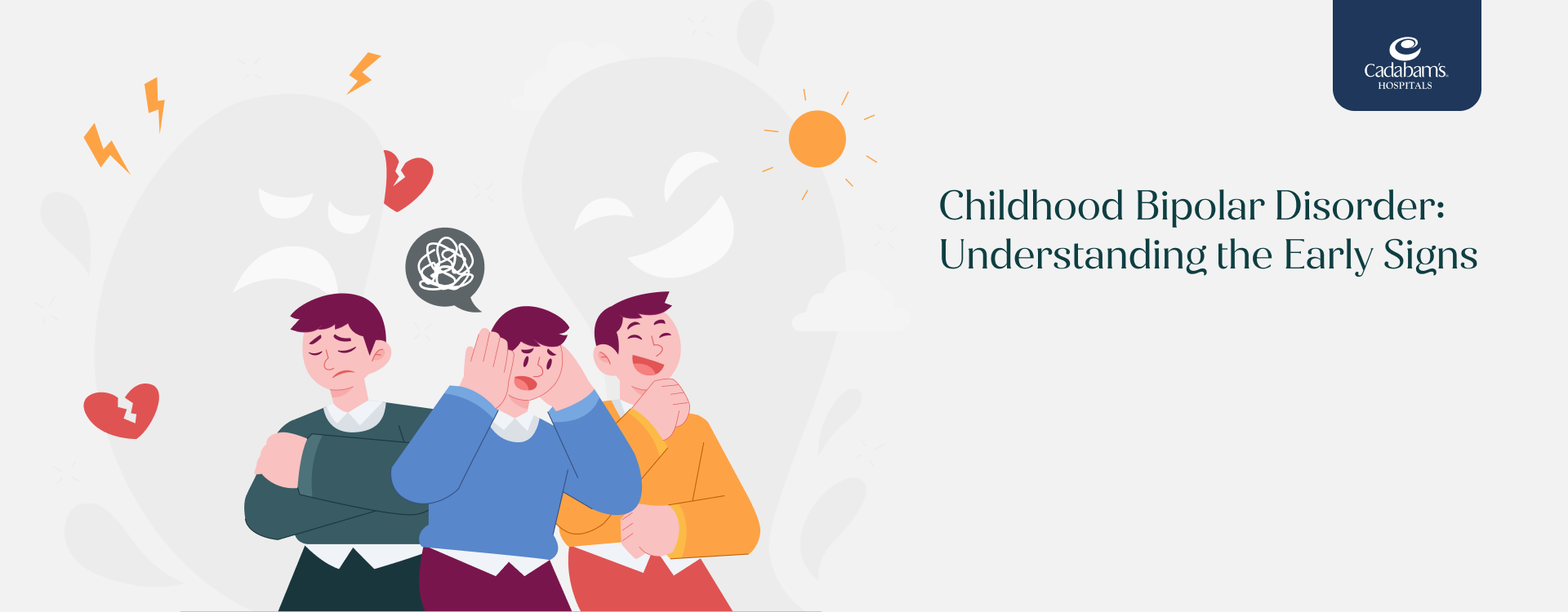
Parenting is a journey filled with joy, learning, and constant change. As children grow, their moods, behaviours, and emotions naturally evolve. But sometimes, these shifts can be more intense or unpredictable than expected—raising concerns beyond the usual ups and downs of growing up.
One such concern is childhood bipolar disorder, a serious mental health condition that often begins early in life. In fact, research shows that nearly 65% of adults with bipolar disorder first experience symptoms before age 18.
So, how can you tell the difference between normal developmental changes and the early signs of bipolar disorder in children? This guide will help you understand the symptoms, get clarity on diagnosis, and explore the most effective treatment options—so you can support your child with confidence and care.
What is Bipolar Disorder in Children?
We know bipolar disorder is a mental condition that causes severe mood swings with episodes of mania, hypomania, and depression. However, it is a lot different in children than adults, making the illness a lot more challenging to diagnose in children.
In adults, the periods of mania, hypomania, and depression usually stay for a longer for a longer duration, and the transition from mania to depression is quite visible.
However, in the case of children, it is different. They tend to experience mood swings faster, and the symptoms may occur several times a day. They also experience the symptoms of mania and depression simultaneously.
How Does Bipolar Disorder Impact Children?
Bipolar disorder impacts the lives of children and teenagers in numerous ways. Unlike adults, children often experience faster and less distinct mood shifts—moving from giddiness to anger or even unprovoked crying within the same day. These rapid changes can make diagnosis more complex.
The condition affects several aspects of daily life, including academic performance, concentration, sleep patterns, and energy levels. Children may struggle with extreme highs and lows, difficulty thinking clearly, or episodes of impulsivity. In some cases, they may experience self-harming thoughts or emotional distress that can interfere with school, friendships, and family relationships.
Importantly, bipolar disorder in children is not just a more intense version of typical mood swings—it’s a serious mental health condition that requires early support and proper treatment.
Recognising the Symptoms of Bipolar Disorder in Children and Teens
Children and teens with bipolar disorder go through extreme emotional highs (mania) and lows (depression), also known as mood episodes.
Manic episodes may cause overexcitement, high energy, irritability, or sudden anger. Depressive episodes bring sadness, low energy, and withdrawal.
Some children experience mixed episodes or rapid cycling, where mood shifts happen quickly—even in a single day. Noticing these patterns early is key to getting help.
Signs and Symptoms of Manic Episodes
Children experiencing a manic episode may appear overly energetic, talkative, impatient, or restless. Unlike adults, they’re often more irritable than euphoric. Signs include rapid speech, little need for sleep, difficulty focusing, defiant behaviour, reckless actions, and an intense interest in risky activities—often far beyond typical childhood enthusiasm.
Below are some common signs of manic episodes seen in children with bipolar disorder:
| Overly Happy and Excited | Unusually Impatient | Too Much Energy |
| No Sleep for Days | Lack of Concentration | Unusually Irritable |
| Switch Topics Rapidly | Overly Interested | Reckless |
| Very Talkative | Defiant | Lack of Seriousness |
Signs and Symptoms of Depressive Episodes
During a depressive episode, children often seem persistently sad, withdrawn, or irritable. They may lose interest in activities, struggle with low energy, sleep disturbances, or self-esteem issues. Physical symptoms like headaches or stomach pain can also appear. Academic performance and social connections may decline significantly during this phase.
Here are common signs of depressive episodes in children and teens with bipolar disorder:
| Overly Sad | Uninterested in Things Previously Enjoyed | Low Energy |
| Sleep too much or Lack of Sleep | Poor Academic Performance | Self-Harm Thoughts |
| Low Confidence | Headaches | Stomach Pain |
| Irritated | Sensitive to Rejection/ Failure | Lack of Interest in School and Friends |
Causes of Bipolar Disorder in Children and Adolescents
We don’t know what exactly causes bipolar disorder. However, scientists believe that it may be a culmination of multiple facts, and these are:-
Genetic Factors
Genetics is believed to be one of the primary factors of bipolar disorder. Close to 80% of the total cases of bipolar disorder have links to genetics. A few studies suggest that if one of the parents has bipolar disorder, then there is a 10% chance that the illness will be passed on to the next generation. If both parents have the condition, then the passed-on percentage increases to 44%. However, more studies are required to fully understand its role in bipolar disorder.
Brain Structure and Function
Bipolar disorder is closely linked to brain structure and its function. The illness also causes certain regions of the brain to shrink. A 2017 study analysed brain scans and found that the condition causes a decrease in grey matter thickness in the frontal, temporal, and parietal lobes. All these changes influence emotions, thinking, concentration, sleep, and cognitive functions.
Neurochemical Imbalances
Neurochemicals such as dopamine, serotonin, noradrenaline, etc., are responsible for controlling our brain’s function. Any imbalance in these neurotransmitters can cause symptoms of bipolar disorder. For example, if the level of the brain chemical noradrenaline is too high or too low, it may cause episodes of bipolar mania and depression.
Environmental Triggers
Bipolar disorder is a complex condition, and many factors play roles in its development in individuals. The environment or the surroundings we grow up in is one such factor that can cause bipolar disorder. For example, traumatic events in childhood, Stressful life events, substance abuse, etc. can greatly contribute.
Addressing Risks in Teens with Bipolar Disorder
Teens with bipolar disorder face greater risks of substance abuse, self-harm, and suicidal tendencies, which are some of the major concerns in teens. Numerous studies indicate a significant increase in suicide attempts compared to the general population. Addressing these risks requires working closely with healthcare professionals to assess the teen's specific needs and how to implement a safety plan.
Co-Morbid Conditions in Children with Bipolar Disorder
Previously we discussed that bipolar disorder symptoms are very similar to other mental illnesses and this makes diagnosis a challenging task. But many a time, these overlapping symptoms do indicate the presence of other mental health conditions. These claims have been backed by numerous studies.
According to one study, the prevalence of anxiety disorder in youth with bipolar disorder is 54%, followed by ADHD (48%), disruptive behaviour disorder (31%), and substance use disorder (31%).
Diagnosing Bipolar Disorder in Children
Diagnosing bipolar disorder in children can be complex. Young children may struggle to express their emotions, and symptoms often overlap with other conditions like ADHD or depression. To ensure accuracy, mental health professionals use a combination of tools, including:
- A physical examination
- Review of medical and family history
- Blood tests to rule out physical causes
- A detailed mental health evaluation by a psychologist or psychiatrist
Sometimes, teachers or caregivers may also be asked to complete behaviour questionnaires to offer more context about the child’s mood and energy levels.
Why Early Diagnosis Important in Children with Bipolar Disorder
Like in any illness, early diagnosis has its share of benefits and advantages, especially for children experiencing mental health issues like bipolar disorder. Early interventions allow mental health professionals to implement treatments that can help in better management of bipolar symptoms throughout the child’s life. Consequently, improving quality of life and effectively reducing future episodes of depression and mania. Starting treatment early also helps develop healthier emotional and behavioural coping mechanisms for the long term.
Differentiating Bipolar Disorder in Children from Other Disorders
Accurately diagnosing bipolar disorder in children is critical and, at the same time, difficult since many symptoms overlap with other common mental health conditions, leading to frequent misdiagnosis. Disorders with similar features include:
- ADHD
- Autism spectrum disorder
- Oppositional defiant disorder (ODD)
- Conduct disorder
- Major depression
- Anxiety disorders
- Substance use disorders
- Trauma-related conditions
For example, while both ADHD and bipolar disorder involve impulsivity and hyperactivity, only bipolar disorder includes intense mood swings between mania and depression. Similarly, major depression causes prolonged sadness and low energy but lacks the manic or euphoric phases seen in bipolar disorder.
Because these conditions can also co-occur with bipolar disorder, a comprehensive evaluation by a qualified mental health professional is essential. Only a trained expert can differentiate these overlapping symptoms and arrive at an accurate diagnosis, ensuring that children receive the right treatment at the right time.
Treatment Options for Children with Bipolar Disorder
Bipolar disorder is considered to be a life-long condition, and the focus of treatments is majorly on managing symptoms and developing coping strategies. These treatments are often combined with medications and psychotherapy. Here are some of the main treatments for pediatric bipolar disorder and other related information.
Medication for Children with Bipolar Disorder
Prescribed medicines like mood stabilisers and antipsychotic drugs are quite effective in treating bipolar disorder. These medications help in managing mood swings and other symptoms that are related to bipolar disorder.
While medications are often effective, parents naturally have concerns about potential side effects. Although studies on children are still evolving, some commonly reported side effects include:
- Nausea and vomiting
- Weight gain
- Sedation or drowsiness
- Insomnia
- Alopecia (hair loss)
- Tremors
- Dizziness
- Fatigue or tiredness
Mental health professionals monitor these effects closely and adjust dosages or medications as needed to find the best balance of safety and effectiveness for each child.
Psychotherapy for Children with Bipolar Disorder
Psychotherapy is one of the most effective, evidence-backed treatments for bipolar disorder. In simple terms, psychotherapy refers to a wide range of treatments that aim to help people change their thinking, emotions, and behaviour through a medium of conversation with licensed mental health professionals. Here are some common therapeutic approaches used to treat bipolar disorder in children.
Psychoeducation: A structured approach where mental health professionals educate children and families about bipolar disorder, including symptoms, triggers, and treatment plans.
Cognitive Behavioural Therapy (CBT):. Helps children identify and reframe negative thought patterns that affect behaviour. Delivered through conversation, CBT builds practical coping strategies.
Family-Focused Therapy (FFT): FFT is designed not only for children with bipolar disorder but also for their caregivers and family members. The goal is to improve family dynamics that may impact the child’s recovery. This therapy combines education about bipolar disorder with practical skills training, such as enhancing communication and learning effective problem-solving strategies. It also helps families identify early warning signs of mood episodes and create structured plans to manage them proactively.
Interpersonal and Social Rhythm Therapy (IPSRT): IPSRT is based on the idea that even slight changes have the potential to cause mood swings in people with bipolar disorder. Thus, it aims to minimise disruptions in daily routines, and the internal clock called the “circadian rhythms,” which regulate the wake-up and sleep cycle.
Dialectical Behaviour Therapy (DBT): A form of talk therapy especially useful for managing intense emotions. It teaches emotional regulation, distress tolerance, and behavioural change strategies.
Chronotherapy: Targets disturbances in the body’s internal clock (circadian rhythm). This therapy helps reset sleep cycles, supporting mood stability over time.
Lifestyle Changes and Support
Alongside therapy and medication, lifestyle adjustments can make a significant impact. Encouraging your child to adopt healthy routines supports emotional regulation and general well-being. These habits include:
- Regular physical activity (e.g., walking, yoga, sports)
- Balanced, nutritious meals
- Proper sleep hygiene and a consistent bedtime routine
- Journaling, reading, or creative expression
- Reducing screen time and eliminating alcohol or tobacco exposure (if applicable)
- Supportive social interactions and family time
When Should You Seek Professional Help for Bipolar Disorder in Children and Adolescents?
Children with bipolar disorder show extreme mood swings, but recognising when to seek professional support isn’t always straightforward. Parents may overlook symptoms or mistake them for normal developmental behaviour. However, the following signs may indicate it’s time to consult a mental health specialist:
- Behaviour problems interfering with daily life
- Are they able to attend school?
- Are they able to engage in play with other kids?
- If they are self-doubting and feel something wrong with them
- Family history
- Talk or behave in a way that is unusual for their age
- Find it difficult to perform even normal task
If you notice any of these warning signs, don’t wait—early professional intervention can significantly improve your child’s long-term mental health and development.
Supporting Your Child with Bipolar Disorder at School and Home
A stable and understanding environment, both at school and at home, is essential for helping children manage bipolar disorder. Below are practical ways in which you can provide consistent, compassionate support to your child at school and at home.
Collaborating with Schools for Tailored Educational Support
For academic support, parents can work closely with school officials who can tailor suitable schedules that will support the child’s education.
- Develop an Individualised Education Plan (IEP): Work with teachers and school staff to create a customised education plan that fits your child’s unique needs. Regular communication helps adjust workload and schedules as required.
- Provide Behavioural Support in School: Teachers and school psychologists can implement behaviour plans, encourage positive reinforcement, and take appropriate action when needed to maintain structure.
- Ensure Access to Academic Assistance: Request accommodations like modified schedules, flexible deadlines, or access to the school counsellor. These supports help reduce stress and promote consistent learning.
- Coordinate with Caregivers and Educators: Stay in regular contact with teachers, coaches, babysitters, or counsellors. Sharing observations helps build a comprehensive understanding of your child’s behaviours and ensures early intervention if symptoms worsen.
Enhancing Support at Home
Bipolar disorder can change the dynamics of a family; hence, it is important to create a supportive home environment. Here are some tips you can implement to enhance your kid's support at home.
- Educate the Whole Family: Make sure every family member understands bipolar disorder—its symptoms, triggers, and treatment. This shared understanding helps everyone respond with empathy and patience.
- Encourage Emotional Expression: Create a safe space where your child feels comfortable sharing thoughts and feelings. Listening without judgment helps them feel heard and supported.
- Foster Open Communication About Treatment: Have regular, honest conversations with your child about their treatment plan. This builds trust and encourages them to take ownership of their mental health journey.
- Emphasise the Importance of Following the Treatment Plan: Help your child understand that medication and therapy are essential tools in feeling better; not punishments. Encourage consistency in taking prescribed medicines and attending therapy sessions as scheduled.
- Stay Patient with Progress: Treatment takes time, and symptoms may not improve overnight. Patience and consistency are key. Celebrate small steps and remain committed to the journey.
- Maintain a Consistent Routine: Daily routines, especially around sleep, meals, and schoolwork, help reduce mood fluctuations and provide a sense of stability for your child.
- Track Moods and Triggers: Consider maintaining a symptom diary to monitor mood changes, sleep patterns, or stress triggers. This can be a valuable tool for both parents and mental health professionals in adjusting care plans.
- Teach Healthy Stress Management: Stress can intensify mood episodes. Introduce calming techniques such as deep breathing, guided relaxation, or creative activities to help your child unwind.
- Practice Self-Care as a Parent: You can care for your child best when you’re caring for yourself. Prioritise rest, balanced nutrition, mindfulness, and give yourself grace on hard days.
A Brighter Tomorrow with Cadabam’s Hospitals: Supporting Children and Teens with Bipolar Disorder
Bipolar disorder in children and teens presents unique challenges. Mood swings can disrupt their academic performance, social interactions, and overall well-being. Caregivers often face immense strain, struggling to understand the condition and manage its unpredictable nature.
At Cadabam’s Hospitals, you’ll find modern, well-equipped facilities designed to offer both privacy and comfort. Our multidisciplinary team, comprising psychiatrists, therapists, and rehabilitation experts, works collaboratively to ensure holistic, evidence-based care. With a focus on long-term recovery and quality of life, we empower individuals to manage their condition and rebuild their lives with dignity and support. We leverage evidence-based approaches and holistic treatment methods to help children effectively manage Bipolar Disorder.
With decades of experience in child and adolescent mental health, Cadabam’s Hospitals is dedicated to helping young minds thrive despite the challenges of bipolar disorder. From early intervention to long-term support, we provide families with the tools, guidance, and care needed to foster emotional stability, academic progress, and meaningful relationships. Get in touch with us today. You can call us at +91 97414 76476. You can even email us at info@cadabamshospitals.com.
FAQs
How does bipolar disorder affect children's daily lives?
Bipolar disorder in children can disrupt daily life with mood swings, affecting concentration, relationships, and school performance. Episodes of mania may lead to impulsivity and risky behaviour, while depressive episodes can cause withdrawal and difficulty functioning.
How is bipolar disorder diagnosed in children?
Bipolar disorder in children is diagnosed through a comprehensive evaluation by mental health professionals. Criteria include mood swings, changes in energy, sleep disturbances, and risky behaviour. Assessments involve interviews, observation, and medical history review. Differential diagnosis is important to rule out other conditions.
How can I help my child with bipolar disorder?
Support your child with bipolar disorder by maintaining a consistent routine, providing a safe and understanding environment, educating yourself about the condition, ensuring they have access to proper medication and therapy, and fostering open communication. Seek guidance from mental health professionals for personalised strategies and support.
What treatments are available for children with bipolar disorder?
Treatment options for children with bipolar disorder include medication, therapy, and lifestyle adjustments. Medications like mood stabilisers or atypical antipsychotics may be prescribed to manage symptoms. Therapy, such as cognitive-behavioural therapy, can help children learn coping strategies. Lifestyle changes like maintaining a regular schedule and healthy habits are also beneficial.
How can psychotherapy help children with bipolar disorder?
Psychotherapy for children with bipolar disorder aims to provide coping skills, emotional regulation techniques, and support in understanding and managing their symptoms. Therapists work with children and their families to identify triggers, improve communication, and enhance problem-solving abilities, fostering stability and improved quality of life.
How Cadabam's Help you for Addiction?
- 410+ Professional Consultants
- 1,00,00+ Happy Faces
- 120+ Currently Seeking Treatments