What Causes Bipolar Disorder?
The exact cause of bipolar disorder is not completely understood. However, research suggests that a combination of biological, genetic, and environmental factors contributes to the development of the condition.
Common factors include:
- Family history of bipolar disorder or mood disorders
- Changes in brain chemistry and neurotransmitters
- Stressful life events or trauma
- Disrupted sleep patterns and lifestyle instability
Understanding these contributing factors helps clinicians create personalised plans for bipolar disorder treatment.
Why Is a Rehab Treatment Centrefor Bipolar Disorder Important?
For some individuals, bipolar disorder can severely affect their ability to manage daily responsibilities and relationships. When symptoms become difficult to control, structured care through rehab for bipolar disorder can provide the stability required to begin recovery.
Rehabilitation centres help individuals by:
- Providing a safe and supportive environment focused on recovery
- Offering structured daily routines that stabilise mood patterns
- Ensuring consistent medication monitoring and therapy sessions
- Helping individuals rebuild life skills and emotional resilience
This structured approach helps individuals regain control over their lives while continuing their bipolar disorder treatment.
What Does Bipolar Disorder Rehabilitation Typically Include?
Rehabilitation programs for bipolar disorder provide structured clinical support that goes beyond routine outpatient care. These programs are designed to stabilise mood episodes, improve daily functioning, and help individuals develop long-term strategies to manage their condition effectively.
A comprehensive bipolar disorder rehab program usually includes:
- psychiatric evaluation and medication management
- individual psychotherapy sessions with trained therapists
- psychoeducation to help individuals understand bipolar disorder and recognise mood triggers
- structured daily routines that support healthy sleep and activity patterns
- family counselling to strengthen support systems and communication
- relapse prevention planning to help individuals manage future mood episodes
These components work together to support long-term bipolar disorder treatment and help individuals gradually return to stable routines and improved quality of life.
What Specialists Provide Bipolar Disorder Treatment in Bangalore?
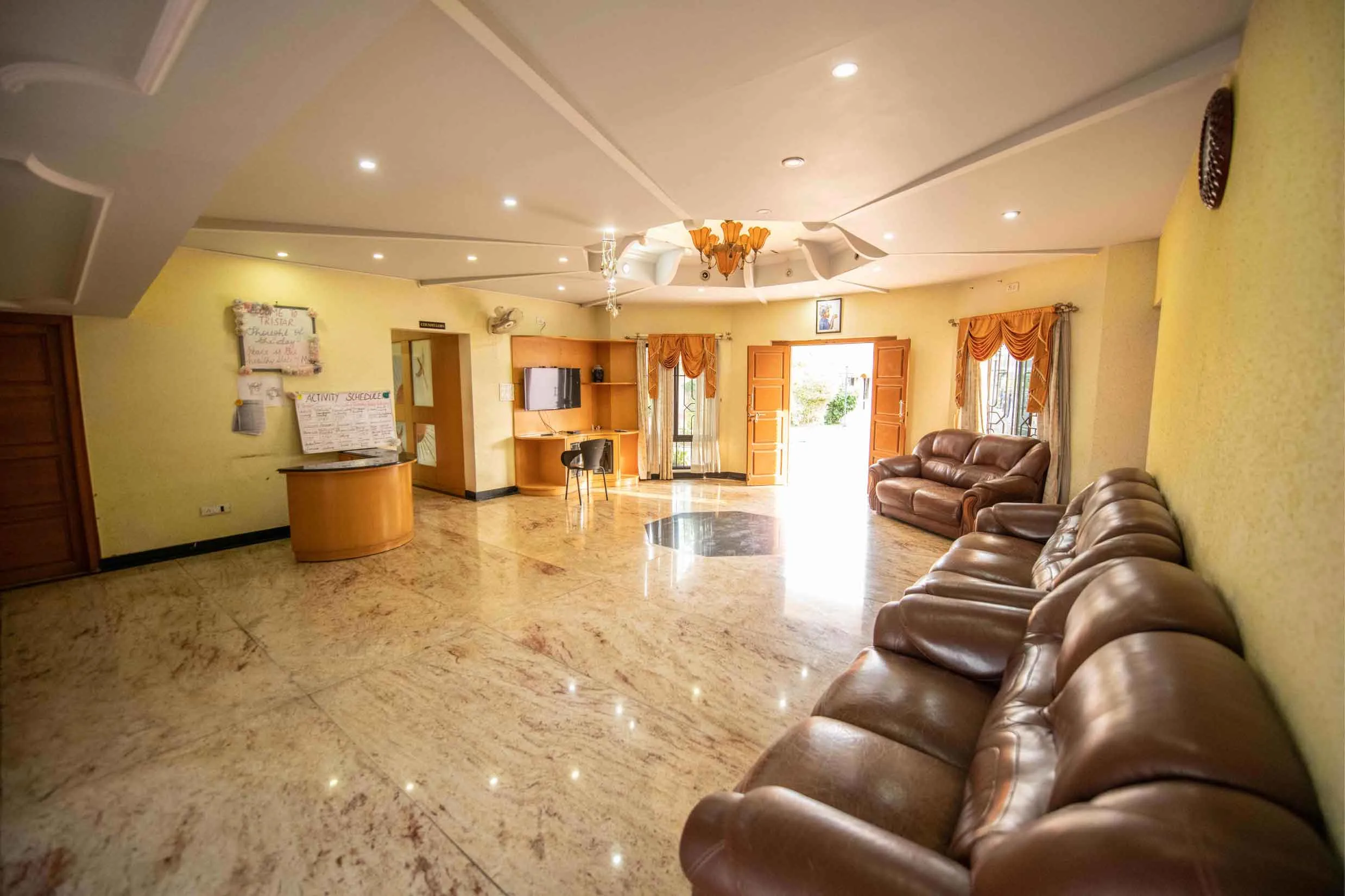
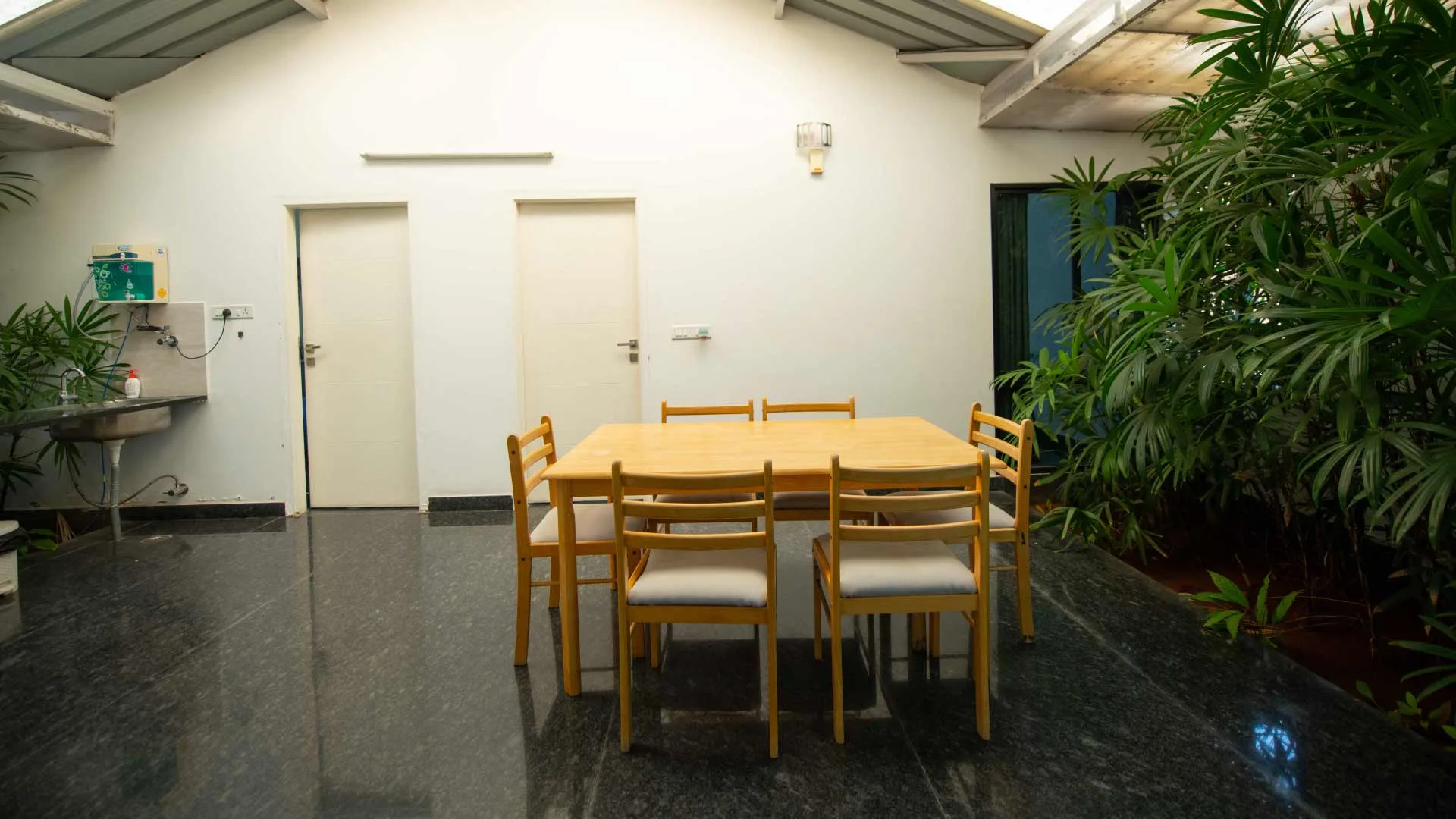
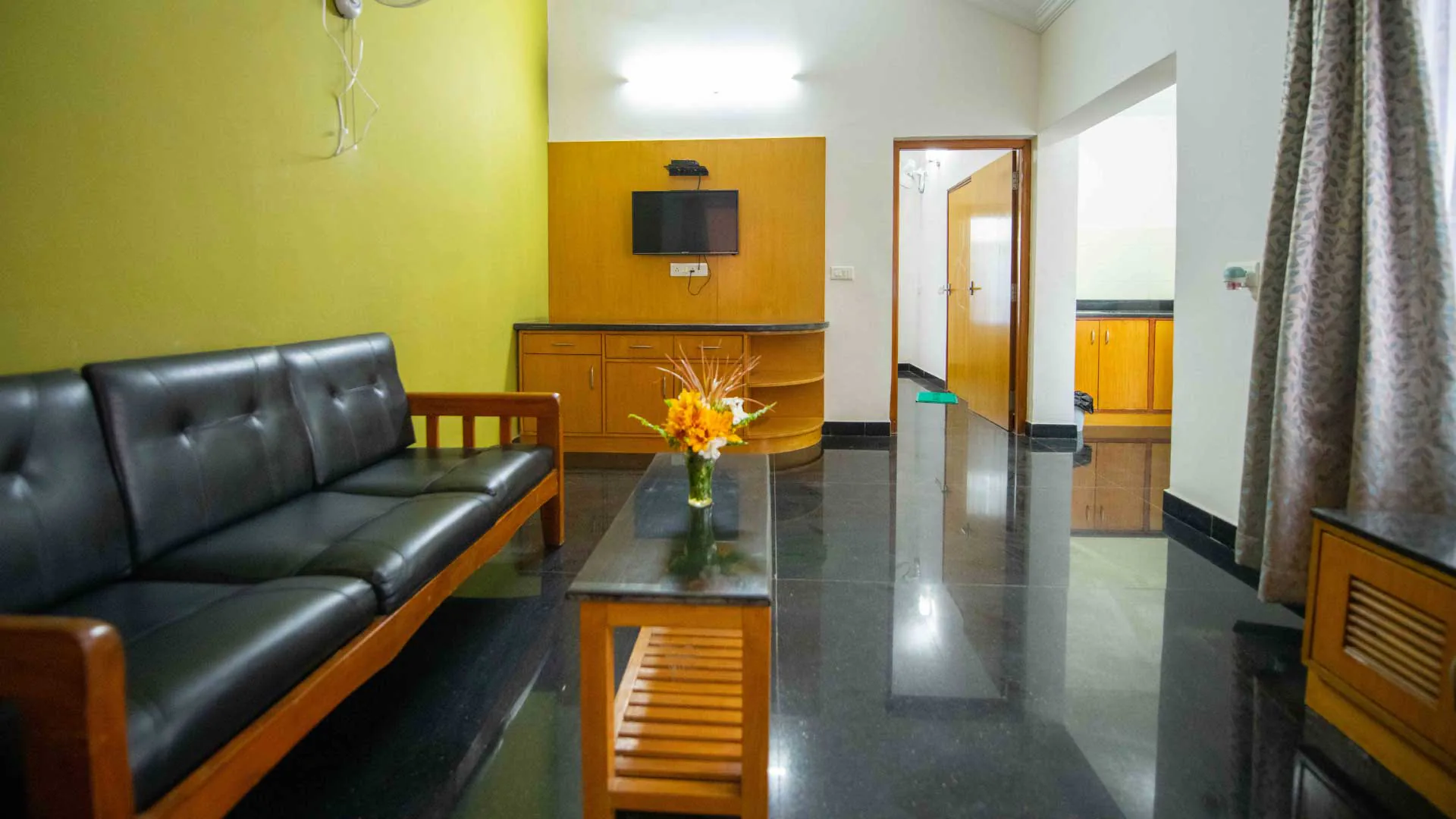
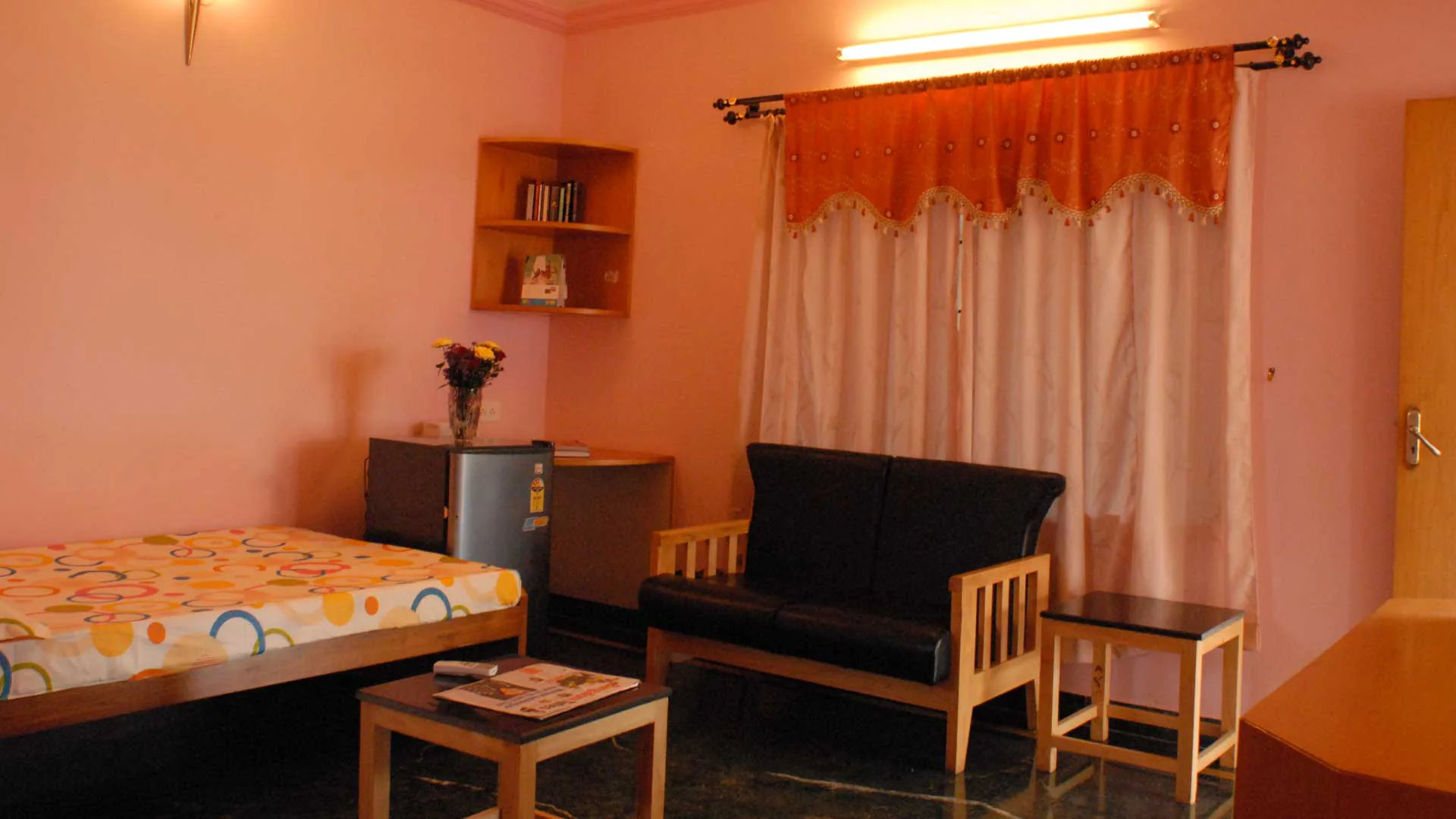
Managing bipolar disorder often requires the support of multiple mental health professionals. At Cadabam’s Hospitals, individuals receive care from a multidisciplinary team that focuses on both treatment and rehabilitation.
Specialists involved in bipolar disorder treatment include:
- Psychiatrists who diagnose the disorder and manage medications
- Clinical psychologists who provide psychotherapy and behavioural interventions
- Therapists and counsellors who help individuals build coping strategies
- Rehabilitation professionals who assist with daily functioning and recovery
This collaborative approach ensures that individuals receive comprehensive care at specialised treatment facilities for bipolar disorder.
What Therapy and Bipolar Disorder Treatment Programs Are Available in Bangalore?
Effective bipolar disorder treatment usually involves a combination of medication, psychotherapy, and structured recovery support. These treatment approaches help stabilise mood episodes, reduce relapse risk, and support long-term emotional balance.
Medication Management for Bipolar Disorder Treatment
Medication is a core part of bipolar disorder treatment and is usually prescribed by psychiatrists to stabilise mood changes. Mood stabilisers, antipsychotic medications, or other medicines may be recommended depending on symptoms, and regular monitoring helps ensure the treatment remains effective.
Cognitive Behavioural Therapy (CBT) for Bipolar Disorder
Cognitive Behavioural Therapy helps individuals recognise negative thinking patterns that may contribute to mood instability. CBT also teaches practical coping skills that help individuals manage stress, identify early warning signs of mood changes, and maintain emotional stability.
Psychoeducation in Bipolar Disorder Treatment
Psychoeducation focuses on helping individuals and families understand bipolar disorder, its triggers, and the importance of consistent treatment. Learning about the condition helps individuals recognise early symptoms and take preventive steps as part of ongoing bipolar disorder treatment.
Family Therapy for Bipolar Disorder Recovery
Family therapy helps improve communication and understanding between individuals with bipolar disorder and their caregivers. This approach supports recovery by helping family members recognise mood changes and provide appropriate support during treatment.
Group Therapy in Bipolar Treatment Centers
Group therapy allows individuals to connect with others who are facing similar challenges. Many bipolar treatment centers include group sessions to provide peer support, share coping strategies, and reduce feelings of isolation during recovery.
Structured Bipolar Disorder Rehab Programs
Structured bipolar disorder rehab programs provide supervised care for individuals who need more intensive support. These programs combine therapy, medication monitoring, and daily routine management to help individuals stabilise symptoms and continue their bipolar disorder treatment effectively.
What Should You Check Before Choosing a Bipolar Rehab Centre in Bangalore?
Choosing the right rehabilitation centre is an important step in ensuring effective treatment. Individuals and families should carefully evaluate the facilities and expertise offered by the centre before making a decision.
Key factors to consider include:
- the qualifications and experience of the treatment team
- availability of psychiatrists and psychologists
- structured therapy and rehabilitation programs
- medical infrastructure and safety protocols
- personalised treatment planning
Selecting the right bipolar treatment centres can greatly influence recovery outcomes.
What Are the Benefits of Choosing a Bipolar Rehabilitation Centre in Bangalore?
A rehabilitation centre allows individuals to focus entirely on recovery without the pressures of everyday responsibilities. Structured programs provide continuous support that helps stabilise mood patterns and promote long-term recovery.
Benefits of bipolar disorder rehab include:
- Consistent psychiatric supervision
- Structured routines that stabilise sleep and mood
- Regular therapy sessions and counselling
- Support for medication adherence
- Development of coping strategies for long-term stability
How Effective Is Rehabilitation for Bipolar Disorder?
Rehabilitation can be highly beneficial for individuals experiencing moderate to severe symptoms of bipolar disorder. Structured programs provide a safe environment where individuals can focus on stabilising mood episodes and developing healthy coping strategies.
When combined with medication and psychotherapy, rehabilitation strengthens the effectiveness of bipolar disorder treatment and helps reduce the likelihood of relapse.
Why Choose Cadabam’s Hospitals for Bipolar Disorder Treatment in Bangalore?
At Cadabam’s Hospitals, individuals receive structured and personalised bipolar disorder treatment that focuses on stabilising symptoms and improving everyday functioning. Our treatment approach combines psychiatric care, psychotherapy, and rehabilitation support to help individuals manage mood episodes and build long-term coping strategies.
If you are searching for a solution to your problem, Cadabam’s Hospitals can help you with its team of specialised experts. We have been helping thousands of people live healthier and happier lives for 33+ years. We leverage evidence-based approaches and holistic treatment methods to help individuals effectively manage their Bipolar Disorder. Get in touch with us today. You can call us at +91 97414 76476. You can even email us at info@cadabamshospitals.com.
Top Bipolar Disorder Doctors at Cadabam’s Hospitals
Bipolar Disorder Rehabilitation
Best Bipolar Disorder Treatments Offered at Cadabam’s Hospitals
More Additional Resources