What Is Biofeedback Therapy?
The Science Behind Biofeedback
Biofeedback operates on the principle of the mind-body connection. It uses electronic sensors to monitor physiological functions like heart rate, muscle tension, and skin temperature. This data is then displayed to the patient in real time, allowing them to see how their thoughts and emotions affect their body. By learning to control these responses, individuals can better manage stress and anxiety associated with OCD.
Biofeedback vs. Traditional Therapies
Unlike traditional therapies that primarily focus on cognitive or pharmacological interventions, biofeedback provides a direct, physiological approach. While therapies like CBT are invaluable, biofeedback adds a crucial layer by teaching patients tangible skills to regulate their autonomic nervous system. It is not a replacement but a powerful complement that empowers patients with an active role in their own regulation.
Safety and Efficacy of Biofeedback
Biofeedback therapy is a non-invasive and safe treatment with minimal to no side effects. Its efficacy in managing anxiety-related conditions, including OCD, is well-documented. By helping individuals gain control over involuntary bodily responses, it reduces the physiological arousal that fuels obsessive thoughts and compulsive behaviours, making it a highly effective component of a comprehensive treatment strategy.
Benefits of Biofeedback for OCD Patients
Biofeedback offers a range of specific advantages for individuals with OCD, directly targeting the physiological underpinnings of the disorder.
Enhances Emotional Regulation and Stress Management
Patients learn to consciously influence their physiological state, such as lowering their heart rate or relaxing muscle tension during moments of high anxiety. This skill is crucial for managing the intense distress caused by obsessions and breaking the cycle of compulsive responses.
Improves Symptom Management
By reducing the body’s stress response, biofeedback can decrease the frequency and intensity of both obsessions and compulsions. It provides an in-the-moment tool to de-escalate anxiety before it triggers a compulsive behaviour, giving patients a greater sense of control over their OCD symptoms.
Boosts Patient Engagement and Self-Awareness
The interactive nature of biofeedback therapy makes patients active participants in their recovery. Seeing a direct link between their mental state and physiological responses fosters a deeper self-awareness and empowers them to take proactive steps in managing their condition, increasing motivation and engagement in their overall care plan.
How Biofeedback Complements Traditional OCD Treatments
Biofeedback seamlessly integrates with and enhances traditional OCD treatments like Exposure and Response Prevention (ERP) and medication. While ERP helps patients confront their fears, biofeedback provides them with the skills to manage the intense anxiety that arises during these exposures. It equips patients to stay regulated, making traditional therapies more tolerable and effective.
Navigating the Biofeedback Process for OCD in Mysore
Steps Involved in Biofeedback Therapy
A typical session involves a trained therapist attaching painless sensors to your skin to monitor physiological signals. This information is fed back to you through visual or auditory cues on a screen. The therapist then guides you through relaxation techniques and mental exercises to help you learn to control these signals and manage your body’s response to stress.
Patient Preparation and Involvement
No special preparation is needed for a session. The most important aspect is the patient’s active involvement and willingness to learn. You will be an active participant, practising techniques both during sessions and at home. Your commitment to engaging with the process is key to achieving lasting results and mastering self-regulation skills.
Monitoring and Interpreting Biofeedback Results
Throughout the therapy, the therapist helps you understand the data presented. You will learn to recognise how certain thoughts trigger physiological stress and how your relaxation efforts bring those levels down. This immediate feedback helps reinforce effective techniques and provides clear markers of progress, motivating you to continue practising.
Customizing Biofeedback Therapy for Individual Needs in Mysore
Assessing Individual Patient Needs
Effective treatment begins with a thorough assessment. At Cadabam’s Hospitals, our specialists conduct a comprehensive evaluation to understand your specific OCD symptoms, triggers, and physiological stress patterns. This initial step is crucial for designing a biofeedback protocol that directly addresses your unique needs for optimal recovery.
Developing Personalized Biofeedback Plans
Based on the initial assessment, a personalized care plan is created. This plan specifies the type of biofeedback to be used, the targeted physiological responses, and the specific techniques to be taught. This tailored approach ensures that the therapy is relevant and effective for your individual experience with OCD.
Adjusting Therapy Based on Patient Response and Progress
Biofeedback is a dynamic process. At Cadabam’s Spark Hospitals, our clinicians continuously monitor your progress and adjust the therapy plan accordingly. As you master certain skills, the focus may shift to new challenges or more advanced techniques, ensuring that your treatment evolves with your growing ability to self-regulate.
Integrating Biofeedback Into Holistic OCD Care in Mysore
Role of Biofeedback in a Broader Treatment Plan
Biofeedback is most effective when it is part of a holistic care plan. It complements other evidence-based treatments like psychotherapy ( CBT/ERP) and medication management. By addressing the physiological component of anxiety, it enhances the effectiveness of psychological therapies that target cognitive and behavioural patterns, creating a synergistic effect.
Collaborating With Mental Health Professionals
Comprehensive OCD care involves a team of experts. Our biofeedback therapists work in close collaboration with psychiatrists, psychologists, and counsellors. This collaborative approach ensures that all aspects of your well-being are addressed, and your care plan is cohesive, integrated, and aligned with your overall recovery goals.
Ensuring a Multidisciplinary Approach to Care
A multidisciplinary team brings diverse expertise to your treatment. At Cadabam’s Spark Hospitals, this means your psychiatrist may manage medication, your psychologist may lead ERP sessions, and your biofeedback therapist teaches you self-regulation skills. This integrated method ensures a well-rounded and robust approach to tackling the complexities of OCD.
Find the Best Biofeedback Therapy for OCD Management
Choosing the right provider is essential for successful treatment. Look for a centre with experienced professionals, advanced technology, and a commitment to personalized, evidence-based care. The right environment will not only provide effective treatment but also support you throughout your recovery journey.
Cadabam’s Hospitals: Pioneering Biofeedback Therapy for OCD in Mysore
As a leader in mental health care, Cadabam’s Spark Hospitals offers cutting-edge biofeedback solutions. This section details our expertise, facilities, and comprehensive approach to treating OCD in Mysore.
Our Expertise in Biofeedback Therapy for OCD
Our team consists of highly trained and experienced therapists who specialize in using biofeedback for OCD management. We stay updated with the latest research and techniques to ensure our patients receive the most effective, evidence-based care available, helping them achieve significant symptom reduction and improved emotional control.
Assessment and Personalized Treatment Planning for OCD
We believe that one size does not fit all. Our process begins with a detailed assessment to create a highly personalized care plan. This plan targets your specific symptoms and goals, ensuring that every session is designed to maximize your progress and empower you with relevant self-regulation skills.
State-of-the-Art Hospitals and Supportive Environment for OCD
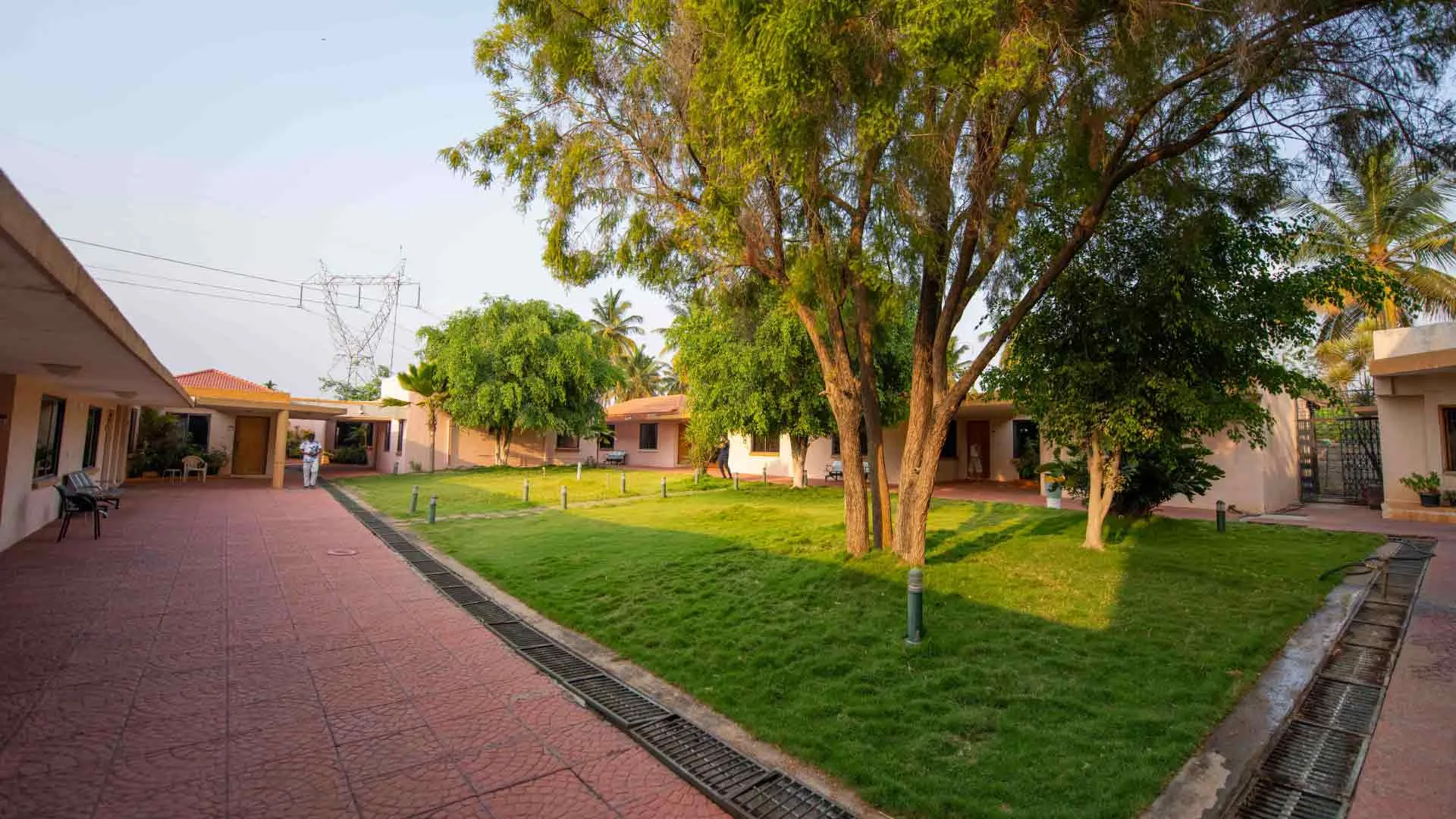
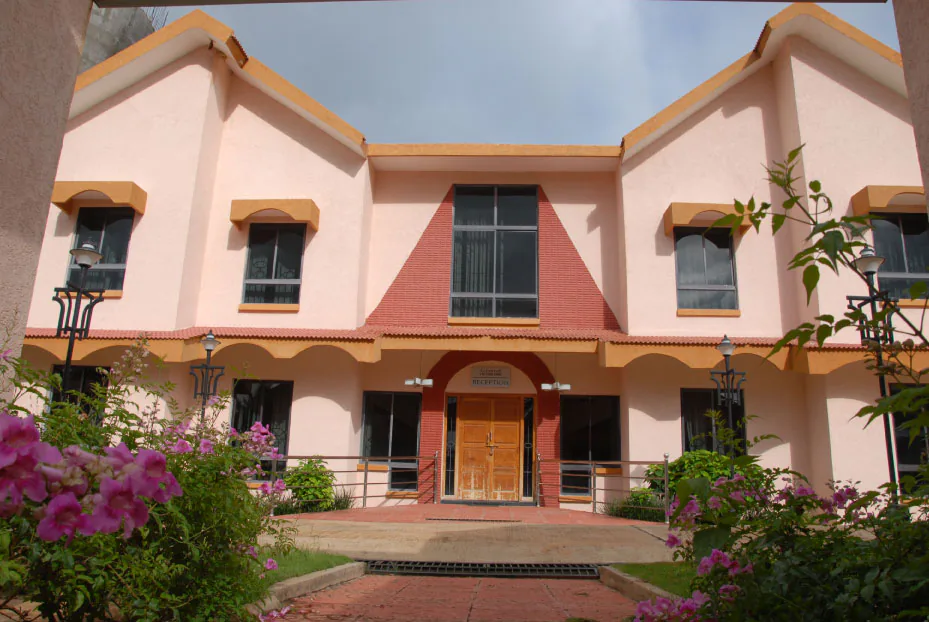
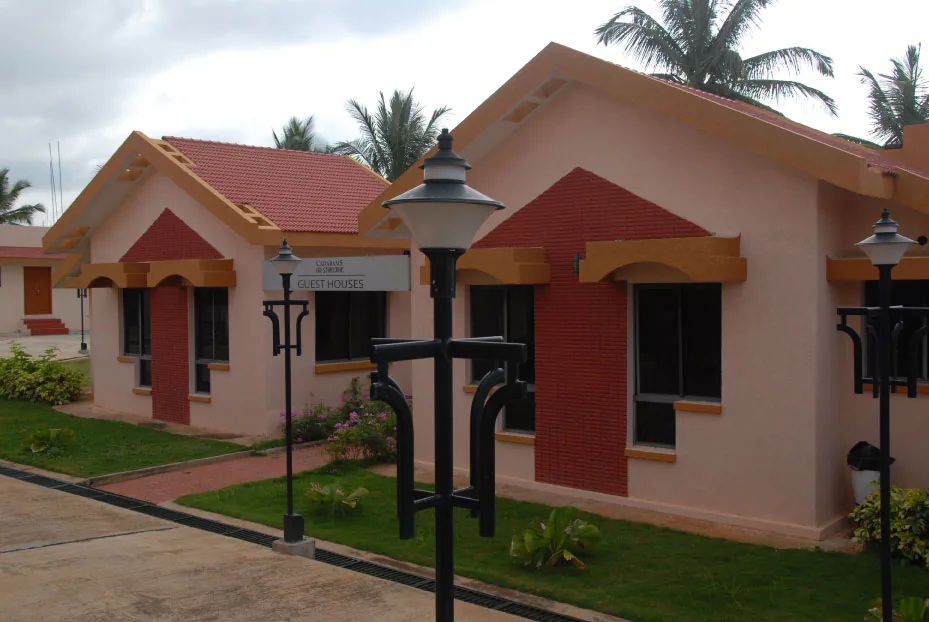
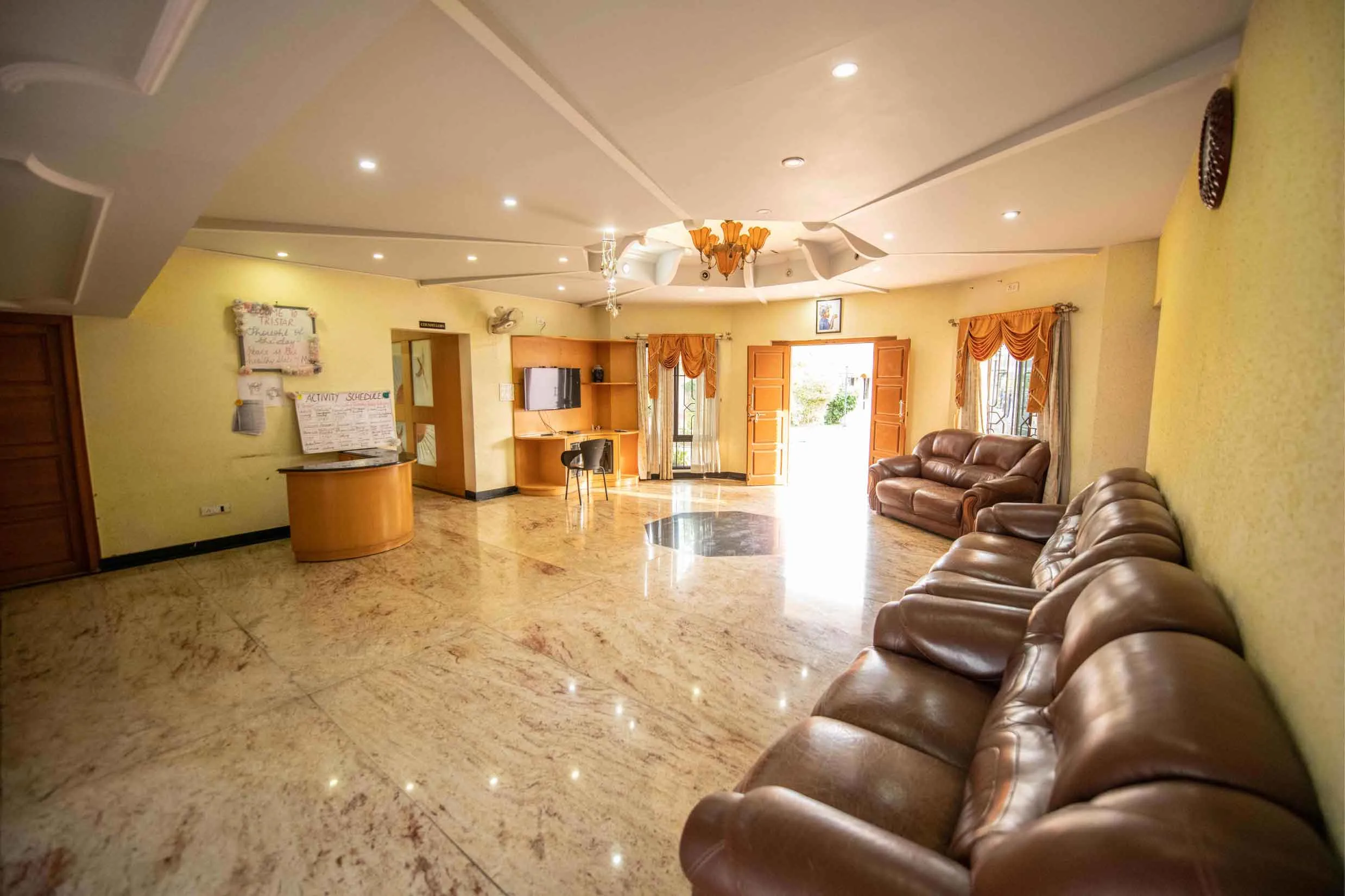
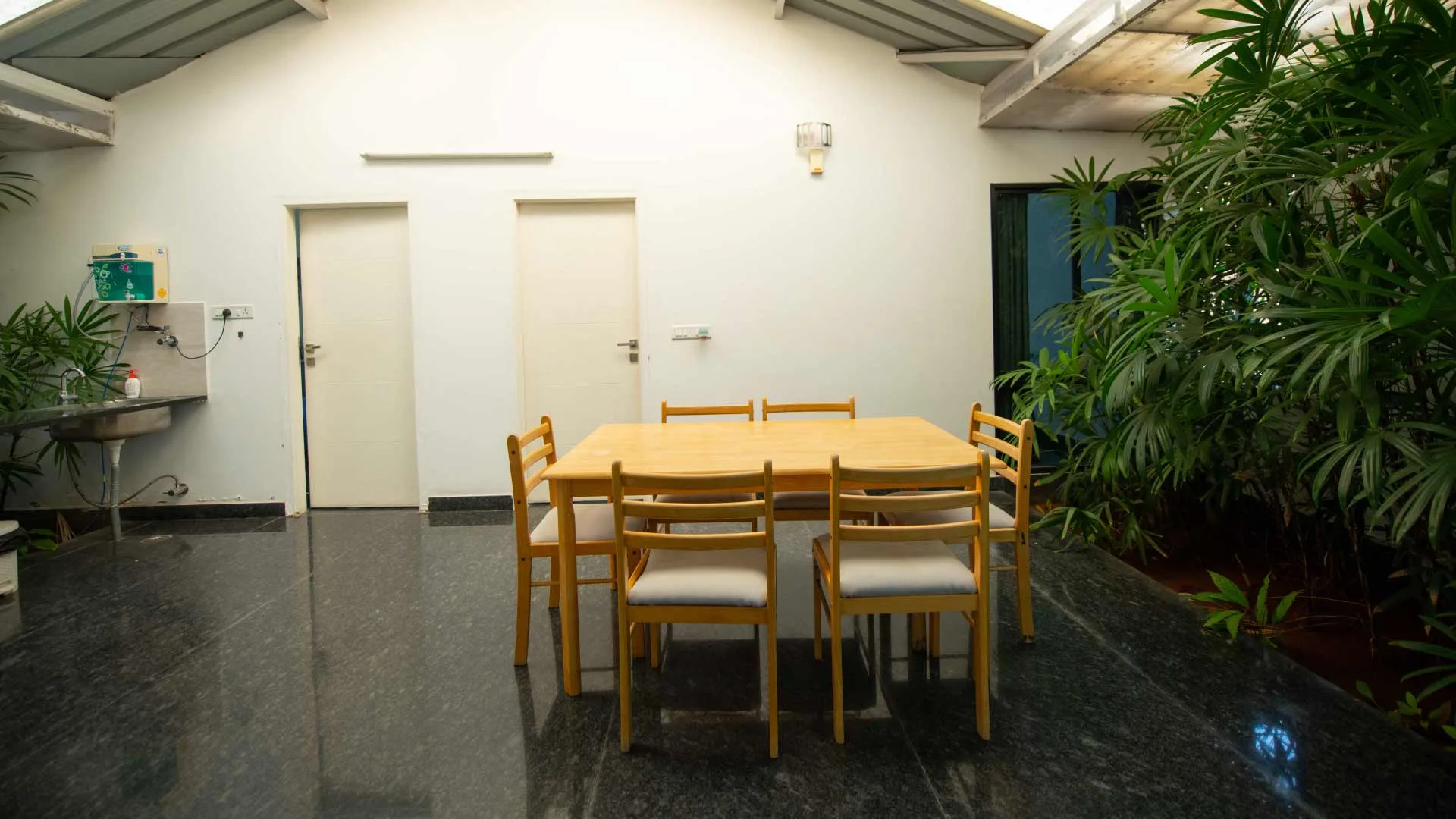
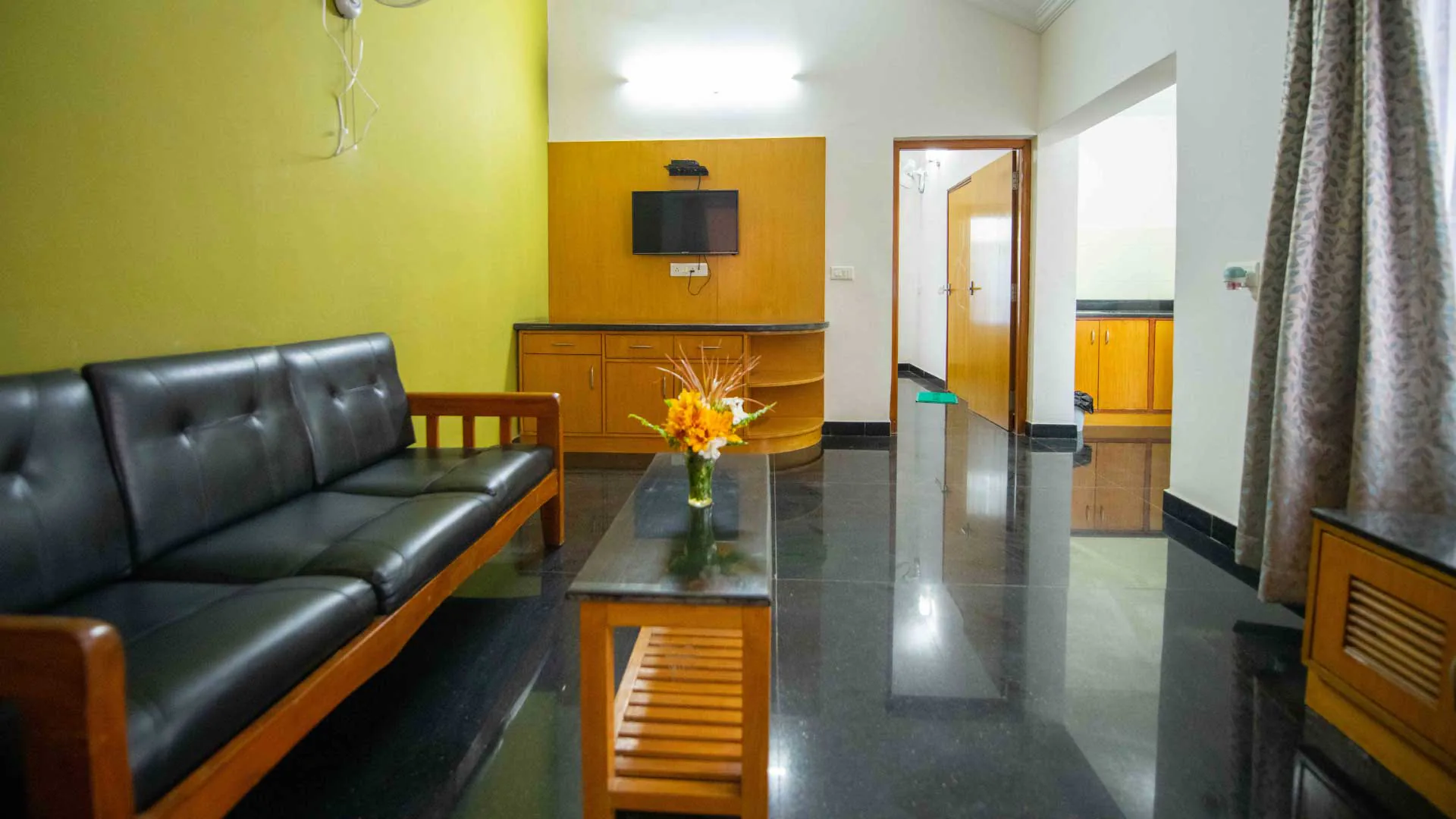
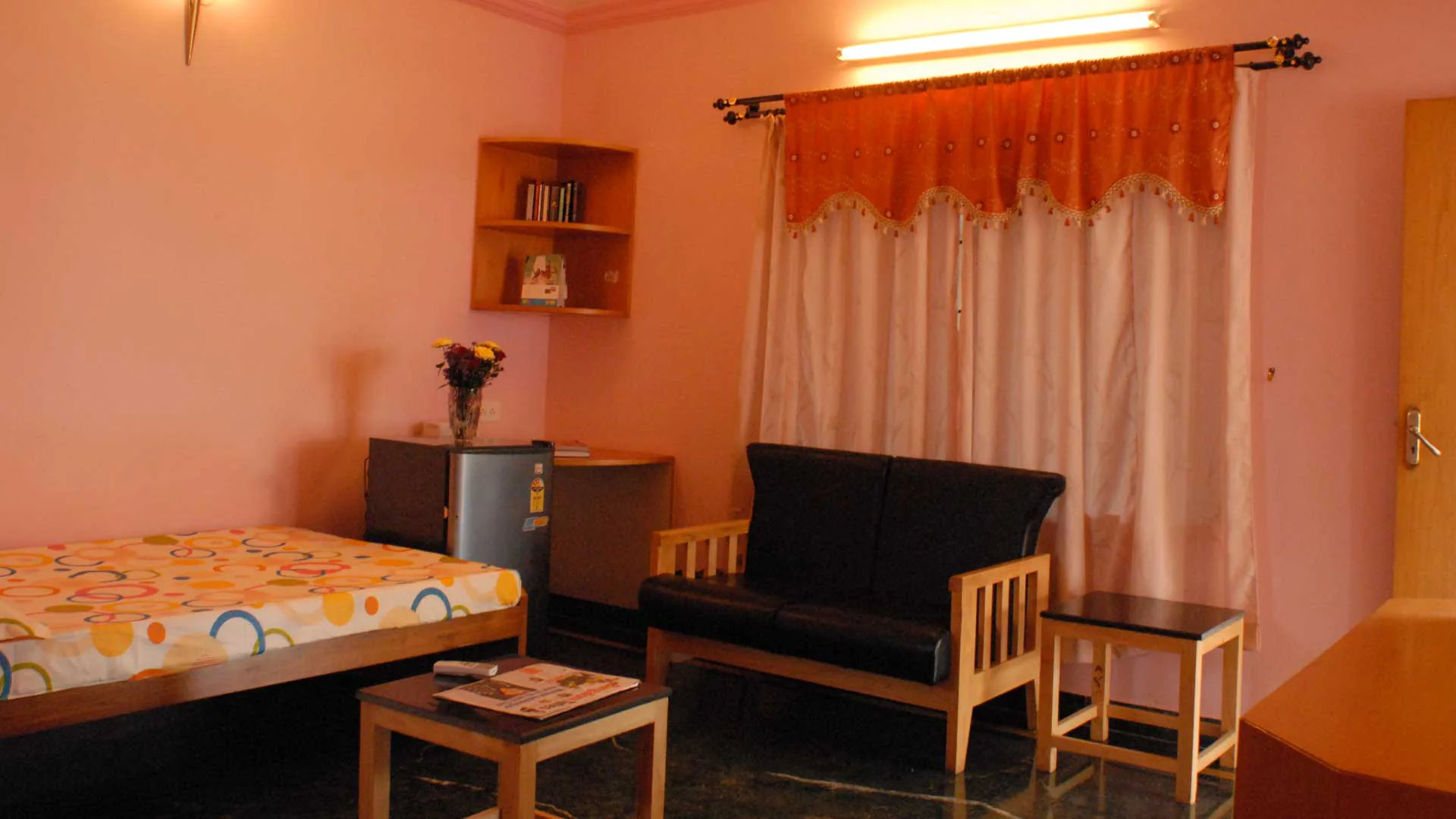
Cadabam’s Hospitals in Mysore provides a modern, serene, and supportive environment for healing. We utilize the latest biofeedback technology to ensure accurate monitoring and effective training. Our focus is on creating a safe space where you can feel comfortable and confident as you work towards recovery.
Ongoing Support and Monitoring for OCD
Our commitment to your well-being extends beyond the therapy sessions. We provide ongoing support and progress monitoring to help you integrate your new skills into daily life. This continuous care ensures that you can maintain your gains long after the initial treatment phase is complete.
Comprehensive Care Approach at Cadabam’s Spark Hospitals for OCD
We offer a truly comprehensive approach by integrating biofeedback with other essential mental health services. Our multidisciplinary team works together to create a holistic care plan that addresses the psychological, physiological, and social aspects of OCD, providing you with the most robust support system for lasting recovery.
Top OCD Doctors at Cadabam’s Hospitals
Best OCD Treatments Offered at Cadabam’s Hospitals
More Additional Resources