Why Cadabam’s Hospitals? What Makes Us Different?
Through our 8 specialty centers offering top-notch treatments across the nation, we have been helping thousands of people improve the quality of their lives.
33+
Years of Experience
10,000+
Happy Families
20+
Treatment Modalities
400+
Mental Health Experts
With over 33 years of expertise and knowledge, we promise to provide our clients the treatment that suits them the best. Whether the case involves substance addiction, alcoholism, sleeping issues, bipolar disorder, or schizophrenia, our experts know how to handle it in a way that it’s in the best interest of the client and their family.
Our state-of-the-art infrastructure, experienced professionals, and strong support system enable us to offer world-class evidence-based treatment that fits all stages and types of mental health concerns that you may have.
At Cadabam’s Hospitals, we’ve always got your back.
Our Infrastructure & Care Facilities
Purpose-built rehabilitation centres, clinical equipment, and support services designed to drive better patient outcomes.
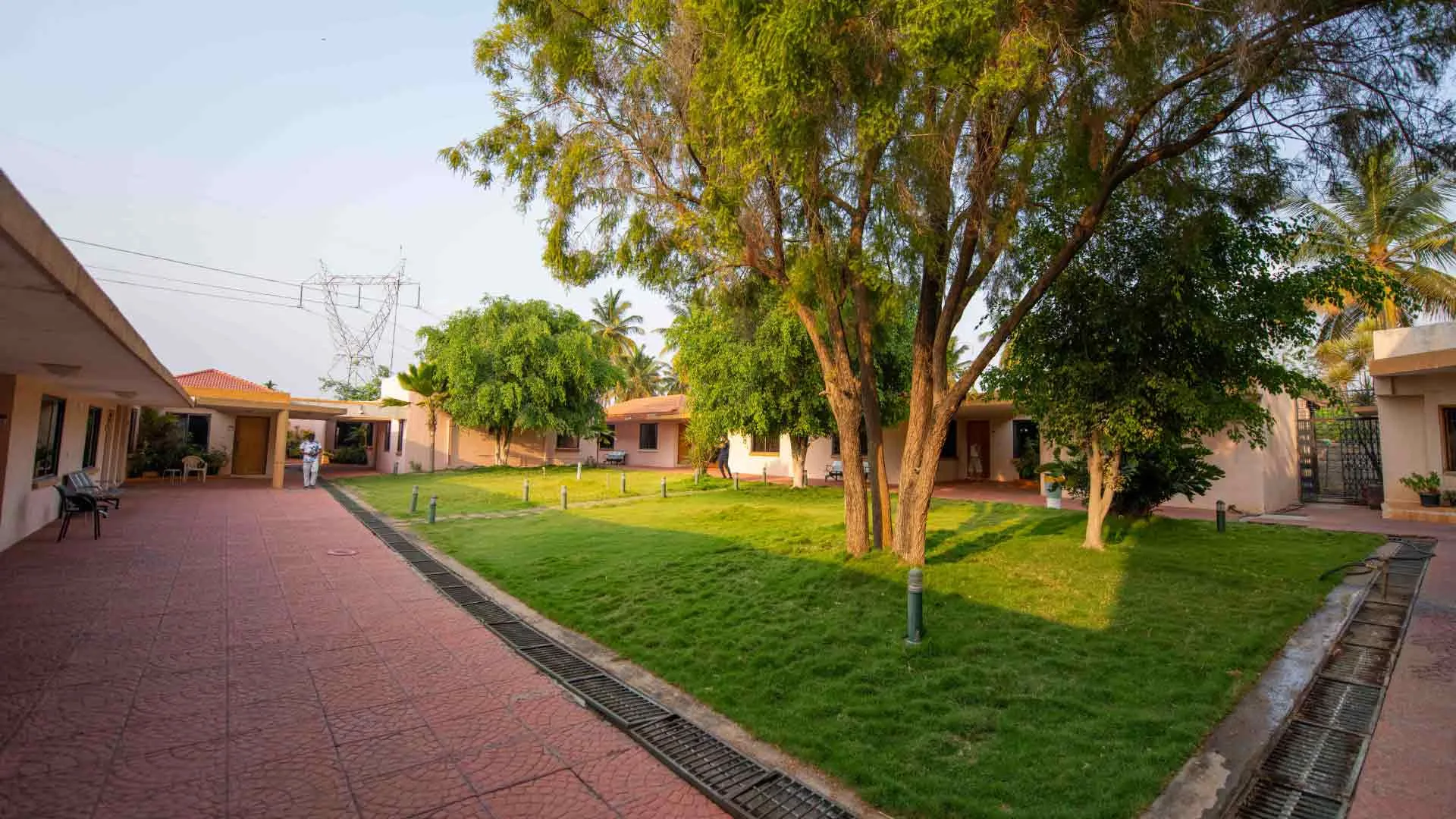
Ananya Campus
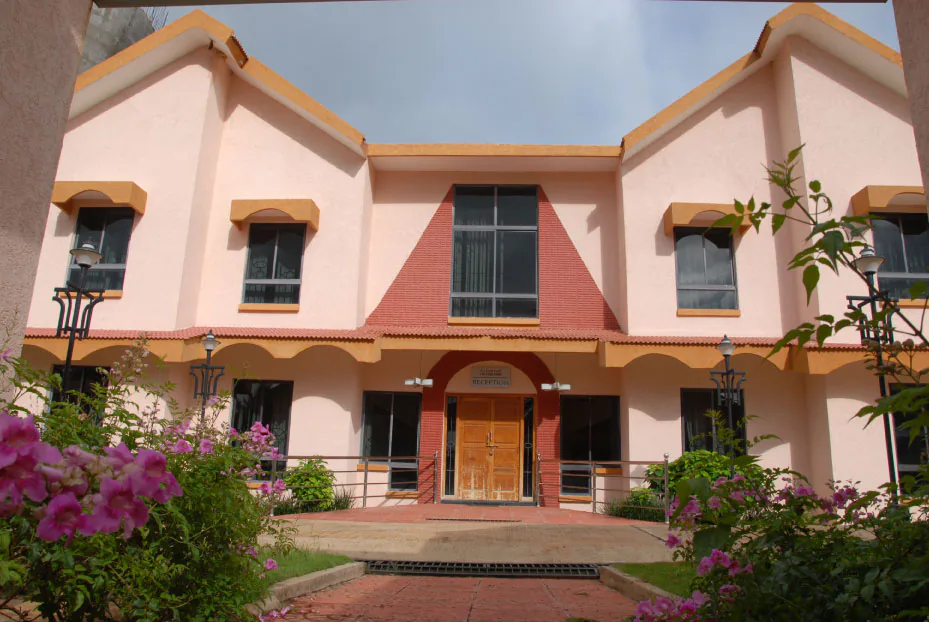
Ananya Rehabilitation Centre
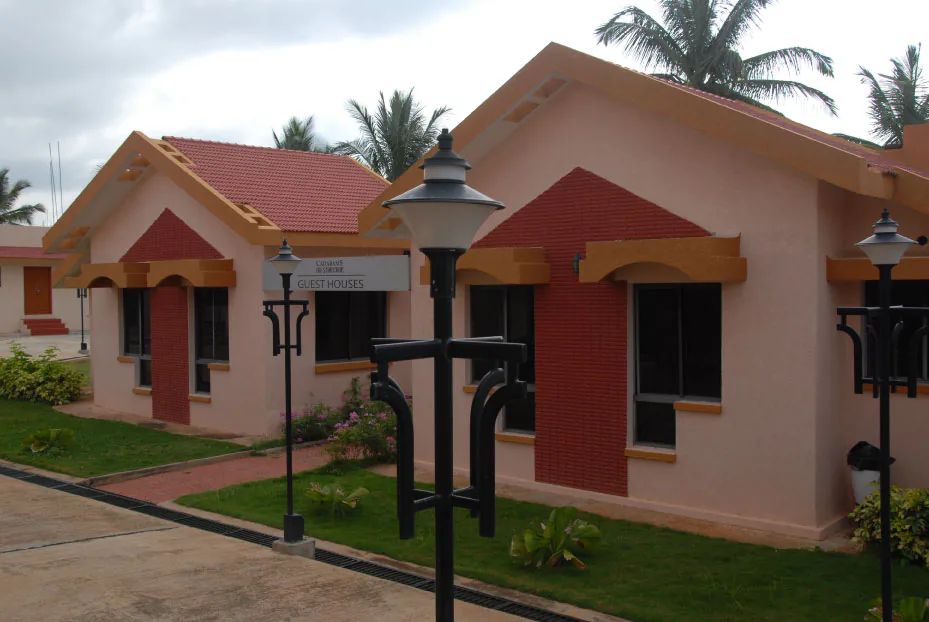
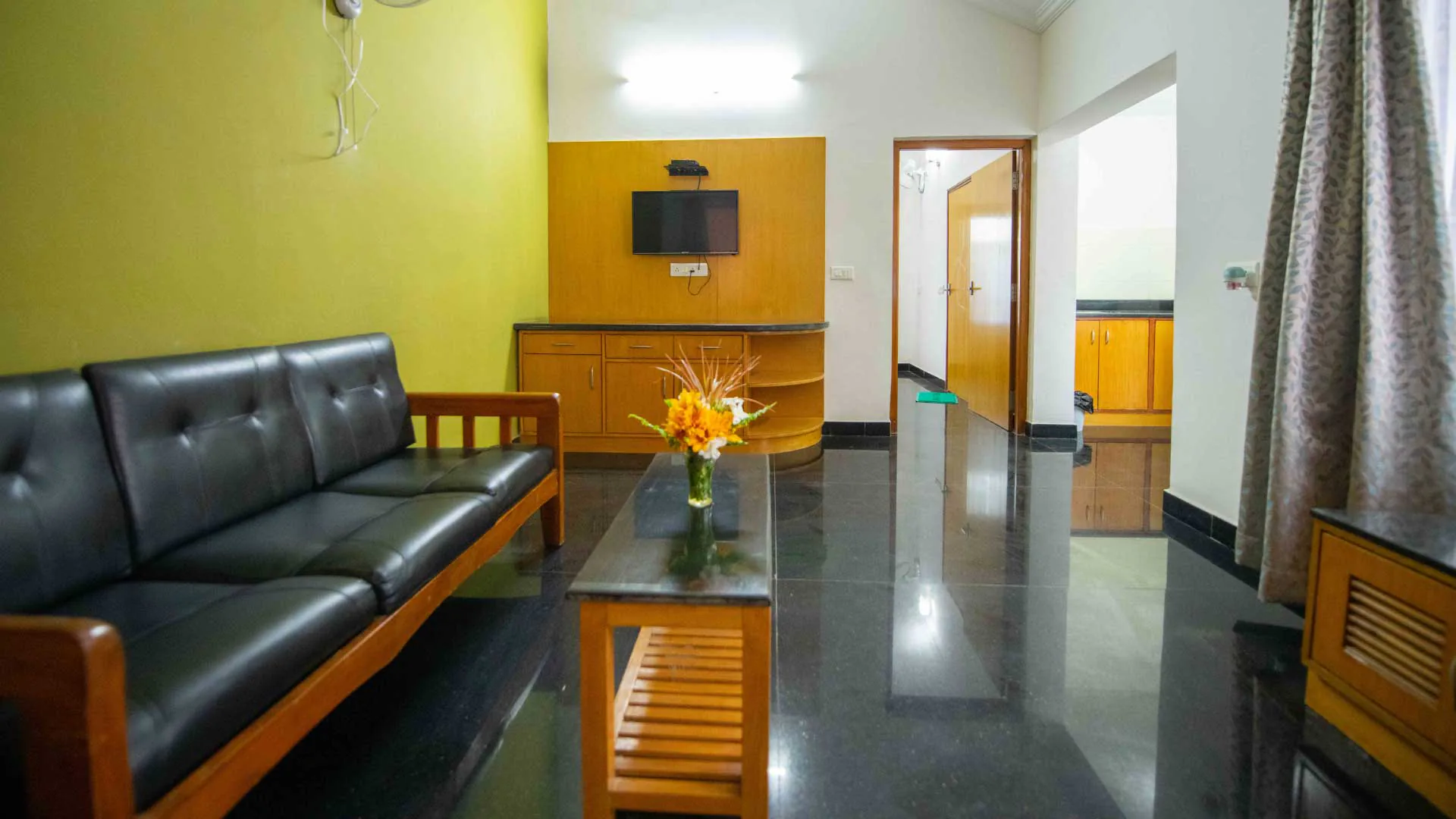
Private Cottages
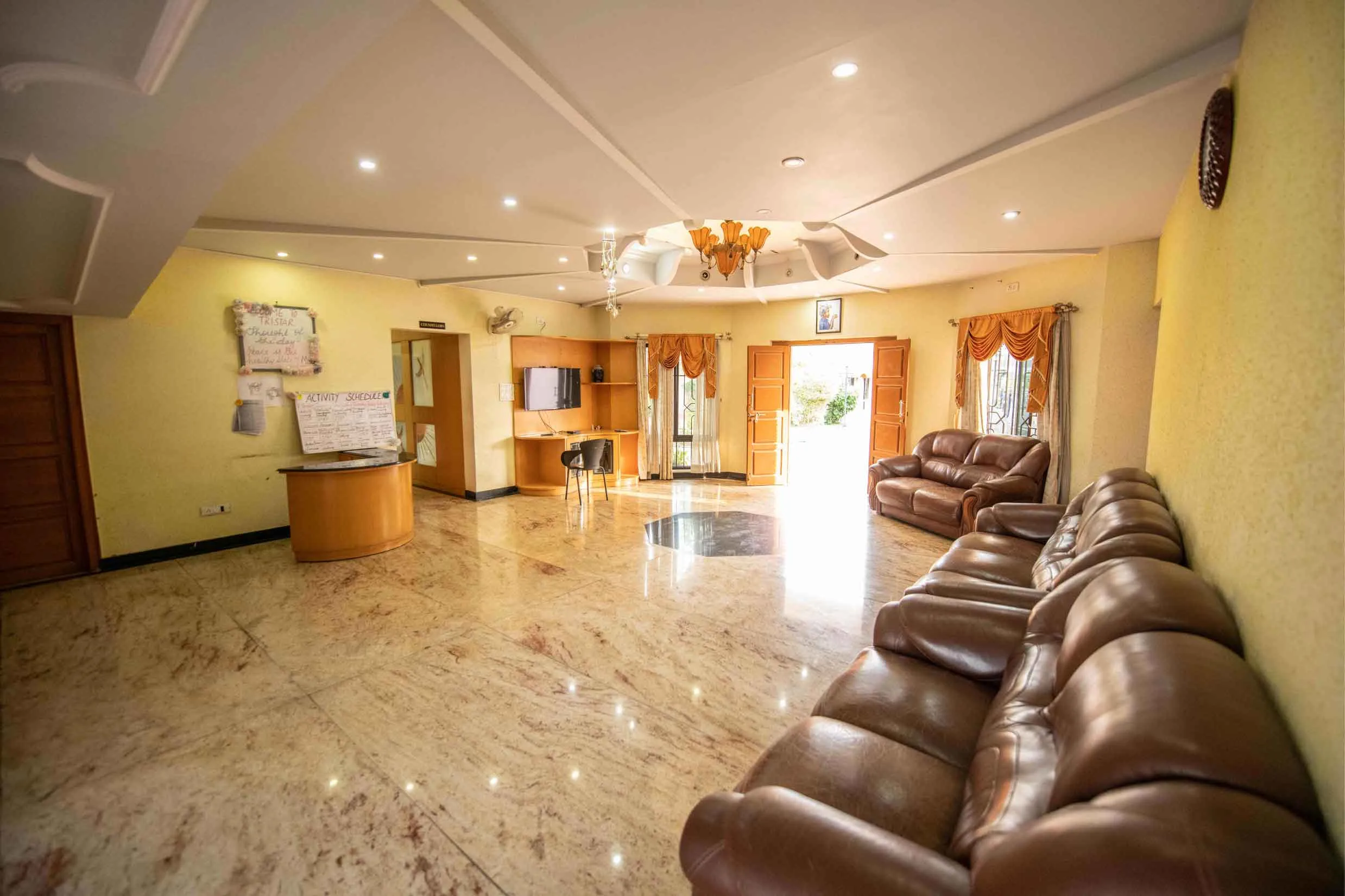
Campus Entrance
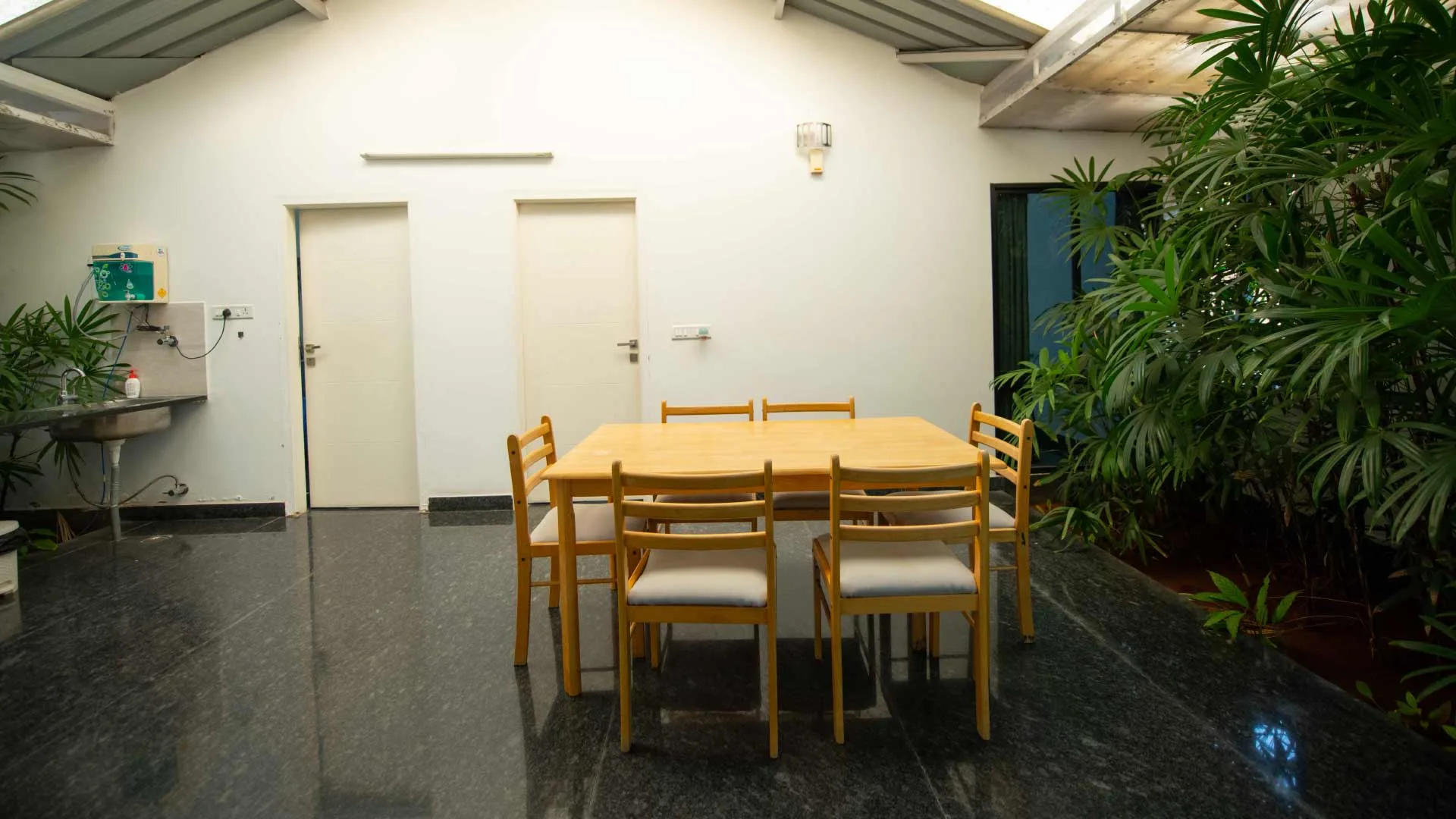
Healing Environment
Hospital Lobby
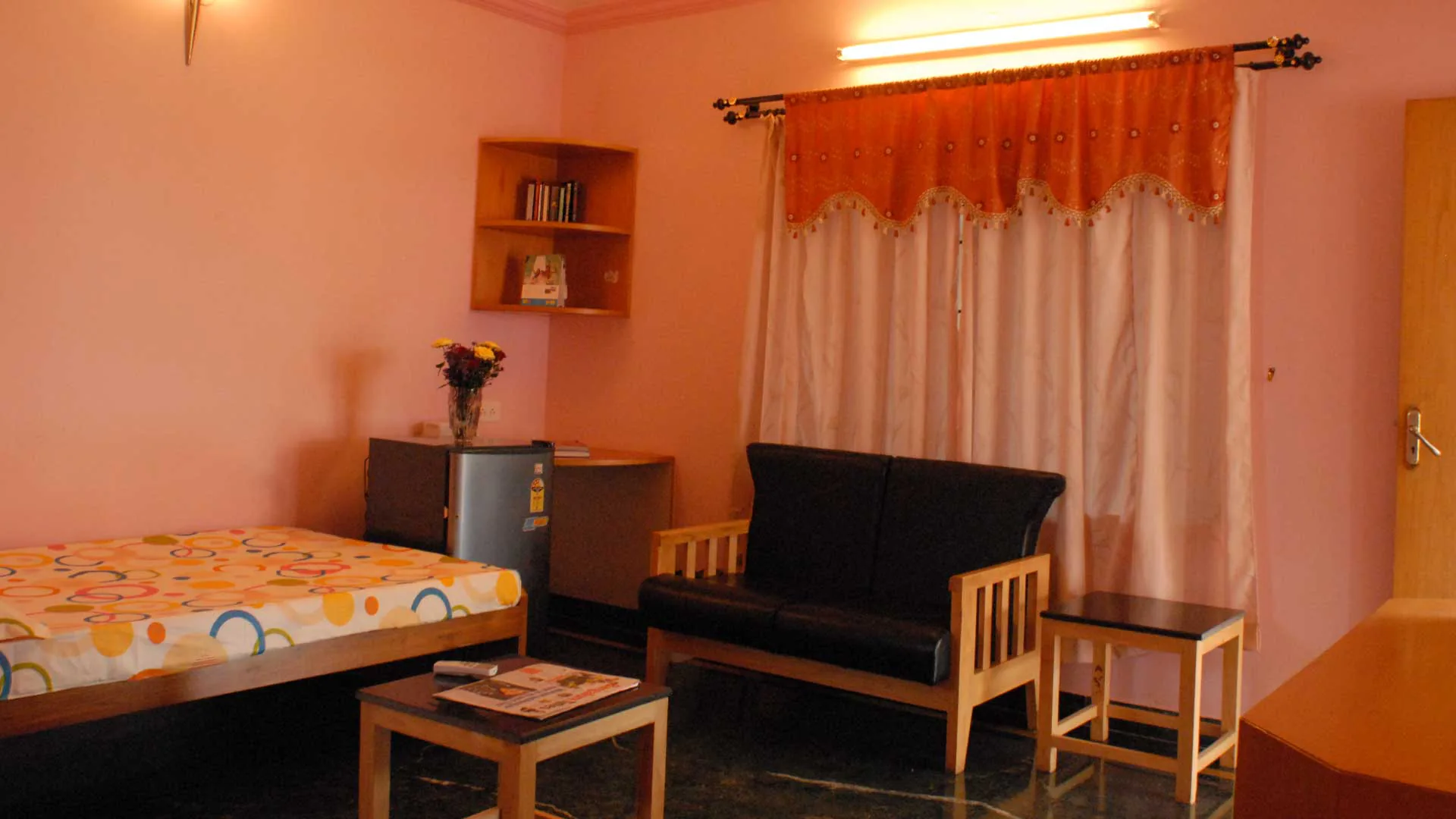
Recovery Experience
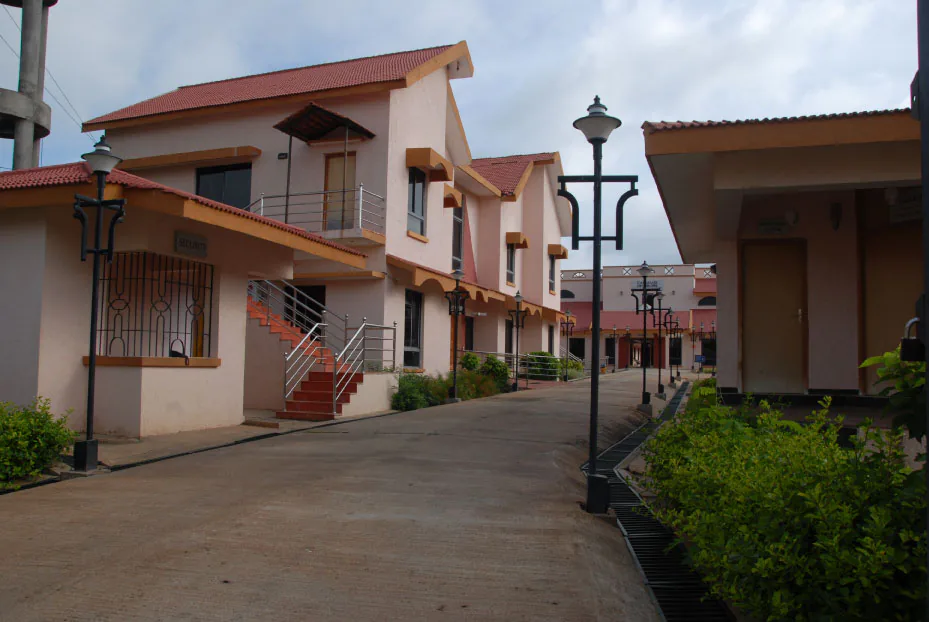
Rehab Unit
What Our Clients Have To Say
Real stories from the families and individuals we’ve supported on their path to well-being.
Cadabam's Hospitals' team treated my family with empathy from the very first call. The care plan was clear, the doctors listened, and we finally felt supported through a difficult time.
Aishwarya G.
Verified patient
The therapists and psychiatrists worked together on a plan that actually fit our situation. Three decades of experience really shows — calm, professional, and genuinely caring.
Suresh L.
Verified patient
I was nervous about reaching out, but the team made me feel safe. The structured therapy and follow-ups have helped me get back to my routine and feel like myself again.
Rahul M.
Verified patient
Trusted by 10,000+ families · 4.5 ★ on Google Reviews
Why Interventions Matter as Much as Medication
As our clinical team frames it, "psychosocial rehabilitation is not just about reducing symptoms — it is about helping people rebuild their lives, strengthen relationships, develop confidence and independence, and move towards recovery with the support of both professionals and their families." Acute care and medication manage the illness; psychosocial interventions begin where that leaves off — helping a person build a life around and beyond their symptoms.
Antipsychotics work well on hallucinations and delusions, but far less well on the quieter problems that keep a person at home: low motivation, withdrawal, poor concentration and lost confidence. Those decide whether someone studies, works and keeps friendships — and they respond to structured, skills-based work, not to a higher dose. As Dr. Nishmitha, Consultant Psychiatrist, Cadabam's Hospitals, puts it: "Medication: antipsychotics settle acute symptoms. Therapy: whatever the diagnosis, psychotherapy is a must. Rehabilitation: rebuilding daily life, work and relationships." The medication side is covered on our schizophrenia treatment page; this page is about the other two parts, delivered by a team — psychiatrist, clinical psychologist, psychiatric social worker, occupational therapist, nurses and rehabilitation staff — with the person and family as members, not recipients.
How Is Psychosis Treated? The 3 Parts of Treatment
Psychoeducation for the Person and Family
Understanding the illness is itself therapeutic. Psychoeducation helps the person and their family understand schizophrenia, its treatment, and the early warning signs of relapse — which directly reduces relapse and hospital readmission. Our psychiatrists describe co-educating patient and family as a core part of every treatment plan, so that everyone knows what the illness is and why the treatment works.
In practice it is a series of structured sessions — individual, family or group — led by a clinical psychologist or psychiatric social worker. Early sessions cover what schizophrenia is and is not, how positive, negative and cognitive symptoms differ, and why negative symptoms are illness, not laziness. Later sessions cover why medication continues after symptoms settle, what relapse looks like in this particular person, and how to respond to a delusion without arguing it. In the Indian context, the first job is often to replace an explanation of black magic, a curse or a "weak mind" with the honest one: this is a medical illness, and it is treatable. A family that does not believe that will not sustain the treatment. The evidence is plain: families who understand the illness have fewer crises, and the person is more likely to stay in treatment. Supporting a loved one →
Family Intervention and the Family Psycho-Education Support Group
Family intervention goes beyond information. It is a structured programme — usually several months of regular sessions with the family and, where possible, the person — that works on communication, problem-solving and the emotional temperature at home. High criticism, hostility or over-involvement in a household (what clinicians call "expressed emotion") is one of the best-established predictors of relapse, and family intervention lowers it. Across decades of trials it has some of the strongest evidence of any intervention for reducing relapse and readmission, which is why international guidelines treat it as first-line rather than optional.
A session at Cadabam's is led by a psychiatric social worker or family therapist. The family learns to describe a problem specifically ("he stopped going to the shop this week", not "he does nothing"), to make requests calmly, to share the care rather than leave it to one parent, and to plan for the early signs of relapse. Siblings and spouses are included, because the illness lands on them too. How schizophrenia affects the family →
Alongside this, Cadabam's runs a monthly Family Psycho-education Support Group at Cadabam's Amitha. Each session takes one theme — caregiver self-care, siblings, communication, relapse — with a panel of our clinicians and open discussion among families. For many relatives it is the first time they have sat with other people who understand exactly what they are living with. Families of people in treatment anywhere in our network can attend; ask the team on 97414 76476 for the next date.
Cognitive Behavioural Therapy for Psychosis (CBTp)
CBTp helps people make sense of distressing experiences — voices, unusual beliefs — and develop practical ways to cope with and reduce their impact. It sits alongside medication as one of the most evidence-based psychological therapies in schizophrenia.
It is delivered one-to-one by a clinical psychologist, usually weekly for several months, once the acute phase has settled enough for the person to engage. It does not try to argue a belief away. Psychologist and person examine together how the belief or the voices began, what keeps them going, how much distress they cause, and what can safely be tested. Someone who hears a critical voice learns when it is loudest and that it does not have to be obeyed; someone who feels watched learns to check the evidence and carry on with a planned task while the feeling is there. In plain terms, the evidence shows a modest but real reduction in the distress and disability caused by persisting symptoms, most useful when symptoms remain despite good medication. It is not a replacement for medication; it reduces how much the symptoms rule the person's life.
Social Skills Training
Years of illness, and the withdrawal that comes with negative symptoms, erode the ordinary skills of social life: starting a conversation, holding eye contact, reading a tone, asking for help, saying no. Social skills training rebuilds these deliberately. In a small group led by a psychologist or rehabilitation therapist, each skill is broken into steps, demonstrated, practised in role-play with feedback, then tried in real life between sessions — greeting a neighbour, asking a shopkeeper a question, telling a family member about a side effect, handling a disagreement without walking away. The evidence is clear that people learn the skills; the harder part is carrying them into daily life, which is why Cadabam's runs this inside a rehabilitation programme where the skills are used every day rather than as a stand-alone course. Our Amitha team calls this the "social laboratory": a place to practise conversations, friendships, conflict resolution and teamwork with support on hand.
Cognitive Remediation
Schizophrenia often affects memory, attention and planning — the cognitive skills a person needs for work and daily life. Cognitive remediation uses structured exercises to strengthen these abilities, and the evidence increasingly supports it as a meaningful contributor to functional recovery.
A programme begins with a cognitive assessment by a clinical psychologist, mapping what has been affected — sustained attention, working memory, processing speed, planning. Sessions then use graded exercises, on computer and on paper, that get progressively harder, with the therapist teaching strategies (chunking information, written plans, pacing a task) alongside the drills. The exercises are tied to real goals: the person returning to a bank job practises checking figures under time pressure; the student practises reading and recalling a paragraph. In plain terms, the research shows cognitive remediation improves cognition, and the gain carries into everyday functioning most reliably when it is delivered together with rehabilitation or supported employment rather than alone — which is how it is used at Cadabam's.
Occupational Therapy — Turning Stabilisation Into Function
Cadabam's runs occupational therapy as a named clinical layer — Kalakriti — across our rehabilitation centres. Occupational therapy is the clinical discipline that turns stabilisation into recovery — by rebuilding the capacity to do the things that constitute a life: self-care, work, learning, relationships, leisure. It is, in short, the bridge between the hospital and the world.
An occupational therapist starts with what the person can and cannot currently do: waking at a reasonable hour, bathing and dressing without prompting, cooking, handling money, using public transport, concentrating for an hour. A graded programme follows — early on a daily timetable and a kitchen session; later a workshop placement, a vocational task done to a standard, a weekly budget managed. Kalakriti sessions are activity-based — craft, horticulture, cooking, computer work, pre-vocational tasks — because doing is how function returns, and a finished piece of work is visible proof of capacity to a person who has lost confidence. Families notice it in the ordinary things: a bath without a reminder, a meal cooked, a bus taken alone.
Supported Employment and Vocational Rehabilitation
Supported return to work and study has some of the strongest evidence in the whole field of psychiatric rehabilitation. The older model — train for a long time, then look for a job — tends to leave people in preparation indefinitely. The better-evidenced model places a person in real work quickly, matched to their preference, and supports them in it, with the employment specialist working alongside the clinical team; trials across many countries show it roughly doubles the chance of competitive employment compared with conventional vocational training.
At Cadabam's, vocational rehabilitation runs inside the rehabilitation programme: a vocational assessment, pre-vocational training in Kalakriti units, then a graded path — a sheltered task, a supported placement, a phased return to a former job or course with a plan for disclosure and reasonable adjustments (flexible hours, a quieter role, a staged start). For a young person whose illness interrupted college, the equivalent is supported education. Work is not a reward for recovery; it is part of it. Returning to work with schizophrenia →
Peer Support
People "gain hope, not from professionals, but from seeing another resident who was once struggling and is now doing better," as our Amitha team observes. Peer support formalises that. It takes two forms at Cadabam's: the informal mentoring on a residential campus, where a resident months into recovery shows a newcomer the routine, and facilitated groups where people with lived experience of psychosis talk about managing symptoms, medication, work and stigma. For the person it offers something no clinician can — proof. For families, the Family Psycho-education Support Group plays the same role. The evidence for peer support is still developing, and it is an addition to clinical treatment rather than an alternative; but on hope, engagement and self-stigma its effect is clear and consistent.
Home-Based Care and Assertive Follow-Up
Not everyone can, or should, come to a centre. Home-based care — the Indian equivalent of what international guidelines call assertive community treatment — brings a small team to the person: a psychiatric social worker or nurse who visits regularly, checks medication, works with the family in their own home and watches for early signs of relapse, with a psychiatrist reviewing the plan. It is designed for the person who has relapsed repeatedly, will not attend outpatient appointments, or whose family cannot manage the journey. After a residential stay, Cadabam's Reach Out after-care continues this follow-up through the transition home, when relapse risk is highest. In plain terms, assertive home-based follow-up keeps people in treatment and reduces readmission for those who use hospital care heavily. It is not for an acute, agitated episode — that needs hospital care first, as our acute psychosis page explains. Day-to-day family guidance is covered in the sections above; home visits in Bengaluru on our home care page.
Day Care or Residential Rehabilitation: Which Setting?
Psychosocial rehabilitation is where all of these interventions come together, and the first decision is the setting.
Day-Care Rehabilitation
The person lives at home and attends a structured programme during the day — group therapy, occupational therapy, skills training, cognitive remediation — several days a week, returning home each evening. It suits someone who is stable, has a supportive household, and needs structure, skills and company rather than round-the-clock support. The family remains the main carers, and what is learned by day is practised at home by night.
Residential Psychosocial Rehabilitation
The person lives on a campus with a 24-hour team and a full daily programme. It is for someone whose level of functioning has dropped too far for home — not bathing or eating reliably, isolated for months, relapsing repeatedly — or whose family needs respite, or who is moving towards supported living and needs a structured step on the way. Cadabam's runs this at Cadabam's Amitha, India's largest psychosocial rehabilitation centre, and at Cadabam's Anvita and Cadabam's Ananya, with programmes from short intensive stays to long-term care and supported living. Admission is consent-based under the Mental Healthcare Act, 2017, with a nominated representative involved where a person cannot decide for themselves. What makes it work is captured well by our Amitha team:
- You are known by your strengths, not your diagnosis. "In many settings, people are known by their diagnosis. In psychosocial rehabilitation, people are known by their strengths, hobbies, dreams or talent and potential."
- A safe place to fail. "Rehab is also a place to fail safely… it allows people to try new things without fear. If they struggle, there is support available."
- A social laboratory. "Rehabilitation provides a social-laboratory kind of setting where they can practise conversations, friendships, conflict resolution and teamwork."
- Hope through observation. People "gain hope, not from professionals, but from seeing another resident who was once struggling and is now doing better."
Rehabilitation is not a place a person is "sent"; it is a programme with goals, a planned length, family sessions and a planned return home. · Rehabilitation near you: Bengaluru → · Mysuru → · Hyderabad →
Interventions at a Glance
| Intervention | Goal | Who delivers it | Setting at Cadabam's |
|---|---|---|---|
| Psychoeducation | Understand the illness, treatment and relapse signs | Clinical psychologist, psychiatric social worker | Outpatient, inpatient, residential, family group |
| Family intervention / FPSG | Lower tension at home, build problem-solving, reduce relapse | Psychiatric social worker, family therapist | Family sessions at the hospitals; monthly group at Cadabam's Amitha |
| CBT for psychosis | Reduce distress and disability from persisting symptoms | Clinical psychologist | Outpatient or residential, one-to-one |
| Social skills training | Rebuild everyday social behaviour | Psychologist, rehabilitation therapist | Group, within day-care or residential rehabilitation |
| Cognitive remediation | Improve attention, memory, planning for real tasks | Clinical psychologist | Outpatient or residential, tied to work/study goals |
| Occupational therapy (Kalakriti) | Restore self-care, routine and functional capacity | Occupational therapist | Rehabilitation campuses; activity units |
| Supported employment / education | Return to real work or study with support | Vocational/rehabilitation team with the clinical team | Rehabilitation programme, then community |
| Peer support | Hope, engagement, reduced self-stigma | Residents and facilitated groups | Residential campuses; family group |
| Home-based care / Reach Out | Keep the person in treatment; catch relapse early | Psychiatric social worker, nurse, psychiatrist | The person's home |
| Relapse-prevention planning | Agree early signs and actions in advance | Whole team with person and family | Every setting; reviewed at each stage |
Relapse-Prevention Planning
Every intervention above feeds one document: the relapse-prevention plan. It is written with the person and the family, usually in the last weeks of an admission or rehabilitation stay, and it answers four questions. What are this person's early signs — the sleep that slips first, the music turned up to drown a voice, the suspicion of a particular relative, the missed tablets? What has helped before, and what has made things worse? Who does what when a sign appears — who calls the psychiatrist, who holds the medication, who keeps the house calm? And when does the family stop managing at home and call for help? The plan sits on the fridge, not in a file. Relapses are usually preventable, and the commonest cause is stopping treatment; a plan that names the signs and the steps turns a crisis into an adjustment made early. The medication side of relapse prevention — including long-acting injectables — is on our treatment page; what to do when the plan is not enough is on our caregiver crisis page.
Rehabilitation Is Also Family Rehabilitation
One of the most important truths about this work: "psychosocial rehabilitation is not only rehab for the client. It is also rehabilitation for the family — it provides parents, caregivers and family members with the knowledge, support, hope and much-needed respite, allowing them to continue caring for their loved one in a healthier, more sustainable way." Good interventions reduce caregiver burnout, increase understanding, and share the responsibility of care.
That is not a side effect; it is a design goal. In India the family is the care system, and a parent who has carried an unwell adult child alone for years is often as depleted as the person they care for. Family sessions, the support group, respite during a residential stay and a plan that shares the load across siblings all protect the carers — and a protected family is the single most durable support a person with schizophrenia has. If the family breaks, the care breaks.
Why Is Rehabilitation Necessary for Schizophrenia? · Cadabam's Amitha — India's Largest Psychosocial Rehabilitation Centre · Cadabam's Anvita
When to Get Help — and What Cadabam's Does
Ask for a rehabilitation and interventions assessment if your relative's symptoms have settled on medication but the life has not come back — months at home without routine, no return to study or work, friendships gone, self-care slipping, or relapse after relapse despite treatment. Ask sooner if the family is exhausted. And ask urgently — today — if there is talk of self-harm or harm to others, a refusal to eat or drink, or a return of acute symptoms; that is a hospital matter first, and our treatment-resistant and caregiver crisis pages explain those routes. Call 97414 76476. Our team talks the situation through, arranges an assessment — at a hospital, or at home where the person will not come in — and recommends the setting and the mix of interventions that fit this person and this family.
Cadabam's Approach to Psychosocial Interventions
Cadabam's has treated schizophrenia for over 33 years, and the interventions on this page are not add-ons to a prescription; they are a continuum under one network. Acute care and the first steps of psychoeducation and family work happen at Cadabam's Hospitals JP Nagar, Cadabam's Hospitals Whitefield and Cadabam's Spark Hospital Mysuru. Day-care and residential psychosocial rehabilitation — occupational therapy through Kalakriti, social skills training, cognitive remediation, vocational rehabilitation and peer support — run at Cadabam's Amitha, Cadabam's Anvita and Cadabam's Ananya. The monthly Family Psycho-education Support Group meets at Cadabam's Amitha. Reach Out after-care follows the person home. The same team that saw the family at the first frightening appointment is the team that plans the return to work. For families in Bengaluru, Mysuru and Hyderabad, that continuity is the difference between a stable patient and a recovered person.
Get Help
Recovery is more than fewer symptoms — it's a life rebuilt. If your relative is stable but stuck, the next step is an assessment of what the illness has taken and a plan to rebuild it.
Frequently Asked Questions
Psychosocial interventions are the non-medication treatments for schizophrenia — psychoeducation, family intervention, CBT for psychosis, social skills training, cognitive remediation, occupational therapy, supported employment, peer support and psychosocial rehabilitation — that rebuild daily functioning, relationships and independence alongside medication. Medication reduces hallucinations and delusions; these interventions address the motivation, concentration, confidence and skills that decide whether a person returns to study, work and community life.
No — they work alongside medication. Medication settles symptoms; interventions rebuild the life. Both are needed for a full life, because antipsychotics act on hallucinations and delusions but do far less for negative and cognitive symptoms, while therapy and rehabilitation do little for an acute episode. Decisions about medication are always made with the psychiatrist; interventions are planned by the wider team with the person and family.
A structured, often residential, programme that helps a person relearn daily living and social skills, rebuild confidence and identity, and move toward independence — with family support built in. A typical day combines occupational therapy, group sessions, skills training, cognitive remediation and vocational work, with goals set and reviewed with the person. Cadabam's runs it at Cadabam's Amitha, Anvita and Ananya, in day-care and residential forms.
Yes. Good rehabilitation reduces caregiver burnout, builds understanding, and shares the responsibility of care — it rehabilitates the family as well as the individual. Family sessions, the monthly Family Psycho-education Support Group and the respite a residential stay provides all protect the carers, and a protected family is the most durable support a person with schizophrenia has over the years that recovery takes.
If symptoms are stabilised but daily functioning, work or relationships haven't recovered, an interventions and rehabilitation assessment can help. Other signs are months without routine, self-care slipping, repeated relapses despite medication, or a family that is exhausted. Call our team to discuss; the assessment recommends the setting — outpatient, day care, home-based or residential — and the mix of interventions that fits.
CBT for psychosis (CBTp) is one-to-one therapy with a clinical psychologist that helps a person understand and cope with voices and unusual beliefs rather than be ruled by them. It does not argue beliefs away; it examines how they formed, what keeps them going and what can safely be tested. The evidence shows a modest but real reduction in distress and disability, especially where symptoms persist despite medication. It complements medication; it does not replace it.
Cognitive remediation is structured training, led by a clinical psychologist, that strengthens the attention, memory, processing speed and planning that schizophrenia often affects. Graded exercises on computer and paper are paired with strategy coaching and tied to real goals such as returning to a job or course. Research shows it improves cognition and, when delivered alongside rehabilitation or supported employment, improves everyday functioning as well.
Yes. Many people return to work or study, and supported employment — placing a person in real work quickly and supporting them in it — has some of the strongest evidence in psychiatric rehabilitation, roughly doubling the chance of competitive employment compared with conventional training. Cadabam's provides vocational assessment, pre-vocational training in Kalakriti units, supported placements and planning for a phased return with reasonable adjustments.
In day-care rehabilitation the person lives at home and attends a structured programme during the day, returning each evening; it suits someone stable with a supportive household. Residential rehabilitation means living on a campus with a 24-hour team, for someone whose functioning has dropped too far for home, who relapses repeatedly, or who is moving towards supported living. Cadabam's offers both, and the assessment recommends which fits.
Yes. Cadabam's runs a monthly Family Psycho-education Support Group at Cadabam's Amitha, where a panel of our clinicians takes one theme each month — caregiver self-care, siblings, communication, relapse — followed by open discussion among families. Families of people in treatment anywhere in our network are welcome. Call 97414 76476 for the next session date.